

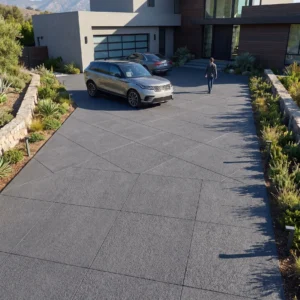
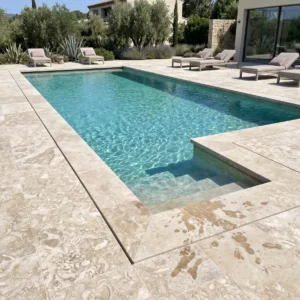

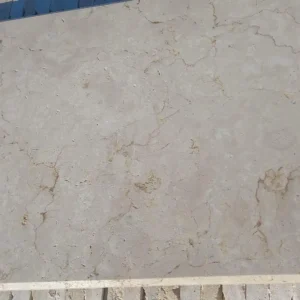
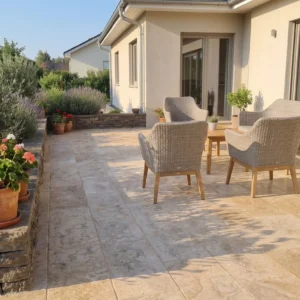







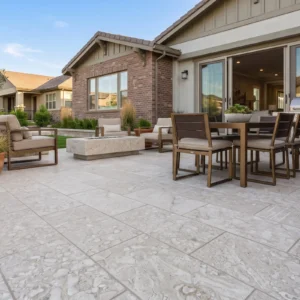
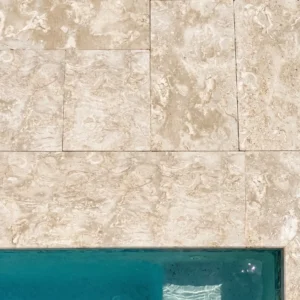
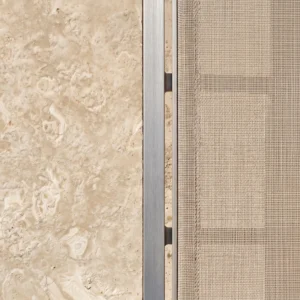
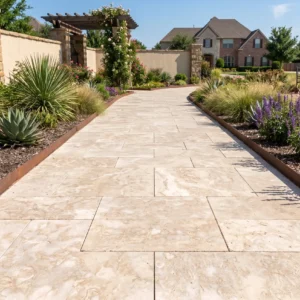











Citadel Stone supplies natural stone to Jamaica quarry-direct: pavers, tiles, slabs and pool coping, hand-selected piece by piece and shipped by container or pallet to Kingston or Montego Bay. You approve physical samples before committing, your order is cut and finished to your exact specification, and you deal with one person — Kareem — from first enquiry to the day the stone lands.
Jamaica is the English-speaking Caribbean’s largest market and one of its busiest construction stories: thousands of hotel rooms in the pipeline along the north coast, villa communities from Montego Bay to Ocho Rios renewing themselves, and a Kingston market building with real ambition. Jamaican projects have their own conditions — serious rainfall, salt coasts, a strong local construction culture — and this page walks through choosing and landing stone for exactly those.
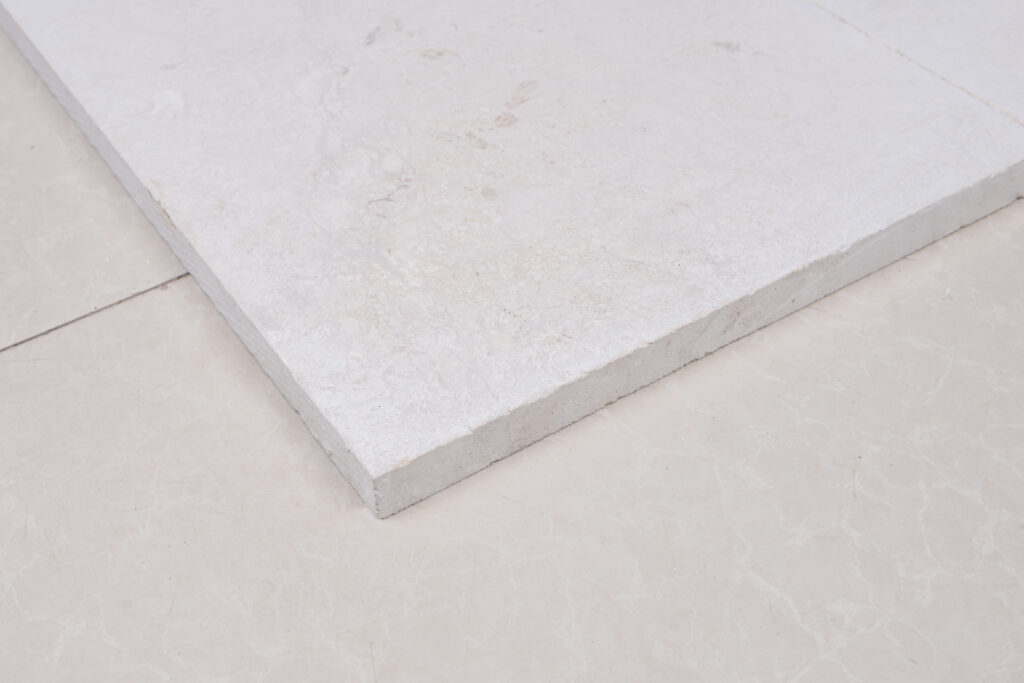
The stone Jamaican projects ask for
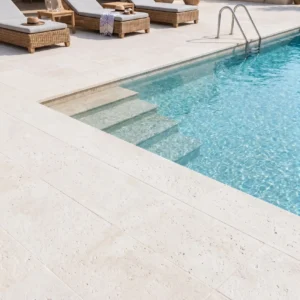
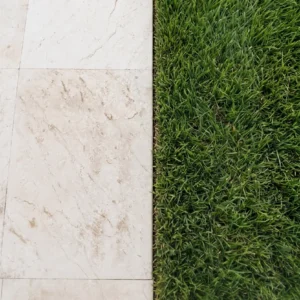
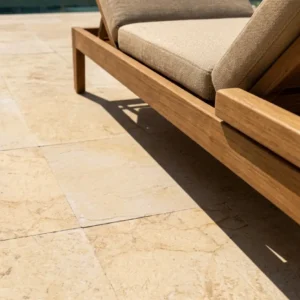
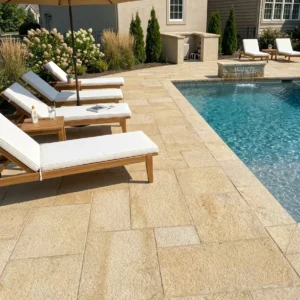
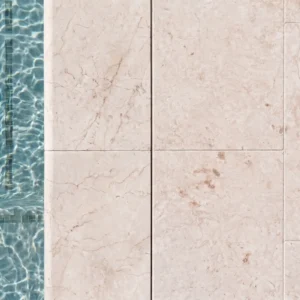
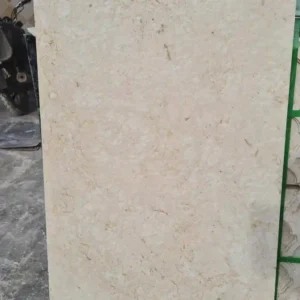
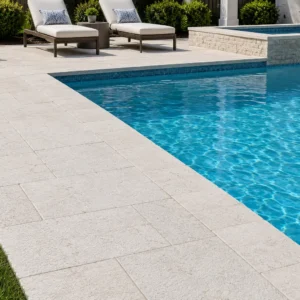
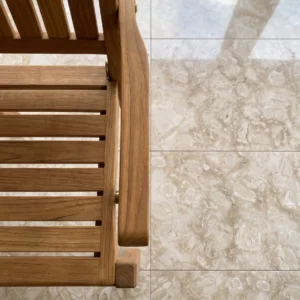
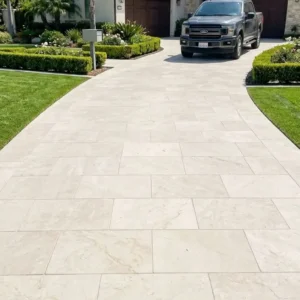
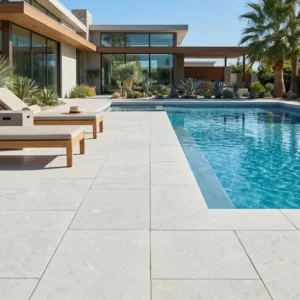
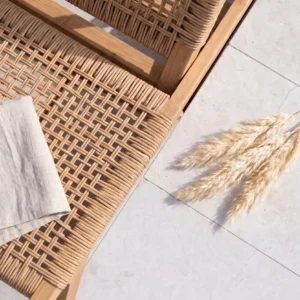
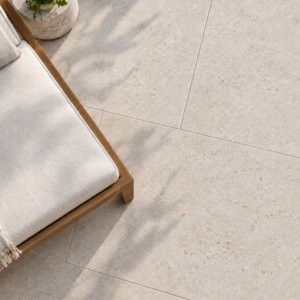
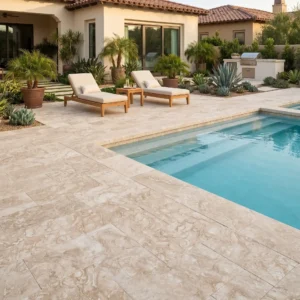
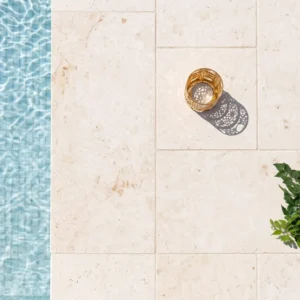
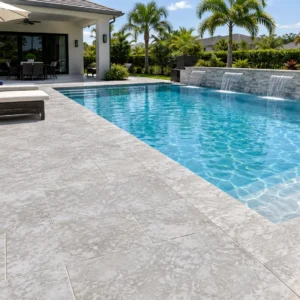
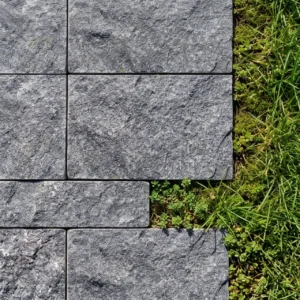
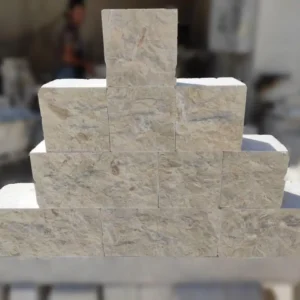
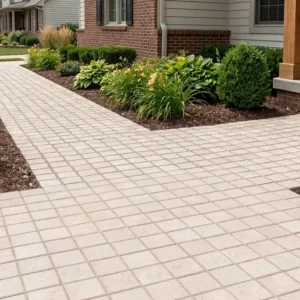
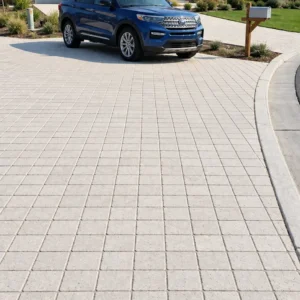
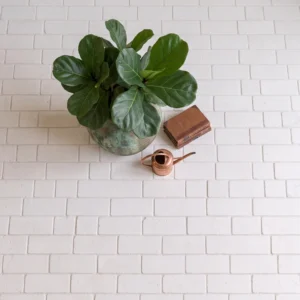
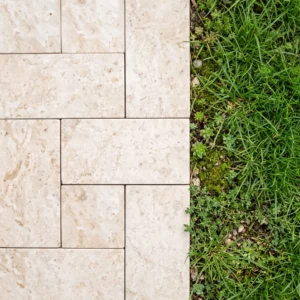
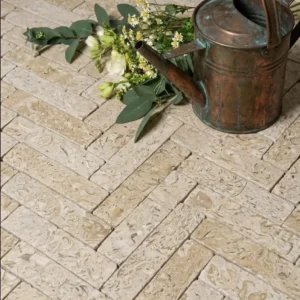
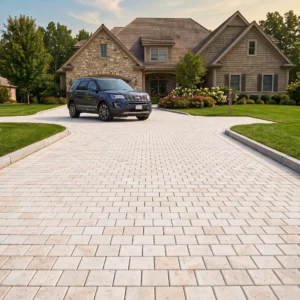
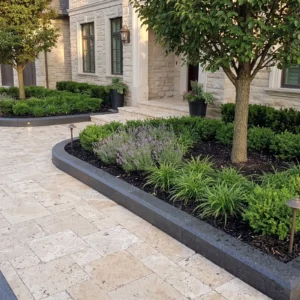
White limestone pavers and tiles lead our Jamaica orders: light stone keeps pool decks and terraces barefoot-comfortable through north-coast afternoons, brightens garden rooms under heavy green, and delivers the resort-standard look the island’s hospitality boom has made every villa owner’s reference point.
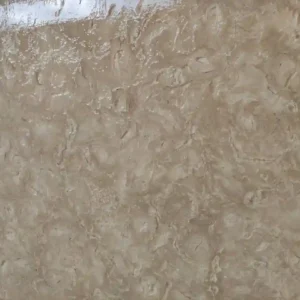
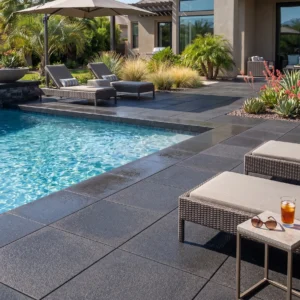
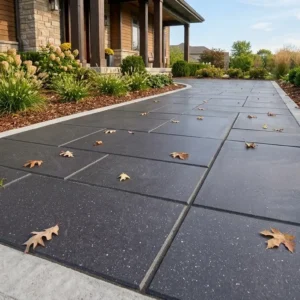
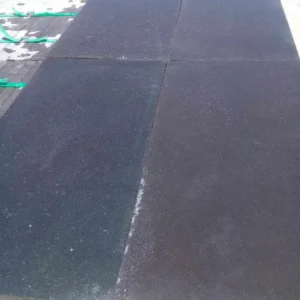
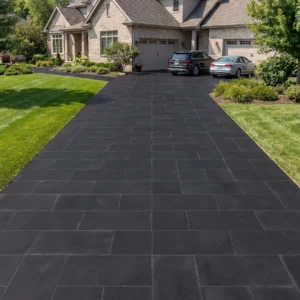
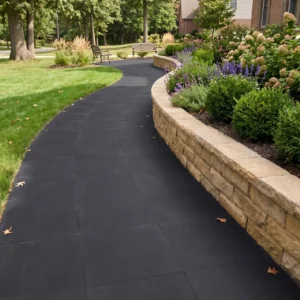
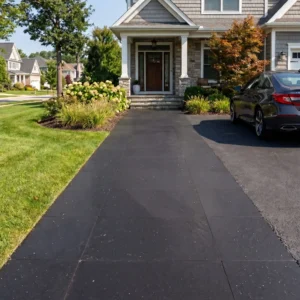
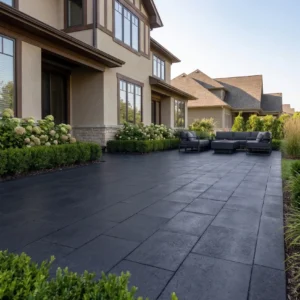
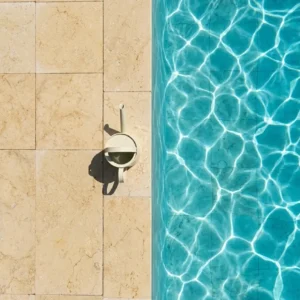
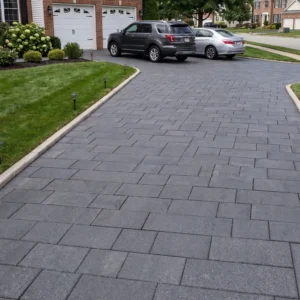
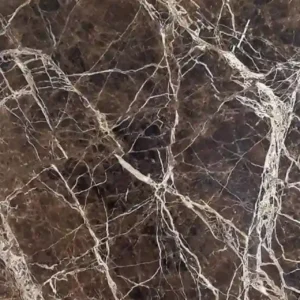
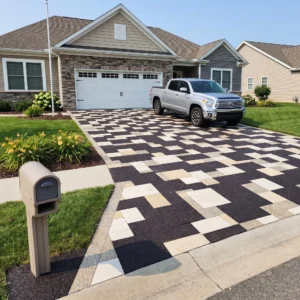
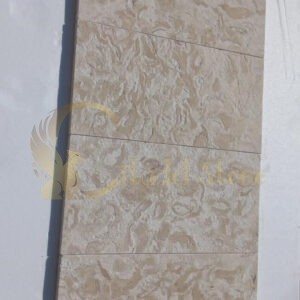
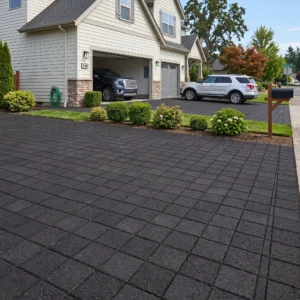
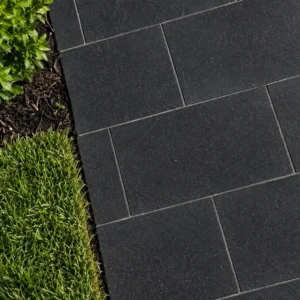
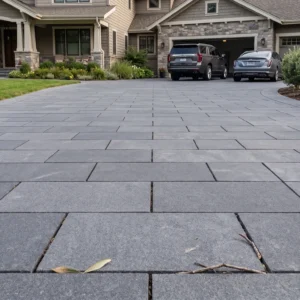
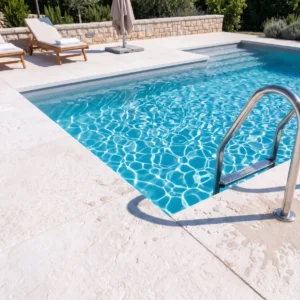
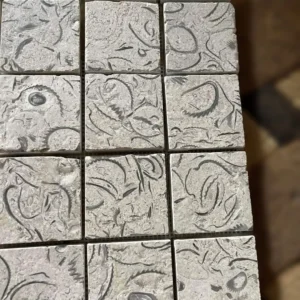
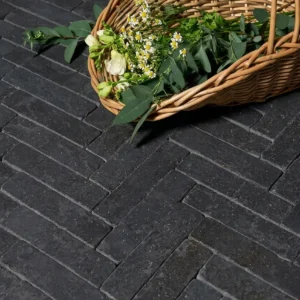
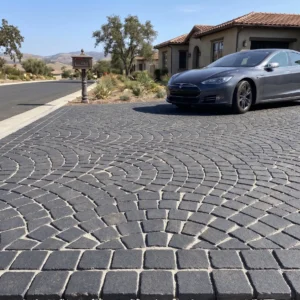
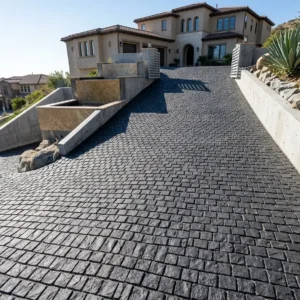
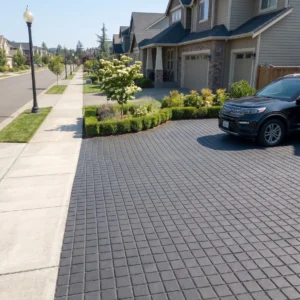
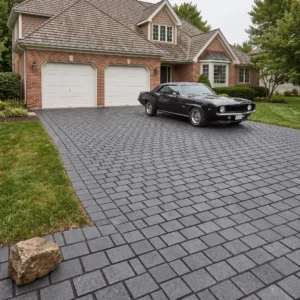
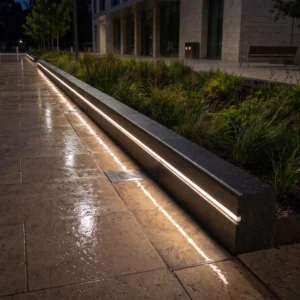
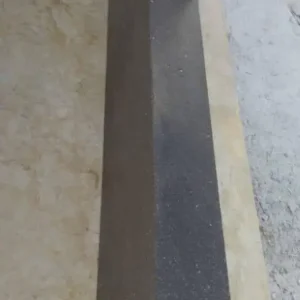
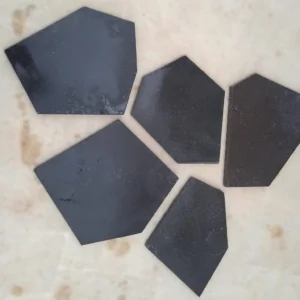
Ocean Reef shellstone answers the beach-house register with warm fossil texture. Black basalt pavers draws the strong contrast lines — borders, steps, drive aprons — that make pale fields read designed, and pairs naturally with Jamaica’s own dark river and cut stone traditions. And white limestone pool coping finishes villa and hotel pools with profiled, drip-grooved edges cut from the same stone as the deck.
Jamaica quarries limestone — so why import it?
The island sits on limestone, quarries it energetically, and uses it well — as aggregate, fill, blocks and cement feedstock. What the local industry does not produce is calibrated dimension flooring: factory-flat, thickness-consistent, surface-finished stone for terraces, pool decks and interiors. That is a different manufacturing chain, and it is the gap imports fill. The two streams partner rather than compete: local material builds the structure, the walls and the base courses; imported paving-grade limestone supplies the finished surfaces people walk, touch and photograph. Our builder’s comparison of the two covers the distinction in working detail — it is the first question sharp Jamaican contractors ask, and the answer respects both sides.
Where Jamaica builds
The specification tilts with the parish. Montego Bay and Rose Hall carry the villa-and-resort concentration: gated communities, golf frontage, the island’s deepest short-term rental market. Ocho Rios and the north-coast corridor add hotel construction at scale and hillside homes above the coast road. Negril keeps its low-rise beach-house character — shellstone country. Kingston and the corporate area build differently: town houses, apartment courts and commercial forecourts with urban duty cycles. And the south coast, from Treasure Beach eastward, rewards the quieter, character-first specification its landscape suggests. We quote across all of them; naming the parish first makes every recommendation after it sharper.
Any size, any thickness — cut to your project
Standard formats ship fastest, but every dimension is ultimately cut to order: large-format slabs such as 36 x 24 in (90 x 60 cm) and 36 x 36 in (90 x 90 cm), stair treads, wall cladding, sills and coping profiles are all routine requests. Thickness follows application — 2 cm under cover, 3 cm exterior standard, 5 cm and up under vehicles — and with dense limestone at roughly 80 kg per square metre at 3 cm, honest thickness is honest freight. Every piece is hand-inspected after manufacturing, and project orders ship from a single batch for the color consistency hotel work demands.
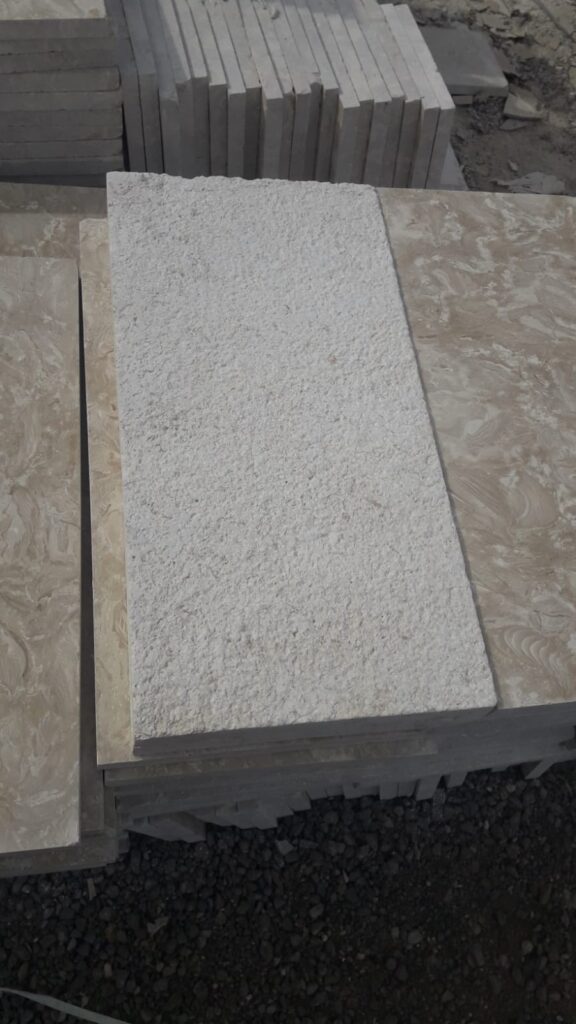
Finishes for Jamaican rain and Jamaican sun
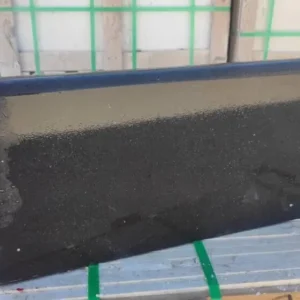
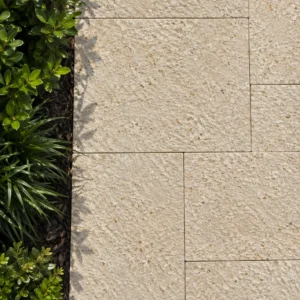
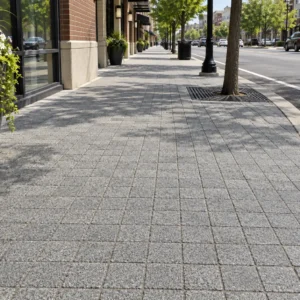
Jamaica’s weather writes the finish plan: brushed grades and bush-hammered faces wherever water lands — pool surrounds, outdoor stairs, sloped walks that must grip through a north-coast downpour — with honed and fine-brushed surfaces on covered verandas and interiors. Every texture is produced in-house and photographed on real production stock in our Stone Finishes Gallery; zoning finishes across one order — grip outside, silk under roof — is standard practice on every Jamaican quote.
Pools and the edge that sells them
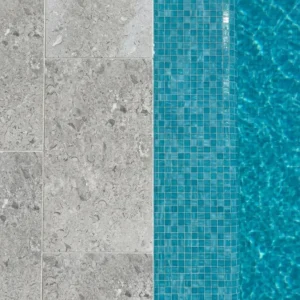
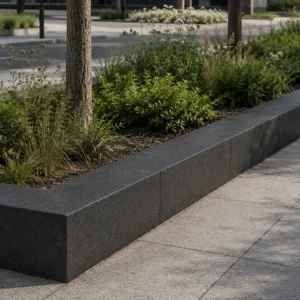
From MoBay villa pools to hotel amenity decks, the Jamaican pool package follows one discipline: the deck in textured pale stone that stays cool and sure underfoot, the edge cut as a designed family — coping profiles, corner units, spa-wall caps, weir stones where infinity edges face the sea — and falls engineered so tropical rain leaves the deck faster than it arrives. Villa owners choose profiles for comfort and line; hotels add duty thinking — denser sections, robust edges, same-batch spares for plannable repairs. Both draw from the villa owner’s edge guide and ship the whole waterline as one batch.
How delivery to Jamaica works
Orders ship by sea freight to Kingston or Montego Bay — the right port depends on where the project sits, and choosing it well saves the cross-island trucking leg. Full containers serve hotel and development phases (roughly 24–26 tonnes, on the order of 280–320 square metres at 3 cm); palletized and shared-container space serves villa-scale work. We prepare the export documentation and a clear commercial invoice so your Jamaican customs broker can settle duties and calculate landed cost before the vessel sails — brokers are a strength of this market, and clean paperwork clears routinely. Lead times depend on stock versus cut-to-order; Kareem confirms realistic production and sailing dates with your quote and tracks the order to arrival. New clients can pay through escrow, released only after the order is verified.
How an order actually runs
The sequence holds from a single pallet to a hotel phase. Samples first: the exact stones and finishes at your door within 3 working days, viewed wet and dry in the site’s own light. Quote and cutting list: every line itemized — stone, freight, insurance, brokerage — and every special dimensioned before production, from stair treads to radius coping. Production and proof: cut, finished, hand-inspected, with loading photographs before sailing. Arrival and verification: crates counted against the packing list, one crate per stone type opened against the approved samples, and payment structured to match — deposit, stage evidence, balance on verified arrival, escrow available throughout. Contractors buying repeatedly get the same rhythm with wholesale terms; the contractor’s field guide covers that side of the trade.
Salt coasts, heavy rain: care that stays light
Jamaican stone lives with the sea on one side and generous rain on the other, and the care regimen respects both without becoming a burden: freshwater rinses where salt spray reaches and rain does not, drains and channels cleared ahead of the wet season, shaded surfaces brushed through the algae months, and pH-neutral cleaning only — acid products never touch limestone. The rain itself is an ally, rinsing salt off open terraces continuously. An annual walk of joints, edges and nosings closes the calendar. The full routine lives in our coastal maintenance playbook; most owners are surprised by how short it is.
Built for the storm season
Jamaica’s building culture takes hurricanes seriously, and stone belongs to its resilient tradition: mortar-set terraces and engineered, capped walls give wind nothing to lift, tolerate flooding without a replacement cycle, and repair stone-by-stone from same-batch spares after the worst days. Drainage designed at storm capacity — falls, channels, protected discharge routes — does as much for a property as any shutter. We supply to that philosophy on every order: dense material, honest thickness, spares included, details drawn so the landscape is part of the property’s defence.
The hotel boom, and what it means for private builds
Jamaica’s hospitality pipeline is among the region’s largest, and its effects reach every private project on the island. The visible effect is a rising finish bar: new resort lobbies and pool terraces reset guest and buyer expectations, and villa owners renovating beside the corridor feel it in their rental reviews. The practical effect is capacity: hotel phases absorb trades, plant and haulage in waves, so private programmes book crews early and schedule deliveries away from the big projects’ crunch periods. The procurement effect favours imports: stone that arrives cut, finished and crated needs installation only, sidestepping exactly the local-fabrication queue the boom stretches. And the method effect is free to copy — mock-up panels approved before production, single-batch discipline, attic-stock spares — the habits brand-standards teams enforce, available to any villa that adopts them.
What it costs, honestly
Jamaican buyers should see the landed-cost stack in writing: stone ex-works, ocean freight to Kingston or Montego Bay, marine insurance, duty and brokerage as your broker prices them, and the island trucking leg. Square-metre prices alone flatter whoever hides the freight — itemization is what makes supplier comparisons real. USD invoicing keeps the arithmetic clean, and payment maps to the delivery sequence: deposit, stage evidence, balance at verified arrival, escrow available for first orders. On the value side, the decade ledger does the arguing — against surfaces that repaint, re-stain or replace on schedule, stone’s long cost is its purchase price plus sweeping, which is why the island’s most experienced builders specify it wherever permanence pays.
Who we supply in Jamaica
Villa owners get hand-selected stone from a single pallet up, samples first, escrow available. Contractors and developers get cut-to-specification material arriving crated, labelled and sequenced, wholesale pricing on volume, and reserved-batch phasing across multi-year builds. Hotels and resorts — the island’s construction engine — get single-batch consistency at container scale, finish and slip documentation for brand standards, and one accountable counterpart: Kareem, kareem@citadelstone.us, backed by a 50-year quarrying and manufacturing operation.
Guides for your Jamaica project
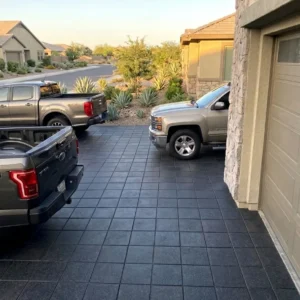
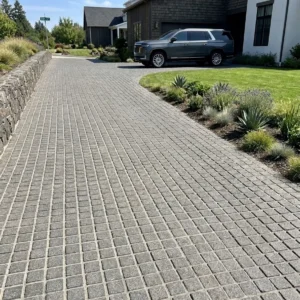
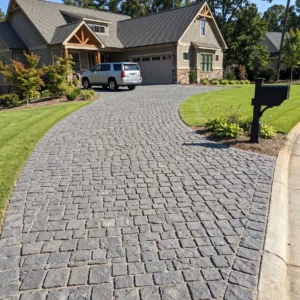
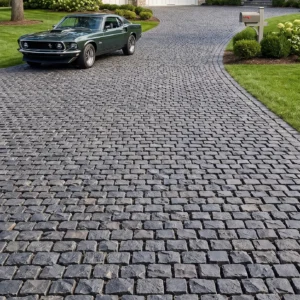
Fifteen supporting guides carry this page’s topics to working depth: Kingston, Montego Bay and the freight decision; staying cool underfoot in the Jamaican sun; driveways that survive Jamaican rain; terrace formats, patterns and borders; steps with wet-weather grip; and the ten-year comparison with stamped concrete. The rest run from choosing the tropical palette to stone around the grill — practical reading, written for this island specifically.
Proven across the Caribbean
Island supply is our routine: see the Bahamas beachfront villa case study and our Bahamas, Barbados, Antigua, Turks & Caicos, Grenada and St. Lucia supplier guides for how island orders come together end to end. The newest guides run further still: the Cayman Islands, St. Vincent & the Grenadines, the British Virgin Islands, Aruba, Curaçao, Bermuda, St. Kitts & Nevis, Dominica, Anguilla, Sint Maarten, Puerto Rico, the US Virgin Islands, Belize, St. Barths, Bonaire, Costa Rica, Dominican Republic and Panama.
Start with samples
Tell us which stones and finishes you are considering and where in Jamaica the project is — the parish shapes the advice. Kareem confirms samples the same day — at your door within 3 working days — and quotes your exact quantities once the stone is right. Contact Citadel Stone or email kareem@citadelstone.us.