









Bonaire is the easiest hard market in the Caribbean. Easy, because the island runs on the US dollar as its official currency, clears freight at its own capital port, sits outside the hurricane belt, and builds on flat, well-roaded ground. Hard, because its buyers – Dutch residents, American divers, European developers – measure every surface against two exacting standards at once: the metropolitan Netherlands and the world’s best dive resorts. As a stone supplier for Bonaire projects, Citadel Stone works both standards from the first enquiry, with specification support in English and pricing in the island’s own currency.
The facts frame the market. Bonaire is a special municipality of the Netherlands – Dutch-derived building standards, notarial conveyancing, orderly permitting – and since 2011 its money has been the US dollar, which makes American supply lines native rather than foreign. What the island does not have is a dimension-stone industry: the coral-limestone terraces that built its historic kunuku walls produce aggregate, not calibrated paving. Every finished stone surface on the island crossed the ocean, and this page walks how to cross it well.
The Stone Bonaire Projects Ask For
The island’s palette follows its light – hard sun, turquoise shallows, cactus green – and its orders are consistent:
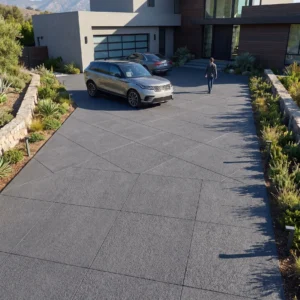
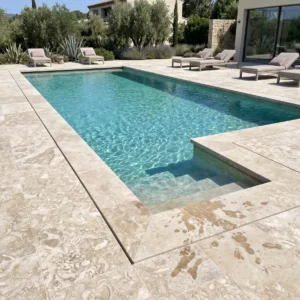
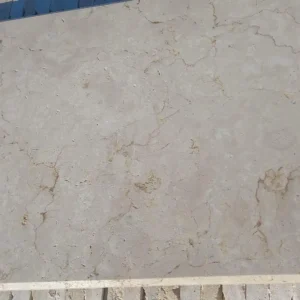
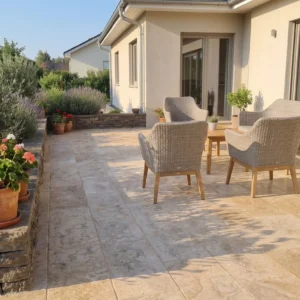
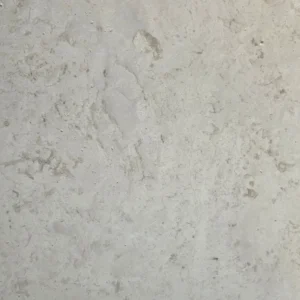
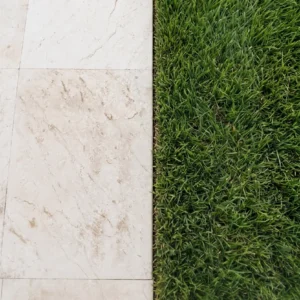
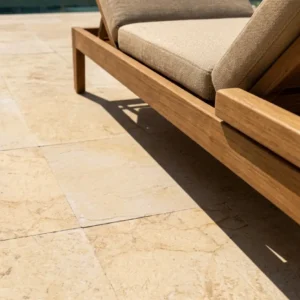
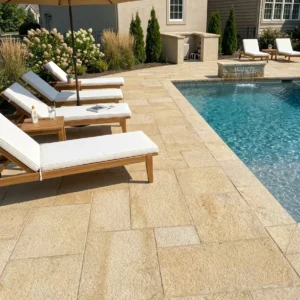
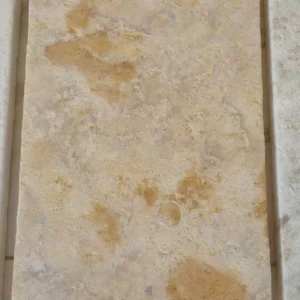
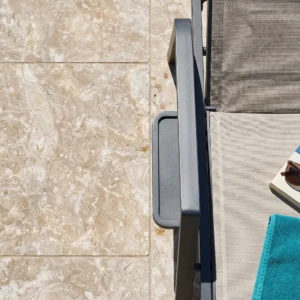
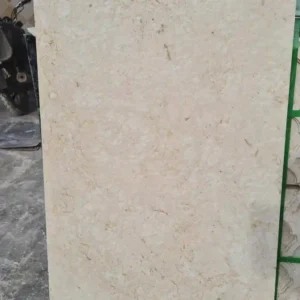
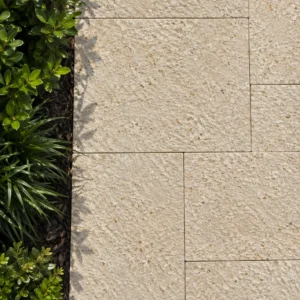
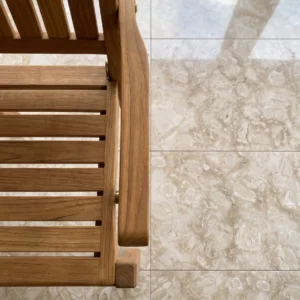
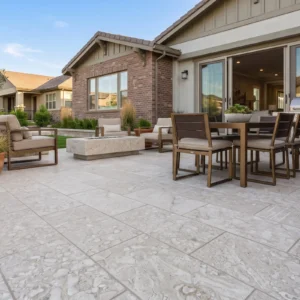
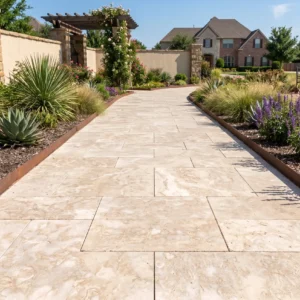
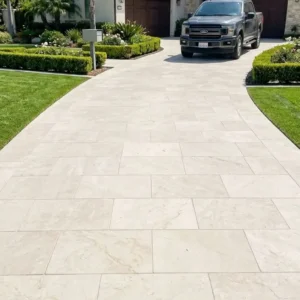
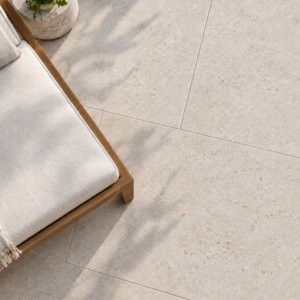
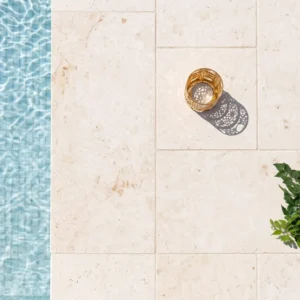
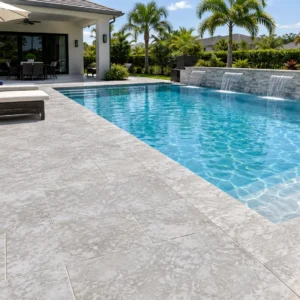
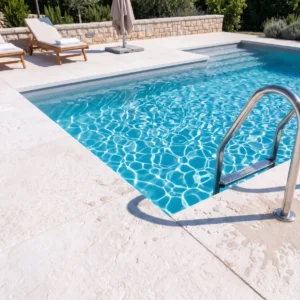
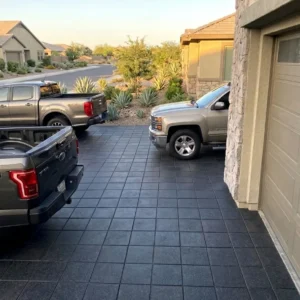
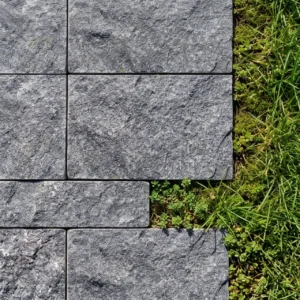
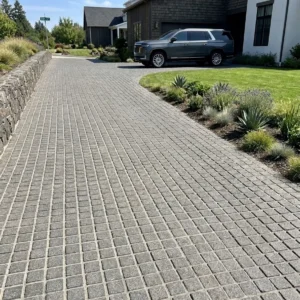
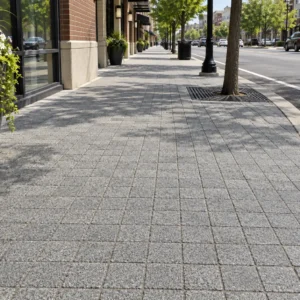
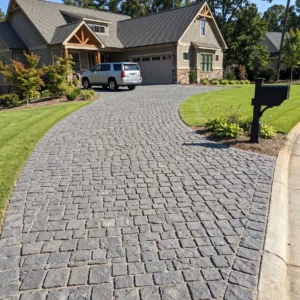
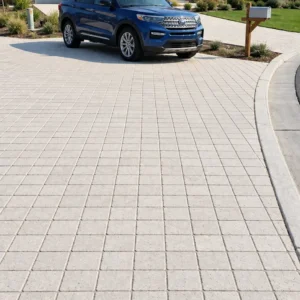
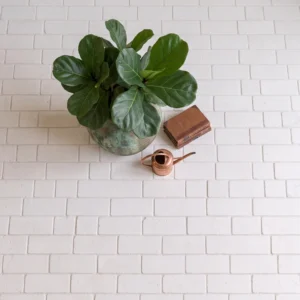
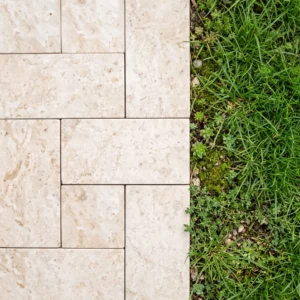
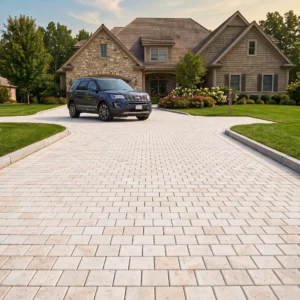
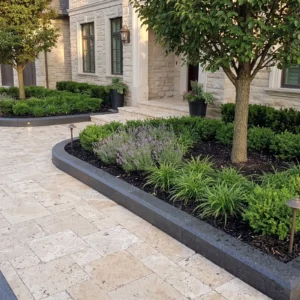
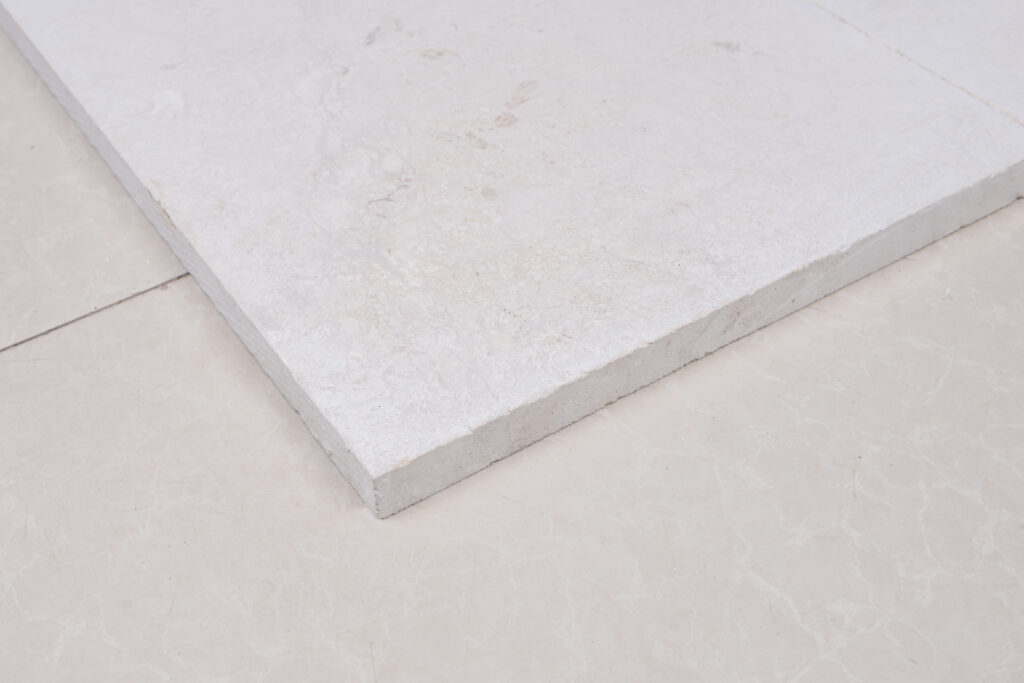
- White limestone pavers and tiles for pool decks, dive-villa terraces and interior-to-exterior runs that stay barefoot-cool
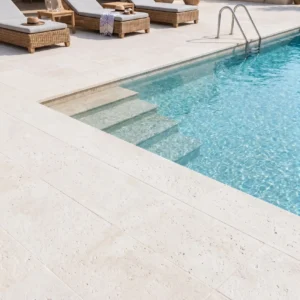
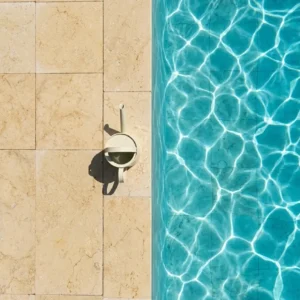
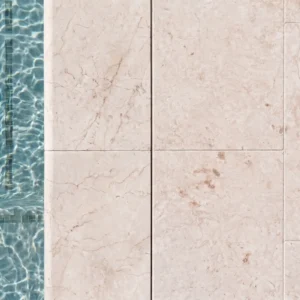
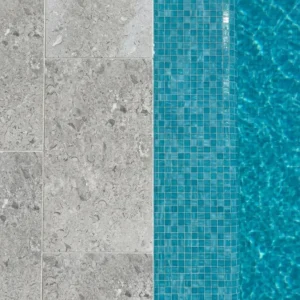
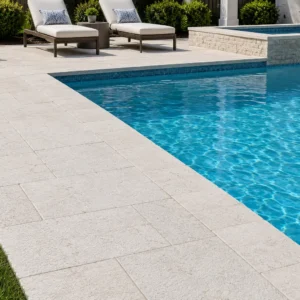
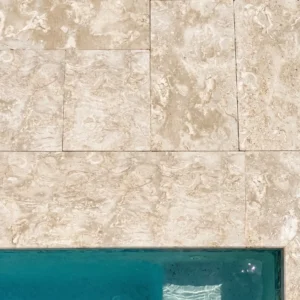
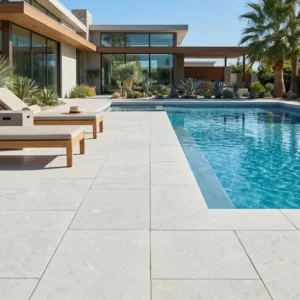
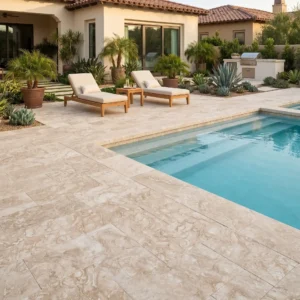
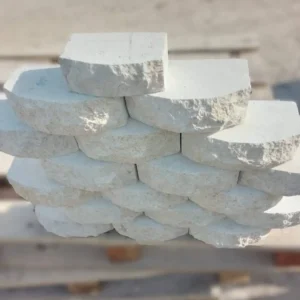
- White limestone pool coping with drip-grooved profiles for the pools every rental villa leads with
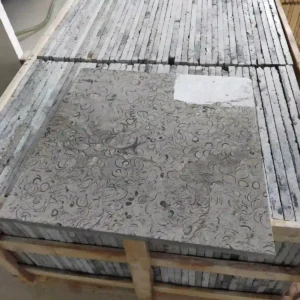
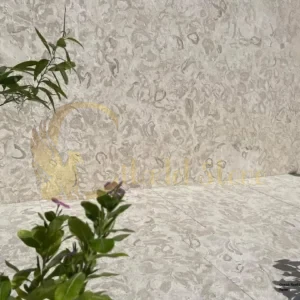
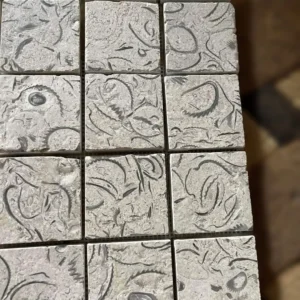
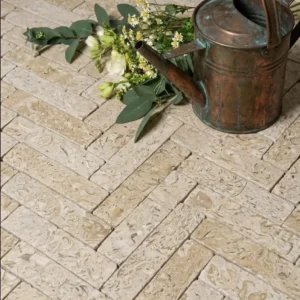
- Ocean Reef shellstone for shorefront registers where fossil texture belongs beside a living reef
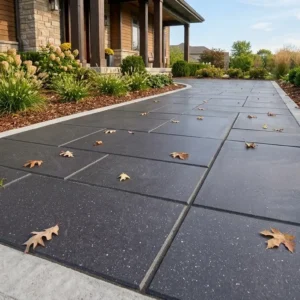
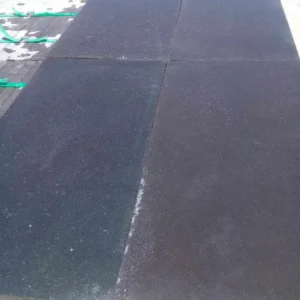
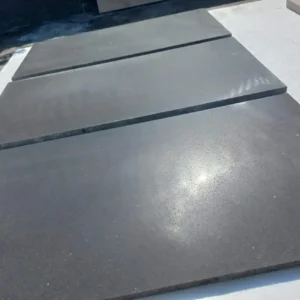
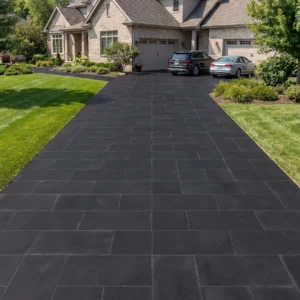
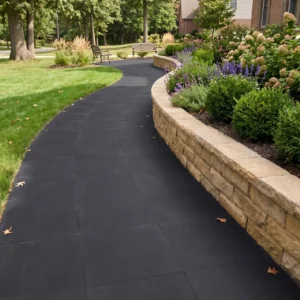
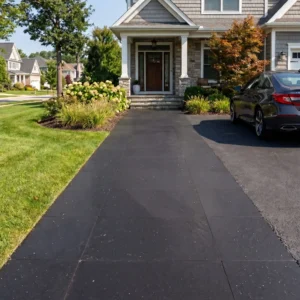
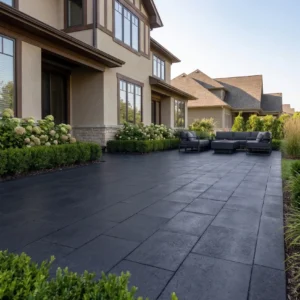
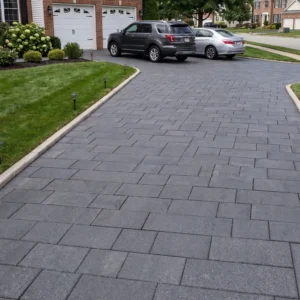
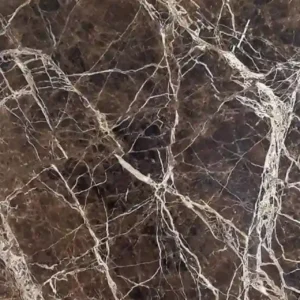
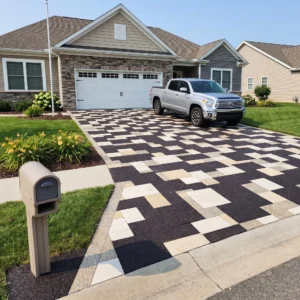
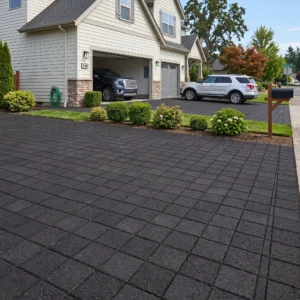
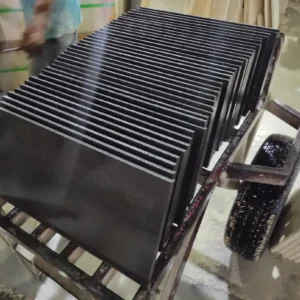
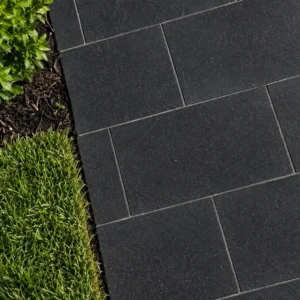
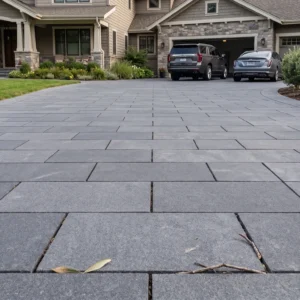
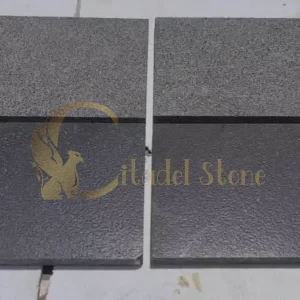
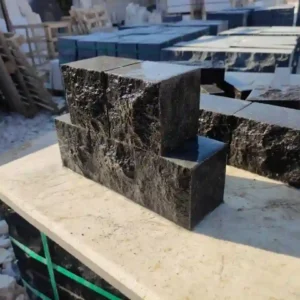
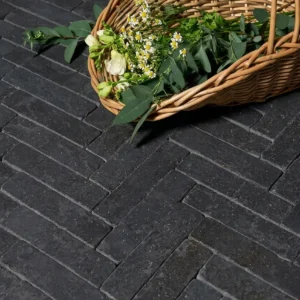
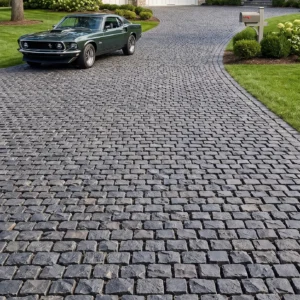
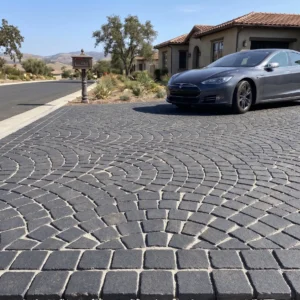
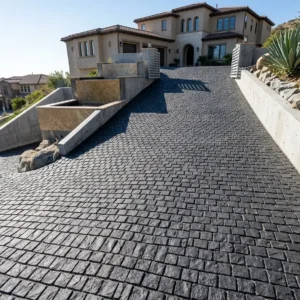
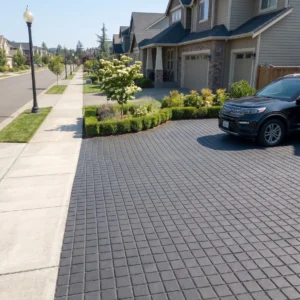
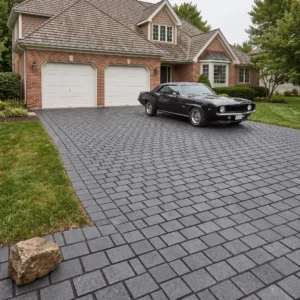
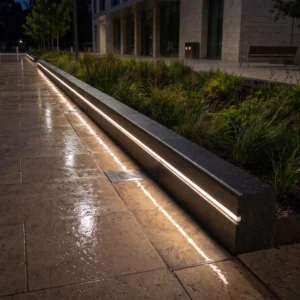
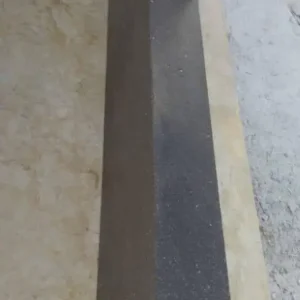
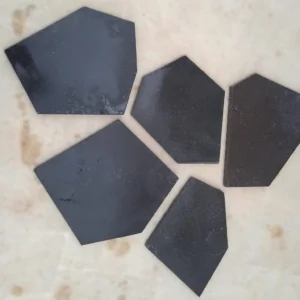
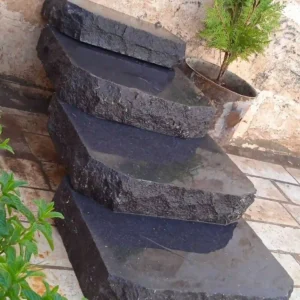
- Black basalt pavers for thresholds, borders and the contrast lines Dutch designers detail precisely
Samples travel first, as standard – the exact stones, judged wet and dry in Bonaire’s unforgiving light, at your door within 3 working days.
A Coral Island That Imports Every Finished Stone
Bonaire stands on stepped coral-limestone terraces – the same young carbonate geology that gave the island its historic walls and its famously porous ground. Local quarrying serves the concrete economy with aggregate and fill; calibrated dimension stone is a manufacturing product the island has never produced. According to geological references on limestone, young reef limestones weather beautifully as landscape and unpredictably as paving – which is why the professional pattern here mirrors the region’s: local stone in the ground works and heritage walls, imported paving-grade limestone on every surface people walk, photograph and rinse gear on.
Where Bonaire Builds
A small island with clearly drawn build districts:
- Kralendijk – the capital and port: waterfront hospitality, townhouse renovations and the cruise-day promenade
- Belnem and the south – villa country along the leeward shore, minutes from the famous southern dive sites
- Sabadeco and the northwest terraces – estate lots with reef frontage and view elevations
- Rincon – the island’s oldest town, valley-set, with a growing renovation culture
- Lac Bay and Sorobon – the windsurf lagoon’s small hospitality cluster
- Hato and the resort strip north of town – dive resorts and condominium projects in steady refresh
Delivery is the island’s easy chapter – flat ground, good roads, short distances – so the address shapes the design conversation more than the freight one.
Any Size, Any Thickness — Cut to the Drawing
Dutch-trained architects detail tightly and the order follows the drawing: large-format slabs, stair treads, wall caps, sills and coping profiles cut to specification. Thickness follows application – 2 cm under cover, 3 cm as the exterior standard, 5 cm where vehicles bear – and with dense limestone at roughly 80 kg per square meter at 3 cm, honest thickness prices honestly on the ocean leg. Every piece is hand-inspected after manufacturing, and project orders ship single-batch for the color consistency that resort and rental photography demands.
The formats that come up most often on Bonaire drawings are these:
- Paving at 20 mm and 30 mm for pedestrian terraces, 40 mm and up where vehicles cross
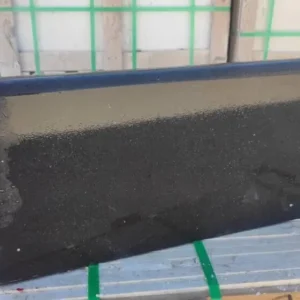
- Pool coping with a bullnose or pencil-round edge, drilled for anchors where a design needs it
- Step treads and risers cut as matched pairs so a flight reads as one piece
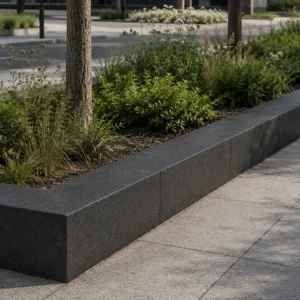
- Wall cladding and copings cut from the same block as the paving for a matched courtyard
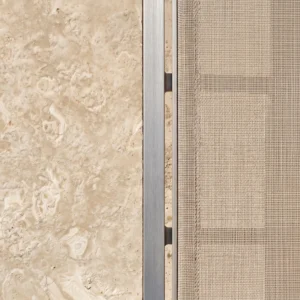
- Cut-to-size specials for drainage channels, tree surrounds and threshold pieces
Finishes for Hard Sun and Salt Air
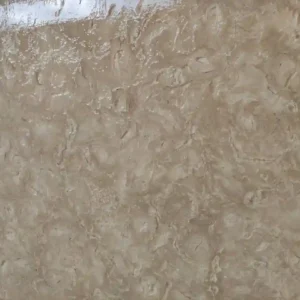
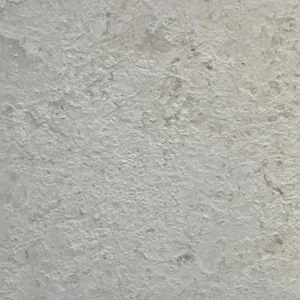
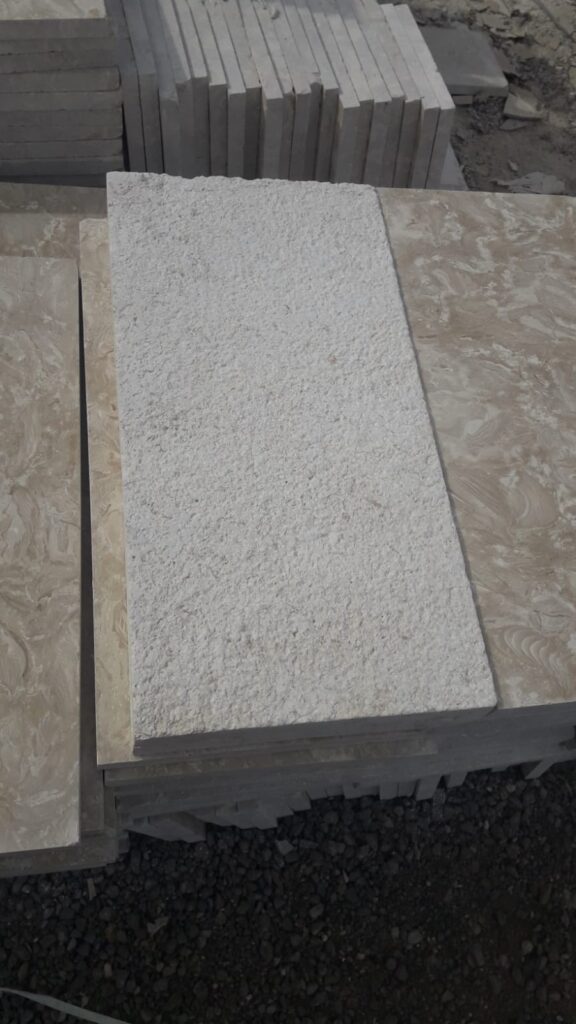
Bonaire runs the dry-island exposure set: full sun most of the year, steady trade wind, salt haze on every shore, and short sharp rains in the late-year months. Finish selection carries the specification – textured and brushed faces where feet are wet or the wind carries spray, honed silk under roofed galleries, polish indoors only. Industry technical data from the Natural Stone Institute’s variety specifications backs the field rule that finish choice fails before stone choice does. Every texture we supply is produced in-house and photographed on real production stock in our Stone Finishes Gallery, and zoning finishes across one order is standard practice.
Where each finish belongs on a Bonaire project:
- Bush-hammered or flamed at dive-entry steps, pool surrounds and rinse areas
- Brushed or honed for shaded terraces and interior thresholds
- Sawn or split face on windward walls, where texture hides salt bloom
- Tumbled edges where new work meets older Kralendijk or Rincon fabric
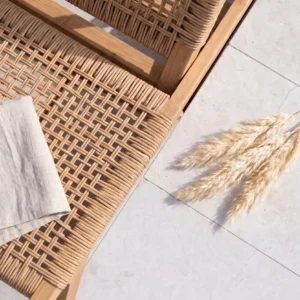
- Pale tones that stay walkable barefoot under a very hard sun
Dry-Island Landscaping, Done the Bonaire Way
The island’s landscape truth is aridity – kadushi cactus, divi-divi trees leaning with the trade wind, well under a meter of rain in a good year – and its best gardens design with it: stone paths and low walls carrying the structure, gravel courts in the register the climate genuinely earns, drought-schooled planting as punctuation. The historic kunuku walls of the countryside supply the design language, and the semi-arid landscape playbook maps the same hardscape-first logic on another dry island, almost clause for clause. Pale limestone against cactus green is Bonaire’s natural graphic; gardens that trust it need almost no irrigation and no apology.
Pools and the Dive-Villa Terrace
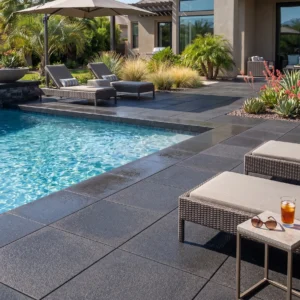
Nearly every order leads with the pool package, and Bonaire adds its own register on top – the dive-villa terrace, built for guests who surface twice a day:
- Coping, weir stones and deck from one batch – the standard waterline family, cut to the drawing
- Textured surfaces rated for permanently wet feet; the villa’s traffic is bare and dripping by design
- Gear-rinse zones floored at working grade, draining to their own gullies, positioned so tanks and wetsuits never cross the lounging deck
- Same-batch attic stock held on-island – repairs happen between dive weeks, not instead of them
The whole package ships as one drawn family with the documentation a Dutch-standard project file expects.
How Delivery to Bonaire Works
Ocean freight serves the port at Kralendijk on the sailings that supply the Dutch Caribbean, with regional feeder connections filling the gaps between direct calls. Clearance runs under the Caribbean Netherlands regime – orderly, document-driven, with import levies your local agent confirms and prices before the vessel sails. We prepare clear, itemized commercial invoices so that step stays routine, and consolidated single consignments keep handling and fees to a minimum.
Then the island does you a favor: the last mile is flat, paved and short. No barge legs, no mountain tracks, no transshipment drama – a truck run from the port to any district in well under an hour. Combined with dollar pricing and the absence of currency conversion entirely, Bonaire’s landed-cost arithmetic is among the cleanest in the Caribbean, and experienced buyers use that clarity to decide faster.
Outside the Hurricane Belt
Bonaire sits with its ABC neighbors in the southern Caribbean, outside the hurricane belt – storms pass rarely and glancingly where the northern islands take them head-on. For the built environment the dividend is real: no annual boarding-up culture, works calendars that do not orbit a storm season, and outdoor investments that compound undisturbed. The specification honesty remains – trade-wind uplift, salt air and the late-year rains still ask for fixed copings, drained falls and low-absorption density – but the risk ledger reads differently here, and insurance conversations show it. Stone’s durability becomes pure upside: surfaces specified once, aging on their own schedule, in a climate that rarely interrupts.
Marine Park Manners: Building Beside a Protected Reef
Bonaire’s reef has been protected since 1979 – the marine park wraps the island’s entire coastline, and the shore-diving culture that made the island famous depends on water clarity that construction can threaten. Building manners here are ecological law and commercial sense at once:
- Site runoff is controlled so sediment and fines never reach the water – the reef is the economy
- Wet-cutting and washdown water settles on site, never into drains that daylight at the shore
- Shorefront works respect setbacks and permissions; the waterline belongs to the park
- Deliveries and staging keep clear of dive-site access – the yellow-marked entries are public assets
Projects that build clean keep the neighbors, the authorities and the dive economy on side – and their own reef frontage pristine, which is the point of buying it.
Dollars, Dutch Standards and Clean Paperwork
Bonaire’s buying combination is unique in the region: US-dollar pricing with Dutch-standard documentation. The fit with a US-based supplier is native:
- Quotes, invoices and payments run in the island’s own currency – no conversion, no exchange risk, no arithmetic
- Specification sheets, slip and absorption data reference recognized ASTM standards, which Dutch-side professionals read fluently alongside European norms
- Escrow payment protection is available as standard; batch records and origin certificates travel with the order into the project file
- One accountable counterpart throughout: Kareem, kareem@citadelstone.us, backed by a 50-year quarrying and manufacturing operation with warehouse inventory that keeps trade lead times predictable
Guides for Your Bonaire Project
The supporting library opens this page’s topics at working depth: landing stone at Kralendijk, step by step; building for the shore-diving capital; and the flamingo coast’s building brief. Register by register, the cluster covers the surface-interval pool terrace, the capital’s promenade brief, building in the island’s oldest town, the countryside farmstead revival, the dollar rental turnover and building beside the island’s memory.
Proven Across the Islands
Island supply is our routine: see the Bahamas beachfront villa case study and our Bahamas, Barbados, Antigua, Jamaica, Turks & Caicos, Grenada, St. Lucia, Cayman Islands, St. Vincent & the Grenadines, British Virgin Islands, Aruba, Curaçao, Bermuda, St. Kitts & Nevis, Dominica, Anguilla, Sint Maarten, Puerto Rico, US Virgin Islands, Belize, St. Barths, Costa Rica, Dominican Republic and Panama supplier guides for how island orders come together end to end. The Aruba and Curaçao guides are Bonaire’s ABC siblings – same dry latitude, same calm-belt logic – and for premises that absorb visitors in concentrated waves on cruise and event days, surfaces specified for arrival pulses reads across to Kralendijk’s waterfront directly.
Request Your Bonaire Stone Quote — Direct from Citadel Stone
Start the way the island likes to do business: plainly. Tell us the district, the surfaces and the season you are building toward, and Citadel Stone returns an itemized quote in US dollars with samples on the way – villa-grade limestone, shellstone and basalt, shipped to Kralendijk with Dutch-standard documentation, escrow protection available and single-batch consistency guaranteed. One accountable counterpart from first enquiry to the last pallet up the coast road. Contact Citadel Stone or email kareem@citadelstone.us. The dollar island deserves dollar-simple supply – and that, precisely, is the service this page describes.