


















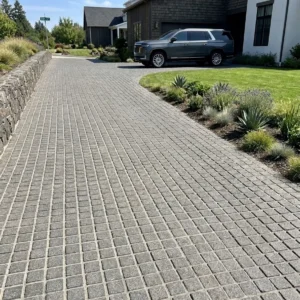
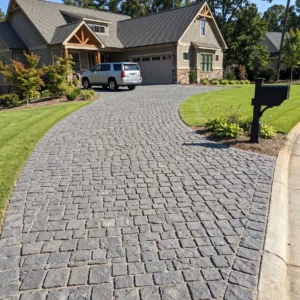
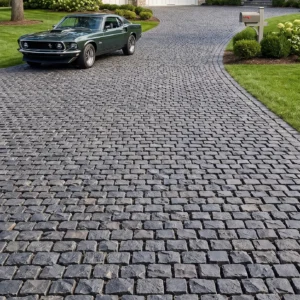

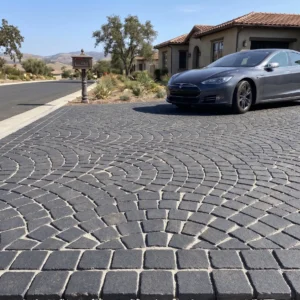

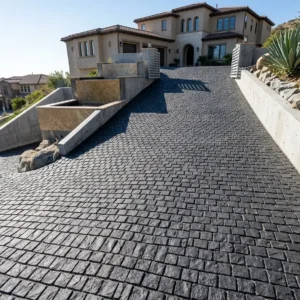
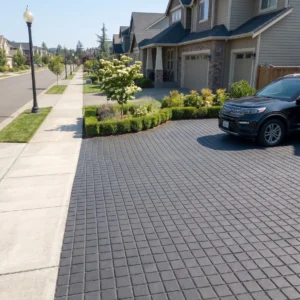




The single variable that separates a Stepping Stones installation lasting two decades from one heaving apart in three winters is the bedding depth beneath each stone — not the stone itself. Stepping Stones fail at the base far more often than they fail at the surface, and the fix costs pennies at install time versus hundreds in remediation later. You’ll want to treat each individual stone as its own miniature foundation, because that’s exactly how the ground treats it. Get the compacted setting layer right, and the material selection becomes a matter of aesthetics rather than a gamble on longevity.
Field performance across varied installations shows that the gaps between stones matter as much as the stones themselves. Water needs somewhere to go, foot traffic needs predictable spacing, and the substrate needs to drain without pumping fines up through the joints. You’re solving three problems at once every time you set a path, and the balance point shifts depending on your soil and slope.
What Makes Stepping Stones Perform Under Real Foot Traffic
You’ll get the most reliable results from natural stone with a flexural strength above 1,000 PSI and a thickness that resists point-load cracking. The material rotates under an off-center footstep, and thin stones without adequate bedding support snap along their weakest plane. Consider how your traffic pattern loads each stone — the center of a path takes concentrated impact while the edges rarely see weight at all.
The dimensional stability of your chosen stone drives how it ages. Natural stone paving stones with low water absorption resist the freeze-thaw spalling that destroys porous alternatives in cold regions. According to Natural Stone Institute variety specifications, absorption rates and abrasion resistance vary widely between stone types, which is why matching material to climate matters more than matching it to a color swatch.
- Thickness in the 1.5 to 2-inch range handles residential foot traffic with a proper bedding layer
- Irregular flagstone shapes distribute load across a wider footprint than small square units
- Honed and tumbled finishes reduce slip risk on wet surfaces without sacrificing durability
- Low-absorption stone survives freeze-thaw cycling that spalls softer material
At Citadel Stone, we inspect each batch during warehouse intake for thickness consistency and edge integrity, because a variance of even a quarter inch across a pallet forces you to shim stones during install — a slow, frustrating process that shows up in the final line quality of your path.
Choosing Material, Shade, and Format for Your Walkway
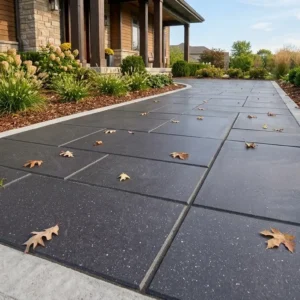
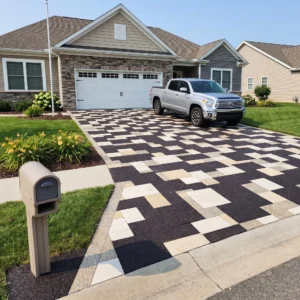
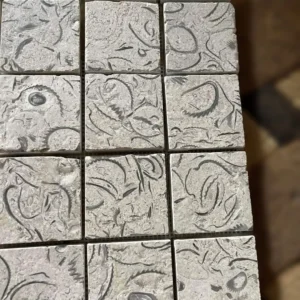
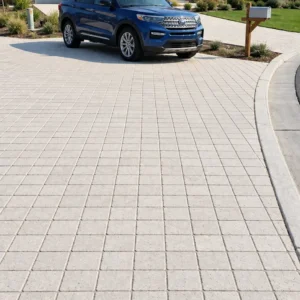
Your format choice drives both the look and the labor cost of the project. Large Stepping Stones in the 18 to 24-inch range set faster and create a more contemporary line, while smaller units and mosaic stepping stone supplies let you follow curves and organic garden paths without cutting. You’re trading placement speed against design flexibility, and the right answer depends on whether your path runs straight or wanders.
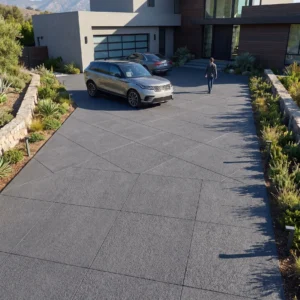
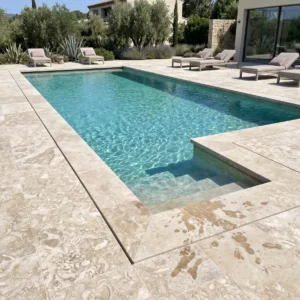
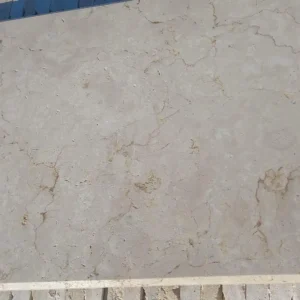
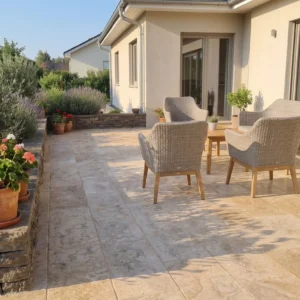
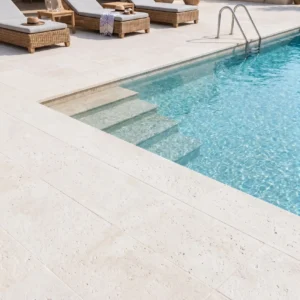
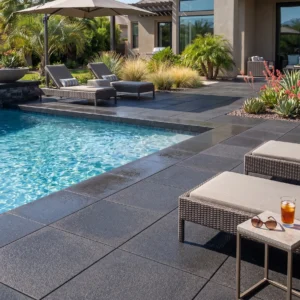
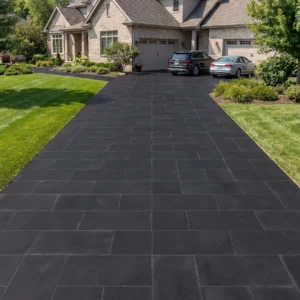
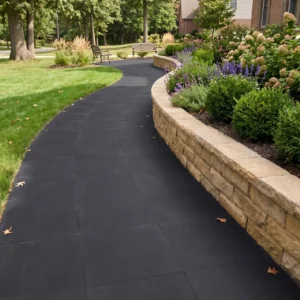
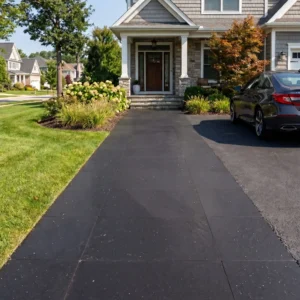
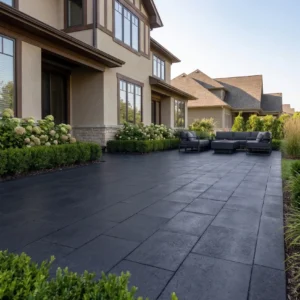
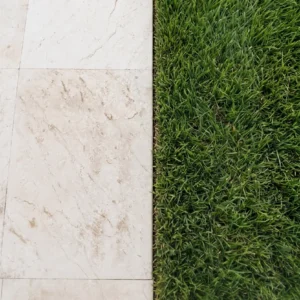
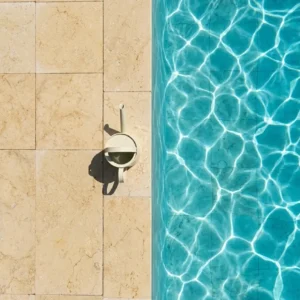
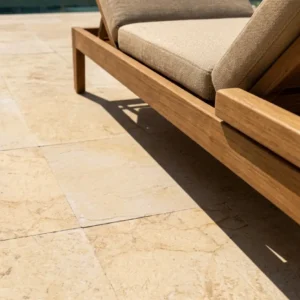
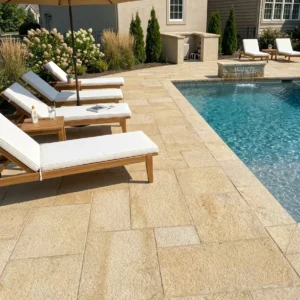
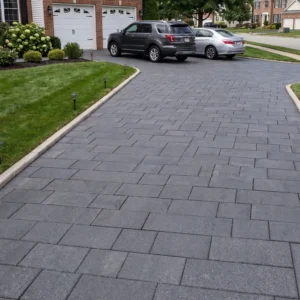
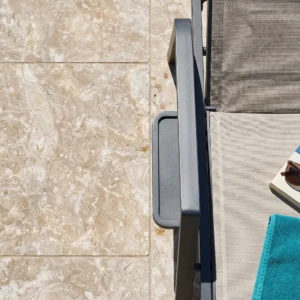
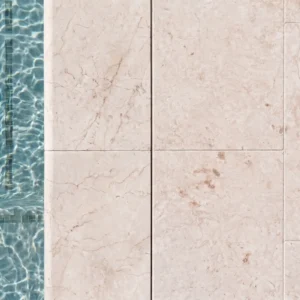
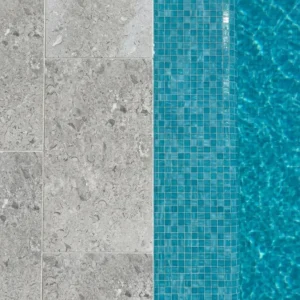
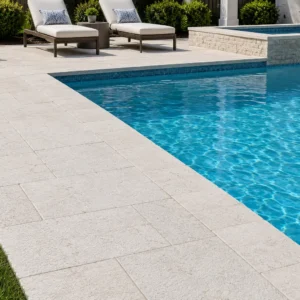
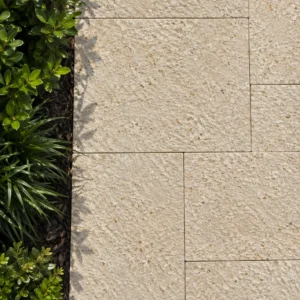
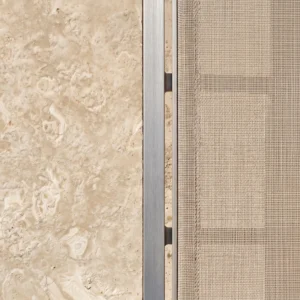
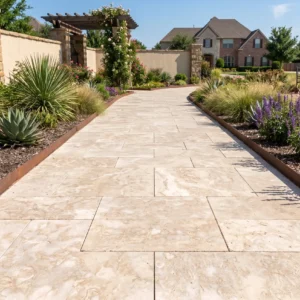
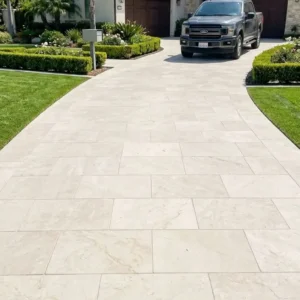
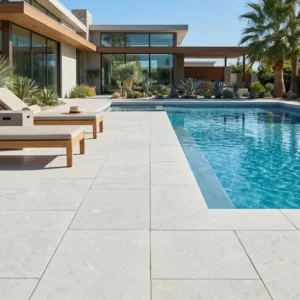
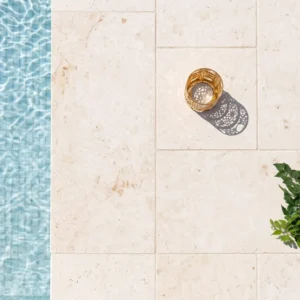
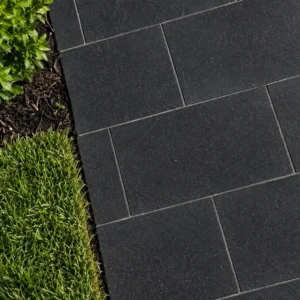
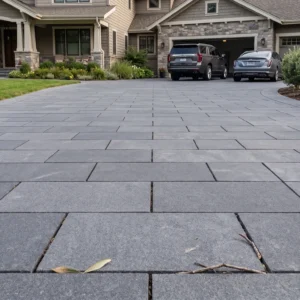
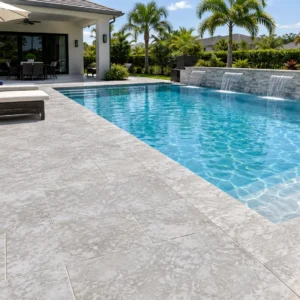
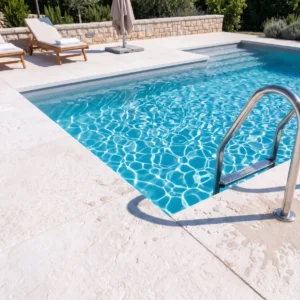
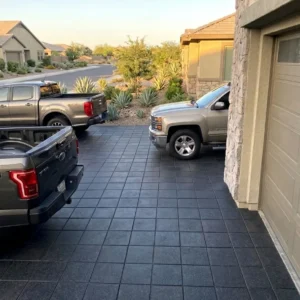
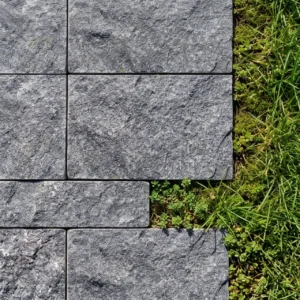
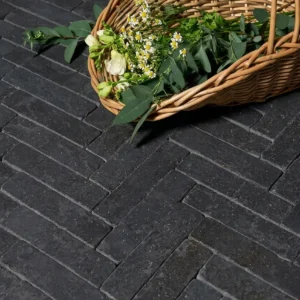
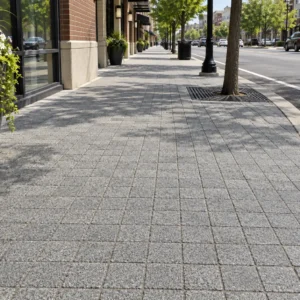
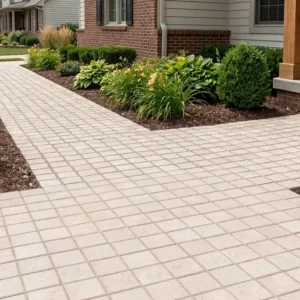
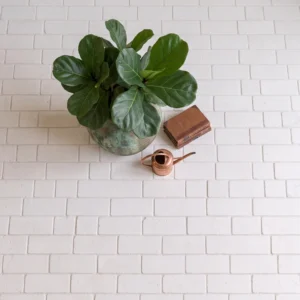
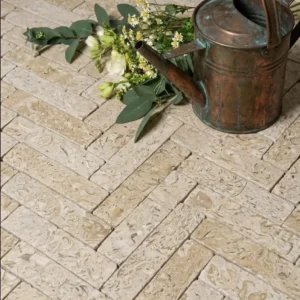
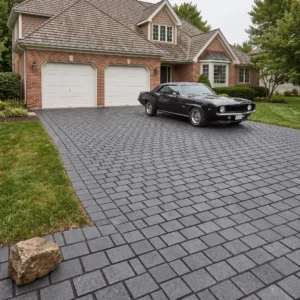
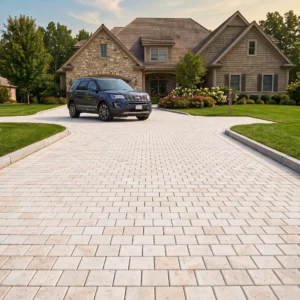
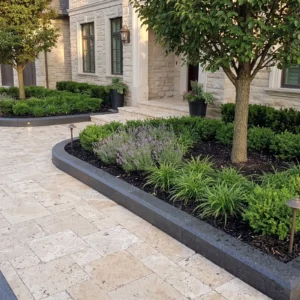
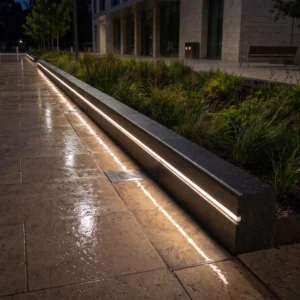
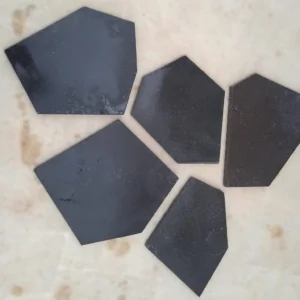
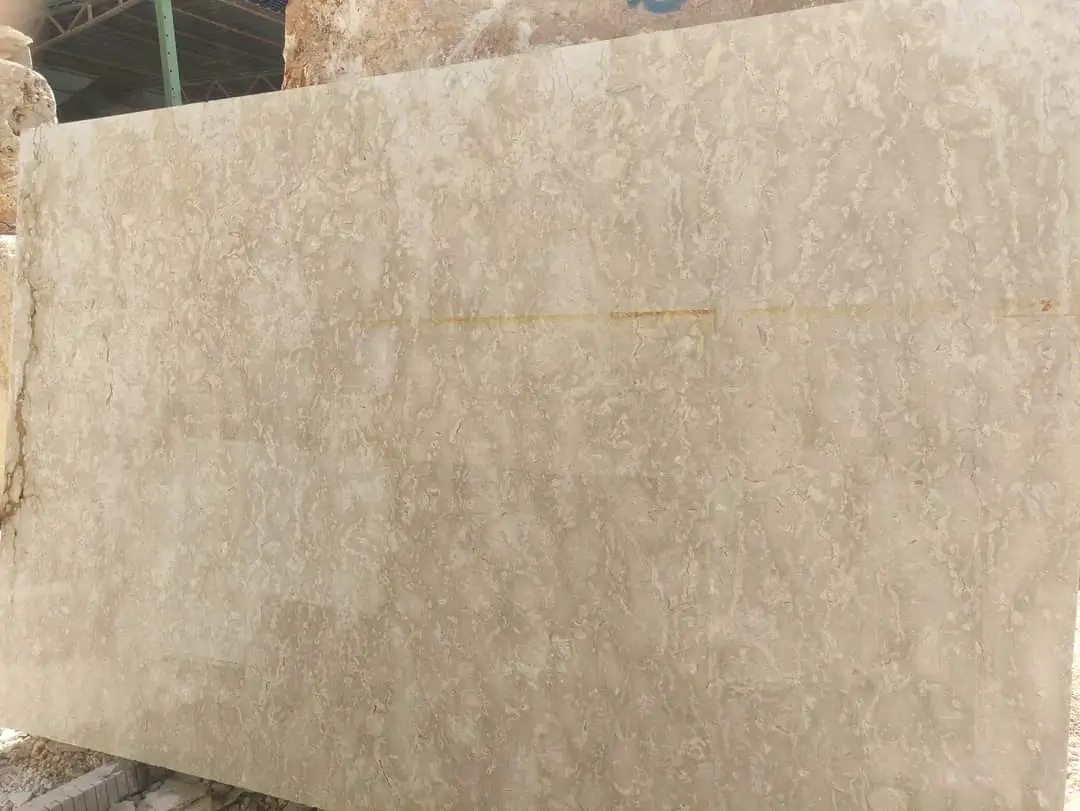
The shade palette available in natural stone runs wider than most buyers expect. You can specify cream and ivory tones for a soft, warm garden feel, or move toward charcoal, dark grey, and graphite for a crisp modern contrast against green planting. Silver-grey and blended tones sit between those extremes and hide surface staining better in high-use walkway zones. Some buyers weigh natural stone against manufactured stepping stones, but natural material ages with far more character.
- Cream and ivory stone brightens shaded garden corners and reflects heat in sunny beds
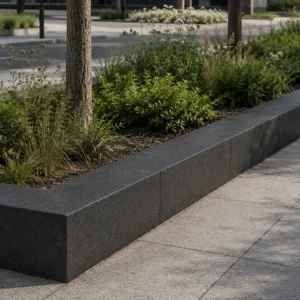
- Dark grey, charcoal, and graphite create bold contrast for modern landscape design
- Silver-grey blends conceal traffic wear on frequently used outdoor paths
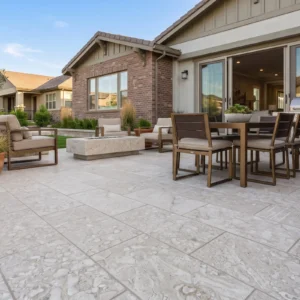
- Random-size flagstone formats suit natural, informal patio and walkway layouts
Citadel Stone stocks Stepping Stones in standard formats including large flagstone units, square paving stones, and mixed mosaic stepping stone supplies to match your project requirements. You can request sample tiles or thickness specifications before committing to a full pallet order.
Base Preparation Across Varied Terrain
Here’s what most installers miss on sloped or uneven sites: your base preparation has to fight gravity and water simultaneously, and the standard flat-ground recipe doesn’t hold on a grade. On level ground you can get away with a simple compacted sand-and-gravel bed. On terrain with any meaningful pitch, that same bed becomes a slide plane, and your stones migrate downhill over a few seasons of rain.
Your aggregate base depth should increase as your slope steepens and as your soil shifts toward clay. Clay-heavy soils expand and contract with moisture, and that movement telegraphs straight up through a thin base into stone displacement. For projects requiring complementary walkway detailing, the guidance in how to lay stepping stone walkway covers subgrade specifications that apply directly to graded and clay-soil conditions, and getting the compacted base right at this stage prevents the heaving and settling that account for most long-term path failures.
- Increase aggregate base depth on slopes to resist downhill stone migration
- Add depth in clay soils to buffer seasonal expansion and contraction
- Terrace long grades into shallow runs rather than fighting one continuous pitch
- Bed each stone slightly proud of grade to allow for minor initial settlement
Sourced from established quarry partners across selected quarries from the Middle East, each Citadel Stone batch is inspected for consistency so that setting a uniform base becomes predictable rather than a stone-by-stone adjustment.
Drainage Design That Prevents Base Failure
Drainage is where elevation and terrain quietly decide the fate of your installation. Water follows the contour of your land, and every low point becomes a collection zone that saturates the base beneath your stones. You’ll want to read your site’s natural flow before you set a single unit, then design the path to shed water rather than trap it.
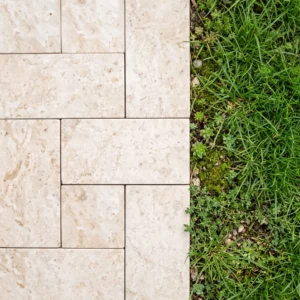
The joint spacing between Stepping Stones acts as your primary drainage channel. Wider gaps filled with permeable aggregate move water into the ground faster, while tight joints force runoff across the surface toward your low points. Landscape guidance from the landscape design permeable surface resources confirms that permeable joint design reduces surface pooling and the erosion that undermines path edges over time.
- Route paths across slopes at a slight diagonal to shed water off the walking surface
- Use open, aggregate-filled joints on low-lying sections to accelerate infiltration
- Set stones with a 1 to 2 percent cross-fall so water drains to planted borders
- Avoid running a path straight down a fall line, which turns it into a channel
Slip Resistance and Safety on Outdoor Paths
What often gets overlooked is that a beautiful path is worthless if someone slips on it after rain. Surface texture drives slip resistance, and the finish you choose matters more in wet garden environments than almost any other property. Polished stone looks striking indoors but becomes hazardous on an outdoor walkway the moment dew or rain hits it.
You should specify tumbled, honed, or naturally cleft finishes for any path that sees regular foot traffic, especially on grades where a slip carries momentum. Slip-and-fall prevention guidance from the occupational surface safety resources reinforces that surface texture and consistent stone height reduce trip and fall incidents on walking surfaces. Uneven stone heights are the trip hazard buyers rarely plan for — a stone sitting even half an inch proud of its neighbor catches a toe in low light.
- Choose textured, cleft, or tumbled finishes for wet and sloped path sections
- Keep adjacent stone heights within a quarter inch to eliminate trip edges
- Widen joint infill on high-traffic paths to improve wet-weather grip
- Account for shaded, slow-drying zones where moss and algae raise slip risk
Maintenance and Long-Term Performance
You can expect 20 to 30 years of service from quality natural stone Stepping Stones with modest, consistent upkeep. The maintenance burden is far lighter than concrete, which cracks and discolors, but it isn’t zero. Your joints need periodic attention, and the stones themselves benefit from occasional cleaning to prevent organic buildup.
Sealing protocols for natural stone paving stones differ from concrete maintenance because you’re working with the stone’s natural porosity rather than a manufactured surface. A penetrating sealer on absorbent stone types reduces staining and slows moss colonization in damp, shaded areas. Denser stone often needs no sealer at all — one of the honest trade-offs worth weighing when you select material for a low-maintenance project.
- Refresh aggregate or sand joint infill every few seasons as it settles or washes out
- Clear organic debris from joints to maintain drainage and prevent moss
- Reseal absorbent stone types every two to three years in shaded, damp zones
- Inspect for settlement after the first winter and re-bed any low stones early
Planning Your Order and Delivery Logistics
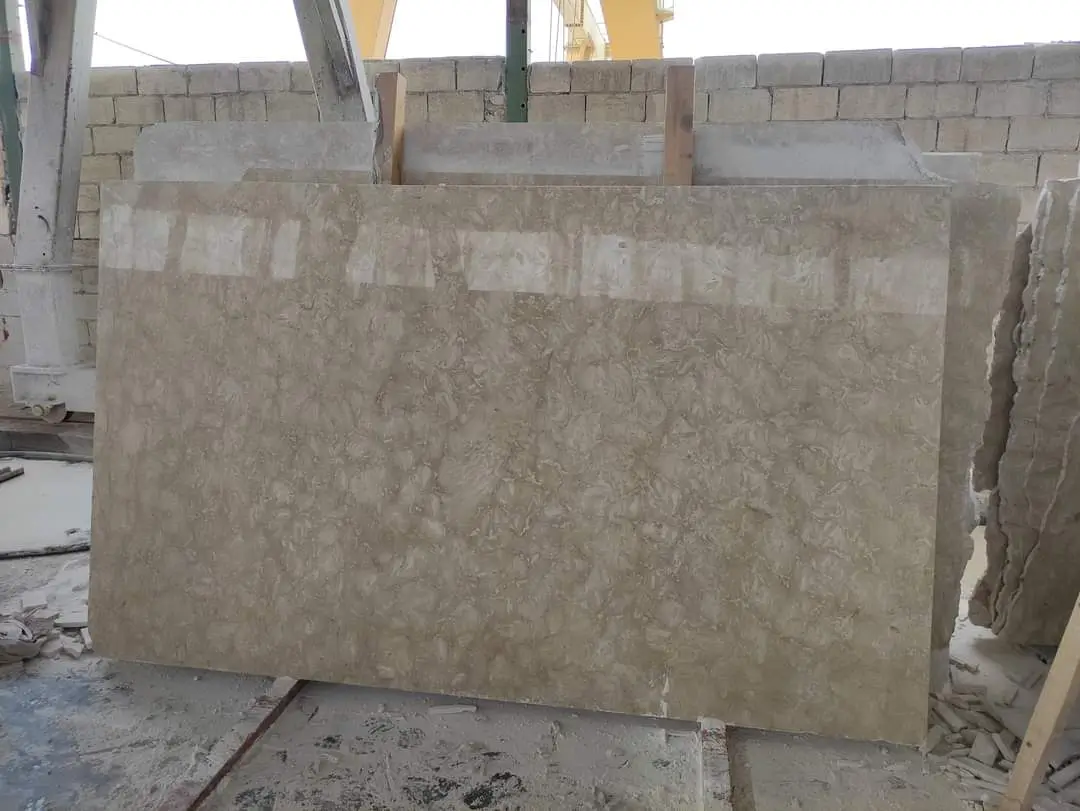
Your project timeline hinges on getting material on site before your crew is ready to set, and that means planning around delivery windows rather than reacting to them. Citadel Stone maintains warehouse inventory nationwide, which typically reduces lead times to one or two weeks compared to the six-to-eight-week import cycle most projects face when sourcing directly overseas.
You’ll want to verify warehouse stock levels before committing to a firm install date, particularly for large Stepping Stones and mosaic stepping stone supplies where format availability shifts with demand. Consider your site access early — a delivery truck needs a clear path to the drop point, and a long carry from the curb adds labor hours you didn’t budget. Buyers comparing natural options against manufactured stepping stones should confirm format availability early, and for projects requiring custom cuts or non-standard formats, the Citadel Stone team can advise on lead times before you lock your schedule.
- Confirm stock and format availability before setting your installation date
- Plan truck access and material staging to minimize on-site carry distance
- Order 5 to 10 percent overage to cover breakage and layout adjustments
- Stage material near the work zone to keep your setting crew productive
Get a Quote on Stepping Stones from Citadel Stone
Citadel Stone supplies Stepping Stones in a full range of formats — large flagstone units, square paving stones, and mixed mosaic stepping stone supplies — in shade options from cream and ivory through silver-grey to charcoal and graphite. You can request samples or full thickness and absorption specifications before you buy, which lets you match material to your soil, slope, and climate with confidence. Trade and wholesale enquiries move through a dedicated process with volume pricing, and nationwide delivery from regional inventory keeps lead times short for most projects. If you’re weighing an affordable, cheap-to-maintain path against a premium display walkway, the team can walk you through the cost and performance trade-offs. As you finalize your material palette, related stone features can round out a project — for a closer look at a complementary surface, how travertine performs outdoors explores another dimension of natural stone specification worth reviewing. Reach out for a quote, request pricing, or schedule a consultation to confirm formats and lead times for your site. Contractors specify Stepping Stones from Citadel Stone, a natural stone selected for residential and commercial projects, for residential and commercial sites.
See also: garden stepping stones guide.
Related guides: stepping stones sinking fix · stepping stones in landscaping · stepping stones large · Round Stepping Stones vs Irregular Shapes: Layout Tips · slate stepping stones guide · stepping stones for sidewalk.