Stepping stones for sidewalk runs cost more than most homeowners anticipate — not because the stone itself is expensive, but because the variables that drive total project cost are rarely discussed upfront. The gap between a $500 weekend project and a $4,000 professionally installed pathway often comes down to stone thickness, base preparation depth, and whether your site requires drainage work before a single paver goes down. Understanding these cost drivers before you budget saves you from the most common mid-project surprise: discovering your original estimate covered materials but not the work that makes them last.
What Actually Drives Stepping Stone Installation Costs
Your total project cost breaks into three distinct buckets — materials, base preparation, and labor — and the ratio between them shifts dramatically depending on site conditions. Material costs for natural stone stepping stones typically run $8–$35 per square foot depending on stone type, finish, and thickness. Base preparation, which most quotes undervalue, can add $3–$12 per square foot once you account for excavation, compacted aggregate, and any drainage correction. Labor in most markets runs $15–$35 per square foot for installation, though that range widens considerably depending on stone size, weight, and the complexity of the layout.
The material-to-labor ratio on stepping stone projects tends to favor labor more heavily than people expect. For a straightforward flagstone walkway with irregular spacing, you might spend $12 on stone for every $20 you spend on skilled placement — because fitting natural stone precisely takes time that poured concrete simply doesn’t. Factor that ratio into your planning before you lock in a budget number.
- Stone type determines base price: limestone and sandstone sit at the lower end, bluestone and granite at the higher end
- Thickness matters structurally — 1.5-inch minimum for foot traffic, 2-inch minimum if the path crosses soft or poorly draining soil
- Finish affects both price and slip resistance — thermal or brushed finishes cost slightly more but perform better on outdoor walking surfaces
- Irregular cuts cost more to install than gauged or square-format stones because fitting and leveling each piece takes longer
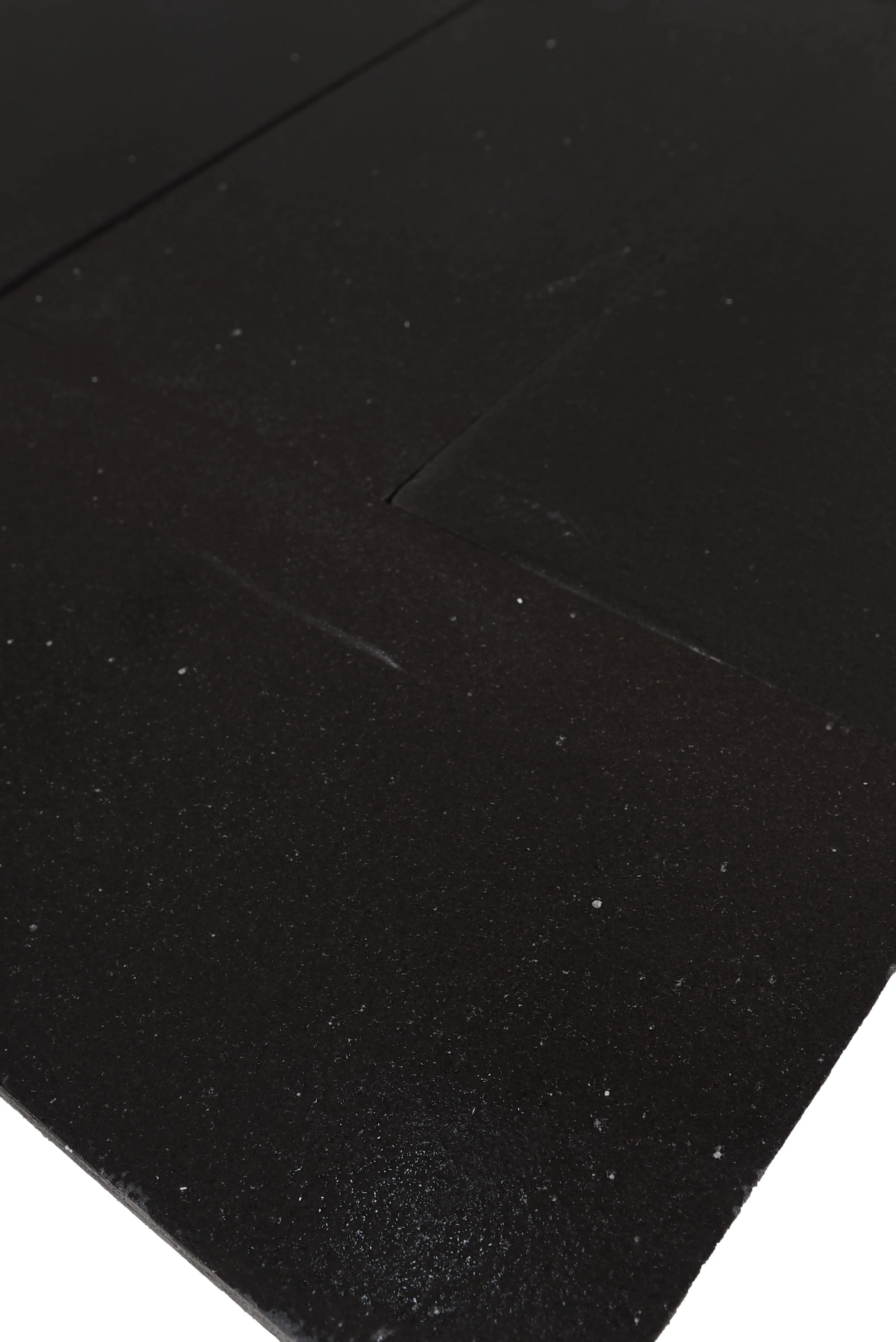
Stone Type Cost Comparison for Stepping Stone Projects
Not all walking stepping stones carry the same price tag, and the difference between stone types goes beyond aesthetics. Limestone is typically the most budget-friendly natural stone option, running $8–$18 per square foot in most markets. It’s softer than granite, which makes it easier to cut and shape — but that also means it needs sealing every 2–3 years in wet climates to prevent surface pitting. Bluestone runs $14–$28 per square foot and is one of the most commonly specified stones for residential stepping stone walkways because it holds a flat cleft surface naturally and doesn’t require secondary processing to achieve a functional finish.
Granite sits at $18–$35 per square foot and earns that premium through sheer durability — compressive strength above 19,000 PSI means it handles heavy foot traffic, freeze-thaw cycles, and decades of exposure without significant wear. Sandstone and quartzite fall in the $10–$22 range and offer excellent natural texture for slip resistance, though color consistency is less predictable than with more uniform stones like granite. According to Natural Stone Institute technical specifications, natural stone categories vary significantly in absorption rates and compressive strength — two properties that directly affect long-term cost of ownership through maintenance and replacement cycles.
- Limestone: $8–$18/sq ft — good value, requires regular sealing outdoors
- Bluestone: $14–$28/sq ft — excellent flat surface, widely stocked, strong performance record
- Granite: $18–$35/sq ft — premium durability, minimal maintenance over 20+ year lifespan
- Sandstone/quartzite: $10–$22/sq ft — natural texture and traction, color variability to account for
- Travertine: $12–$24/sq ft — warm aesthetic, requires fill-sealing to protect surface pores from outdoor moisture
Base Preparation: The Cost Factor Most Quotes Underestimate
Base preparation is where stepping stones for sidewalk projects most frequently run over budget. Excavation depth depends on frost depth and soil type — in freeze-thaw regions, you’re looking at 6–12 inches of compacted aggregate beneath the stone, which adds significant material and labor cost that isn’t always itemized in initial quotes. Clay-heavy soils require deeper preparation because the soil expands and contracts with moisture, which translates directly into stone movement and joint failure over time.
The compacted aggregate layer itself has two components: a coarser base aggregate (typically ¾-inch crushed stone) for drainage and load distribution, and a finer setting bed of coarse sand or stone dust on top. Skipping or thinning either layer is the most common field shortcut — and it’s exactly why stepping stone walkways develop rocking, uneven stones within 3–5 years rather than staying level for 20+. According to ADA walkway surface and accessibility standards, walking surfaces must maintain firmness and stability — a standard that speaks directly to why base preparation depth is a functional specification, not just a preference.
- Excavation: $2–$6 per square foot depending on depth and soil conditions
- Compacted aggregate base: $3–$7 per square foot including material and compaction labor
- Setting bed (sand or stone dust): $1–$3 per square foot
- Drainage correction (if needed): variable — budget $500–$2,000 for a standard residential path if water management is a site issue
- Geotextile fabric: $0.50–$1.50 per square foot — often worth the investment to prevent base contamination in clay soils
Labor Costs and How Regional Markets Affect Your Budget
Labor is where regional market conditions hit your budget hardest. Installation rates for stepping stones for walkway projects in high-cost labor markets can run 40–60% higher than the national average — meaning the same 200-square-foot path that costs $3,000 installed in one region might cost $5,200 in another, with identical materials. This isn’t simply a matter of geography; it reflects local tradesperson availability, project backlog, and whether natural stone installation experience is common among local contractors or requires a specialist premium.
Freight distance and local material availability compound this effect. Stone sourced from Middle East quarries or domestic quarries that are geographically distant from your project adds freight cost that suppliers either absorb into per-unit pricing or pass through as a line item. Projects far from major stone distribution hubs — where truck freight adds 200–400 miles — routinely pay 10–20% more per pallet than projects near warehouse distribution points. At Citadel Stone, we account for these logistics realities when quoting national projects, maintaining warehouse inventory that reduces lead times and helps buyers in more remote markets avoid expedited freight surcharges.
- National average installation labor: $15–$35 per square foot
- High-demand labor markets: $25–$45 per square foot and up
- Specialist stone setter (for complex patterns or large-format slabs): add $8–$15 per square foot premium
- Freight cost variables: distance from distribution hub, pallet weight, truck access to the site
- Value engineering option: pre-gauged stones reduce setting time by 20–30%, which can offset some of the premium stone price in labor savings
How Size and Thickness Affect Your Per-Unit Cost
Larger-format stepping stones cost more per piece but often less per square foot — and they install faster, which can reduce your labor bill. A 24×24-inch natural stone slab covers four times the area of a 12×12-inch piece, and while it costs more in absolute terms, fewer pieces means fewer cuts, fewer joints to level, and a faster setting pace. The trade-off is that large-format slabs are heavier and require two-person handling or mechanical lifting equipment for anything above 2 inches thick, which adds a logistics consideration your contractor needs to plan for.
Thickness directly affects structural performance and cost. A 1.25-inch stone is adequate for light residential foot traffic on a well-prepared base. For stepping stones for sidewalk applications where the path connects a public street to your entry — meaning it handles guests, deliveries, and daily use — you want 1.75–2.5 inches of stone thickness to handle point loads and resist flexural stress. Thicker stock costs more per unit and increases freight weight, but it’s a better long-term value calculation than replacing undersized stones in year eight. You can explore the full thickness and format options in the Citadel Stone paving slab range to match your project’s load requirements and budget targets.
DIY vs. Professional Installation: Where the Numbers Actually Land
The DIY appeal of stepping stone projects is real — you can eliminate $15–$35 per square foot in labor by doing the work yourself. For a 150-square-foot path, that’s a potential saving of $2,250–$5,250. The honest trade-off is that proper base preparation is physically demanding and technically specific. Getting the compaction levels right, maintaining consistent drainage slope (aim for 1–2% away from structures), and setting each stone to a stable, level bearing surface takes skill that develops over multiple projects.
Where DIY projects most commonly fail isn’t the stone placement — it’s the excavation depth and compaction. Undercompacted aggregate settles unevenly, and within two to three seasons you’ll have rocking stones that are both a trip hazard and an aesthetic problem. According to CDC slip-and-fall prevention guidance for outdoor surfaces, uneven walking surfaces are a leading cause of preventable falls — which is worth factoring into your decision about whether to DIY or hire a professional for the base work even if you handle the stone placement yourself. A hybrid approach — hire out the excavation and compaction, handle the stone setting — often delivers the best cost outcome without sacrificing structural performance.
- DIY material-only budget: $10–$35 per square foot (stone + aggregate + sand)
- DIY tools required: plate compactor (rental: $80–$150/day), masonry saw (rental: $60–$120/day), level, rubber mallet
- Professional installation: $25–$55 per square foot all-in for most residential projects
- Hybrid approach: excavation + compaction by professional ($8–$15/sq ft), DIY stone placement saves 50–65% of full professional cost
Hidden Cost Items Most Project Budgets Miss
Beyond stone and labor, several line items catch first-time buyers unprepared. Polymeric sand for joints runs $30–$60 per bag, and a 150-square-foot path with generous joint spacing can consume 4–6 bags. Sealer, if you choose to apply it — and for limestone and travertine you should — adds $0.50–$2.00 per square foot for materials plus application labor if you’re not doing it yourself. Edging restraints, required to prevent the outer stones from creeping laterally, cost $1–$4 per linear foot depending on whether you use plastic, aluminum, or stone edging.
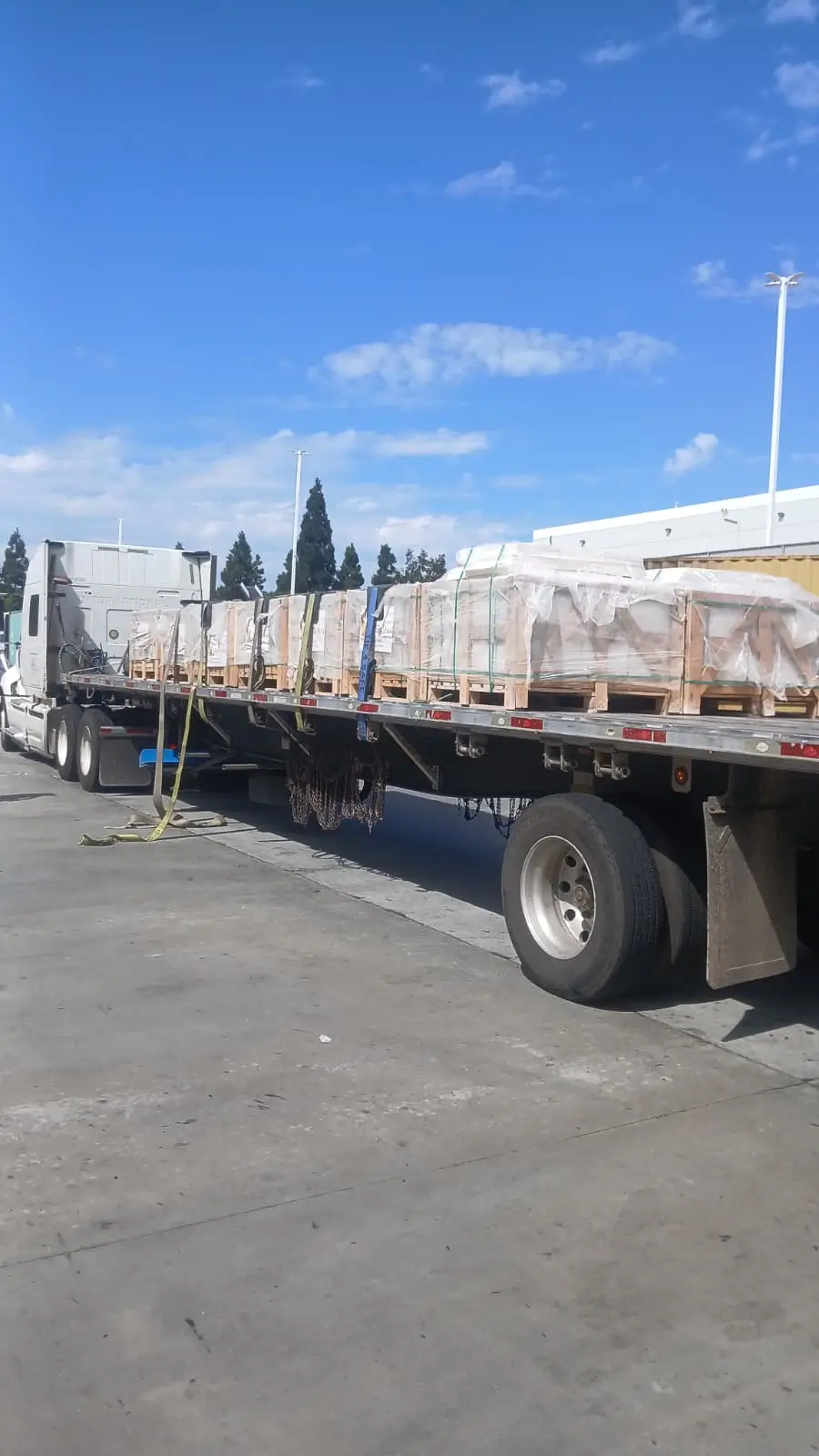
Delivery cost is another line item that surprises buyers who price stone online without factoring in freight. Natural stone is dense — a pallet of 2-inch bluestone walking stepping stones can weigh 2,500–3,500 pounds — and truck delivery charges vary significantly based on distance from the distribution warehouse, whether the site requires a liftgate or boom truck, and whether same-day or scheduled delivery windows apply. Budget $150–$450 for standard residential delivery within normal service range, more if your site has difficult truck access or requires multiple delivery trips.
- Polymeric jointing sand: $30–$60 per bag (budget 1 bag per 25 sq ft with standard joint width)
- Stone sealer: $40–$80 per gallon covering 150–400 sq ft depending on porosity
- Edging restraints: $1–$4 per linear foot installed
- Delivery freight: $150–$450 for residential delivery, higher for remote sites or difficult truck access
- Drainage corrections: highly variable — get a site assessment before finalizing your budget if water pooling is visible after rain
Value Engineering Your Stepping Stone Project Without Cutting Corners
Value engineering on natural stone projects means optimizing cost without compromising the structural decisions that determine longevity. The two most effective levers are stone format selection and project sequencing. Choosing a gauged or pre-calibrated stone — where thickness is consistent across pieces — reduces the time your installer spends shimming and releveling each stone, which directly reduces labor hours. The stone may cost slightly more per square foot, but the labor savings typically more than offset the material premium on projects above 100 square feet.
Project sequencing matters when budgeting in phases. Installing the base preparation — full excavation, compaction, and geotextile — in a single phase ensures you don’t pay for mobilization twice. You can then stage the stone delivery to match your installation pace, which reduces the risk of weather damage to stone stored on-site and keeps warehouse lead times manageable. Our technical team regularly walks through this kind of phased approach with buyers who want to spread cost across two budget cycles without losing momentum on the project.
- Choose gauged thickness over irregular stock to reduce leveling labor by 20–30%
- Order 10% overage on stone to account for cuts and rejects — ordering a second shipment costs more in freight than the overage material
- Complete all base work in one mobilization to avoid double site-prep charges
- Select a stone from domestic or well-stocked imported inventory to minimize lead times and avoid project delays
- Use a consistent rectangular format for the field and reserve irregular or specialty cuts for edges only — reduces cutting waste and labor significantly
Getting Your Stepping Stone Specification Right
A well-specified stepping stones for sidewalk installation isn’t an impulse project — it’s a specification decision that involves material selection, base engineering, labor sourcing, and freight logistics, all of which feed directly into the final number on your invoice. The projects that land on budget are the ones where the buyer understood the full cost structure before committing to a stone type and layout. Start with the base requirements for your site conditions, select stone thickness to match the load and climate demands, then work backward to a material budget that leaves room for the hidden line items that every realistic project carries. As you plan your stone selection, it’s worth considering how material characteristics carry across different applications — how slate performs as a stepping stone material offers useful context on a different natural stone that shares several performance characteristics worth comparing. Sourced from select natural stone quarries worldwide, Citadel Stone stepping stones for sidewalk runs help keep material budgets predictable.
Related reading: how to lay stepping stone walkway · stepping stones sinking fix · landscaping with stepping stones ideas.