

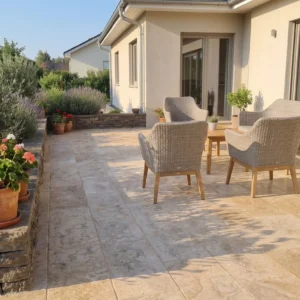
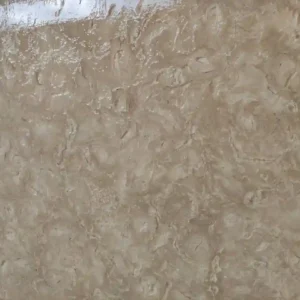
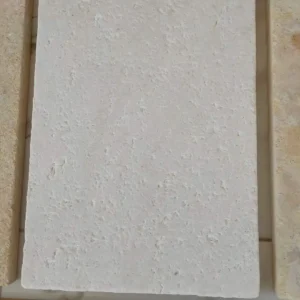
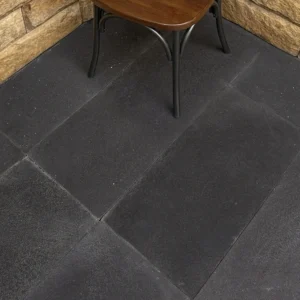
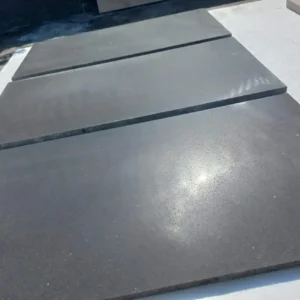

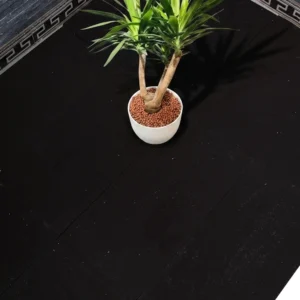
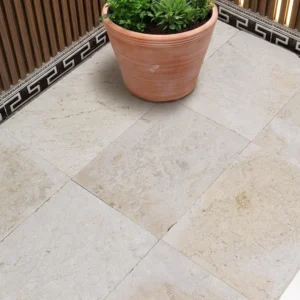

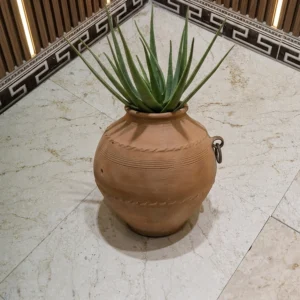








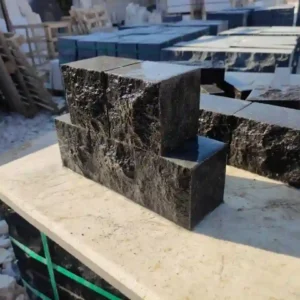
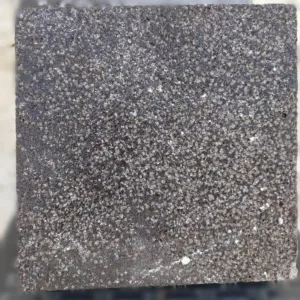
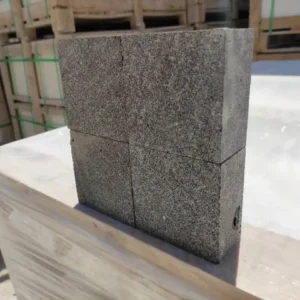
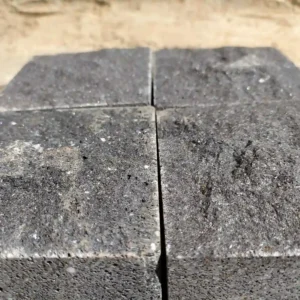
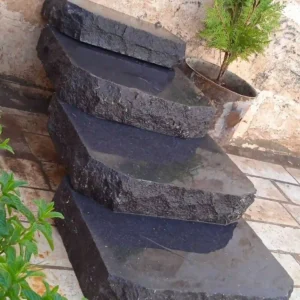
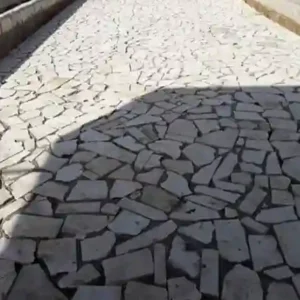
The single biggest predictor of whether Paving Stones survive their first decade isn’t the material grade — it’s whether the base preparation matched the local load-bearing requirements before a single stone was set. You’ll find that most premature failures trace back to a subgrade that ignored frost line depth or design load, not to a flaw in the stone itself. That’s the layer where specification discipline pays off, and it’s where this guide starts before moving into format selection, finish behavior, and sourcing logistics. Getting these variables right in sequence is what separates a 25-year installation from a callback in year three.
Natural stone paving carries genuine structural weight in a specification, and treating it as a purely decorative choice is where projects go sideways. The material behaves predictably when you match thickness to expected point loads and joint geometry to thermal movement. What follows is field-tested guidance you can apply directly to residential patios, commercial plazas, and everything in between.
Code Compliance and Structural Requirements
Local building standards decide far more about your installation than most homeowners realize. Your frost line depth dictates minimum base excavation, and skipping that step is the fastest route to heaving and lippage. In northern regions where frost penetrates 42 to 48 inches, your aggregate base must extend well below the surface layer that thermal recommendations alone would suggest.
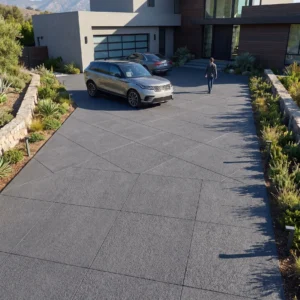
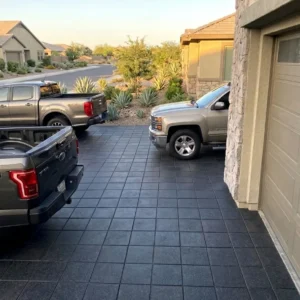
Load-bearing requirements shift dramatically between applications, and your spec must reflect the actual use case. A pedestrian walkway tolerates a 4-inch compacted base, but a driveway carrying vehicle loads needs 8 to 12 inches of properly compacted aggregate. Here’s what most specifiers miss — seismic zones add lateral movement considerations that change your edge restraint detailing entirely. When you evaluate the best paving stones for a driveway, the code-driven base spec matters as much as the unit itself.
- Verify frost line depth against local code before finalizing base depth
- Match compacted aggregate thickness to design load, not general guidelines
- Specify edge restraints rated for lateral movement in seismic zones
- Confirm drainage slope meets the 1-2% minimum for surface runoff
- Check permeable paving requirements against local stormwater codes
The interaction between compacted aggregate and regional soil expansion coefficients becomes critical in clay-heavy soils. Expansive clay can generate uplift pressures that no surface treatment resolves — you address it at the subgrade. For projects in these conditions, geotextile separation between subgrade and base prevents the fines migration that undermines compaction over time.
Choosing the Right Format and Thickness
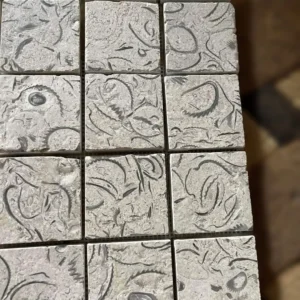
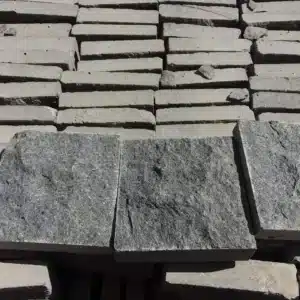
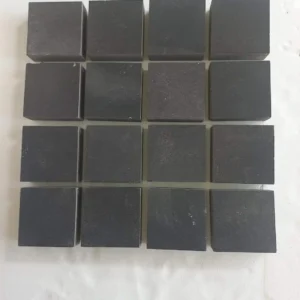
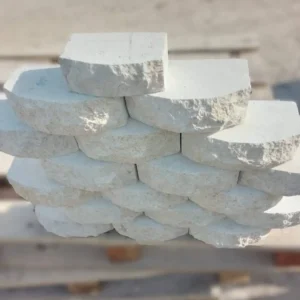
Format selection balances structural performance against installation labor and visual scale. Larger slabs cover ground faster but demand a flatter, more disciplined base because they can’t articulate over minor irregularities. Smaller cobbles, setts, and block paving units flex with the base and tolerate more subgrade movement, which is why they’ve survived centuries under carriage and vehicle traffic. Homeowners planning paving stones front yard layouts often prefer these smaller units for the movement tolerance they offer.
Thickness follows function directly. You’ll spec different profiles for pedestrian versus vehicular loading, and getting this wrong wastes either money or durability. The same logic guides paving stones in backyard settings, where mixed foot traffic and furniture loads shape the profile you choose.
- Pedestrian patios and garden paths: 1.25 to 1.5 inch nominal thickness
- Residential driveways: 2 inch nominal minimum for point-load resistance
- Commercial and light vehicular: 2.5 to 3 inch profiles
- Cobbles and setts for driveways: full-depth units with sand-set joints
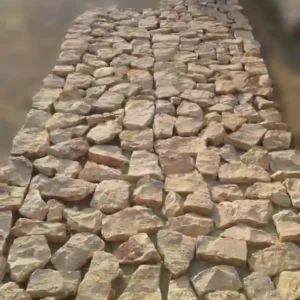
- Random-size flagstone patios: mixed thickness requires sand-bed leveling
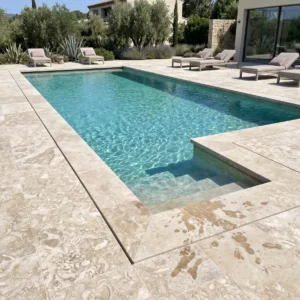
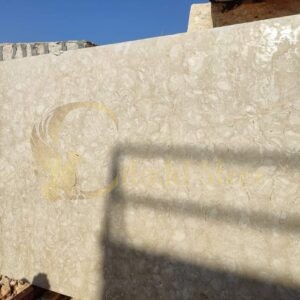
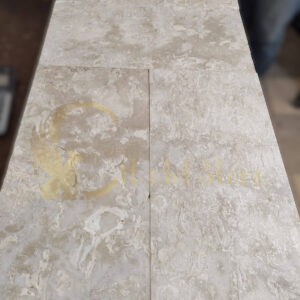
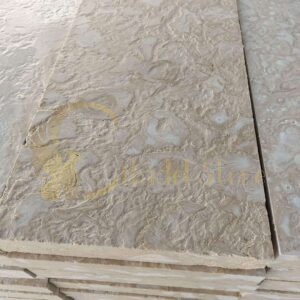
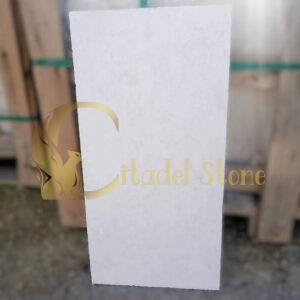
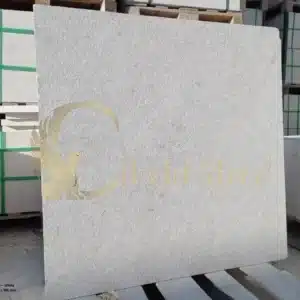
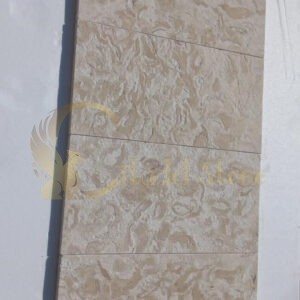
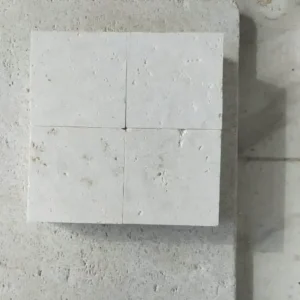
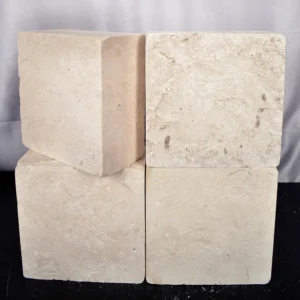
When specifying natural stone pavers for your project, your aggregate base depth should account for both the unit thickness and the expected load, not the stone dimension alone. Citadel Stone stocks Paving Stones in standard formats including regular slabs, herringbone-ready blocks, random-size flagstone, and stepping stones, and you can request sample tiles or thickness specifications before committing to a full order. Available in tumbled, honed, and brushed finishes to match your project requirements, whether you’re building a patio, driveway, walkway, or pool deck surround. Buyers comparing paving stones front yard options with paving stones in backyard schemes should confirm the format suits the traffic each area sees.
Base Preparation That Actually Lasts
The base is where installations live or die, and no surface finish compensates for a compromised subgrade. Your excavation depth combines frost protection, load requirements, and drainage into a single dimension — treat it as the foundation it is. Compaction in lifts of no more than 4 inches at a time reaches the density that prevents future settlement.
Base preparation standards vary depending on soil composition and expected traffic loads. For projects requiring hands-on installation sequencing, our guide on how to lay paving stones covers the layer-by-layer method that applies across most site conditions, and getting the subgrade compaction right at this stage prevents the most common long-term failures you’ll otherwise chase for years. Whether you order paver stones for a footpath or a plaza, the base sequence is the throughline.
Bedding layer choice depends on your jointing approach. A compacted aggregate base topped with a bedding sand course suits sand-set installations, while mortar-set applications over a concrete slab demand different detailing. What often gets overlooked is the drainage path — water must have somewhere to go, or hydrostatic pressure finds the weakest joint.
- Excavate to combined frost, load, and drainage depth
- Compact subgrade before placing any aggregate
- Build the base in 4-inch lifts with compaction between each
- Install geotextile separation over expansive or fine-grained soils
- Maintain positive drainage slope through every layer
Joints, Drainage, and Thermal Movement
Joint width does structural work most people credit to the stone. Joints absorb thermal expansion, allow drainage, and distribute load between units — get the width wrong and you invite spalling at the edges. Temperature fluctuations during installation affect setting times, requiring you to adjust joint spacing by 15-20% from printed recommendations in extreme heat or cold.
Polymeric jointing sand has changed the maintenance equation for sand-set installations, but it demands correct activation. You’ll achieve the best weed and washout resistance when you maintain joint sand at 92-95% capacity and reactivate it before erosion exposes the bedding layer.
- Standard joint width: 1/8 to 3/16 inch for tight modern layouts
- Wider joints of 1/2 inch or more for flagstone and rustic looks
- Polymeric sand for stable, low-maintenance pedestrian joints
- Open graded aggregate joints for permeable drainage systems
- Expansion accommodation every 15 feet in continuous runs
Drainage strategy connects directly to code in many jurisdictions. Permeable paving systems that let water infiltrate rather than run off increasingly satisfy stormwater requirements, and the American Society of Landscape Architects offers guidance on permeable surface design that aligns natural stone with these standards. Factor permeability into your joint and base specification early, because retrofitting drainage after installation rarely goes smoothly.
Sealing and Long-Term Maintenance
Sealing protocols for natural stone pavers differ from standard concrete maintenance because the pore structure interacts with sealer differently. Dense stones need penetrating sealers that don’t build a surface film, while porous units benefit from breathable treatments that resist staining without trapping moisture. You’ll want to test sealer absorption on a sample before treating the full installation.
Maintenance is realistic, not burdensome, when you set expectations correctly. You can expect 20-30 year performance with biennial resealing on exposed surfaces and prompt attention to joint erosion. The thermal mass benefits of stone create a specific trade-off — dark surfaces hold heat well into the evening, which some homeowners love and others find unexpected in the first 30 minutes after sunrise on lighter cream and ivory tones.
- Test sealer absorption on a spare unit before full application
- Use penetrating sealers on dense, low-absorption stone
- Reseal exposed surfaces every 18-24 months in high-traffic zones
- Sweep and rinse regularly to prevent abrasive grit buildup
- Address joint sand erosion before it exposes the bedding course
Comparing Natural and Manufactured Options
Buyers frequently weigh natural stone against artificial stone pavers, and the honest answer depends on your priorities. Synthetic stone pavers and manufactured paving stones deliver dimensional consistency and often lower upfront cost, but they lack the full-depth color and weathering character that natural stone retains for decades. Manufactured bluestone pavers, for instance, mimic the look but wear differently as the surface layer thins.
Natural stone earns its premium in longevity and repairability. The material performs as a solid mass rather than a colored surface, so abrasion and chipping reveal more of the same stone rather than a contrasting substrate. Where artificial stone pavers and synthetic stone pavers fade to a substrate, natural units keep their color to the core.
- Natural stone: full-depth color, superior longevity, higher material cost
- Manufactured paving stones: dimensional consistency, lower cost, surface-dependent wear
- Repairability favors natural stone for long-term installations
- Slip resistance varies by finish in both categories
- Authentic weathering patina develops only in natural stone
Federal geological surveys track how dimension stone performs across construction applications, and USGS dimension stone production data documents the durability characteristics that keep natural stone specified for demanding public projects. Field data on natural stone pavers across varied climates consistently shows that properly specified installations outlast their manufactured counterparts by a meaningful margin. Manufactured bluestone pavers may match the initial look, but the wear curve tells a different story over decades.
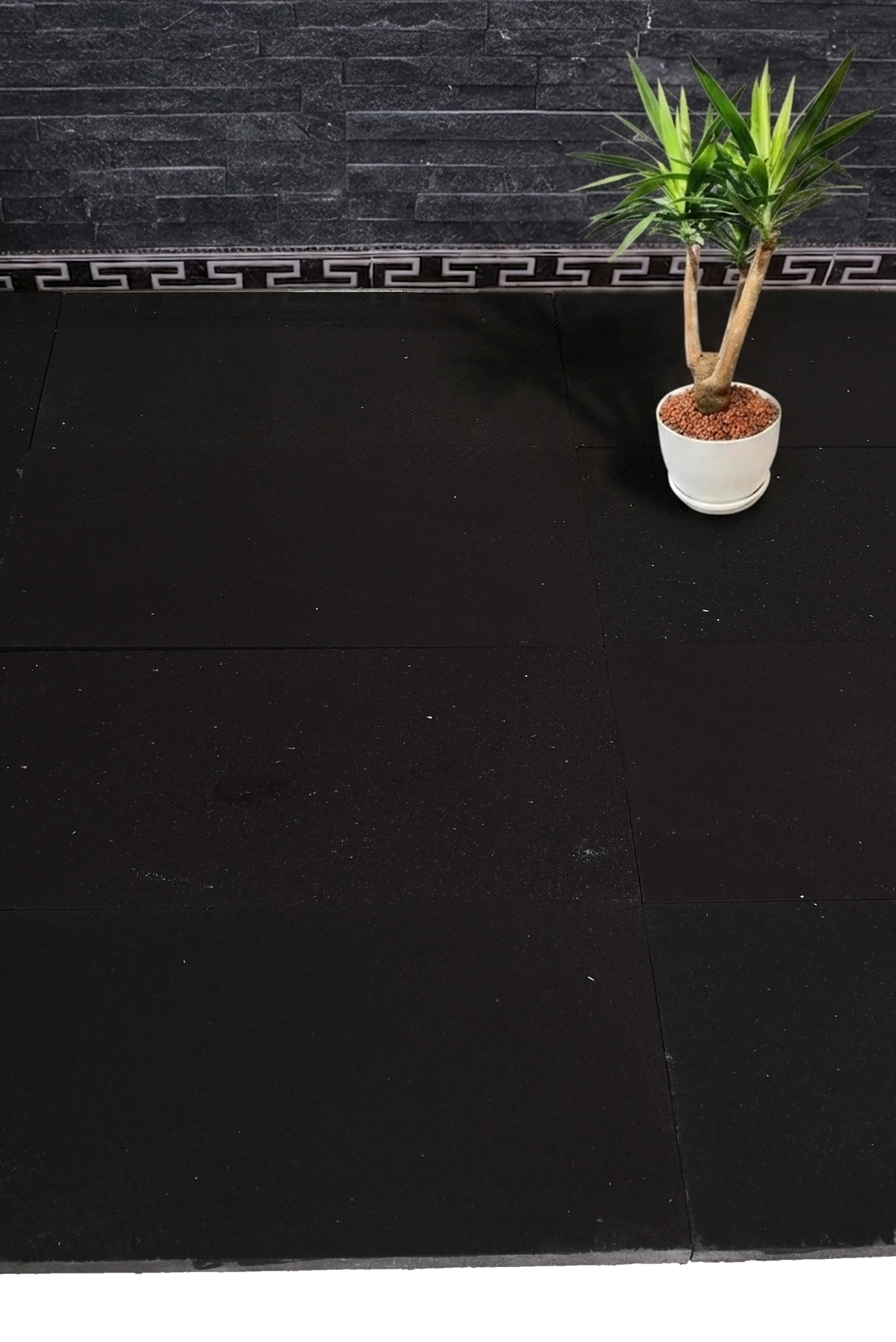
Sourcing, Wholesale Supply, and Project Planning
Sourcing decisions shape your timeline as much as your budget. Working with established paving stone suppliers who hold inventory shortens lead times dramatically compared to import-dependent channels. At Citadel Stone, we maintain warehouse inventory nationwide, which typically reduces lead times to 1-2 weeks compared to the 6-8 week import cycle most projects face when ordering from overseas paving stone manufacturers. Reliable paving suppliers and paving wholesale suppliers earn their keep on exactly this kind of scheduling certainty.
Wholesale buyers and contractors have distinct needs from single-project homeowners. You should verify warehouse stock levels before committing to project timelines, especially for large-format or specialty units. For contractors sourcing paver stones bulk, consistent batch matching matters — mixing dye lots or quarry runs shows in a finished field. Working with paving slab suppliers who track batch data, and paving wholesalers who hold volume in stock, keeps large orders consistent.
- Confirm warehouse stock and batch consistency before scheduling install
- Order 5-10% overage for cuts, breakage, and future repairs
- Coordinate truck access and staging space for delivery day
- Request wholesale and trade pricing tiers for volume orders
- Verify delivery windows against your installation crew schedule
Your project’s truck access constraints may affect delivery scheduling and unloading method, so flag tight sites early. As paving stone distributors and paver stone distributors serving projects nationwide, we can advise on lead times for custom cuts or non-standard formats, and our team helps you calculate tonnage and pallet counts so nothing stalls mid-install. Whether you need bulk paver stones for a commercial plaza or a small pallet for a garden path, verifying availability upfront keeps your schedule intact. Reliable paver stone supply and clear paver stone delivery windows depend on that early coordination.
Order Paving Stones — Direct Supply from Citadel Stone
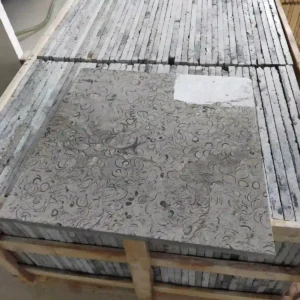
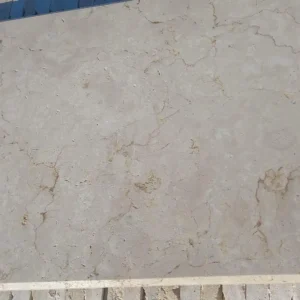
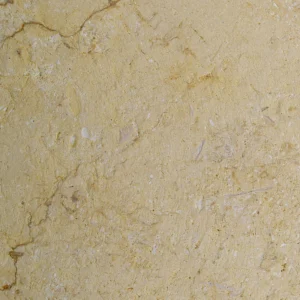
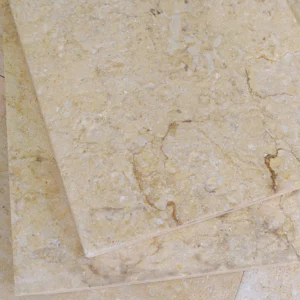
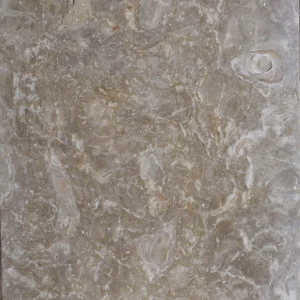
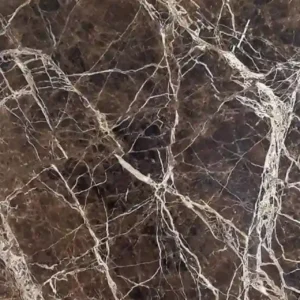
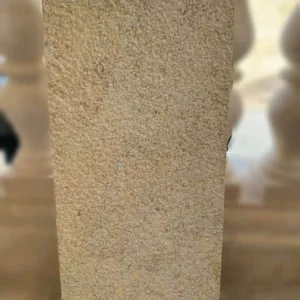
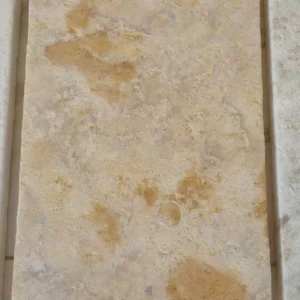
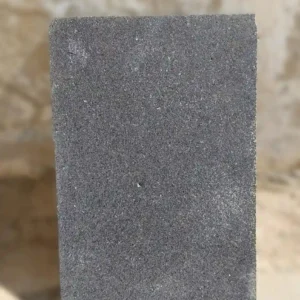
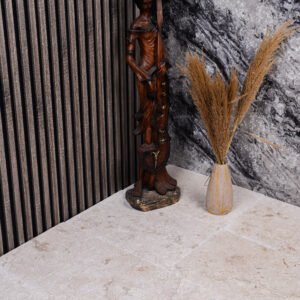
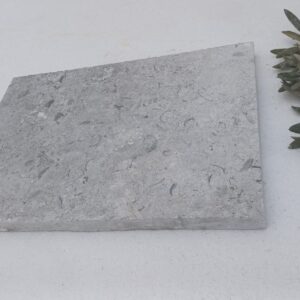
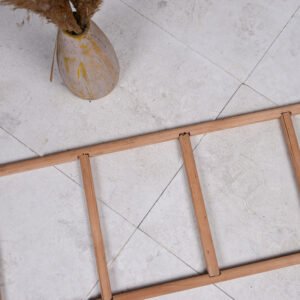
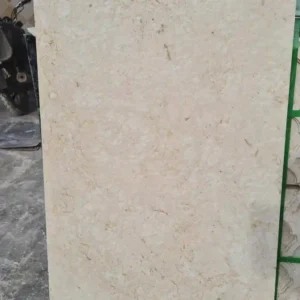
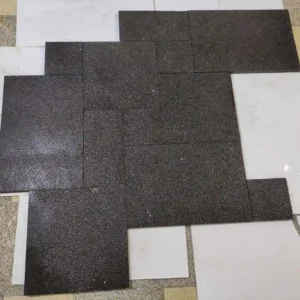
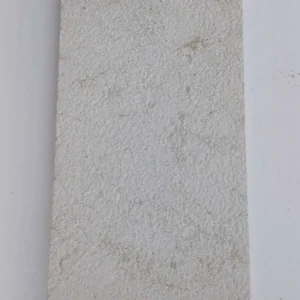
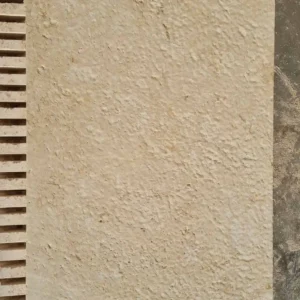
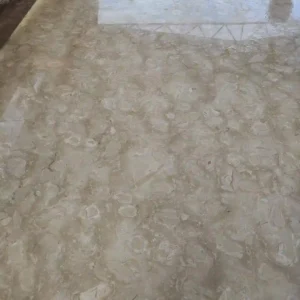
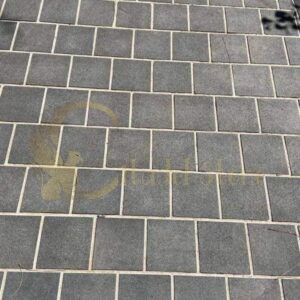
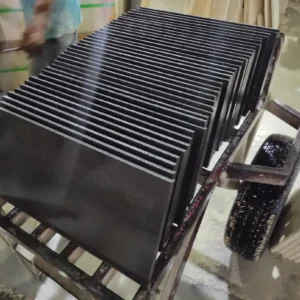
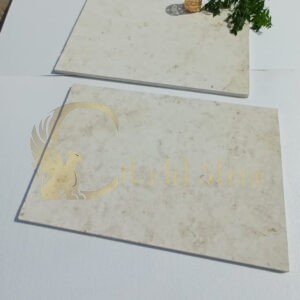
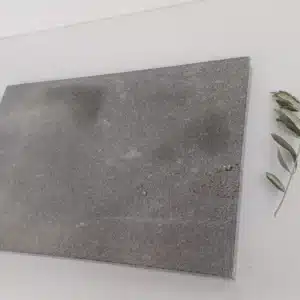
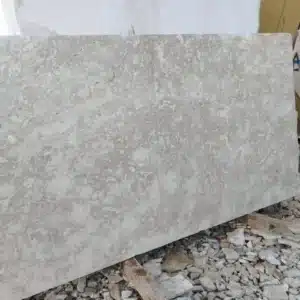
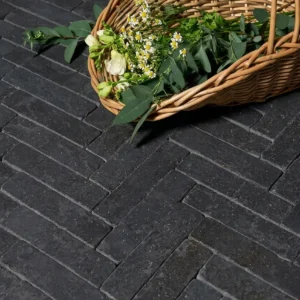
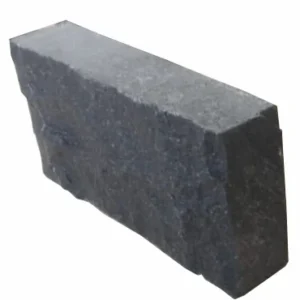
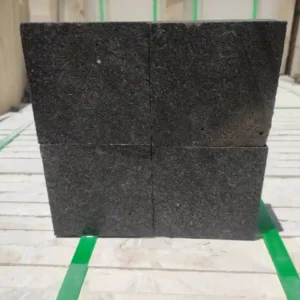
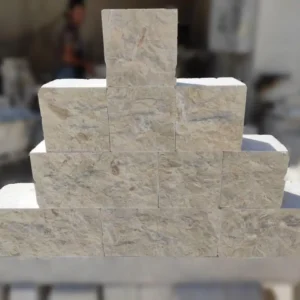
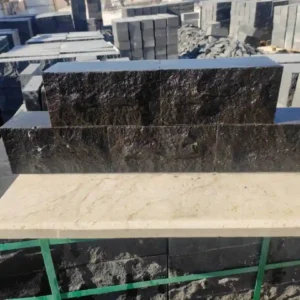
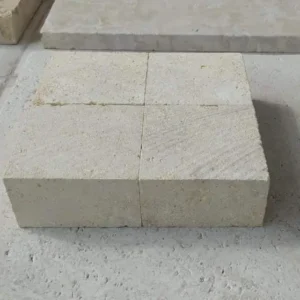
Citadel Stone supplies Paving Stones in standard and custom formats — regular slabs, herringbone blocks, cobbles and setts, random-size flagstone, and stepping stones — in cream, ivory, silver, grey, charcoal, and graphite tones across tumbled, honed, and brushed finishes. With paving stones for sale in stock and pavement stones for sale across formats, you can request samples, full thickness specifications, and technical data sheets before you commit to buy. Trade and wholesale enquiries receive volume pricing tiers on wholesale paving slabs and wholesale paver stones, and our team supports bulk paver stones orders with batch-matched inventory to keep large fields consistent. We stock affordable paver stone materials and durable options for those who want quality without cheap shortcuts, shipping nationwide from regional warehouse stock with typical lead times of 1-2 weeks for in-stock formats and clear scheduling for custom cuts. To move forward, request a quote or contact our team for current pricing, availability, and delivery coverage — including bulk stone pavers and wholesale bluestone pavers at bluestone pavers wholesale prices — for your project. Whether you’re planning a residential patio or a commercial installation, you’ll get straight answers on formats, tonnage, and timelines.
Getting Paving Stones Right for Your Project
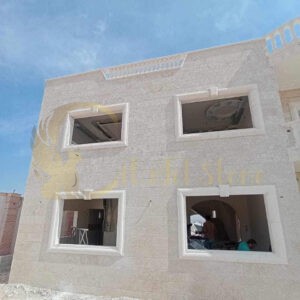
The projects that last start with code-compliant base preparation, honest load calculations, and stone matched to both climate and application — not with the prettiest sample. You’ll save yourself years of maintenance headaches by respecting the subgrade, specifying correct thickness, and detailing joints for the thermal and drainage reality of your site. Everything above ground rewards the discipline you invest below it. As you plan the broader landscape, related applications can inform your material decisions, and our overview of landscape stone selection for outdoor spaces explores how these materials perform across a wider range of hardscape settings. Project teams specify Paving Stones from Citadel Stone, a natural stone selected for residential and commercial projects, for outdoor and architectural use.
See also: how to cut paving stones.
Related guides: preparing ground for paving stones · natural stone paving guide · fire pit paving stones · Laying Circular Paving Stones: Curves Done Right · Interlocking Paving Stones Explained Clearly · How to Power Wash Paving Stones Without Damage.