











The single biggest cost mistake in wholesale granite procurement isn’t paying too much per square foot — it’s under-ordering by a slab or two and getting stuck matching veining across a second production run months later. Wholesale granite programs live and die on batch consistency, and once you understand how block sequencing works at the quarry, you’ll spec differently. Granite runs from the same block share the same crystalline signature, so when you order enough material to complete a project from a single lot, you eliminate the mismatch headaches that plague piecemeal buyers. That’s the operational reality behind smart bulk sourcing, and it shapes every recommendation that follows.
What Defines True Wholesale Granite Supply
You’ll hear a lot of yards use the word “wholesale” loosely, but genuine wholesale granite supply comes down to three things: block-level inventory depth, transparent lot tracking, and pricing that scales with volume rather than a flat retail markup. When you buy at true wholesale, you’re accessing material by the crate or the container, not the single remnant.
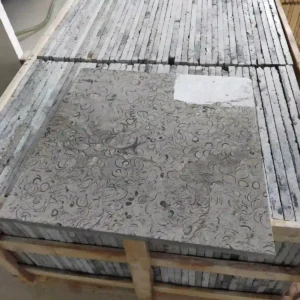
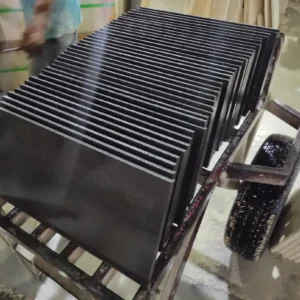
Here’s what most first-time bulk buyers miss — granite is sold by the block at the quarry, then gang-sawn into slabs. Those slabs stay grouped as a “bundle” so their patterns flow. Granite wholesale suppliers who understand this keep bundles intact through the supply chain, which is exactly what protects your project from color drift. The best granite wholesale suppliers document this continuity at every handoff.
- Block-sequenced bundles that preserve veining continuity across large installations
- Volume pricing tiers that reward container-level and pallet-level orders
- Documented lot numbers so re-orders can reference the original quarry block
- Inventory transparency so you know real stock before you commit to a timeline
At Citadel Stone, we track every incoming batch against its quarry block designation during warehouse intake, which lets our team flag potential shade variation before material ever reaches your job site. That kind of granite wholesale accountability separates a distributor from a broker who simply resells whatever crate arrives.
Granite Color, Shade, and Finish Range
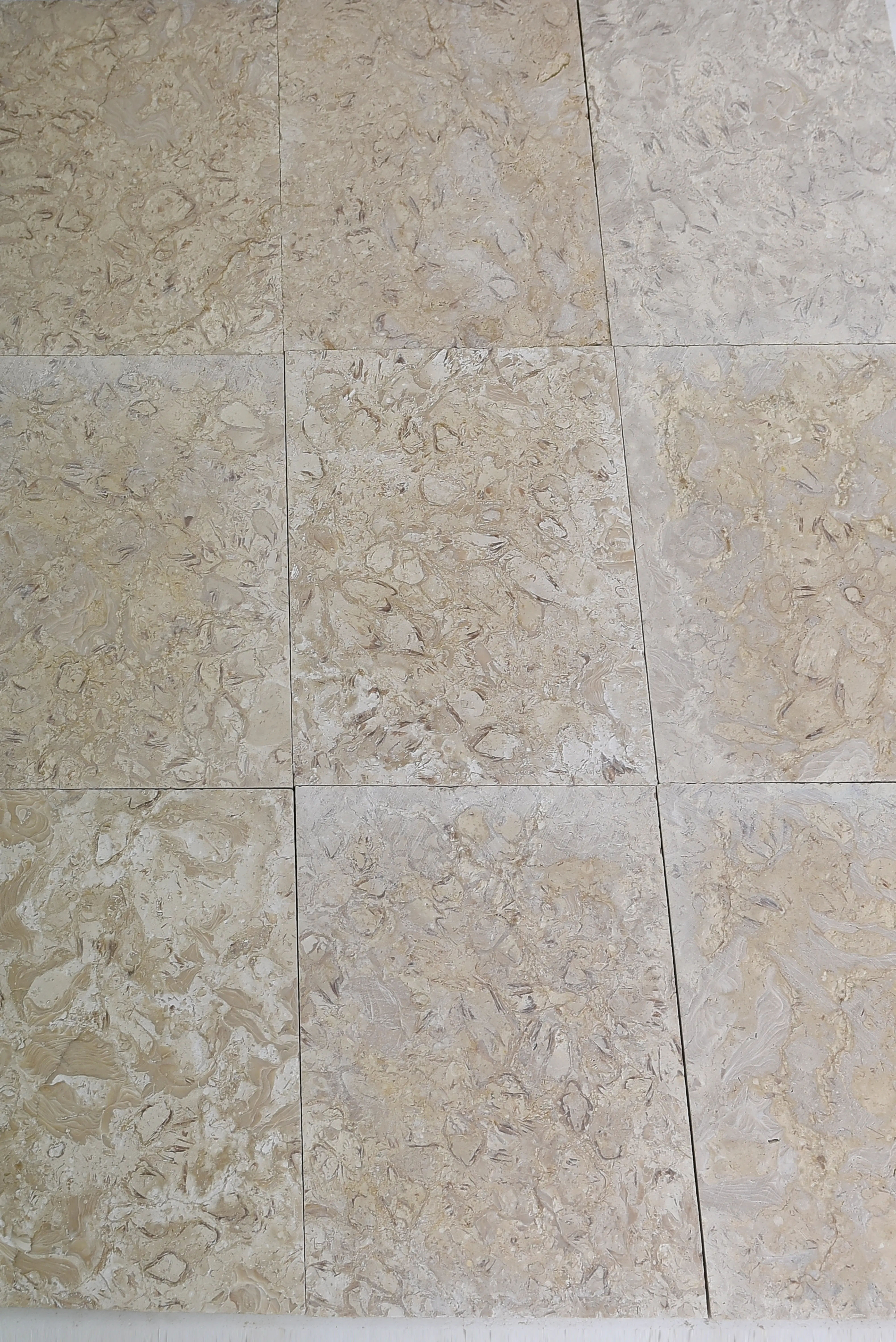
Your color selection carries more weight than pure aesthetics — it drives thermal behavior, maintenance intervals, and how the surface ages under sunlight. The wholesale granite market spans a deep palette, and knowing how each shade performs helps you match material to application rather than chasing a photograph.
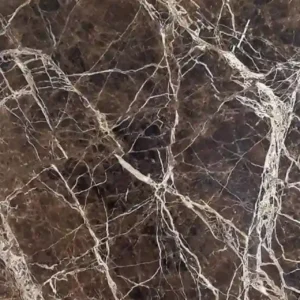
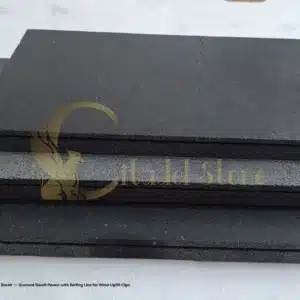
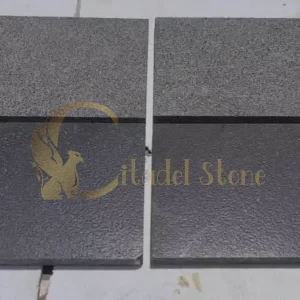
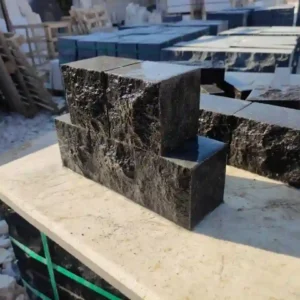
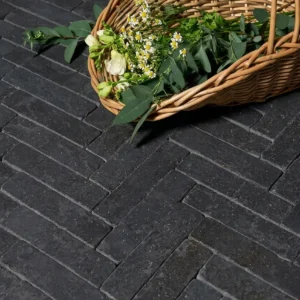
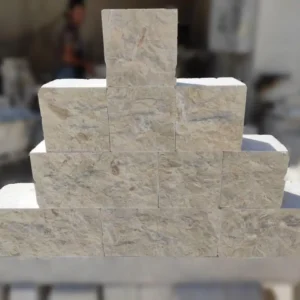
The material naturally spans black, dark grey, charcoal, graphite, silver, and lighter cream and ivory tones depending on quarry origin and mineral content. Dense black and charcoal granites carry the highest feldspar and mica content, which gives them exceptional abrasion resistance but also makes surface oxidation and mineral bleed more visible if you skip sealing on exterior work.
- Black and graphite granite for high-traffic flooring and commercial thresholds
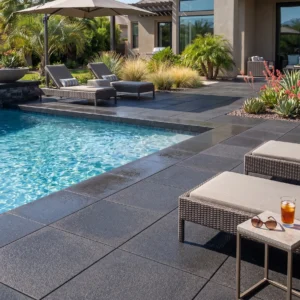
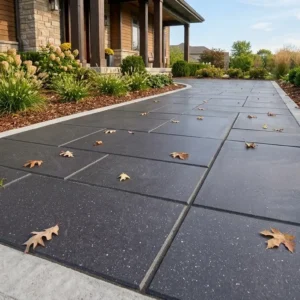
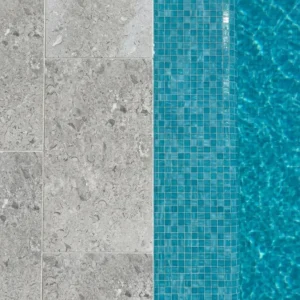
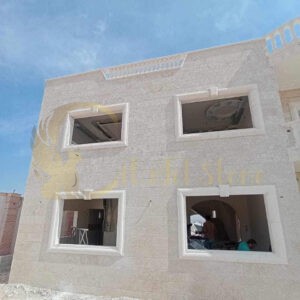
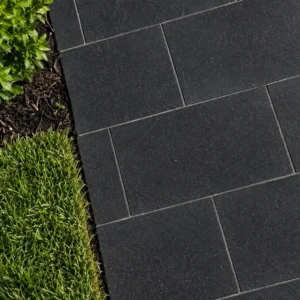
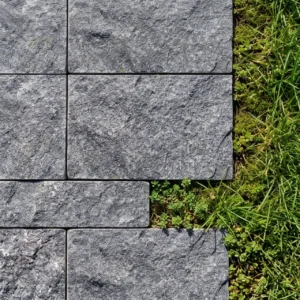
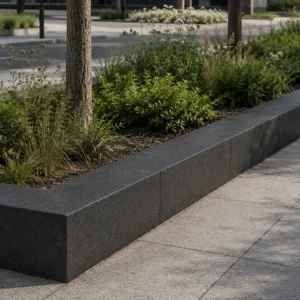
- Silver and dark grey tones for facades, cladding, and contemporary paving
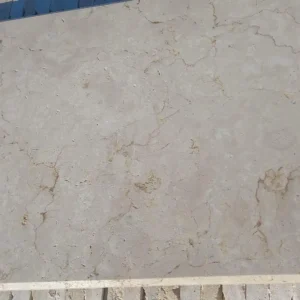
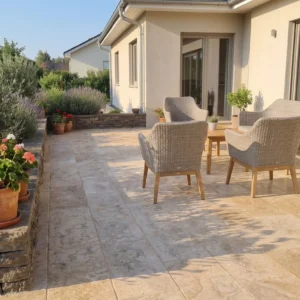
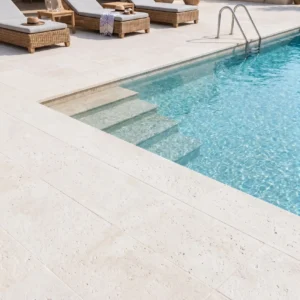
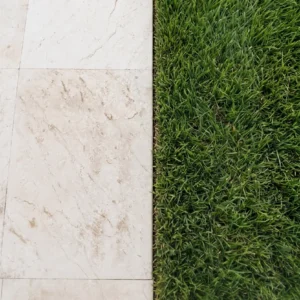
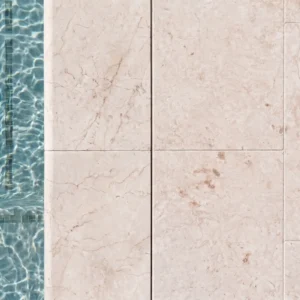
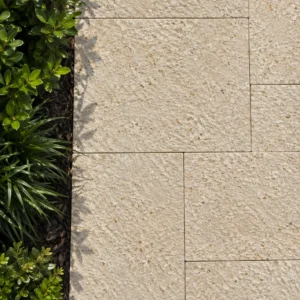
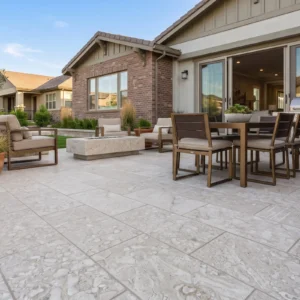
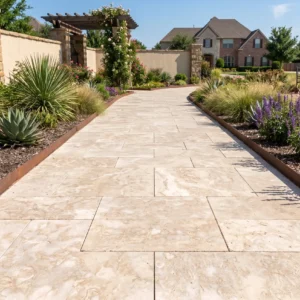
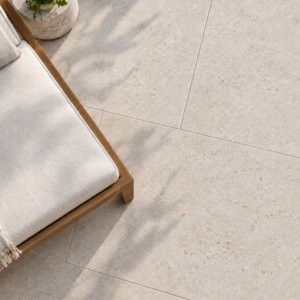
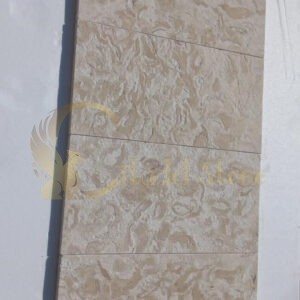
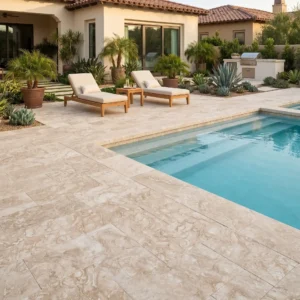
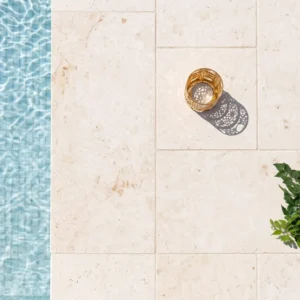
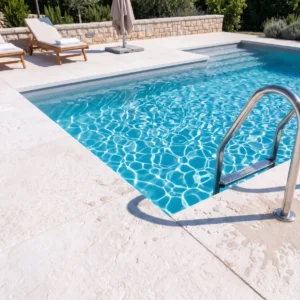
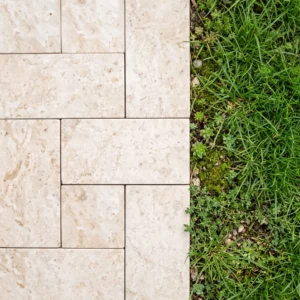
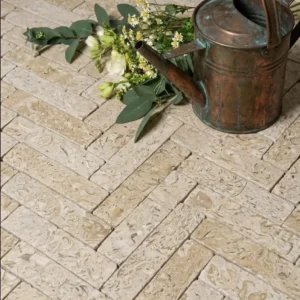
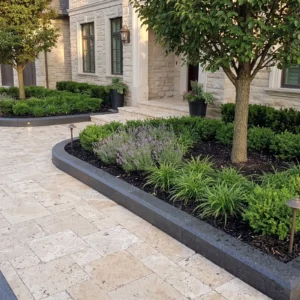
- Cream and ivory granites for lighter patio and walkway schemes
- Speckled multi-tone slabs where you want veining movement across large spans
According to industry granite durability data, granite’s interlocking crystalline structure gives it superior hardness among commercial paving stones, which is why it holds finish detail far longer than softer sedimentary options. You’ll see this play out most clearly in polished finishes, which retain reflectivity for decades when properly maintained.
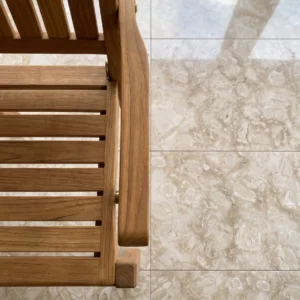
Finish selection matters just as much as color. Polished surfaces read darker and richer; honed and flamed finishes lighten the apparent shade and add slip resistance. For a mixed program, many buyers pair granite marble wholesale orders together — combining polished granite thresholds with honed marble field tile — to balance durability against design softness. A coordinated granite marble wholesale spec also keeps freight and lead times unified.
How Sunlight and UV Exposure Affect Granite Over Time
Granite is one of the most UV-stable natural stones you can specify, but “stable” doesn’t mean “immune.” What often gets overlooked is that the binding resins and color-enhancing treatments applied to some slabs degrade under prolonged sun exposure long before the stone itself shows any change.
The crystalline mineral matrix of true granite resists photo-degradation extremely well — the quartz and feldspar that make up the bulk of the stone simply don’t fade the way pigmented or resin-filled materials do. That’s why granite outperforms most alternatives in sun-drenched, high-UV installations where other stones chalk or lose saturation.
- Resin-treated slabs can yellow or cloud under sustained UV — verify treatment type before exterior use
- Darker granites absorb more radiant energy, raising surface temperature and accelerating sealer breakdown
- Iron-bearing minerals in some lots can surface-oxidize, producing rust-toned bleed if left unsealed
- Flamed and honed finishes mask minor surface weathering better than high-polish surfaces
Here’s the field detail that matters most: the first sign of trouble in sun-exposed granite is rarely the stone — it’s the sealer failing and the joint sand degrading. Testing shows that UV-driven sealer breakdown on south-facing installations can shorten reseal intervals from the typical 3–5 years down to 2–3 years. You should factor that into your maintenance budget for any fully exposed exterior program, particularly in hot, dry climates where radiant load is relentless.
For buyers sourcing granite for outdoor cladding or paving, the practical takeaway is to request unfilled, resin-free material for the most sun-critical elevations. Citadel Stone’s technical team can advise which of our stocked lots are natural (untreated) versus resin-enhanced so you don’t accidentally spec a treated slab where UV stability is the priority.
Formats, Sizes, and Thickness Options
Getting thickness right is where a lot of otherwise-solid specifications go sideways. The wrong slab thickness for a given application either wastes money on over-engineering or invites cracking under point loads — and the correct number depends entirely on span and traffic type.
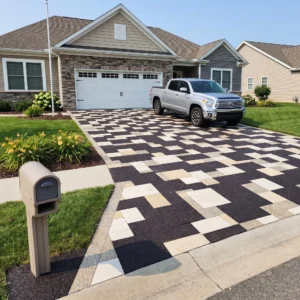
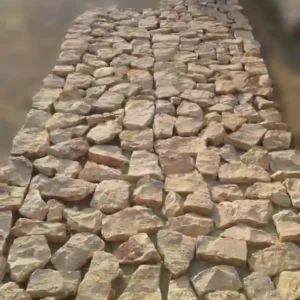
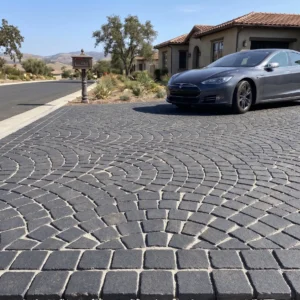
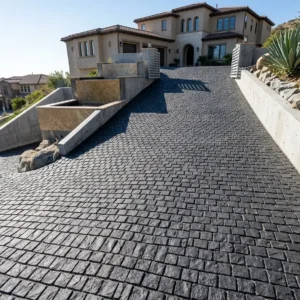
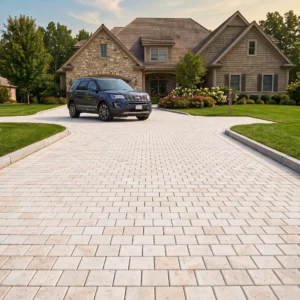
Standard wholesale granite formats run from 2cm and 3cm slabs for countertops and vanities, up to full paving thicknesses of 30mm, 50mm, and heavier for vehicular and commercial hardscape. Tile formats are typically supplied in 12×12, 18×18, and 24×24 modules, while paving stones, cobbles, and setts serve landscape and driveway applications.
- 2cm slabs for wall cladding, vertical surfaces, and light-duty tops
- 3cm slabs for kitchen and commercial countertops carrying point loads
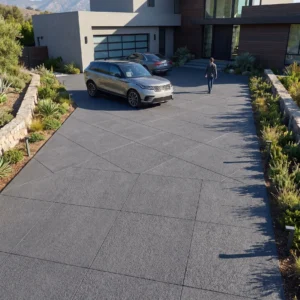
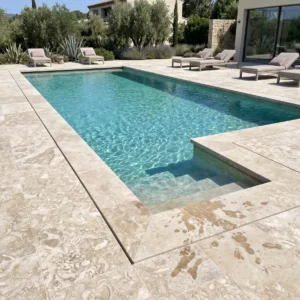
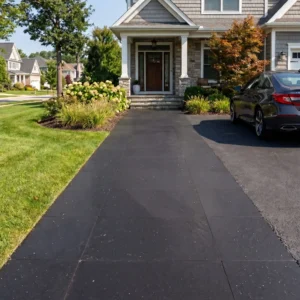
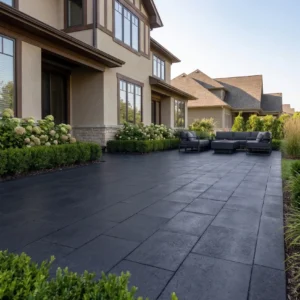
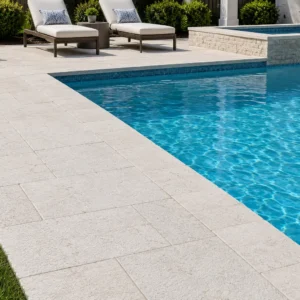
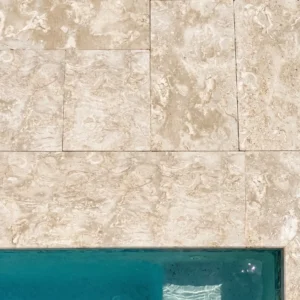
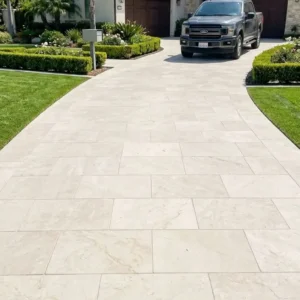
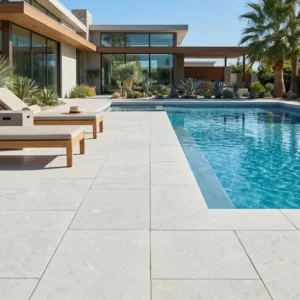
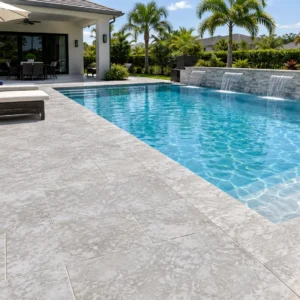
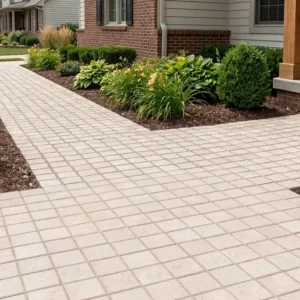
- 30mm pavers for pedestrian patios, walkways, and pool surrounds
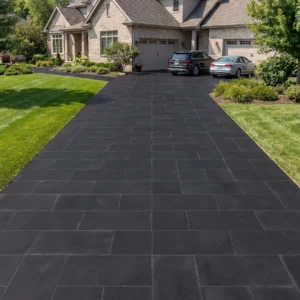
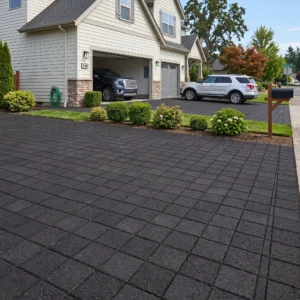
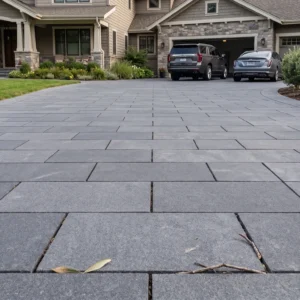
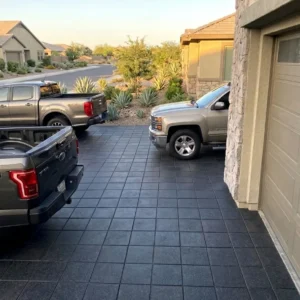
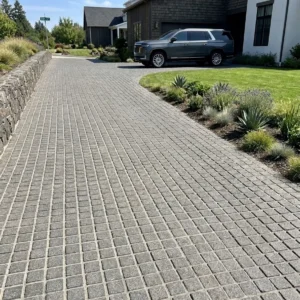
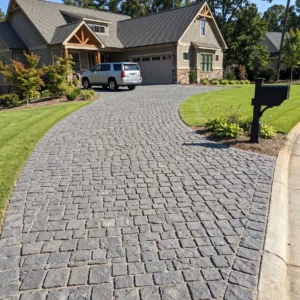
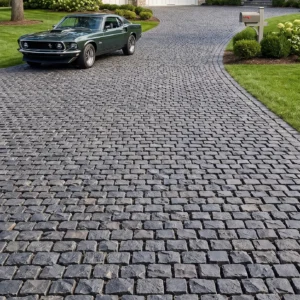
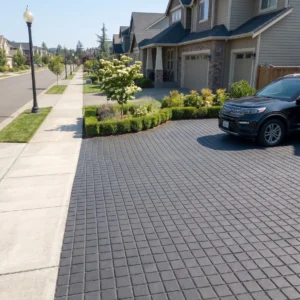
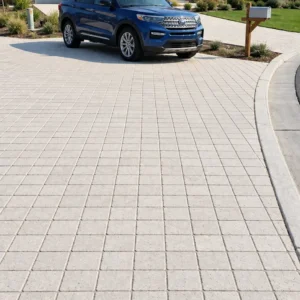
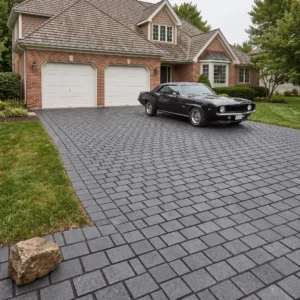
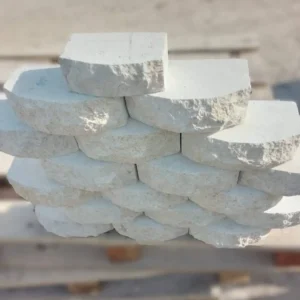
- 50mm+ pavers, cobbles, and setts for driveways and vehicular traffic
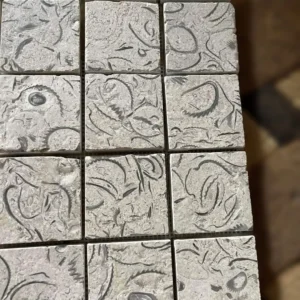
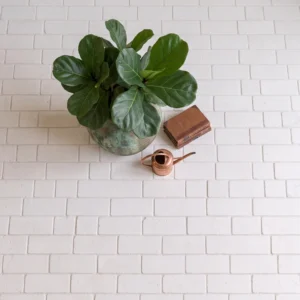
- Wholesale granite tile in modular formats for flooring and feature walls
You can request sample tiles or exact thickness specifications from Citadel Stone before committing to a full order — a step worth taking whenever your project mixes formats, since edge profiles and calibration tolerances vary between slab and tile production lines. Wholesale granite tile lines in particular carry tighter calibration tolerances, and our stock is available in polished, honed, flamed, and tumbled finishes calibrated to match your project requirements without the surprise thickness variance that plagues unsorted bulk material.
For projects requiring exact slab yields, understanding how block dimensions translate into usable slab counts saves real money. granite slab size guide covers the sizing logic that helps you order the right quantity the first time, which matters as much for cost control as it does for scheduling. Getting the format math right upfront prevents the reorder delays that derail commercial timelines.
Granite Versus Marble and Other Stone for Bulk Buyers
The granite-versus-marble decision usually isn’t either/or — it’s about placing each material where its properties earn their keep. Buyers running a wholesale granite and marble program together get the best of both when they understand the performance trade-offs.
Granite wins on hardness, acid resistance, and abrasion durability, making it the default for floors, countertops, and any surface facing traffic or spills. Marble offers unmatched visual depth and workability but etches under acids and wears faster underfoot. That’s why the wholesale granite marble pairing is so common in commercial builds — granite for the working surfaces, marble for the feature walls and low-traffic accents. A single wholesale granite and marble order also lets you standardize sealer chemistry across both materials.
- Choose granite for kitchens, high-traffic floors, exterior paving, and commercial thresholds
- Choose marble for feature walls, low-traffic lobbies, and detail work
- Combine both in a single granite marble wholesale order to consolidate freight and lead times
- Match finishes across materials so transitions read intentionally, not accidentally
What separates experienced buyers is knowing when granite’s density works against you — heavier slabs raise installation labor and structural load, so on upper-floor commercial work you’ll want to weigh 2cm granite against the point-load demands rather than defaulting to 3cm everywhere. The right answer sits in the project structural drawings, not a generic spec sheet. Coordinating the wholesale granite marble split early keeps both freight and labor estimates honest.
Installation, Base Preparation, and Field Performance
Base preparation determines whether your granite installation lasts a decade or a generation, and the standards shift with soil type. For exterior paving on clay-heavy or expansive soils, your compacted aggregate base needs additional depth to absorb seasonal movement without transferring stress into the stone.
The detail that matters most in exterior granite paving is joint spacing and bedding consistency. Granite’s low absorption means it won’t swell, but that same density makes it unforgiving of uneven bedding. A high spot under a dense slab becomes a stress concentration point, and that’s where cracking initiates under vehicular load.
- Compact aggregate base to 95% Proctor density before setting any paving
- Maintain consistent bedding depth to prevent point-load stress fractures
- Spec joint spacing appropriate to thermal cycling in your climate zone
- Seal exterior granite before joint sanding to prevent staining during installation
Field data on granite paving stones across varied climates shows that freeze-thaw performance depends less on the stone and more on drainage — trapped water beneath a slab expands and lifts even the densest granite. According to granite dimension stone quality standards, material meeting the C615 specification carries the flexural and compressive strength needed for demanding load conditions, but the specification assumes correct installation beneath it. When you spec granite pavers in the 50mm range for driveways, your base becomes the variable that determines whether that strength ever gets realized.
Sealing, Maintenance, and Long-Term Care
Sealing protocols for granite differ from standard concrete maintenance because granite’s tight crystalline structure resists penetration — you’re sealing the micro-porosity between crystals, not saturating the stone. Over-applying sealer wastes product and can leave a hazy residue that’s a nuisance to strip.
You’ll get the best results with a penetrating impregnating sealer rather than a topical film, particularly on honed and flamed exterior granite where a surface film would show wear patterns quickly. The goal is invisible protection that lets the stone breathe while blocking oil and mineral staining.
- Use penetrating impregnating sealers, not topical films, on exterior granite
- Reseal high-UV south-facing installations every 2–3 years, shaded areas every 4–5
- Clean with pH-neutral products — acidic cleaners degrade sealers prematurely
- Address iron-bearing oxidation spots early before rust bleed spreads across joints
Here’s what most maintenance guides won’t tell you: the reseal interval isn’t a calendar decision, it’s a water-drop test. When water stops beading and starts darkening the surface within a few seconds, the sealer’s done its job and needs renewal — regardless of what the last invoice date says. On sun-exposed granite that threshold arrives faster, which loops back to the UV weathering reality we covered earlier.
Wholesale Granite Pricing, Lead Times, and Delivery Logistics
Granite wholesale price structures reward volume and consistency, not haggling. The real savings come from ordering full bundles or containers where freight amortizes across more material, and from avoiding the reorder penalty that hits when you under-buy and pay premium freight on a small fill-in shipment. A transparent granite wholesale price sheet should show those volume tiers plainly.
Lead times separate a stocking distributor from an import broker. Material shipped fresh from overseas quarries typically runs a 6–8 week cycle, while stock already landed in a domestic granite wholesale warehouse moves in a fraction of that time. Your project schedule should drive which channel you use — critical-path material belongs in stock inventory, not on a container still at sea.
- Order full bundles to amortize freight and preserve veining continuity
- Confirm real granite wholesale warehouse stock before locking installation dates
- Verify truck access and offload equipment at the job site for heavy crates
- Build reorder buffer into initial quantities to avoid premium fill-in freight
Citadel Stone maintains warehouse inventory nationwide, which typically reduces lead times to 1–2 weeks compared with the standard import cycle most projects face. When you’re planning delivery, your truck routing and site access constraints matter as much as the stock itself — a full crate of 50mm granite pavers is dense freight, and confirming forklift or crane offload before the truck arrives prevents costly detention charges. As granite wholesale distributors serving commercial and trade buyers, our logistics team maps delivery windows against your site readiness rather than dropping material blind. Established granite wholesale distributors treat scheduling as part of the product, not an afterthought.
Buyers hunting discount granite wholesale pricing should compare landed cost, not sticker cost — a cheaper crate that arrives with mismatched lots or edge chipping costs more once you factor in rejected material and schedule slip. That’s the trap most discount granite wholesale shoppers fall into. The best value in wholesale granite is consistent, inspected material delivered on time, and that’s a different metric than the lowest quoted number.
Source Premium Wholesale Granite — Citadel Stone Supply
Citadel Stone stocks wholesale granite across a full format range — 2cm and 3cm slabs, modular wholesale granite tile in 12×12 through 24×24, and paving thicknesses from 30mm through 50mm-plus for driveways and commercial hardscape. Available finishes span polished, honed, flamed, and tumbled to match whatever your project demands. As granite wholesale dealers serving contractors, fabricators, and designers, our team can advise on lead times for custom cuts and non-standard formats. Among granite wholesale dealers, that stock-plus-advice model is what keeps repeat trade buyers coming back.
- Request samples or full thickness and calibration specifications before you buy
- Trade and wholesale enquiries handled with volume-tier pricing for bulk buyers
- Nationwide delivery from regional inventory, typically 1–2 week lead times on stocked material
- Batch inspection against quarry-block lot numbers for veining and shade consistency
You can buy direct at genuine wholesale tiers whether you need a single pallet or full container quantities, and our consultation team will help you calculate exact yields so you order right the first time. As you plan your granite program, related sourcing decisions can inform your material strategy — for a broader look at how to evaluate a stone partner, our guide to choosing the right granite supply partner explores what separates a stocking distributor from a broker. Contact Citadel Stone for a project quote, sample request, or delivery consultation. Contractors and designers rely on granite density explained, sourced from quarries across the Mediterranean and Middle East, for commercial work.
Related guides: Wholesale Granite Countertops: Smart Buyer’s Guide · wholesale granite direct · wholesale marble and granite · granite wholesale distributors · granite edge profiles guide · how to remove granite stains.