











The single biggest cost swing on any stone tile order isn’t the material itself — it’s the freight math and how well your supplier’s inventory matches what you actually need. Working with stone tile suppliers who hold deep, ready-to-ship stock changes your budget picture more than any per-square-foot negotiation, because a partially filled order forces a second delivery run that can add 15-30% to your landed cost. You’ll get far more predictable pricing when you understand how format standardization, batch consistency, and warehouse proximity interact before you ever place the order.
Here’s what most buyers miss when they compare quotes: two suppliers can list nearly identical slab prices, yet one delivers a project-ready result while the other leaves you scrambling for supplemental tiles that don’t match the original dye lot. That gap comes down to sourcing discipline and stock depth — the operational side of the business that never shows up on a line-item quote but determines whether your installed floor looks like one continuous run.
What Defines Reliable Stone Tile Suppliers
You’ll want to evaluate a supplier on three axes that generic buying guides rarely mention: batch traceability, stock depth per SKU, and finish consistency across production runs. A supplier stocking limestone floor tiles in shallow quantities forces you into blended lots, and blended lots show variation that no amount of layout planning fully hides. Depth of inventory is the quiet performance metric that separates a smooth install from a punch-list nightmare, and the strongest stone and tile companies treat it as a core discipline.
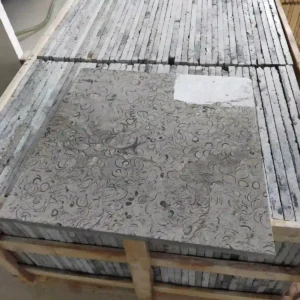
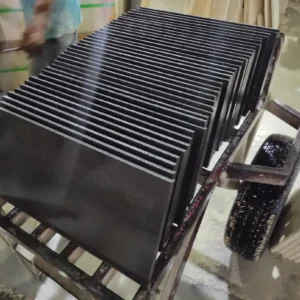
Batch consistency matters most on large-format work. When you order polished stone tiles in a 24-by-24 format across 1,800 square feet, the tolerance stack-up on thickness and calibration compounds — a 1.5mm variance per tile becomes a visible lippage problem across a long run. The best stone and tile company operations calibrate within tighter windows than the ASTM minimums, and they’ll document it if you ask.
- Verify calibration tolerance in millimeters, not vague “gauged” claims
- Confirm dye-lot or batch quantity available before committing your full square footage
- Request the wear rating and absorption data for the specific finish you’re specifying
- Ask whether honed, tumbled, brushed, or polished finishes ship from the same production batch
- Check that thickness tolerances are documented per SKU, not averaged across a category
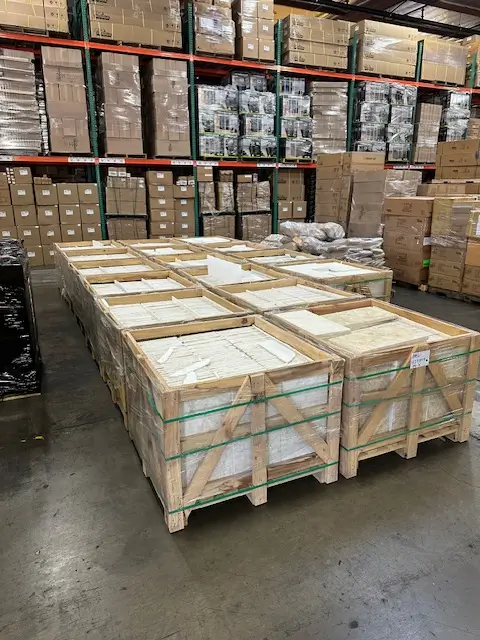
At Citadel Stone, we inspect each incoming batch at the warehouse against the prior run before it enters sellable inventory — that pre-shelf check is where finish drift and calibration outliers get caught before they reach a jobsite. You can request sample tiles or full thickness specifications from us before committing, which lets you validate consistency against your own mockup. That step alone eliminates most of the surprises that derail schedules, and it’s a standard many stone tile suppliers skip entirely.
Material Types and Finishes That Affect Performance
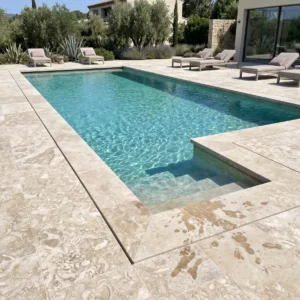
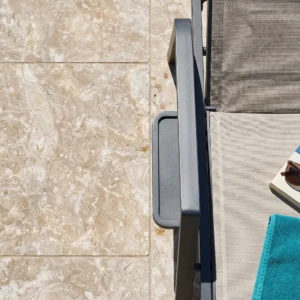
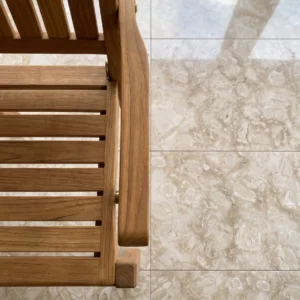
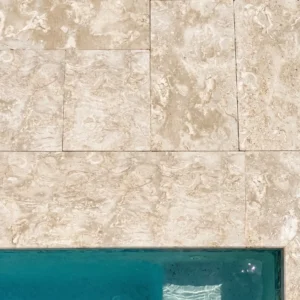
The finish you choose drives more real-world performance than the stone species in most interior applications. A tumbled travertine and a polished travertine from the same quarry behave completely differently underfoot — the tumbled surface holds a slip coefficient suitable for wet zones, while the polished version turns treacherous the moment water hits it. Your finish decision is a safety decision, not just an aesthetic one.
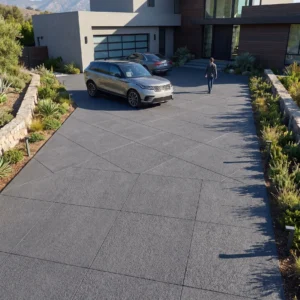
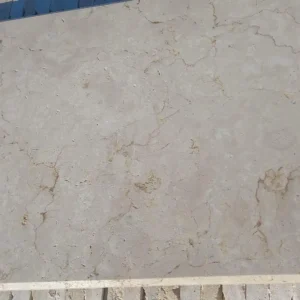
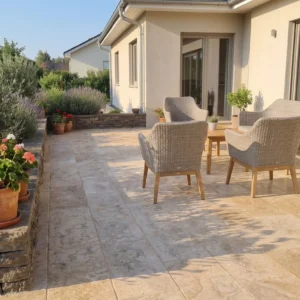
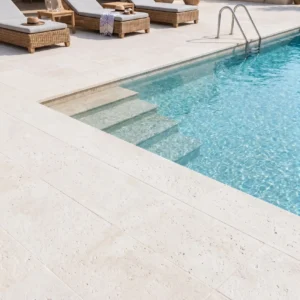
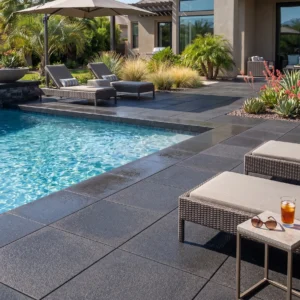
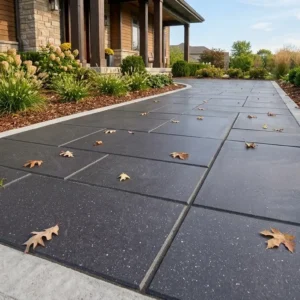
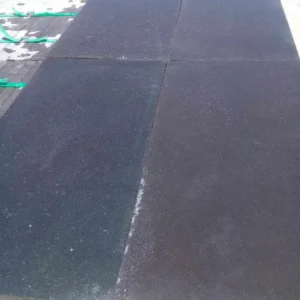
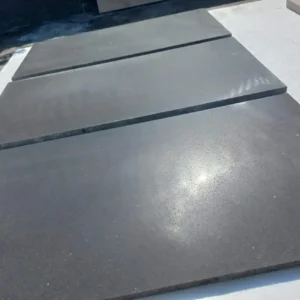
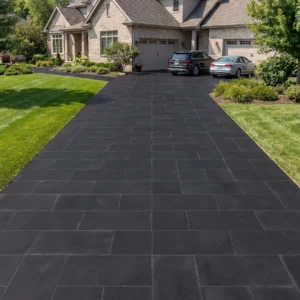
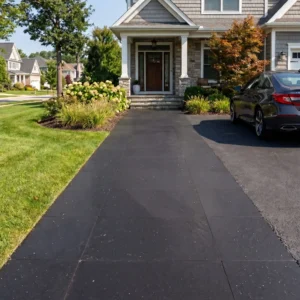
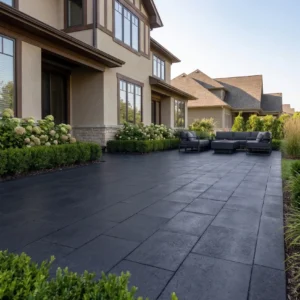
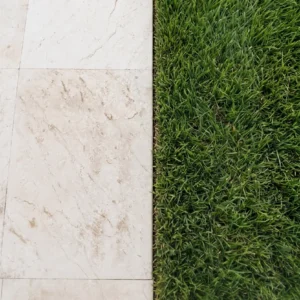
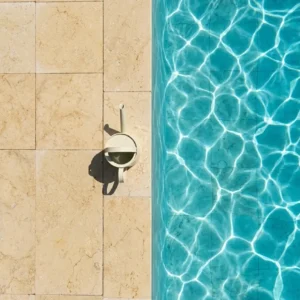
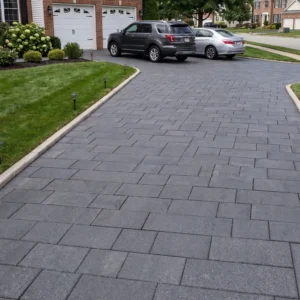
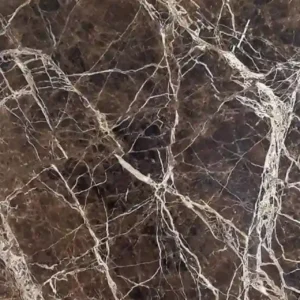
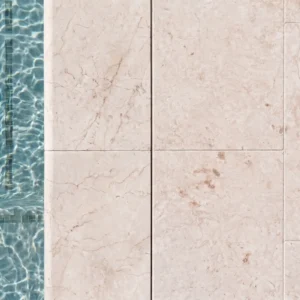
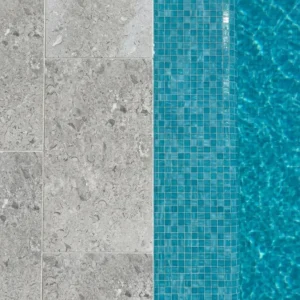
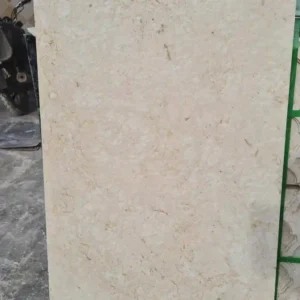
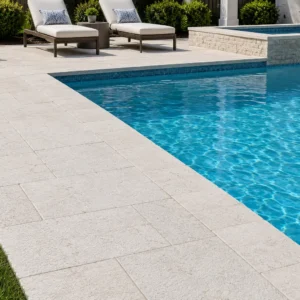
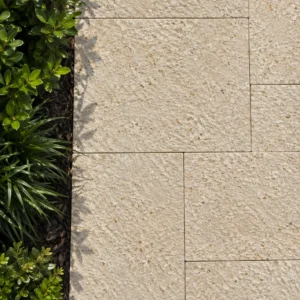
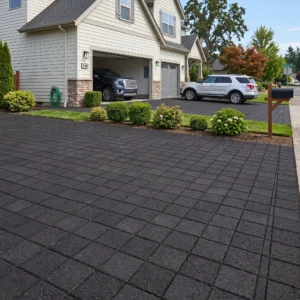
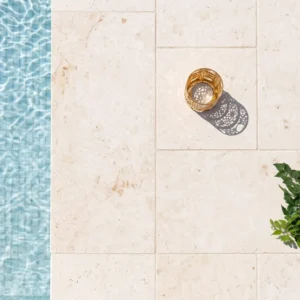
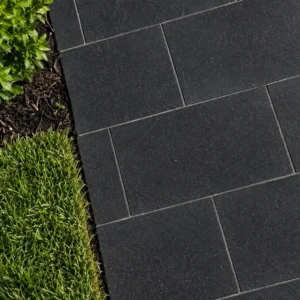
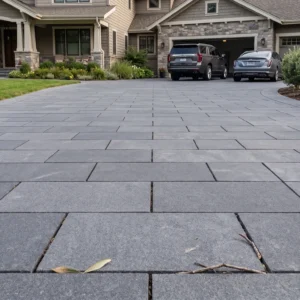
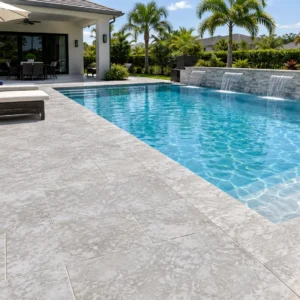
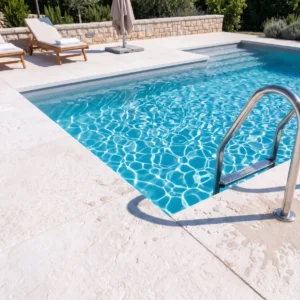
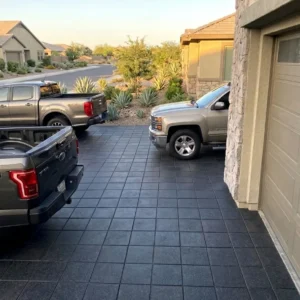
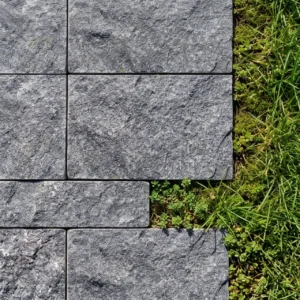
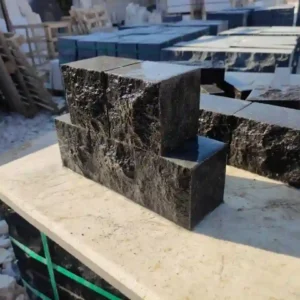
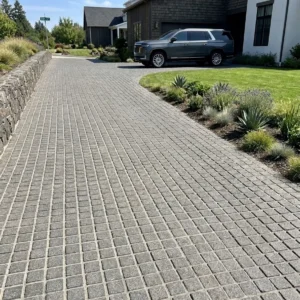
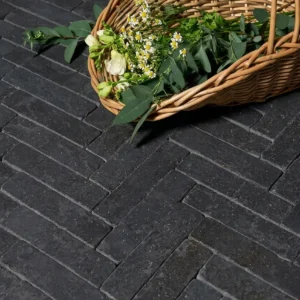
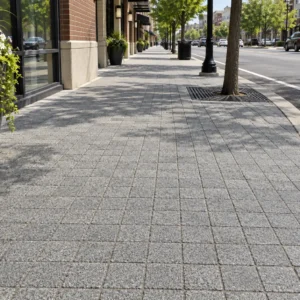
Color and shade selection ranges wider than most catalogs suggest once you account for natural variation. Cream and ivory limestone read warm and hide light traffic soiling, while charcoal, graphite, and dark grey basalt tiles show every footprint but deliver a dramatic contemporary look. Silver-grey granite tiles split the difference — enough tonal movement to mask wear, enough uniformity to feel deliberate. A well-stocked natural stone tile company will carry each of these tonal ranges in depth.
- Cream and ivory limestone: warm tone, forgiving on light soiling, softer underfoot rating
- Grey and dark grey slate or basalt: high contrast, shows dust, excellent for modern schemes
- Charcoal and graphite basalt hexagon tile: bold format, dense structure, low absorption
- Silver granite: balanced tonal movement, high abrasion resistance, strong in commercial traffic
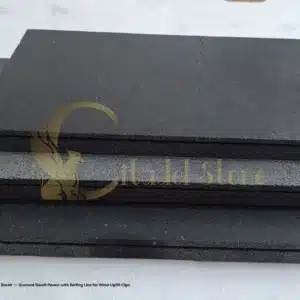
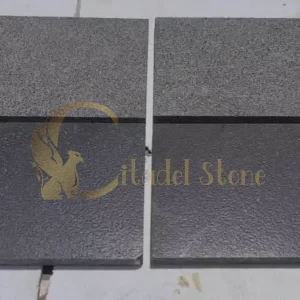
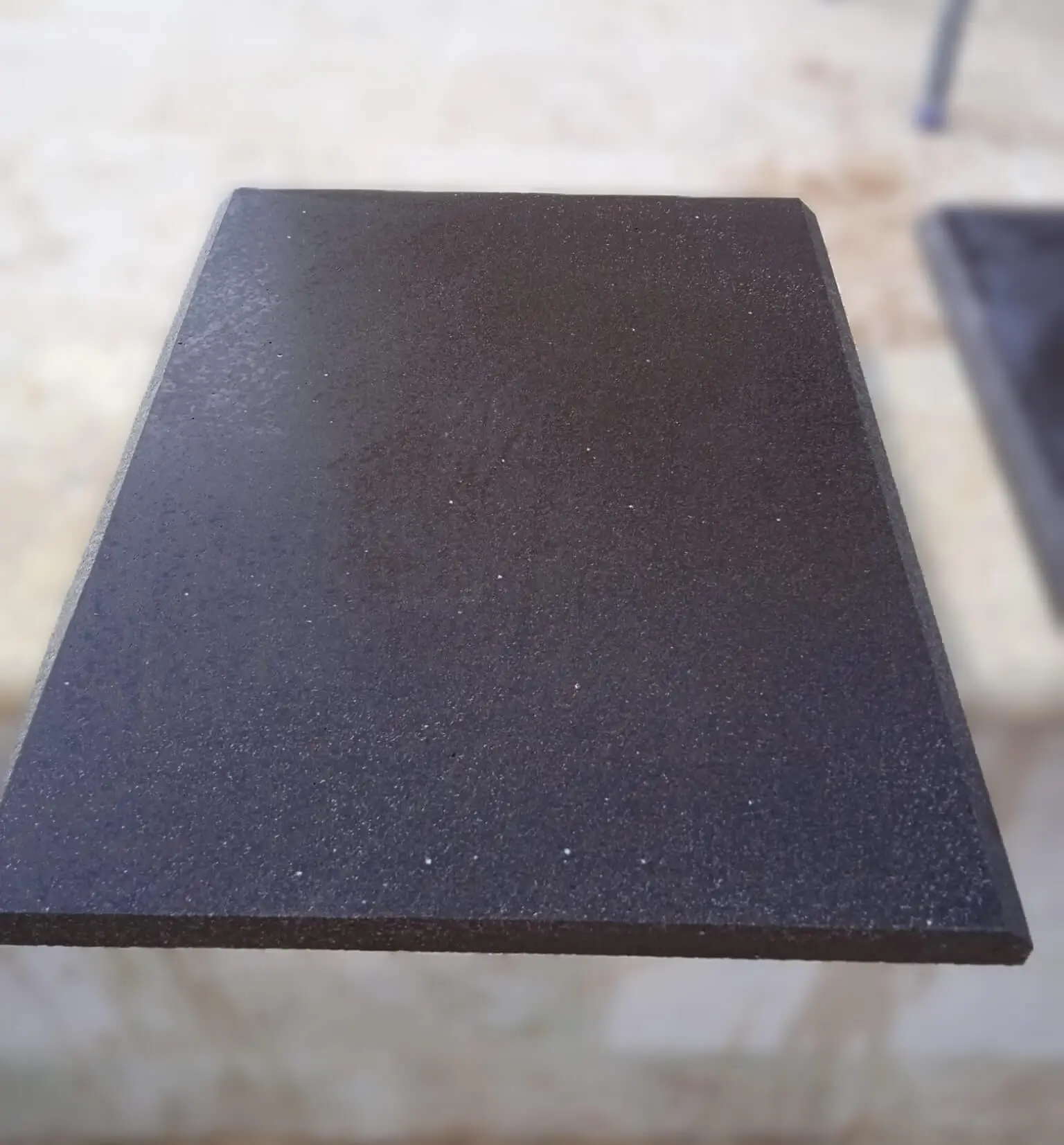
- Black granite tile: dense, near-zero porosity, but shows etch marks under acidic spills
Absorption is where species selection earns its keep. Dense granite absorbs under 0.4% water by weight, while a soft, open-pore travertine can pull 2-3% — that difference dictates whether you need penetrating sealer on a two-year or five-year cycle. According to NSI tile stone specifications, absorption class directly maps to freeze-thaw suitability, which matters if any of your installation touches an unheated threshold or transitional zone.
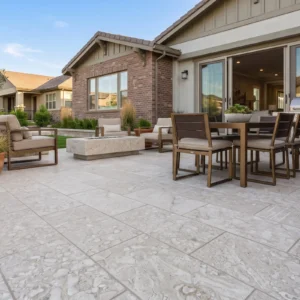
For high-format work, large-format tiles reduce grout lines and read as a more monolithic surface, but they demand a flatter substrate. You should budget for self-leveling underlayment on any run using tiles above 18 inches, because the point-load tolerance drops as the tile spans more of an uneven subfloor. That prep cost is real and belongs in your early budget, not your change-order pile.
How Freight and Regional Sourcing Shape Your Budget
Freight distance is the cost variable buyers underestimate most, and it scales non-linearly with weight. Natural stone is heavy — a single pallet of 2cm slabs can run 3,000-4,000 pounds — so a full truck load from a distant origin can add more to your landed cost than a modest price difference on the tile itself. Regional inventory positioning is what keeps that number sane.
Local material availability shifts pricing in ways that catch out-of-region buyers. Where a stone species is quarried domestically and stocked nearby, you’ll see lower freight and shorter lead times; where it must be imported and railed inland, both climb. The tile stone distributors who hold regional warehouse stock effectively pre-absorb that import freight, which is why their delivered pricing often beats a lower headline quote shipped cross-country. Established tile and stone distributors treat that positioning as a competitive advantage.
- Full truckload shipments cost less per square foot than partial loads — consolidate orders where possible
- Regional warehouse stock cuts the 6-8 week import cycle down to 1-2 week delivery windows
- Palletization and crating fees vary widely between tile and stone companies — ask upfront
- Reorder freight on a supplemental pallet often costs more per tile than the original bulk run
- Jobsite truck access constraints (tight streets, no forklift) may require liftgate delivery at added cost
You should factor your jobsite’s truck access into the delivery quote early. A downtown project with no loading dock needs a liftgate and possibly a smaller truck, and that logistics reality can add several hundred dollars per delivery. Getting this into the plan before ordering prevents the frustrating scenario where a full pallet arrives that can’t physically reach the staging area. For projects requiring bulk quantities, buying stone tile wholesale through consolidated shipments is where the real freight savings live.
Citadel Stone maintains warehouse inventory nationwide, which typically reduces lead times to 1-2 weeks compared to the 6-8 week import cycle most projects face when sourcing from a single distant origin. That regional positioning is also what makes reorders viable — you can pull a matching supplemental pallet from the same batch rather than accepting a mismatched lot.
Comparing Natural Stone Tile Against Alternatives
Field performance data shows natural stone outlasting porcelain lookalikes in high-abrasion commercial settings, but the trade-off is honest maintenance. A porcelain tile fired to vitrification needs zero sealing and shrugs off acidic spills; a limestone or travertine floor rewards you with genuine depth and repairability but asks for periodic resealing and pH-neutral cleaning. Neither is wrong — the right choice depends on who maintains the floor and how forgiving they’ll be.
Repairability is the underrated advantage of natural stone. A gouged porcelain tile is a replacement; a scratched marble or limestone tile can be honed back to finish in place. Over a 20-year building life, that difference in serviceability often justifies the higher upfront cost, especially in lobbies and corridors where individual tile damage is inevitable. This is why an all natural stone and tile inventory holds appeal for long-life commercial specs.
- Natural stone: repairable, refinishable, unique variation, requires sealing on a 2-5 year cycle
- Porcelain: maintenance-free, uniform, non-repairable when chipped or gouged
- Natural stone holds resale and appraisal value more strongly in premium residential work
- Dense granite and basalt rival porcelain on abrasion; soft limestone does not
- Acidic-spill environments (kitchens, bars) favor dense stone or sealed granite over calcareous species
For a clear-eyed look at how material terminology and geological classification affect what you’re actually buying, stone tiles from Citadel Stone covers the distinctions that matter when you compare quotes across the natural stone and tile company landscape. Understanding whether a “stone” is truly dimension stone or a composite affects both your performance expectations and your long-term maintenance budget. Getting that classification right at the specification stage prevents mismatched expectations later.
Installation and Substrate Preparation Essentials
The substrate determines your installation’s lifespan more than the tile does. A perfect tile over a deflecting subfloor cracks within a season, while an average tile over a rigid, flat substrate performs for decades. Your prep budget should never be the line item you cut to save money — it’s the foundation of everything above it.
Deflection is the failure mode most residential installs get wrong. Natural stone tolerates far less floor movement than ceramic — you’re targeting an L/720 deflection limit for stone versus L/360 for tile, which means stiffer joists or an added subfloor layer on older framing. Skip this check and you’ll see hairline cracks tracking the joist lines within the first year.
- Confirm subfloor deflection meets L/720 for natural stone tile installations
- Use a proper anti-fracture or uncoupling membrane over any substrate with movement history
- Full mortar coverage (95%+) is non-negotiable under stone — spot-bonding causes hollow spots and cracks
- Allow the correct cure window before sealing; trapped moisture clouds penetrating sealers
- Dry-lay and blend from multiple boxes to distribute natural variation evenly across the field
Temperature during install affects your mortar working time more than most crews plan for. In hot, dry conditions the thinset skins over fast, and you’ll need to adjust your open time and possibly mist the substrate to prevent premature drying that kills bond strength. In cold conditions the cure stretches, delaying when you can grout and seal. Either extreme demands you flex the schedule rather than force the printed cure times.
Mortar coverage under natural stone is where corners get cut and floors fail. According to industry tile installation standards, translucent and light-colored stone requires white thinset and near-full coverage to prevent both shadowing and hollow-sounding voids. You should back-butter every large-format tile — it’s slower, but it’s the difference between a floor that rings solid and one that telegraphs every gap.
Sealing and Long-Term Maintenance Planning
Sealing protocols vary by species far more than product labels admit. A dense granite may need sealer only every four to five years, while an open-pore travertine or soft limestone benefits from annual reapplication in high-traffic zones. Matching your sealing cycle to actual absorption — not a generic “reseal yearly” instruction — saves you both money and unnecessary chemical exposure.
What often gets overlooked is that the wrong cleaner destroys stone faster than traffic does. Acidic cleaners etch calcareous stone permanently, and even mild dish soap builds a dulling film over time. You should specify a pH-neutral stone cleaner in your maintenance package and hand it to the facility team directly, because generic cleaning crews reach for whatever is cheapest unless told otherwise.
- Test absorption with a water-drop test to set a realistic resealing interval per zone
- Use only pH-neutral cleaners on limestone, travertine, and marble to prevent etching
- Penetrating sealers preserve the natural look; topical sealers add sheen but can peel
- High-traffic thresholds and entries need more frequent sealing than field areas
- Reseal after any deep-clean or restoration honing, never before the surface fully dries
Field data on natural stone and tile across varied climates shows that installations maintained on a species-specific schedule routinely deliver 25-30 years of service, while neglected floors show visible wear and staining within five. You can expect that longer performance window when you pair correct sealing with proper drainage at any exterior threshold — trapped moisture is the enemy of every calcareous stone. Realistic maintenance planning up front is what protects the investment.
Formats, Sizes, and Buying in Bulk
Format selection drives both material yield and labor cost. Standard square formats — 12×12, 18×18, 24×24 — cut waste and speed installation, while mixed random sizes and herringbone patterns create visual interest at the cost of higher waste factors and slower labor. You should budget a 10% overage on straightforward layouts and up to 15-18% on diagonal or patterned work.
When you’re buying stone tile wholesale for a large project, the per-square-foot pricing improves meaningfully at full-pallet and full-truckload thresholds. This is where working with tile and stone distributors who stock deep inventory pays off — you can order the full quantity from a single batch rather than accumulating mismatched partial lots over successive reorders. Wholesale tile and stone pricing rewards volume and consolidation, and a good stone tile sale runs deepest at full-load quantities.
- Standard formats (12×12, 18×18, 24×24): lowest waste, fastest install, best for tight budgets
- Large format (above 24 inches): fewer grout lines, requires flatter substrate and self-leveling prep
- Herringbone and patterned layouts: higher visual impact, plan 15-18% overage
- Random and modular sizes: organic look, moderate waste, blends natural variation well
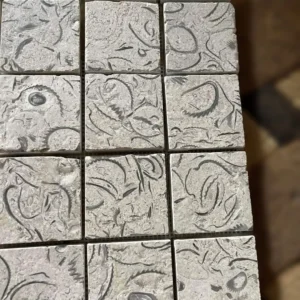
- Hexagon and mosaic formats: distinctive accent, higher labor cost per square foot
You’ll get the sharpest wholesale tile and stone pricing on a stone tile sale when your order fills a truck rather than trailing a partial pallet. Sourced from our selected premium quarries, each batch we stock is inspected for consistency before it ships, so a bulk order arrives as one coherent lot. For projects needing custom cuts or non-standard formats, Citadel Stone’s team can advise on lead times and whether a format ships from standing stock or requires fabrication.
Evaluating Suppliers Before You Commit
The difference between a smooth project and a stalled one usually traces back to how you vetted the supplier before the first pallet shipped. You’ll want documentation, sample validation, and a clear read on stock depth — not just a competitive quote. A cheap price on paper means nothing if the material arrives late, mismatched, or short. Serious stone and tile suppliers welcome that scrutiny.
Here’s the detail that matters most: ask the supplier how they handle a mid-project reorder. The stone tile company operations worth working with can pull a supplemental quantity from the same batch or documented dye lot; the ones to avoid will shrug and send whatever’s on the shelf. That single answer tells you everything about their inventory discipline, and it separates a reliable tile stone supplier from a broker with no standing stock.
- Request physical samples and validate against your mockup under the actual site lighting
- Confirm available batch quantity covers your full square footage plus overage
- Ask for documented absorption, calibration, and wear data per SKU
- Verify the reorder and batch-matching policy before you place the primary order
- Compare delivered pricing including freight, not headline per-square-foot quotes
The natural stone and tile company that survives your due diligence is the one being transparent about batch quantities, freight, and lead times. Buyers looking to buy cheap tile without asking these questions often pay more in the end through mismatched reorders and delivery delays. You can buy smart by weighting inventory depth and documentation as heavily as price, and by treating a tile stone supplier’s reorder policy as a primary qualifier.
Request Stone Tile Suppliers Pricing — Citadel Stone
Citadel Stone stocks a broad range of stone tile in standard formats including 12×12, 18×18, and 24×24, across limestone, travertine, granite, basalt, and slate, in finishes from tumbled and honed to brushed and polished. You can request sample tiles, full thickness and absorption specifications, or a documented batch quantity check before you commit your project square footage. As stone tile suppliers built for the trade, our wholesale enquiry process serves contractors and specifiers who need consistent lots and predictable delivery. We work alongside stone tile manufacturers to keep standing stock deep across every SKU.
Lead times typically run 1-2 weeks from regional warehouse stock, with nationwide delivery coverage and consolidated freight to keep your landed cost down. For custom cuts, non-standard formats, or bulk pricing on full-truckload orders, our team can advise on availability and lead times. As you plan the broader material scope of your project, related sourcing decisions inform your budget — how stone manufacturers shape supply covers another dimension of the sourcing chain worth understanding before you finalize your order. Reach out for a delivered quote or to schedule a specification consultation. Project teams specify stone tiles from Citadel Stone, a natural stone selected for residential and commercial projects, for outdoor and architectural use.
See also: Citadel Stone Stone Tile Suppliers.
Related guides: crushed stone cost · stone path · slate stone · stone texture · natural stone tile installation · natural stone tile vs porcelain · how to clean natural stone tile.