







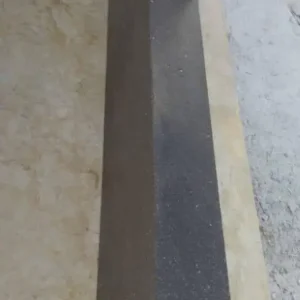
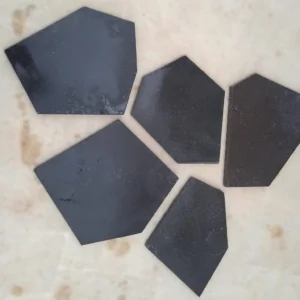
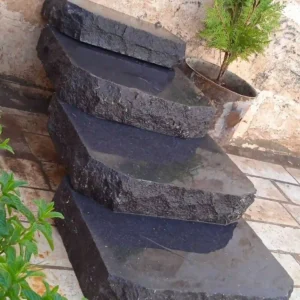
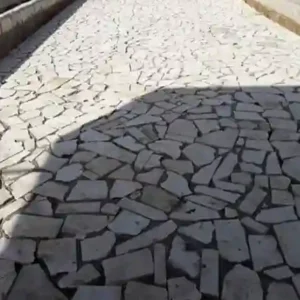

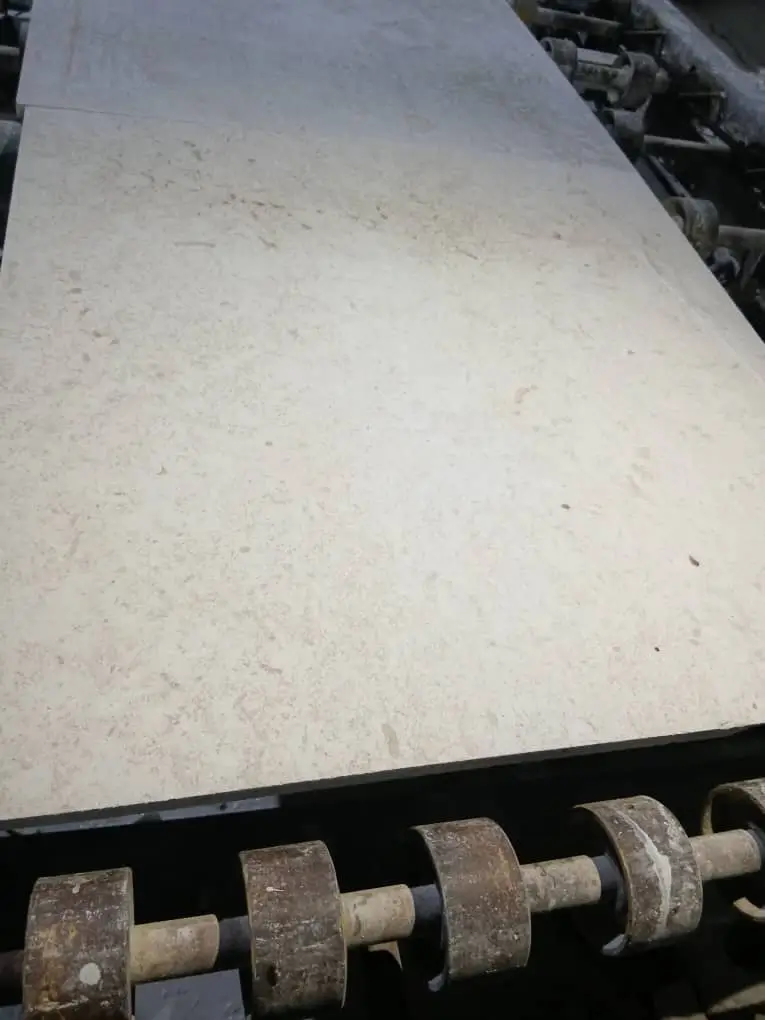
Dimensional control at the fabrication line is what separates a Stone Manufacturers operation you can trust from one that leaves you sorting mismatched batches on-site. The gap comes down to how a supplier manages the pipeline — from block selection at the quarry face through calibration tolerances at the finishing line. Working with stone manufacturers who hold tight dimensional control saves you the field headaches that show up three weeks into an installation, not on day one. You’ll find that the manufacturers worth specifying can tell you their thickness tolerance in millimeters without hesitating, and they’ll back it up with batch documentation. That single conversation tells you more about a supplier than any glossy sample board.
What Separates Real Stone Manufacturers From Resellers
You’re going to encounter two kinds of companies when you source natural stone, and telling them apart matters more than most buyers realize. A genuine stone manufacturing operation controls extraction, cutting, calibration, and finishing under one set of quality standards. A reseller buys finished product from wherever the price is lowest that month, which means your second order rarely matches your first.
Here’s what most specifiers miss: consistency isn’t a luxury feature — it’s the whole ballgame on any project spanning multiple deliveries. Stone manufacturing companies that own their process can hold shade and vein character across production runs because they’re pulling from the same geological seam and finishing to the same spec. That control is what you’re actually paying for.
- True manufacturers document block origin and can reproduce a color range on reorder
- Calibration tolerances are stated and measurable, not vague marketing claims
- Finishing options — honed, tumbled, brushed, polished — happen in-house under consistent conditions
- Quality rejection rates are transparent, and off-spec material is culled before it reaches your pallet
- Custom cuts and non-standard formats are handled without outsourcing the risk to a third party
At Citadel Stone, we inspect every batch against reference samples before it moves from the warehouse to your delivery, because catching a shade drift at our end is far cheaper than you discovering it after the crew has laid half the patio. According to industry fabrication certification standards, documented quality control at the manufacturing stage is the single strongest predictor of installed performance.
Material Properties That Drive Your Selection
The performance metrics that matter change dramatically depending on where your stone ends up. A cladding panel and a driveway paver face entirely different stresses, so the specification questions you ask stone manufacturing and supply companies should shift accordingly. Compressive strength, absorption rate, and flexural strength form the backbone of any honest material comparison.
Field performance data shows that absorption rate — how much water the stone drinks — predicts freeze-thaw survival better than almost any other single number. In freeze-thaw regions, you want absorption under 3% for exterior horizontal applications, and reputable stone manufacturing companies will publish that figure per material rather than making you guess.
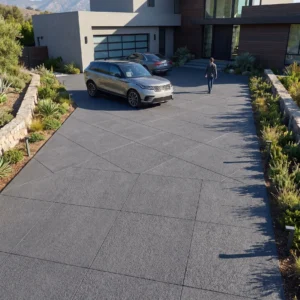
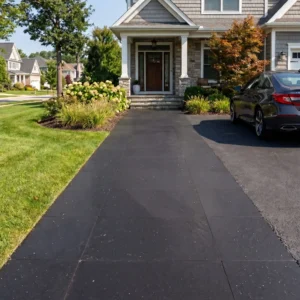
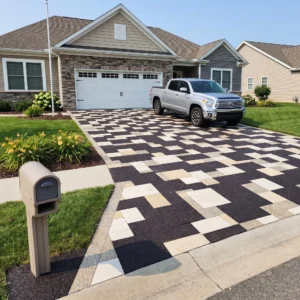
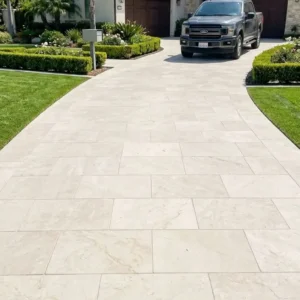
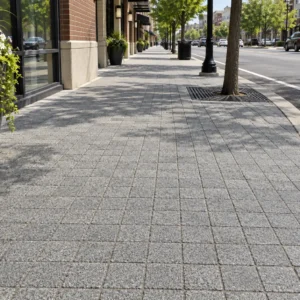
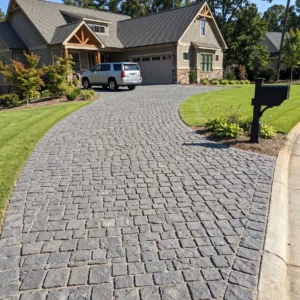
- Compressive strength above 10,000 PSI handles vehicular loads on driveway and cobblestone paving stones applications
- Absorption below 3% protects against freeze-thaw spalling in cold climates
- Flexural strength governs how thin you can safely go on unsupported slabs and treads
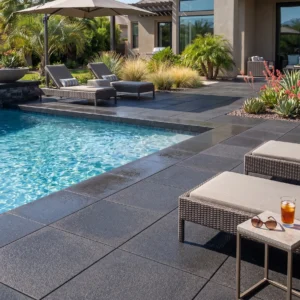
- Slip resistance ratings guide finish selection for pool decks, walkways, and stepping stones
- Abrasion resistance determines how the surface holds up under foot and vehicle traffic over decades
You’ll want to request the actual test data rather than accepting a general durability claim. Federal geological surveys of dimension stone production and use underscore how widely properties vary even within a single stone type, which is exactly why blanket assurances mean little without numbers behind them. This is also where stone manufacturing and supply expertise earns its keep — the right partner translates raw test figures into a spec you can actually build on.
Color, Format, and Finish Options Worth Specifying
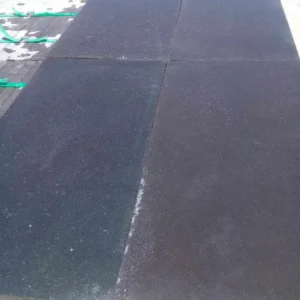
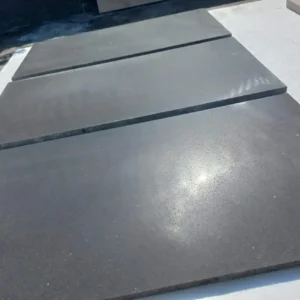
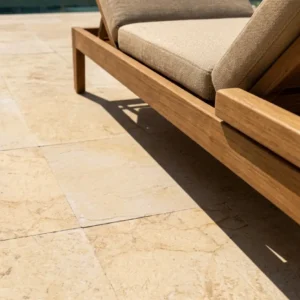
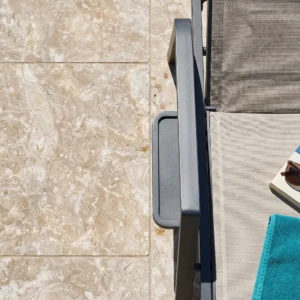
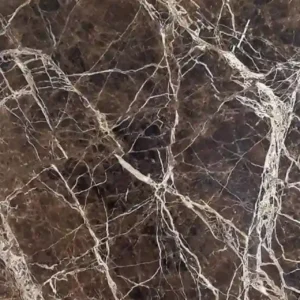
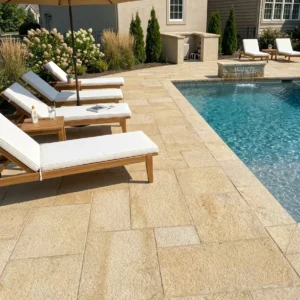
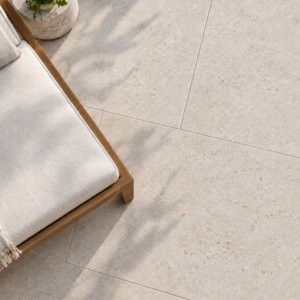
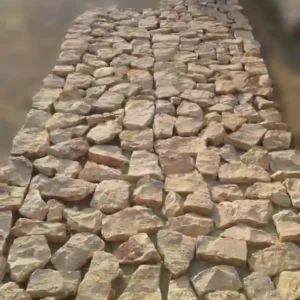
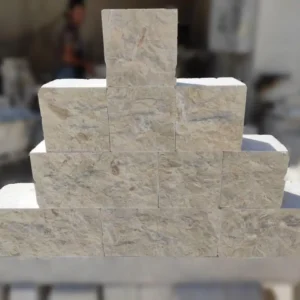
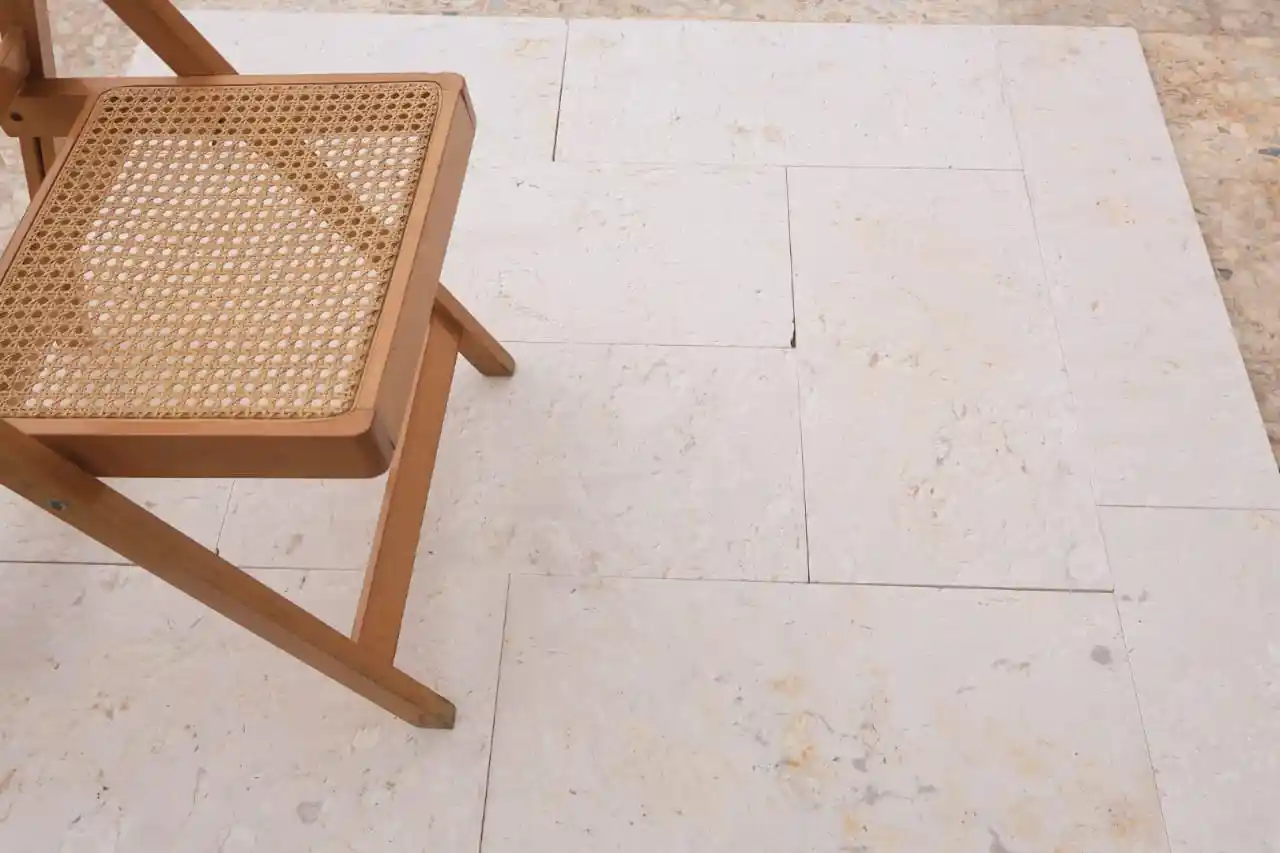
The range a manufacturer can actually deliver — not just what appears in the catalog — determines whether your design vision survives contact with reality. Color families run from cream and ivory limestone through silver and graphite granite, into charcoal and dark grey basalt, and across the warm greys of natural flagstone. What you need to confirm is that the shade you love comes in the format your application demands.
Consider how your format choices interact with labor cost. Random-sized flagstone reads beautifully but slows installation; uniform block paving stones speed it up. A capable manufacturer offers both, plus the middle-ground formats that balance aesthetics against budget. Stone bench manufacturers and stone carving manufacturers, in particular, prove their range when you ask for one-off pieces alongside standard formats.
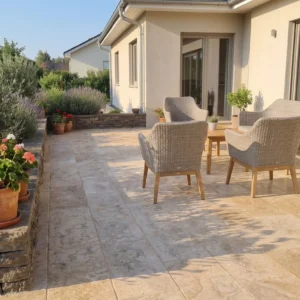
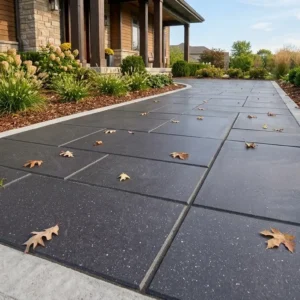
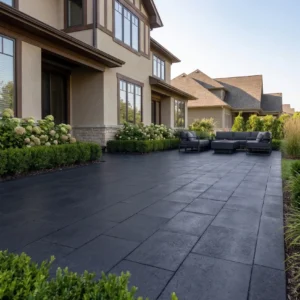
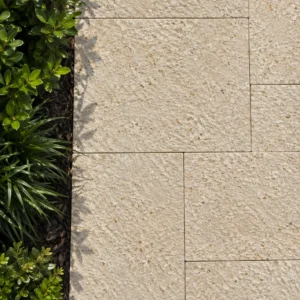
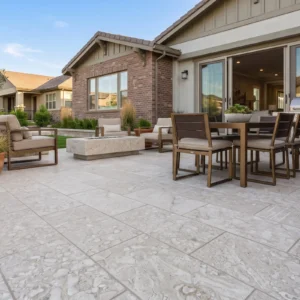
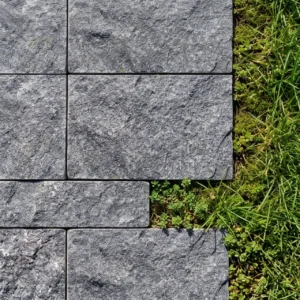
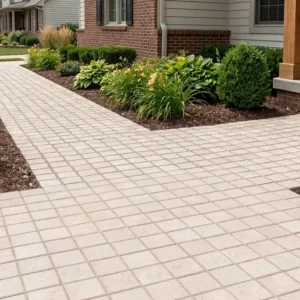
- Slabs and paving stones for patios, outdoor terraces, and large-format installations
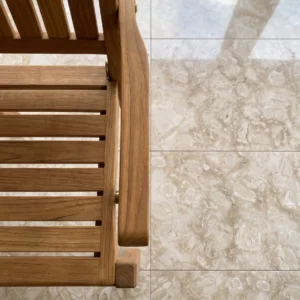
- Tiles for interior flooring and stone cladding, in polished, honed, and tumbled finishes
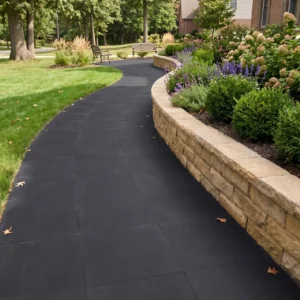
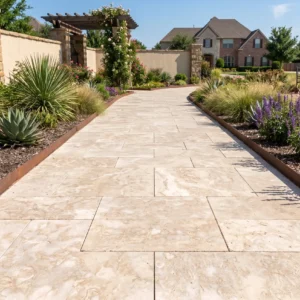
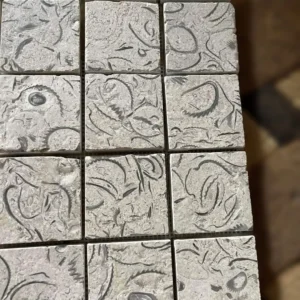
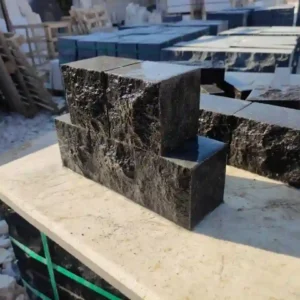
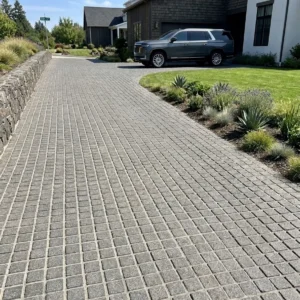
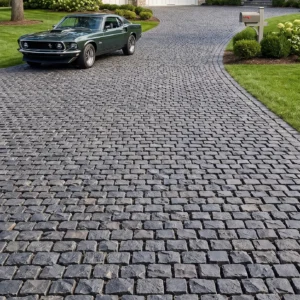
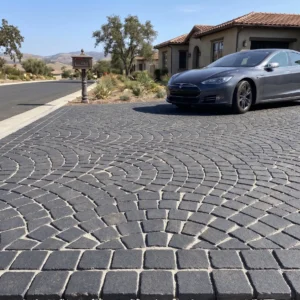
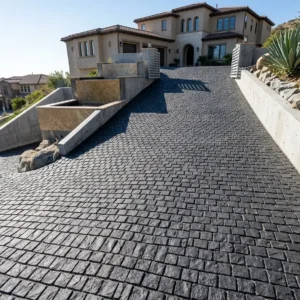
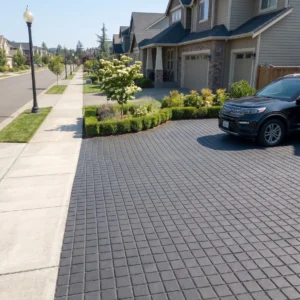
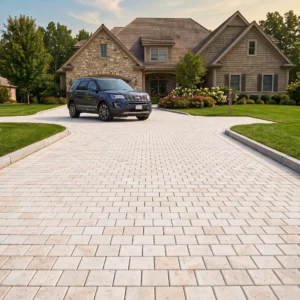
- Cobbles, setts, and block paving for driveways, garden paths, and traditional streetscapes
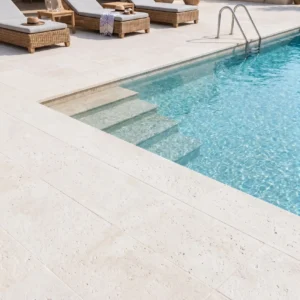
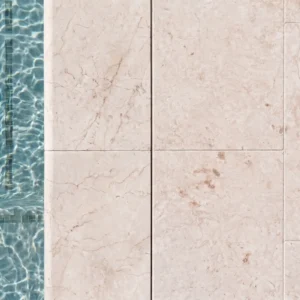
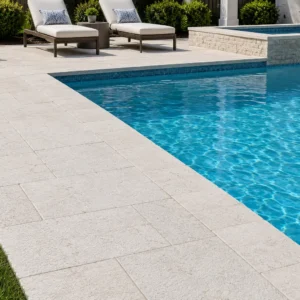
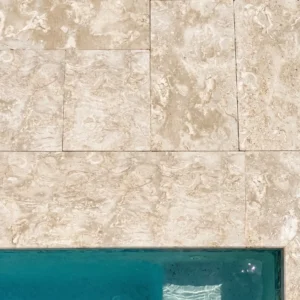
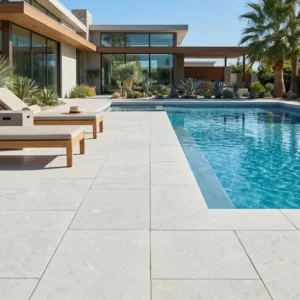
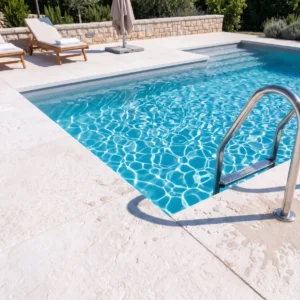
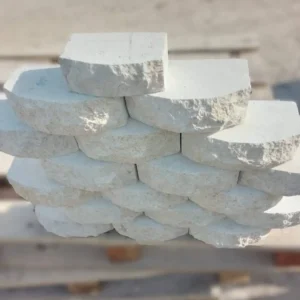
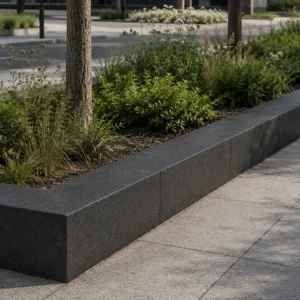
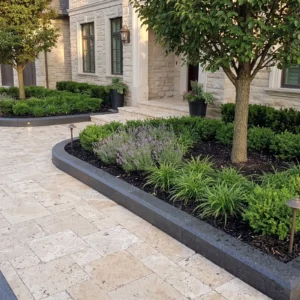
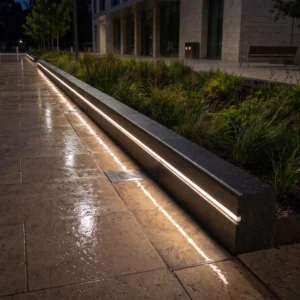
- Coping, curbstone, and edging for pool surrounds, borders, and landscape transitions
- Stepping stones, treads, and window sills for functional and decorative detailing
- Stone benches and carved elements from stone carving specialists for garden and civic settings
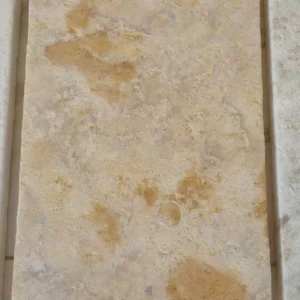
You can request sample tiles or specific thickness specifications from Citadel Stone before committing to a full order, which lets you verify shade and finish against your existing materials in real daylight. Architectural stone manufacturers who refuse to provide samples are telling you something — usually that their consistency won’t survive scrutiny. The best stone bench manufacturers and stepping stone manufacturers welcome that scrutiny because their output holds up to it.
Base Preparation and Ground Conditions That Make or Break Installs
Your stone can be flawless and still fail if the ground beneath it isn’t right. The interaction between subgrade soil and your aggregate base is where most long-term installation problems originate, and it’s the part buyers understand least. Soil composition dictates everything about how you build up from the earth.
Clay-heavy soils expand and contract with moisture in ways that will crack rigid installations if you don’t account for the movement. The expansion coefficient of clay subgrade becomes critical — you’ll need deeper aggregate bases, sometimes 6 to 8 inches of compacted crushed stone, to isolate the paving layer from that seasonal heave. Sandy and well-draining soils are more forgiving but demand attention to compaction so you don’t get settlement under point loads.
- Clay soils require deeper aggregate bases and geotextile separation to manage expansion
- Silty soils need enhanced drainage detailing to prevent water pooling under the base
- Sandy soils compact well but demand verified density testing before laying stone
- Organic topsoil must be fully excavated — never build a stone base over material that will decompose
- Frost-susceptible ground calls for base depths below the local frost line to prevent heave
Base preparation standards shift with soil type and expected loads, and getting the subgrade right at this stage prevents the failures that surface years later. For projects weighing engineered alternatives against solid stone, natural stone from Citadel Stone covers specification details that apply directly to these ground-condition decisions. Compaction and drainage are the two variables you cannot shortcut regardless of which material you land on.
Getting Thickness and Format Selection Right
Thickness selection is where budget pressure tempts people into decisions that cost far more later. The right thickness ties directly to your base type and load exposure, not to what saves you the most per square foot at the register. Exterior stone manufacturers who know their business will steer you toward the correct spec even when a thinner option would close the sale faster.
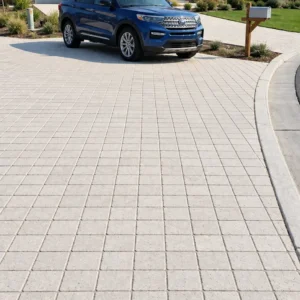
For a mortar-set application over a concrete slab, you can run thinner stone — often 3/4 inch to 1-1/4 inch for tiles. But for sand-set paving stones over aggregate, you need the mass to resist point loads and lateral shifting. Natural stone paving stones in the 2-inch nominal range handle the loads typical of residential driveways and heavy pedestrian zones without cracking. Serious exterior stone manufacturers will document that spec rather than leaving you to interpret a generic catalog line.
- Interior floor tiles: 3/4 inch to 1-1/4 inch, mortar-set over stable substrate
- Pedestrian patio paving stones: 1-1/2 inch minimum for sand-set installations
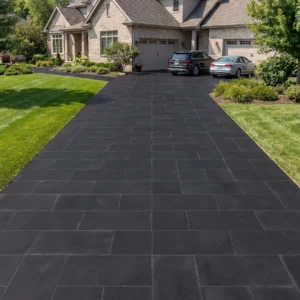
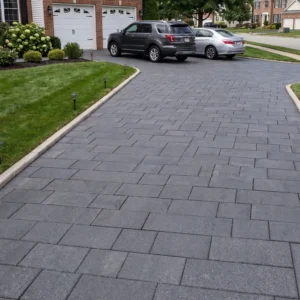
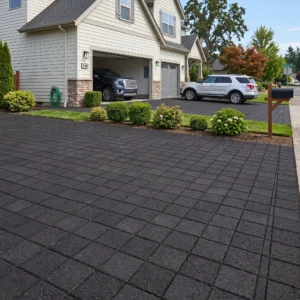
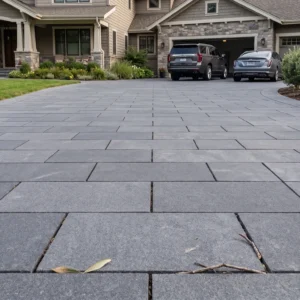
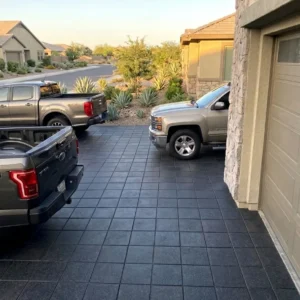
- Driveway and vehicular paving stones: 2-inch nominal or greater over deep aggregate
- Pool coping and edging: thickness matched to overhang and support conditions
- Stone treads and steps: calculated for span and anticipated foot traffic loading
You’ll get better results asking your supplier to spec thickness against your specific base rather than defaulting to a catalog standard. Available in a range of calibrated thicknesses and finishes to match your project requirements, quality material still fails if the format fights the application.
Comparing Materials Across Applications
No single stone wins every category, and the manufacturers worth trusting will tell you when their material isn’t the right fit. Limestone offers workability and a soft, consistent look but demands sealing in high-traffic wet zones. Granite brings extreme hardness and stain resistance at the cost of a colder aesthetic and higher tooling wear on custom cuts.
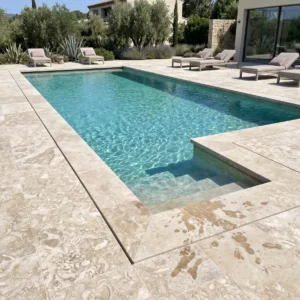
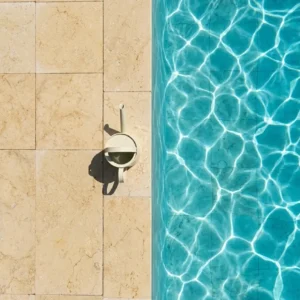
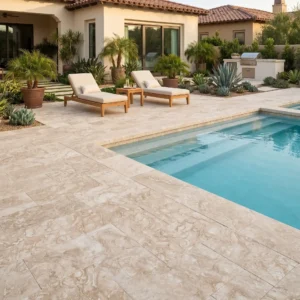
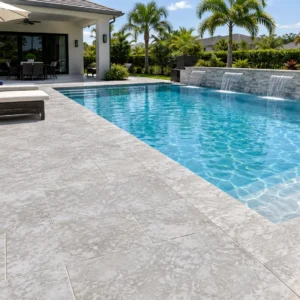
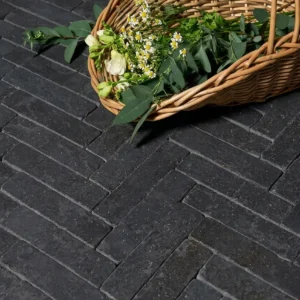
Travertine’s open-pore structure keeps surface temperatures lower underfoot, which is why it dominates pool deck specifications despite needing filled or honed finishing for slip safety. Basalt delivers dense, uniform charcoal tones that resist abrasion beautifully but shows edge chips more readily than softer stones during handling.
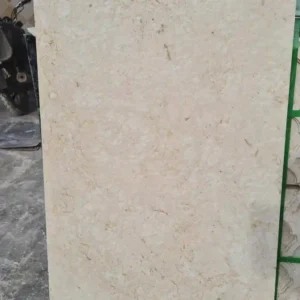
- Limestone: warm, workable, ideal for cladding and patios; seal for wet-zone use
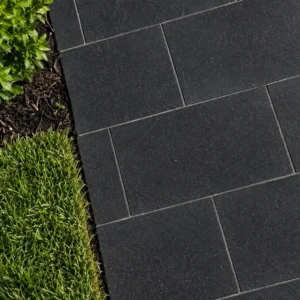
- Granite: hardest option, best for driveways and high-abrasion surfaces
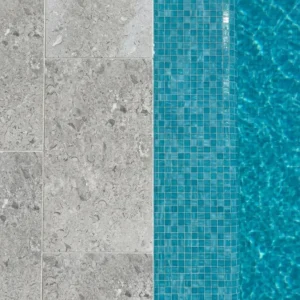
- Travertine: cooler surface, favored for pool coping and pool decks
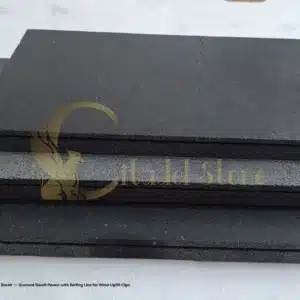
- Basalt: dense and uniform, excellent for contemporary tile and cobble work
- Flagstone: naturally irregular, perfect for organic walkway and garden paths
Sourced from our selected premium quarries, each batch of paving stones we handle is inspected for consistency against the reference standard, so the comparison you make from samples holds true across the full delivery. That reliability is what lets you commit to a material with confidence instead of hedging.
Sealing and Long-Term Maintenance Realities
The maintenance conversation is where honest suppliers separate themselves from those who oversell. Sealing protocols for natural stone paving stones differ from standard concrete maintenance because stone porosity varies by type, and applying the wrong sealer can trap moisture or leave a film that peels. You’ll want a penetrating sealer for most exterior stone, not a topical coating that sits on the surface.
Here’s what often gets overlooked: resealing frequency depends on traffic and exposure, not a fixed calendar. A sheltered patio might hold a seal for four or five years, while a pool deck taking constant UV and splash needs attention every two to three years. You can expect 20 to 30 years of service from quality stone when you maintain drainage and reseal on a sensible cycle.
- Use penetrating sealers on porous stone to protect without altering appearance
- Reseal based on wear and exposure, testing water absorption to time it right
- Clean with pH-neutral products — acidic cleaners etch limestone and travertine
- Maintain joint sand in sand-set installations to prevent lateral movement
- Keep drainage clear so water never sits against the stone or undermines the base
Industry testing standards for stone absorption and durability, documented by ASTM natural stone testing methods, give you a reliable framework for setting maintenance intervals rather than guessing.
Sourcing, Logistics, and Lead Times to Plan Around
The supply chain behind your stone determines whether your project timeline holds or slips by weeks. Import cycles for stone that isn’t stocked domestically routinely run 6 to 8 weeks, and that’s before customs delays. Stock availability at a domestic warehouse changes the math entirely.
Citadel Stone maintains warehouse inventory nationwide, which typically reduces lead times to one or two weeks compared to the long import cycle most projects face when ordering direct from overseas fabricators. You should verify warehouse stock levels for your specific format before committing to project dates, because a color you love does you no good if it’s out of stock when your crew mobilizes.
- Confirm current stock for your exact size, color, and finish before scheduling installation
- Factor truck access and delivery staging into your site logistics early
- Order 5 to 10% overage to cover cuts, breakage, and future repairs from the same batch
- Ask about batch consistency if your order will arrive across multiple truck deliveries
- Plan around lead times for custom cuts, which add fabrication days beyond stock items
For projects requiring custom cuts or non-standard formats, our team can advise on realistic lead times so your schedule reflects fabrication reality, not optimism. Your truck access constraints on tight sites may also affect how deliveries get staged, so flag those early.
Common Mistakes Buyers Make With Stone Suppliers
The recurring errors are predictable once you’ve seen enough installations go sideways. Buyers chase the lowest price per square foot without accounting for waste, batch variation, or the cost of a supplier who can’t reorder matching material. That short-term saving turns expensive fast.
What matters most is treating your supplier as a technical partner, not a commodity vendor. The stone mfg & supply companies that add real value will question your base spec, flag a thickness that’s too thin for your load, and tell you when a cheaper stone would serve you better than their premium line. That candor is the mark of a stone mfg & supply partner rather than a box-shifter.
- Ordering exact square footage with no overage, leaving no matching stock for repairs
- Ignoring absorption ratings in freeze-thaw climates and paying for spalling later
- Accepting samples without confirming batch consistency across the full order
- Skipping soil assessment and building over unstable or organic subgrade
- Choosing finish on looks alone without checking slip resistance for wet applications
You can sidestep nearly all of these by asking direct questions and expecting documented answers. A supplier who gets defensive when you ask about tolerances or test data is showing you exactly how the relationship will go once your money is committed.
Order Stone Manufacturers Direct from Citadel Stone
You can source stone directly from Citadel Stone across a full range of formats — slabs, tiles, paving stones, cobbles, setts, coping, curbstone, treads, and custom carved elements — in cream, ivory, silver, graphite, charcoal, and natural grey tones. To move forward, request sample tiles or full specification sheets so you can verify shade, finish, and thickness against your project before you buy. Our team supports trade and wholesale enquiries, and you’ll find pricing structured for both single-project buyers and contractors looking to buy cheap volume at scale. With warehouse inventory positioned nationwide, delivery reaches projects coast to coast, typically within one to two weeks for stocked items and longer for custom fabrication. Contact us for a quote, to check current stock, or to schedule a technical consultation on material selection and base specification. Whether you’re comparing architectural stone manufacturers or ready to place an order, direct supply removes the markup and the guesswork.
As you finalize material decisions, related applications often shape the specification — pool environments in particular demand careful coordination between paving stones and edging. For a closer look at how stone performs around water features, pool coping options for wet environments covers another dimension of specification worth reviewing before you commit. Designers select natural stone from Citadel Stone — a natural stone selected for residential and commercial projects — for paving and cladding projects.
See also: Citadel Stone Stone Manufacturers.
Related guides: sintered stone vs quartz · how to choose stone veneer siding · how to choose stacked stone · cast stone vs limestone · stone veneer moisture problems · how to choose stone slabs · faux stone vs real stone · how to choose decorative stone.