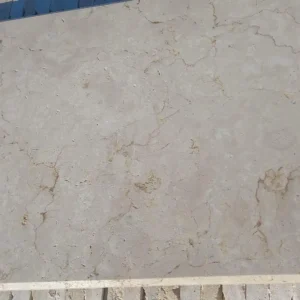
What Actually Drives Crushed Stone Cost
Crushed stone cost is rarely as straightforward as a single price-per-ton figure — the number you see on a quote sheet can shift by 40% or more depending on variables most buyers don’t think to ask about. Quarry location, gradation size, haul distance, and minimum order quantities all interact to produce your actual landed cost. Understanding those levers before you place an order puts you in a far stronger negotiating position and prevents the budget surprises that derail projects mid-execution.
The delivered price is almost always higher than the quoted gate price, and the gap varies widely. For most residential and light commercial projects, delivered crushed stone runs between $30 and $75 per ton depending on the factors covered below. Bulk orders — typically 20 tons or more — can push that figure toward the lower end of the range, while small single-truck drops often land at the higher end regardless of distance.
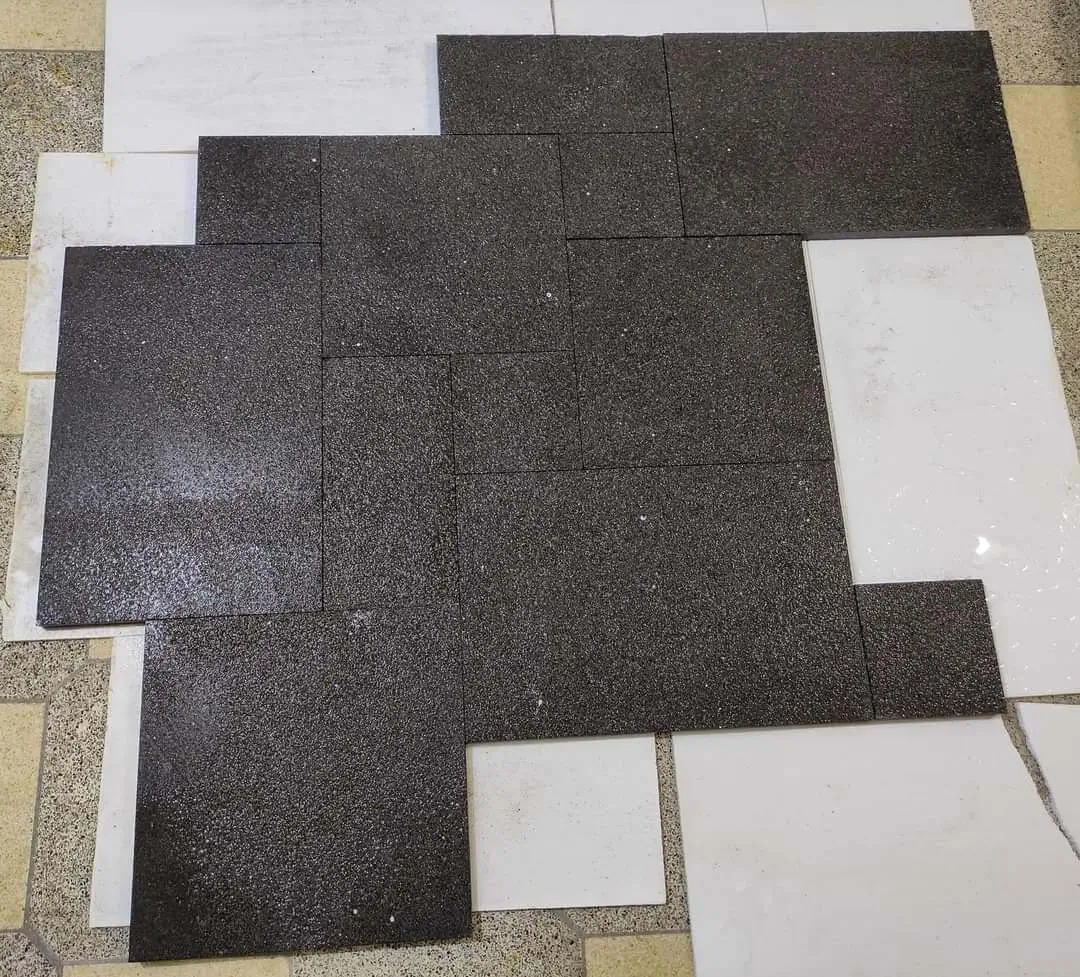
Gradation and Stone Grade: How Size Affects What You Pay
Your choice of gradation is one of the biggest levers on crushed stone cost, and it’s one that often gets treated as an afterthought. Processed aggregate doesn’t come in one size — it’s sorted into gradations that carry distinct price points because finer screening and tighter size tolerances require more processing time and equipment wear. A coarse base material like AASHTO #57 stone costs less per ton than a tightly graded decorative chip because the production steps involved are fundamentally different.
The 3/4 in crushed stone gradation is the industry workhorse — it’s the size specified most frequently for drainage layers, pipe bedding, and structural base courses under paving. This gradation strikes a balance between void space and load distribution that makes it genuinely versatile. You’ll typically see it priced in the $25–$55 per ton gate range before delivery, though that floor rises quickly once haul distance enters the calculation.
- AASHTO #8 (3/8 in) — finer gradation, higher processing cost, commonly used for concrete mix and tight-drainage applications
- AASHTO #57 (3/4 in) — the most widely stocked size, best all-around price for drainage and base applications
- AASHTO #2 (2–3 in) — coarser and cheaper per ton, used for drainage French drains and erosion control on slopes
- Dense-graded base (crusher run) — a blend of fines and coarse material that compacts to a semi-rigid surface; often the lowest per-ton cost in the product line
- Decorative crushed stone (marble chips, granite screenings) — premium pricing because of additional processing and aesthetic grading
Matching the right gradation to your application prevents over-specifying — and over-spending. A drainage swale doesn’t need decorative chip; a finished driveway surface doesn’t need bulk base rock. Getting this match right is the single fastest way to bring crushed stone cost down without compromising performance.
Delivery Logistics and What They Add to Your Final Cost
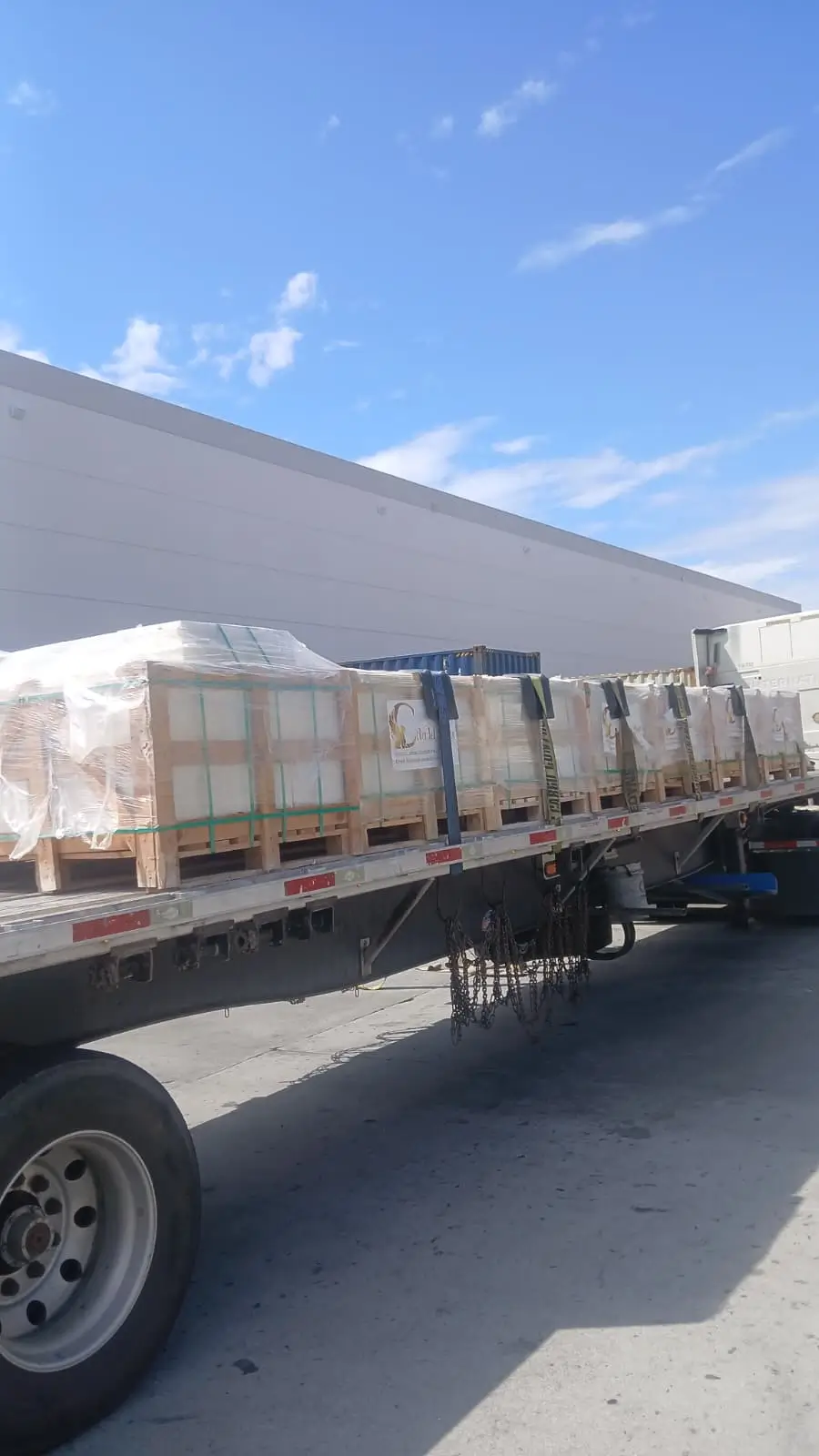
Truck and haul costs attached to crushed stone orders are frequently underestimated, and they can represent 30–50% of your total delivered price on smaller drops. A standard tandem-axle truck carries roughly 12–14 tons. A tri-axle or quad-axle truck can carry 16–20 tons. The more you can load per trip, the lower your effective cost per ton — which is why project quantity planning matters as much as quarry selection.
Minimum delivery fees vary by supplier but commonly fall between $150 and $400 per load regardless of tonnage. That fee structure heavily penalizes small orders. A 3-ton delivery that costs $200 to deliver is carrying a $67 per ton freight premium before you’ve counted the stone itself. Ordering to fill a truck, not just to cover your measured area, is almost always the better economic decision — you can stockpile the surplus for future work or share a delivery with an adjacent project.
- Haul distance is typically billed per loaded mile — common rates run $8–$15 per mile beyond a free zone of 10–20 miles
- Short-haul quarry orders within 15 miles of the source are the most cost-effective; prices rise steeply past 40 miles
- Fuel surcharges are increasingly common and should be confirmed before locking in a bid
- Site accessibility matters — if your truck can’t complete a full-axle dump, you may face additional off-loading charges
At Citadel Stone, we advise clients to confirm truck access and turning radius before scheduling delivery. A truck that can’t get close to the drop zone may require a smaller vehicle, adding cost and trips.
How to Use a Crushed Stone Calculator Accurately
A crushed stone calculator gives you a starting quantity estimate — but the number it produces is only as good as the measurements and assumptions you feed into it. The standard formula is: length (ft) × width (ft) × depth (ft) ÷ 27 = cubic yards, then multiply by a bulk density factor (typically 1.4–1.5 tons per cubic yard for crushed aggregate) to get your tonnage. Most online calculators automate exactly this conversion, and they’re accurate enough for ordering purposes if your dimensions are clean.
The variable most people miss is compaction. Crushed stone in a delivery truck is loose-dumped, meaning it occupies more volume than it will after compaction. For a structural base layer that you’ll compact to 95% Proctor density, your initial loose volume will settle by 15–25% depending on gradation. That means your calculated volume needs to carry a compaction factor — typically 1.15–1.25× — before you convert to tons. Skipping this step leaves you 15–20% short of material on larger pours, which forces a second delivery and a second minimum delivery charge.
- Measure your area at least twice — errors here compound through the entire calculation
- Confirm your target compacted depth, not just surface depth — base layers for paving are typically 4–6 inches compacted
- Add 10% as a standard waste and edge factor for irregular shapes
- For slopes and graded areas, factor in additional depth at the low end where material migrates
The Natural Stone Institute aggregate specification data provides technical density references that help calibrate your crushed stone calculator inputs when working with specific stone types beyond standard gravel.
How Terrain and Grade Affect Crushed Stone Selection and Quantity
Elevation changes and slope gradients directly influence both your material choice and your total quantity — two factors that ripple straight into crushed stone cost. On flat sites, you’re primarily managing load distribution and drainage velocity. On sloped or hillside sites, you’re managing both of those things simultaneously while also preventing migration, erosion, and base washout over time. These aren’t the same engineering problem, and conflating them leads to under-built installations that fail within a few seasons.
Steeper grades require larger gradations for drainage applications because smaller stone compacts too readily under water pressure and gravity loading, reducing the interstitial void space that makes crushed stone for drainage effective in the first place. The 3/4 in crushed stone gradation holds up well on moderate grades, but on slopes exceeding 5–8%, you’ll often need to step up to a #2 coarse stone or combine gradations to maintain adequate drainage velocity without material migration. This can push your material cost up by 10–20% compared to a flat-site specification.
Grade management also affects your base depth calculation. A terraced installation with level pads built into a slope requires more total aggregate volume than a flat installation of equivalent surface area — the fill required to establish level sub-bases on each terrace adds tonnage that a flat-site crushed stone calculator won’t predict. Accounting for this volume in your estimate prevents the most common budget overrun in hillside hardscape projects.
- On sloped sites, specify a minimum 8-inch compacted base for paved surfaces rather than the standard 4–6 inches on flat ground
- Geotextile fabric under the aggregate layer on grades prevents fines migration and extends base life — budget for it
- French drain channels on hillside installations require larger stone (#2 or #3) to handle storm surges without clogging
- Retain walls or edging systems on slopes add materials cost but protect your aggregate investment by preventing base spread
According to USGS dimension stone production data, aggregate grading and site application remain the two primary factors distinguishing construction-grade crushed stone specifications — data that reinforces why terrain-specific selection matters far more than defaulting to a standard quarry product.
Crushed Stone for Drainage: Specifications That Justify the Cost
Crushed stone for drainage is one of the most technically specific applications in site construction, and the performance gap between correctly specified material and generic fill stone is significant. The key metric is void ratio — the percentage of empty space within the compacted aggregate layer that water can occupy and move through. Poorly graded stone or stone with excessive fines (material passing a #200 sieve) clogs those voids and transforms your drainage layer into an impermeable barrier over time.
Specifying clean, washed aggregate with a maximum of 2–5% fines content is the baseline for any drainage application. Dirty stone — material with significant clay or silt contamination — costs less at the gate, but it defeats the purpose of a drainage layer and leads to failures that require full excavation and reinstallation. The money you spend on clean, properly graded crushed stone for drainage is almost always recovered in avoided remediation costs.
You’ll find the most useful ASTM aggregate quality and gradation standards when specifying drainage stone for engineered applications — particularly ASTM C33 and D448, which define the gradation and cleanliness requirements relevant to structural drainage layers.
- AASHTO #57 (3/4 in nominal) is the standard specification for pipe bedding and perforated drain tile surrounds
- AASHTO #2 (2–3 in) is preferred for high-flow French drains and detention areas with steep inflows
- Avoid crusher run in drainage applications — the fines content fills voids and severely restricts water movement
- Wash specifications matter: request washed stone and verify the fines percentage before accepting delivery
For projects where Citadel Stone base materials are being specified alongside drainage layers, confirming that gradation aligns with your drainage engineer’s void ratio requirements prevents costly mismatches between the paving substrate and the subsurface drainage system.
Bulk Pricing vs. Bagged Stone: Where the Real Savings Live
The price difference between bulk-delivered crushed stone and bagged product from a home center is not marginal — it’s structural. Bagged aggregate from a retail store typically runs $6–$9 per 50-pound bag, which converts to roughly $240–$360 per ton. Bulk-delivered crushed stone from a quarry or aggregate supplier runs $30–$75 per ton delivered. You’re paying a 4–8× premium for the convenience of bagged product.
That premium is occasionally justified for very small touch-up quantities where a bulk order minimum doesn’t make economic sense. But for any base preparation covering more than 50–100 square feet at meaningful depth, bulk delivery wins on cost — often decisively. The break-even point where bulk becomes cheaper than bags typically falls around 1–2 tons, which is roughly 60–80 square feet at a 4-inch base depth. Below that, bags are practical; above it, bulk is almost always the better call.
- Bulk orders under 5 tons still carry a minimum delivery charge — factor that into your cost-per-ton comparison
- Warehouse stock levels at your aggregate supplier affect availability and lead time — check before scheduling
- Split deliveries (partial truck loads) cost more per ton; fill the truck when you can
- For ongoing projects, consider a standing order arrangement to lock in pricing across multiple drops
Seasonal Demand, Supply Chain, and Price Timing
Crushed stone cost isn’t static — it tracks seasonal demand cycles and diesel fuel prices with surprising fidelity. Late spring through early fall represents peak construction season across most of the country, and quarry pricing reflects that demand. Ordering in late winter or early spring, before the peak season begins, can yield 10–15% savings compared to peak summer quotes, particularly on large quantities.
Fuel surcharges have become a normalized line item in aggregate pricing, and they’re worth negotiating on large orders. Some suppliers will lock a per-ton price for 30–60 days, which protects you from mid-project cost increases on longer construction timelines. Get that price lock in writing and confirm it covers fuel surcharges explicitly — an open-ended surcharge clause on a locked base price still leaves you exposed.
Citadel Stone maintains warehouse inventory levels that allow for consistent lead times of 1–2 weeks on standard gradations, reducing the risk of project delays during peak season when quarry capacity gets allocated to bulk commercial accounts first.
Putting It All Together: Crushed Stone Cost Done Right
Getting crushed stone cost right means treating it as a system calculation, not a line-item lookup. Your grade, gradation, quantity, haul distance, site access, compaction factor, and seasonal timing all feed into the number you’ll actually pay — and optimizing even two or three of those variables can meaningfully reduce your total project spend. Order to fill a truck, specify gradation to match the application, and account for compaction loss before you finalize your tonnage estimate. Those three disciplines alone eliminate the most common and costly ordering mistakes.
Terrain and slope conditions deserve particular attention in your base design. Hillside and graded sites need deeper base specifications, larger drainage gradations, and sometimes engineered retention to protect the aggregate investment long-term. A flat-site crushed stone calculator applied to a hillside project will consistently underestimate both quantity and material cost. As your project moves from planning into specification, the detail in your base design often matters more than the stone price itself. For a different but complementary dimension of natural stone specification, Kota stone sourcing and manufacturing offers useful context on how quarry origin and production standards affect material consistency and project reliability. Aggregate from Citadel Stone ships from select natural stone quarries worldwide, sized for reliable compaction under paved surfaces.
Related reading: Natural Stone Tile vs Porcelain Tile: Which Is Better? · How to Clean Natural Stone Tile the Right Way · stone terrace.