



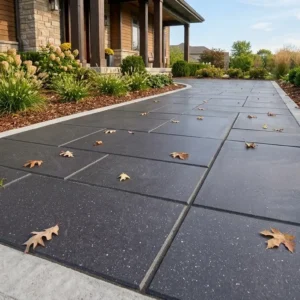

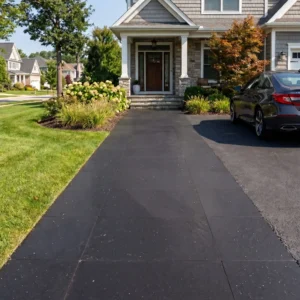
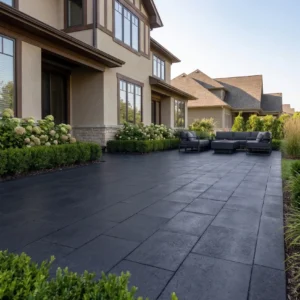










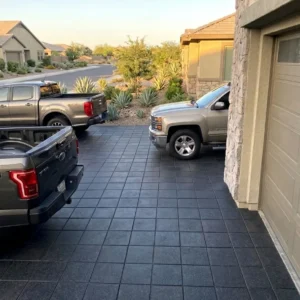
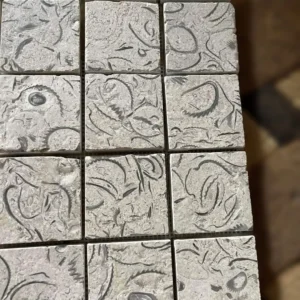
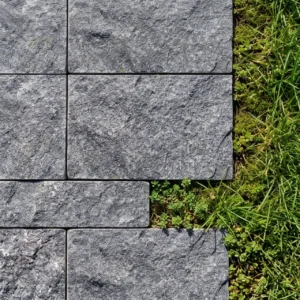

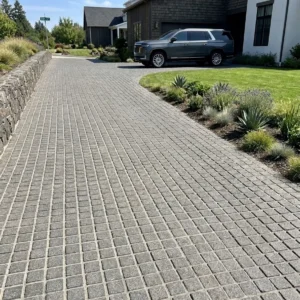
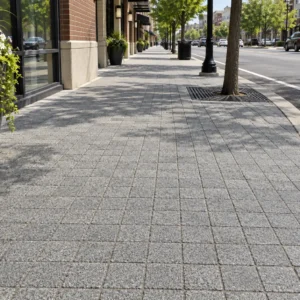
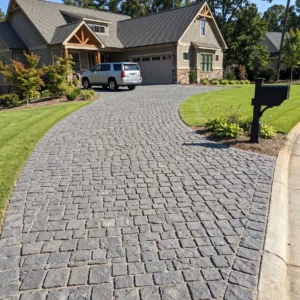
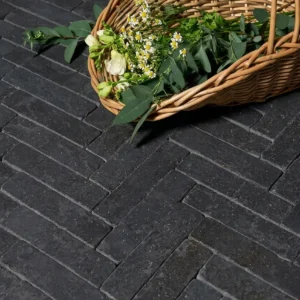
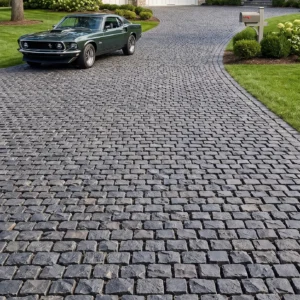


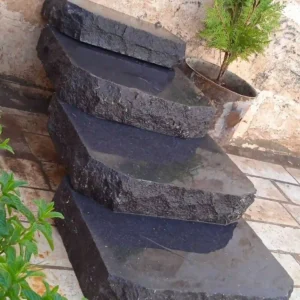


The most consequential decision in any limestone patio installation happens below the surface, long before the first stone is set — your base preparation determines whether you’re building a 25-year patio or a 10-year headache. Limestone Patio Pavers reward careful subgrade work with decades of stable, level performance, but they’re unforgiving of shortcuts taken during excavation and compaction. You’ll find the material itself rarely fails; the ground beneath it does. That’s the insight most homeowners and even some contractors overlook when they focus entirely on stone selection and finish.
Limestone’s sedimentary structure gives it a predictable, even grain that machines and hand-sets cleanly, which is why it remains one of the most specified paving materials for outdoor living spaces. You get a stone that reads calm and consistent underfoot, with a compressive strength range that comfortably handles residential foot traffic and patio furniture loads. The trade-off you accept in exchange for that even tone is a moderate porosity that demands attention to sealing and drainage — details we’ll cover in depth below.
Why Limestone Performs as a Patio Surface
Limestone delivers a combination of workability and visual consistency that few natural stones match at its price point. The stone forms from compressed marine sediment, which gives it that recognizable uniform grain — you won’t fight dramatic color swings across a pallet the way you might with some slates or travertines. For patio work specifically, that predictability lets you plan layouts with confidence.
Your material performance hinges on a few measurable properties worth understanding before you commit:
- Compressive strength typically ranges from 4,000 to 8,000 PSI depending on density and quarry origin, more than adequate for residential patio loads
- Water absorption sits between 2% and 7%, which is why sealing matters in freeze-thaw regions where trapped moisture expands
- Surface hardness resists scratching from furniture and light traffic but benefits from a honed or tumbled finish for better slip resistance
- Thermal behavior stays moderate — limestone doesn’t retain heat as aggressively as dense dark stone, keeping surfaces comfortable underfoot
According to industry limestone specifications, the stone’s absorption and density characteristics vary meaningfully between quarries, which is why you should always request current specifications for the specific batch you’re purchasing. Citadel Stone inspects each batch at the warehouse for consistency before it ships, so the specifications you receive reflect the actual material heading to your site.
Color, Finish, and Format Options
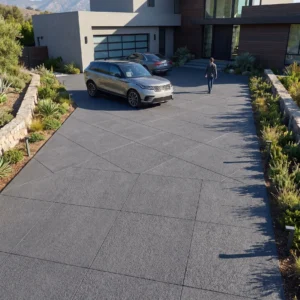
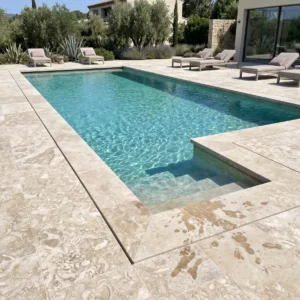
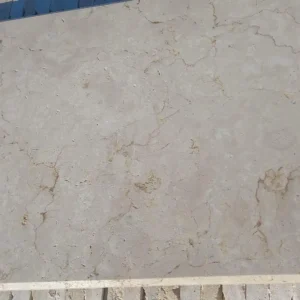
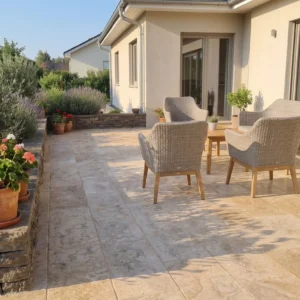
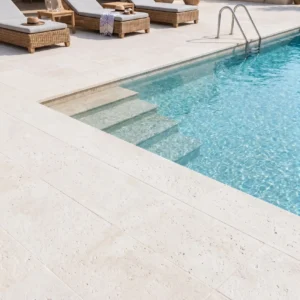
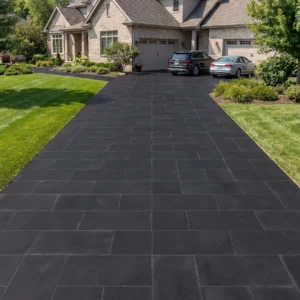
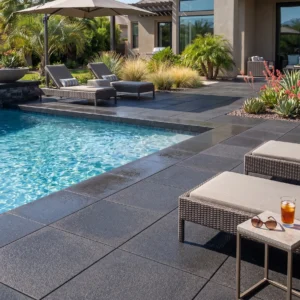
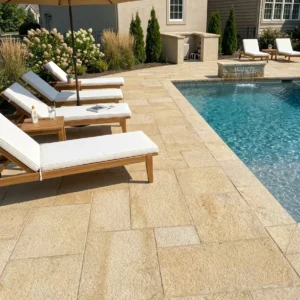
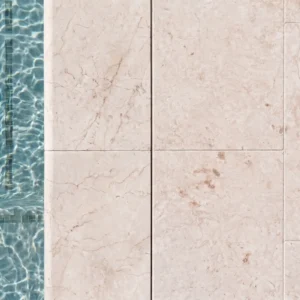
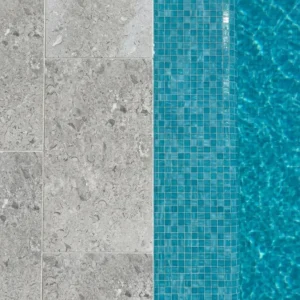
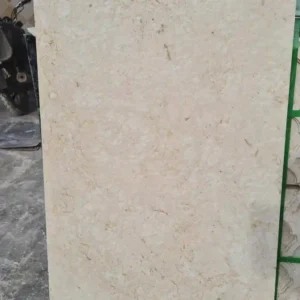
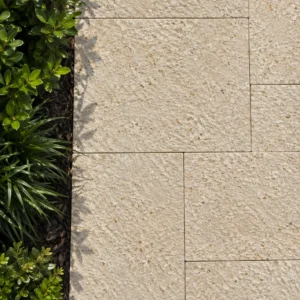
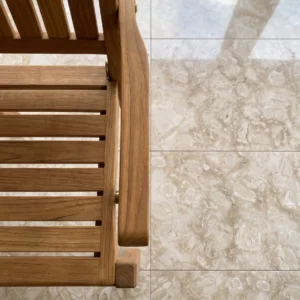
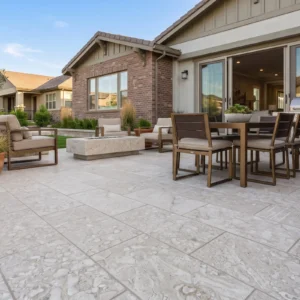
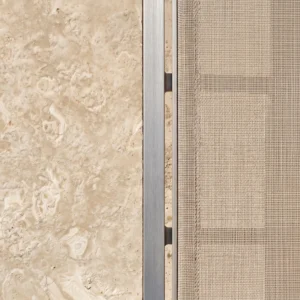
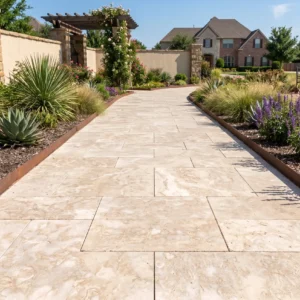
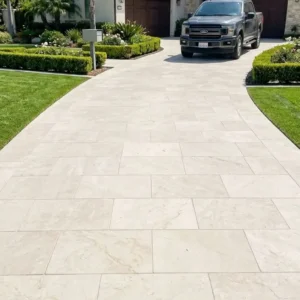
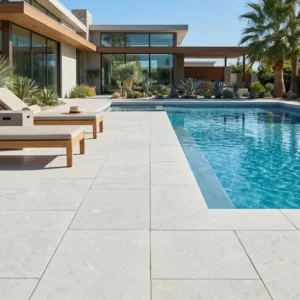
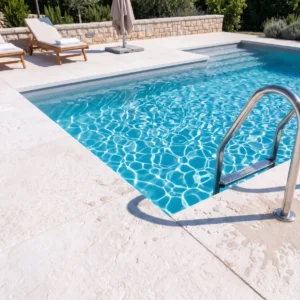
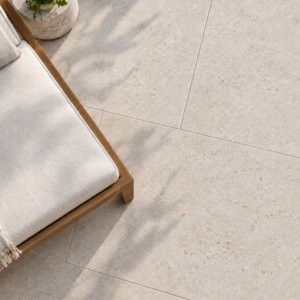
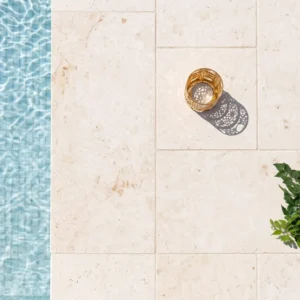
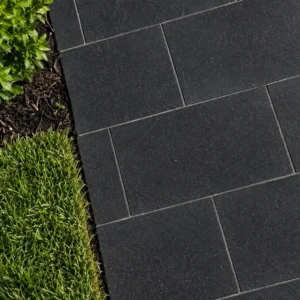
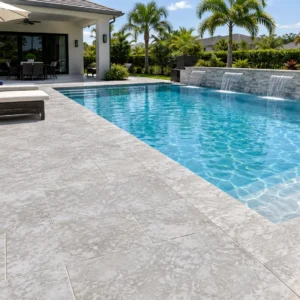
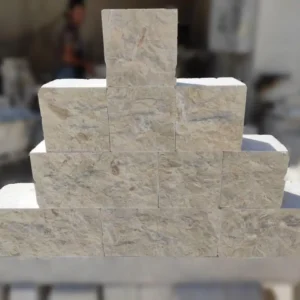
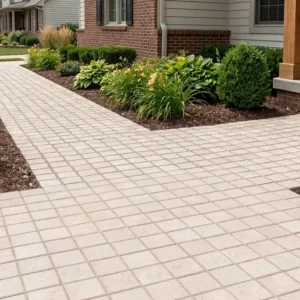
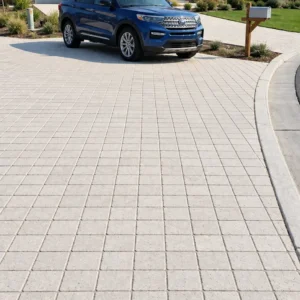
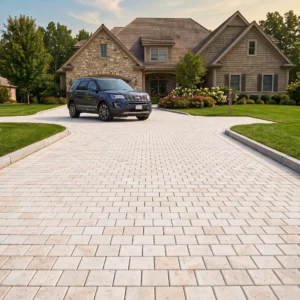
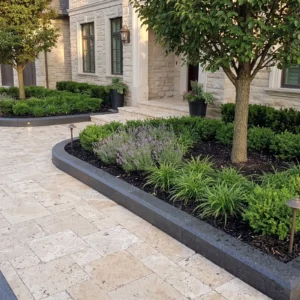
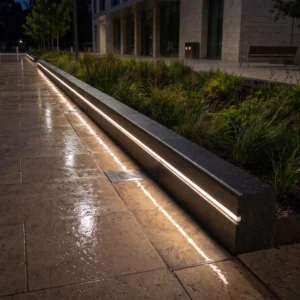
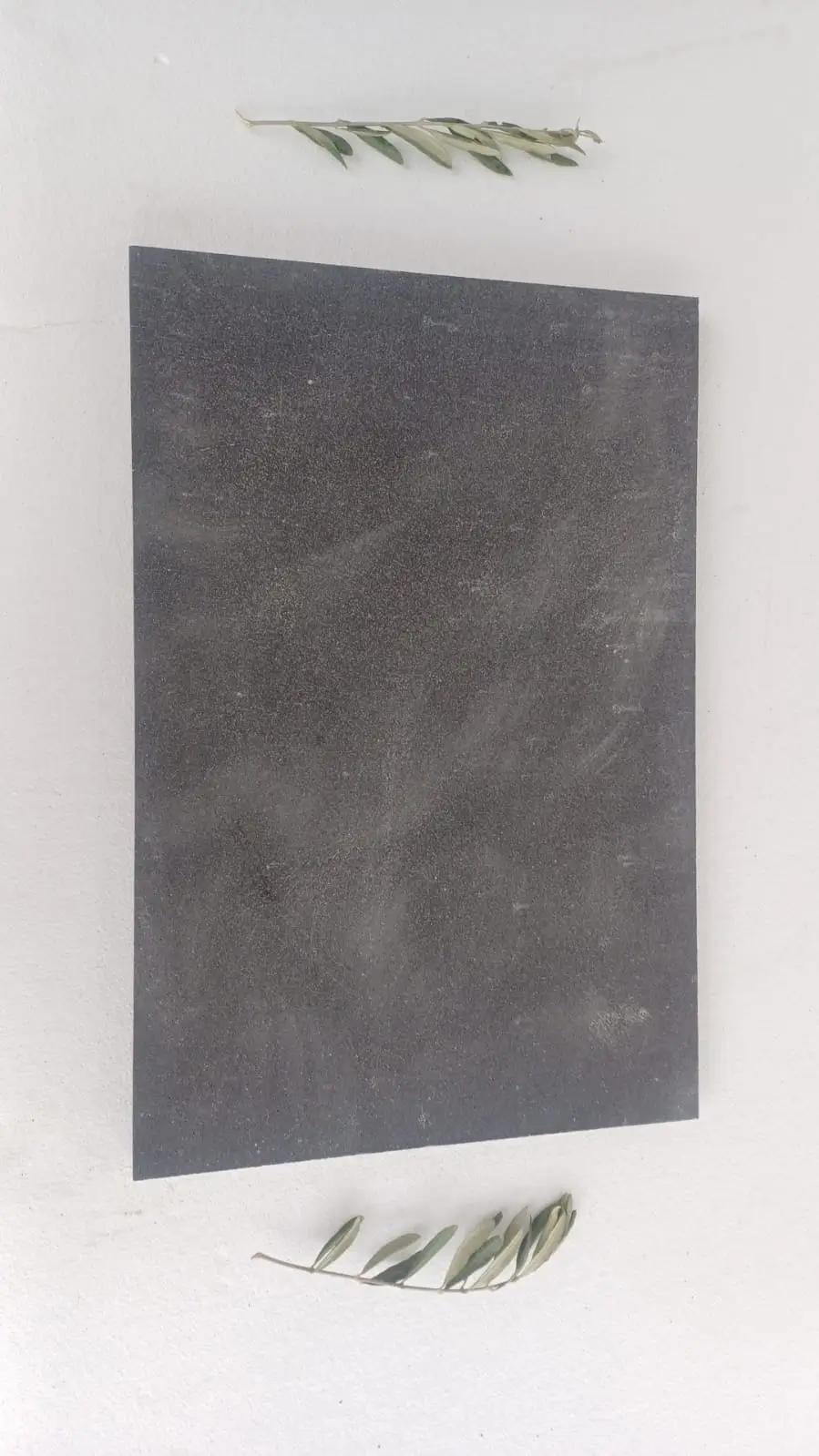
Your color palette in limestone runs through cream, ivory, and soft grey tones, with regional quarries producing subtle variations that read warm or cool depending on light exposure. Cream and ivory shades dominate residential patio work because they stay cooler underfoot and complement most architectural styles. Grey limestone paving stone gives you a more contemporary edge that pairs well with modern homes and clean-line landscaping.
Format selection drives both the look and the labor cost of your installation. Here’s what you’ll typically choose from:
- 400×400 limestone pavers work well for smaller patios and defined seating areas where a modular grid reads intentional
- 600×600 limestone pavers give you a broad, seamless field with fewer joints — a popular choice for open patio expanses
- 600×300 limestone paving lets you run running-bond or linear patterns that lengthen a space visually
- Large limestone pavers reduce joint frequency and speed installation, though each piece requires more careful handling
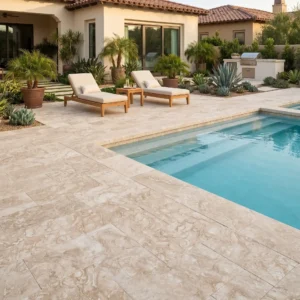
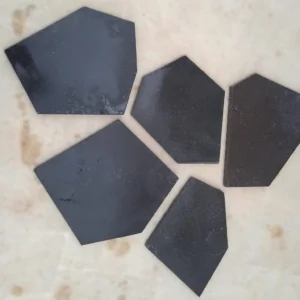
- Limestone flagstone pavers offer irregular, organic shapes for cottage-garden and naturalistic designs
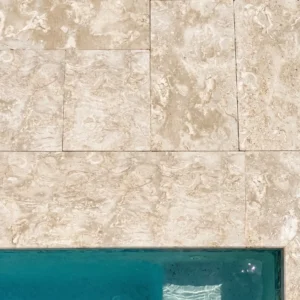
The finish you choose affects performance as much as appearance. Honed surfaces give you a smooth, refined look with moderate slip resistance, while tumbled edges soften the stone for a lived-in, aged character. For poolside or shaded areas that stay damp, a tumbled or textured finish improves traction. You can request sample tiles or specific thickness specifications from Citadel Stone before committing to a full order, which lets you test finish and color against your actual site conditions.
Soil and Ground Conditions That Shape Your Base
Here’s what most patio guides skip entirely — the soil under your patio dictates your entire base strategy, and getting this wrong is the single most common cause of long-term failure. Different soil types behave in radically different ways under load and through seasonal moisture cycles, and your excavation depth, aggregate specification, and drainage detailing all flow from what you’re building on.
The interaction between your subgrade and regional soil expansion coefficients becomes critical in clay-heavy soils. Clay expands when wet and contracts when dry, creating a seasonal heave-and-settle cycle that will telegraph straight through to your finished surface if you don’t account for it. In these conditions you need deeper excavation and a thicker compacted aggregate base to buffer that movement.
Match your base approach to your ground conditions:
- Clay soils demand deeper excavation (8 to 10 inches of base minimum) and aggressive drainage to prevent seasonal heave from cracking joints and lifting stones
- Sandy soils drain well but offer less inherent stability, requiring thorough compaction in lifts to prevent gradual settling
- Loamy and mixed soils generally provide a workable middle ground but still benefit from geotextile fabric to separate subgrade from aggregate
- Rocky or shallow bedrock sites give excellent stability but may complicate drainage, requiring careful grading to move water away from the patio field
You should always compact your aggregate base in 2-to-3-inch lifts rather than dumping the full depth and compacting once — that layered approach is what delivers the density that prevents settling. When specifying natural limestone paving slabs for a clay site, plan your base depth on the conservative end and add a compacted geotextile layer beneath the aggregate to stop fines from migrating up into your base over time. These natural limestone paving slabs perform reliably once the subgrade is engineered to match the soil beneath them.
Base Preparation and Drainage Detailing
Your base is the structural heart of the installation, and drainage is what keeps it working through every wet season. Water is the enemy of any patio — trapped moisture beneath the stone freezes, expands, and destabilizes even a well-compacted base. You’ll want to build in a positive slope of roughly 1% to 2% (about 1/8 to 1/4 inch per foot) away from structures so surface water sheds cleanly.
A reliable base build-up for most residential patios follows this sequence:
- Excavate to accommodate your total base depth plus stone thickness, allowing for the finished grade slope
- Lay geotextile separation fabric over the compacted subgrade to prevent aggregate contamination
- Install and compact crushed aggregate in lifts to your specified depth
- Screed a bedding layer of coarse sand or fine aggregate to a consistent 1-inch depth
- Set your stones, checking level and slope continuously as you work
For a complete walk-through of how these stages fit together on a real installation, how to build a paver patio covers the sequencing and detailing that apply to most site conditions. Getting the subgrade and bedding right at this stage prevents the overwhelming majority of long-term failures, so it’s worth the extra hours up front. Landscape design guidance on paving materials reinforces why drainage planning belongs at the front of your project, not as an afterthought once problems appear.
Choosing Thickness and Format for Your Load
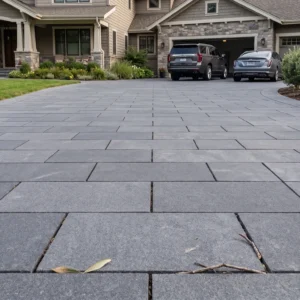
Thickness selection is where patio projects often get over- or under-specified. For pedestrian patio use, limestone paving stone in the 30mm to 40mm range handles typical foot traffic and furniture loads comfortably when set over a properly compacted base. You don’t need driveway-grade thickness for a patio, and paying for it wastes budget you could put toward better base material.
Field experience shows the format-to-base relationship matters more than raw thickness alone:
- Large format limestone pavers span minor base imperfections better but concentrate more weight per lifting movement during installation
- Smaller modular units like 400×400 limestone pavers are more forgiving to level individually but multiply your joint count and installation time
- Thicker stones (40mm and up) tolerate occasional point loads from heavy planters or fire features without cracking
- Thinner honed tiles suit mortar-set applications over a concrete slab rather than sand-set flexible installations
Your joint spacing deserves attention too. Sand-set installations typically run 3mm to 8mm joints filled with polymeric sand, which locks the field together while still allowing the slight flexibility a natural stone patio needs. Large format limestone pavers especially benefit from consistent joint spacing to keep the broad field reading uniform. Citadel Stone stocks Limestone Patio Pavers in standard formats including 600×600 limestone pavers and 600×300 limestone paving, so you can match your chosen format to your load requirements without waiting on custom fabrication.
Sealing and Long-Term Maintenance
Sealing protocols for limestone differ from standard concrete maintenance because you’re managing a porous natural material, not a homogeneous manufactured one. Limestone’s absorption rate means an unsealed surface will readily take up water, oil, and organic staining — which is exactly why a quality penetrating sealer is your first line of defense. A penetrating sealer soaks into the pore structure rather than forming a surface film, preserving the stone’s natural appearance while blocking moisture.
Your realistic maintenance rhythm looks like this:
- Apply a penetrating sealer at installation, then reseal every two to three years depending on traffic and exposure
- Sweep regularly and rinse periodically to prevent organic buildup that can etch or stain the surface
- Address spills promptly — acidic substances like wine or citrus can etch limestone if left to sit
- Top up polymeric joint sand as needed, since joint stabilization prevents weed growth and lateral stone movement
- Avoid acidic or harsh cleaners; use pH-neutral stone cleaners to protect the surface
You can expect 20 to 30 years of strong performance from a limestone garden paving installation with biennial resealing, proper drainage, and prompt spill management. The stone itself will outlast most of the elements around it — what fails is neglected maintenance and poor drainage, not the limestone. Reference material on limestone formation explains why the stone’s carbonate composition makes it sensitive to acids, reinforcing why cleaner selection matters more than most homeowners expect. Well-maintained limestone garden paving keeps its tone and traction across decades of seasonal exposure.
Finding and Evaluating Limestone Paving Suppliers
Searching for limestone paving near me will surface plenty of options, but the questions you ask matter more than proximity. Consistency between batches, availability of your chosen format, and transparent specifications separate reliable limestone paving suppliers from operations that leave you scrambling mid-project. You want a source that can confirm stock, provide current absorption and strength data, and deliver on a predictable timeline. Even when a limestone paving near me search returns a nearby yard, national inventory often gives you better lot consistency.
Evaluate any potential supplier against these practical criteria:
- Can they provide batch-specific specifications rather than generic marketing figures?
- Do they hold enough inventory to complete your project from a single lot, avoiding color mismatches?
- What are their realistic lead times, and does the material ship from domestic inventory or an import cycle?
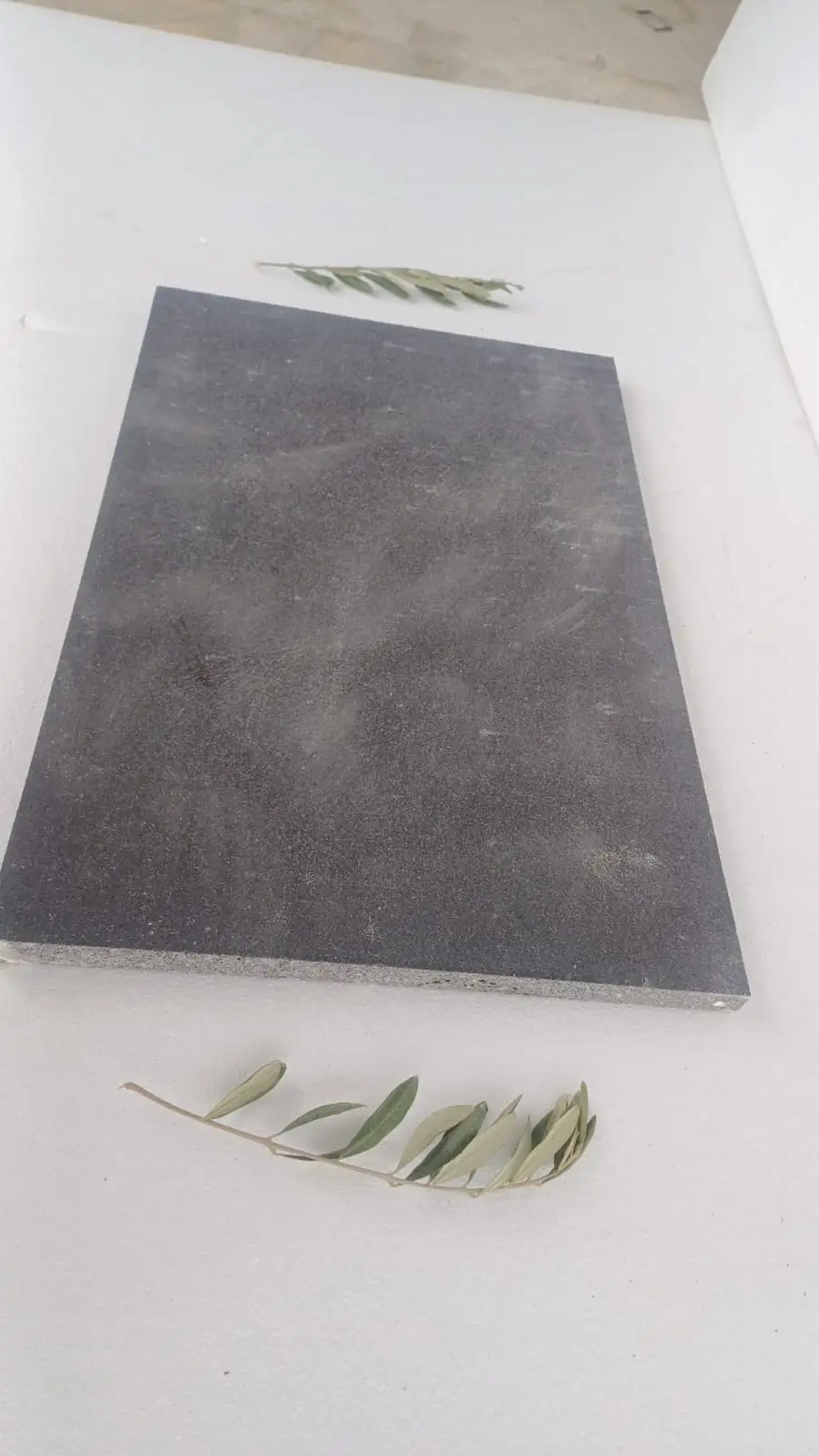
- Can they supply samples so you evaluate finish and color under your actual site light?
Citadel Stone maintains warehouse inventory nationwide, which typically reduces lead times to one or two weeks compared to the six-to-eight-week import cycle many projects face. Reliable limestone paving suppliers earn trust through this kind of transparency. Sourced from our selected premium quarries, each batch is inspected for consistency so the pavestone limestone you receive matches the sample you approved. That inspected pavestone limestone gives you predictable color across the whole field. For projects requiring custom cuts or non-standard formats, our team can advise on lead times and truck delivery scheduling before you finalize your layout.
Common Installation Mistakes to Avoid
The failures we see in the field cluster around a handful of avoidable errors, and nearly all of them trace back to rushing the preparation stages. Understanding these ahead of time saves you from expensive remediation later.
- Skipping geotextile fabric, which lets subgrade fines migrate into the aggregate and destabilize the base over a few seasons
- Compacting the full base depth in one pass instead of lifts, leaving voids that settle unevenly
- Ignoring slope, which traps water against structures and beneath stones where freeze-thaw damage begins
- Setting limestone flagstone pavers or modular units before the base is fully level and screeded
- Leaving the stone unsealed through the first wet season, allowing early staining that’s difficult to reverse
- Under-ordering material and being forced to source a second lot with visible color variation
Choosing limestone flagstone pavers for a naturalistic layout only compounds these errors if the base isn’t screeded dead level first. You’ll save yourself the most grief by ordering a small overage — typically 5% to 10% above your measured square footage — to cover cuts, breakage, and future repairs from the same lot. Keeping a few spare pieces in storage means any future repair blends seamlessly rather than standing out as an obvious patch. When you buy limestone garden paving in a single consolidated order, you protect the visual consistency that makes the finished patio read as one intentional surface.
Order Limestone Patio Pavers — Nationwide Delivery from Citadel Stone
Citadel Stone supplies Limestone Patio Pavers in the formats most projects need, including 400×400 limestone pavers, 600×600 limestone pavers, and 600×300 limestone paving, alongside large limestone pavers and flagstone shapes. You can request samples and batch-specific specifications before committing, which lets you confirm color, finish, and thickness against your site. Trade and wholesale enquiries are welcome — our team handles volume pricing and can advise on the right thickness and base approach for your soil conditions. Nationwide delivery from regional warehouse inventory typically means one-to-two-week lead times rather than the long import waits many suppliers quote, and truck scheduling is coordinated around your site access. To move forward, contact us for current pricing, request a quote for your measured square footage, or schedule a consultation to review your project specifications. As you finalize your outdoor stone plan, related applications can inform your material choices — how heavy-duty aggregate stone performs explores another dimension of Citadel Stone’s product range worth reviewing. Builders source flagstone patio vs pavers, a sedimentary stone valued for its even, consistent tone, for projects across the country.
Related guides: crushed limestone patio comparison · How to Install Limestone Pavers for a Patio · cost of limestone pavers · honed limestone tiles · Limestone Patio Design Ideas That Actually Work · white limestone slab.