Understanding the Core Difference
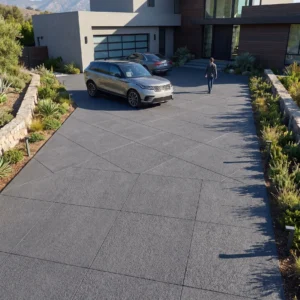
The flagstone patio vs pavers decision isn’t really about aesthetics first — it’s about how each material responds to structural load, substrate movement, and long-term base stability. Flagstone is a cut or split sedimentary rock, typically limestone, bluestone, or slate, laid in irregular or regular patterns. Manufactured pavers — concrete, brick, or engineered composite — are uniform units produced to tight dimensional tolerances. That distinction matters enormously when you’re writing a specification or advising a client on what will actually hold up over a 20-year horizon.
The material you choose determines your base design, your jointing strategy, your edge restraint system, and your maintenance schedule. You can’t treat these two product categories as interchangeable with a simple swap — the installation logic is genuinely different, and the performance trade-offs run deeper than most comparison guides acknowledge.
Material Characteristics Side by Side
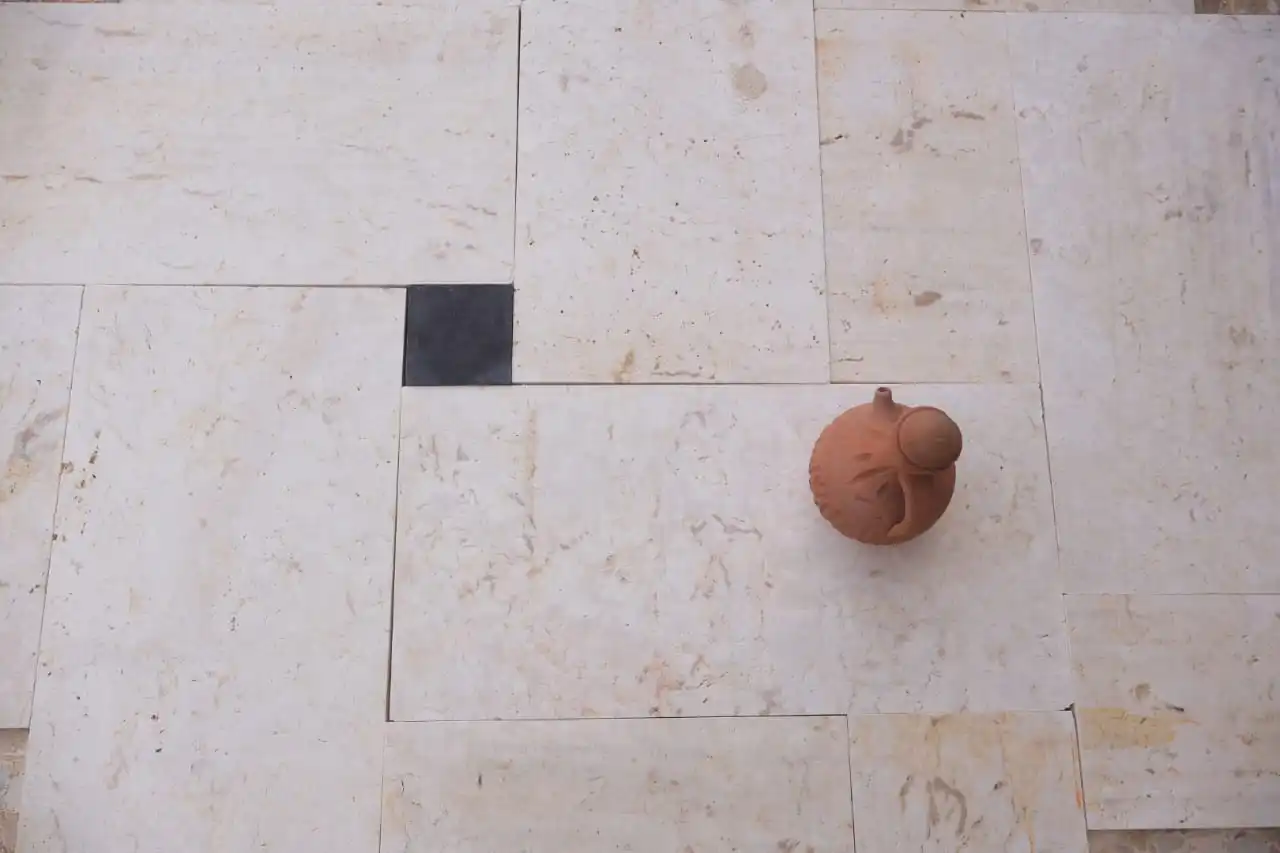
Flagstone’s defining trait is its natural variation — in thickness, surface texture, and mineral composition. A pallet of limestone flagstone will include pieces ranging from 1.25 inches to 2.5 inches thick, which requires your installer to fine-grade the setting bed constantly to achieve a level finished surface. Concrete pavers, by contrast, are manufactured to within ±1/8-inch tolerance, which dramatically speeds installation and produces a more predictable result.
That said, flagstone delivers something no manufactured unit can replicate: genuine material depth. The sedimentary layering, the natural cleft surface, and the mineral variation across individual pieces create a surface character that reads as permanent and site-specific. According to flagstone sedimentary rock characteristics and paving use, flagstone’s split-face texture also contributes meaningful slip resistance without requiring a secondary finish treatment — a practical advantage in wet conditions.
- Flagstone compressive strength typically ranges from 8,000 to 19,000 PSI depending on stone type — limestone sits at the lower end, bluestone at the higher end
- Standard concrete pavers achieve 8,000 PSI minimum per ASTM C936, meaning premium flagstone often outperforms them structurally
- Flagstone thickness irregularity requires a mortar or compacted sand setting bed with 1.5-inch minimum depth for adjustment tolerance
- Manufactured pavers rely on dimensional uniformity for their structural system — base compaction and edge restraint do the heavy lifting
- Natural stone absorbs and releases heat differently from concrete, affecting surface comfort throughout the day
Flagstone Patio Ideas and Design Potential
Your flagstone patio ideas should start with how the stone will be cut and laid, because that single decision defines the entire visual register of the space. Random flagstone in a dry-laid irregular pattern gives you a naturalistic, organic quality that suits garden settings and informal outdoor living areas. Cut-to-size flagstone in a running bond or ashlar pattern reads more formally and suits contemporary architecture where clean lines matter.
One flagstone patio design approach that consistently outperforms expectations is the mixed-size ashlar pattern — three or four standardised cut sizes arranged in a structured random sequence. You get the visual complexity of irregular stone without the irregular thickness challenge, because you can order cut flagstone to a consistent 1.5-inch or 2-inch thickness from the quarry. The result is a surface with a calibrated base installation and the aesthetic variation that natural stone delivers.
- Dry-laid irregular flagstone with planted joints — moss, thyme, or creeping sedum in the gaps — works well for informal garden patios where drainage matters
- Mortar-set cut flagstone over a concrete slab produces the most dimensionally stable result and is the right call for covered outdoor rooms or dining areas under pergolas
- Large-format flagstone pieces (24 inches and above) read as more contemporary and reduce visible jointing — pair with tight 3/8-inch mortar joints for a cleaner finish
- Tumbled flagstone edges soften the visual weight of larger pieces and suit transitional-style architecture
- Mixed stone type combinations — limestone field stone with bluestone borders — create defined zones without hardscape changes
Flagstone patio designs with raised edges or integrated seat walls require attention to how the flagstone coping connects to the vertical masonry — the interface joint is where water infiltration problems start if the detail isn’t specified correctly.
Pavers Backyard Performance and Installation Logic
The pavers backyard category covers a wide range of products, but the installation system is consistent: a compacted aggregate base, a 1-inch sand setting bed, the paver units, and a polymeric sand joint fill. That system works reliably because the dimensional uniformity of manufactured pavers allows the base to carry structural load evenly across the full surface area.
Concrete pavers in a backyard patio context offer one genuine advantage over natural stone: replaceable units. A cracked or stained paver can be pulled and replaced without disturbing the surrounding installation. With flagstone, a cracked piece in a mortar-set installation means carefully chiseling out the damaged piece and cutting a new one to fit — a more skilled and time-intensive repair. For high-traffic areas with heavy furniture, fire pits, or outdoor kitchens, that repairability factor is worth weighing seriously. The flagstone patio vs pavers comparison often comes down to this trade-off: natural authenticity against manufactured convenience.
- Interlocking concrete pavers in a herringbone pattern provide the highest shear resistance for vehicle-adjacent patios — relevant if your patio transitions to a driveway apron
- Tumbled concrete pavers approximate the look of natural stone but deliver the consistency of manufactured units — a middle-ground option worth considering
- Clay brick pavers offer better freeze-thaw resistance than most concrete pavers, with absorption rates below 8% per ASTM C902
- Natural stone pavers — cut flagstone in uniform sizes — give you the structural consistency of a manufactured system with genuine material character
- Permeable paver systems using open-jointed concrete or natural stone can reduce stormwater runoff, which some municipal codes now incentivize or require
Code Requirements and Structural Considerations
Here’s where a lot of residential patio projects get into trouble: local building codes affect your base specification more than any material comparison chart will tell you. In freeze-thaw regions, frost line depth directly determines how deep your aggregate base needs to go. In areas with frost lines below 24 inches, you’re not installing a patio base — you’re engineering a flexible pavement system that needs to accommodate seasonal heave without surface disruption.
The International Building Code and local amendments typically govern patio installations that are attached to or within a certain distance of a structure’s foundation. In those cases, your base depth, compaction specification, and edge restraint system may require an engineer’s review, particularly for heavy flagstone installations over 2 inches thick. The ASLA natural stone and flagstone outdoor paving guidance notes that permeable surface systems are increasingly required or preferred by municipalities managing stormwater runoff — something your specification should address from the start.
- Frost line depth varies significantly across the country — check your local jurisdiction’s frost depth table before specifying base depth, as the difference between 12-inch and 42-inch frost depth zones requires completely different base designs
- Attached patios within 10 feet of a foundation wall often require a building permit and may need to tie into the foundation drainage system
- Edge restraint for flagstone patio installations should be specified as heavy-duty spiked plastic or concrete border — the irregular weight distribution of natural stone requires more robust containment than standard paver edging
- Seismic zones add a lateral load consideration — mortar-set flagstone over rigid concrete slabs performs better than dry-laid systems in areas with ground movement risk
- ADA path-of-travel requirements apply to any patio that serves as an accessible route — surface cross-slope must not exceed 2%, and flagstone’s natural surface variation can create compliance challenges if not carefully detailed
For projects where code compliance is non-negotiable, manufactured pavers installed over a properly engineered flexible base often present fewer inspection hurdles than irregular flagstone, simply because the dimensional consistency makes compliance documentation straightforward.
Base Preparation: The Detail That Determines Outcome
Spend 90% of your budget thinking about what goes under the stone, and the stone will take care of itself. That’s not an exaggeration — the majority of flagstone patio failures trace back to insufficient base depth, inadequate compaction, or a setting bed that wasn’t calibrated to the stone’s thickness variation. The surface material gets the blame, but the base made the decision.
For a dry-laid flagstone patio, your aggregate base should be compacted crushed stone — not gravel, not decomposed granite — at minimum 6 inches deep in stable soil conditions, and up to 12 inches in clay-heavy or expansive soils. Compact in 3-inch lifts to a density of 95% Proctor, verified by a plate compactor with a moisture meter. On top of that, a 1-inch bedding sand layer provides the adjustable setting medium that accommodates flagstone’s thickness variation. According to USGS flagstone and dimension stone paving data, flagstone’s use in paving applications has remained consistent precisely because properly prepared installations routinely achieve 30-plus year service lives.
- Use angular crushed stone for base aggregate — rounded river gravel doesn’t interlock under compaction and will shift with load
- Verify your soil bearing capacity before committing to base depth — expansive clay soils may require geotextile fabric between subgrade and aggregate to prevent migration
- For mortar-set flagstone over concrete, the concrete slab should be minimum 4 inches thick with #4 rebar on 18-inch centers — the flagstone adds dead load that underpowered slabs can’t handle without cracking
- Manufactured paver bases follow the same aggregate compaction logic, but the 1-inch sand setting bed must be screeded precisely level — the pavers’ dimensional tolerance doesn’t forgive an uneven screed the way flagstone does
Cost Comparison and Long-Term Value
The material cost comparison between flagstone and concrete pavers is closer than most people expect — and the installed cost comparison often reverses the apparent savings. Flagstone patio material costs run from roughly $3 to $12 per square foot depending on stone type, thickness, and cut. Concrete pavers range from $2 to $8 per square foot for standard residential grades. Natural stone pavers — cut-to-size flagstone — sit in the $5 to $15 range, with premium materials at the top of that band.
Installation labor is where the real cost difference emerges. Flagstone’s thickness variation and irregular geometry require more skilled hands and more time per square foot than interlocking concrete paver installation, which is a faster, more systematized process. Expect flagstone installation labor to run 20-40% higher per square foot than a comparable pavers backyard installation. The gap narrows considerably for cut-to-size flagstone, which installs almost as predictably as manufactured pavers.
- Material cost alone is a misleading metric — factor installed cost, 10-year maintenance cost, and expected service life together for an honest comparison
- Natural flagstone, properly installed and sealed, routinely outperforms concrete pavers on service life — concrete pavers typically show surface degradation at 15-20 years in high freeze-thaw exposure, while quality limestone or bluestone flagstone maintains structural integrity significantly longer
- Sealing costs for flagstone run $0.50 to $1.50 per square foot every 3-5 years depending on stone porosity — budget this into your lifecycle cost model
- Concrete pavers may require joint sand replenishment every 3-5 years in high-rainfall areas where washout is a concern
- Verify warehouse stock before committing to a project timeline — natural stone availability fluctuates with quarry output cycles, and an 8-week lead time can disrupt a contractor’s schedule significantly
Maintenance and Sealing Requirements
Your maintenance commitment differs meaningfully between these two material categories, and understanding that difference upfront prevents a lot of owner frustration later. Flagstone — particularly limestone and softer sedimentary stones — requires periodic sealing to manage porosity, prevent staining, and protect against freeze-thaw spalling in cold climates. A penetrating silane-siloxane sealer applied every 3-5 years is the standard specification for outdoor flagstone.
Concrete pavers have their own maintenance requirements, though they’re different in character. Joint sand integrity is the primary concern — polymeric sand that washes out creates instability and allows weed establishment in the joints. Manufactured pavers in high-UV exposure areas may show color fade over time, while natural stone’s color variation is inherent to the material and doesn’t fade in the same way. That aesthetic durability is one of the reasons specifiers increasingly prefer natural stone from Citadel Stone for projects where long-term visual consistency matters.
- Test stone porosity before specifying a sealer — apply a few drops of water to the surface; if it absorbs in under 30 seconds, you need a penetrating sealer at minimum, and possibly a surface sealer for stain-prone areas
- Oil and grease stains on unsealed flagstone near outdoor kitchens require a poultice treatment — budget for this possibility in entertainment-focused patio areas
- Efflorescence on concrete pavers is common in the first 1-2 years — it’s a mineral salt migration, not a defect, and resolves with diluted muriatic acid washing
- Flagstone surfaces with a natural cleft finish maintain traction better over time than honed or polished finishes, which should be avoided in outdoor applications
Which Material Suits Which Project
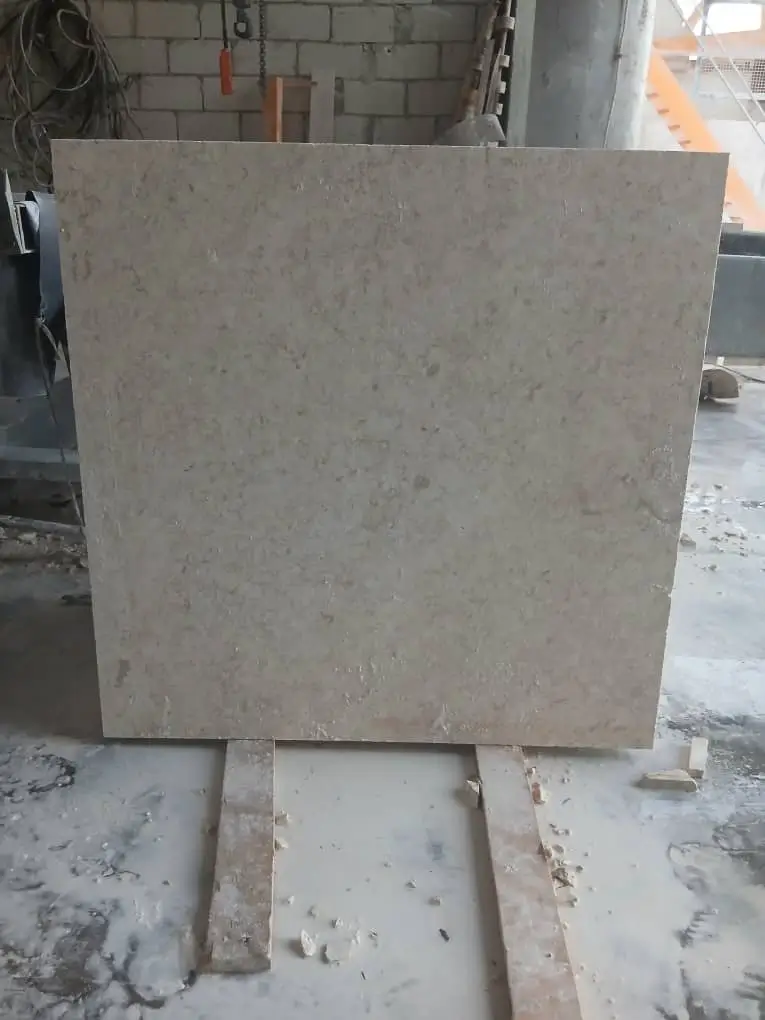
The honest answer to the flagstone patio vs pavers question is that neither material is universally superior — the right choice depends on what you’re actually building, who will use it, and what the site conditions demand. Flagstone wins on authenticity, thermal performance, longevity in stable soil conditions, and design flexibility for naturalistic or high-end architectural settings. Manufactured pavers win on dimensional consistency, installation speed, repairability, and performance in frost-heave-prone soils where a flexible interlocking system outperforms a rigid or semi-rigid stone installation.
At Citadel Stone, we consistently recommend flagstone for projects where the material is a design centerpiece — covered outdoor rooms, formal garden terraces, and architectural patios where the stone needs to carry visual weight. For utilitarian backyard patios with heavy furniture, dogs, and regular family use, the maintenance simplicity of a well-installed paver system is often the more pragmatic choice. The specification that performs best over 20 years is the one that was right for the actual project conditions, not the one that looked best in the material sample.
- Informal garden patio with planted joints and light foot traffic: dry-laid irregular flagstone in limestone or bluestone
- Formal outdoor dining area with heavy furniture and potential vehicle encroachment: mortar-set cut flagstone over concrete slab or interlocking concrete pavers
- High freeze-thaw exposure with expansive clay soil: interlocking concrete or natural stone pavers on a deep compacted aggregate base with full-perimeter edge restraint
- Pool surround or wet-area patio: tumbled limestone or travertine flagstone — the natural surface texture provides traction, and the material stays cooler underfoot than concrete alternatives
- Covered outdoor room or screened porch extension: mortar-set flagstone over concrete delivers the best dimensional stability and allows tighter grout joints
Moving Forward with the Right Patio Material
Getting the flagstone patio vs pavers decision right means resolving the structural and code variables first, then letting material character guide the final selection. Confirm your frost line depth and soil bearing capacity, get your base specification in front of your contractor before materials are ordered, and verify warehouse availability on your preferred stone — natural flagstone inventory moves seasonally, and sourcing delays have a way of compressing installation schedules at the worst possible moment. Citadel Stone ships natural stone nationwide, which typically brings lead times down to one to two weeks compared to the extended import cycles that specialty stone often requires.
Your long-term satisfaction with either material comes down to installation quality far more than product selection. A well-installed concrete paver patio will outperform a poorly installed flagstone patio every time, and the reverse is equally true. As you think through related stone applications for your project, understanding how natural stone holds up over years of outdoor exposure is worth exploring — how limestone ages in outdoor settings covers the weathering process in detail and can inform your long-term expectations for both flagstone patio designs and paver installations alike. For patios in hot, dry climates, Citadel Stone flagstone generally retains less surface heat than concrete-based paver alternatives.
Related reading: crushed limestone patio comparison.