




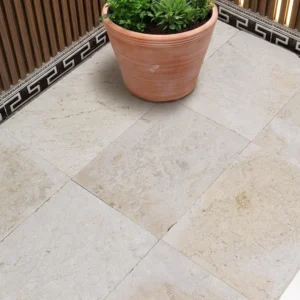
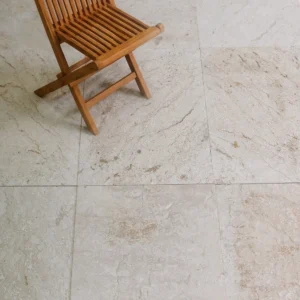
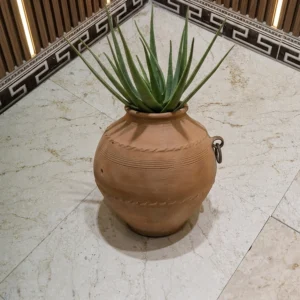
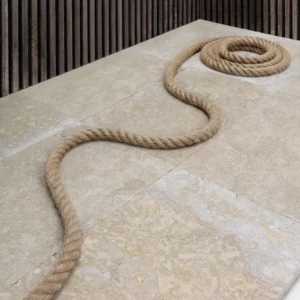
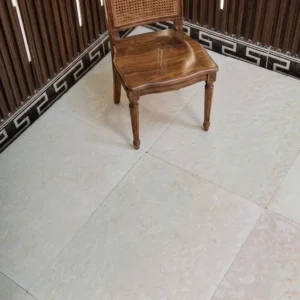
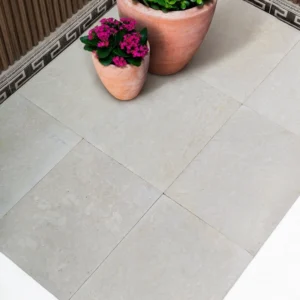
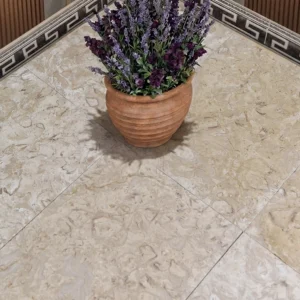
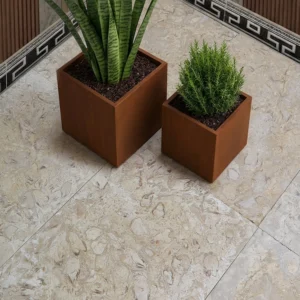

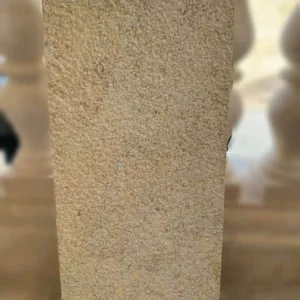

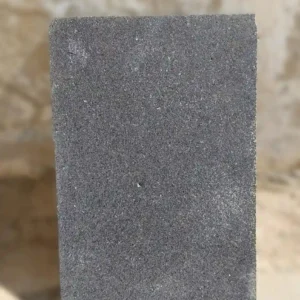
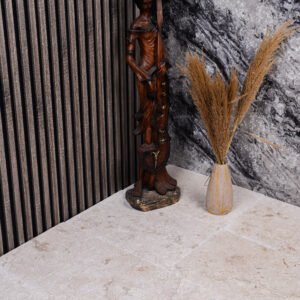
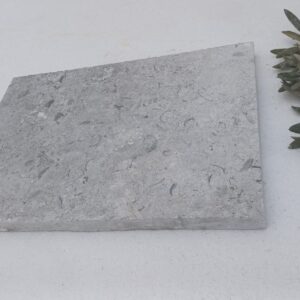
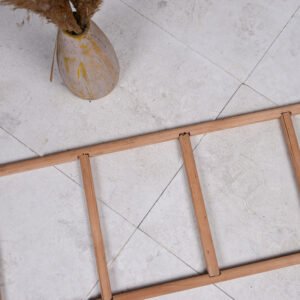

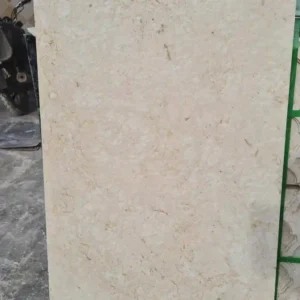
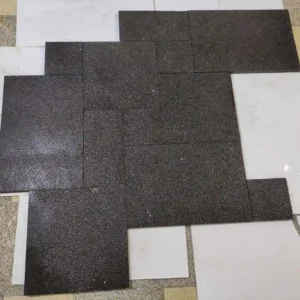
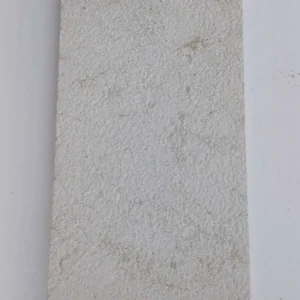
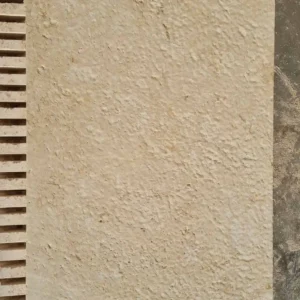
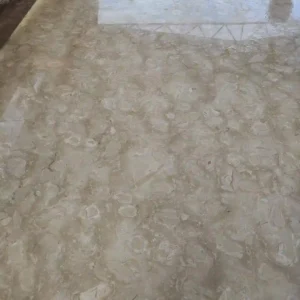
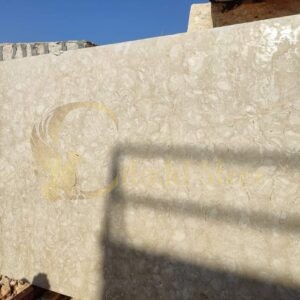
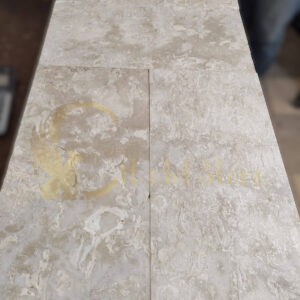
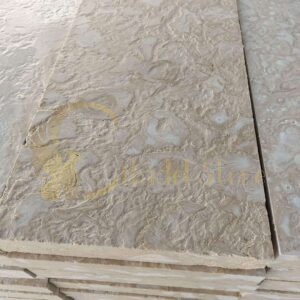
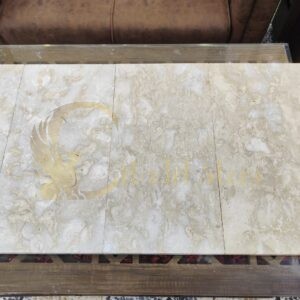
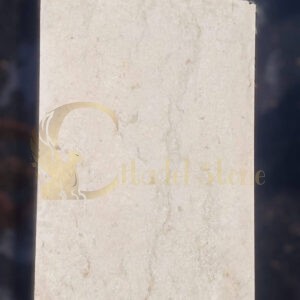
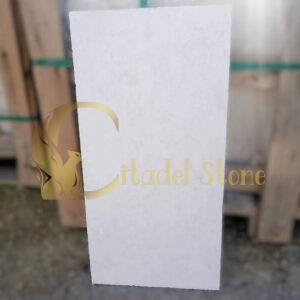
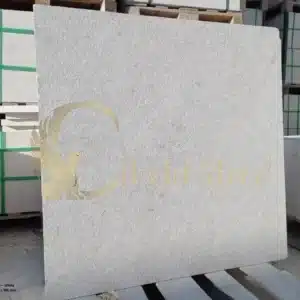
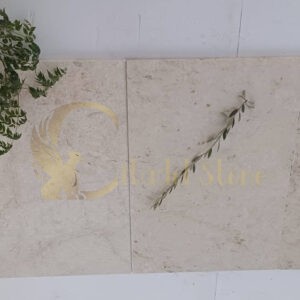

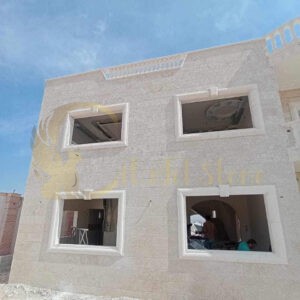
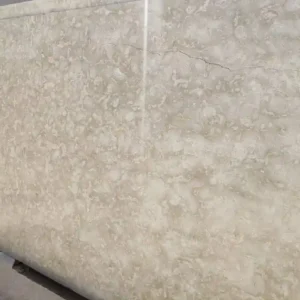


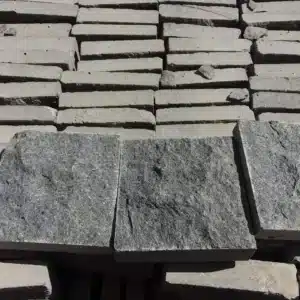
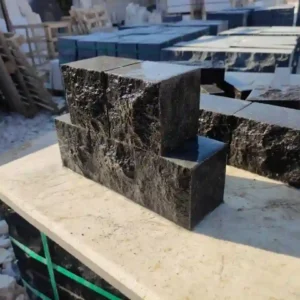
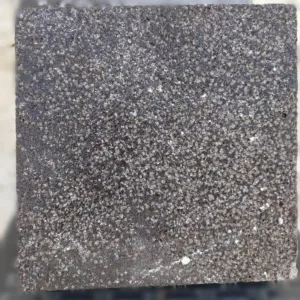
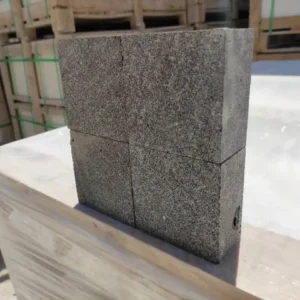
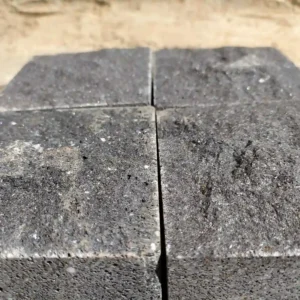
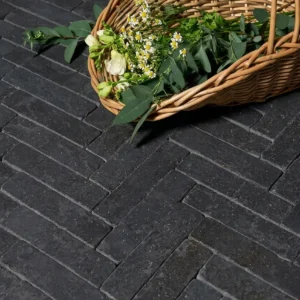
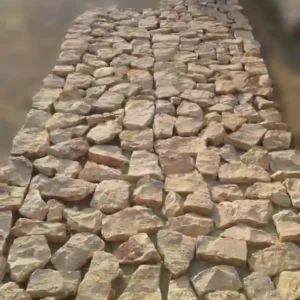


The compressive strength window for quality Travertine Stone is wide, because density and fill quality vary from block to block, and that spread is exactly why you can’t spec Travertine Stone by name alone. You have to know the density grade, the fill method, and the finish before you commit a single pallet to a project. Get those three variables right and you’ll see installations hold up through decades of thermal cycling and mechanical stress; get them wrong and you’ll be patching spalled edges within five seasons. What follows is the working detail that separates a durable specification from a hopeful one.
What Density Grades Actually Tell You About Performance
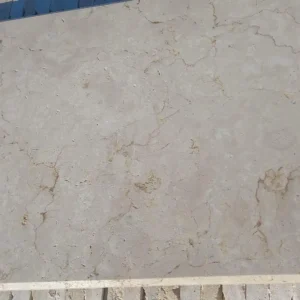
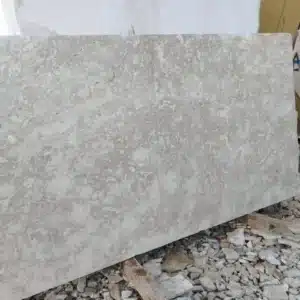
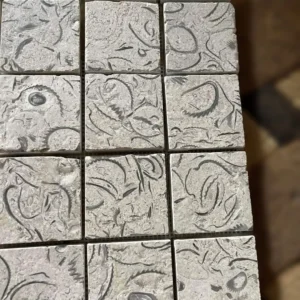
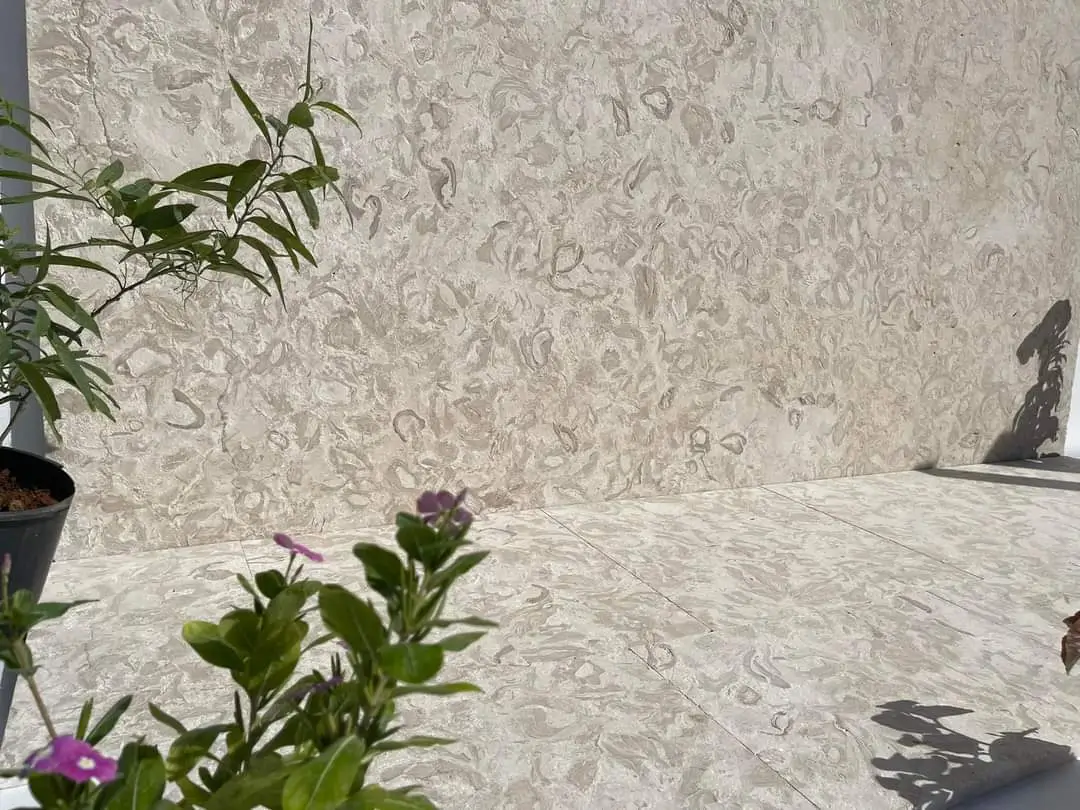
Travertine forms through mineral deposition around springs, and that process leaves the characteristic voids you see running through every slab. The density grade you select controls how those voids behave under load. A commercial-grade select with tight, well-distributed porosity handles freeze-thaw far better than a premium-looking piece riddled with large cavities near the surface.
You’ll find the market sorts material into loose tiers that reflect void frequency and fill quality rather than any single national standard. According to ASTM travertine dimension stone specifications, absorption and density testing give you the defensible baseline for exterior classification — request those numbers before you approve a grade for outdoor use.
- Premium select: minimal surface voids, tightest structure, best for high-traffic and freeze-prone zones
- Standard commercial: moderate voids, reliable for patios and covered areas with proper fill
- Rustic/character grade: pronounced voids, ideal for feature walls where load is minimal
- Vein-cut versus cross-cut: vein-cut exposes linear layering with different slip behavior than the flower-pattern cross-cut
At Citadel Stone, we inspect each inbound batch for void consistency at the warehouse before it moves to fulfillment, because two pallets of the same nominal grade can vary enough to matter on a visible surface. You can request density and absorption specifications from our team before committing to a format. This grading discipline is what separates dependable travertine suppliers from vendors who ship on origin marketing alone.
Fill Methods and Why They Decide Longevity
Here’s what most specifiers miss: the fill in a travertine surface isn’t cosmetic — it’s structural insurance. Factory-filled travertine gets its voids packed with resin or cementitious compound at production, while unfilled or field-filled material leaves those cavities open for water intrusion. In freeze-thaw regions, an unfilled void that traps water becomes an ice wedge that cracks the stone from the inside.
Your decision between filled and unfilled comes down to environment and maintenance appetite. Filled surfaces resist water penetration and wind-driven grit far better, which matters when storm events drive debris across a horizontal surface at speed.
- Factory resin fill: most durable, color-matched, resists both moisture and abrasion
- Cementitious fill: cost-effective, slightly more porous, benefits from sealing
- Unfilled travertine tiles: authentic texture, requires diligent sealing and drainage planning
- Field-filled repairs: acceptable for touch-ups, never a substitute for factory fill on new work
You should verify fill type with your supplier in writing. When you order travertine pavers wholesale for a large deck, a mixed-fill delivery will show up as uneven weathering within two winters — a problem no amount of sealing corrects after the fact. Buying travertine pavers wholesale from a single documented lot is the only reliable defense against that outcome.
Color and Finish Options Across the Range
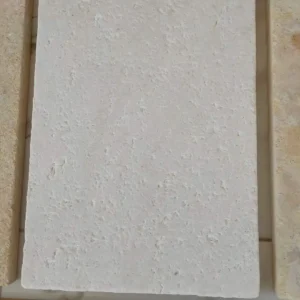
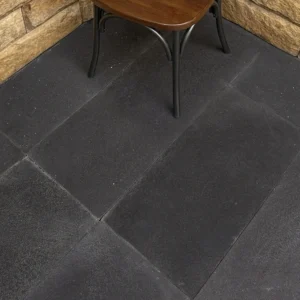
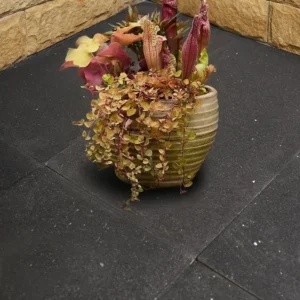
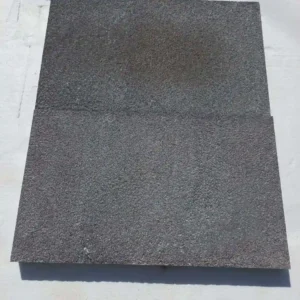
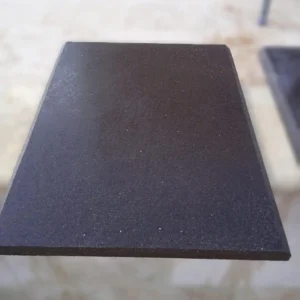
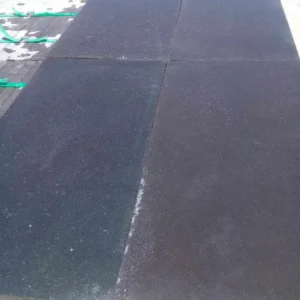
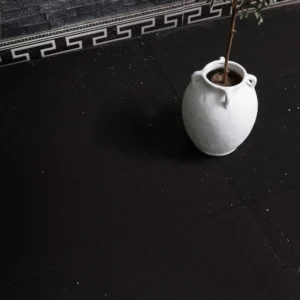
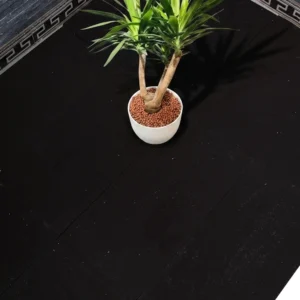
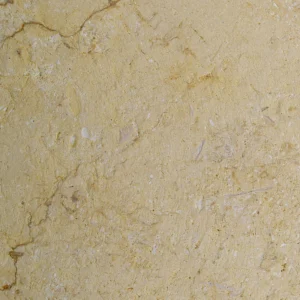
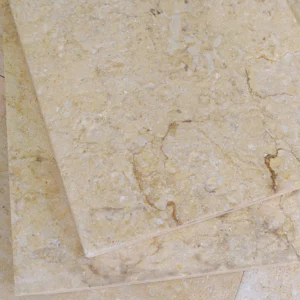
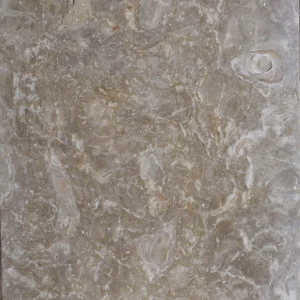
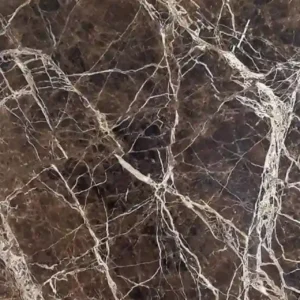
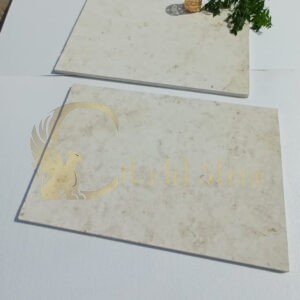
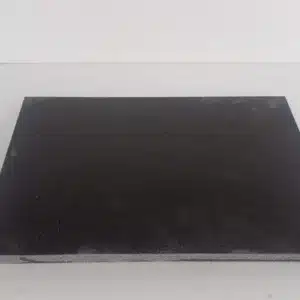
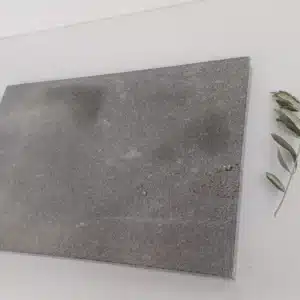
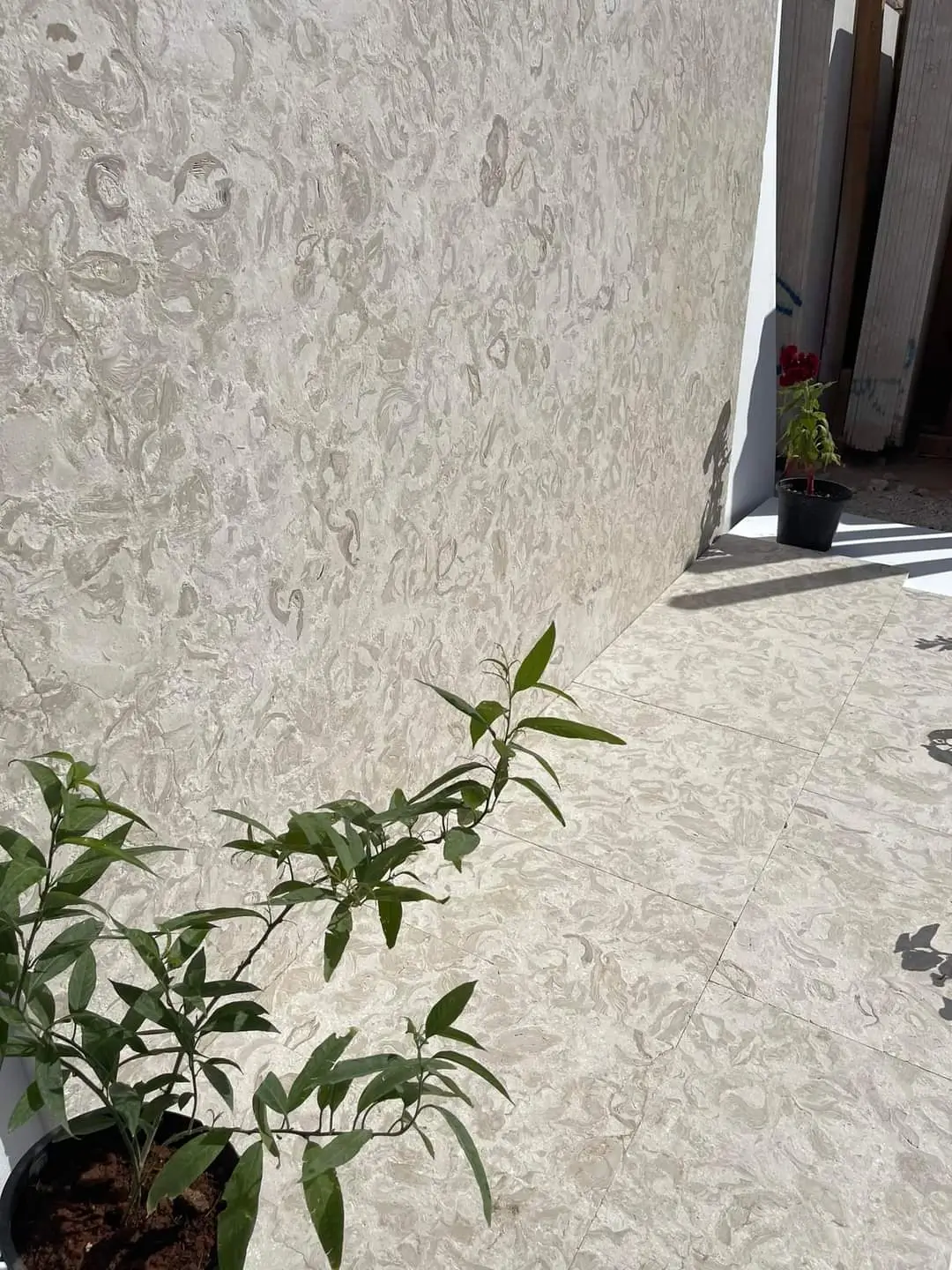
Travertine’s palette runs warmer and more variable than most dense stones, which is both its appeal and its specification challenge. You’ll see ivory, cream, and snow white on the light end, walnut and noce in the mid-range, and silver to charcoal tones in the cooler deposits. Because color ties directly to mineral content and deposition, batch consistency requires you to order from a single lot whenever the surface is continuous.
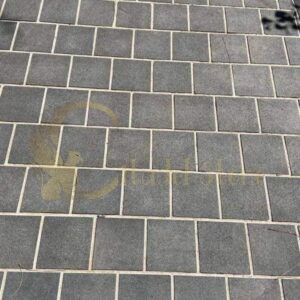
Finish changes both appearance and function. A honed surface reads smooth and contemporary; a tumbled edge softens the look and adds slip texture; a brushed finish splits the difference. For the full spectrum of shades and how they weather over time, travertine stone colors walks through the tonal families in detail, and the same principles apply whether you’re specifying tile or paving. Match your finish to the application before you fall in love with a photograph.
- Honed: uniform matte surface, refined look, spec a slip additive for wet zones
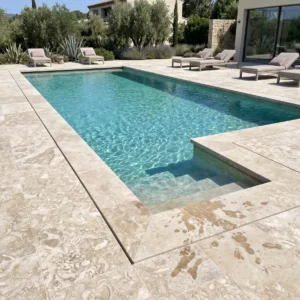
- Tumbled: rounded edges and textured face, strong slip resistance, patio and pool favorite
- Brushed: subtle texture, good for walkway and driveway surfaces
- Polished: reflective, generally reserved for low-traffic interior floors
Available in ivory, cream, walnut, silver, and charcoal tones to match your project palette, and you can request sample tiles from Citadel Stone to confirm color against your other finishes before you buy. Reputable travertine distributors will always supply lot-matched samples rather than generic stock photos.
How Travertine Handles Wind, Storm, and Mechanical Stress
The detail that matters most in storm-prone regions isn’t the stone’s inherent hardness — it’s how you anchor and joint it against uplift and impact. Travertine’s mass works in your favor here; a properly bedded 2-inch paver resists wind lift far better than lightweight alternatives, but the installation method determines whether that mass actually holds during a severe event.
In practice, hail impact tends to chip unfilled surface voids first, which is another argument for factory fill on exposed horizontal surfaces. Wind-driven debris acts like a low-grade abrasive over years, gradually opening any weak fill and rounding sharp edges.
- Mortar-set pavers on a rigid slab resist uplift better than sand-set in high-wind zones
- Sand-set travertine paving stones allow drainage but need tight joint sand at 92-95% capacity to prevent scour
- Wall veneer requires mechanical anchoring, not adhesive alone, where wind loads spike
- Coping and cap pieces need pinned or full-bed setting to survive lateral storm force
For projects where storm debris and freeze-thaw combine, your travertine tiles perform best with factory fill, sealed joints, and drainage that clears standing water within hours, not days. That combination handles the mechanical stress far better than any single measure alone.
Base Preparation That Prevents the Common Failures
Base preparation standards shift with soil composition and expected traffic, and travertine punishes shortcuts here more than denser stones because its lower flexural strength means it can’t bridge settlement voids. Your aggregate base depth should run 4 to 6 inches of compacted crushed stone for pedestrian surfaces, deeper for vehicular loads, over properly graded and compacted subgrade.
In clay-heavy soils the interaction between moisture expansion and rigid stone becomes critical — you’ll want a geotextile separation layer and a drainage plan that keeps water moving away from the bedding. Temperature during installation affects your setting compounds too, so adjust working times when you’re laying in cool or hot conditions.
- Compact base in lifts no thicker than 3 inches for uniform density
- Slope finished surface 1-2% away from structures for drainage
- Spec expansion joints every 15 feet on rigid installations, not the 20 feet generic guides suggest
- Verify subgrade compaction before any aggregate goes down — this is where most callbacks originate
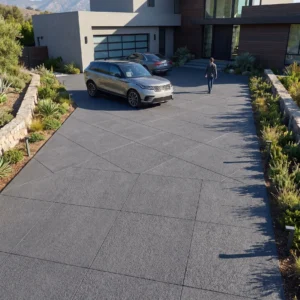
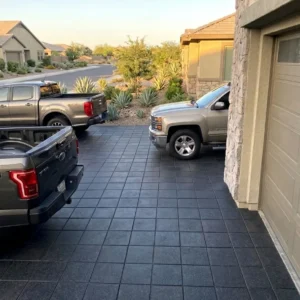
When specifying travertine pavers for a driveway, your base depth and edge restraint carry the point loads, not the stone thickness alone. According to Natural Stone Institute travertine performance data, absorption and load behavior tie directly to how you manage moisture at the bedding layer — get the drainage right and the stone does its job.
Choosing Thickness and Format for Your Application
Format selection is where budget and performance meet, and travertine gives you real flexibility if you match thickness to load. A 3/4-inch tile suits interior floors on a solid substrate; a 1.25-inch paver handles pedestrian patios; a 2-inch nominal paver takes the point loads typical of driveways and heavy commercial traffic.
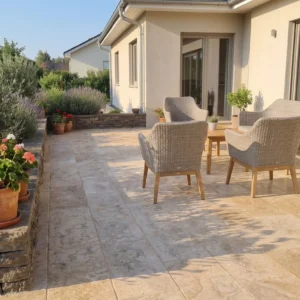
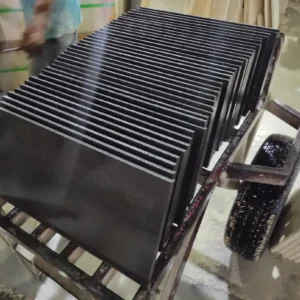
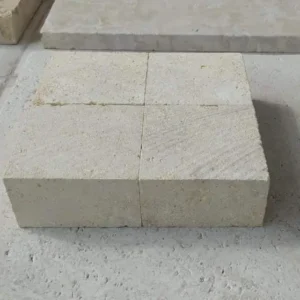
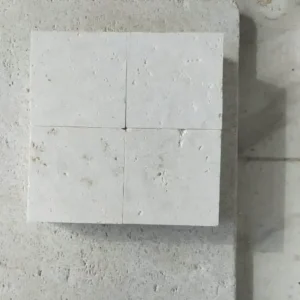
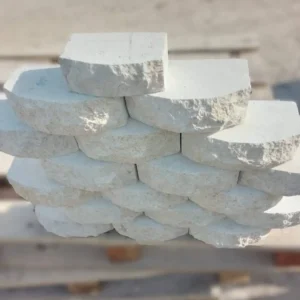
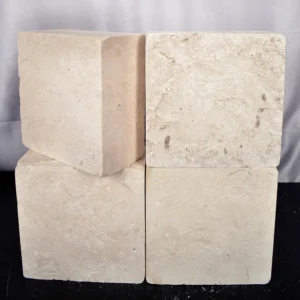
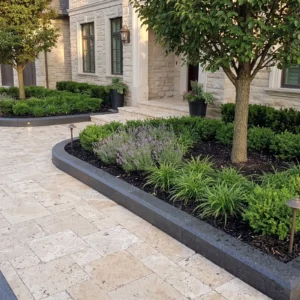
You’ll see travertine offered in tiles, pavers, slabs, coping, and blocks, plus specialty cuts for steps and treads. French pattern sets — a repeating mix of four sizes — remain popular for patios because they break up the visual field and hide minor size variation.
- 3/4-inch tiles: interior flooring over rigid substrate
- 1.25-inch pavers: patios, walkways, pool decks on prepared base
- 2-inch pavers: driveways and vehicular surfaces
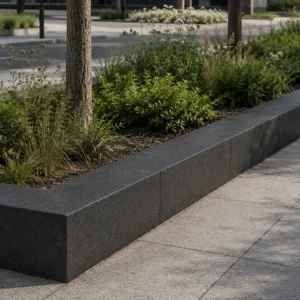
- Coping and bullnose: pool edges and step nosings, spec pinned setting in windy zones
- French pattern sets and random-size layouts for large patio fields
Citadel Stone stocks travertine in standard tile and paver formats and ships nationwide from regional inventory, which typically cuts lead times to 1-2 weeks against the 6-8 week import cycle most projects face. A dependable travertine pavers supplier will confirm format availability and setting recommendations before you finalize your layout, and our team can advise on lead times for custom cuts or non-standard formats.
Sealing and Maintenance for Long-Term Durability
Sealing protocols for travertine differ from concrete maintenance because you’re protecting a porous calcium carbonate surface, not a manufactured one. A penetrating impregnating sealer is your baseline — it lets the stone breathe while blocking water and staining agents. Topical film sealers can trap moisture and cloud over time, so reserve those for interior applications where you want sheen.
Your resealing interval depends on traffic and exposure. Expect biennial resealing on exterior pavers in demanding conditions, less often on protected interior tile. Acidic cleaners are the enemy — they etch the surface and open fresh voids, so stick to pH-neutral products.
- Apply penetrating sealer after installation and full cure, never before
- Reseal every 2 years on exterior surfaces, more often in freeze-thaw regions
- Clean with pH-neutral products only — vinegar and citrus etch travertine
- Address fill loss promptly with matching compound to prevent water intrusion
You can expect 20-30 year performance from a filled, sealed exterior travertine surface with proper drainage and biennial maintenance. Skip the drainage or the sealing and you’ll compress that window considerably. Sourced from established quarry partners across the Mediterranean and selected quarries from the Middle East, each Citadel Stone batch is inspected for consistency before it reaches your site.
Sourcing, Remnants, and Working With Reliable Supply
What often gets overlooked in sourcing is lot consistency across a project that spans multiple deliveries. Travertine’s natural variation means two orders placed months apart can differ noticeably in tone and void pattern, so you’ll want to reserve enough material from a single lot to complete continuous surfaces plus a 10-15% overage for cuts and future repairs.
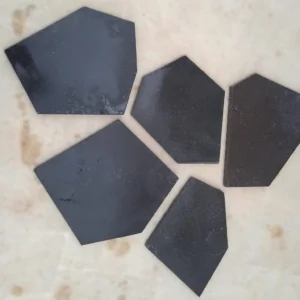
Travertine remnants have a real place in your planning — they’re cost-effective for small features, step treads, hearths, or repair stock, and buying travertine remnants from the same tonal family as your main order keeps future patches from standing out. For buyers evaluating turkish travertine suppliers or peruvian travertine suppliers, the practical difference usually comes down to available tones and consistent grading rather than dramatic performance gaps.
- Order 10-15% overage from a single lot for continuous surfaces
- Keep travertine remnants from your main lot as matched repair stock
- Confirm grade, fill, and finish in writing on every purchase order
- Verify warehouse stock levels before locking project timelines
According to USGS data on travertine mineral formation, the deposition process that gives each region its character also explains why grading matters more than origin marketing. Comparing turkish travertine suppliers against peruvian travertine suppliers is far less useful than reviewing documented grades and honest fill disclosure, which is what any serious travertine distributor should provide on delivery day.
Comparing Travertine to Other Stone Options
Travertine occupies a specific niche between soft limestone and dense granite, and understanding that position helps you make the right call. Its calcium carbonate base keeps surface temperatures lower than dark igneous stone in high-UV conditions — a genuine advantage for barefoot pool decks — but it trades some compressive strength for that comfort.
Against granite, travertine loses on raw hardness and gains on warmth, workability, and heat comfort. Against standard limestone, filled travertine often outperforms on freeze-thaw resistance thanks to its packed voids. Your climate and application should drive the choice, not price alone.
- Versus granite: softer, warmer underfoot, easier to cut, lower point-load capacity
- Versus limestone: comparable look, filled travertine handles moisture cycling better
- Versus concrete pavers: natural variation, longer service life, higher upfront cost
- Versus porcelain: authentic texture, requires sealing, better repairability
Working with experienced travertine tile suppliers gives you access to the grading data that makes these comparisons meaningful for your specific site. Whether you’re sourcing through a travertine yard or ordering direct, the specification discipline matters more than the channel — and a well-run travertine yard should still hand you the same absorption and density documentation you’d expect from a large importer, just as capable travertine tile suppliers do.
Request Travertine Stone Pricing — Citadel Stone
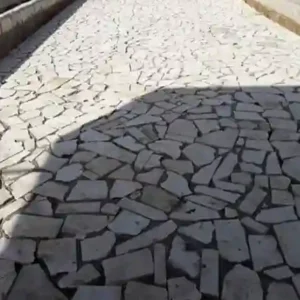
Citadel Stone supplies Travertine Stone in standard tile formats from 12×12 to large-format, pavers in 1.25-inch and 2-inch thicknesses, French pattern sets, coping, and matched travertine remnants for repairs. You can request sample tiles, density and absorption specifications, or fill documentation before you commit to an order. As one of the more established travertine stone suppliers serving projects nationwide, our team handles trade and wholesale enquiries with documented grading and honest lead-time estimates. Standard formats ship from regional inventory in roughly 1-2 weeks, with custom cuts quoted on request. To buy travertine wholesale, request project pricing, or schedule a specification consultation, contact our team with your quantities, formats, and timeline — we’ll confirm current stock and delivery coverage for your location. Ordering travertine wholesale from lot-matched inventory keeps large jobs consistent, and among nationwide travertine stone suppliers that documentation is the real differentiator. Beyond travertine, your project may call for complementary stone features, and irregular flagstone paving options covers another dimension of natural stone specification worth reviewing as you plan. Contractors and designers rely on Citadel Stone Travertine Stone, sourced from quarries across the Mediterranean and Middle East, for commercial work.
See also: what type of stone is travertine.
Related guides: how to clean travertine stone · How to Seal Travertine Stone for Any Climate · Travertine Stone Price Factors Every Buyer Should Know · travertine stone texture guide · Travertine Veneer vs Stacked Stone: Which Fits Your Wall? · Travertine Stone Around Pool: Care and Performance Tips.