

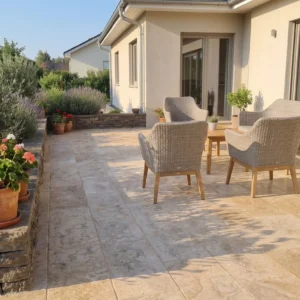





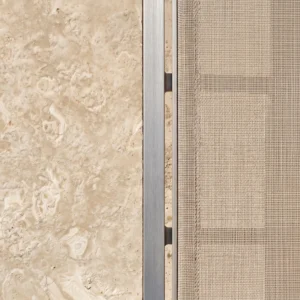

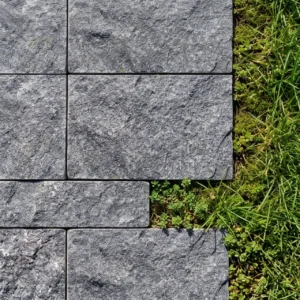
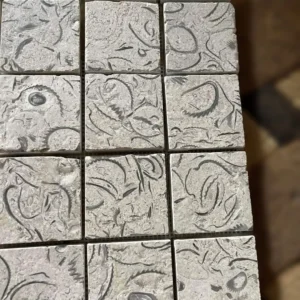
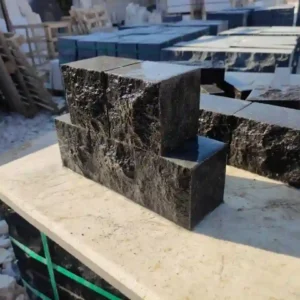
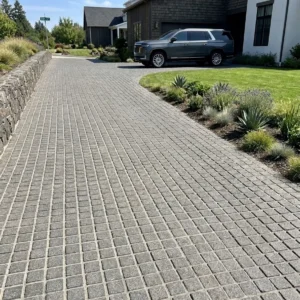
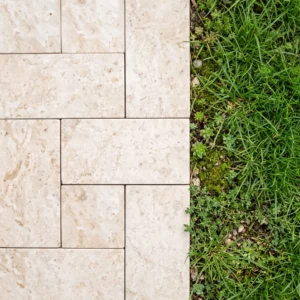

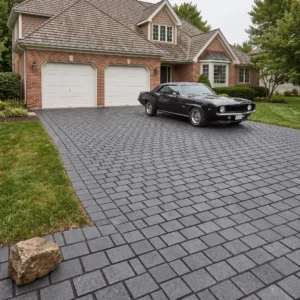
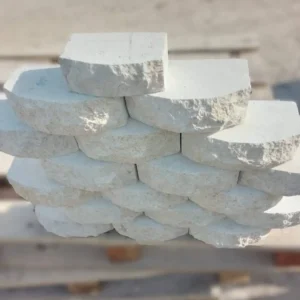
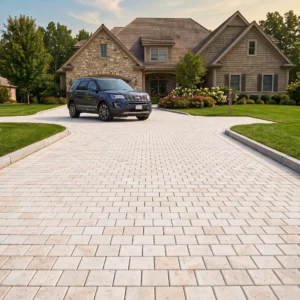
The joint interface between edging and adjacent paving is where most limestone edge installations fail first — not the stone itself, but the transition detail that specifiers rush through. Limestone Edging Pavers give you a dense, wear-resistant border that locks paving fields in place, but their performance depends entirely on how you handle the restraint mechanics beneath them. You’ll find that a properly bedded edge course carries lateral loads that a decorative-only approach never anticipates. That difference determines whether your field pavers creep 2 inches over a decade or stay locked tight.
Here’s what most specifiers miss about edge restraint: the stone’s compressive strength is almost irrelevant compared to how the haunching supports it. Compressive values vary with density and quarry bed, so ask for the test report on the batch you are buying. The real variable is the concrete haunch behind and beneath the edge, which converts point loads into distributed bearing pressure the subgrade can handle without displacement.
What Makes Limestone Work as an Edge Material
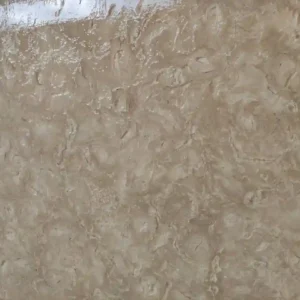
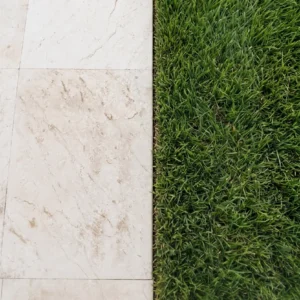
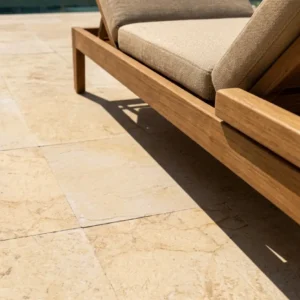
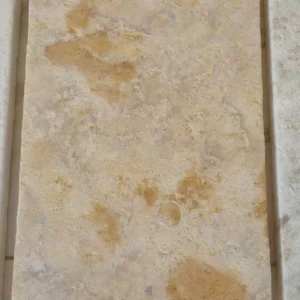
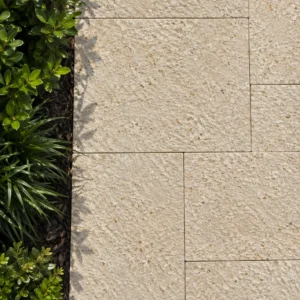
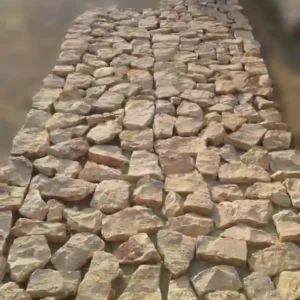
Limestone edging pavers earn their place through a combination of density, workability, and tonal consistency that machine-made alternatives can’t quite match. You get a sedimentary stone that cuts cleanly, holds a crisp arris, and weathers to a stable patina rather than degrading. The interconnected pore structure varies by quarry bed, and that variation directly affects freeze-thaw durability — a factor you should verify before committing to a large order.
- Density varies with the quarry stratum — ask for the measured density on the batch you are buying
- Water absorption varies by quarry bed — lower absorption stone performs better in freeze-thaw regions, so request the absorption result before you order
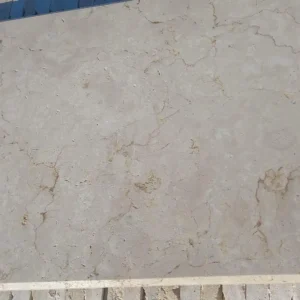
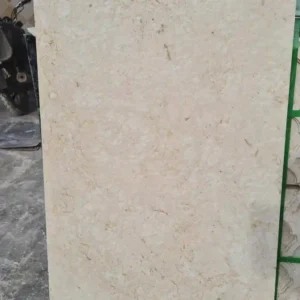
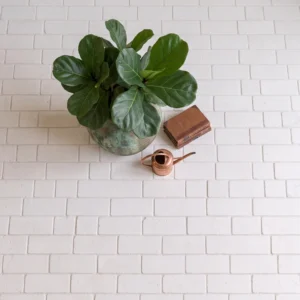
- Even, consistent tone across batches when sourced from a single bed rather than blended lots
- Workable enough for on-site trimming without excessive chipping at the cut face
You’ll notice limestone paving edging holds color better than dyed concrete units, which fade unevenly under UV exposure. According to limestone formation and characteristics, the calcium carbonate matrix that defines this stone forms in stable marine conditions, producing the uniform grain that gives you predictable cutting behavior. At Citadel Stone, we inspect each incoming batch for tonal drift against reference samples before it enters warehouse inventory, because a color mismatch mid-project is one of the most expensive corrections a contractor faces.
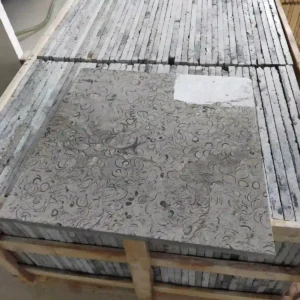
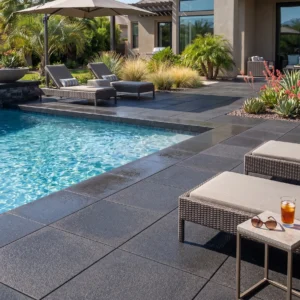
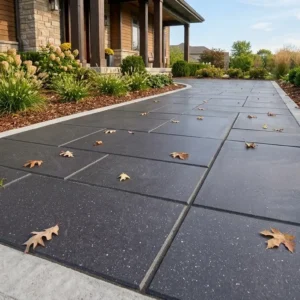
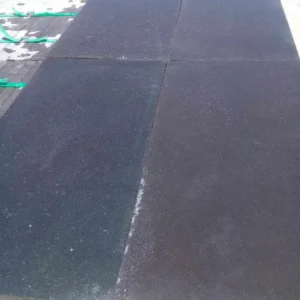
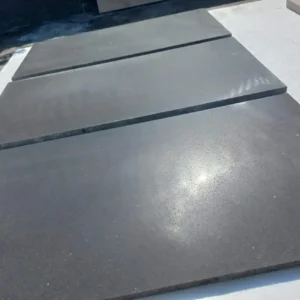
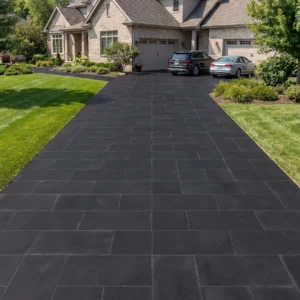
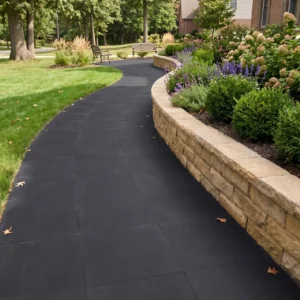
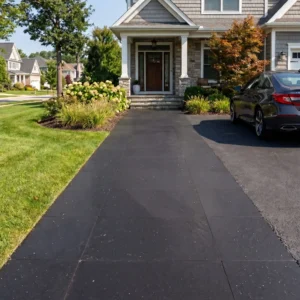
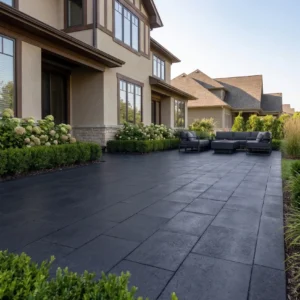
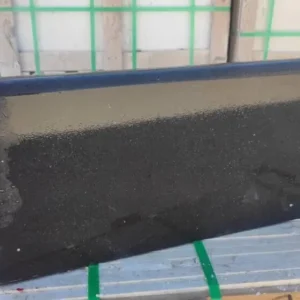
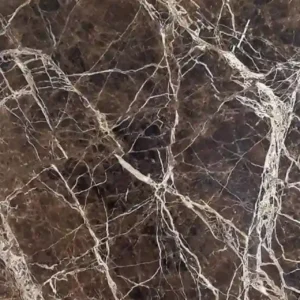
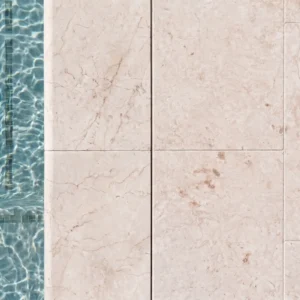
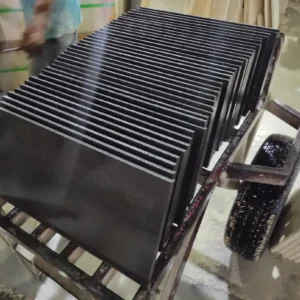
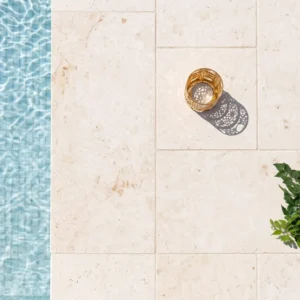
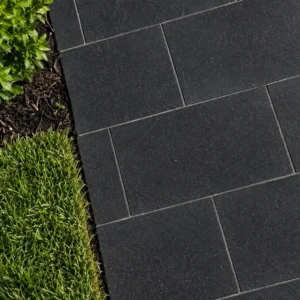
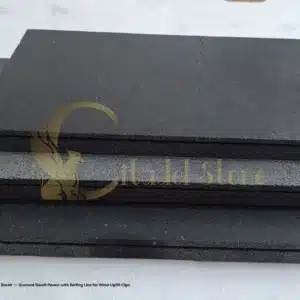
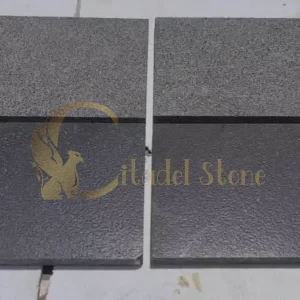
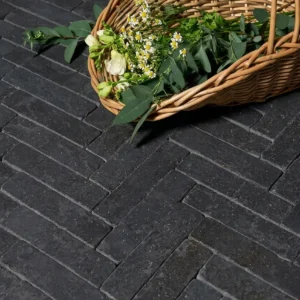
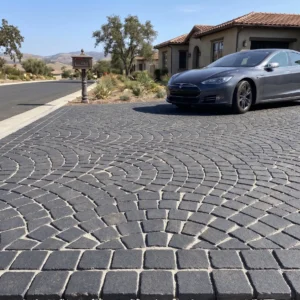
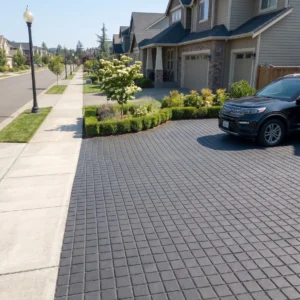
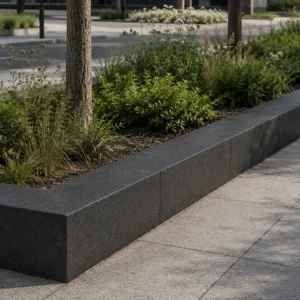
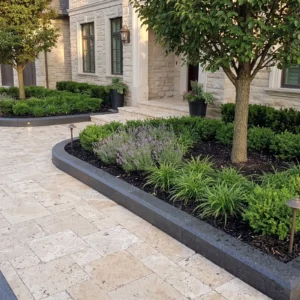
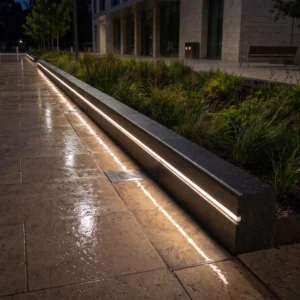
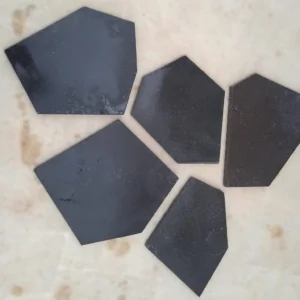
Color options extend well beyond the classic cream and ivory tones. Black limestone edging has become a specification favorite for contemporary hardscapes, delivering a dense, low-absorption stone that frames lighter paving fields with high contrast. You can request sample tiles or thickness specifications from Citadel Stone before committing to a full pallet, which lets you verify tone and finish against your actual site materials.
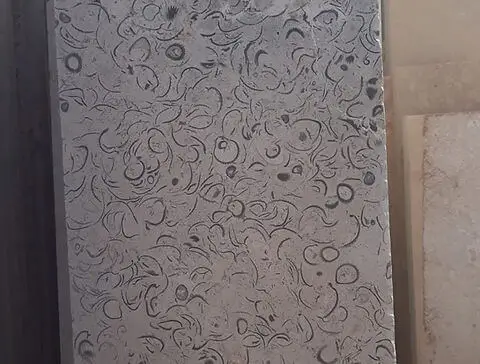
Choosing Color, Finish, and Format for Your Border
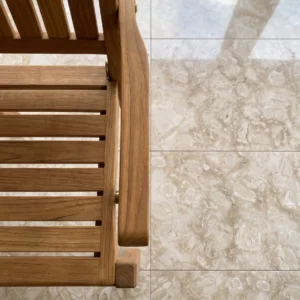
Your finish selection drives both the look and the slip performance of the edge, which matters more than people assume when the edging doubles as a step or a mowing strip you’ll walk on. A tumbled finish softens the arris and adds slip texture; a honed finish reads cleaner but gets slick when wet. Sawn edges give you the tightest joints for a formal appearance. Black limestone edging in a honed finish, in particular, rewards careful joint work because the dark surface shows every misalignment.
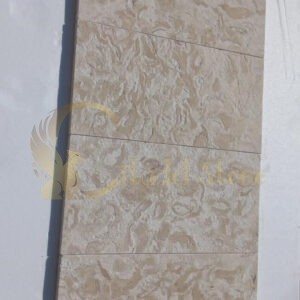
- Tumbled edges — softened corners, better wet grip, forgiving of minor installation misalignment
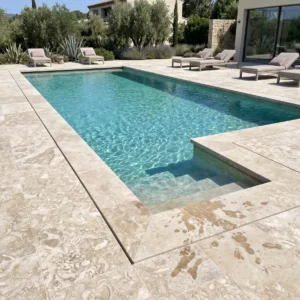
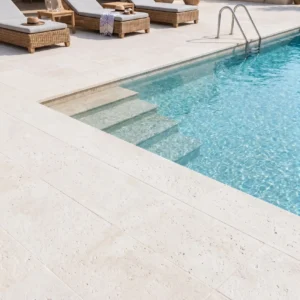
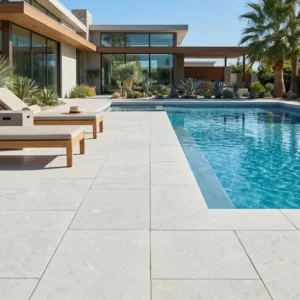
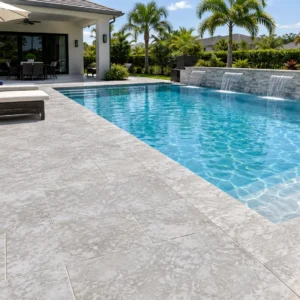
- Honed faces — smooth, refined appearance suited to formal courtyards and pool surrounds
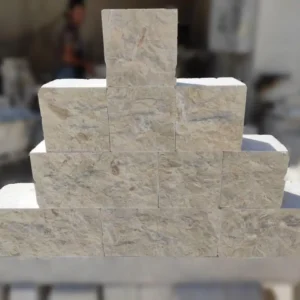
- Sawn six sides — precise geometry for tight-jointed contemporary borders
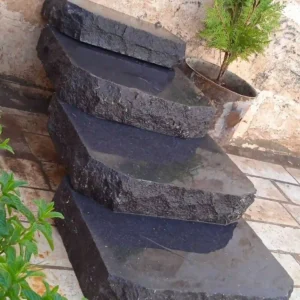
- Bullnose profiles — rounded leading edge ideal where the border transitions to a step or drop
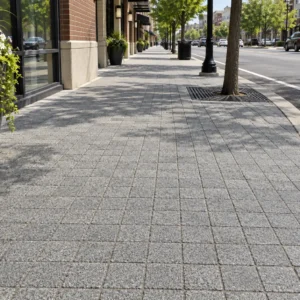
Format matters just as much as finish. Standard edging runs come in lengths from 12 to 24 inches with thicknesses between 1.25 and 2 inches, though heavier-duty applications call for thicker sections. For projects requiring custom cuts or non-standard formats, Citadel Stone’s team can advise on lead times and minimum quantities so your schedule doesn’t stall waiting on fabrication.
Bullnose profiles deserve special attention because they solve a specific detailing problem — the exposed vertical face at a level change. Bullnose edging pairs naturally with limestone bullnose steps, giving you a continuous rounded profile from the tread nose down to the border. That visual continuity is subtle but it’s the kind of detail that separates a considered installation from a builder-grade one. Where limestone bullnose steps meet the border run, you get a seamless read that unifies tread and edge.
Base Preparation and Edge Restraint That Actually Holds
The single most important decision you’ll make is how you restrain the edge, and this is where field experience separates from spec-sheet knowledge. A haunched concrete bedding along the back and base of the edge course converts lateral thrust into bearing pressure. Skip it, and your edging migrates outward under freeze-thaw heave and traffic load.
- Excavate the edge trench 4–6 inches deeper than the paving base to accommodate the haunch
- Bed the edge on a semi-dry concrete mix, not wet slurry, so it holds line during placement
- Haunch the concrete up the back face to roughly one-third the stone height
- Allow the haunch to cure before backfilling against it — 48 hours minimum in mild conditions
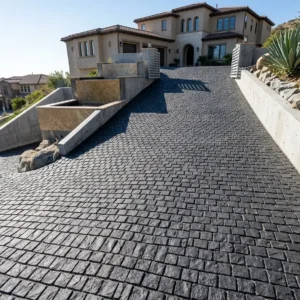
Terrain and elevation change the math considerably. On sloped sites, your edge restraint fights gravity in addition to lateral spread, so the haunch has to resist downslope creep across the entire run. What often gets overlooked is how varied terrain affects drainage behind the edge — water follows the path of least resistance, and a poorly detailed edge becomes a dam that saturates the base above it. You’ll want to introduce weep points or a gravel drainage channel behind the haunch on any grade steeper than 3%.
Soil composition compounds the challenge. In clay-heavy subgrades, the interaction between seasonal moisture swelling and the concrete haunch becomes critical — expansive clays exert enormous pressure and can shift an inadequately bedded edge. For guidance on complementary border detailing across changing grades, bullnose limestone edging explained covers profile specifications that apply directly to sloped-site conditions, so review it before you finalize the restraint detail. Getting the drainage and restraint right at this stage prevents the most common long-term failures you’ll see on hillside installations.
Landscape architects increasingly specify permeable detailing behind edge courses to manage runoff. According to landscape edging and border stone design guidance, integrating drainage into hardscape borders reduces the hydrostatic load that undermines rigid edge restraint over time.
Drainage Strategy for Varied Terrain and Elevation
Depending on your base conditions, drainage behind the edge can make or break a long-run installation more than any material property. On terraced sites and stepped gardens, each elevation change is a potential water trap where the edge acts as a barrier. You need to think of the edge as part of the drainage system, not separate from it.
- Install a gravel drainage channel behind the haunch on any run that intercepts surface flow
- Slope the base beneath the edge slightly toward field drains, never toward the edge face
- Add weep holes through the haunch at low points on retaining-style edges
- Account for how upslope catchment volume increases at the base of longer grades
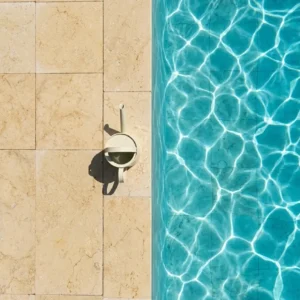
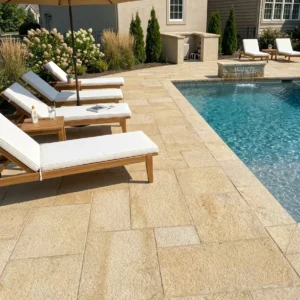
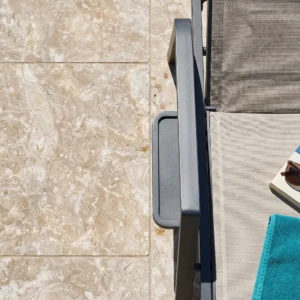
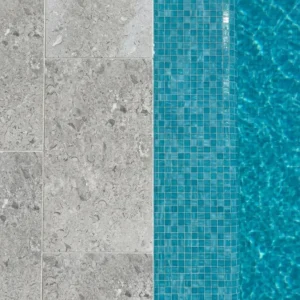
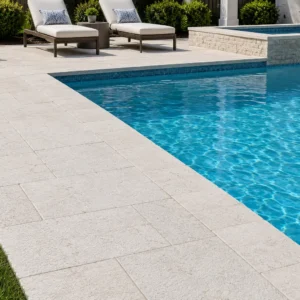
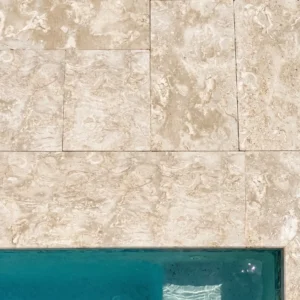
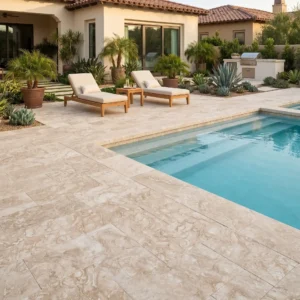
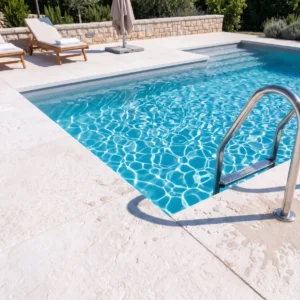
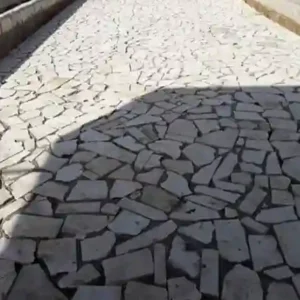
For limestone decking applications where the edge borders a raised deck or pool, the drainage detail carries extra weight because standing water at the joint accelerates efflorescence and staining. You’ll get better results specifying a slightly open joint at the edge-to-field transition, backed by a permeable bedding layer that lets trapped moisture escape rather than pooling. On limestone decking around water features, that open-joint detail is the difference between a dry substructure and a saturated one.
Black limestone stepping stones set into a gravel or planted edge zone give you both drainage and a functional path in one detail — the gaps between stones allow infiltration while the stones themselves handle foot traffic. Using black limestone stepping stones this way works especially well on gentle slopes where a continuous hard edge would concentrate runoff into erosive channels.
Matching Thickness to Load and Application
Your thickness selection should follow the load, not the aesthetic. A decorative garden border and a vehicular-adjacent kerb face completely different demands, and specifying the same 1.25-inch section for both is a mistake that shows up within a season.
- Garden and planting borders — 1.25 to 1.5 inch sections handle foot traffic and light restraint
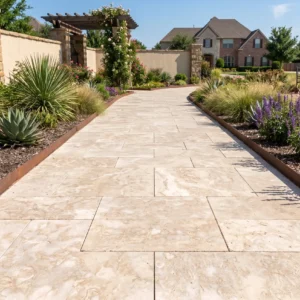
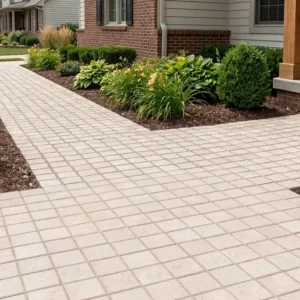
- Path and patio perimeters — 1.5 to 2 inch sections resist mower and pedestrian loads
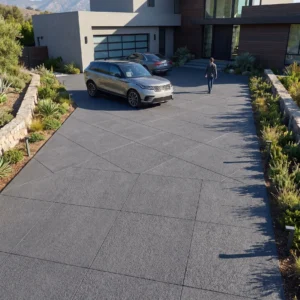
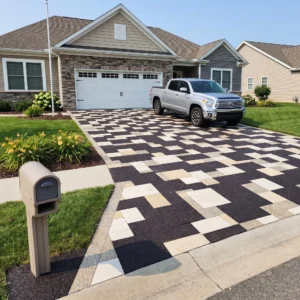
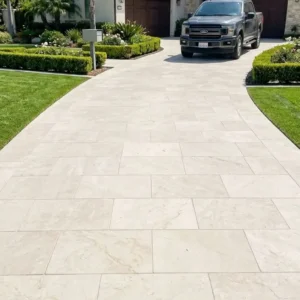
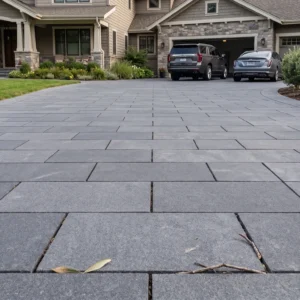
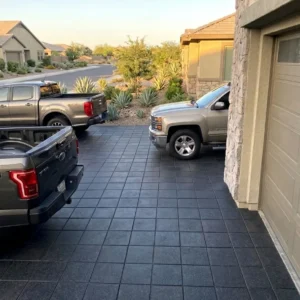
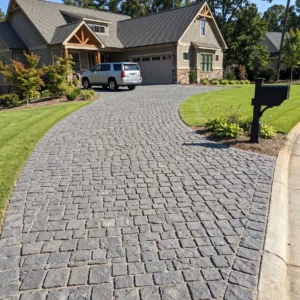
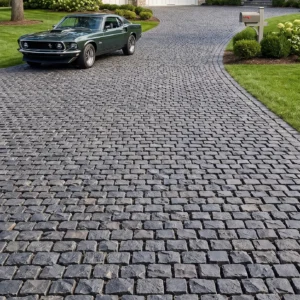
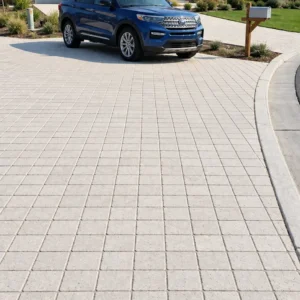
- Driveway-adjacent edges — 2.5 inch or thicker, fully haunched, to take occasional wheel loading
- Step nosings and level changes — thicker bullnose sections for edge impact resistance
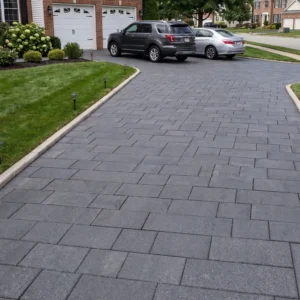
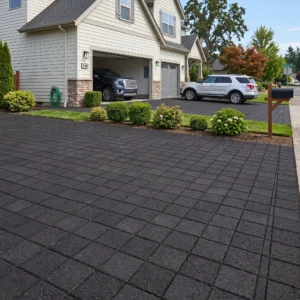
Field data on limestone paving edging across varied climates shows that under-specified thickness fails at the arris first — the leading edge chips and spalls under repeated point loads. When you specify limestone edging pavers for a driveway perimeter, the combination of adequate thickness and full haunching matters more than the stone grade itself. According to USGS dimension stone data, thickness and bedding depth are the primary variables governing dimension stone performance in traffic-adjacent applications.
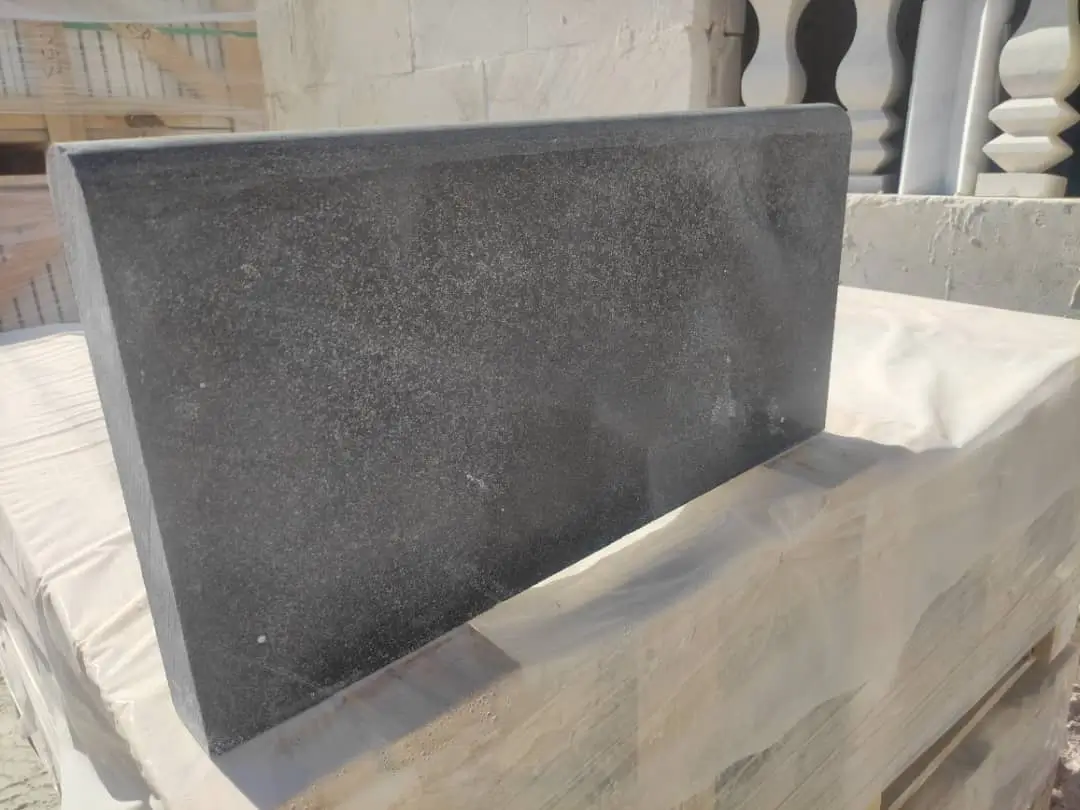
Sealing and Long-Term Maintenance
Sealing protocols for limestone edging differ from field paving because the edge sits at the wet-dry interface where moisture cycles most aggressively. You’ll want a breathable penetrating sealer rather than a film-forming topical product, because film sealers trap moisture behind the edge and accelerate spalling.
- Apply a penetrating impregnating sealer that reduces absorption without forming a surface film
- Reseal every 2 to 4 years depending on exposure, foot traffic, and freeze-thaw cycling
- Clean efflorescence with pH-neutral products — acidic cleaners etch the calcium carbonate surface
- Inspect haunch joints annually and repoint any gaps before water infiltration spreads
The maintenance reality is honest and worth stating plainly: you can expect 20 to 30 years of service from properly bedded limestone edging with biennial resealing and drainage upkeep. Neglect the drainage and that number drops sharply, especially in freeze-thaw regions where saturated stone fails from the inside out. The stone rarely fails on its own — the water management around it determines its lifespan.
How Limestone Edging Compares to Other Options
The material performs differently than the concrete and clay alternatives it competes against, and understanding those trade-offs helps you specify with confidence. Concrete edging costs less upfront but fades, chips, and reads as builder-grade within a few years. Granite outlasts everything but costs more and offers fewer tonal options.
- Versus concrete — limestone holds color and detail far longer, at a higher initial cost
- Versus granite — limestone cuts and trims more easily on-site, with warmer tonal range
- Versus clay pavers — limestone offers larger unit sizes and cleaner long runs
- Versus timber edging — limestone eliminates rot and replacement cycles entirely
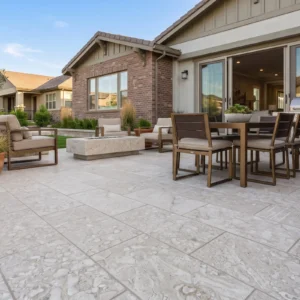
What you’re really buying with limestone edging pavers is longevity paired with a tonal warmth that manufactured products can’t replicate. The consistent, even tone that defines quality limestone reads as intentional and refined, which is why designers keep specifying it for high-value residential and commercial sites where the border detail is visible and permanent.
Buy Limestone Edging Pavers — Get Trade Pricing from Citadel Stone
Citadel Stone stocks Limestone Edging Pavers in standard formats including 12, 18, and 24-inch lengths, thicknesses from 1.25 to 2.5 inches, and finishes ranging from tumbled to sawn and bullnose profiles. You can buy in cream, ivory, and black limestone tones, with sample tiles available before you commit to a full order. For contractors comparing cheap concrete alternatives against a stone that lasts decades, requesting a spec sheet and sample is the fastest way to justify the value.
We maintain warehouse inventory nationwide, which typically reduces lead times to 1 to 2 weeks versus the 6 to 8 week import cycle most projects face. Truck delivery reaches project sites across the country, and for trade and wholesale enquiries, our team can advise on tonnage, custom cuts, and coordinated deliveries to keep your installation schedule on track. To request a quote or discuss specifications for your project, contact Citadel Stone directly.
Getting Limestone Edging Pavers Specifications Right for Your Project
The difference between an edge that holds for decades and one that fails in a few seasons comes down to the details you finalize before the first stone is set — restraint, drainage, thickness, and honest material selection. As you plan your border, larger-format stone can inform how you handle the field paving those edges frame. For a closer look at how bigger units perform in adjacent paving applications, large-format limestone paving options covers another dimension of the same material family worth reviewing. Contractors specify Limestone Edging Pavers from Citadel Stone, a sedimentary stone valued for its even, consistent tone, for residential and commercial sites.
See also: limestone stepping stones guide.
Related guides: curved limestone edging ideas · limestone flower bed edging · Types of Limestone Rock for Edging: A Buyer’s Guide · How Limestone Edging Is Quarried: From Bed to Border · limestone driveway edging · white limestone edging.