



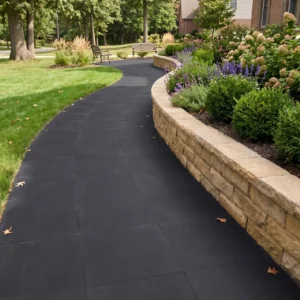
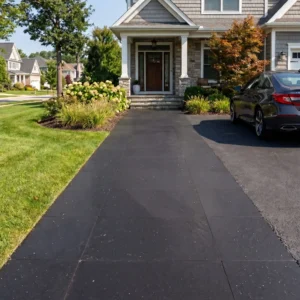
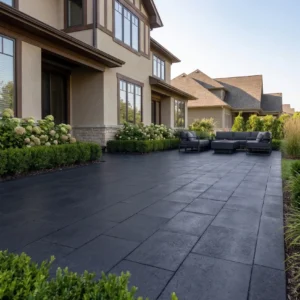



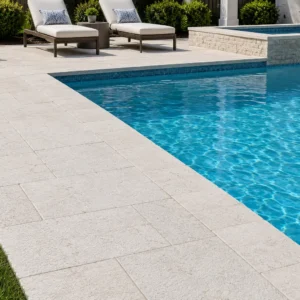
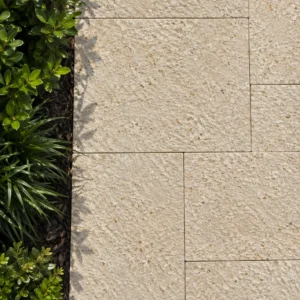
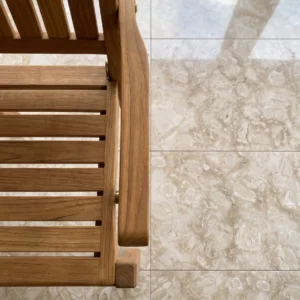
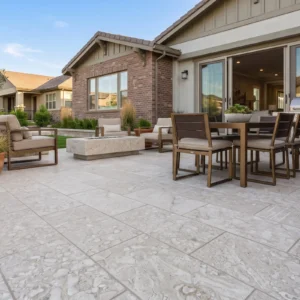
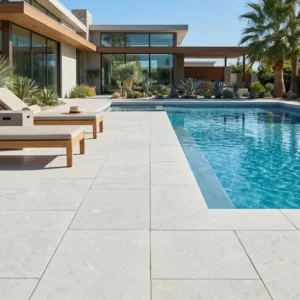
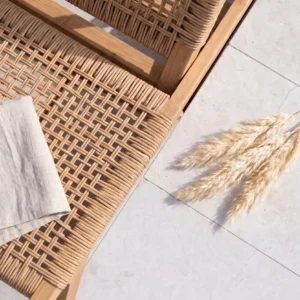
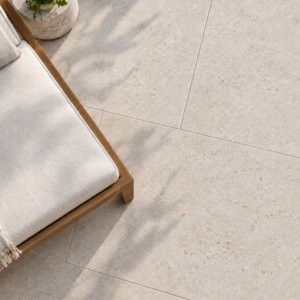
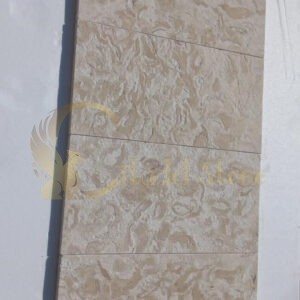

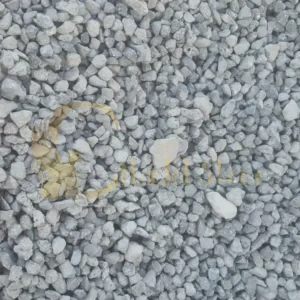
The single biggest predictor of whether a stone slab installation passes inspection isn’t the material grade — it’s whether the slab thickness and bearing detail match the load path your local building official actually reviews. When you’re evaluating stone slabs for sale, you’ll find the technical datasheet tells you compressive strength, but it won’t tell you how that number interacts with your subgrade, your frost line, or the point loads your project imposes. That gap is where most specification errors live, and closing it is what separates a slab that performs for 25 years from one that spalls at the edges within five.
You’re past the stage of wondering whether natural stone is right for your project — you already know it is. What you need now is the working knowledge to specify correctly, order the right formats, and avoid the field failures that cost real money. That’s the ground this guide covers.
What Slab Thickness and Compressive Strength Actually Mean for Your Load Path
Compressive strength ratings for dimension stone vary enormously between softer limestones and dense granites, so ask for the test report on the stone you are actually buying. Here’s what most specifiers miss: that lab number reflects a small, perfectly supported test cube — not a slab spanning an uneven base. Your real-world capacity depends far more on bedding uniformity and slab thickness than on the headline PSI figure.
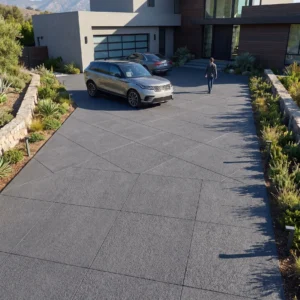
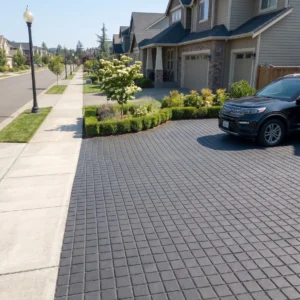
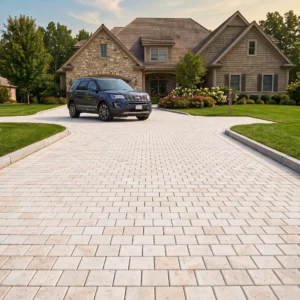
For pedestrian applications, a 1.25-inch nominal slab set on a properly compacted base handles the loads comfortably. Vehicular zones are a different conversation entirely — you’ll want 2-inch minimum, and in some cases 3-inch, depending on axle loads and whether the base can distribute point pressure. Get this wrong and the slab doesn’t crush; it cracks in tension across the underside where an unsupported void lets it flex.
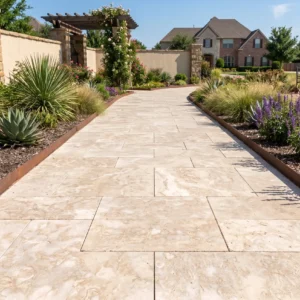
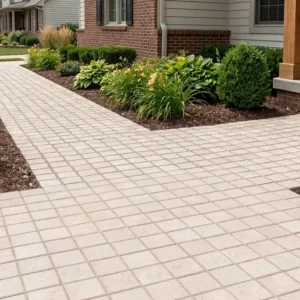
- Pedestrian patios and walkways: 1.25-inch to 1.5-inch nominal thickness over compacted aggregate
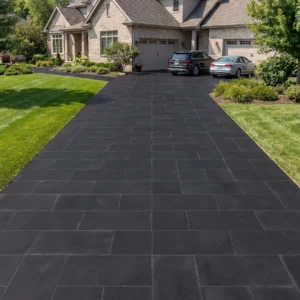
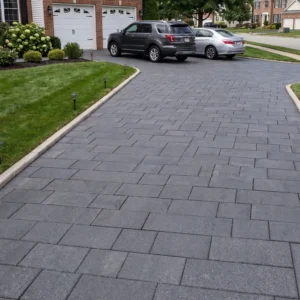
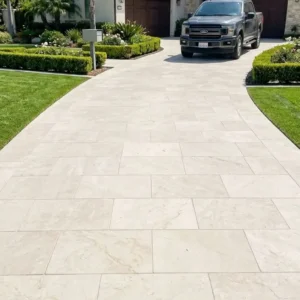
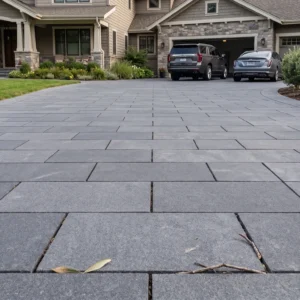
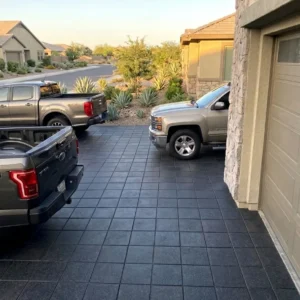
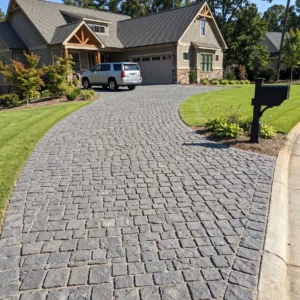
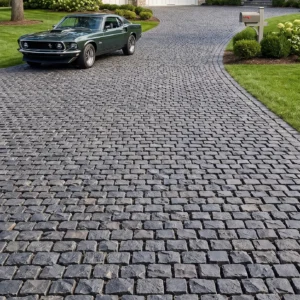
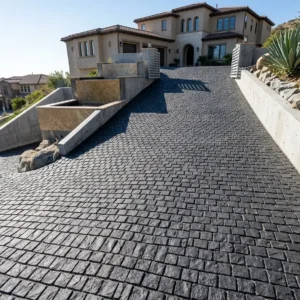
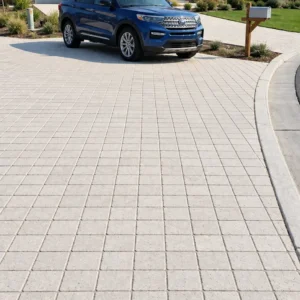
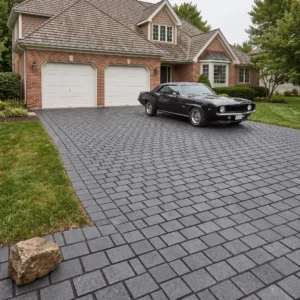
- Light vehicular and driveway zones: 2-inch minimum with reinforced base preparation
- Heavy vehicular or commercial loading: 3-inch slabs with engineered base design
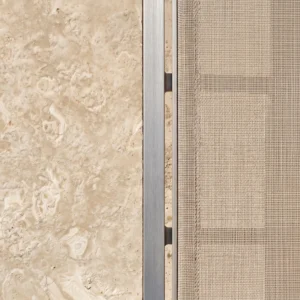
- Wall cladding and vertical veneer: thinner profiles acceptable with proper mechanical anchoring
Federal geological data on dimension stone documents the wide density and strength variation across stone types, which is why matching material to load is a project-specific calculation, not a default. You can review the USGS dimension stone production data for a sense of how varied these material properties genuinely are across quarry sources.
Reading the Color and Finish Options Before You Buy
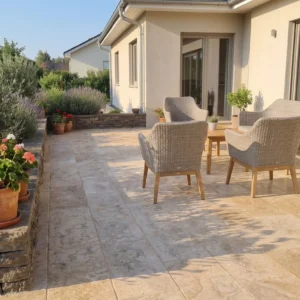
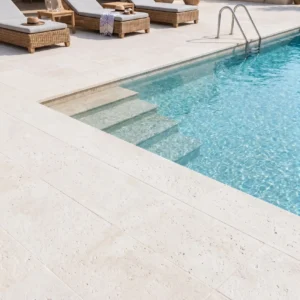
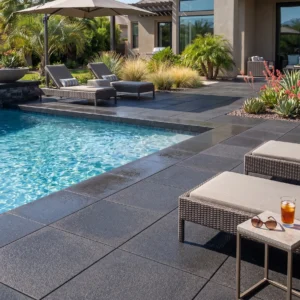
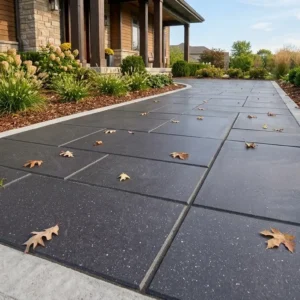
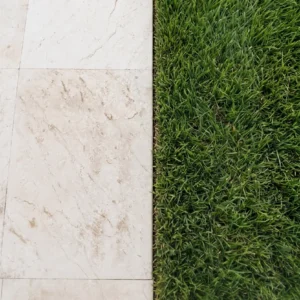
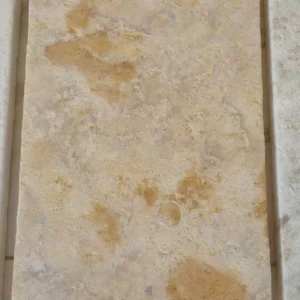
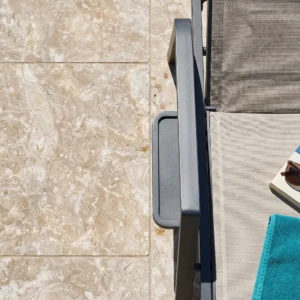
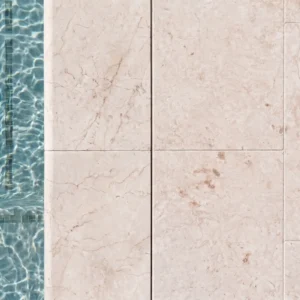
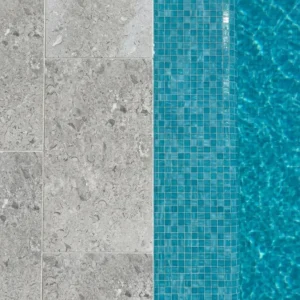
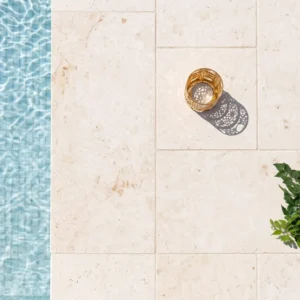
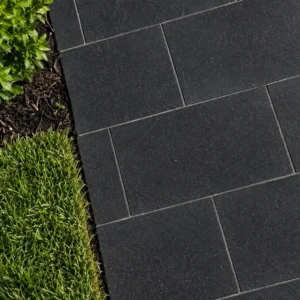
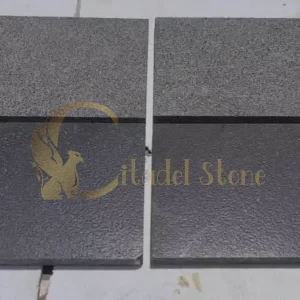
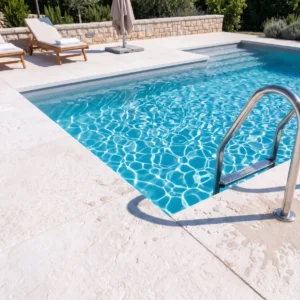
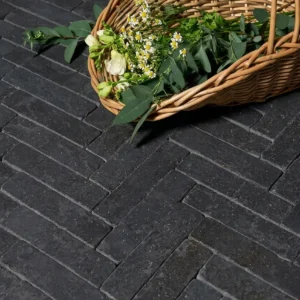
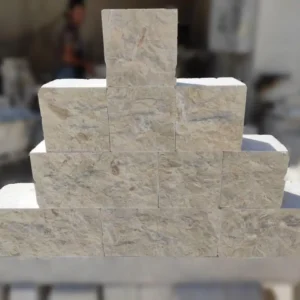
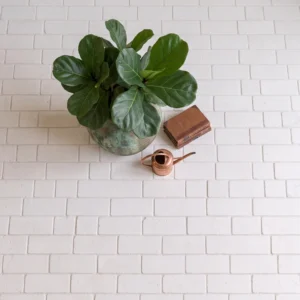
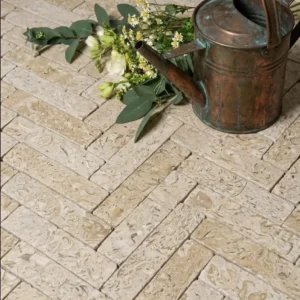
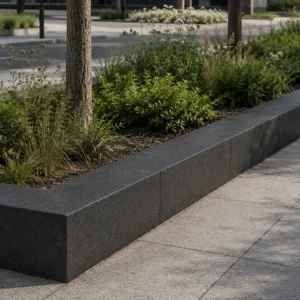
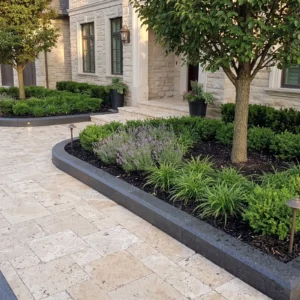
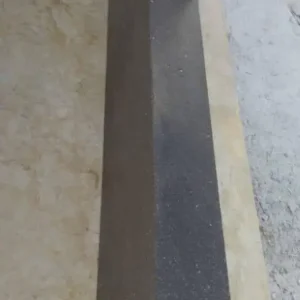
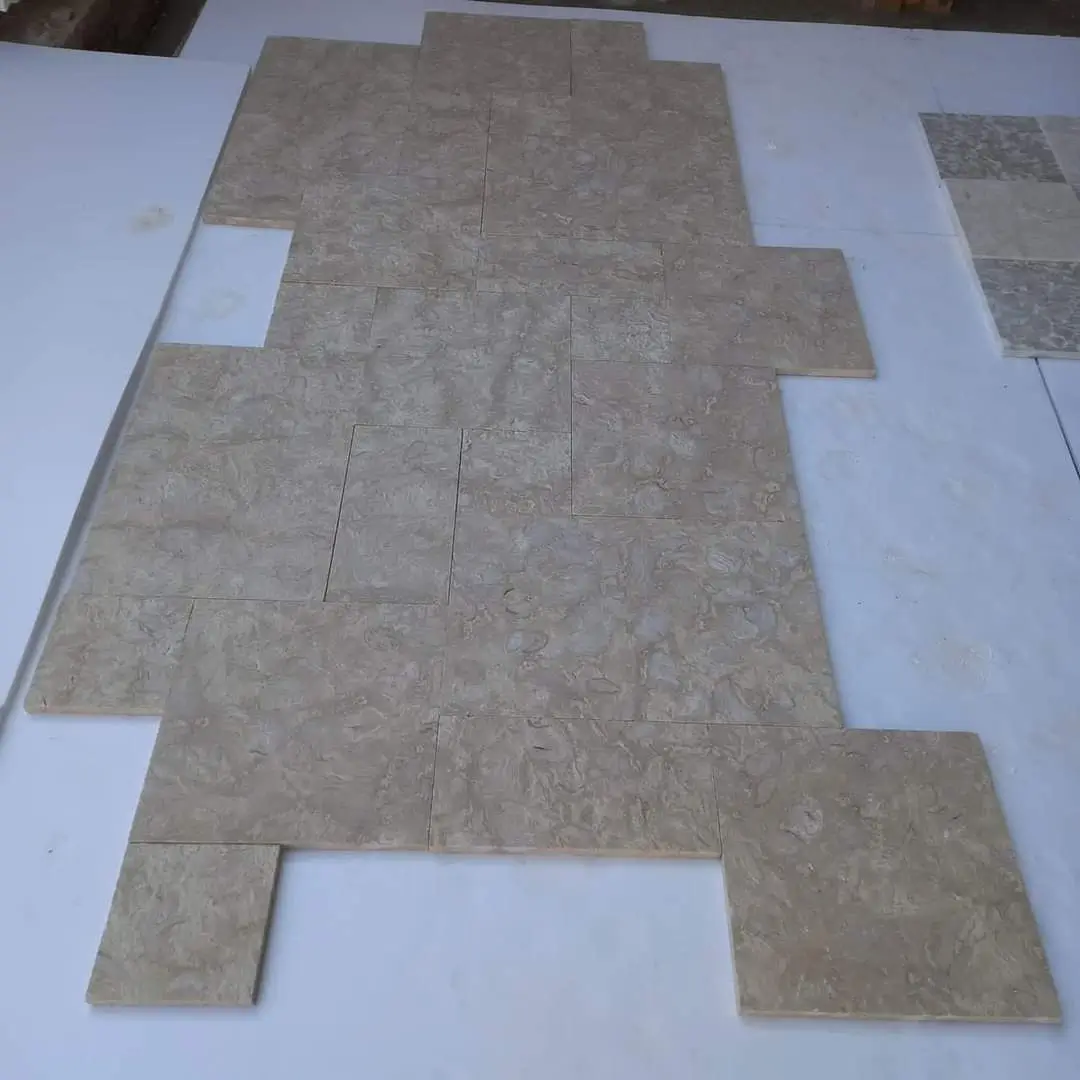
Stone color isn’t a cosmetic afterthought — it drives surface temperature, slip behavior, and how visible your maintenance issues become. The cream and ivory limestone tones reflect solar radiation and stay cooler underfoot, which matters for barefoot zones. Charcoal, graphite, and dark grey stones absorb heat and run noticeably hotter in direct sun, but they hide staining and traffic wear far better.
Your finish selection changes the material’s behavior as much as its look. Here’s the field-tested breakdown you’ll actually use:
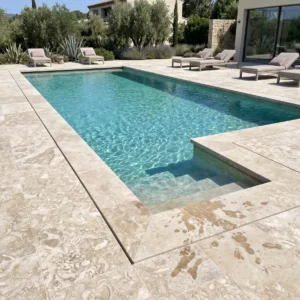
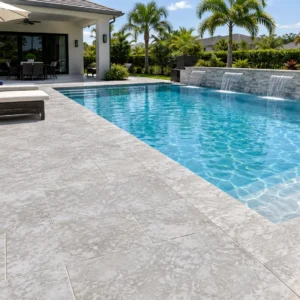
- Tumbled finishes: rounded edges, matte surface, excellent wet slip resistance for pool and walkway zones
- Honed finishes: smooth satin surface, moderate slip resistance, cleaner contemporary appearance
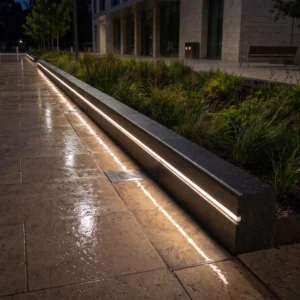
- Polished finishes: reflective and elegant but slick when wet — keep these to low-traffic interior or accent use
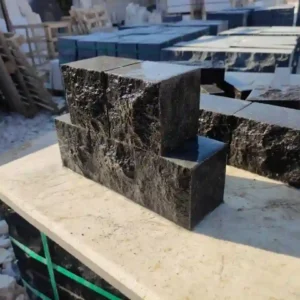
- Brushed and flamed finishes: textured grip for driveways and high-traffic exterior slabs
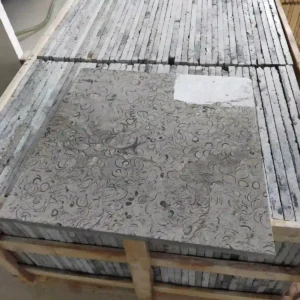
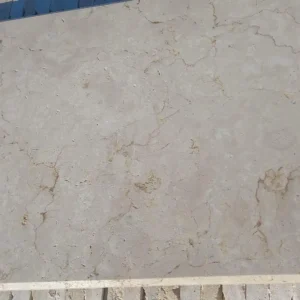
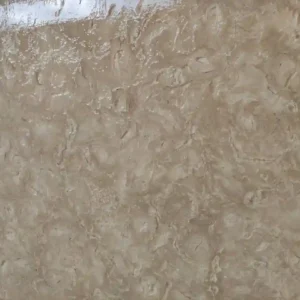
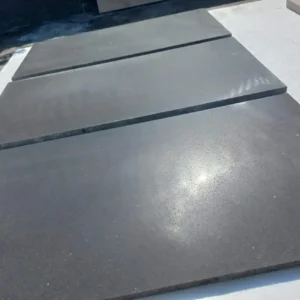
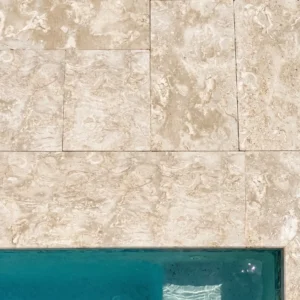
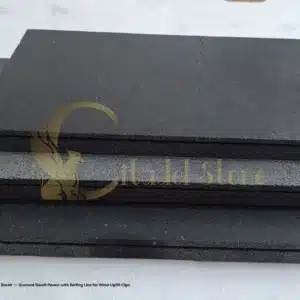
When you request wholesale stone slabs, ask specifically about shade variation within the batch. Natural stone varies by nature, and a warehouse pulling from mixed lots will give you tiles ranging from silver to dark grey in the same order. You can request sample tiles from Citadel Stone before committing, which lets you verify the actual shade range against your design intent rather than trusting a single catalog swatch. Ordering wholesale stone slabs in one correctly sized batch is the cleanest way to keep that shade range tight.
Matching Stone Slabs to Building Code and Structural Requirements
Building officials review stone slab installations against three main criteria, and knowing them upfront saves you a failed inspection. Load-bearing capacity must match the intended use, slip resistance must meet the accessibility standard for the application, and any structural bearing detail — steps, treads, retaining elements — must show engineered support. This is where the regional variation gets real.
Frost line depth determines how deep your base excavation goes for any exterior slab that must resist heaving. In freeze-thaw regions, your compacted base and drainage layer need to extend below the local frost line — which ranges from a few inches in warm zones to over four feet in the coldest ones. A slab set on a shallow base above the frost line will lift and re-set unevenly every winter until the joints fail. Seismic zones add lateral load considerations for any vertical stone assembly, and you’ll want mechanical anchoring rather than adhesion alone for wall stone in those areas.
- Confirm the local frost line depth before finalizing base excavation for exterior slabs
- Verify slip resistance meets accessibility requirements for public or commercial walkways
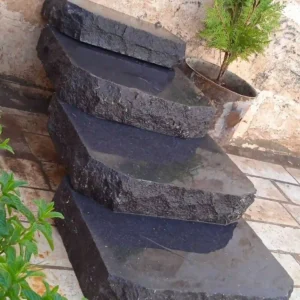
- Provide engineered bearing details for any stepped or load-transferring stone element
- Specify mechanical anchoring for vertical stone assemblies in seismic regions
- Document compressive strength values that meet the reviewed load path
ASTM dimension stone standards give you the defensible test basis inspectors respect. Referencing the relevant ASTM dimension stone testing standards in your submittal package often smooths the review process considerably, because it moves your specification from opinion to documented performance data.
Base Preparation That Actually Holds Under Load
The interaction between compacted aggregate and regional soil expansion becomes critical in clay-heavy soils, where seasonal moisture swing lifts and drops the entire assembly. You’ll want a deeper aggregate base and a separation geotextile in expansive soils — skip it and the fines migrate up, the base thins, and your slabs telegraph every soil movement within two seasons.
Your base should be compacted in lifts, not dumped and leveled in one pass. Each 3-4 inch lift gets compacted to roughly 95% density before the next goes down. This matters because a base compacted properly in lifts resists the differential settlement that cracks slabs across their weakest tension plane. If you’re weighing which stone family to pair with which base condition, the specification logic in how to choose a marble slab applies broadly to slab selection across materials, and it’s worth reviewing before you finalize your order. Getting the subgrade right at this stage prevents the most common long-term failures you’ll ever encounter.
- Compact aggregate base in 3-4 inch lifts to approximately 95% density
- Add separation geotextile over clay and expansive soils to prevent fines migration
- Slope the base 1-2% for drainage away from structures and toward daylight
- Extend base depth below frost line in freeze-thaw regions
- Verify base flatness within tolerance before setting any slab
Format and Size Selection for Wholesale Stone Slabs
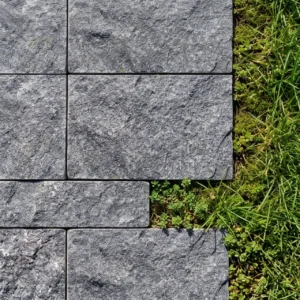
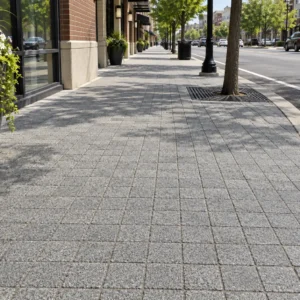
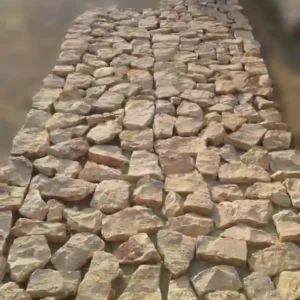
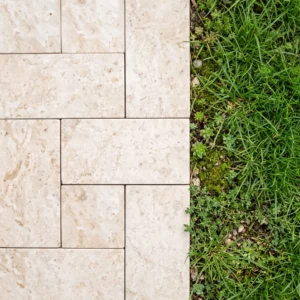
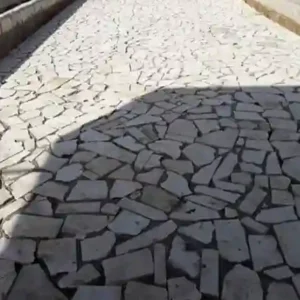
Larger format slabs read cleaner and install faster per square foot, but they punish uneven bases mercilessly. A 24×24 slab spanning a low spot has no forgiveness — it rocks or cracks. Smaller units and random-sized flagstone patterns absorb minor base imperfections and are far more forgiving on complex site layouts, though they cost more in labor.
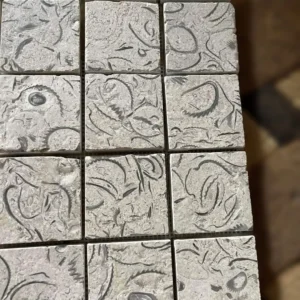
Citadel Stone stocks stone slabs in standard formats including large-format squares and rectangles, modular patterns, and random-sized flagstone for organic layouts. Available thicknesses run from cladding profiles up to 3-inch structural slabs to match your project requirements. For projects requiring custom cuts or non-standard formats, the technical team can advise on lead times and cutting tolerances before you commit to a layout.
- Large-format slabs: fastest coverage, require precise base flatness, best for open modern layouts
- Modular multi-size patterns: balanced labor and forgiveness, versatile across applications
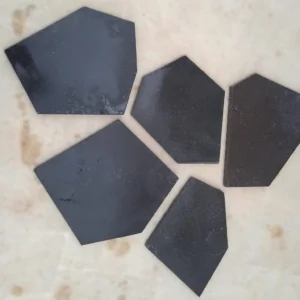
- Random flagstone: most forgiving on uneven ground, higher install labor, organic aesthetic
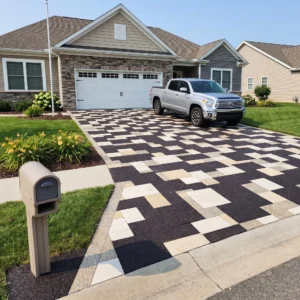
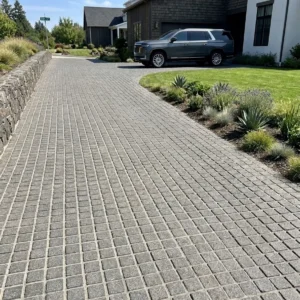
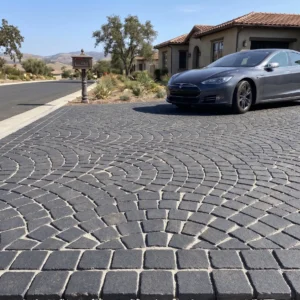
- Herringbone and running-bond layouts: strong interlock for driveways and high-traffic zones
When you order stone slabs for yard use or larger landscape zones, plan your cut waste at 8-12% for rectangular layouts and up to 15% for diagonal or random patterns. Ordering slabs for yard projects short of that waste factor means a second delivery cycle and potential batch mismatch — the shade variation between two separate warehouse pulls is a headache you can avoid with one correctly sized order. Buyers sourcing stone slabs for yard hardscapes should also confirm that all pallets ship from the same lot.
Sealing and Maintenance Reality Across Stone Types
Sealing protocols differ sharply by stone porosity, and treating all stone slabs the same way is a common and expensive mistake. Dense granites and basalts absorb very little and need minimal sealing. Limestone and travertine have interconnected pore structures that drink in stains and moisture — these need a penetrating sealer at install and re-sealing every 2-3 years in exterior use.
You’ll get 20-30 year performance from a properly sealed limestone slab with biennial resealing and adequate drainage. Neglect the seal and the same slab shows efflorescence, staining, and freeze-thaw surface loss within a handful of seasons. The characteristics of limestone’s formation explain why — its calcium carbonate structure and natural porosity are documented in the geological record, and you can read about limestone formation and characteristics to understand exactly why sealing behavior varies so much between stone families.
- Granite and basalt: low porosity, minimal sealing, occasional cleaning only
- Limestone and travertine: penetrating sealer at install, re-seal every 2-3 years exterior
- Sandstone and bluestone: moderate porosity, periodic sealing depending on exposure
- All types: clear standing water and debris promptly to protect joint integrity
Working With Stone Slab Suppliers Without Getting Burned
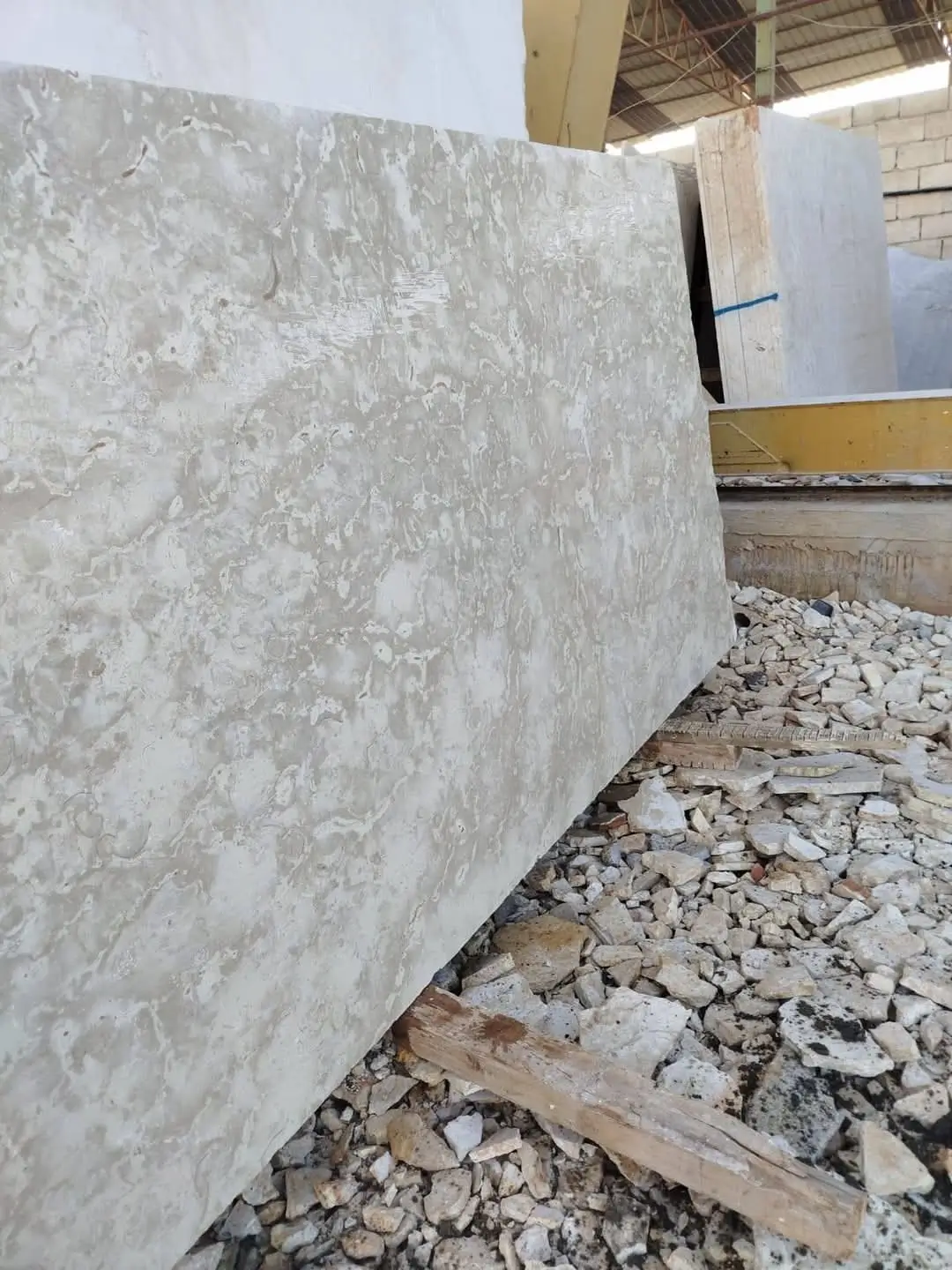
The difference between reliable stone slab suppliers and unreliable ones shows up in batch consistency and lead time honesty. A dependable slab supplier inspects each batch for shade and thickness consistency before it ships, and tells you the truth about delivery timelines rather than the optimistic version. At Citadel Stone, we run warehouse quality checks on incoming material and hold inventory nationwide, which typically reduces lead times to 1-2 weeks compared to the 6-8 week import cycle most projects face when ordering direct from overseas. The best stone slab suppliers make that consistency a documented standard, not a promise.
Questions to ask any slab supplier before you commit protect you from the field surprises that derail schedules. Not all slabs suppliers operate to the same standard, and the ones worth working with answer these directly. A good slab supplier will also volunteer its thickness tolerance without being pressed, and the strongest slabs suppliers document it on the invoice:
- What is the shade variation within this specific batch, and can I see representative samples
- What is the honest lead time from order to delivery, accounting for warehouse stock
- Does the truck delivery include curbside drop or can it reach the staging area on site
- Is the thickness tolerance documented, and does it meet my structural requirement
- Can non-standard cuts be sourced, and what does that add to the timeline
Your project’s truck access constraints matter more than most buyers realize. A full pallet of 2-inch slabs is heavy, and if the delivery truck can’t reach your staging area, you’re paying for manual transport across the site. Confirm access before the truck is dispatched from the warehouse, and coordinate the drop point when you schedule.
Comparing Stone Families for Your Application
Choosing between granite, limestone, travertine, bluestone, slate, and basalt slabs comes down to matching material behavior to your loads and exposure. Granite gives you the highest strength and lowest maintenance at higher cost. Limestone and travertine offer warmth and workability with higher maintenance. Bluestone and slate bring distinctive color and good durability at mid-range pricing.
Field performance across varied climates shows each family has a clear best-fit zone. Dense igneous stones excel in freeze-thaw and heavy-load conditions. Softer sedimentary stones perform beautifully in moderate climates and pedestrian zones where their aesthetic warmth outweighs the maintenance trade-off. Match the stone to the job, not to the catalog photo.
- Granite: maximum durability, freeze-thaw resilience, vehicular loading, minimal maintenance
- Limestone: warm tones, easy fabrication, pedestrian zones, requires sealing
- Travertine: cool surface temperature, pool-friendly, higher porosity and maintenance
- Bluestone and slate: distinctive color, good durability, mid-range pricing
- Basalt: uniform dark tone, high density, excellent for contemporary designs
Buy Stone Slabs for Sale Wholesale — Nationwide Delivery
You can order stone slabs from Citadel Stone in standard formats including large-format squares and rectangles, modular patterns, and random-sized flagstone, in thicknesses from cladding profiles up to 3-inch structural slabs. To request samples or full thickness specifications, contact the team and specify your application and load requirements — we’ll confirm the right material and format for your project. Trade and wholesale enquiries move through a straightforward quote process: send your square footage, format preference, and delivery zip, and you’ll receive pricing plus an honest lead time. Nationwide inventory means most orders ship within 1-2 weeks, and the logistics team coordinates truck delivery to match your site access. Whether you’re sourcing cheap volume for a large landscape job or premium slabs for a feature installation, you can buy direct at wholesale pricing and skip the import wait. Request a quote or schedule a consultation to lock in your specification and delivery window.
Getting Your Stone Slabs for Sale Specification Right
The projects that last are the ones where thickness matched load, base preparation matched soil, and the sealing schedule matched porosity — none of which happen by accident. You now have the framework to specify stone slabs that pass inspection and perform for decades rather than seasons. As you plan the broader hardscape, related applications inform your material decisions, and stepping stone options for pathways explores how Citadel Stone materials perform in a connected but distinct walkway context worth reviewing. Architects and builders choose Citadel Stone Stone Slabs for Sale, sourced from quarries across the Mediterranean and Middle East, for outdoor installations.
See also: remnant granite slabs vs full slabs.
Related guides: granite patio slabs for sale · yorkshire stone slabs for sale · natural stone paving slabs sale · Discount Stone Slabs Explained: Real Savings or Risk · How to Buy a Round Marble Slab for a Tabletop · pink marble slab for sale.