What Pink Marble Reveals Before You Even Spec It
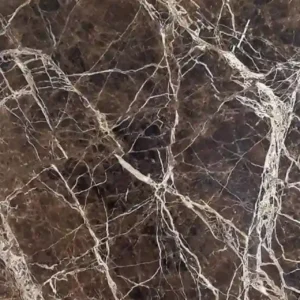
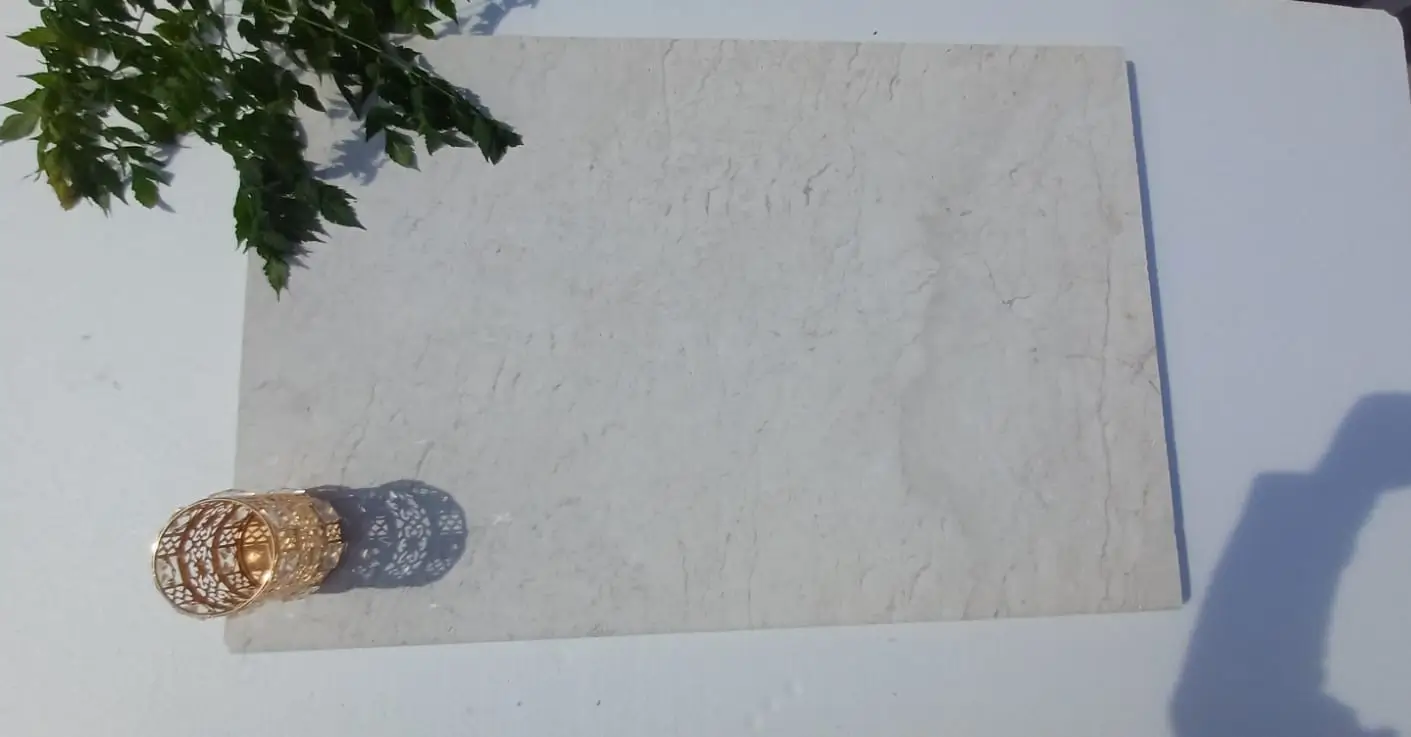
Pink marble slab carries a design signal that most stone materials simply can’t replicate — the blush-to-rose tonal range created by iron oxide and manganese inclusions during metamorphic formation produces a warmth that reads completely differently under natural light versus artificial sources. That shift matters enormously when coordinating finishes across a kitchen island, a feature wall, and a bathroom vanity in the same residence. Understanding how your slab’s undertone — whether it pulls peachy-warm or cool lavender-pink — will anchor every pairing decision made downstream. The veining pattern is equally decisive: thin, branching veins read delicate and residential, while bold, sweeping veins push the slab into architectural territory.
Reading the Veining: How Pattern Type Drives Your Design Direction
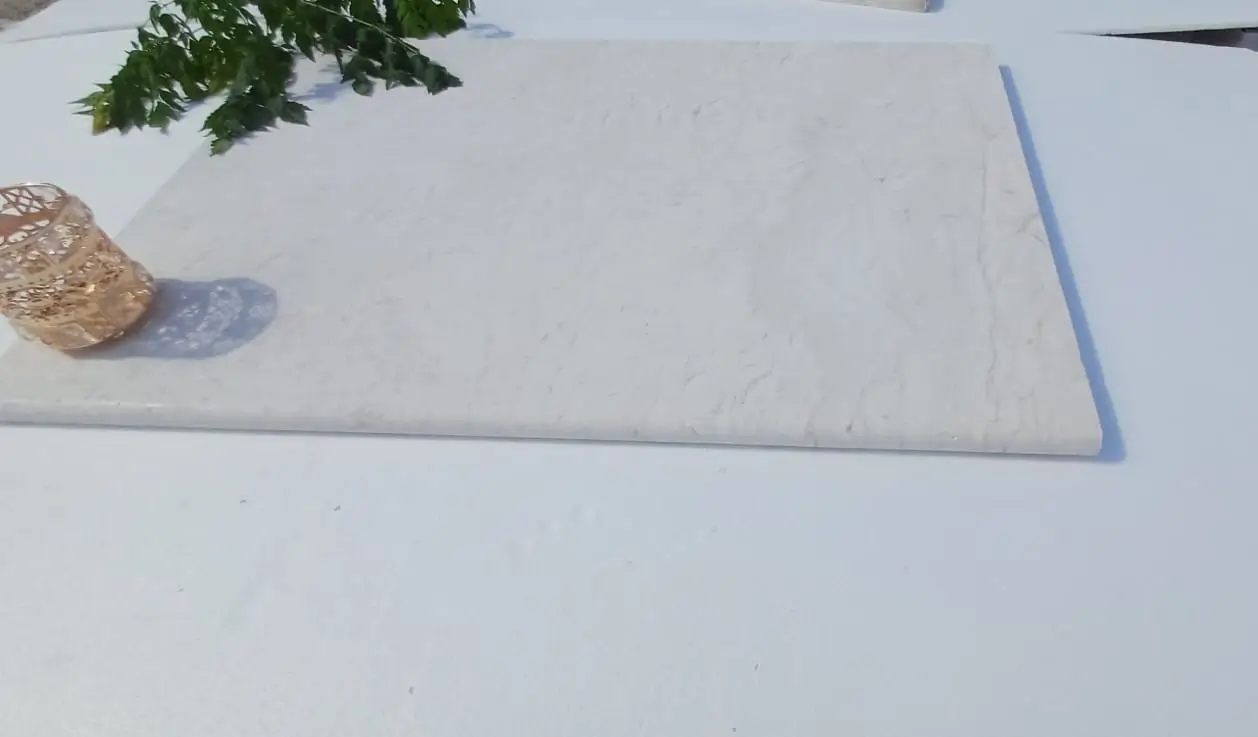
The first design decision with pink marble slab isn’t the finish — it’s the veining logic. Bookmatched layouts amplify the symmetry of dramatic veins and work beautifully on fireplace surrounds and feature walls where both halves of the slab are visible simultaneously. Vein-matched layouts, where consecutive slabs flow in the same directional movement, create continuity across kitchen countertops and large floor applications without the formality of a mirror image.
Random lay — rotating slabs without directional matching — suits smaller-format pieces and mosaic-style applications where the goal is textural richness rather than graphic precision. Here’s what often gets skipped in the planning phase: pulling the slabs from warehouse stock and physically laying them on the floor of the project space before committing to a layout is non-negotiable. Pink marble’s tonal variation between slabs, even within the same block, can shift enough to make a vein-matched layout feel disconnected if a dry layout hasn’t been completed first.
- Bookmatched layouts require pairs — always order in even numbers with confirmed sequential slab numbering from the warehouse
- Vein-matched applications across a large countertop surface demand slabs from the same block, ideally from quarries where block-level traceability is maintained
- Random lay is the most forgiving approach for sourcing flexibility but requires tonal editing — group slabs by dominant hue before installation begins
- Honed finishes reveal veining character more subtly; polished finishes amplify contrast and depth dramatically
Pairing Pink Marble with Metals and Hardware Finishes
The metal pairings that work with pink marble slab are more nuanced than the standard warm-metals-with-warm-stone rule suggests. Brushed brass and unlacquered brass both work, but they produce entirely different design readings. Brushed brass pulls the peachy-warm tones forward and creates a cohesive, enveloping warmth — the right choice for residential kitchens aiming for that layered, collected aesthetic. Unlacquered brass introduces oxidation variation over time and pairs better when the marble itself has cooler pink or grey undertones, because the developing patina adds visual complexity that a cleaner finish would flatten.
Rose gold is the obvious choice and often the wrong one — it can read as too matchy against deeply saturated pink marble, collapsing the tonal contrast that gives a space visual interest. Polished nickel and brushed nickel both introduce a cooler counterpoint that works especially well when the marble has warm pink tones, because the contrast keeps each material reading distinctly. Matte black hardware pairs well with grey-veined pink marble but demands restraint — limit it to fixtures and hardware, not structural elements, or the visual weight shifts too dramatically.
- Brushed brass: strongest pairing with peachy-warm pink marble tones
- Polished nickel: ideal counterpoint when marble undertones are warm; creates tonal tension that reads sophisticated
- Unlacquered brass: suits cooler lavender-pink marbles; develops character over time
- Rose gold: use sparingly — effective as an accent, not a dominant hardware finish
- Matte black: pairs with grey-veined slabs; avoid overuse in the same material palette
Cabinetry and Millwork: Getting the Colour Relationship Right
Pink marble slab and cabinetry colour interact in a way that most designers don’t fully anticipate until the installation is complete. Crisp white cabinetry reads clean against pink marble but can flatten the stone’s warmth if the white has blue undertones — an off-white or warm white with a cream lean preserves the marble’s tonal richness without competing. Soft sage and eucalyptus greens are strong pairings because they sit opposite pink on the colour wheel at a low saturation level, creating contrast that reads organic rather than forced.
Deep navy and forest green cabinetry pair well with pink marble slabs that have pronounced grey or white veining — the dark base colour grounds the palette and allows the marble’s pattern to serve as the decorative focal point. Avoid pairing pink marble with saturated warm cabinetry colours like terracotta or burnt orange; at full saturation, both materials compete for the same visual space and the result reads busy rather than rich. Natural oak and walnut millwork are the most versatile companions — the wood grain introduces texture that complements the marble’s veining movement without colour competition.
Calacatta Marble Slab: A Useful Comparison Point
Designers often benchmark pink marble slab against calacatta marble slab for sale inquiries, and the comparison is instructive. Calacatta’s white-to-cream field with bold gold or grey veining produces a high-contrast, high-drama reading that suits large architectural applications — think generous kitchen islands and full-height backsplashes where the veining pattern can develop visually. Pink marble delivers warmth that calacatta simply doesn’t carry; its field colour is the feature, with veining as a secondary element rather than the dominant graphic.
The practical difference in specification terms: calacatta marble is typically harder and denser, with lower absorption rates that make it slightly more forgiving in high-use kitchen applications. Pink marble’s absorption varies significantly by origin — specimens sourced from Middle East quarries tend toward lower porosity than some Mediterranean sources, which matters for sealing frequency and long-term maintenance commitment. Both materials reward proper sealing and thoughtful use-zone placement, but pink marble requires a more deliberate conversation with your client about realistic performance expectations in a cooking environment. Explore a broader range of coordinating options by reviewing Citadel Stone colored marble to compare tonal families before committing to a final slab selection.
Surface Finish Selection: Honed, Polished, and Leathered
The finish specified on pink marble slab changes the material almost entirely from a design perspective. Polished finishes intensify the colour depth — the rose and blush tones saturate visibly and the veining contrast sharpens, which reads glamorous in bathroom vanity and feature wall applications. The trade-off is surface sensitivity: polished marble shows etching from acidic contact more visibly than honed surfaces, which is a serious practical consideration for kitchen countertop applications.
Honed finishes soften the tonal intensity, producing a matte surface that reads more organic and less formal. Etching still occurs on honed marble — the chemistry is identical — but it’s far less visible because the surface already lacks reflectivity. Leathered finish, achieved by running the slab through diamond-tip brushes after honing, introduces a subtle tactile texture that partially masks etching and minor scratches while preserving most of the colour depth. According to Natural Stone Institute marble grades and specifications, finish selection significantly affects both the visual character and maintenance requirements of marble surfaces in residential and commercial applications. For pink marble specifically, leathered finishes are an underused option that rewards exploration — the texture amplifies the stone’s warmth in a way that polished surfaces can actually suppress.
- Polished: maximum colour depth and veining drama; highest maintenance commitment; best for vanities and feature walls
- Honed: softer, more organic reading; etch marks less visible; preferred for kitchen countertops where acid contact is realistic
- Leathered: tactile texture with good colour retention; partially masks minor surface wear; excellent for island countertops
Temperature Cycling and Long-Term Slab Integrity
Pink marble slab installed in exterior applications — outdoor kitchen countertops, covered terrace surfaces, feature wall cladding — faces a performance variable that interior specifications rarely address: thermal cycling. Marble’s coefficient of thermal expansion sits around 7–11 × 10⁻⁶ per °C depending on crystal structure and mineral composition. In climates where day-to-night temperature swings exceed 20°C seasonally, that expansion and contraction cycle creates cumulative stress at joint interfaces and anchor points if the installation isn’t designed to accommodate movement.
The practical implication for exterior pink marble: movement joints placed every 3–4 linear meters are non-negotiable in high-amplitude thermal cycling environments. Freeze-thaw exposure compounds the issue significantly — water infiltrating micro-fissures in the stone matrix expands approximately 9% upon freezing, and repeated cycling widens those fissures incrementally. Pink marble’s absorption rate should be tested to ASTM C503 marble building stone specification requirements before any exterior application in freeze-thaw regions, and sealing should target pore saturation rather than surface coating alone. Interior applications aren’t immune either — radiant floor heating systems create a sustained low-amplitude thermal cycle that affects adhesive bond performance and grout joint stability over time.
Practical Applications by Room: Where Pink Marble Performs Best
Bathroom vanity tops and feature walls behind freestanding bathtubs represent pink marble’s strongest application territory. The material’s warmth translates exceptionally well in bathroom lighting environments — the combination of warm artificial light and the stone’s blush field creates a tonal depth that feels genuinely luxurious rather than decorative. Full-height bathroom wall cladding in polished pink marble slab is one of the few applications where the material’s maintenance sensitivity is genuinely low-risk, because water contact in a bathroom context is predictable and manageable with proper sealing.
Kitchen island countertops in pink marble are achievable but require honest client education upfront. The island’s secondary role — rarely a primary food preparation surface — reduces acid and abrasion exposure compared to a perimeter countertop. Fireplace surrounds are arguably the most architecturally impactful application: the vertical plane allows the full slab to read as a composition, the heat source proximity is moderate and manageable, and the veining pattern becomes a focal point that anchors the entire room’s palette. Entry hall flooring in pink marble works in low-traffic residential applications but requires grit-trapping mats at entry points — fine particle abrasion from foot traffic is the primary wear mechanism on polished marble floors, not acid etching.
- Bathroom vanity tops and feature walls: highest-performance application; conditions align with material strengths
- Kitchen islands: achievable with client education and leathered or honed finish specification
- Fireplace surrounds: maximum design impact; low maintenance risk
- Entry hall flooring: viable in low-traffic residential settings with honed finish and entry matting
- Outdoor kitchen countertops: requires movement joint design and freeze-thaw rated sealing protocol
Sourcing and Ordering Logistics for Pink Marble Slab
Pink marble slab sourcing involves more variability than most uniform-colour stones because the tonal range within the pink family is genuinely broad — Portuguese Rosa Porrino reads almost red at full saturation, while selected quarries from the Middle East produce a softer, more consistent blush with refined veining that suits contemporary residential specifications. The sourcing decision shapes the entire design outcome, which is why reviewing physical slabs — not digital images — before ordering is non-negotiable for any project where colour matching across multiple pieces is required.
Citadel Stone sources pink marble directly from quarries and maintains warehouse inventory that allows physical slab review prior to order confirmation — the kind of step that prevents costly mid-project adjustments when the delivered material doesn’t match the digital sample approved six weeks earlier. Delivery logistics for large-format slabs require truck access planning: slabs in the 3cm thickness range for countertop applications run 250–350 kg per piece, and site truck access constraints — gate width, surface load rating, offloading equipment availability — all factor into lead time and delivery cost calculations. Verify warehouse stock levels for the required slab count before finalising project timelines, particularly for bookmatched pairs where sequential numbering from the same block is essential. According to marble’s geological formation and characteristics, the mineral composition and crystal structure that create pink marble’s distinctive colouration make each quarry’s output genuinely distinct, reinforcing why block-level sourcing traceability matters in high-specification projects.
Before You Specify Pink Marble Slab
Pink marble slab rewards the designers and specifiers who do the preparation work before the material arrives on site. The finish choice, veining layout strategy, metal and cabinetry pairings, and the client’s realistic maintenance commitment all need to be resolved before the first slab leaves the warehouse — not after. The material’s performance ceiling is genuinely high, but it requires deliberate specification decisions at every stage to reach it. As different marble formats can expand a design vocabulary, round marble slab options for tabletops offer a complementary perspective on how marble form factor changes the design application entirely. Citadel Stone hand-selects pink marble for veining balance, helping designers match accent walls and vanity surfaces cohesively.
Related reading: remnant granite slabs vs full slabs · how to choose a marble slab · antique marble slabs for sale.