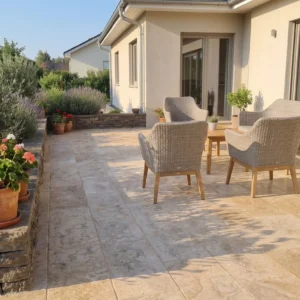
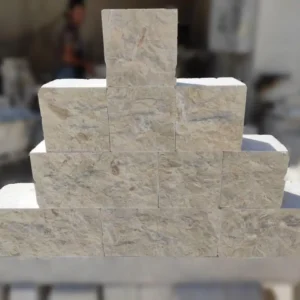
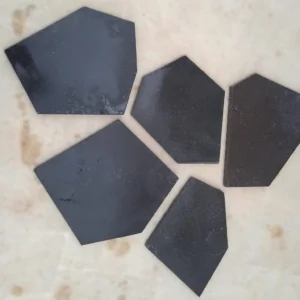
Yorkshire stone slabs for sale carry a compressive strength profile that surprises even experienced specifiers — dense sandstone and gritstone variants regularly exceed 12,000 PSI, which puts them comfortably ahead of many imported sedimentary options in load-bearing applications. The real differentiator, though, isn’t raw strength. It’s the way the material’s natural bedding planes interact with water movement, joint sand, and base settlement over the first two or three freeze-thaw cycles. Get that relationship right in the specification stage and you’re looking at a genuinely long-lived installation. Miss it, and you’ll be addressing edge lifting within a few seasons regardless of how good the stone itself is.
What Yorkshire Stone Actually Is
The term “Yorkshire stone” covers a family of naturally occurring sandstones and gritstones quarried from the Millstone Grit and Coal Measure sequences. The material is a sedimentary rock with a fine-to-medium grain structure and a distinctive warm buff-to-silver-grey palette that shifts noticeably with moisture content. That colour range — one of the key reasons designers specify it — comes from iron oxide and silica mineral ratios that vary across individual quarry seams, so batch-to-batch consistency is something you need to actively manage when ordering at volume.
The bedding-plane orientation matters more than most product descriptions acknowledge. Stone sawn on-bed (parallel to the natural strata) delivers the best compressive resistance for paving applications. Riven faces split along the bedding plane naturally, producing the texture that defines the aesthetic. Stone inadvertently supplied face-bedded (strata running vertically) will delaminate under cyclic freeze-thaw loading — a failure mode that typically emerges three to five years post-installation rather than immediately, which makes attribution difficult. At Citadel Stone, we inspect bedding orientation as part of our warehouse intake process, because catching a face-bedded batch before dispatch saves a project from a slow, expensive failure.
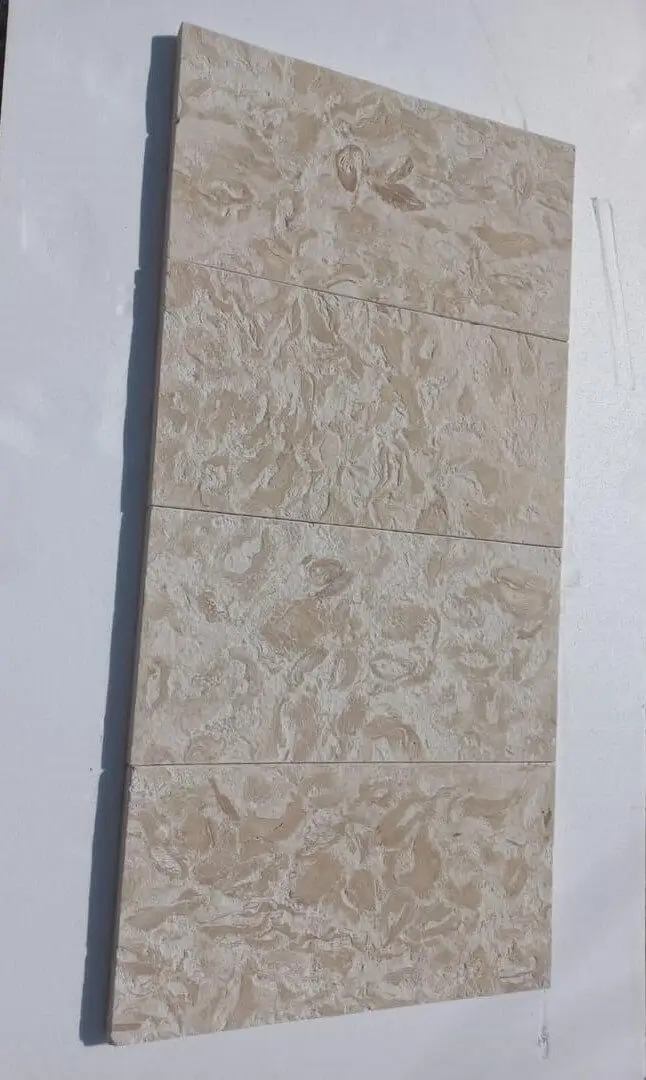
Thickness Grades and Load Requirements
Your application determines your minimum slab thickness, and getting this wrong is one of the most common and costly mistakes in Yorkshire stone projects. The standard grades break down as follows:
- 22–25 mm nominal: appropriate for pedestrian garden paths and light-use patios with a well-consolidated aggregate base
- 35–40 mm nominal: the correct range for general-use patios, courtyard surfaces, and residential access areas with occasional vehicle crossing
- 50–60 mm nominal: specified for driveways, loading areas, and any application where vehicle tyres will regularly contact the surface
- 75 mm and above: specified for heavy commercial use, public realm, and heritage restoration where the original gauge matched thicker Victorian-era standards
The 35 mm grade is what most residential projects land on, but specifiers often underestimate the cantilever risk at slab edges. Yorkshire stone slabs in irregular or random formats will have exposed edges that overhang the bed by 30–50 mm on natural breaks — that unsupported edge needs compacted backing or it will spall under point load. Factor that into your cutting layout before ordering.
Surface Finishes and Long-Term UV Performance
Natural riven, sawn smooth, and hand-pitched are the three primary finish options for Yorkshire stone slabs, and each responds to UV exposure differently over a multi-year cycle. This matters more than most purchase decisions acknowledge, particularly for south-facing surfaces with high daily sun exposure.
Natural riven surfaces weather gracefully under UV because the micro-texture of the split face diffuses light rather than reflecting it uniformly. The iron minerals in buff-toned stone will bleach slightly over five to ten years of unprotected UV exposure — typically shifting from warm amber to a cooler silver-grey. That shift is considered a desirable patina by many designers, but if you’re matching an existing installation or maintaining a specific design palette, you need to account for it. According to Natural Stone Institute stone variety guidance, iron-rich sandstones show measurable surface mineral migration under sustained UV exposure, which is the mechanism behind that colour shift.
Sawn smooth finishes are more vulnerable to UV-accelerated surface oxidation because the cut face exposes fresh mineral surfaces that haven’t undergone natural weathering equilibrium. An impregnating silane-siloxane sealer applied within four weeks of installation creates a hydrophobic barrier that slows oxidation significantly. Reapplication every three to four years is a realistic maintenance schedule for most sun-exposed installations — not the “every two years” figure that often appears on generic maintenance guides, which is calibrated for polished limestone rather than dense sandstone.
- Riven finish: highest UV resilience, develops natural patina, minimal sealing requirement in shaded or partially covered applications
- Sawn smooth: requires earlier sealer intervention, more susceptible to differential bleaching across adjacent slabs from varying mineral content
- Hand-pitched (rustic edge): the textured face provides similar UV diffusion to riven, though the tooled surface retains more particulate matter and benefits from an annual wash-down
- Tumbled and aged finishes: pre-weathered surfaces have already undergone partial mineral equilibration, making them the most stable option where consistent appearance under UV exposure is a design priority
Base Preparation for Yorkshire Stone Slabs
The base is where most Yorkshire stone paving failures originate, and it’s almost always an insufficiently compacted sub-base rather than a material deficiency. The standard minimum for a pedestrian patio is 100 mm of compacted Type 1 MOT aggregate over a prepared sub-grade — but that assumes stable, free-draining ground. Clay sub-grades need 150 mm minimum, and areas with shrinkable clay should be assessed for heave risk before any stone is ordered.
For a sand-set installation, your bedding sand depth should hold at 30–40 mm compacted. Deeper sand beds introduce differential settlement risk, particularly under irregular slab formats where the contact footprint varies. Mortar bed installation — typically 50 mm semi-dry sand-cement at a 4:1 ratio — gives you better control over level tolerances for smooth-sawn slabs, but it removes the drainage path that sand-set provides, so you need adequate falls toward drainage outlets. A minimum 1:80 cross-fall keeps standing water off the surface; 1:60 is better for heavy-rainfall regions.
The ASLA outdoor paving material guidance reinforces the importance of permeable sub-base design for natural stone paving, particularly where stormwater management is a project requirement. If you’re specifying Yorkshire stone slabs over a drainage-sensitive area, a permeable jointing compound and open sub-base system is worth incorporating from the outset rather than retrofitting after drainage issues emerge.
Joint Width and Pointing Options
Joint specification directly affects both the visual character and long-term structural performance of Yorkshire stone slabs. Random and irregular formats naturally produce variable joint widths — accepting that variability is part of the aesthetic, but you still need to establish minimum and maximum bounds.
- Minimum joint width: 5 mm — narrower joints allow inadequate bedding support at slab edges and restrict drainage
- Maximum joint width for resin or mortar pointing: 25 mm — above this, pointing becomes structurally unreliable and requires a different approach such as planted joints or gravel infill
- Dry brush-in jointing compound: suitable for joints up to 15 mm, provides semi-flexible accommodation of minor movement
- Wet mortar pointing (3:1 sharp sand-cement): most durable option for exposed freeze-thaw environments, requires proper curing protection in hot conditions
- Resin-based polymeric jointing: highest performance for weed suppression and stability, most sensitive to installation temperature — avoid application below 5°C or above 30°C
Thermal movement in a Yorkshire sandstone slab runs at approximately 10–12 microstrain per degree Celsius. Over a 3-metre slab run in a climate with a 40°C seasonal temperature differential, you’re looking at 1.2–1.4 mm of cumulative movement. That’s manageable within standard joint widths, but it reinforces why oversized slabs in continuous runs without movement joints cause edge cracking at the mortar bed boundary.
Sourcing and Supply Logistics
Yorkshire stone is sourced primarily from UK quarries, though select complementary sandstone variants are also available from Middle East quarries where grain structure and colour compatibility support blended palette specifications. Understanding your supply chain is important because lead times and batch consistency vary significantly depending on the format and grade you specify.
Standard machine-sawn Yorkshire stone slabs in regular formats — typically 600×300, 600×600, and 900×600 mm — are generally held in warehouse stock and can ship within one to two weeks. Irregular random formats and hand-split riven slabs are often produced to order, which can push lead times to four to six weeks depending on quarry scheduling. For large projects, you should request a sample pack from the specific batch allocated to your order rather than relying on standard samples, because colour variation within the material family is real and consequential. At Citadel Stone, we supply nationwide and our technical team can arrange batch reservation to protect project consistency across multi-delivery schedules.
Truck access is a practical logistics consideration that often gets overlooked at the specification stage. Full pallets of 35–40 mm Yorkshire stone slabs run between 800 kg and 1,100 kg — a standard delivery truck will carry four to six pallets, and tail-lift access is required for sites without loading dock capability. Confirm your site’s access constraints before placing the order, because redelivery on a smaller vehicle adds cost and can extend your project timeline by a week or more. Review ASTM dimension stone quality and testing standards when evaluating material specification claims from any supplier, as standardised testing provides an objective benchmark across supply sources.
Colour Variation and Managing Expectations
Colour variation within Yorkshire stone is one of the most frequently mismanaged aspects of a project specification. The material is not uniform — it cannot be — and that natural variation is both its aesthetic strength and its client management challenge. Here’s how to set the right expectations from the outset.
The buff, silver, and blue-grey tones characteristic of the material emerge from iron oxide content, silica saturation, and micro-mineral inclusions that shift across quarry seams. Two slabs from the same quarry but different cutting depths will have visibly different base tones when dry, and those tones converge somewhat when the stone is wet or freshly sealed. The practical implication is that your initial impression of a dry, stacked delivery pallet doesn’t represent how the installed surface will read. Always wet a sample section and view it from a standing elevation before raising a colour concern with your supplier.
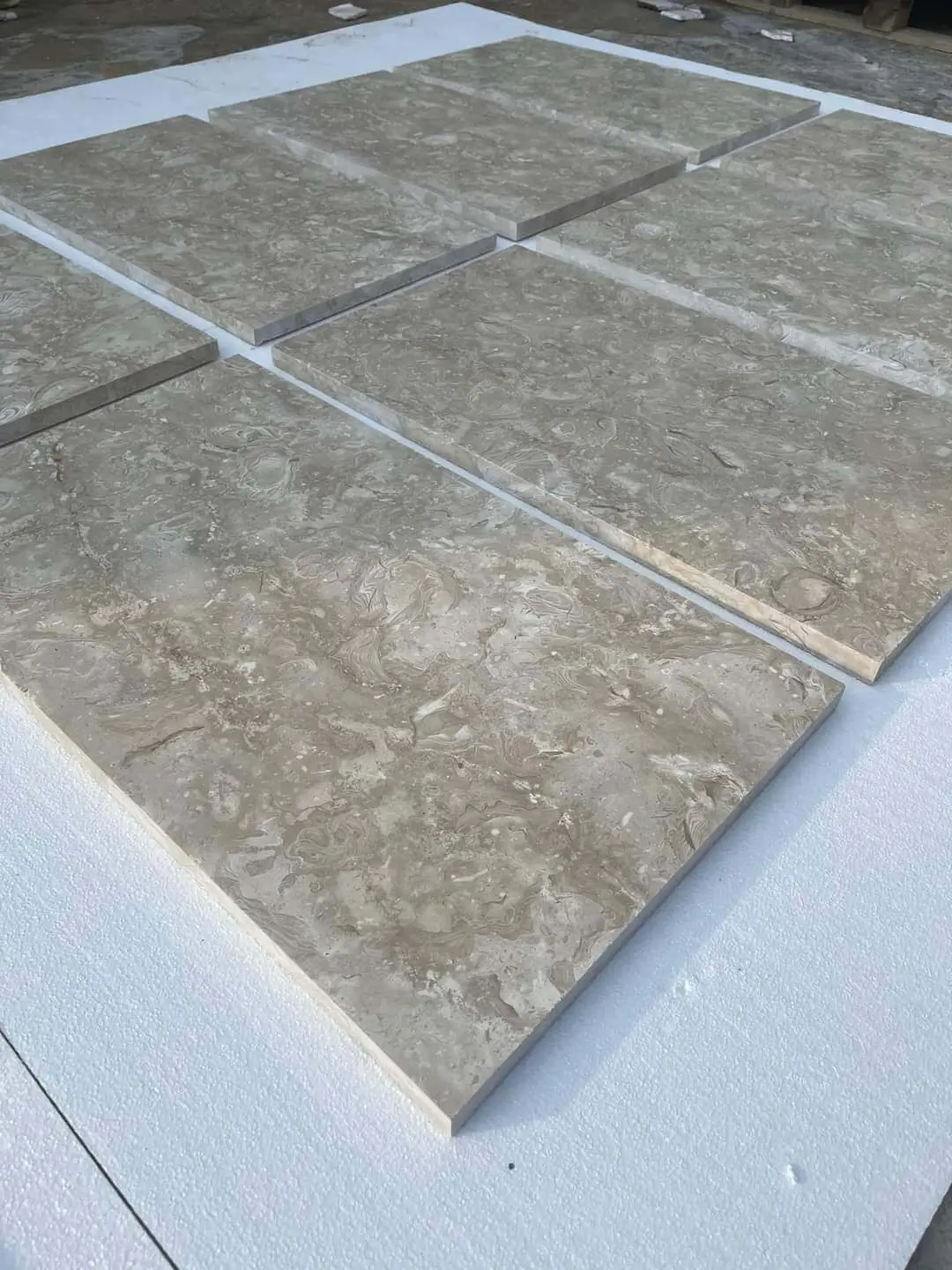
Mixing random format Yorkshire stone slabs for sale from two or more batches is manageable if you blend the delivery pallets during lay-out rather than installing one batch section first. The standard field technique is to draw simultaneously from at least three pallets during laying, rotating selection continuously. This distributes tonal variation across the full installation rather than creating visible batch lines.
How Yorkshire Stone Compares to White Granite Slabs
The comparison between Yorkshire stone slabs and white granite slabs for sale comes up regularly in landscape specification discussions, and it’s worth addressing directly because the two materials solve different design problems. Understanding those differences prevents a costly substitution mistake.
- Compressive strength: white granite exceeds Yorkshire sandstone significantly — granite typically tests above 20,000 PSI against sandstone’s 10,000–14,000 PSI range — making granite the correct choice for heavy vehicle loading
- UV colour stability: white granite is effectively immune to UV bleaching because its crystalline feldspar and quartz matrix doesn’t contain the iron minerals that drive sandstone colour shift; this makes it a stronger choice for intensely sun-exposed south-facing surfaces where consistent appearance over decades is specified
- Thermal mass: granite runs hotter underfoot in direct sun — its low porosity and dense crystalline structure absorb and retain heat more than Yorkshire sandstone’s slightly more porous matrix, which is a practical comfort consideration for barefoot outdoor spaces
- Aesthetic: Yorkshire stone delivers a warm, textured character that reads as naturally aged even when newly installed; white granite reads as architectural and contemporary — the choice is fundamentally a design intent decision
- Installation cost: Yorkshire stone in random formats requires more skilled labour to lay than dimensioned granite slabs due to variable joint management, which offsets some of the material cost differential
The USGS dimension stone production data confirms that both sandstone and granite remain among the most widely used natural paving materials in the USA, and both support long-service installations when properly specified. The specification decision should hinge on load class, aesthetic intent, and long-term maintenance commitment — not on which material has the higher surface-level appeal at the showroom stage. According to USGS dimension stone production and use data, sandstone and granite collectively represent the dominant categories in domestic paving stone consumption, reflecting their complementary performance profiles across different project types.
Sealing Schedules and Ongoing Maintenance
Yorkshire stone doesn’t require aggressive sealing schedules in the way that more porous limestone does, but sealing does meaningfully extend appearance retention and simplifies routine cleaning — particularly in sun-exposed locations where UV oxidation and organic staining accumulate at similar rates.
Your initial seal should go down after the installation has cured for a minimum of 28 days and the surface has been cleaned with a pH-neutral stone cleaner. Applying sealer to a surface that still has residual alkalinity from mortar jointing will trap contaminants beneath the sealer film and produce a patchy, milky result that requires stripping to correct. For riven surfaces, a penetrating impregnator rather than a surface coating is the right product type — it enters the pore structure without altering the surface texture or creating a sheen that would look out of character on natural stone.
- Initial seal: 28 days post-installation, after pH-neutral cleaning and full drying
- Reapplication interval: every 3–5 years for shaded or partially covered installations; every 2–3 years for fully exposed south-facing surfaces with high cumulative UV exposure
- Test method: water droplet test — if water is absorbed within 3 minutes rather than beading, the sealer has depleted and reapplication is due
- Stain response: oil-based stains should be treated within 24 hours with a poultice; delayed treatment allows capillary migration into the stone matrix and makes full removal unlikely
Getting Yorkshire Stone Slab Specifications Right
Specifying Yorkshire stone slabs well means resolving the base, the thickness grade, the finish, the jointing system, and the UV sealing schedule before a single piece is ordered — not as a sequence of reactive decisions during installation. The material is forgiving of minor aesthetic variation but unforgiving of structural shortcuts, and the failure modes (edge delamination, joint cracking, differential settlement) are slow enough to emerge that they’re rarely connected back to a specification gap made eighteen months earlier. Your project’s long-term performance is defined by decisions made at the specification stage. For projects where complementary stone surfaces are part of the broader hardscape design, exploring granite patio slab options alongside your Yorkshire stone selection gives you the full material picture before committing to a single palette. Yorkshire stone slabs from Citadel Stone come in mixed sizes, letting installers create random-course garden paths with fewer cuts.
Related reading: how to choose travertine slabs · understanding discount stone slabs · wholesale marble slabs.