






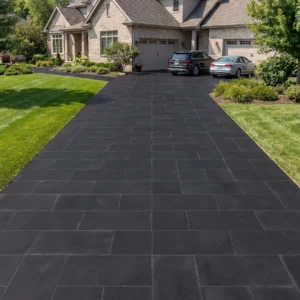
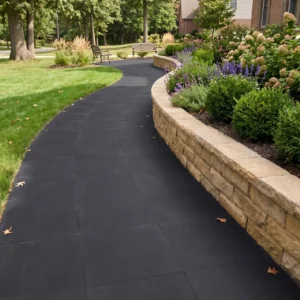
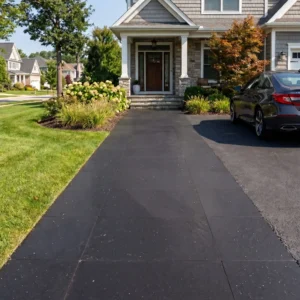
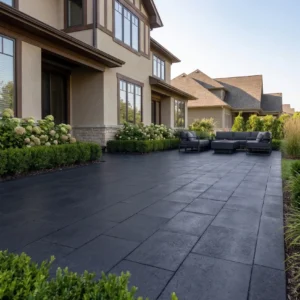

















The single biggest predictor of long-term success with Stone Building Materials isn’t the stone type you pick — it’s whether your specification accounts for the mechanical loads the material will actually face over decades. You’ll see failures trace back to mismatched bedding, undersized units, and joint details that ignore movement, far more often than to the stone itself being wrong. Getting the numbers right at spec stage means the difference between a facade or paved surface that holds for 40 years and one that starts shedding units at year eight.
Stone Building Materials cover a broad performance spectrum, and treating them as interchangeable is where most projects go sideways. Dense granite behaves nothing like porous travertine under freeze-thaw, and a limestone that performs beautifully as interior flooring may spall badly as exterior cladding without the right absorption grade. The rest of this guide walks through the specification logic — material properties, format selection, installation detailing, and sourcing — that turns raw stone into a durable, code-compliant assembly.
How Different Stone Types Actually Perform
You’ll want to start with absorption and compressive strength, because those two numbers tell you more about real-world behavior than almost anything else on a spec sheet. Absorption below 1% generally signals strong freeze-thaw resistance; above 3% and you’re looking at material that needs careful placement in any region that sees a hard frost cycle. Compressive strength ranges wildly — granite sits far above softer limestone — and that range dictates where each stone belongs in a load path.
The material families you’ll specify most often break down along predictable lines. According to technical stone variety data, the performance gap between igneous and sedimentary stone widens dramatically once you introduce cyclic loading and moisture. These are the working traits worth memorizing:
- Granite: highest compressive and abrasion resistance, near-zero absorption, ideal for high-traffic and structural applications
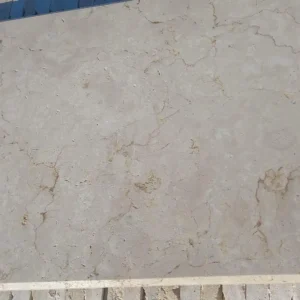
- Limestone: excellent workability and consistent color, moderate absorption requiring grade verification for exterior use
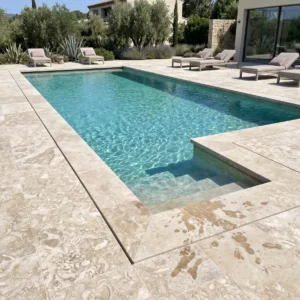
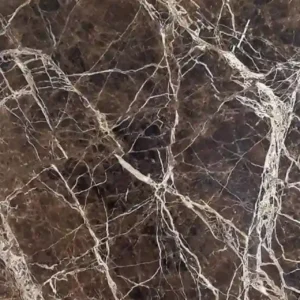
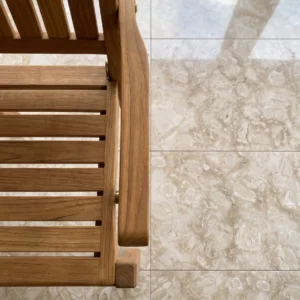
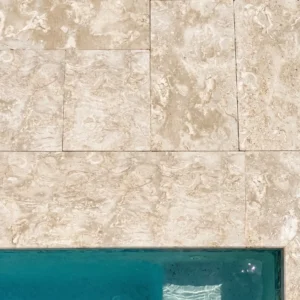
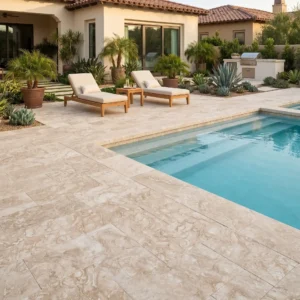
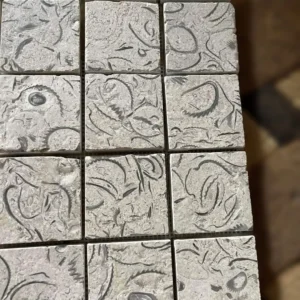
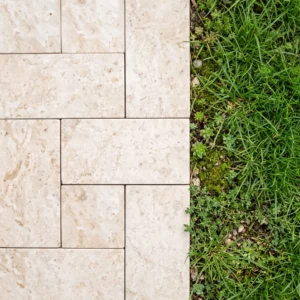
- Travertine: distinctive fill-and-cavity structure, lighter thermal mass, needs sealing in wet zones
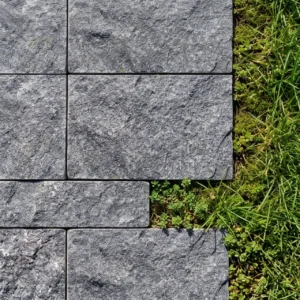
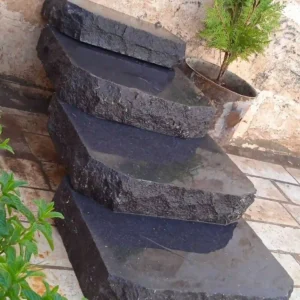
- Basalt: dense fine-grained igneous stone with strong dimensional stability and dark uniform tone
- Slate: naturally cleft surface with excellent water shedding, favored for cladding and roofing details
- Bluestone and flagstone: dependable outdoor paving stone with reliable slip characteristics when left natural-cleft
Your climate zone should filter this list before aesthetics ever enters the conversation. In freeze-thaw regions, low-absorption stone earns its premium; in hot, dry climates, thermal reflectivity and color stability matter more than frost resistance. Citadel Stone stocks these building stone supplies across standard formats, and you can request absorption and strength data on any batch before committing a specification. These stone materials range widely in porosity, so matching the material to its exposure is the first discipline worth mastering.
Matching Color, Finish, and Format to the Application
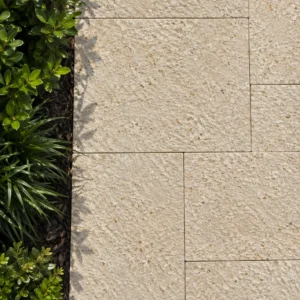
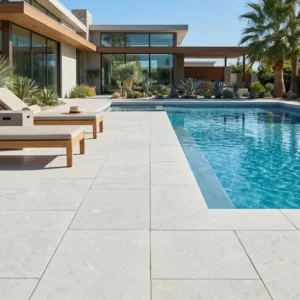
Here’s what most specifiers miss about finish selection: the finish changes the stone’s slip resistance, cleanability, and apparent color far more than buyers expect. A honed limestone reads several shades lighter than the same stone tumbled, and a flamed granite gains grip while losing the reflective depth of a polished face. You’re not just choosing a look — you’re choosing a maintenance profile and a safety rating.
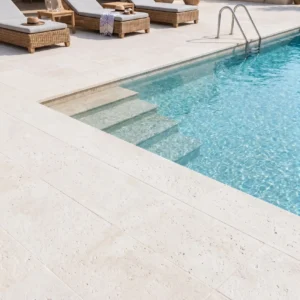
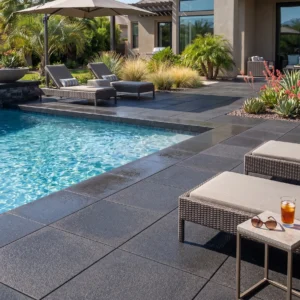
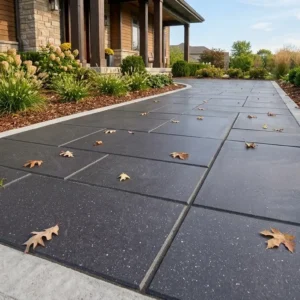
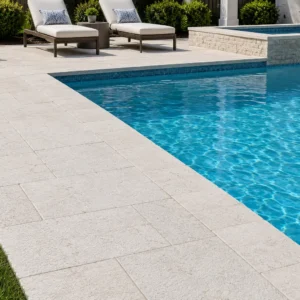
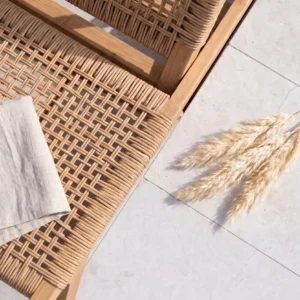
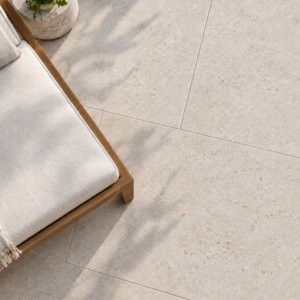
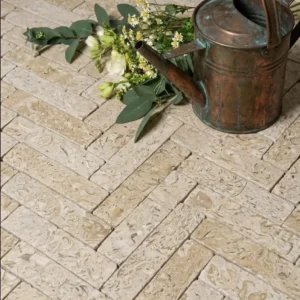
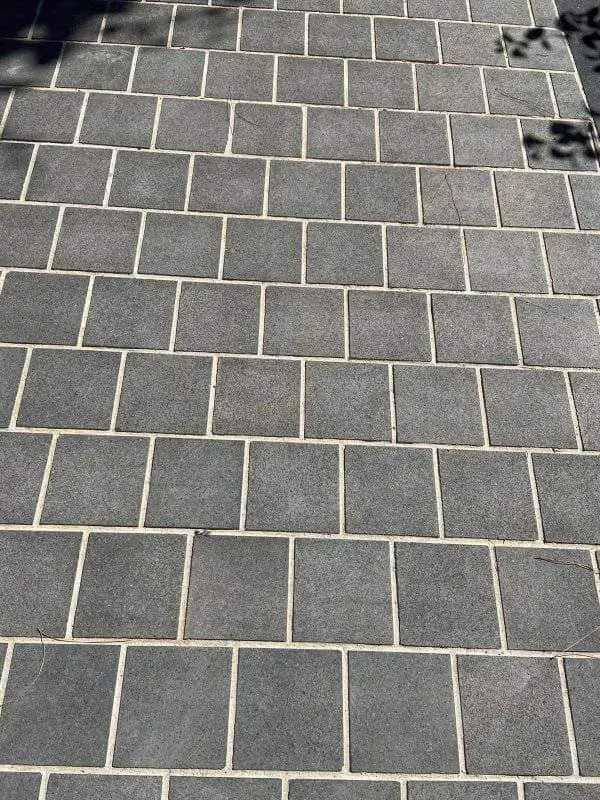
Color and tonal range within natural stone is genuine, and you should plan for it rather than fight it. Batch-to-batch variation is normal, so ordering your full quantity from a single run keeps a cream limestone floor or a charcoal basalt terrace visually consistent. The palette you’ll commonly work across includes:
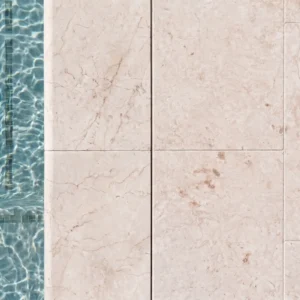
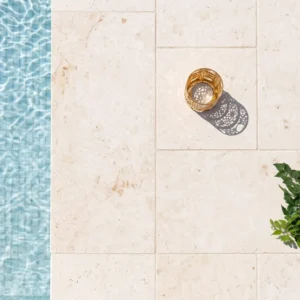
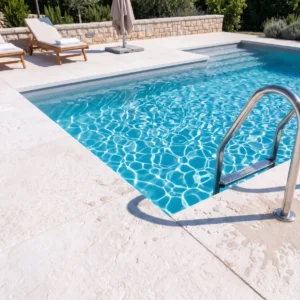
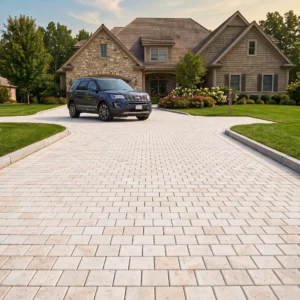
- Warm tones: cream, ivory, and gold limestone and travertine for softer residential schemes
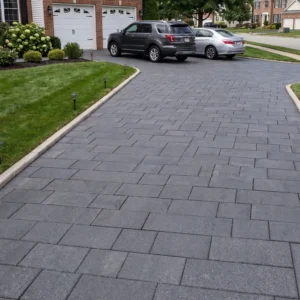
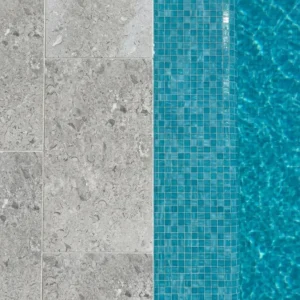
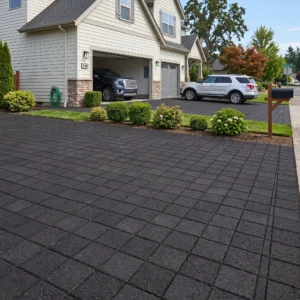
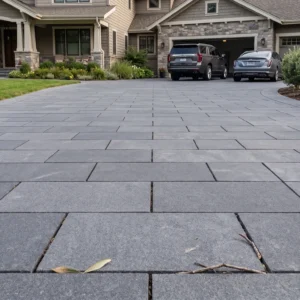
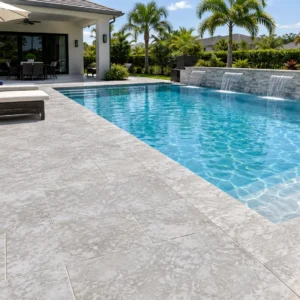
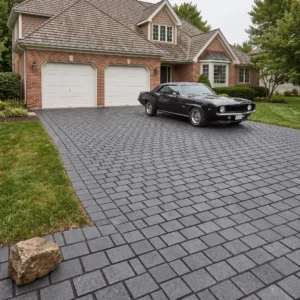
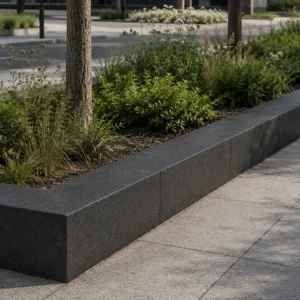
- Cool tones: grey, silver, and dark grey granite and bluestone for contemporary hardscape
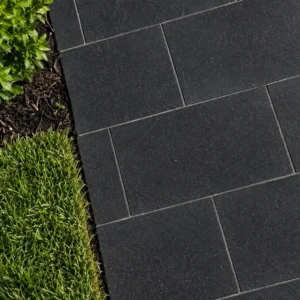
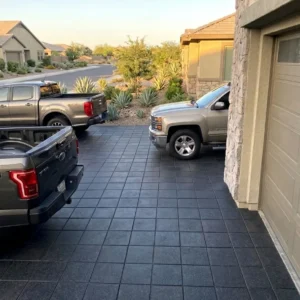
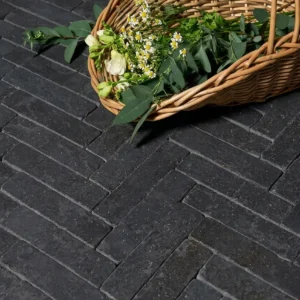
- Deep tones: charcoal and graphite basalt and black slate for high-contrast design accents
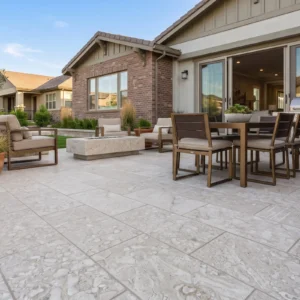
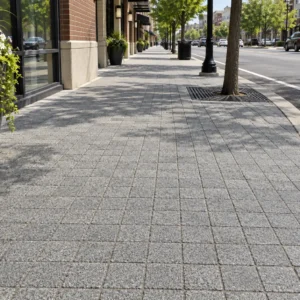
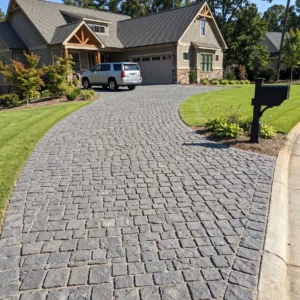
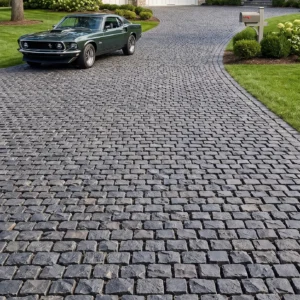
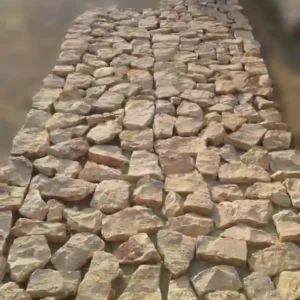
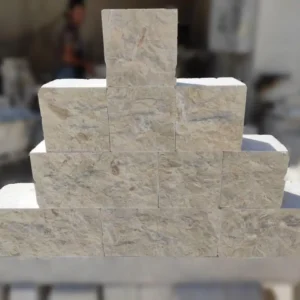
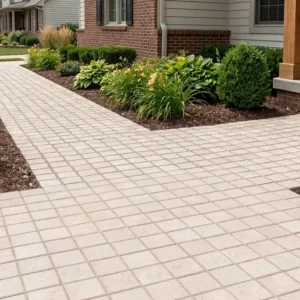
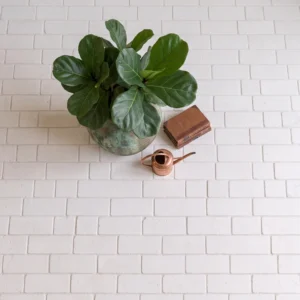
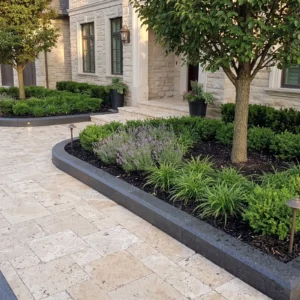
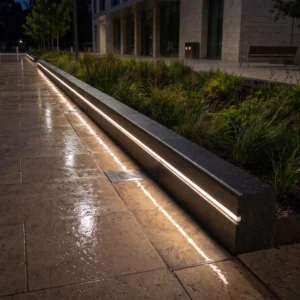
Format decisions follow the application. Large-format slabs and tiles reduce joint count on floors and cladding; blocks, bricks, and setts suit walls and rustic paving; cobbles and paving stones handle organic layouts. When you order stone masonry materials for vertical work, verify that the block dimensions match your coursing plan before delivery, because on-site recutting wastes both material and labor. Beyond structural walls, these stone masonry materials also serve as veneer and feature elements where appearance and coursing both matter. Citadel Stone offers building stone supplies in tiles, slabs, pavers, blocks, cobbles, and coping profiles, and you can request sample tiles to confirm color and finish against your other selections.
Building for Wind, Storm, and Severe Weather Loads
Stone’s mass is an asset in severe weather, but only when the anchoring and bedding are engineered to transfer wind and impact loads correctly. In high-wind corridors and storm-prone regions, the failure mode is rarely the stone breaking — it’s the connection failing. Cladding units peel off when mechanical anchors are undersized, and paving lifts when the bedding and edge restraint can’t resist uplift and lateral shear during intense wind-driven events.
You’ll need to detail for three specific stresses that severe weather introduces:
- Wind uplift on cladding and coping, which demands mechanical anchoring sized to local wind-load calculations rather than adhesive alone
- Hail and windborne debris impact, where thicker units and denser stone resist surface fracturing better than thin, porous alternatives
- Water intrusion under driving rain, requiring proper flashing, weep detailing, and joint sealing to prevent freeze-expansion damage after the storm passes
For exterior cladding in exposed locations, the masonry standards matter. Referencing building code masonry veneer requirements during design keeps your anchor spacing and backup wall detailing defensible when the permit reviewer asks. In practice, you’ll want mechanical anchors at closer spacing than the code minimum on any corner or parapet zone, because those areas see amplified wind pressure. On paved surfaces, a compacted aggregate base with proper edge restraint resists the lateral migration that storm runoff and wind loading otherwise cause over repeated events.
The detail that separates a storm-resilient installation from a vulnerable one is joint and connection redundancy. Don’t rely on a single load path. When you spec both bedding mortar and mechanical anchors on cladding, or both base compaction and perimeter restraint on paving, you build in the margin that carries the assembly through the events a spec sheet never fully anticipates.
Base Preparation and Installation Detailing
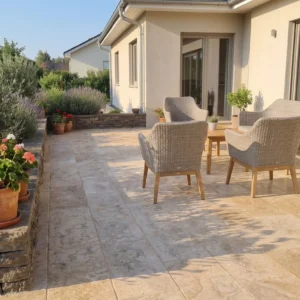
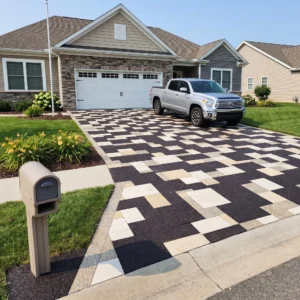
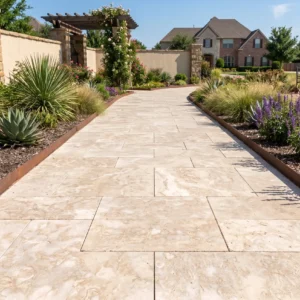
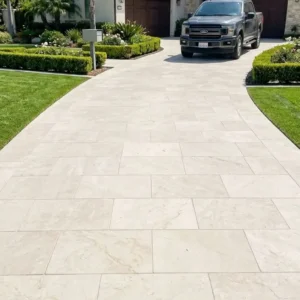
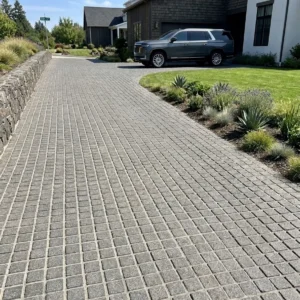
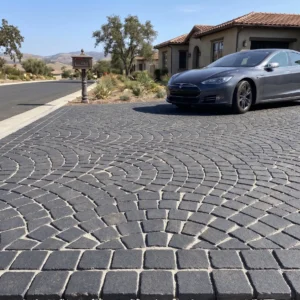
Your installation lives or dies at the base, and this is the stage where cutting corners quietly guarantees future failure. For paving stone applications, the compacted aggregate depth should reflect both your expected loads and your regional soil behavior — clay-heavy soils with high expansion coefficients demand deeper, better-drained bases than stable granular subgrades. Undercompacting the base is the single most common field error, and it shows up as settlement and joint opening within the first few seasons.
When specifying stone landscaping materials for exterior paving, your base build-up typically follows this logic:
- Excavate to accommodate full base depth plus bedding plus stone thickness, never guessing on the cut
- Compact aggregate in lifts no thicker than 4 inches, verifying density at each lift rather than at the end
- Set a bedding layer sized to the stone format — thicker units tolerate slightly thicker bedding, thin tiles need a rigid, fully supported substrate
- Establish drainage fall of at least 1 to 2 percent away from structures before setting any stone
For a broader view of how different applications compare across paving, cladding, and landscape uses, natural stone from Citadel Stone lays out specification differences that apply directly to the site conditions you’re detailing, and reading through comparable stone landscaping materials projects sharpens your judgment. That review helps clarify where thickness, base depth, and jointing need to flex from the generic printed recommendations.
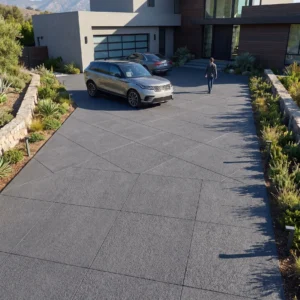
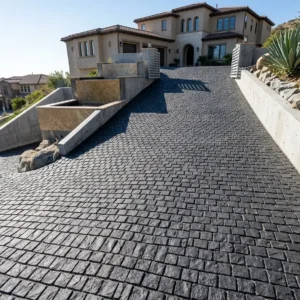
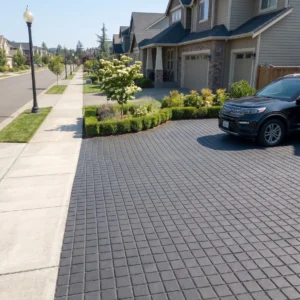
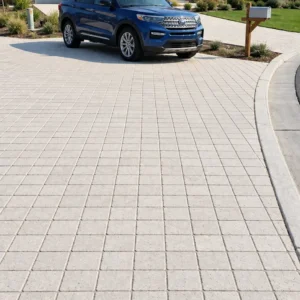
Thickness selection deserves more attention than it usually gets. For pedestrian paving, a 2-inch nominal stone handles point loads comfortably; for vehicular applications, you’ll move to thicker units or engineered bases, and the compressive-strength data becomes non-negotiable. Guidance from landscape paving material recommendations reinforces that permeable and rigid base choices should follow both drainage goals and load expectations, not habit.
Joints, Movement, and Long-Term Stability
Joints are where thermal movement, moisture, and load all converge, and detailing them well is genuinely where field experience pays off. Temperature fluctuations during installation affect setting times and joint behavior — on hot, dry days you’ll want to adjust your joint spacing and keep setting materials from flashing off too quickly. Stone expands and contracts, and rigid installations without movement accommodation crack predictably at the weakest point.
You should think about joints in two categories: the working joints between units, and the movement joints that let the whole assembly breathe. For large paved areas and long cladding runs, movement joints every 15 to 20 feet — closer where the run faces direct sun exposure — prevent the accumulated stress that otherwise buckles or cracks a field. Joint sand in paving should be maintained at high fill capacity, because depleted joints let units rock, water infiltrate, and edges chip.
- Keep paving joint sand at 90 percent or better fill to lock units and resist lateral movement
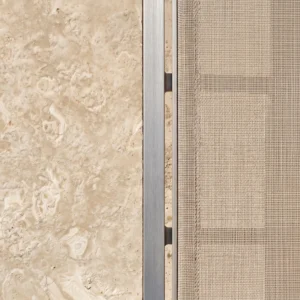
- Use flexible, compatible sealants at movement joints rather than rigid mortar that transmits stress
- Slope all horizontal joints to shed water rather than trap it against the stone
- Inspect and refill joints as part of routine maintenance, not just when problems appear
What often gets overlooked is that joint width itself is a design decision. Wider joints accommodate more movement and forgive minor dimensional variation in the stone, while tight joints demand precisely gauged units and leave little room for thermal expansion. Match your joint strategy to both the stone’s dimensional tolerance and your climate’s temperature swing.
Sealing and Maintenance Realities
Sealing protocols for stone masonry products differ from standard concrete maintenance because natural stone’s porosity varies by type, and over-sealing a dense stone wastes product while under-sealing a porous one invites staining. Travertine and softer limestone benefit from penetrating sealers in wet or high-traffic zones; dense granite and basalt often need little to no sealing beyond aesthetic preference. You should test absorption with a simple water-drop check before choosing a protocol. Selecting the right stone masonry products for a given exposure saves both product and labor over the life of the assembly.
Realistic maintenance expectations protect both your reputation and your client’s budget. You can expect 20 to 30 year performance from well-specified exterior stone with biennial resealing on porous types, routine joint maintenance, and proper drainage kept clear. The maintenance rhythm that actually holds up in the field looks like this:
- Sweep and rinse regularly to prevent abrasive grit from dulling finishes
- Reseal porous stone every two to three years, or when the water-drop test shows absorption returning
- Address efflorescence and mineral staining promptly with pH-appropriate cleaners, never harsh acids on calcareous stone
- Recharge paving joint sand annually in high-traffic or storm-exposed areas
The honest trade-off here is that lower-maintenance stone usually costs more upfront. Dense igneous stone asks little of you over its life but carries a higher material price; softer sedimentary stone is more affordable to buy but demands consistent sealing and joint care. Weigh lifecycle cost, not just the invoice.
Comparing Cost, Value, and Lifecycle
You’ll make better decisions when you separate purchase price from lifecycle value, because the cheapest building stone supplies rarely deliver the lowest total cost. A stone that needs replacement or heavy remediation at year twelve costs far more than one that runs quietly for three decades. Federal production and use data from dimension stone industry statistics underscores how durability and application fit drive the real economics of stone selection across construction sectors.
When you evaluate stone building supplies for a project, weigh these factors together rather than in isolation:
- Material cost per unit and delivered tonnage for the full quantity
- Installation labor, which rises with tighter tolerances and heavier units
- Expected maintenance frequency and sealing cost over the design life
- Replacement risk if the stone is under-specified for its load or climate
At Citadel Stone, we’ve found that buyers who request full performance data upfront avoid the costliest mistakes, and our team can advise on which stone materials genuinely fit a given load and climate profile. Sourcing from our established selected quarries, each batch of stone building supplies we handle is inspected for consistency at the warehouse before it ships, which keeps color and dimensional variation within the range your specification can tolerate.
Sourcing, Availability, and Delivery Planning
Your project timeline hinges on lead times, and this is where domestic inventory changes the math entirely. Imported stone often runs a 6 to 8 week cycle from order to site, while Citadel Stone maintains warehouse inventory nationwide, which typically reduces lead times to 1 to 2 weeks for stocked stone hardscape formats. You should verify warehouse stock levels before locking project schedules, because a delivery slip cascades through every downstream trade.
Delivery logistics deserve early planning, not a last-minute scramble. Stone is heavy, and your site access dictates how it arrives. A truck carrying full pallets needs firm ground and turning room; tight urban sites may require smaller loads and more frequent deliveries, which affects both cost and schedule. Confirm these details before the first truck is dispatched:
- Site access width and load-bearing capacity for delivery vehicles
- Staging area for pallets protected from traffic and weather
- Delivery sequencing so material arrives as each phase needs it, not all at once
- Unloading equipment availability, since hand-unloading heavy stone is slow and risky
For projects needing custom cuts or non-standard formats, Citadel Stone’s team can advise on lead times and fabrication scheduling. Whether you’re sourcing hardscape stone for a terrace or masonry units for a facade, you can request thickness specifications and samples before committing, which protects you from ordering a full quantity that misses the mark on color or gauge.
Source Premium Stone Building Materials — Citadel Stone Supply
You can order natural stone from Citadel Stone in a full range of formats — tiles, slabs, pavers, blocks, cobbles, setts, coping, and masonry units — sized to match your project’s coursing and load requirements. If you want to buy with confidence, request sample tiles and batch performance data so you can confirm absorption, strength, and color before you commit, and even the cheap-per-unit options should be weighed against lifecycle cost. Buyers looking for building stone for sale or comparing building stones for sale across suppliers get the clearest picture when they see delivered pricing on the tonnage a project actually needs. Trade and wholesale enquiries for building supplies stone are handled directly by our team, who can advise on custom fabrication where standard formats won’t serve. With warehouse inventory held nationwide, most stocked stone hardscape items ship within 1 to 2 weeks under nationwide delivery coverage, and you can schedule deliveries to align with your build phases. Contact Citadel Stone for a quote, sample request, or specification consultation to get your material selection confirmed and on schedule.
Getting Stone Building Materials Right for Your Project
The projects that hold up over decades share a pattern: absorption and strength data checked before selection, base and anchoring detailed for the actual loads, joints and movement planned rather than assumed, and material sourced from a supplier who inspects for consistency. Handle those four disciplines and you’ve eliminated the causes behind nearly every stone failure worth naming. As you plan your specification, complementary fabrication needs often arise, and because both fall under the same Citadel Stone project scope, custom stone fabrication options covers how bespoke cuts and profiles fit into a larger stone project. Builders source Citadel Stone Stone Building Materials, a natural stone selected for residential and commercial projects, for projects across the country.
Related guides: natural stone building materials cost · what makes building stone durable · building a stone house · natural stone wall · stone building company · stone building company project · natural stone hardscape ideas · stone building problems.