








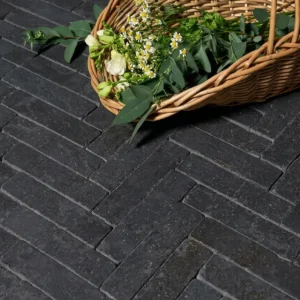
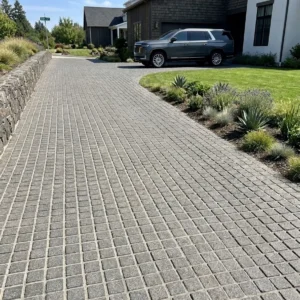
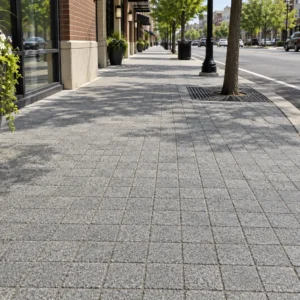
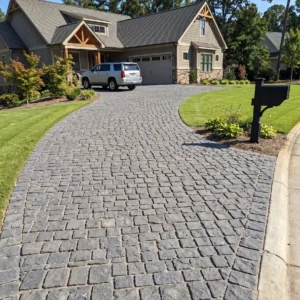
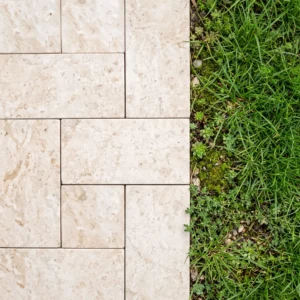
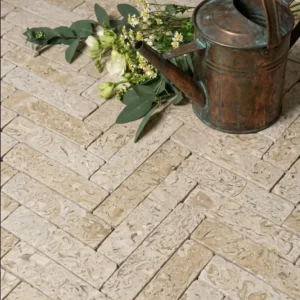
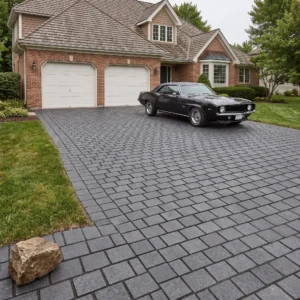
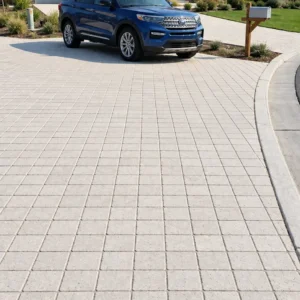
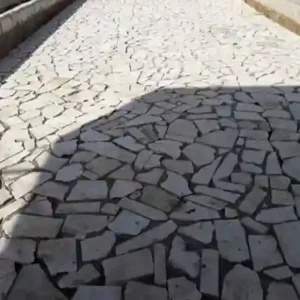
What Granite Brings to a Paving Assembly
The failure you find on a granite paver job five years in is almost never the stone itself — it’s the bedding layer, a joint nobody maintained, or an edge that was never restrained. Granite pavers routinely outlast the assembly built around them, which is why your specification effort belongs below the surface as much as on it. Everything that follows works from that premise: the stone is the straightforward part, and the detailing decides how the installation ages.
Granite is an intrusive igneous rock — quartz, feldspar and mica that crystallized slowly at depth — and the NSI granite overview describes that mineral makeup. Slow cooling is what produces the interlocking crystal grain you can see on a freshly broken edge. That grain structure is why the material accepts an aggressive mechanical finish without fretting and holds a sawn arris cleanly through years of traffic.
What this means on a real jobsite is worth spelling out, because the practical consequences differ from the marketing shorthand:
- Water uptake is low relative to most sedimentary paving stone, which matters in freeze-thaw regions — specify ASTM C97 and request the test report from your supplier rather than accepting a quoted figure
- Color holds under sustained UV exposure, so a terrace laid this year still reads the same against the house a decade out
- The silicate mineralogy is chemically less reactive to de-icing salts than carbonate stones, which is why granite shows up on so many winter-exposed entries
- Sawn edges stay crisp under wheel loads, where softer stone rounds off and starts collecting debris in the joint
- You can expect decades of service life where drainage works and the base was built honestly
At Citadel Stone, we cut granite pavers to order at our selected quarries, which means format, thickness and finish get locked down against your drawings before anything is sawn. You can request samples and the available test data for the specific material before committing to a format.
Color, Grain and Finish: Reading the Stone Before You Order
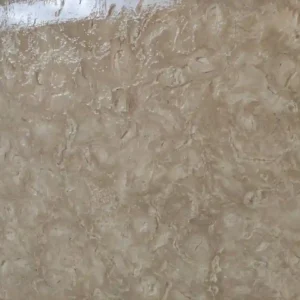
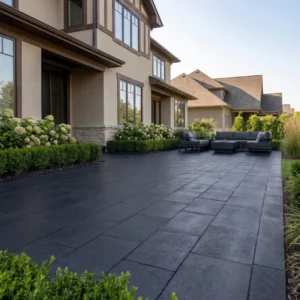
Your biggest aesthetic risk with granite pavers isn’t picking the wrong tone family — it’s underestimating how much the finish shifts that tone. The same block can read light silver-gray flamed and near-charcoal when honed and wet. Specify from a sample in the finish you’re actually buying, viewed outdoors, dry and wet, at the time of day the space gets used.
How Each Finish Changes the Surface
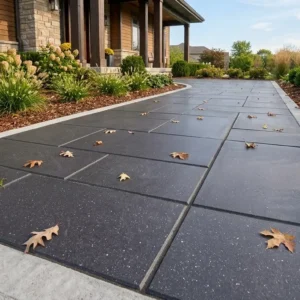
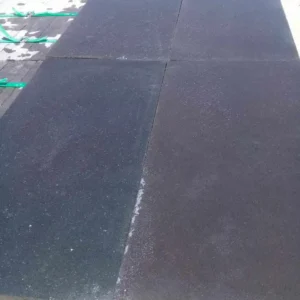
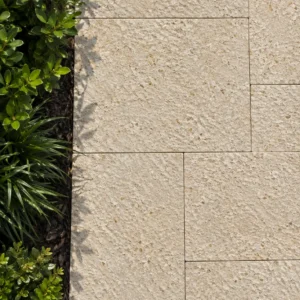
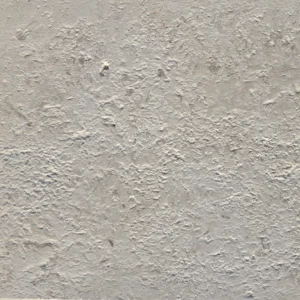
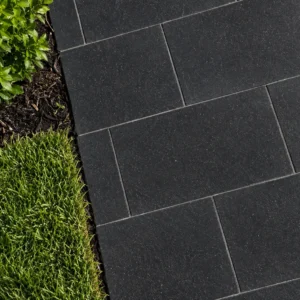
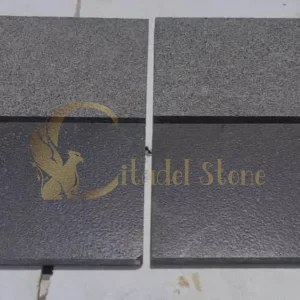
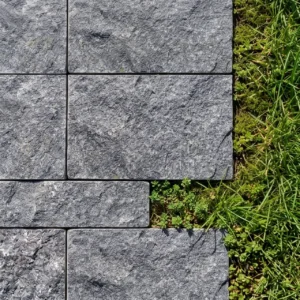
- Flamed: thermal shock pops the surface crystals off, leaving an open, coarse, matte texture that mutes the color and hides minor staining
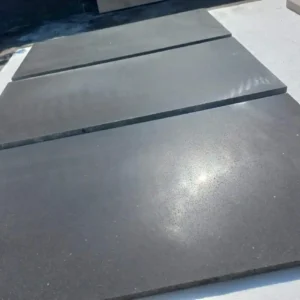
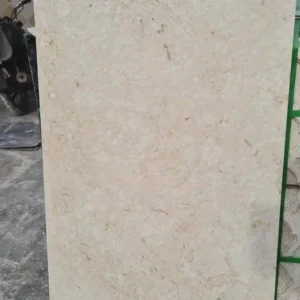
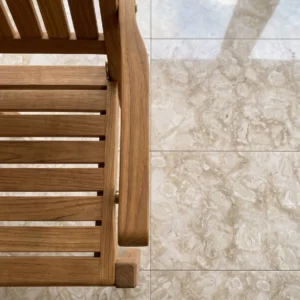
- Honed: ground flat without polish, giving an even satin face that deepens color and shows the grain pattern clearly
- Bush-hammered: a dense, regular pitted texture with more relief than flamed and a more uniform look across a large field
- Sawn: straight off the gang saw, with faint blade marks and a tight, flat face often used under a sealer in covered areas
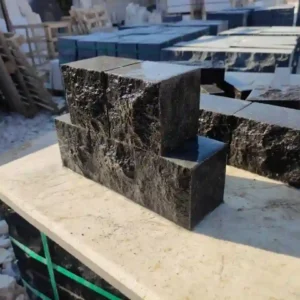
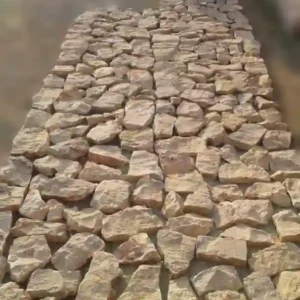
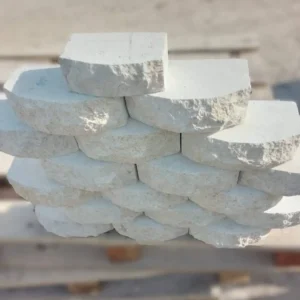
- Tumbled or antiqued: softened edges and a worn face that suits garden paths and informal granite stone paving better than a sharp modern terrace
Asking the Right Questions About Slipperiness
Slipperiness is a reasonable thing to ask about, and the honest answer is that finish is the variable, not the stone type. The current reference method in North America is ANSI A326.3, measured wet — replacing the ASTM C1028 static test withdrawn in 2014. Treat it as a conversation about texture and drainage geometry, and evaluate a physical sample under the wet conditions your site will actually see rather than relying on a label.
Thickness and Format: Matching the Unit to the Load
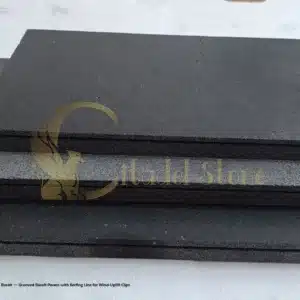
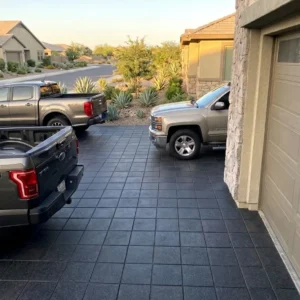
Thickness selection for granite pavers is a load question first and an aesthetic question second. Pedestrian terraces, garden paths and roof-terrace work typically sit in the 1¼–1½ in range over a mortar or pedestal system, while vehicular surfaces move to 2 in and up over a flexible base, and occasional-truck or service-access areas push toward 3–4 in units or granite setts. Ask your structural drawings what wheel loads are expected before you fix a nominal thickness.
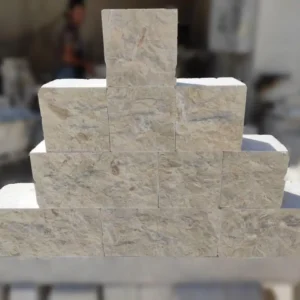
Format drives both the look and the labor bill. Square granite pavers in 12 × 12 in, 16 × 16 in and 24 × 24 in (600 × 600 mm) lay fast and suit grid layouts, while large granite pavers at 24 × 36 in and up reduce joint count on broad terraces but demand flatter base tolerance and two-person setting. Modular rectangles in 12 × 24 in give you running-bond and basketweave options without site cutting.
- Thin granite paving tiles below roughly 1 in belong on a bonded slab, never on a sand-set base
- Every size jump upward multiplies the penalty for an out-of-flat base — a high spot that disappears under a 12 in unit rocks a 30 in one
- Mixed-format patterns need a cut schedule agreed before production, not improvised on site
- Order calibrated thickness for interior or bonded work and gauged-to-nominal for flexible paving
- Carry 5–8 percent overage for cuts, breakage and future repairs from the same production run
ASTM C615 is the dimension-stone specification that covers granite for building and paving use, and you can review the C615 standard listing directly. Reference it in your spec, then ask the supplier for the test report that corresponds to the material you’re actually buying.
Base Preparation That Decides How the Paving Ages
Here’s what separates installations that hold their line from the ones that get rebuilt: subgrade compaction done in lifts, not in one optimistic pass. A compacted crushed-stone base placed in 3–4 in lifts and compacted each time behaves completely differently from the same total depth dumped at once. Your plate compactor only reaches so deep, and the difference shows up as a dip at the third winter.
- Pedestrian patios generally want 4–6 in of compacted crushed-stone base over a prepared, compacted subgrade
- Driveways and service areas move to 8–12 in, deeper where clay soils swell and shrink seasonally
- Slope the base, not just the surface — about ¼ in per foot (2 percent) away from structures keeps water out of the bedding
- Install a woven geotextile between subgrade and base in soft or silty soils to stop fines migrating upward
- Carry the compacted base past the paved footprint by about 6 in so the perimeter has something to bear on under restraint
- Confirm the base is flat to the tolerance your unit size needs before a single paver goes down
Clay-heavy soils deserve particular attention. The expansion and contraction cycle in expansive clay works upward through a thin base and telegraphs into the paving as seasonal humping, so you either go deeper on base depth or improve the subgrade. Specifying natural granite pavers over an undersized base in that soil type is one of the most expensive shortcuts available on a hardscape job.
Setting Beds, Joints and Edge Restraint
Two assemblies dominate exterior granite work, and they fail in different ways. Flexible, sand-set paving over compacted aggregate moves with the ground and tolerates frost heave, but it needs joint sand maintained and a rigid edge to hold the field in compression. Mortar-set paving over a reinforced slab gives you a dead-flat, non-moving surface, and it punishes any drainage mistake immediately because water that gets in has nowhere to go. Choose the assembly from the subgrade and the exposure rather than from the quote sheet, because switching late in design changes base depth, drainage strategy and perimeter detailing all at once.
Edge restraint is where most sand-set jobs quietly lose. Without a concrete haunch, steel edging or a mortared soldier course, the perimeter units creep outward a fraction each freeze cycle and the joints open from the outside in. Spend the money at the perimeter — it’s a small fraction of the installed cost and it protects everything inboard.
- Use a consistent bedding depth, typically about 1 in of coarse bedding sand, screeded and never used to correct base irregularities
- Hold joint widths honest: ⅛–¼ in for sawn modular units, ⅜–½ in where tumbled or split faces give variable edges
- Polymeric sand needs the joint fully filled and the surface genuinely dry at activation, or it hazes and crusts
- Plan movement joints in bonded installations at the slab’s joint locations, carried straight through the stone
- Expect to top up and re-compact joint sand after the first wet season — that’s normal commissioning, not a defect
What Actually Drives Your Granite Paving Budget
Material price per square foot is the number everyone compares when pricing granite pavers, and it’s rarely the number that decides the project cost. Thickness, finish, unit size, cut complexity and the proportion of site cutting in your pattern all move the installed figure more than the headline rate does. A flamed 2 in driveway unit and a sawn 1¼ in terrace tile from the same quarry can sit worlds apart on a quote sheet.
Freight Distance and Regional Supply
Dimension stone travels as a heavy freight commodity, and the USGS dimension stone report tracks the scale of that production and movement each year. Weight is the point: a pallet of 2 in granite is dense, and the delivered cost to an inland site hundreds of miles from the nearest receiving port differs meaningfully from a coastal one. Build that into your budget early rather than treating it as a surprise line item.
- Freight is weight-driven, so thickness decisions ripple straight into delivered cost — spec 2 in where 2 in is needed, not everywhere
- Regions with active local quarrying of competing stone tend to set a lower price anchor, which reframes how granite is judged locally
- Full-load quantities land better per square foot than part-load orders, so consolidate phases where your schedule allows
- Remote or mountain sites carry a final-mile premium that has nothing to do with the stone
- Installed labor rates vary more by region than material does — get both numbers before comparing options
Color and grade shift price as much as format does, since consistent dark material and rare tone families cost more to select and yield less from the block. If you’re still narrowing the palette, the granite paver color guide walks through how the main tone families behave in outdoor light. Settle color before you request pricing, because a mid-production change is among the most expensive revisions on the job.
Across the Landscape: Where Each Application Pulls
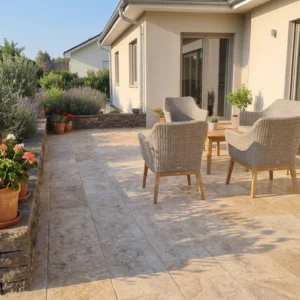
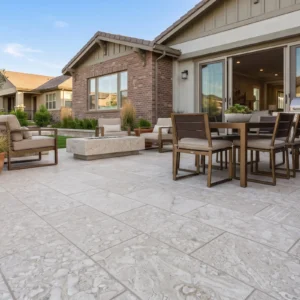
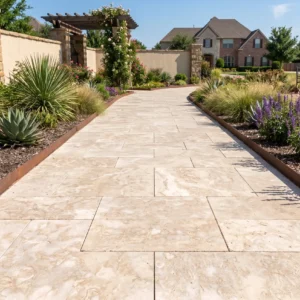
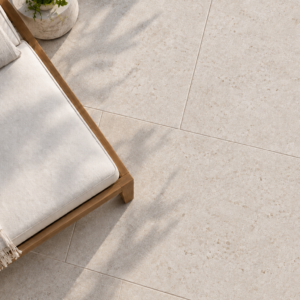
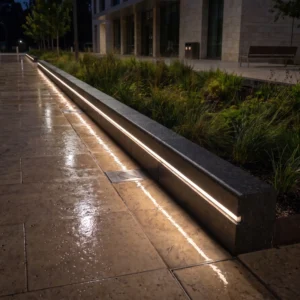
Granite paving and landscaping work best together when the stone does more than one job — a terrace field that continues as step treads, a drive apron that matches the entry walk, a band of setts that resolves an awkward curve. Repetition of one material across several elements reads as intention; four different stones in one yard reads as a budget that got managed in pieces.
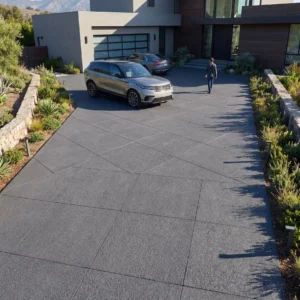
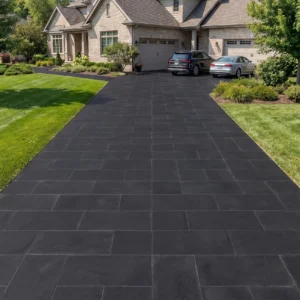
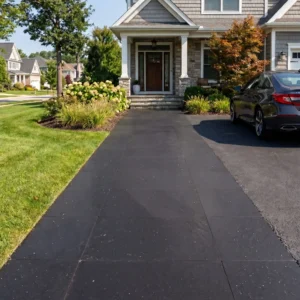
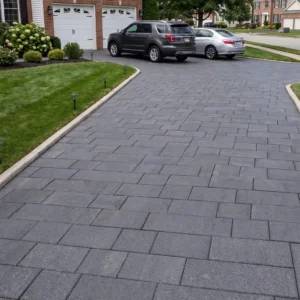
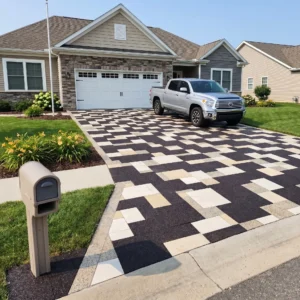
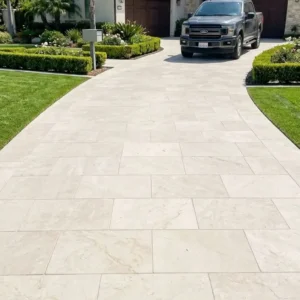
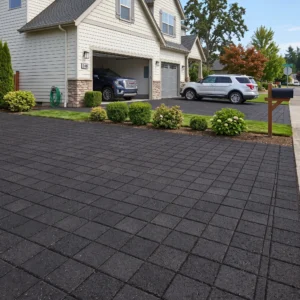
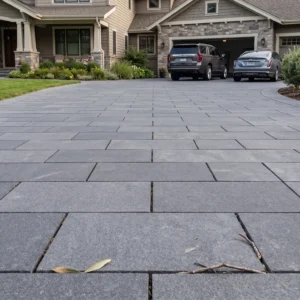
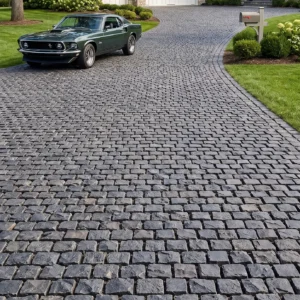
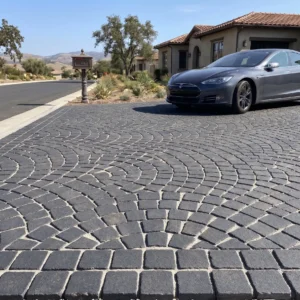
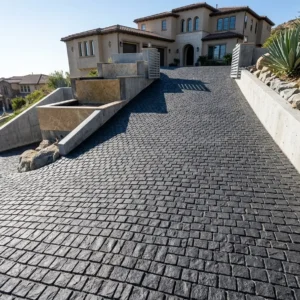
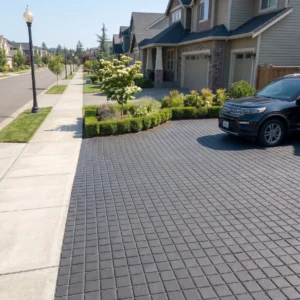
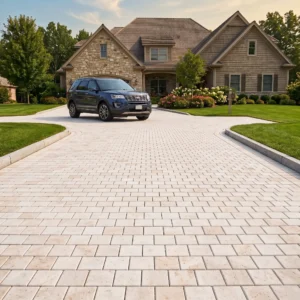
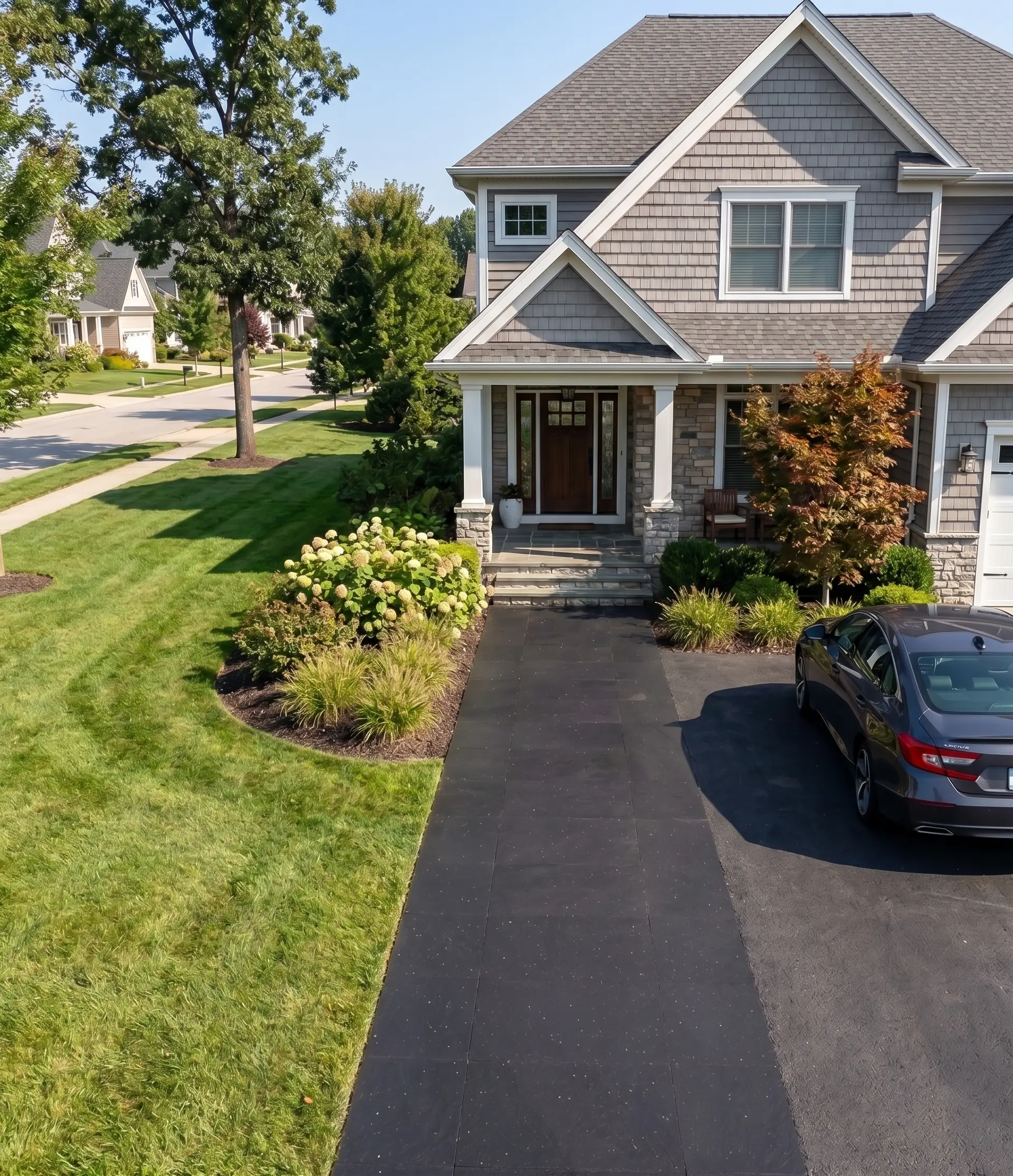
- Driveways and aprons: thicker units, tighter joints, and an edge detail that resists turning wheel loads
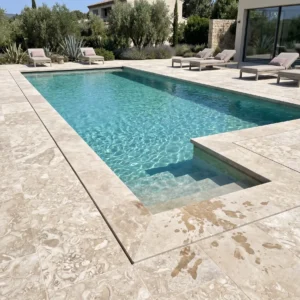
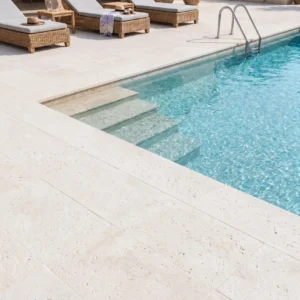
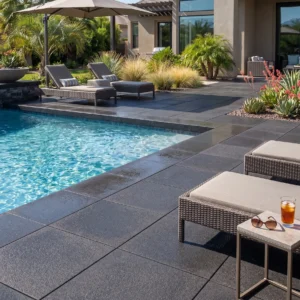
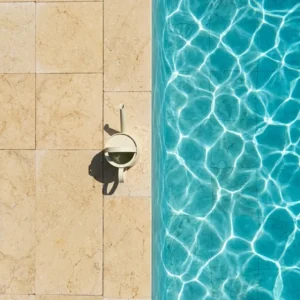
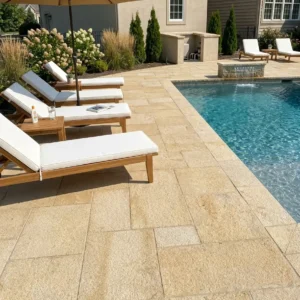
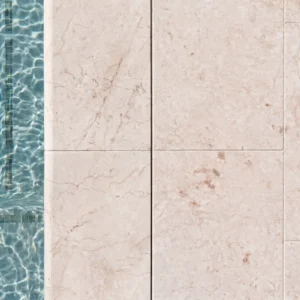
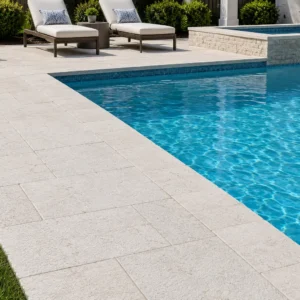
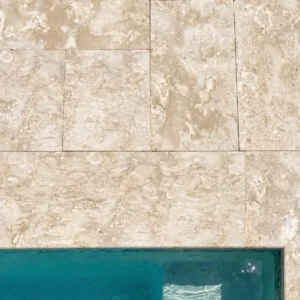
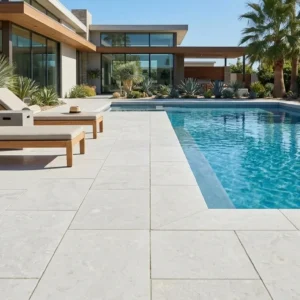
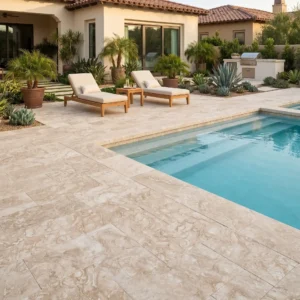
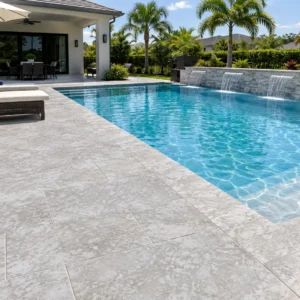
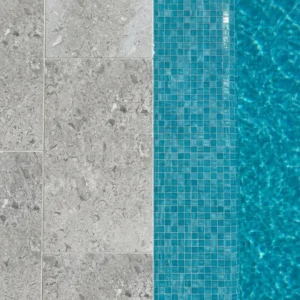
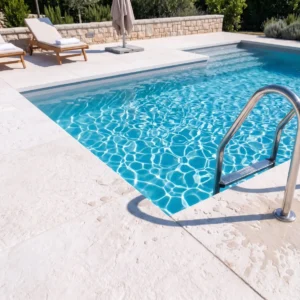
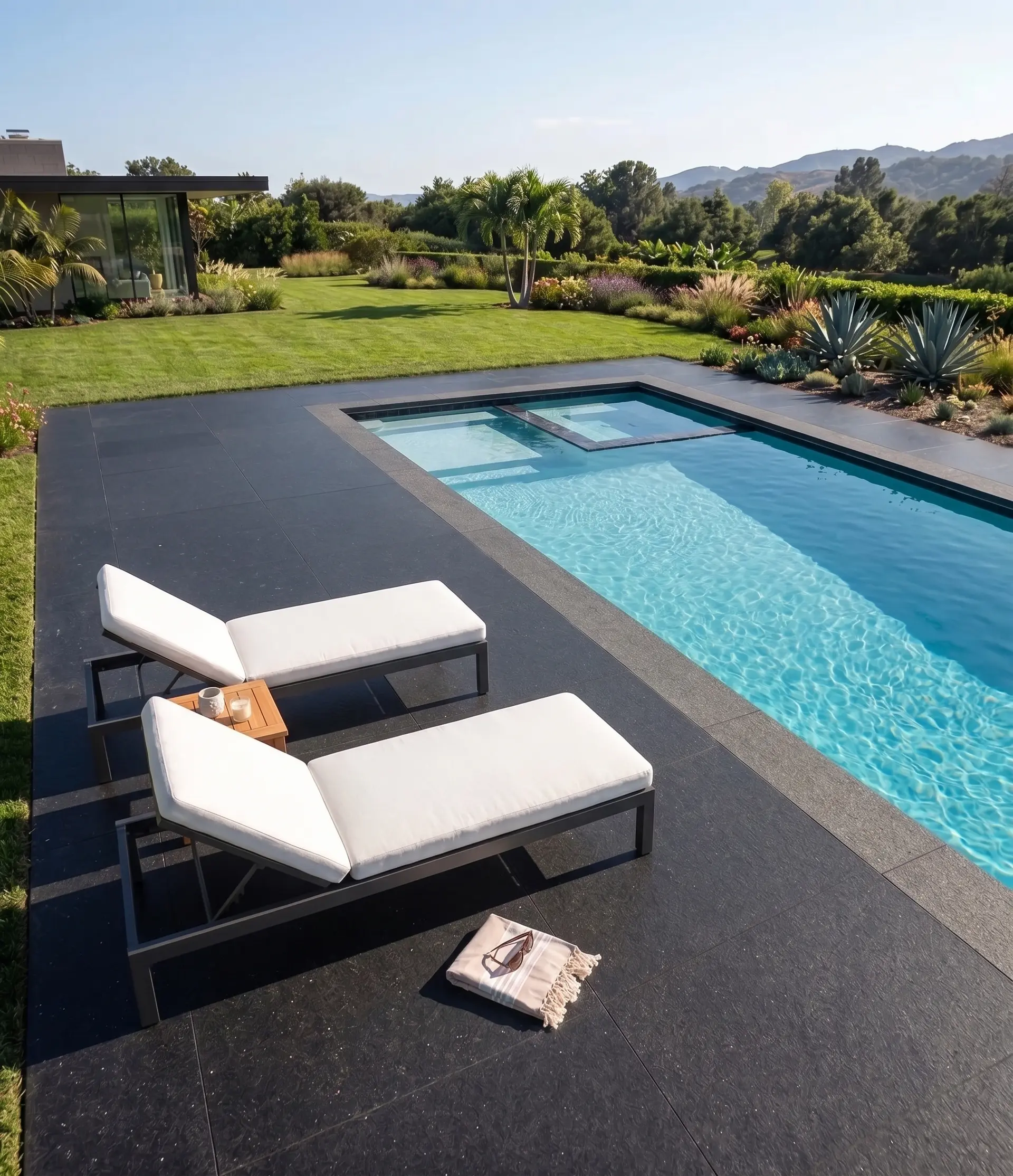
- Pool surrounds: pay attention to drainage fall and the finish texture underfoot, and keep coping and field material from the same production run
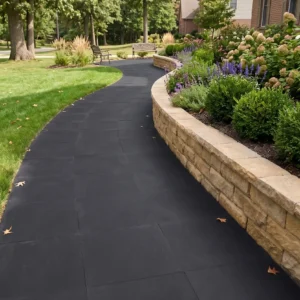
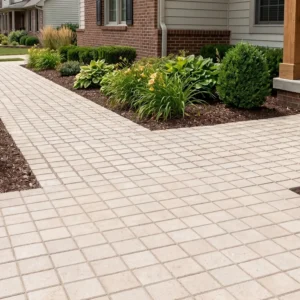
- Walkways and garden paths: smaller square units or tumbled granite tile pavers negotiate curves with less cutting
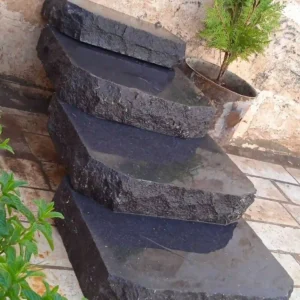
- Steps and treads: ask for a thicker nosing-grade unit and confirm overhang detail before fabrication
- Commercial plazas and granite pavement for light service access: coordinate unit size with maintenance vehicle loading
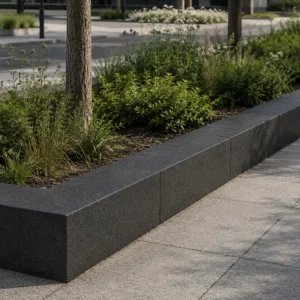
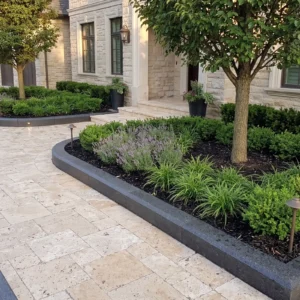
Exterior granite pavers also handle the transition from hard to soft landscape cleanly. A mortared soldier course against planting beds holds the field while giving the bed a defined edge, and it gives you a sacrificial element that can be lifted and reset if irrigation work is ever needed below.
Maintenance, Sealing and Long-Term Care
Granite pavers ask less of you than most paving stone, but “less” isn’t “none.” The maintenance load sits almost entirely in the joints and in organic staining on shaded, damp elevations. Plan a simple annual routine and the surface stays presentable for decades without intervention.
- Wash down annually with water and a neutral-pH cleaner; skip acid products, which attack mortar joints even when the stone shrugs them off
- Watch north-facing and tree-shaded areas for algae and biofilm — these are maintenance issues, not stone defects
- Top up joint sand where it has washed out, especially at downspout discharge and along drive edges
- Sealing is optional on most exterior granite; where it’s used, reseal on the interval the sealer manufacturer states for that exposure
- Keep spare units from the original order — a matched replacement beats a close match from a later production run every time
Honed and polished faces in covered areas benefit most from a penetrating sealer, mainly for oil and tannin resistance rather than water. Flamed and bush-hammered surfaces in open weather usually do fine unsealed, and sealing them can trap moisture in the surface texture if applied over a damp substrate. Efflorescence sometimes surfaces on mortar-set work during the first season as the bed cures and carries salts upward; it normally weathers off and responds to a dry brush rather than to acid.
Ordering, Lead Times and Site Access
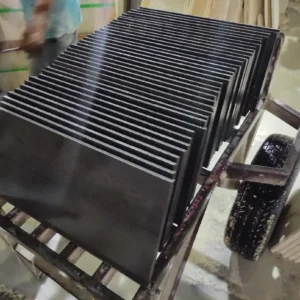
Production scheduling is the part most projects underestimate. Cut-to-order granite pavers have a fabrication window, and that window extends when your pattern includes radius cuts, matched step treads or non-standard thicknesses. For projects needing custom cuts or non-standard formats, Citadel Stone’s team can advise on realistic lead times at the quoting stage so your install crew isn’t booked against a date the shop can’t meet. Build a little slack between the quoted ship date and the crew’s start date — it costs nothing in the program and absorbs the ordinary friction of heavy freight.
Site access deserves a conversation before the order is placed, not the morning of delivery. Confirm whether a full-size truck can physically reach the unloading point, whether the surface it crosses will carry the load, and who provides the offloading equipment. A pallet of 2 in granite pavers is not a two-person lift.
- Confirm offloading method in advance — a truck-mounted forklift needs firm, reasonably level ground alongside the delivery point
- Measure the approach for turning radius and overhead clearance where tree canopy or utility lines cross the drive
- Stage pallets close to the work but off the finished base, and never on a surface you plan to pave later
- Inspect and photograph pallets at delivery, before the truck leaves, and check for shift damage along the outer courses
- Cover stored material in dusty or muddy conditions so you aren’t washing every unit before setting
Citadel Stone arranges and manages nationwide delivery of granite paving from our selected quarries, with lead times quoted alongside the order rather than promised in advance. Each order is checked against the agreed specification for size, thickness and finish consistency before it ships.
Buy Granite Pavers Wholesale from Citadel Stone
Granite outdoor pavers are produced to order in standard square and rectangular formats from 12 × 12 in through large-format 24 × 36 in, in nominal thicknesses from 1¼ in for pedestrian work up to 3–4 in for vehicular and setts, with flamed, honed, bush-hammered, sawn and tumbled finishes available. You can request physical samples in the specific finish, along with available test data, before committing to a format or placing a production order.
Trade and wholesale inquiries start with your quantity, format schedule, finish and delivery location — send drawings if you have them, and pricing comes back against that scope rather than a generic rate card. Searching for cheap granite pavers usually surfaces thin, off-spec material that costs more once the rework is counted, so compare delivered cost against a defined specification instead. Lead times are quoted with the order, and delivery is arranged and managed through to your jobsite with offloading agreed in advance.
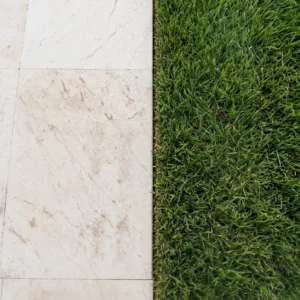
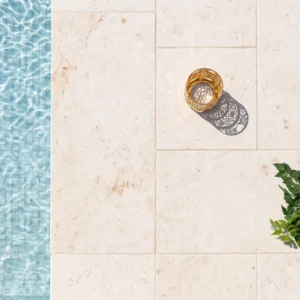
Material decisions rarely stop at one surface, and a lighter palette often enters the conversation for pool surrounds and sun-exposed terraces — how snow white travertine performs outdoors covers that alternative in detail if it fits your scheme. Request a quote with your format schedule and delivery address, and the specification conversation can start from real numbers. Contractors and designers source Granite Pavers from Citadel Stone for patios, driveways and terraces.
See also: granite pavers for driveways guide.
Related guides: reclaimed granite pavers guide · flamed granite paver finish · granite cobble pavers comparison · granite paver thickness · granite stepping pavers · granite vs porcelain pavers.