

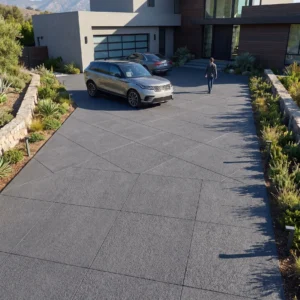
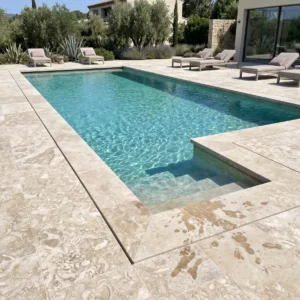
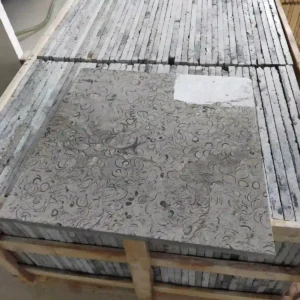
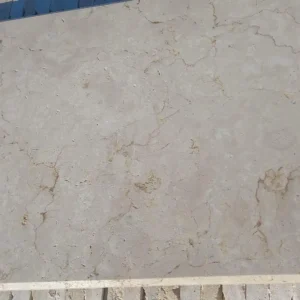
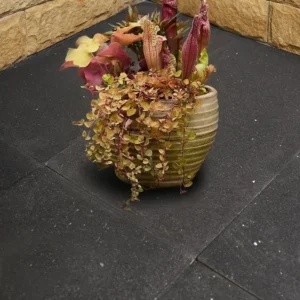
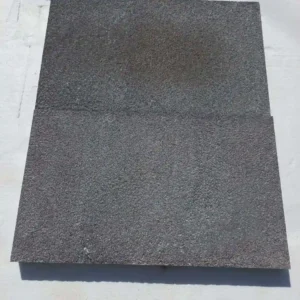
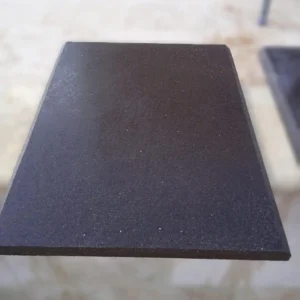
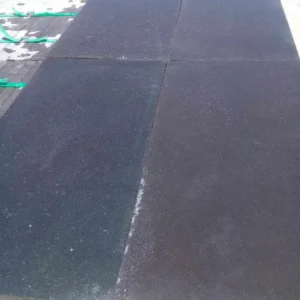
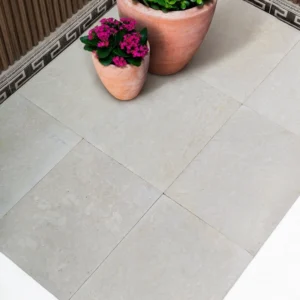
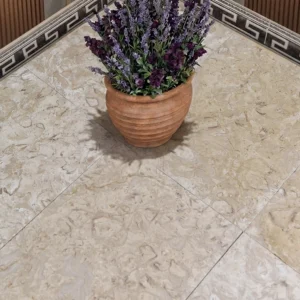
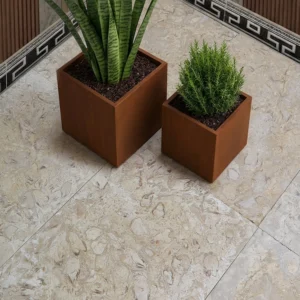
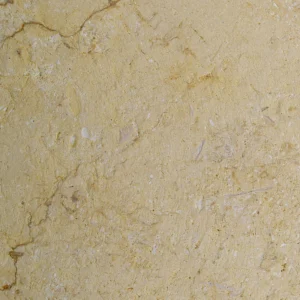

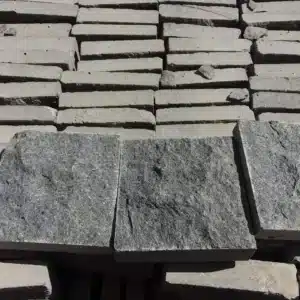
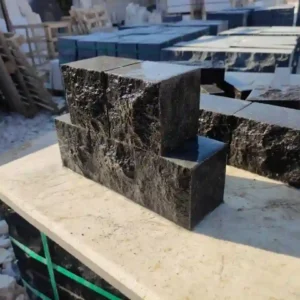
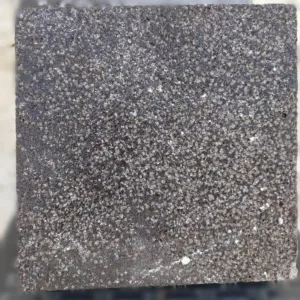
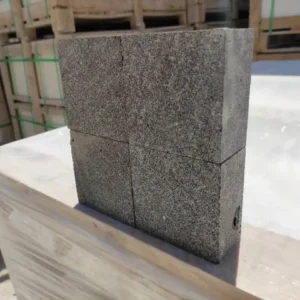
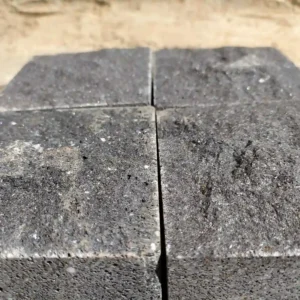
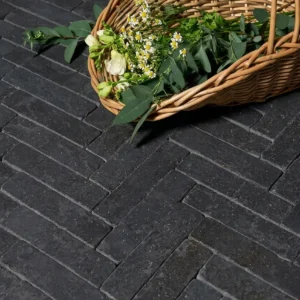
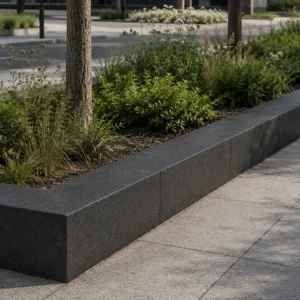
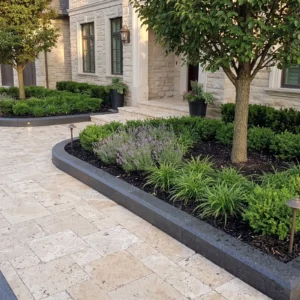
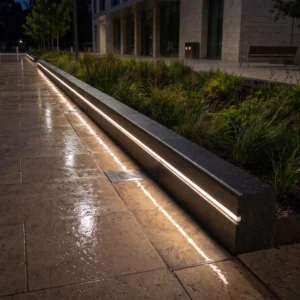
The single most predictive variable for how long a landscape granite installation survives severe weather isn’t the stone itself — it’s the bedding depth and edge restraint you commit to before a single boulder or paver gets set. Landscape granite is a strong, low-absorption material, and it rarely fails on its own; the failures show up at joints, edges, and undermined bases where wind-driven water and freeze-thaw cycling do their quiet work. You’ll get far more out of this material by treating the substrate as the engineered component and the granite as the finish. That distinction changes every decision downstream, from aggregate gradation to how you handle large granite rocks for landscaping on sloped ground.
Why Landscape Granite Outperforms in Hardscape Applications
Granite’s crystalline igneous structure gives you a density and abrasion resistance that softer sedimentary stones simply can’t match under repeated mechanical stress. You’re looking at a material with a Mohs hardness around 6–7 and thermal expansion near 4.4 × 10⁻⁶ per °F — low enough that daily temperature swings don’t open joints the way they do in higher-movement materials. According to NSI granite durability specifications, this combination is precisely why granite dominates high-traffic and exposed hardscape work.
The performance story matters most where weather turns aggressive. Consider what you’re actually specifying for:
- Very low absorption that resists freeze-thaw spalling in cold-cycling regions — request the absorption result for your batch
- High flexural strength that keeps slabs and pavers intact under point loads and impact
- Superior abrasion resistance for driveways and walkways carrying repeated wheel and foot traffic
- UV stability, so the graphite, silver, and charcoal tones hold their color for decades
- Chemical inertness that shrugs off de-icing salts far better than limestone or concrete
At Citadel Stone, our warehouse quality checks flag any batch with visible micro-fracturing before it ships, because a hairline flaw invisible in the yard becomes a failure plane after ten winters. You can request sample pieces or thickness specifications before committing to a large order — a step worth taking on any project where color consistency across pallets matters.
Color Ranges and Format Options You Can Specify
Your palette selection drives more than aesthetics — it influences heat reflectivity and how visible surface dust and mineral bloom will be over time. Landscape granite spans a wide tonal range, and matching format to application is where most specifications either succeed or create maintenance headaches down the road.
You’ll find the material available across these common categories:
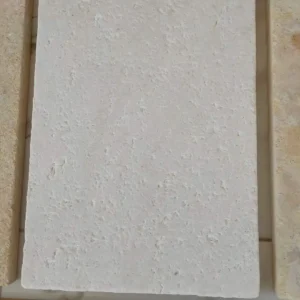
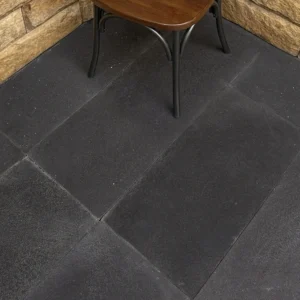
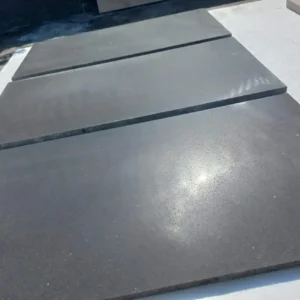
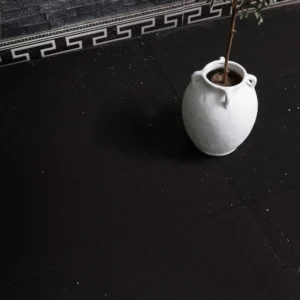
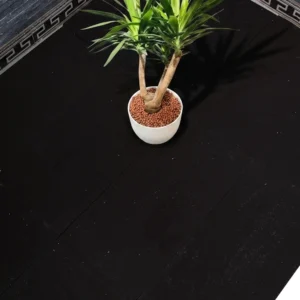
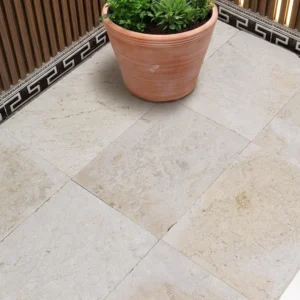
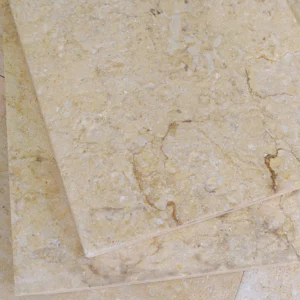
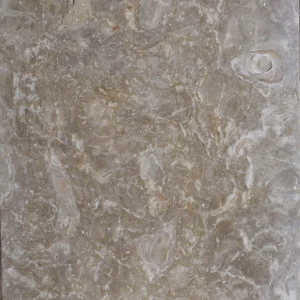
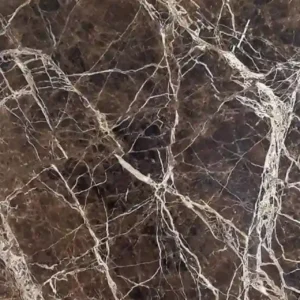
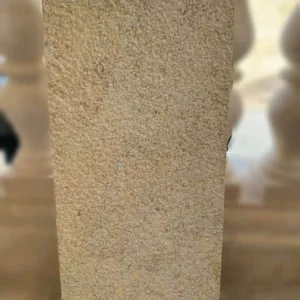
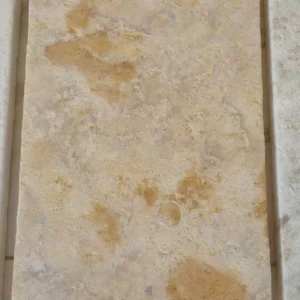
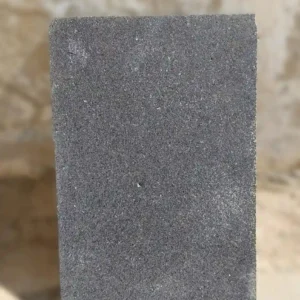
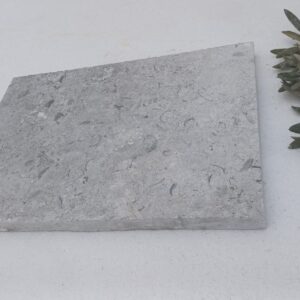
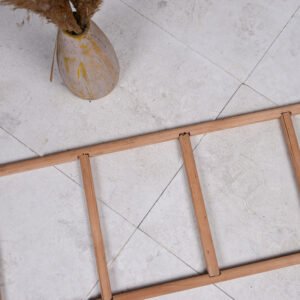
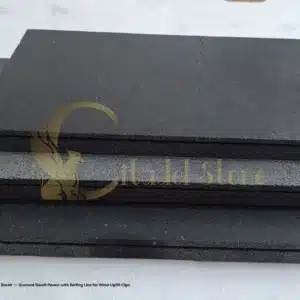
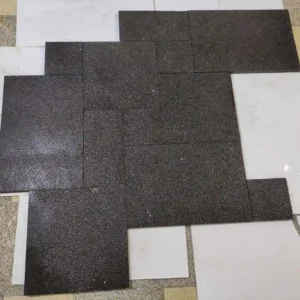
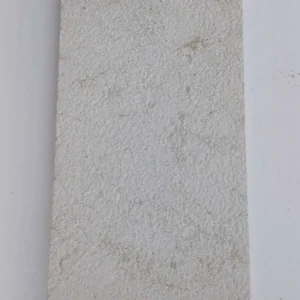
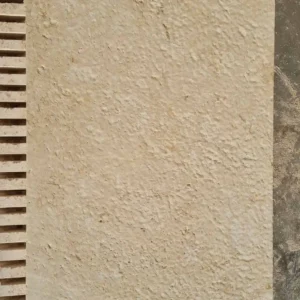
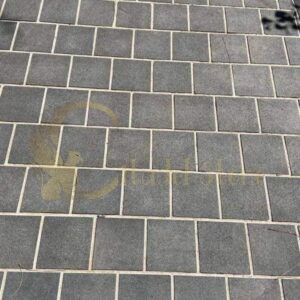
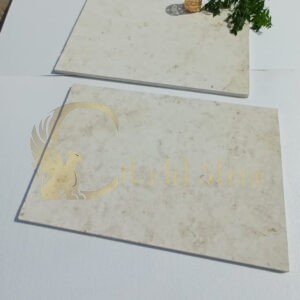
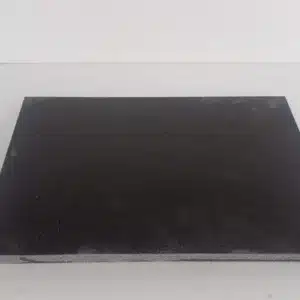
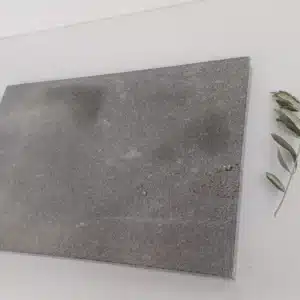
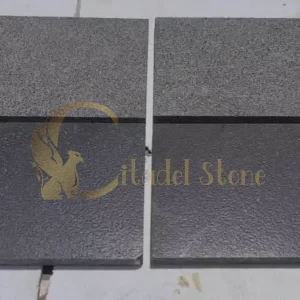
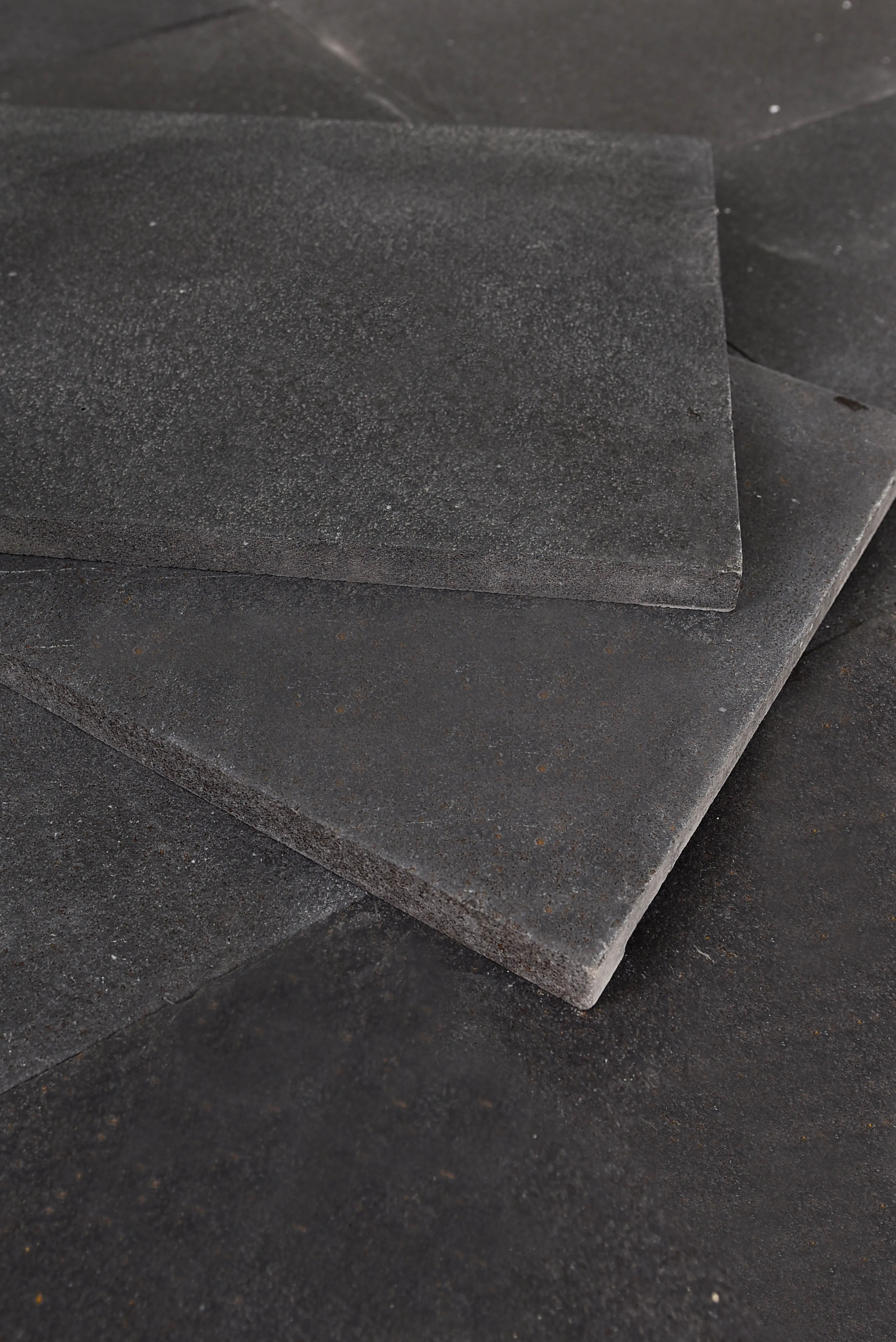
- Colors ranging from cream and ivory through silver, grey, dark grey, charcoal, and graphite to deep black
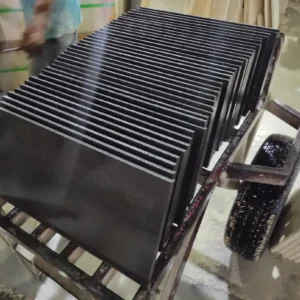
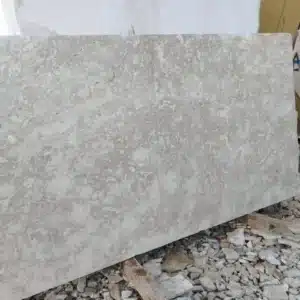
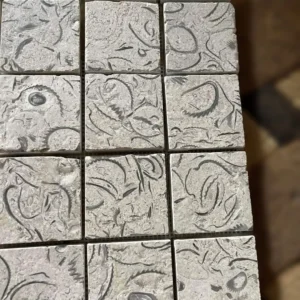
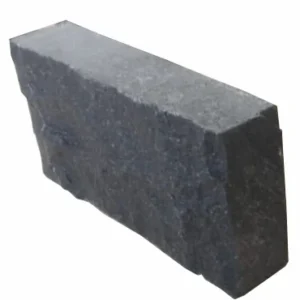
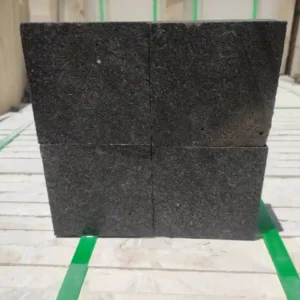
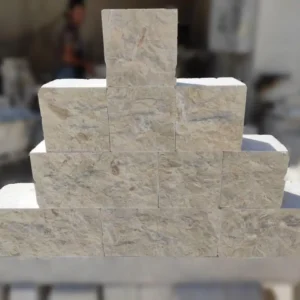
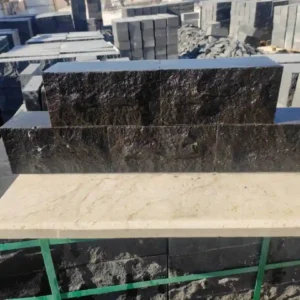
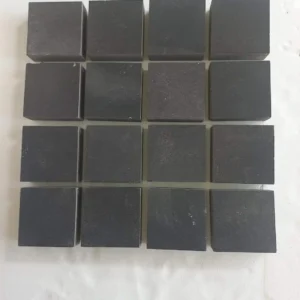
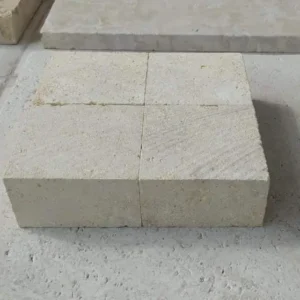
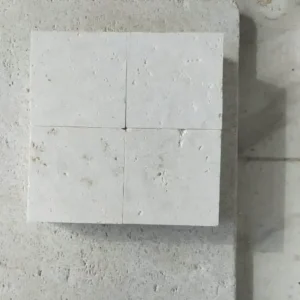
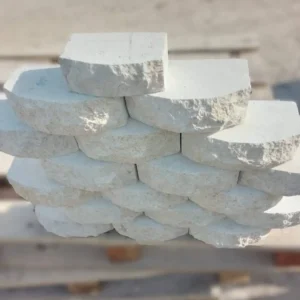
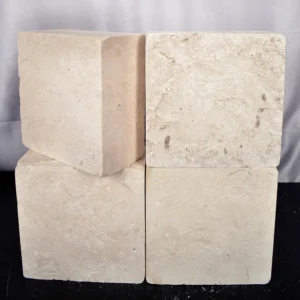
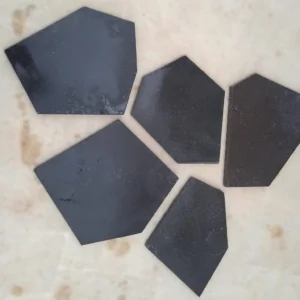
- Product types including pavers, slabs, tiles, blocks, setts, cobbles, and coping
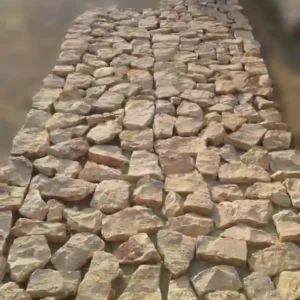
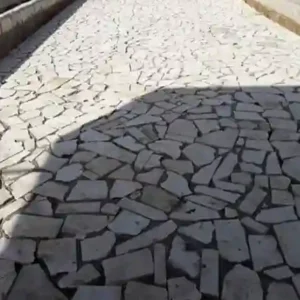
- Formats spanning block paving, herringbone layouts, random-sized flagstone, and stepping stones
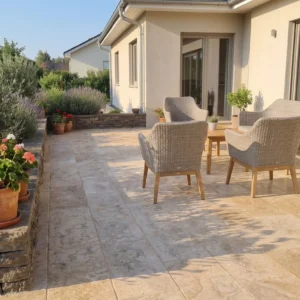
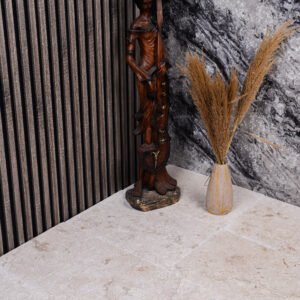
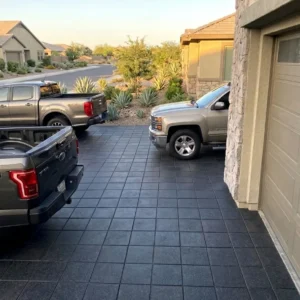
- Applications from patio and driveway surfaces to garden borders, walkways, and broader outdoor landscape features
Here’s what most specifiers miss: darker charcoal and graphite granite reads beautifully in a design portfolio but stores measurably more heat in exposed positions. For seating areas and pool surrounds, lighter silver and grey tones keep surfaces more comfortable. Among granite landscape stone suppliers, Citadel Stone stocks the full tonal range in standard formats, and you can order granite rock landscape supplies in bulk tonnage or palletized units depending on whether you’re doing decorative fill or set paving.
Base Preparation That Actually Survives Storms
The subgrade is where storm resistance is won or lost, and this is the section worth reading twice. Wind-driven rain events don’t damage granite — they saturate and erode poorly compacted bases, then hydrostatic pressure and lateral wind load do the rest. Your base has to move water out faster than a storm can push it in.
For set granite paving and slabs, build your base in lifts and compact each one:
- Excavate to accommodate a minimum 6-inch compacted aggregate base for pedestrian areas, 8–10 inches for vehicular loads
- Use angular crushed aggregate, not rounded gravel — angular material interlocks and resists lateral displacement under wind and traffic
- Compact in 2–3 inch lifts to 95% Proctor density; skipping lifts is the single most common field shortcut that causes settlement
- Grade the base to a minimum 1–2% fall for positive drainage away from structures
- Install a geotextile separation layer over clay-heavy or expansive soils to prevent aggregate migration
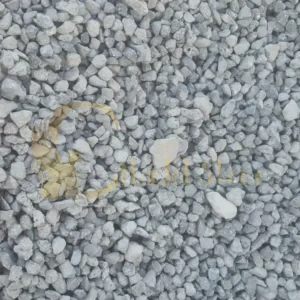
The interaction between compacted aggregate and regional soil expansion becomes critical in clay-heavy ground — you’ll want that geotextile and a deeper base than the generic spec suggests. For projects combining set paving with decorative aggregate zones, crushed granite landscape guide covers gradation and depth details that carry directly across to boulder and rock placement. Getting the subgrade right at this stage prevents the settlement and edge failures that show up years later.
Edge Restraint and Wind Load Considerations
Edge failure is the mechanism that unravels an otherwise sound installation during severe weather. Once a perimeter unit lifts or shifts, wind and water get underneath the field, and the failure propagates fast. You’re designing the edge as a structural boundary, not a trim detail.
Field performance data shows that unrestrained edges fail 3–5 times faster than properly restrained perimeters in storm-exposed sites. The American Society of Landscape Architects offers hardscape design guidance that reinforces treating perimeter detailing as load-bearing. Practical measures that hold up:
- Set concrete or aluminum edge restraint below finished grade so it’s invisible but locks the perimeter units
- Use larger, heavier granite setts or blocks at exposed edges where uplift risk is highest
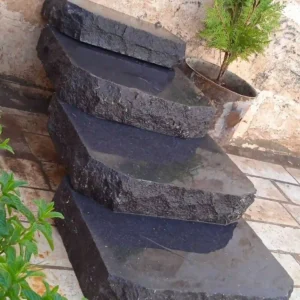
- For large granite rocks for landscaping on slopes, bury the base third of each boulder to resist rotation and downhill creep
- Increase joint sand compaction at perimeters — under-filled edge joints are entry points for wind-driven water
- Anchor stepping stones and isolated units into a compacted setting bed, not loose fill, in high-wind corridors
What often gets overlooked is hail impact on thinner tile formats. If your site sees severe hail, spec a nominal 2-inch or thicker granite paver rather than a thin veneer tile — the added mass absorbs impact energy without cracking. Citadel Stone’s team can advise on format thickness and lead times when you’re matching material to a specific severe-weather exposure.
Thickness and Load Selection
Matching thickness to expected loads keeps you from either over-spending or under-building. Granite’s strength lets you run thinner than concrete in many cases, but wind uplift and impact loads shift that calculation on exposed sites.
Use these working ranges as a starting point, then adjust for your exposure:
- Pedestrian patios and walkways: 1.25–2 inch nominal pavers or tiles over a compacted base
- Residential driveways: 2–3 inch pavers or setts to handle repeated wheel loading
- Commercial or heavy vehicular zones: 3 inch and thicker slabs or full-depth setts
- Storm-exposed and high-wind areas: increase one nominal step up from the baseline for added mass
The detail that matters most is bedding continuity — a thick paver over voids still cracks. USGS dimension stone production data confirms granite’s dominance in load-bearing paving precisely because its flexural performance holds up when bedding is done right. Sourced from our selected premium quarries, each batch we ship is inspected for consistent thickness, which matters more than most buyers realize when you’re screeding a large field of pavers flat.
Maintenance and Long-Term Performance
Granite’s low-maintenance reputation is earned, but it’s not zero-maintenance — the difference between a 20-year and a 30-year installation lives in joint and drainage upkeep. Because the stone is chemically inert and near-highly resistant, your maintenance focus shifts almost entirely to what surrounds it.
You can expect decades of service with a light, consistent routine:
- Refresh polymeric or graded joint sand every 3–5 years as it erodes from weather and traffic
- Keep drainage channels and base falls clear so storm water never ponds against edges
- Inspect edge restraint annually after severe weather seasons; re-set any shifted perimeter units promptly
- Rinse de-icing salt residue in spring — granite tolerates it, but adjacent metals and mortar don’t
- Sealing is optional for granite pavers; a penetrating sealer mainly helps in high-stain-risk zones like grill areas
The honest trade-off: granite costs more up front than concrete or many sedimentary stones, and it’s heavier to handle and set. What you’re buying is that the material almost never becomes the failure point. When cheap alternatives crack and spall after a decade of freeze-thaw and storms, properly installed granite is still holding its line.
Comparing Landscape Granite Against Other Stone
Choosing granite over alternatives comes down to matching lifecycle cost to exposure severity. For sheltered, low-traffic decorative work, softer stones may serve fine at lower cost. For anything carrying loads or facing harsh weather, the calculus favors granite.
- Versus limestone: granite wins decisively on abrasion, salt resistance, and freeze-thaw durability; limestone offers warmer tones and easier fabrication
- Versus concrete pavers: granite holds color and structural integrity far longer, with no efflorescence or surface wear-through
- Versus bluestone and slate: granite offers higher compressive strength and impact resistance, valuable under hail and vehicular load
- Versus travertine: granite is the clear choice where water absorption and freeze cycling are concerns
For buyers weighing large granite rocks for landscaping against boulder alternatives in other stone, granite’s rotational stability on slopes and resistance to weathering make it the low-worry option. You’re paying for the fact that you likely won’t revisit the installation for structural reasons within your ownership horizon.
Order Landscape Granite Direct from Citadel Stone
You can buy landscape granite from Citadel Stone in standard formats including pavers, slabs, tiles, setts, cobbles, coping, and graded decorative rock, with landscape granite rocks available in bulk tonnage or palletized units. Available colors span cream and ivory through silver, grey, charcoal, and graphite to deep black, in thicknesses matched to pedestrian, driveway, or heavy vehicular loads. To request samples or full thickness specifications, contact our team before finalizing quantities — it’s the simplest way to confirm color consistency across pallets. We maintain warehouse inventory nationwide, which typically reduces lead times to 1–2 weeks versus the 6–8 week import cycle many projects face, and our trucks deliver to job sites across the country. For trade and wholesale enquiries, request a quote with your square footage and tonnage estimates, and we’ll advise on custom cuts, non-standard formats, and delivery scheduling. Whether you need to buy a single pallet or source affordable bulk material for a large commercial project, our specialists can help you calculate exactly what your site requires.
Getting Your Landscape Granite Specification Right
The projects that last are the ones where base preparation, edge restraint, and thickness were matched to the actual weather exposure rather than a generic template. Landscape granite gives you a material that rarely fails on its own terms — your job is to give it a substrate and perimeter worthy of that durability. As you plan your broader hardscape, related granite applications can sharpen your material decisions; for a wider look at options and finishes across the range, explore the full granite product range to see how different formats suit different site conditions. Architects and builders choose decomposed granite landscape pros and cons, sourced from quarries across the Mediterranean and Middle East, for outdoor installations.
Related guides: Black Granite Landscape Rock: A Complete Buyer’s Guide · Granite Landscape Rock Colors: Which Tone Fits Your Home · mountain granite landscape rock guide · how to install granite landscape edging · granite landscape blocks guide · granite landscape steps.