





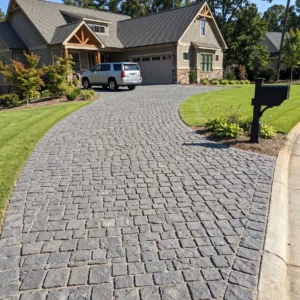
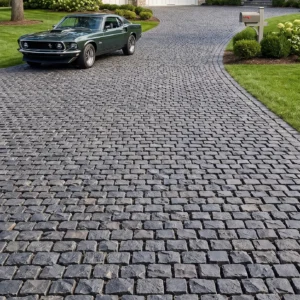
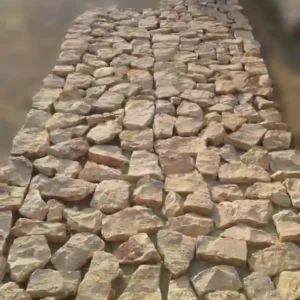
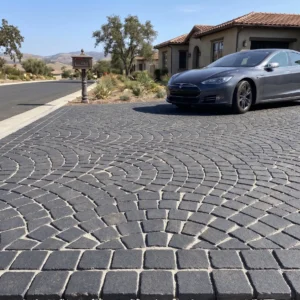
Citadel Stone supplies natural stone to the US Virgin Islands quarry-direct: pavers, tiles, slabs and pool coping, hand-selected piece by piece and shipped to St. Thomas or St. Croix, with the onward leg to St. John planned into every quote. You approve physical samples before committing, your order is cut and finished to your exact specification, and you deal with one person — Kareem — from first enquiry to the day the stone lands.
The territory occupies a position no other market in this library shares: a United States jurisdiction with US dollars, US professional standards and mainland-calibrated expectations, sitting in the middle of the Eastern Caribbean’s most photographed water. Three islands, three distinct markets, one supply conversation — and a construction economy still building forward from the two hurricanes that crossed it within a fortnight in 2017. This page walks through supplying all of it.
The stone Virgin Islands projects ask for
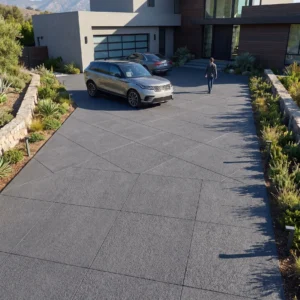
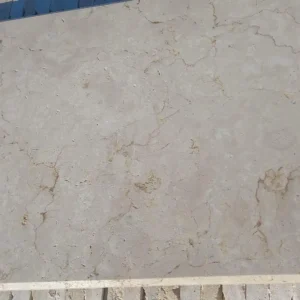
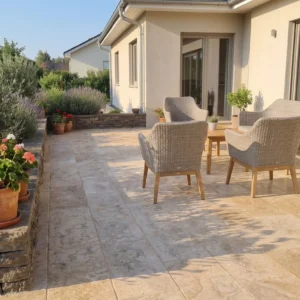
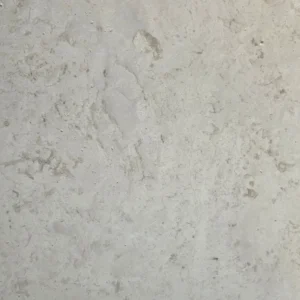
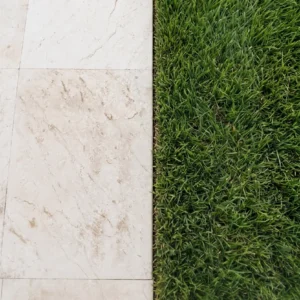
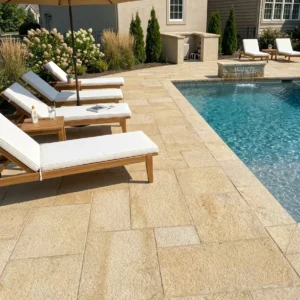
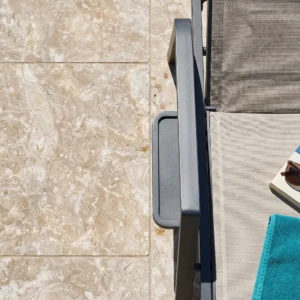
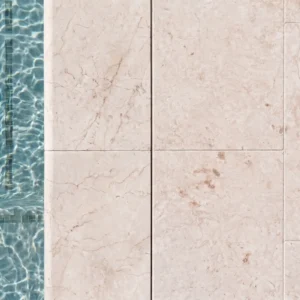
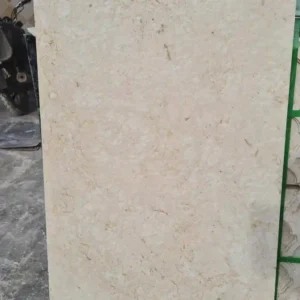
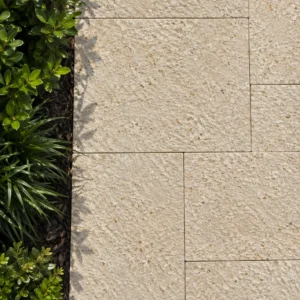
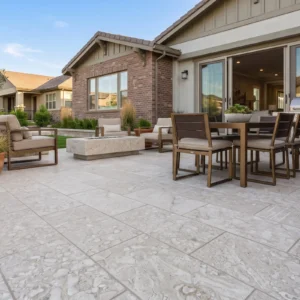
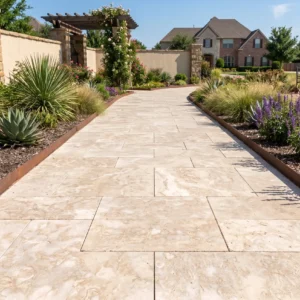
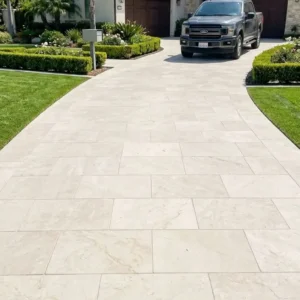
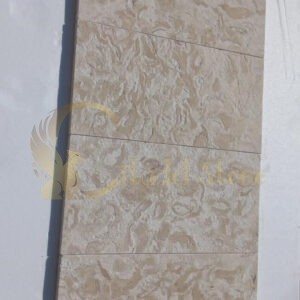
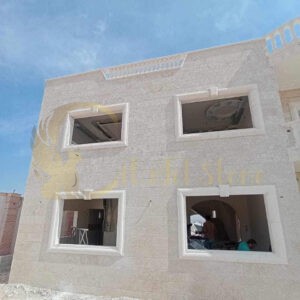
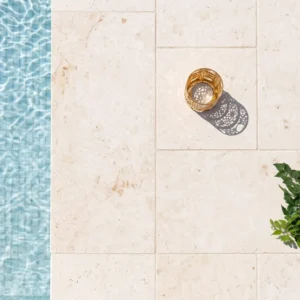
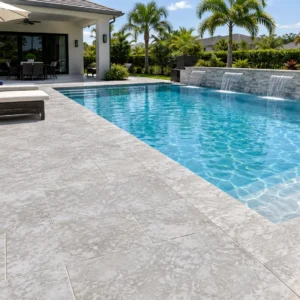
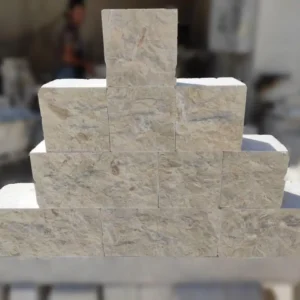
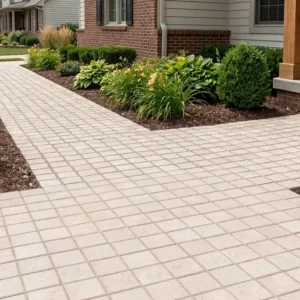
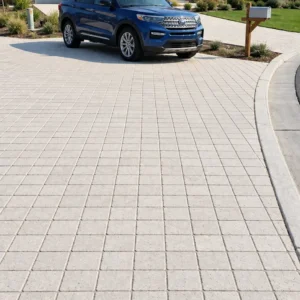
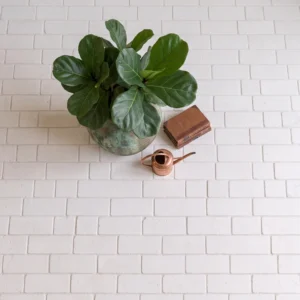
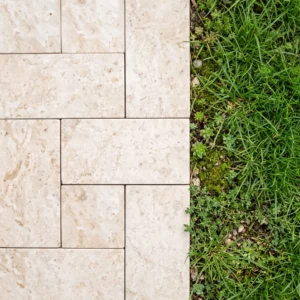
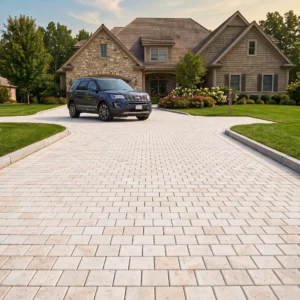
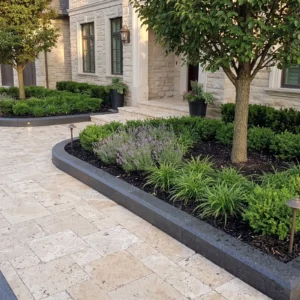
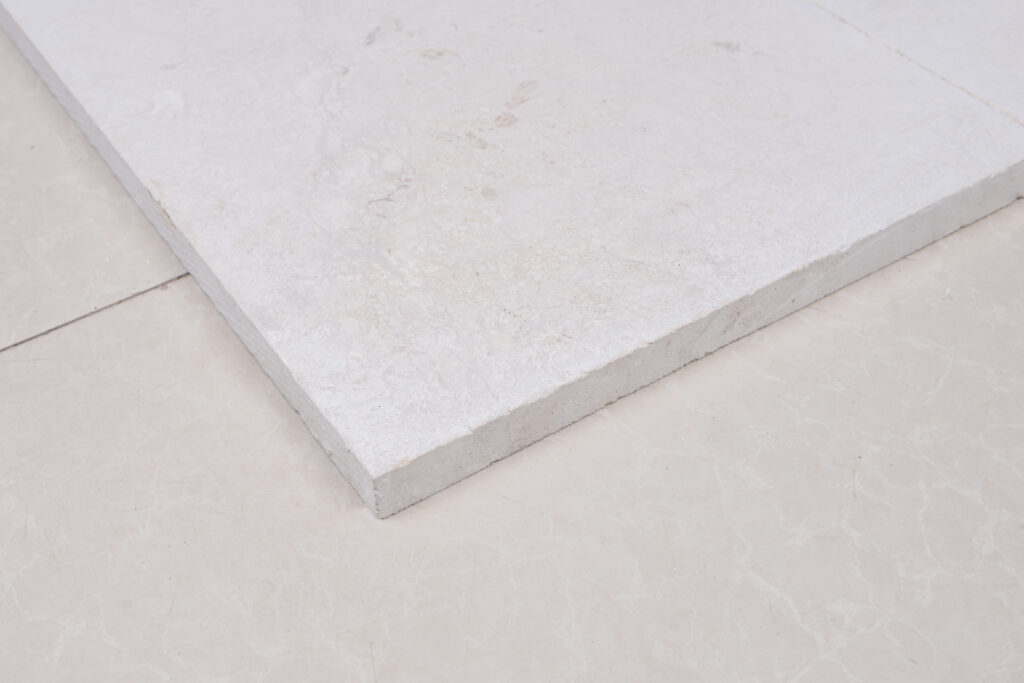
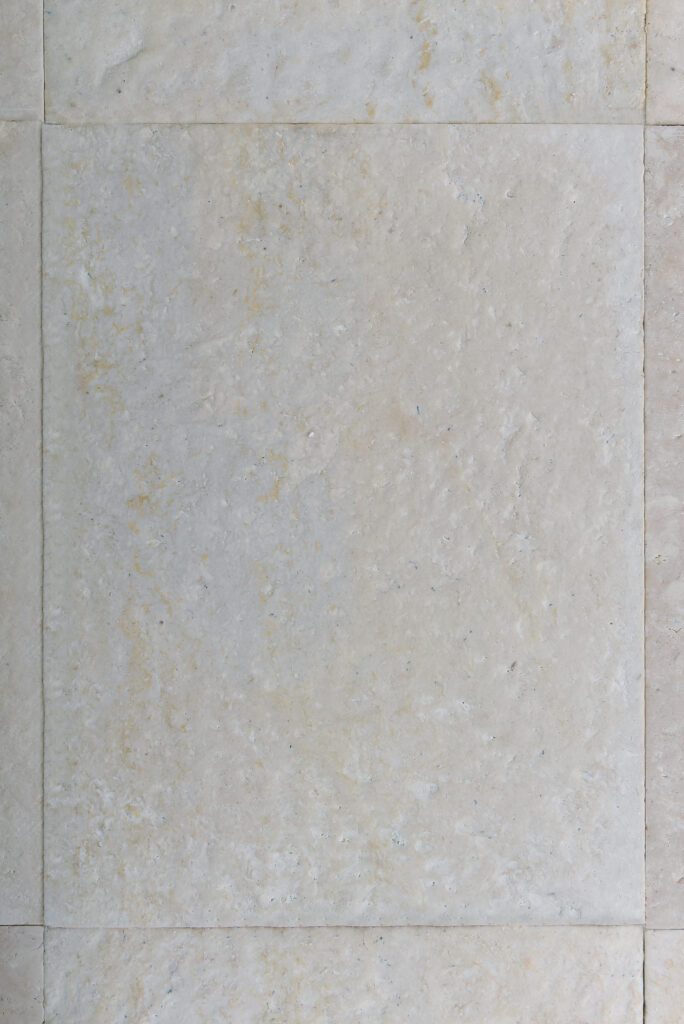
White limestone pavers and tiles lead our territory orders: pale stone keeps St. John villa decks and St. Thomas hillside terraces barefoot-comfortable through the long afternoons, glows against the islands’ deep green ridges, and photographs the Pillsbury Sound blues exactly the way the rental market needs.
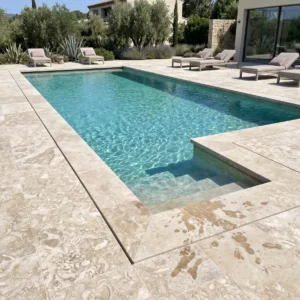
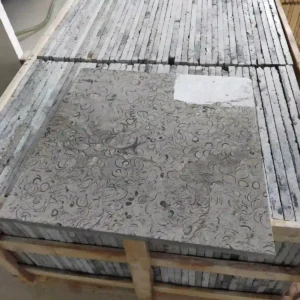
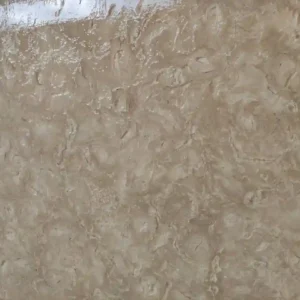
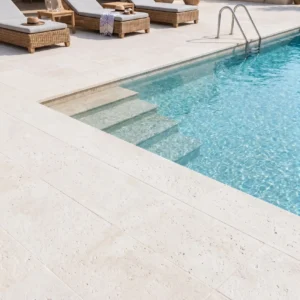
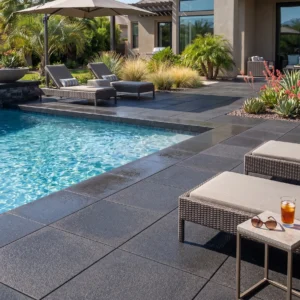
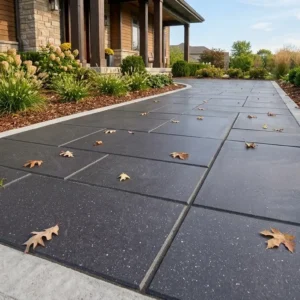
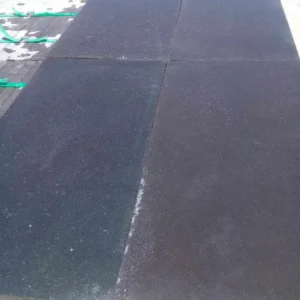
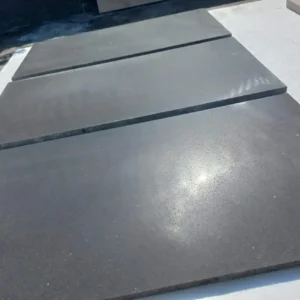
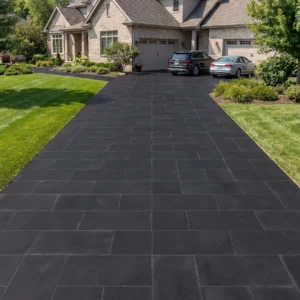
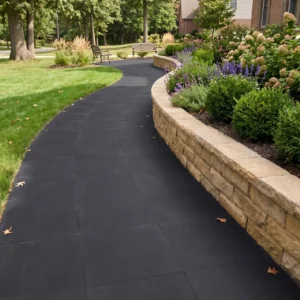
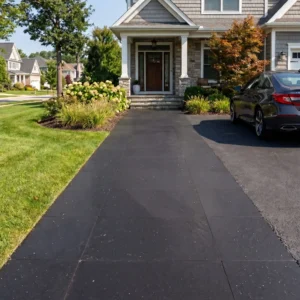
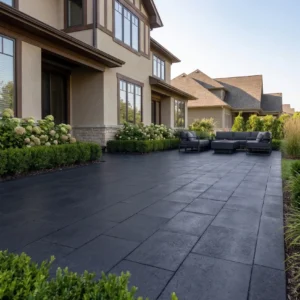
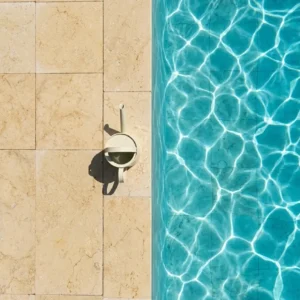
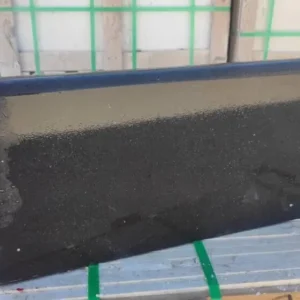
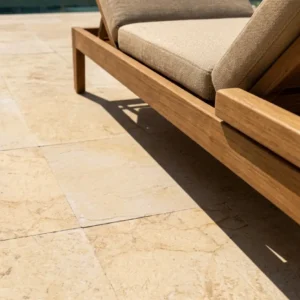
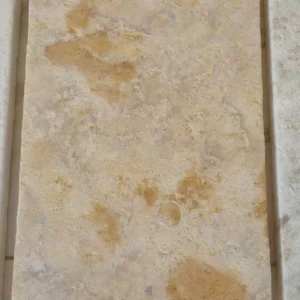
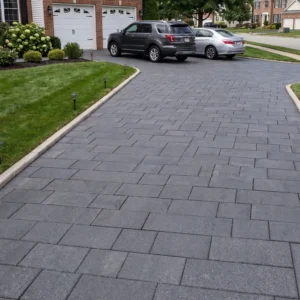
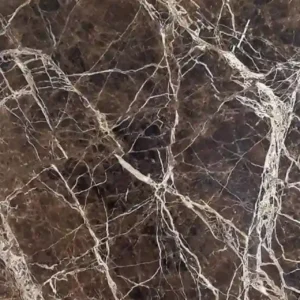
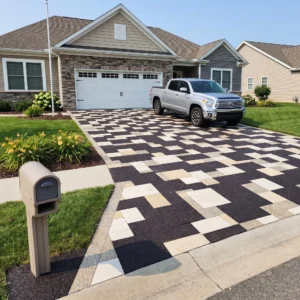
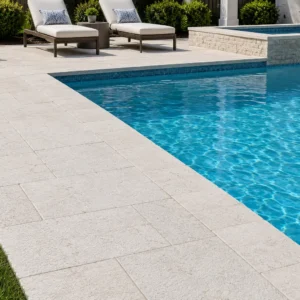
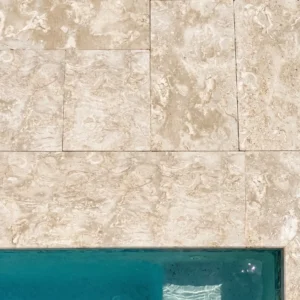
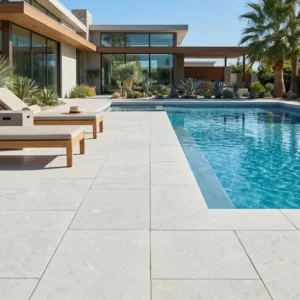
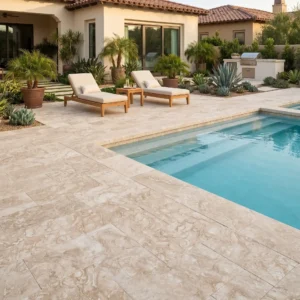
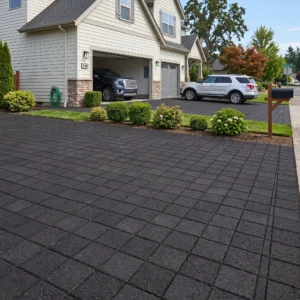
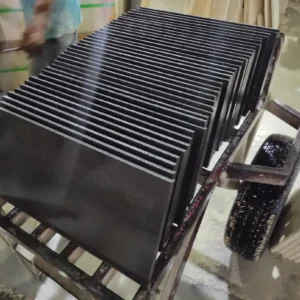
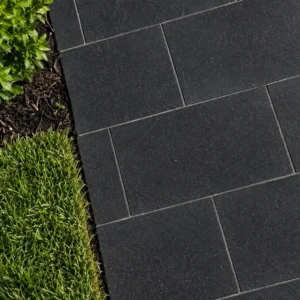
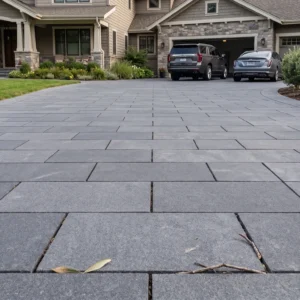
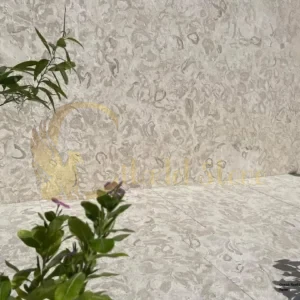
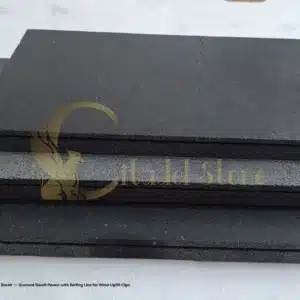
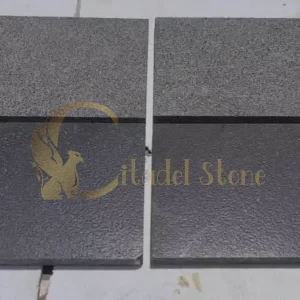
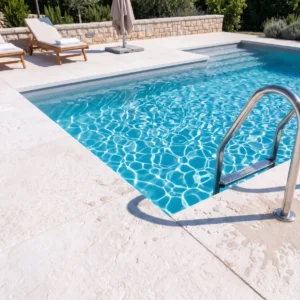
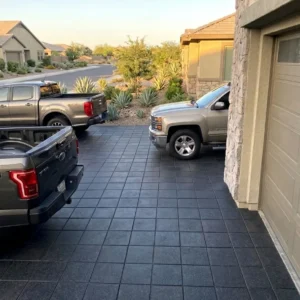
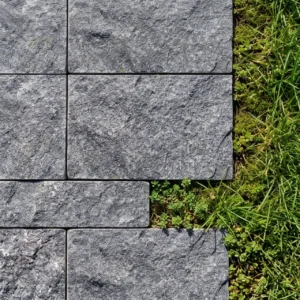
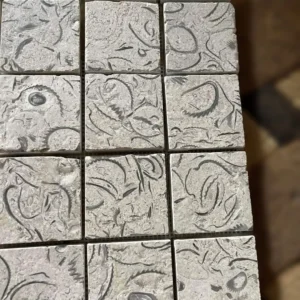
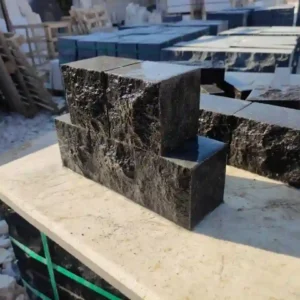
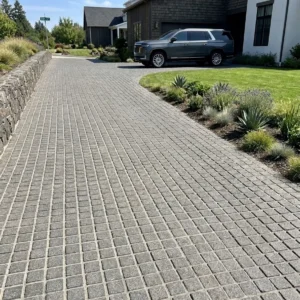
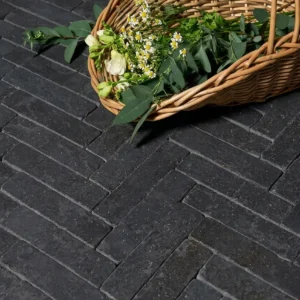
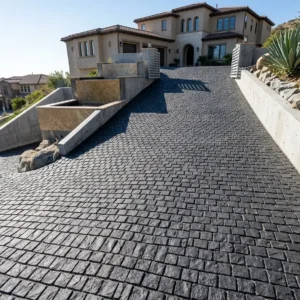
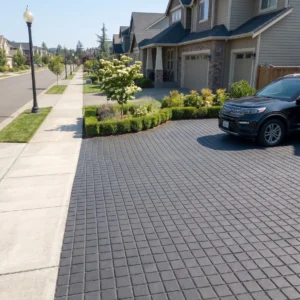
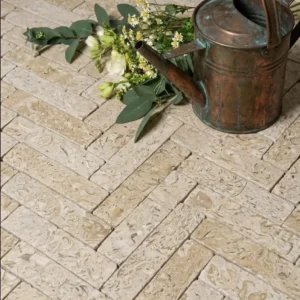
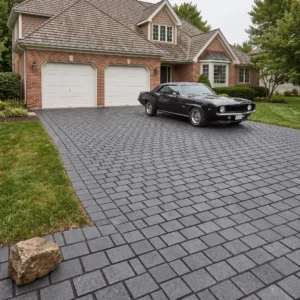
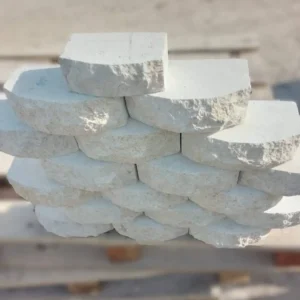
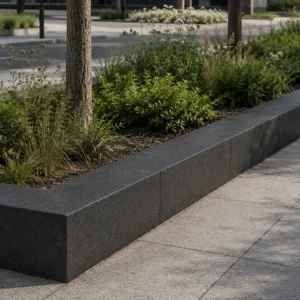
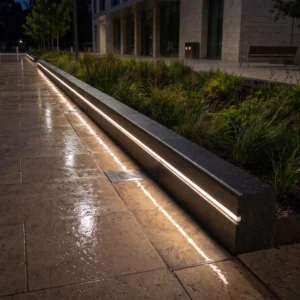
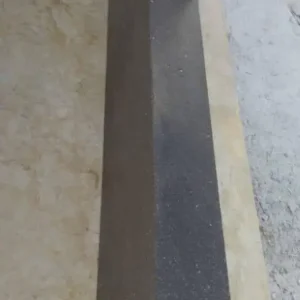
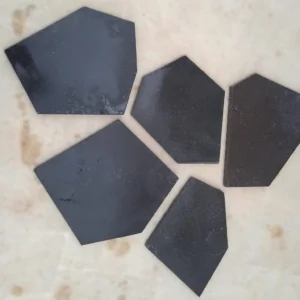
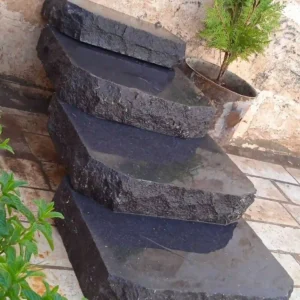
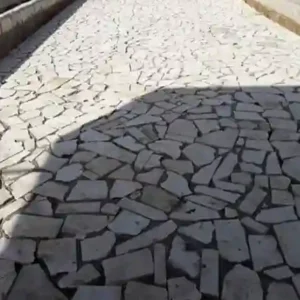
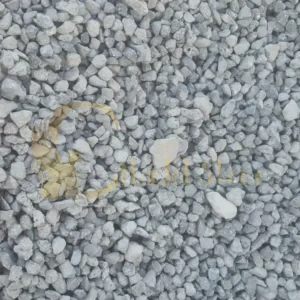
Ocean Reef shellstone answers the beach-house register with warm fossil texture at home beside Magens or Trunk Bay. Black basalt pavers draws the crisp contrast lines — borders, thresholds, drive aprons — that make pale fields read designed, and sits naturally beside the volcanic rock the islands are built from. And white limestone pool coping finishes villa pools with profiled, drip-grooved edges and the precision weir stones the territory’s infinity-edge market treats as standard.
Volcanic islands, imported floors
St. Thomas and St. John rise steeply from the sea as volcanic rock; St. Croix adds limestone and older sedimentary ground to its flatter southern plain. The territory quarries locally for aggregate, fill and the concrete its building culture runs on — and, as on every island in this library, what no local industry produces is calibrated dimension flooring. The gap is the familiar one: floors want factory-flat thickness, controlled finishes, light tone that sheds heat and low absorption against year-round salt air, none of which crushed volcanic rock can offer in finished form. Local material builds the structure, the walls and the ground works; imported paving-grade limestone supplies the surfaces people walk, touch and photograph. The partnership is the same one Grenada, St. Lucia and the BVI already run — here with a US postcode attached.
Three islands, three markets
St. Thomas carries the territory’s commercial weight: Charlotte Amalie’s cruise and duty-free economy, the East End’s condo and resort corridor, hillside villas above every bay, and Red Hook’s ferry-and-charter hub. St. John is the villa-rental island — roughly two-thirds national park, with Cruz Bay as its single town and a short-term rental market that sets the territory’s finish standard. St. Croix is the largest and least crowded: Christiansted and Frederiksted’s Danish colonial towns, the agricultural south, an industrial east, and a property market where space and value still meet. Name the island at enquiry — the three run different logistics, different registers and different budgets, and the recommendations change accordingly.
Any size, any thickness — cut to your project
Standard formats ship fastest, but every dimension is ultimately cut to order: large-format slabs such as 36 x 24 in (90 x 60 cm) and 36 x 36 in (90 x 90 cm), stair treads for hillside flights, wall cladding, sills and coping profiles are all routine requests. Thickness follows application — 2 cm under cover, 3 cm exterior standard, 5 cm and up under vehicles — and with dense limestone at roughly 80 kg per square metre at 3 cm, honest thickness is honest freight on both the ocean leg and the inter-island hop. Every piece is hand-inspected after manufacturing, and project orders ship from a single batch for the colour consistency villa programmes and condo boards demand.
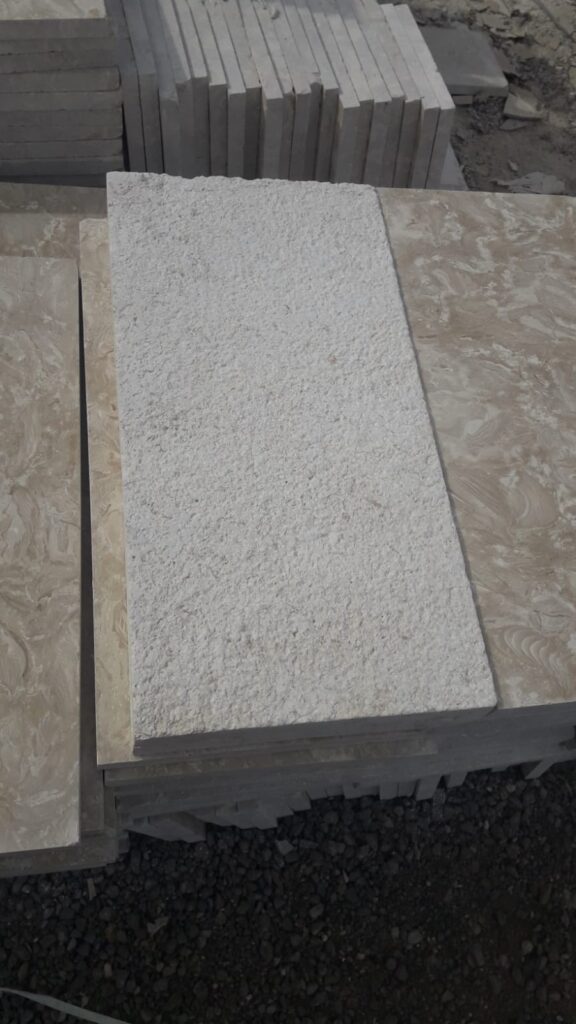
Finishes for steep ground and constant salt
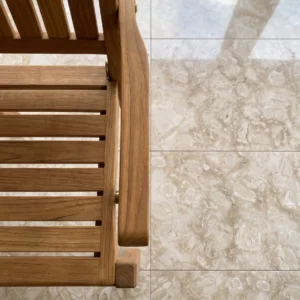
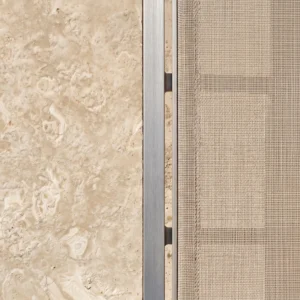
The territory’s finish plan follows its topography: brushed grades and bush-hammered faces wherever water lands or ground tilts — pool surrounds, the long hillside stair flights St. Thomas and St. John build by necessity, outdoor showers — with honed and fine-brushed surfaces on covered galleries and interiors. Salt runs the specification everywhere: the islands are narrow, the trades cross them without obstruction, and marine-grade fixings are territory code rather than coastal caution. Every texture is produced in-house and photographed on real production stock in our Stone Finishes Gallery; zoning finishes across one order — grip outside, silk under roof — is standard practice.
Pools first: the villa market’s centrepiece
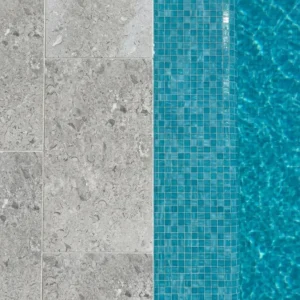
The territory’s rental economy is sold on its pools: infinity edges composed over Pillsbury Sound and Coral Bay, plunge pools on hillside terraces where the gradient allows nothing larger, and resort amenity decks running commercial duty cycles. Private pools choose on comfort and line — profile against the architecture, a top surface pleasant to sit on, deck stone carried over the edge. Rental and resort pools shift toward duty: denser sections, wet-tested textures, robust eased edges and same-batch spares so a chipped coping is an afternoon’s repair between guest weeks rather than a season’s apology. The whole waterline ships as one drawn family: coping, weirs, spa caps, corners and deck from a single batch.
How delivery to the territory works
Ocean freight lands at St. Thomas or St. Croix on the frequent services from the US mainland: full containers for resort and villa programmes (roughly 24–26 tonnes, on the order of 280–320 square metres at 3 cm), palletized or shared-container space for smaller work. One thing to understand clearly and early: although the territory is US soil using US dollars, it is not inside the US customs territory — the Virgin Islands run their own customs and excise regime, and arriving goods are entered and assessed locally. That is not a burden, it is simply a step, and the professional response is the one this library recommends everywhere: we prepare a clear, itemized commercial invoice, your customs broker prices the landed cost before the vessel sails, and clearance on clean paperwork is routine. St. John projects add the barge leg from St. Thomas, planned with your contractor as a known scheduling step. Lead times depend on stock versus cut-to-order; Kareem confirms realistic production and sailing dates with your quote, and new clients can pay through escrow, released only after the order is verified.
How an order actually runs
The sequence holds from one pallet to a resort phase. Samples first: the exact stones and finishes at your door — or your villa manager’s — within 3 working days, judged wet and dry in the site’s own light. Approvals where they apply: condo boards and design teams sign physical samples, not photographs. Quote and cutting list: every line itemized — stone, freight, insurance, brokerage, island leg — and every special dimensioned before production. Production and proof: hand inspection, loading photographs before sailing. Arrival and verification: crates against the packing list at the final island, sample-match checks, escrow releasing on confirmation. Absent owners run the whole sequence through their property managers as a matter of routine here.
What it costs, honestly
The Virgin Islands landed-cost stack reads: stone ex-works, ocean freight to St. Thomas or St. Croix, marine insurance, territorial customs and excise as your broker calculates them, brokerage, island delivery, and the barge leg where St. John is the destination. Pricing that stack early is the whole discipline — the itemized quote exists precisely so your broker can price it before anything sails. Against the alternatives the arithmetic runs as it does across this library: stamped concrete carries its replacement cycle, timber decking its refinishing calendar, and dense stone its purchase price plus sweeping. On islands where every replacement material must cross the same water twice, the surface that never needs buying again compounds its advantage faster than most buyers expect.
Cistern islands: water in the specification
The territory builds around stored rainwater. Cisterns are not an eccentricity here but a requirement of the building code, sized against roof area, and every house catches what the sky delivers — which makes the reservoir-house craft this library detailed in Anguilla directly applicable, with the Virgin Islands’ own code layer on top. The design consequences reach the ground plane: roof and terrace surfaces kept catchment-clean, overflow routed deliberately to planted ground rather than across paving, outdoor showers and rinse points detailed so the household’s water discipline is easy rather than nagging, and pool top-up planned honestly against stored capacity. Dense, sealed-jointed stone earns its keep in a cistern culture: it sheds clean, holds no mould, and never contributes anything to the tank the household would rather not drink.
Two storms in a fortnight: the 2017 standard
Irma crossed St. Thomas and St. John at category five on the sixth of September 2017; Maria struck St. Croix a fortnight later. No other market in this library took two such storms in one season, and the rebuild that followed rewrote the territory’s building standard the way Dominica’s rewrote its own: roofs re-engineered and strapped, envelopes taken seriously, and landscapes audited for what the wind can lift. Ground-set stone belongs to that philosophy — mortar-set terraces and engineered, capped walls give wind nothing to claim, shrug flooding without a replacement cycle, and repair unit by unit from same-batch spares after the worst day. The energy chapter followed the same logic: solar and battery plants are now ordinary equipment across the territory, and the powered-house ground plan reads here almost verbatim.
Who we supply in the US Virgin Islands
Villa owners and homebuilders get hand-selected stone from a single pallet up, samples first, escrow available. Contractors and construction managers get cut-to-specification material arriving crated, labelled and sequenced, with wholesale pricing on volume. Developers, condo boards, villa-management companies and architects get single-batch consistency at container scale, finish and slip documentation for the building file, reserved-block phasing across multi-year programmes, and one accountable counterpart: Kareem, kareem@citadelstone.us, backed by a 50-year quarrying and manufacturing operation.
Guides for your Virgin Islands project
The supporting library opens this page’s topics at working depth: landing stone in the territory, customs step by step; the St. John villa-rental standard; and the Danish towns and their ballast-brick inheritance. Twelve newer chapters carry the territory in depth, led by swim courts across the three islands, the gradient-and-delivery reality and the rebuild decade after Irma and Maria — with the St. Croix estate market, the capital’s working waterfront and water and power independence covering the ground this page only introduces. From the wider cluster, the British Virgin Islands chapters read as near-neighbours because they are: rebuild-era hillside craft, the charter-economy specification, hurricane-hole shore craft and the cloud-belt heights all apply across the channel with only the flag changed.
Proven across the islands
Island supply is our routine: see the Bahamas beachfront villa case study and our Bahamas, Barbados, Antigua, Jamaica, Turks & Caicos, Grenada, St. Lucia, Cayman Islands, St. Vincent & the Grenadines, British Virgin Islands, Aruba, Curaçao, Bermuda, St. Kitts & Nevis, Dominica, Anguilla, Sint Maarten, Puerto Rico, Belize, St. Barths, Bonaire, Costa Rica, Dominican Republic and Panama supplier guides for how island orders come together end to end.
Start with samples
Tell us which stones and finishes you are considering and which island the project sits on — St. Thomas hillside, St. John villa, St. Croix estate or Danish-town renovation, the island shapes the advice. Kareem confirms samples the same day — at your door within 3 working days — and quotes your exact quantities once the stone is right. Contact Citadel Stone or email kareem@citadelstone.us.