

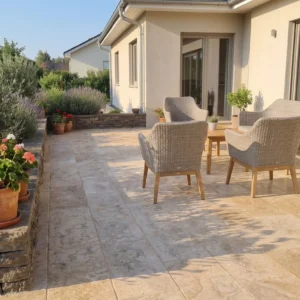
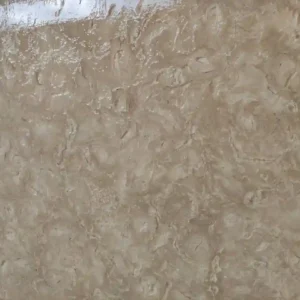
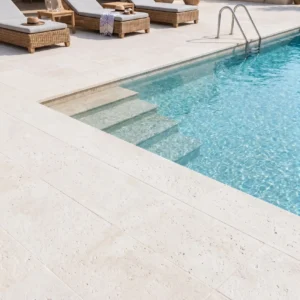

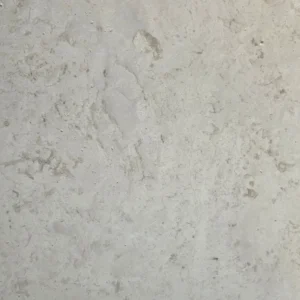



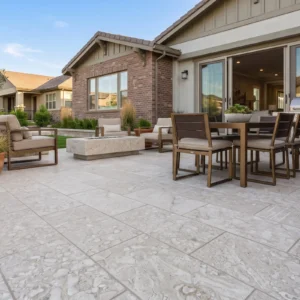
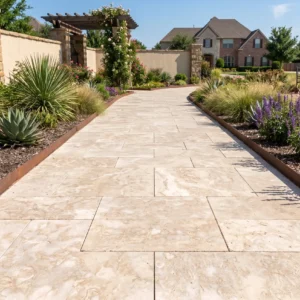
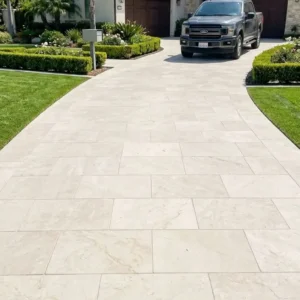
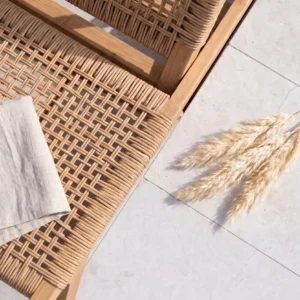
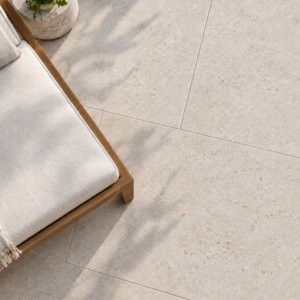
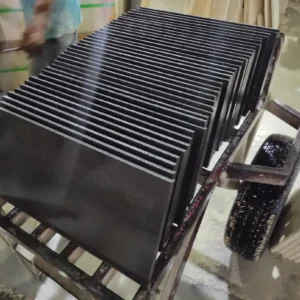
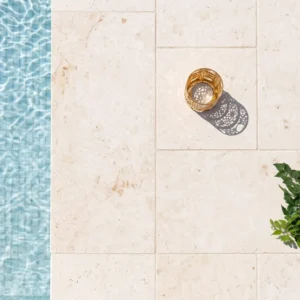
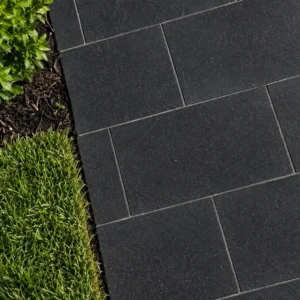
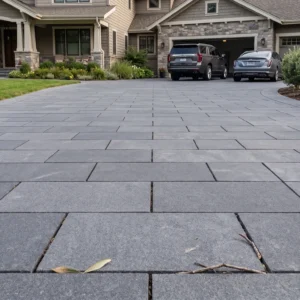
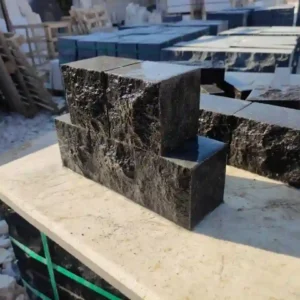
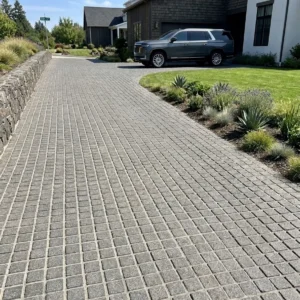
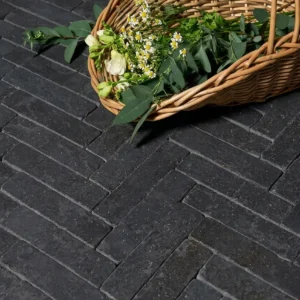
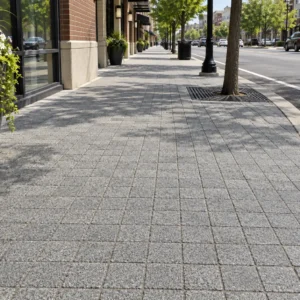
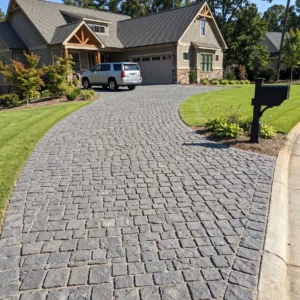
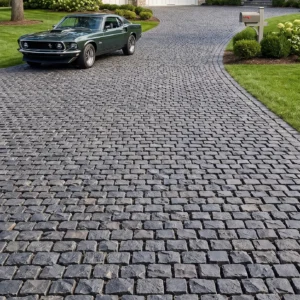
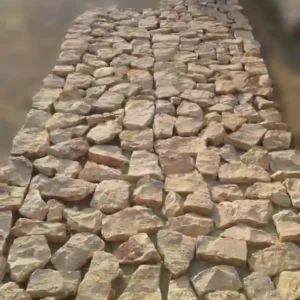
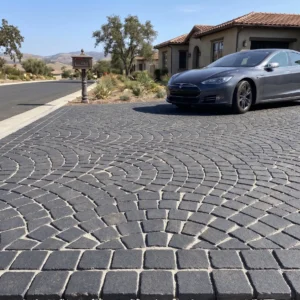
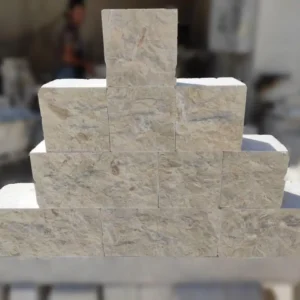
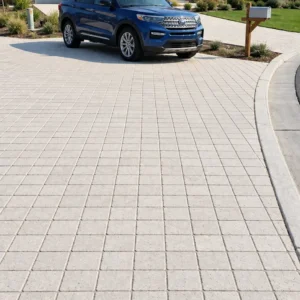
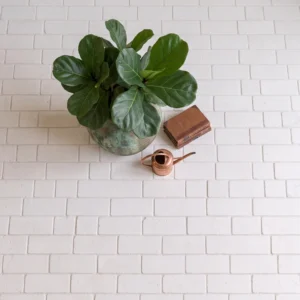
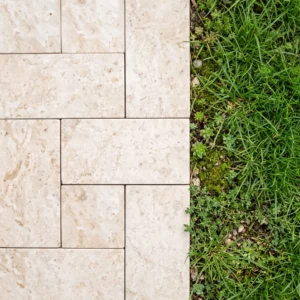
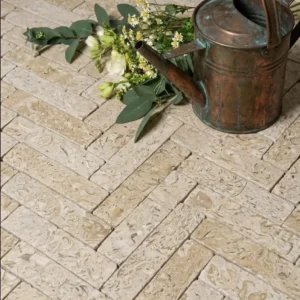
Citadel Stone supplies natural stone to the Turks & Caicos Islands quarry-direct: pavers, tiles, slabs and pool coping, hand-selected piece by piece and shipped by container or pallet to Providenciales. You approve physical samples before committing, your order is cut and finished to your exact specification, and you deal with one person — Kareem — from first enquiry to the day the stone lands.
Few markets fit imported stone as naturally as Turks & Caicos: a branded-residential and resort building boom on Grace Bay and beyond, US-dollar transactions, English-speaking professionals — and islands that import essentially every construction material they use. Stone is not an exotic request here; it is how the archipelago builds.
The stone Turks & Caicos projects ask for
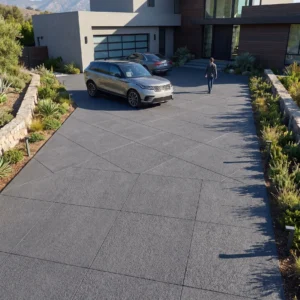
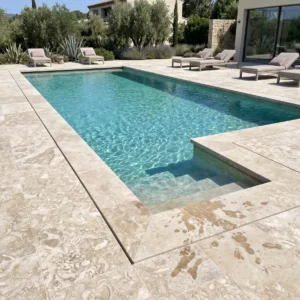
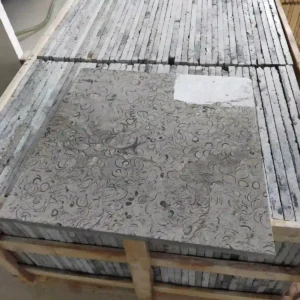
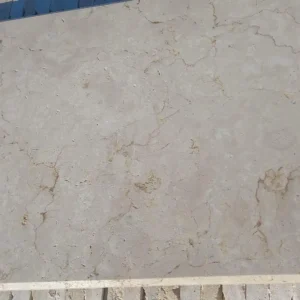
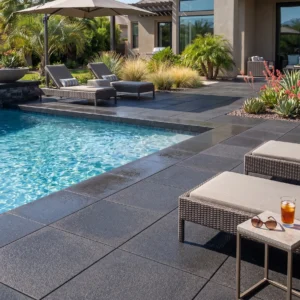
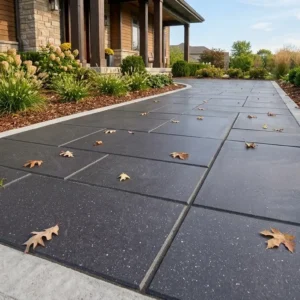
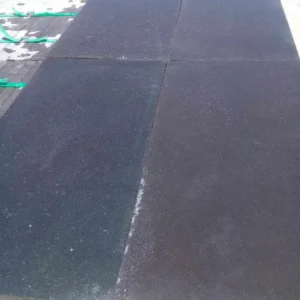
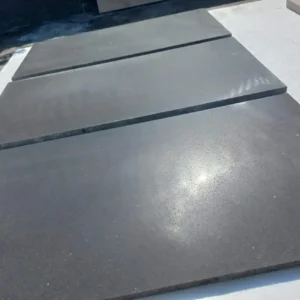
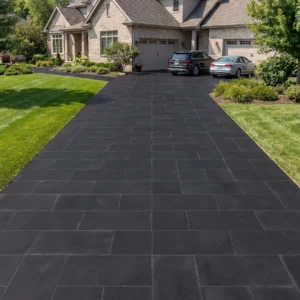
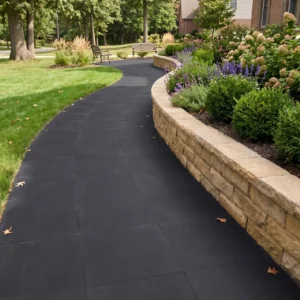
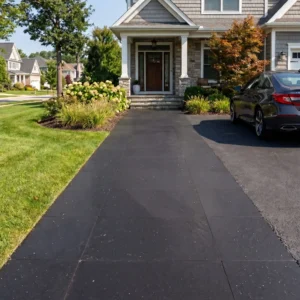
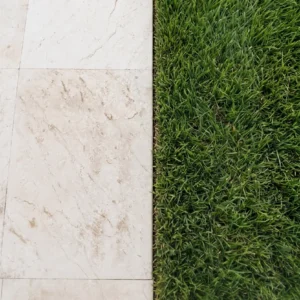
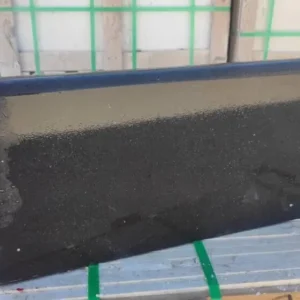
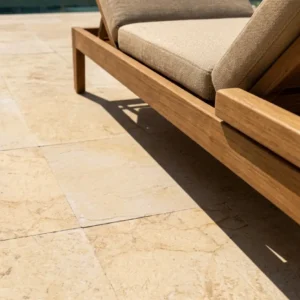
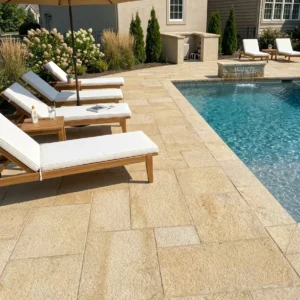
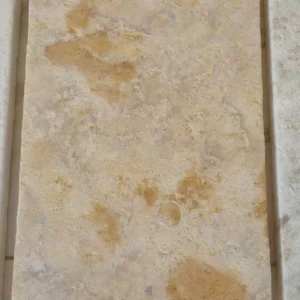
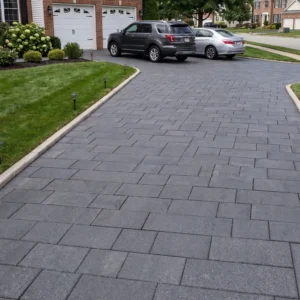
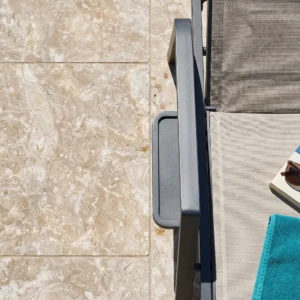
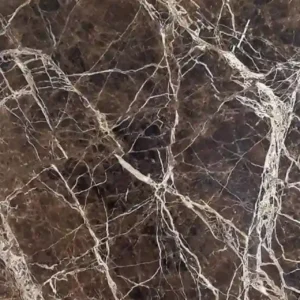
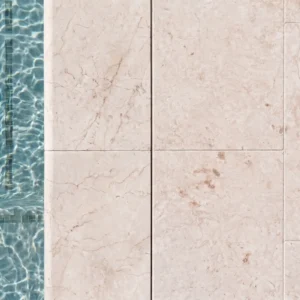
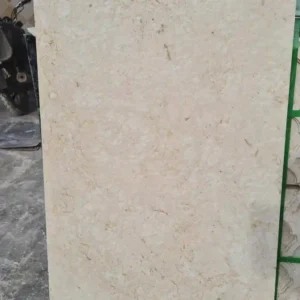
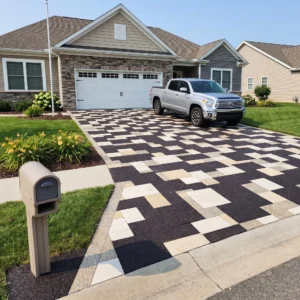
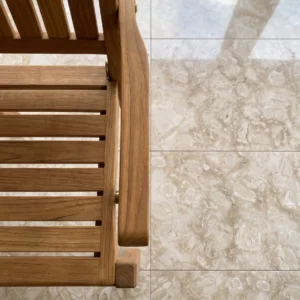
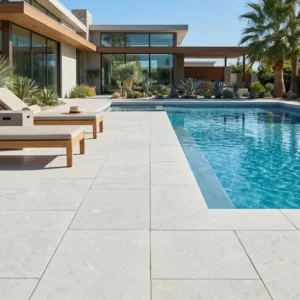
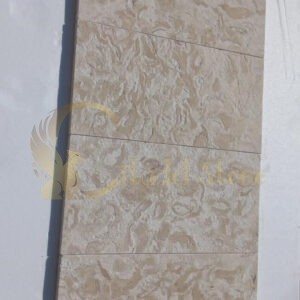
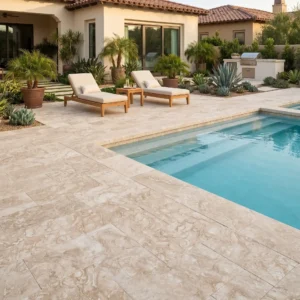
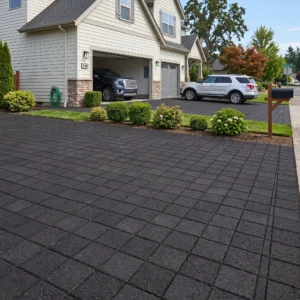
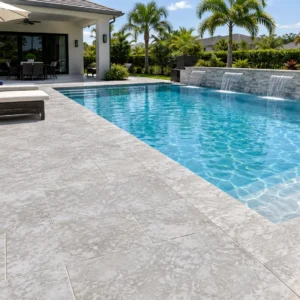
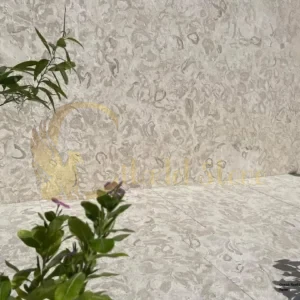
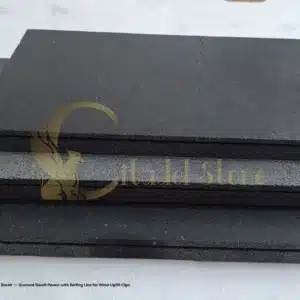
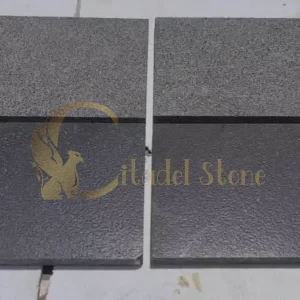
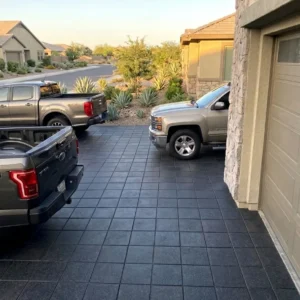
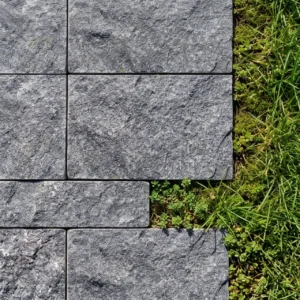
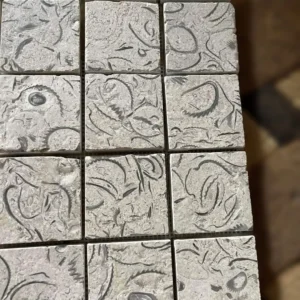
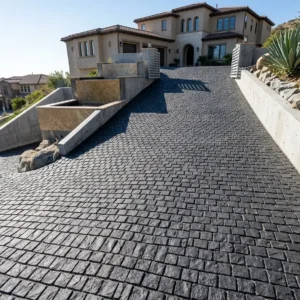
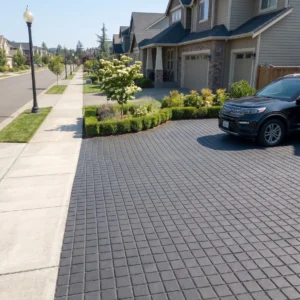
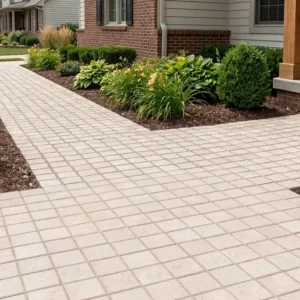
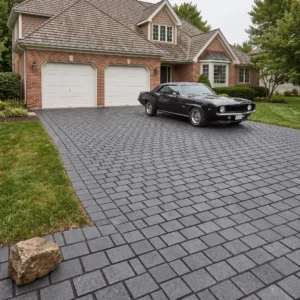
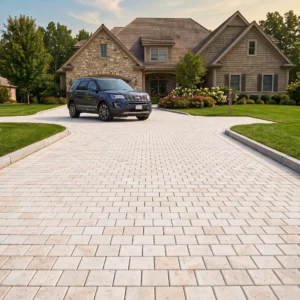
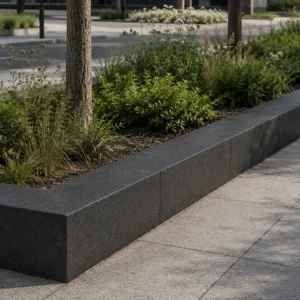
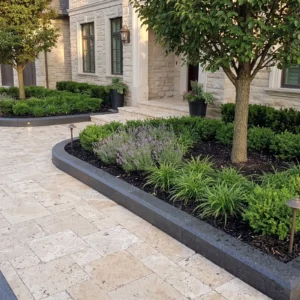
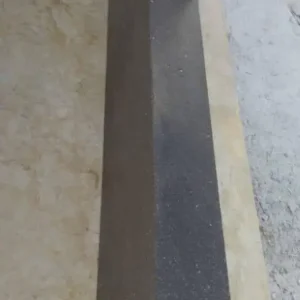
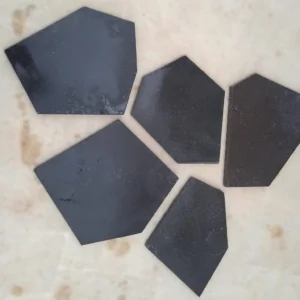
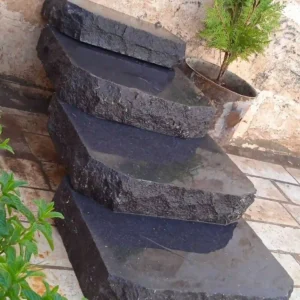
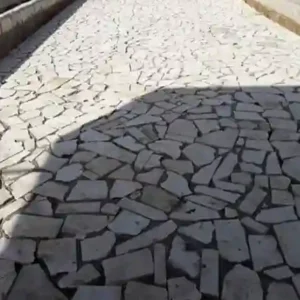
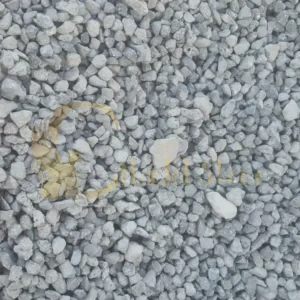
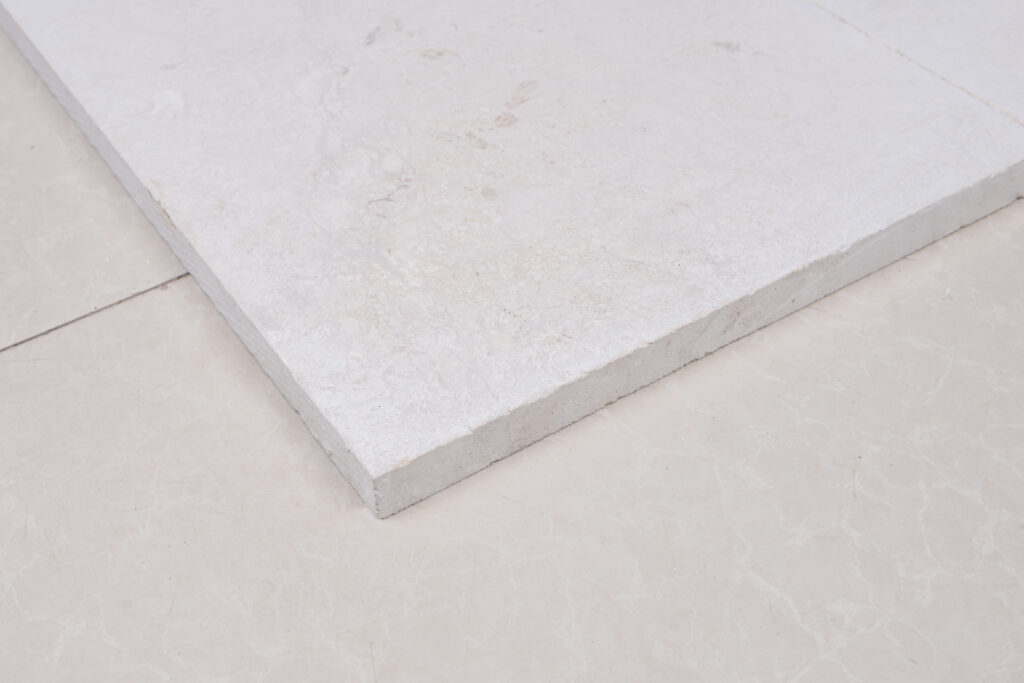
White limestone pavers and tiles lead every conversation, and Grace Bay explains why: light stone stays barefoot-comfortable in full sun, photographs the turquoise exactly as the brochures promise, and carries from villa interiors to pool decks in one continuous story. Ocean Reef shellstone answers the barefoot-luxury brief with fossil texture born for beach-adjacent floors. Black basalt pavers draws the contrast lines — borders, thresholds, drive aprons — that make pale fields read designed.
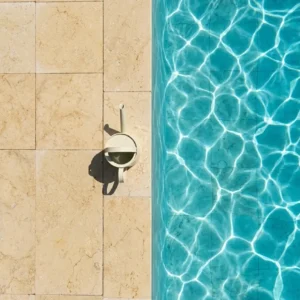
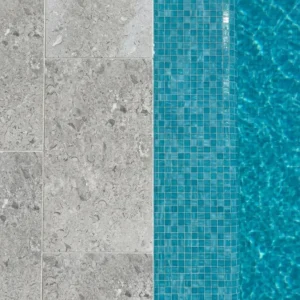
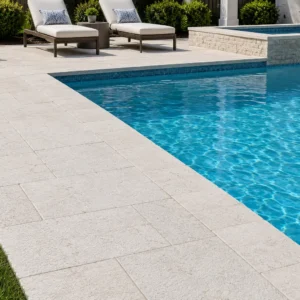
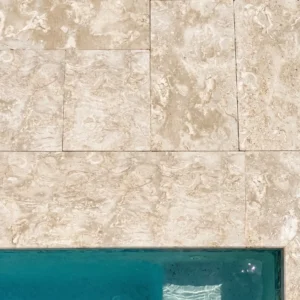
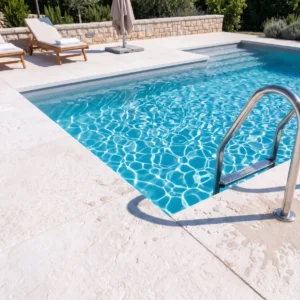
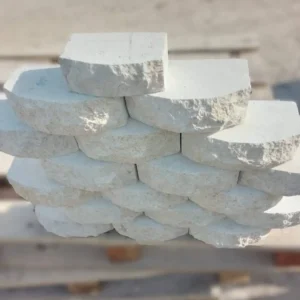
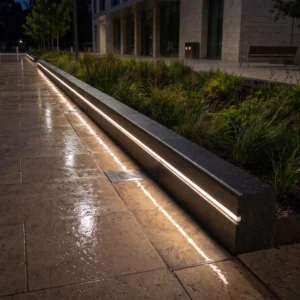
And for the islands’ defining feature — the pool at the centre of every villa and residence — white limestone pool coping is cut to profile, bullnose or square-edge, in the same stone as the deck, with precision weir stones for the infinity edges the market expects.
Built for low-lying, salt-washed islands
Turks & Caicos is flat, coral-based and ocean-close everywhere — there is no “inland” to hide from salt. That geography writes the specification: dense, low-absorption paving-grade limestone that admits almost no salt-laden water (porous stone this close to the sea pits and powders within seasons), textured finishes that keep grip when afternoon showers sheet across a deck, and light tones that keep surfaces walkable through the hottest hours. Every recommendation on this page starts from that physics.
Where the islands build
Knowing the neighbourhood shapes the specification, and TCI’s project map is distinctive. Grace Bay concentrates the condominium and resort work: amenity pools with commercial duty cycles, brand-standard finish documentation, batch control across phases. Long Bay is the island-modern villa frontier — large formats, flush thresholds, minimalist detailing on generous plots. Leeward and Turtle Cove add the waterfront dimension: canal-front homes whose gardens end at docks, with bulkhead caps and gear-ready routes in the package. The gated estates across Providenciales bring design guidelines, approval steps and arrival-court ambitions of their own. And beyond Provo, Grand Turk, North and Middle Caicos build at a quieter rhythm — heritage renovations and generous parcels with an extra freight leg to plan. We quote all of them weekly; say where the project sits and the advice arrives pre-tuned to its street.
Any size, any thickness — cut to your project
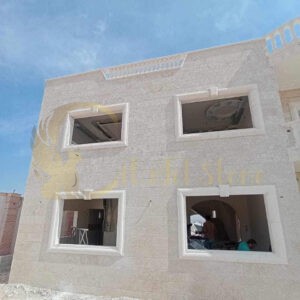
Standard formats ship fastest, but every dimension is ultimately cut to order: large-format slabs such as 36 x 24 in (90 x 60 cm) and 36 x 36 in (90 x 90 cm), step treads, wall cladding, window sills and coping profiles are all normal requests. Thickness follows application — 2 cm under cover, 3 cm as the exterior standard, 5 cm and up for driveways — and because dense limestone weighs roughly 80 kg per square metre at 3 cm, accurate thickness is also honest freight economics. Every piece is hand-inspected after manufacturing, and project orders ship from a single batch for the color consistency branded-residential work demands.
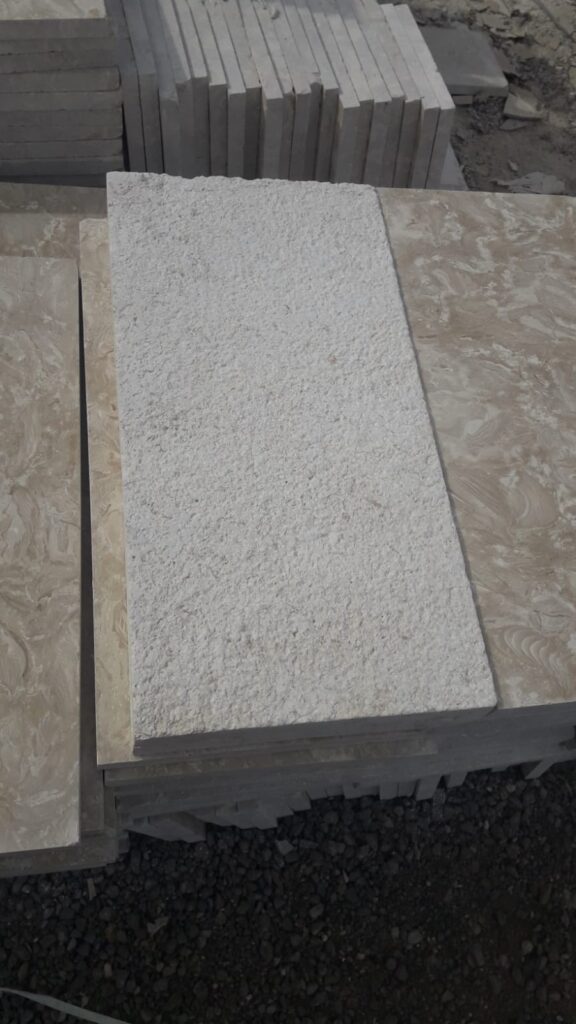
Finishes for pool decks, villas and resorts
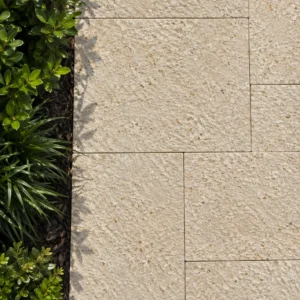
The finish assignment follows the cluster’s proven zoning: brushed grades or bush-hammered faces wherever water lands — pool surrounds, outdoor showers, steps — with finer brushed and honed surfaces on covered terraces and interiors. Every texture is produced in-house and photographed on real production stock in our Stone Finishes Gallery, and mixing finishes across one order is standard practice: grip outside, silk inside, one stone family throughout.
Pools first: specifying the TCI edge
Every serious TCI property is organised around its water, and the pool package deserves its own line of thinking. Private villa pools choose largely on comfort and architecture — profile against the building’s lines, a top surface pleasant to sit on, the deck’s stone carried over the edge. Condominium amenity pools shift the brief toward duty: denser sections, robust eased edges, spares held from the same batch, repairs plannable between seasons. Infinity edges — the market’s signature — add precision weir stones cut to tight tolerance, because that line is the photograph. All of it ships as one cut family: coping, weirs, spa-wall caps, corner units and the deck itself, drawn on a cutting list before production so the edge arrives as a designed set rather than an assembly of near-misses.
How delivery to Providenciales works
Orders ship by sea freight to Providenciales — full containers for resort and development phases (roughly 24–26 tonnes, on the order of 280–320 square metres at 3 cm), palletized or shared-container space for villa-scale work. We prepare the export documentation and a clear commercial invoice so your customs broker can calculate duties and landed cost before the vessel sails; with clean paperwork, clearance is routine. Projects on the family islands plan the onward hop with their contractor as a known scheduling step — the same discipline as any island logistics.
Lead times depend on stock versus cut-to-order. Kareem confirms realistic production and sailing dates with your quote and tracks the order to arrival; new clients can pay through escrow, with funds released only after the order is verified.
How an order actually runs
The sequence is the same for a pallet or a container, and knowing it removes most of the anxiety. Samples first: the exact stones and finishes at your door within 3 working days, judged wet and dry on site. Approvals next where an estate community has a say — a physical sample beats a photograph at every design-review board. Quote and cutting list: field stone, copings, treads and every special dimensioned and priced, with production and sailing dates stated rather than implied. Production and proof: the order is cut, finished and hand-inspected, with loading photographs before the vessel sails. Arrival and verification: crates counted against the packing list, one crate per stone type opened against the approved samples, escrow released only when everything matches. Fifteen unhurried minutes at the dock close a process designed so that nothing about it ever needs to be taken on faith.
What imported stone costs, honestly
The honest figure is landed cost, and it itemizes cleanly: stone ex-works, ocean freight, insurance, duty as your broker calculates it, brokerage, and the island-side delivery leg. We quote so each line is visible — square-metre prices alone flatter whoever hides the freight — and TCI’s US-dollar economy keeps the arithmetic clean end to end. The value side deserves equal honesty: against surfaces that need re-staining, re-boarding or replacement on a schedule, stone’s decade cost is its purchase price plus sweeping, which is why the islands’ most experienced builders treat it as the cheap option wearing the expensive first impression.
Care on a salt island: the easy regimen
TCI’s combination — salt air, strong sun, little rain — asks for a specific but genuinely light routine: a freshwater rinse of spray-zone surfaces on a regular rhythm (plumbed hose points make the right habit the easy one), pH-neutral cleaners only, never acid products on limestone, and a soft brush for the shaded corners where the ocean’s haze settles. Sand sweeps off textured stone easily when joints are flush; storm season adds a pre-season walkthrough of drains, edges and loose items rather than any special treatment of the stone itself. A TCI stone landscape that receives this modest attention does not merely survive the climate — it improves in it, weathering toward the settled, established look the islands’ best addresses share.
The island-modern look, executed
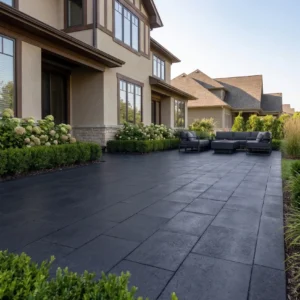
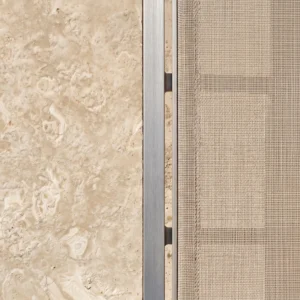
Turks & Caicos has become the Caribbean’s clearest statement of island-modern architecture — white rectilinear volumes, walls of glass, flat roofs, outdoor space treated as continuous rooms — and stone is the floor that architecture asks for. The execution notes matter: large formats laid in calm single-module grids so the plane never competes with the building; joints tight, straight and tone-matched; thresholds between interior and terrace resolved flush, with drainage hidden at the glass line and the stone module running through it; perimeters ending on full units with clean shadow gaps at rendered walls. Cut quality carries the style — crisp arrises, calibrated thickness, setting-out drawn from the sightlines guests actually experience. We cut for this market constantly, and the difference between a minimalist floor that looks inevitable and one that looks assembled is decided on the cutting list, not on site.
Renovation and refresh: the second-generation market
A quiet half of TCI’s stone demand is renewal: first-generation condos re-decking amenity pools, villas replacing tired timber with permanent terraces, estates upgrading arrival courts between seasons. Renovation orders run on their own disciplines — matching new stone against a cleaned, weathered sample of the old rather than a brochure; phasing works by building or zone so resorts never post a closure notice; overlay-versus-rebuild decisions made on the state of falls and bedding, not hope; and small-batch orders with spares, shipped groupage, timed to low season. It is detailed, satisfying work that rewards a supplier who treats a forty-square-metre refresh with the same seriousness as a development phase — which is, not coincidentally, how repeat clients are made.
Who we supply in Turks & Caicos
Villa owners get hand-selected stone from a single pallet up, samples first, escrow available. Contractors and construction managers get cut-to-specification material arriving crated, labelled and sequenced, with wholesale pricing on volume. Developers and architects — the market’s engine — get single-batch consistency at container scale, finish and slip documentation for brand standards, reserved-block phasing for multi-year builds, and one accountable counterpart: Kareem, kareem@citadelstone.us, backed by a 50-year quarrying and manufacturing operation.
Guides for your TCI project
The supporting library goes deep on every question this page opens: the Providenciales shipping playbook for freight, clearance and estate-gate logistics; choosing coping for villa and amenity pools; what Grace Bay teaches about deck stone; why stone rides out the storm season; island-modern large formats for minimalist builds; and estate driveways on flat coral ground. Ten more cover everything from dry-garden design to stone above grade — practical reading, written for these islands specifically.
Proven across the Caribbean
Island supply is our routine: read the Bahamas beachfront villa case study — pavers, tiles, pool coping and shellstone for a private client — and our Bahamas, Barbados, Antigua, Jamaica, Grenada and St. Lucia supplier guides for how island orders come together end to end. The shelf’s newest additions cover the Cayman Islands, St. Vincent & the Grenadines, the British Virgin Islands, Aruba, Curaçao, Bermuda, St. Kitts & Nevis, Dominica, Anguilla, Sint Maarten, Puerto Rico, the US Virgin Islands, Belize, St. Barths, Bonaire, Costa Rica, Dominican Republic and Panama.
Start with samples
Tell us which stones and finishes you are considering and where in the islands the project is. Kareem confirms samples the same day — at your door within 3 working days — and quotes your exact quantities once the stone is right. Contact Citadel Stone or email kareem@citadelstone.us.