


















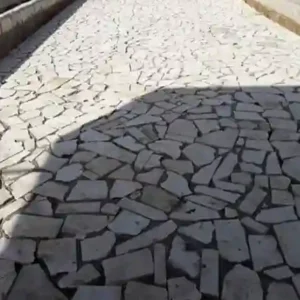

The single variable that separates a smart Landscape Stone Yard sourcing decision from a costly one is batch consistency across pallets — not the headline price per ton. Field crews learn this the hard way when a second delivery of the same material arrives two shades off, and the finished patio reads like a patchwork. When you source landscape stone supplies at scale, you’re really buying predictability, and predictability comes from how a supplier inspects, stages, and ships. That’s where the practical differences show up long before a single stone hits the ground.
What Defines a Quality Landscape Stone Supply
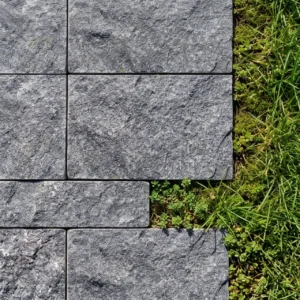
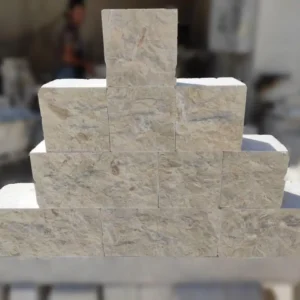
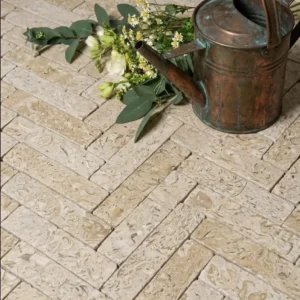
You’ll find that the difference between a professional-grade stone yard landscape operation and a bargain lot comes down to how material is graded before it reaches you. Consistent thickness tolerance, controlled color variation, and clean sorting are the markers that predict how your installation will look and perform. A supplier who sorts natural stone pavers by shade band and thickness saves you hours of on-site culling.
Here’s what most buyers overlook: natural stone is geological, so some variation is inherent and even desirable. The goal isn’t zero variation — it’s controlled variation that reads as intentional. At Citadel Stone, we inspect each batch at the warehouse against reference samples so the pallets you receive track back to a known standard.
- Thickness tolerance held within a narrow band for stable, rock-free walkway installs
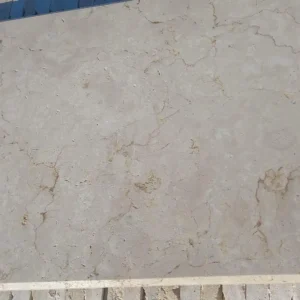
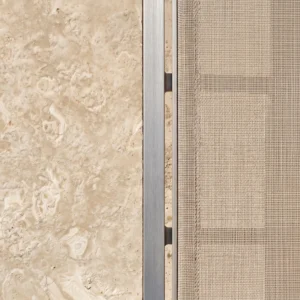
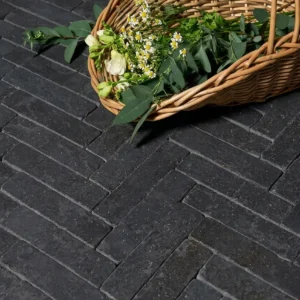
- Color and shade sorting so cream, ivory, grey, dark grey, and charcoal lots stay consistent
- Edge condition checked for tumbled, honed, and sawn finishes
- Breakage and chip rates documented per pallet before it leaves the yard
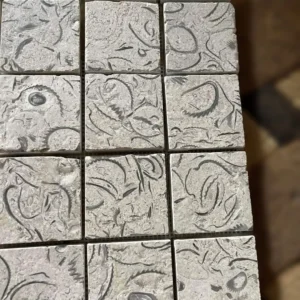
- Format accuracy verified for pavers, slabs, tiles, cobbles, and setts
According to industry natural stone variety data, material selection should account for absorption and density characteristics that vary by stone type — which is exactly why a good yard segregates inventory by geological source rather than lumping it together.
Matching Stone Type to Your Application
Your material choice should follow the load and exposure your project faces, not just the look you want. A garden path and a commercial plaza place completely different demands on the same square footage. The Landscape Stone Yard you work with should stock enough breadth that you’re specifying by performance, not by whatever happens to be on hand.
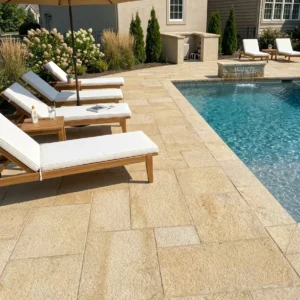
Consider how format drives function across common applications. Cobbles and setts handle vehicular edges and driveway aprons; larger slabs and paving stones suit patio and pool deck fields; flagstone and stepping stones serve informal garden and walkway routes. Landscape stone supplies span all of these, which is why understanding the intended use narrows the selection fast.
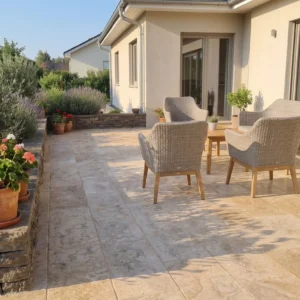
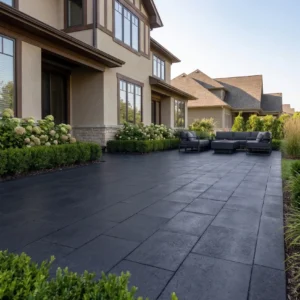
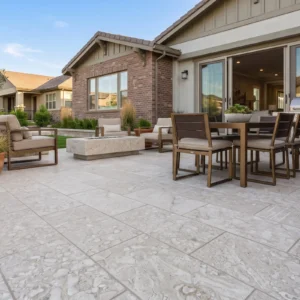
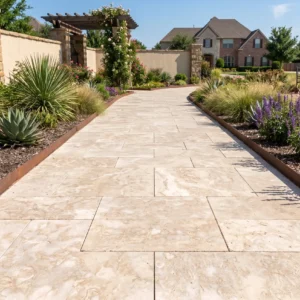
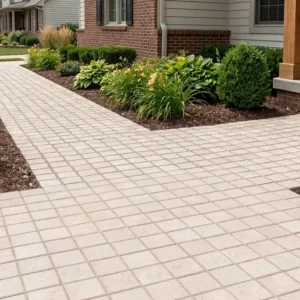
- Patio and outdoor living: large-format paving slabs and natural stone pavers in random or modular sizing
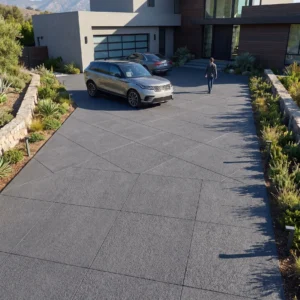
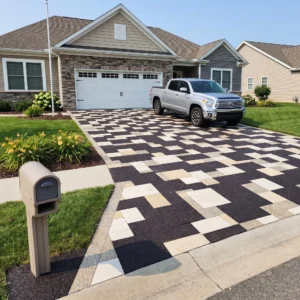
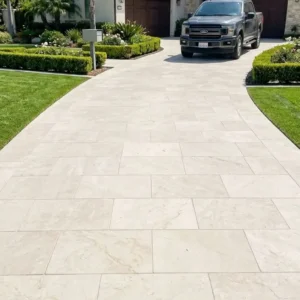
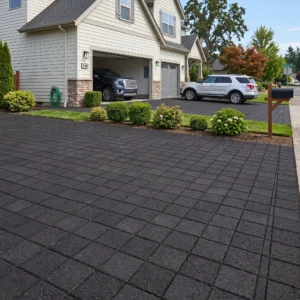
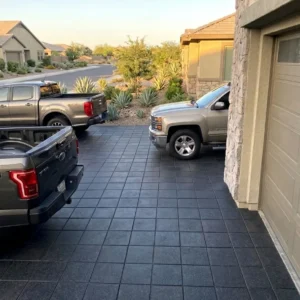
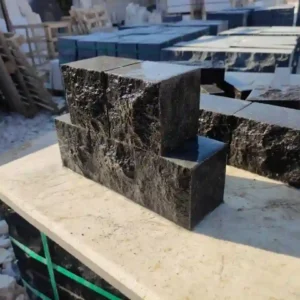
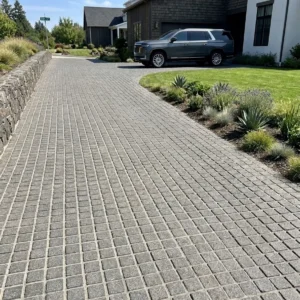
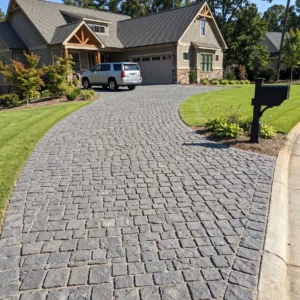
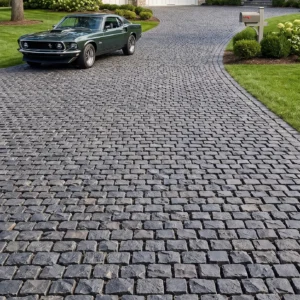
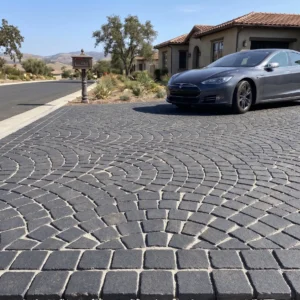
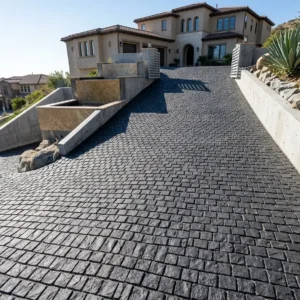
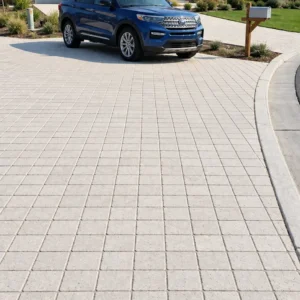
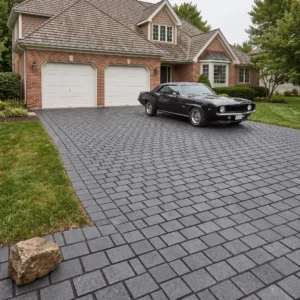
- Driveway and vehicular zones: cobblestone, granite setts, and thicker paving blocks
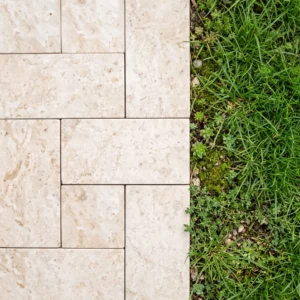
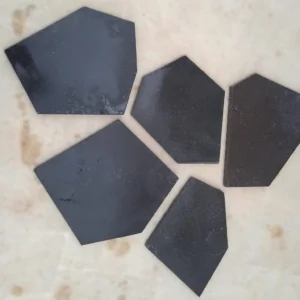
- Garden and pathways: flagstone, stepping stones, and irregular flags in herringbone or random layouts
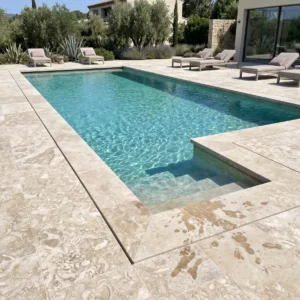
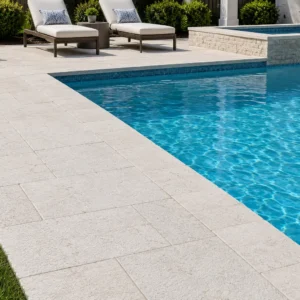
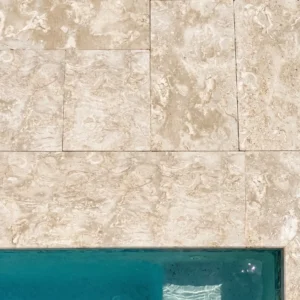
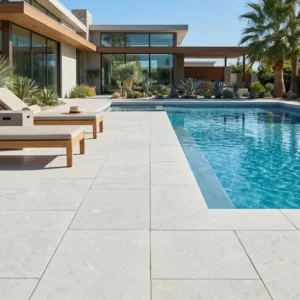
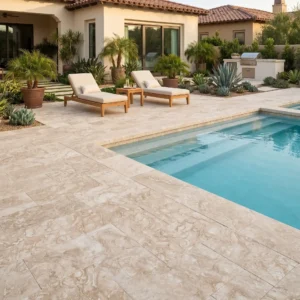
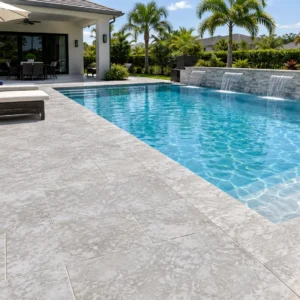
- Pool deck and coping: honed or tumbled stone rated for wet slip resistance
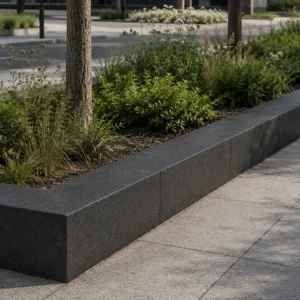
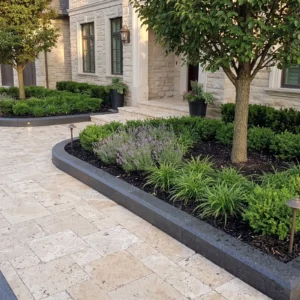
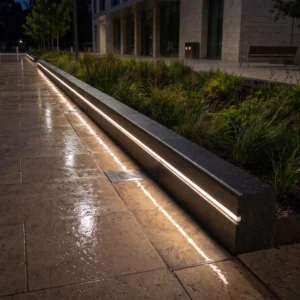
- Edges and borders: kerb blocks and edging stones to lock field paving in place
For projects requiring custom cuts or non-standard formats, Citadel Stone’s team can advise on lead times and available thicknesses before you finalize the layout. You can request sample tiles or thickness specifications so the finish and shade are confirmed on paper, not discovered on delivery day.
Reading Color, Shade, and Finish Options
The material’s finish changes both its look and its behavior underfoot. A polished surface amplifies a stone’s depth of color but reduces traction when wet; a tumbled or brushed finish softens the tone and improves grip. You’ll want to match finish to location — grip near water, refined finish for covered or low-traffic zones.
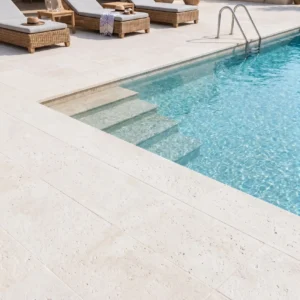
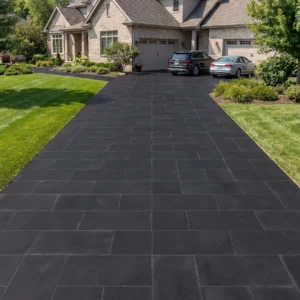
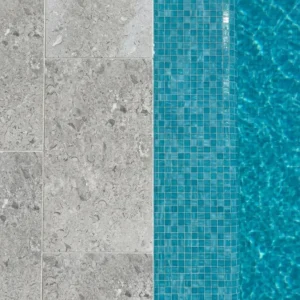
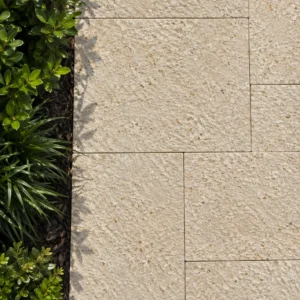
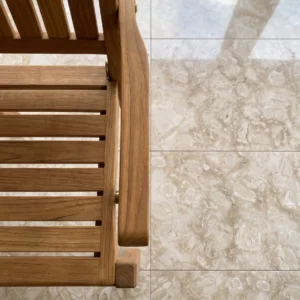
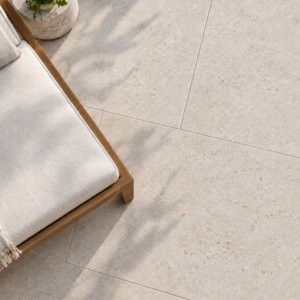
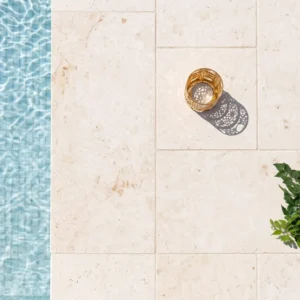
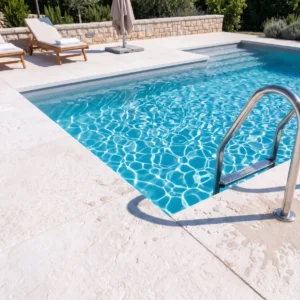
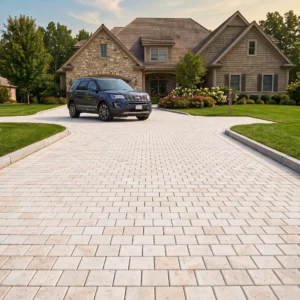
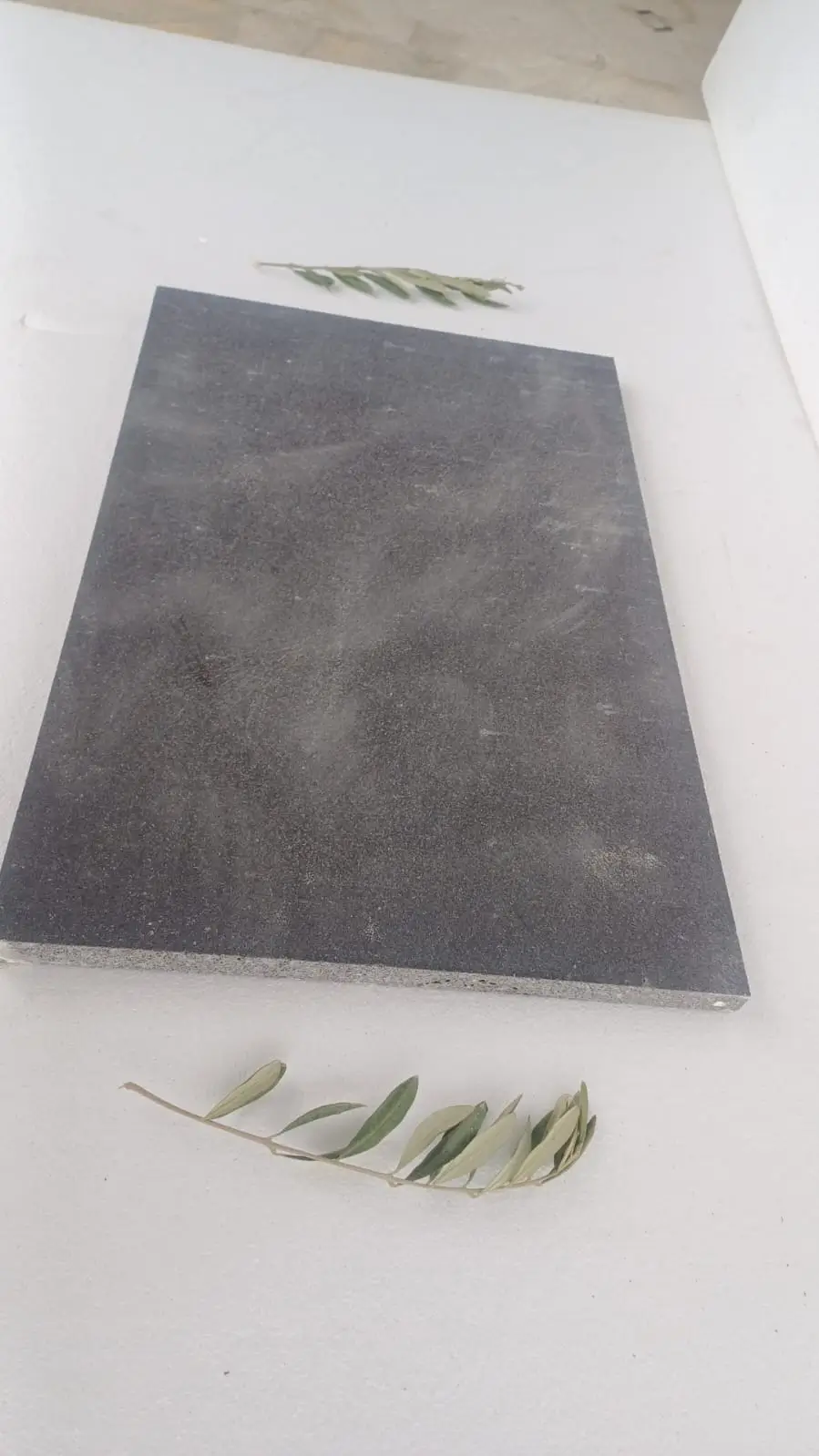
Color options across a full stone yard landscape inventory typically run from pale cream and ivory through silver and graphite into dark grey and charcoal. Lighter shades reflect more solar radiation and stay cooler underfoot, which matters for barefoot pool surrounds. Darker tones read as more formal and hide staining better in high-traffic commercial settings. These natural stone pavers hold their tone because the color runs through the body of the stone.
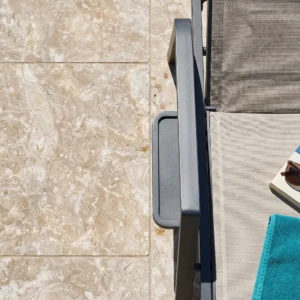
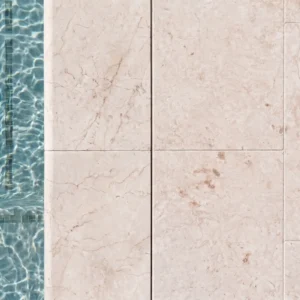
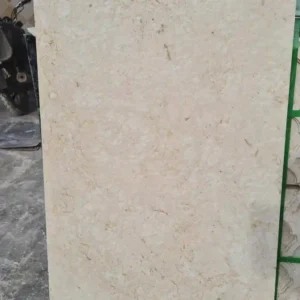
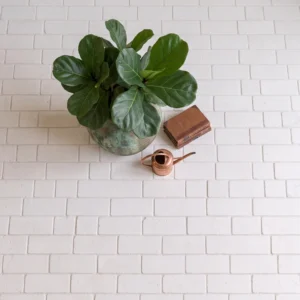
- Cream and ivory: cooler surface temperatures, bright open feel, ideal for pool decks
- Silver and grey: versatile neutral that pairs with most architecture
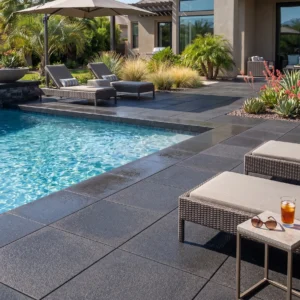
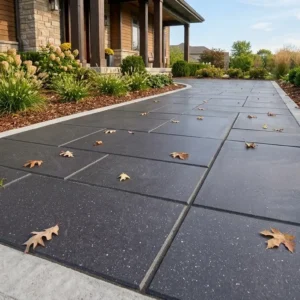
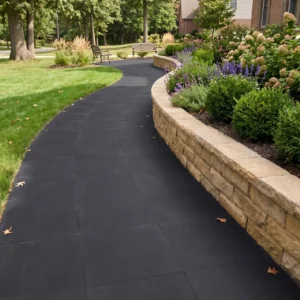
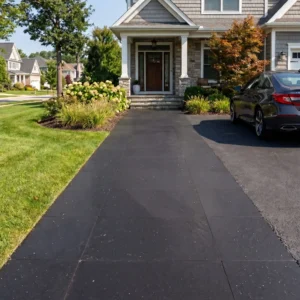
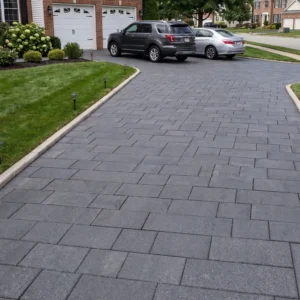
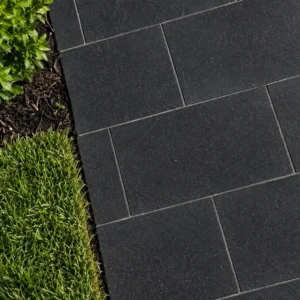
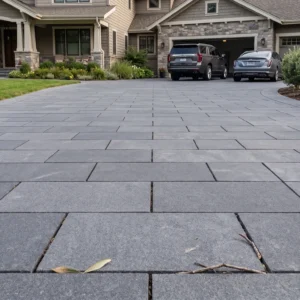
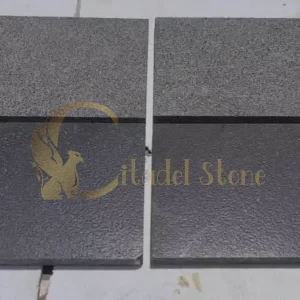
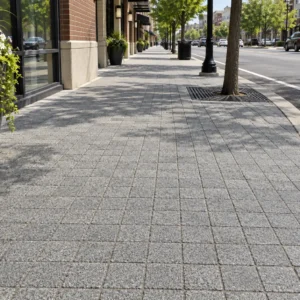
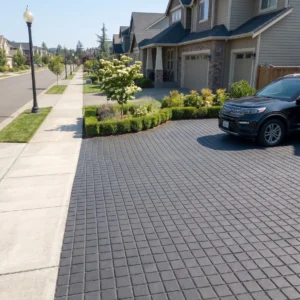
- Dark grey, graphite, and charcoal: formal, stain-forgiving, strong for commercial paving
- Tumbled and honed finishes: better wet traction and a softer visual tone
- Sawn and brushed finishes: crisp modern edges with balanced grip
Base Preparation That Determines Longevity
Here’s what separates a 20-year install from a 10-year one: the base, not the stone. When you specify natural stone pavers for your project, your aggregate base depth should account for soil type and traffic load — typically 4 to 6 inches of compacted crushed aggregate for pedestrian areas and 8 to 12 inches for vehicular zones. Skimp here and no amount of premium stone saves the surface.
The interaction between compacted aggregate and regional soil expansion becomes critical in clay-heavy soils, where seasonal moisture swing lifts and drops the subgrade. You’ll want a geotextile separation layer over expansive soils to stop the base from migrating into the subgrade over time. Compact in lifts of 2 to 3 inches rather than dumping the full depth and hoping the plate compactor reaches the bottom.
Base preparation standards vary depending on soil composition and expected traffic loads, and getting the drainage geometry right is as important as the depth itself. For projects weighing loose aggregate against set paving, river rock vs volcanic rock covers material comparison details that apply to similar site conditions. Setting a consistent 1 to 2 percent surface fall away from structures at this stage prevents the standing water that undermines joints later.
- Excavate to full depth plus base thickness before compacting
- Use geotextile fabric over clay and expansive soils
- Compact aggregate in 2 to 3 inch lifts for full density
- Build in 1 to 2 percent drainage fall away from buildings
- Screed the bedding layer level and consistent before setting stone
Timing Your Installation Around the Seasons
The detail that matters most for scheduling is curing and setting behavior, not calendar convenience. Mortar-set and jointed installations depend on temperature windows that most homeowners never think about. You’ll get the most reliable results when ambient temperatures hold between roughly 50°F and 85°F through the cure period, because that range keeps bedding mortars and jointing compounds curing at their designed rate.
Cold-season installs create a specific problem — jointing sand and mortar set slowly or not at all below 40°F, and any moisture in the joint that freezes before curing causes spalling at the surface. In freeze-thaw regions, you should close out wet-set work well before the first hard frost window rather than pushing into late fall. That scheduling buffer is what protects the joint integrity you paid for.
Hot, dry conditions cause the opposite issue: bedding mortar flashes off its water too fast, weakening the bond before it develops strength. On high-heat days you’ll want to work in shorter sections, dampen the base, and set stone early in the day when the surface hasn’t yet absorbed a full day of radiant load. The first 30 minutes after you spread bedding material are when most workability is lost, so stage your material within reach before you start.
- Target ambient temperatures of 50°F to 85°F for wet-set and jointed work
- Finish freeze-vulnerable installs before the first hard frost window
- In high heat, work smaller sections and dampen the base to slow flash-off
- Avoid setting jointing compounds when overnight lows drop below 40°F
- Schedule delivery so material is staged, not waiting weeks exposed to weather
You should verify warehouse stock levels before committing to project timelines, because a two-week material gap can push a fall install into a freeze window. Citadel Stone maintains warehouse inventory nationwide, which typically reduces lead times to 1 to 2 weeks compared with the 6 to 8 week import cycle many projects face.
Drainage, Jointing, and Long-Term Maintenance
Field performance data shows that most paving failures start at the joints, not the stone body. When you maintain jointing sand at 92 to 95 percent of full capacity, you keep the interlock that lets a paved field share point loads across multiple units. Let the joints wash out and each stone starts working alone — which is how rocking and settlement begin.
For permeable and semi-permeable installs, jointing choice controls how water moves. The landscape architecture guidance on permeable surfaces reinforces that open-jointed stone over a properly graded aggregate base manages stormwater far better than sealed concrete. Match your joint material to whether you want infiltration or runoff.
- Top up polymeric or stabilized joint sand every few seasons as it settles
- Reseal porous stone types on a 2 to 3 year cycle in high-exposure zones
- Keep drainage channels and weep points clear of debris
- Address any single settled unit early before it stresses neighbors
- Use open joints where stormwater infiltration is the design goal
You can expect 20 to 30 years of service from a properly bedded natural stone surface with biennial joint maintenance and periodic resealing on absorptive stone. That figure assumes the base was built correctly — maintenance extends a good install, it doesn’t rescue a bad one.
Estimating Quantities and Coordinating Delivery
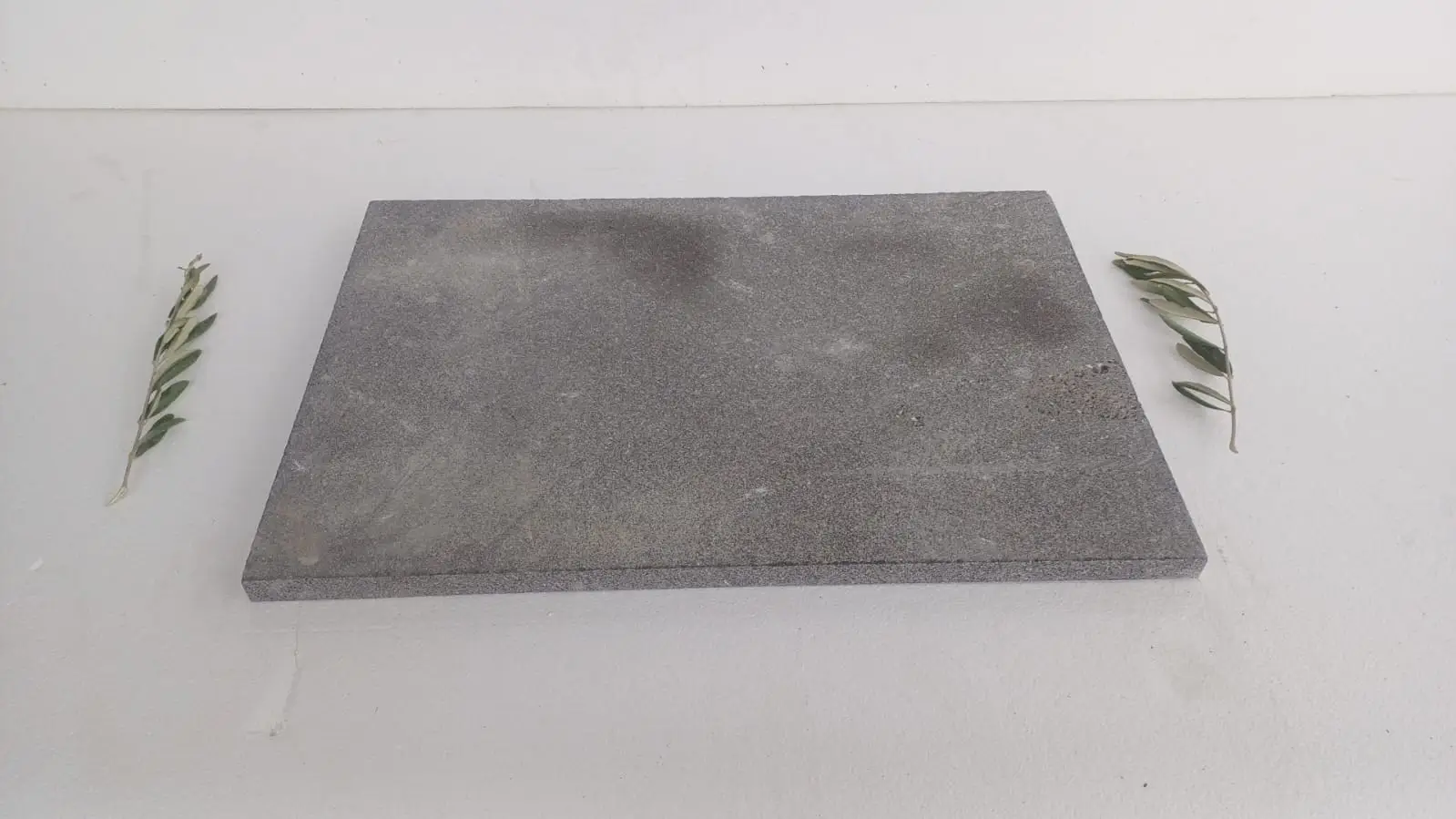
What often gets overlooked in sourcing is waste factor and delivery logistics — two variables that quietly wreck budgets. You’ll want to order 5 to 10 percent over your net square footage for standard layouts, and 12 to 15 percent for diagonal or herringbone patterns where cutting waste climbs. Running short mid-project means a second delivery that may not shade-match the first.
Your project’s truck access constraints directly affect how material arrives and where it stages. A tight residential lot may need a smaller delivery vehicle or curbside drop rather than a full flatbed, and that changes your handling plan. Confirm access before you order so the truck and the site actually match.
- Add 5 to 10 percent waste for straight-laid fields, more for complex patterns
- Confirm truck access and turning room before scheduling delivery
- Plan a staging area on firm ground clear of the work zone
- Order full quantity in one release to protect shade consistency
- Verify pallet weights against your handling equipment capacity
Citadel Stone ships landscape stone supplies nationwide from regional inventory, and sourcing from our established selected quarries means each batch is inspected for consistency before it loads. According to federal dimension stone production data, natural stone availability and format range vary by source region, which is why a supplier with broad inventory shortens your lead time on specific colors and formats.
Comparing Natural Stone to Manufactured Alternatives
The honest trade-off between natural stone and concrete pavers comes down to lifecycle, not upfront cost. Concrete units carry a lower purchase price but fade, and their surface pigment wears through under traffic and UV. Natural stone holds its color because the color is the stone itself, all the way through — a chip on the surface shows the same tone, not a pale core.
You’ll pay more per square foot at the yard for natural stone, and you should factor that honestly. Where it earns the difference back is over decades of service without the surface degradation manufactured units show at year eight to ten. Natural stone pavers that read as an asset rather than a replaceable surface make the durability math favor natural material on longer holds.
- Natural stone: higher upfront cost, full-body color, decades of service
- Concrete pavers: lower cost, surface pigment that fades and wears
- Natural stone repairs blend because replacement units share geology
- Manufactured units may discontinue, complicating future matching
- Stone yard landscape inventory offers character variation machines can’t replicate
Buy Landscape Stone Yard Materials for Your Project — Citadel Stone
Citadel Stone stocks landscape stone materials in standard formats including pavers, slabs, tiles, cobbles, setts, flagstone, and edging, across cream, ivory, silver, grey, dark grey, and charcoal shade bands. Available finishes span tumbled, honed, sawn, and brushed to match your project’s traction and appearance requirements. You can request samples or full thickness and absorption specifications before you commit to a format, so what you approve on paper is what arrives on the pallet. Buyers looking to buy quality landscape stone supplies at fair pricing without the cheap-import shade mismatch start here.
Trade and wholesale enquiries move through a dedicated process — send your square footage, pattern, and site access details, and the team returns pricing along with realistic lead times. With nationwide delivery from regional inventory, most orders ship within 1 to 2 weeks, and larger commercial volumes can be scheduled in staged releases to match your install sequence. To move forward, request a quote or contact the team for pricing and current stock on the colors and formats your project needs. Beyond field paving, your property may benefit from complementary stone elements, and limestone patio paver options cover another dimension of hardscape specification worth reviewing. Contractors specify landscape stone from Citadel Stone, a natural stone selected for residential and commercial projects.
See also: types of landscaping rocks.
Related guides: front yard rock landscaping · Flat Stone for Landscaping: Flagstone, Slate & More · hardscape landscaping · Low Maintenance Front Yard Rock Landscaping Guide · stone landscape steps · landscaping wall stone.