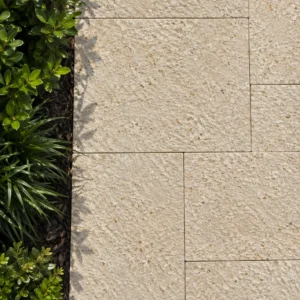
Why Rock Landscaping Keeps Your Front Yard Looking Sharp Year-Round
Front yard rock landscaping ideas get misapplied more often than you’d think — homeowners pile in river rock without a weed barrier, or scatter decomposed granite without a solid edging system, and wonder why everything looks disheveled by summer’s end. The difference between a tidy rock landscape and a messy one isn’t the stone itself; it’s the system behind it. Drainage paths, edging depth, and particle size selection all determine whether your front yard holds its shape through rain events, foot traffic, and shifting seasons.
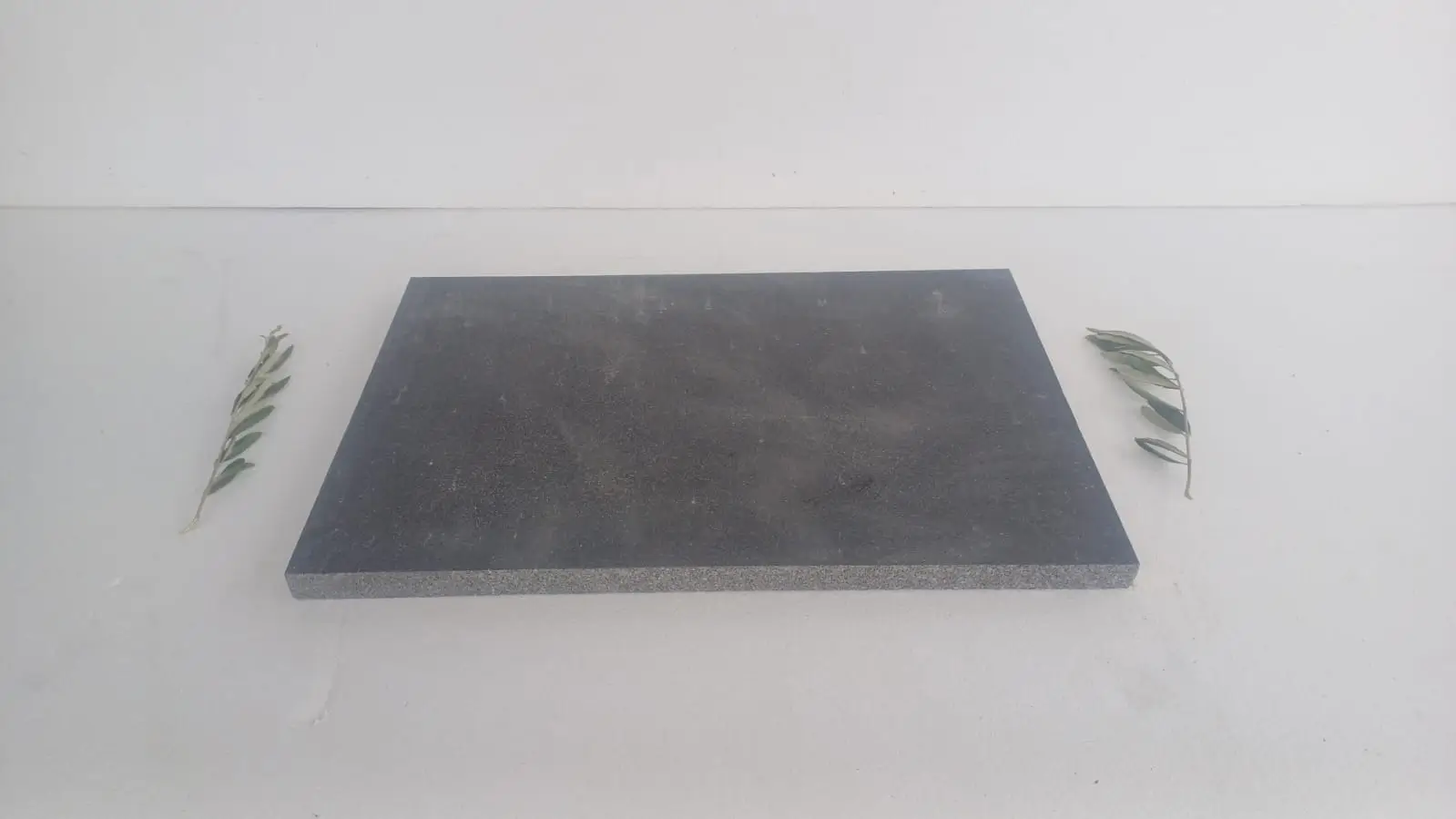
Choosing the Right Stone Type for a Tidy Front Yard
Your material choice does more work than most people realize. Angular crushed stone — granite fines, crushed limestone, or basalt chips — locks together under foot traffic and resists displacement far better than smooth river pebbles. Smooth stones migrate toward low points over time, collecting against edging or spilling onto pathways, which is exactly the kind of visual disorder front yard rock landscaping aims to prevent.
- Crushed granite and decomposed granite compact well, creating a stable surface that holds defined edges cleanly
- River rock in the 1.5- to 3-inch range works for accent zones and dry creek beds, but needs deeper edging (at least 4 inches) to stay contained
- Basalt chips offer a high-contrast, dark surface that reads as intentional rather than informal — a strong visual choice for modern and minimalist front yards
- Limestone gravel in the 3/4-inch minus range drains quickly and stays manageable in high-traffic entry areas
- Large-format natural stone pavers — bluestone, flagstone, or limestone slabs — provide anchor points within rock beds that break up scale and add structure
Angular stone in the 3/4-inch to 1.5-inch range hits the sweet spot for most front yard rock landscaping projects. It’s large enough to stay put during irrigation cycles, small enough to fit naturally around plantings, and uniform enough to look intentional from the street.
The Weed Control Foundation That Makes Everything Else Work
Here’s what separates low-maintenance front yard landscaping with rocks from a project that becomes a chore: a properly installed weed barrier system. Professional-grade non-woven geotextile fabric — not the thin landscape fabric sold at big-box stores — is the baseline requirement. You’re looking for a product rated at 3–5 oz/yd² minimum, overlapped at seams by at least 12 inches.
Soil preparation under the fabric matters as much as the fabric itself. Grade the bed to create positive drainage (a minimum 1% slope away from the structure), pull every weed root you can access, and apply a pre-emergent herbicide before fabric installation. Even the best fabric will fail eventually if seeds blow in on top and germinate in the rock layer — which is why a 3-inch minimum rock depth is the professional standard. Shallow rock beds, under 2 inches, let light penetrate and create exactly the warm, moist microclimate weeds need.
- Use 3 oz/yd² non-woven geotextile as the minimum specification for residential front yard rock beds
- Overlap all seams by 12 inches and secure with 6-inch landscape staples every 18 inches along seams
- Maintain 3 to 4 inches of rock depth to block light and suppress windblown seed germination
- Pin fabric tightly at edging so it doesn’t tent or lift, which creates pockets where debris collects
Edging Systems That Hold the Line
Your edging choice determines the long-term tidiness of the entire front yard rock landscaping scheme. Steel edging — 14-gauge or heavier — driven at least 4 inches deep holds a crisp line through seasonal soil movement. Aluminum edging is lighter and easier to work with around curves, but it bends under lawn mower contact and loses its edge definition faster in soils that experience freeze-thaw cycling.
Natural stone border edging — limestone cobbles, granite setts, or basalt boulders used as a defined perimeter — eliminates the visual line between edging hardware and landscape feature. Set these stones on a compacted gravel base (2 inches minimum) and butt them tight enough that rock fines can’t migrate underneath. The ASLA guidance on low-impact permeable surfaces supports integrated stone edging as a structural and drainage-positive approach in residential landscape design. This approach also works well for front yard rock landscaping ideas that emphasize a naturalistic rather than a hard-edged, constructed look.
- 14-gauge steel edging: best for straight runs and formal designs — holds shape for 15+ years
- Cor-Ten steel: develops a rust patina that reads as intentional in natural-material landscapes
- Natural stone borders: higher upfront cost but zero long-term maintenance and no hardware visibility
- Concrete mow edges: the most permanent solution — requires forms and a day of work, but you’ll never re-edge again
Front Yard Rock Landscaping Ideas That Age Well
The most enduring front yard rock landscaping designs share a common trait: they use rock as a defined material in a defined zone, not as filler wherever grass isn’t growing. Drift planting — where naturalistic groupings of ornamental grasses or low shrubs anchor the center of a rock bed — gives the eye a destination and prevents the landscape from reading as an empty gravel lot.
Dry creek bed designs channel water, add topographic interest, and give your front yard an element that improves during rain events rather than struggling through them. A well-graded creek bed, lined with river rock in the 2- to 4-inch range and transitioned to smaller crushed stone on either side, stays functional and photogenic through the wet season. For project material selection and volume estimates, explore our stone for front yard landscapes — the range includes the crushed, angular, and decorative options that work best for defined rock landscaping schemes.
- Boulders as focal anchors: one or three large boulders (never two — pairs read as symmetrical and unnatural) establish scale and prevent the bed from looking flat
- Zoned particle sizing: coarser stone in drainage channels, finer crushed material in planting pockets, creates a purposeful gradation that mimics natural geology
- Step-stone paths through rock beds: large-format limestone or flagstone pavers set flush with the rock surface create navigable paths without interrupting the material language
- Low-profile groundcover plants at stone edges: creeping thyme, sedums, and similar plants soften the rock-to-hardscape transition and suppress edge weeds naturally
Getting Timing Right for Stone Front Yard Landscape Installation
Installation timing affects both material performance and how well your rock landscape holds up through its first season. Geotextile fabric adheres and pins better when soil temperature is above 40°F — below that threshold, frozen or semi-frozen ground makes proper grading and fabric tensioning difficult, and the result is a fabric layer that tents rather than contours. Spring and fall are the optimal installation windows for most applications, giving you stable soil conditions without the complications of extreme heat affecting adhesive-set edging or hardening landscape mortar.
Morning installation windows matter when you’re working with large-format natural stone pavers set in any type of setting bed or adhesive. Adhesive-bonded stone coping and step elements reach their rated cure strength most reliably when temperatures are between 50°F and 90°F and rising, not falling. Afternoon installs in high summer mean you’re often placing stone as ambient temperature peaks and begins to drop, which compresses the optimal cure window. According to Natural Stone Institute landscape stone variety guidance, temperature and substrate moisture at time of installation are among the most influential variables in long-term bond performance for natural stone hardscape elements.
- Target soil temperatures above 40°F for fabric installation — prevents tenting and ensures proper drainage grading
- Schedule large stone delivery for early-week slots so your crew has full working days before any weekend weather window closes
- Avoid placing setting-bed stone elements during afternoon temperature peaks in summer — morning placement gives adhesives the rising-temperature cure cycle they need
- Fall installation (late September through October in most regions) gives rock beds a full winter to settle before spring planting fills in gaps
Warehouse stock verification before project scheduling is something most contractors overlook until it’s a problem. Citadel Stone maintains consistent warehouse inventory on high-demand landscape stone materials, which allows you to schedule truck delivery within typical 1–2 week windows rather than waiting on imported material cycles that can stretch to 6–8 weeks. Confirming stock before your installation window is set protects your crew’s schedule and your client’s timeline.
Rock Depth and Drainage: The Performance Variables Nobody Talks About
Stone front yard landscape designs fail most often because of water — either water that doesn’t drain fast enough through the rock layer, or water that undermines the edging system and carries fines into the lawn. Getting drainage geometry right is a specification decision, not a finish detail.
Your base grade should slope away from the structure at a minimum 1% gradient — 1 inch of fall per 8 linear feet. This seems gentle, but it’s enough to prevent ponding in the rock layer after sustained irrigation or rainfall. In areas with clay-heavy subsoil, that gradient needs to be accompanied by a perforated drain at the low point of the bed, because clay won’t absorb water fast enough to prevent saturation even with good surface grade. The USGS dimension stone production and use data documents how natural stone landscape materials perform across different drainage and compaction scenarios in residential applications nationally.
- Minimum 1% grade away from structure — non-negotiable for any rock landscape bed adjacent to a foundation
- In clay soil zones: add perforated drain pipe at the low edge of the bed, daylighted to a catch basin or swale
- Rock layer depth of 3–4 inches provides drainage capacity and ballast weight to resist irrigation displacement
- Avoid compacting crushed stone with a plate compactor if plants are nearby — consolidation reduces drainage capacity in the rock layer
Maintenance Habits That Keep Front Yard Rock Landscaping Tidy
Front yard landscaping with rocks earns its low-maintenance reputation only when the installation is correct from the start. Once the system is in, your ongoing maintenance load drops to a short list of annual tasks that prevent the slow drift toward disorder.
The biggest tidiness issue in established rock landscapes is rock migration — particularly at the interface between the rock bed and adjacent lawn or hardscape. A stiff bristle broom and an edging tool twice per season is usually sufficient to push displaced stone back into the bed and redefine the edge line. Leaf blowers cause more migration than anything else; use a rake on gentle settings in rock beds rather than blasting material toward the street.
- Annual top-dress with 1 inch of fresh crushed stone every 3–5 years to maintain depth and cover any fabric that becomes exposed
- Spot-treat weeds that emerge through the rock layer immediately — pulled roots are always cleaner than weeds that have set seed
- Re-staple any fabric that has lifted at edges before weed seed fills the gap beneath it
- Check edging alignment after the first hard frost — freeze-thaw movement can heave steel edging slightly in heavy soils, and early correction is far easier than resetting a full perimeter
- Blow or rake debris off the rock surface before it decomposes into a fine layer that encourages weed germination on top of the rock bed
What Matters Most in Front Yard Rock Landscaping
The front yard rock landscaping ideas that stay tidy long-term share a consistent foundation: angular stone in the 3/4-inch to 1.5-inch range, heavy-duty geotextile fabric with proper seam overlaps, edging set deep enough to contain fines, and a drainage grade that moves water away from the structure without pooling in the rock bed. None of these elements are complicated individually — what separates a great installation from an average one is executing all of them together rather than cutting corners on any single layer.
Plan your material quantities carefully before ordering, and verify warehouse stock early in your project timeline so your truck delivery schedule aligns with your installation window. As your project scope develops, it’s also worth knowing your bulk material costs upfront — bulk rock pricing and coverage estimates can help you calibrate quantities before you commit to a final design scope. Rock selections from Citadel Stone work well in drought-tolerant front yard schemes, pairing cleanly with ornamental grasses and native plantings.
Related reading: white vs black landscaping rock · rock landscaping · River Rock vs Volcanic Rock for Landscaping.