Landscaping rock bulk cost breaks down differently than most buyers expect — the unit price per yard is rarely the number that drives your total project spend. The real cost multiplier is coverage efficiency: how your chosen material’s density, gradation, and depth requirements translate into actual tons or yards ordered. Miss that variable, and your quoted price per yard becomes almost irrelevant because you’re ordering 30% more than the project actually requires.
What Actually Drives Bulk Pricing for Landscape Stone
Landscaping rock bulk cost isn’t a single fixed figure — it’s a function of material type, density, delivery distance, and minimum order thresholds. River rock, decomposed granite, crushed limestone, lava rock, and decorative boulders all carry different price points per ton and per cubic yard, and those two measurements don’t convert cleanly between materials. A cubic yard of lightweight lava rock weighs roughly 1,000–1,200 lbs, while a cubic yard of dense crushed granite runs closer to 2,700–3,000 lbs. That’s a dramatic difference in delivered weight — and in freight cost — for the same measured volume.
- Material density determines how far a single yard goes in coverage — lighter materials spread thinner per ton, denser materials compact and compress over time
- Gradation (particle size) affects void space, which directly influences how much material you need per square foot at a given depth
- Minimum order quantities at the bulk level typically start at 3–5 cubic yards for delivery, and volume discounts often kick in at 10+ yards
- Sourcing origin affects price floors — locally quarried limestone and decomposed granite typically undercut imported decorative stone by 20–40%
- Delivery logistics — truck access, gate clearance, drop zone proximity — can add meaningful surcharges to quoted per-yard costs
Your baseline for any bulk order should be a delivered cost per yard or per ton — not just the material cost. Freight commonly represents 25–40% of total spend on bulk landscape stone delivered to site, particularly for locations with restricted truck access or significant haul distance from the distribution point.
Coverage Calculations That Actually Matter
Most coverage calculators use the formula: (Length × Width × Depth in feet) ÷ 27 = cubic yards needed. That’s the starting point, not the finish line. What the formula doesn’t account for is material compaction, irregular ground, and the spread loss you’ll absorb around edges, grade transitions, and planting beds. A realistic project order runs 10–15% above the calculated volume for most decorative rock applications.
Depth and Coverage by Material Type
- Decomposed granite (DG): 2–3 inch depth standard; 1 cubic yard covers approximately 100–130 sq ft at 2 inches, or 65–80 sq ft at 3 inches
- River rock (1–3 inch size): 2–3 inch depth recommended; 1 cubic yard covers approximately 80–110 sq ft depending on stone roundness and void fill
- Crushed limestone: 3–4 inch depth for ground cover applications; 1 cubic yard covers approximately 60–80 sq ft at 3.5 inches
- Lava rock: 2–3 inch depth; 1 cubic yard covers approximately 130–160 sq ft due to lower density and high void ratio
- Pea gravel: 2 inch depth typical; 1 cubic yard covers approximately 120–150 sq ft given small particle size and tight packing
These ranges aren’t theoretical — they reflect the spread variability you’ll encounter on actual sites with inconsistent subgrade levels, which is almost every real-world project. Build your order with the higher coverage number as a safety buffer, then work back from the lower number when presenting coverage estimates to clients or stakeholders.
When to Order in Tons vs. Cubic Yards
Suppliers price some materials by the ton and others by the cubic yard. Understanding the conversion for your specific material prevents costly ordering errors. Dense, angular crushed stone is almost always sold by the ton; lighter, irregularly shaped decorative rock is more commonly quoted by the yard. According to USGS dimension stone production and use data, density varies significantly across natural stone types — which is why weight-based pricing and volume-based pricing can produce very different totals for the same apparent quantity. Always ask your supplier to confirm the assumed weight-per-yard for the specific material in your order so you can reconcile the two measurement systems accurately.
Material Type Pricing Ranges: What to Expect
Landscaping rocks bulk pricing spans a wide range — from budget-friendly base materials to premium decorative stone. The figures below reflect general market ranges and will vary by region, supplier relationship, and order volume. These represent delivered cost per cubic yard as a planning benchmark, not a supplier quote.
- Decomposed granite: $35–$70 per cubic yard delivered — among the most economical bulk landscape materials
- Pea gravel: $40–$80 per cubic yard delivered — pricing sensitive to haul distance from river or pit sources
- River rock (mixed sizes): $65–$130 per cubic yard — wider range reflects source variability and wash/sort processing costs
- Crushed limestone: $40–$90 per cubic yard delivered — regional pricing strongly tied to quarry proximity
- Crushed granite: $60–$120 per cubic yard delivered — harder material, higher processing cost than limestone
- Lava rock: $100–$200 per cubic yard delivered — premium decorative material with longer haul chains in most markets
- Mexican beach pebble or polished river rock: $150–$350 per cubic yard — import premium plus processing costs drive pricing significantly higher
Natural stone pavers sourced in bulk carry different pricing logic than loose landscape rock, but the coverage math still applies. Your selection of natural stone pavers for border edging, accent paths, or stepping features within a rock landscape will follow a per-square-foot or per-ton calculation rather than pure volume.
Drainage, Base Preparation, and Why It Changes Your Order
Here’s what most bulk estimates overlook: drainage design directly affects how much material you actually need and which materials are appropriate. Properties in high-rainfall environments, freeze-thaw regions, or areas prone to seasonal flooding need a base layer beneath decorative rock — and that base layer is a separate material cost that must be calculated alongside the surface layer. Skipping it is a common reason landscape rock installations fail within two to three seasons.
For projects in heavy-rain climates or areas subject to monsoon-season runoff, a 4–6 inch compacted gravel base beneath decorative landscape rock isn’t optional — it’s the difference between a stable surface and one that migrates, sinks, or washes out. According to ASLA guidance on permeable landscape surfaces, permeability and subsurface drainage are primary performance criteria for any landscape paving or rock installation, not secondary concerns. Factor that compacted base into your bulk order calculation before finalizing quantities.
- Flat, well-drained sites with sandy soil may require minimal or no base layer — surface rock depth of 2–3 inches performs adequately
- Clay-heavy soils in wet climates require a minimum 4-inch compacted crushed stone base to prevent heave, settlement, and drainage failure
- Sloped sites in areas with heavy seasonal rainfall need edge containment systems — border stones, steel edging, or cobble borders — to prevent migration during storm events
- Drought-cycle climates with periodic intense rainfall (arid regions, flash flood zones) benefit from angular crushed stone base that locks in place during high-velocity water flow events
- Areas with established tree root zones require deeper base material and larger rock gradation to allow air and water movement to root systems
Your truck delivery logistics should account for both the decorative surface rock and the base material in a single site visit where possible. Two separate truck deliveries for the same project significantly increases per-yard logistics cost — coordinate both materials on the same order wherever your warehouse lead times allow.
Volume Discounts and Bulk Order Minimums
The relationship between order size and landscaping rock bulk cost is non-linear, which means larger projects get disproportionately better pricing per yard — but only if you understand where the discount thresholds sit. Most suppliers operate tiered pricing structures with meaningful breaks at specific quantity levels.
Typical discount tiers for landscaping rocks bulk ordering work as follows: orders under 3 cubic yards often carry a small-load premium or minimum delivery fee; orders in the 3–10 cubic yard range receive standard delivery pricing; orders above 10 yards commonly receive a 5–15% per-yard reduction; and full-truck quantities (typically 12–20 yards depending on truck configuration and material density) qualify for the best unit pricing. Getting your order to a full-truck quantity is one of the highest-leverage cost decisions you can make for large-scale projects. You can explore volume purchasing options for specific materials through Citadel Stone stone by the yard to understand how order sizing affects your final per-yard cost.
- Partial truck deliveries for landscape stone bulk orders often cost 15–25% more per yard than full truckload pricing
- Combining multiple material types in a single truckload can qualify the combined order for better pricing than two separate small deliveries
- Scheduling deliveries during off-peak periods (mid-week, off-season) may unlock additional logistics savings depending on supplier scheduling constraints
- Pre-purchasing material for phased projects — storing it on-site — often makes financial sense when the volume discount exceeds site storage costs
Weight, Truck Access, and Site Constraints
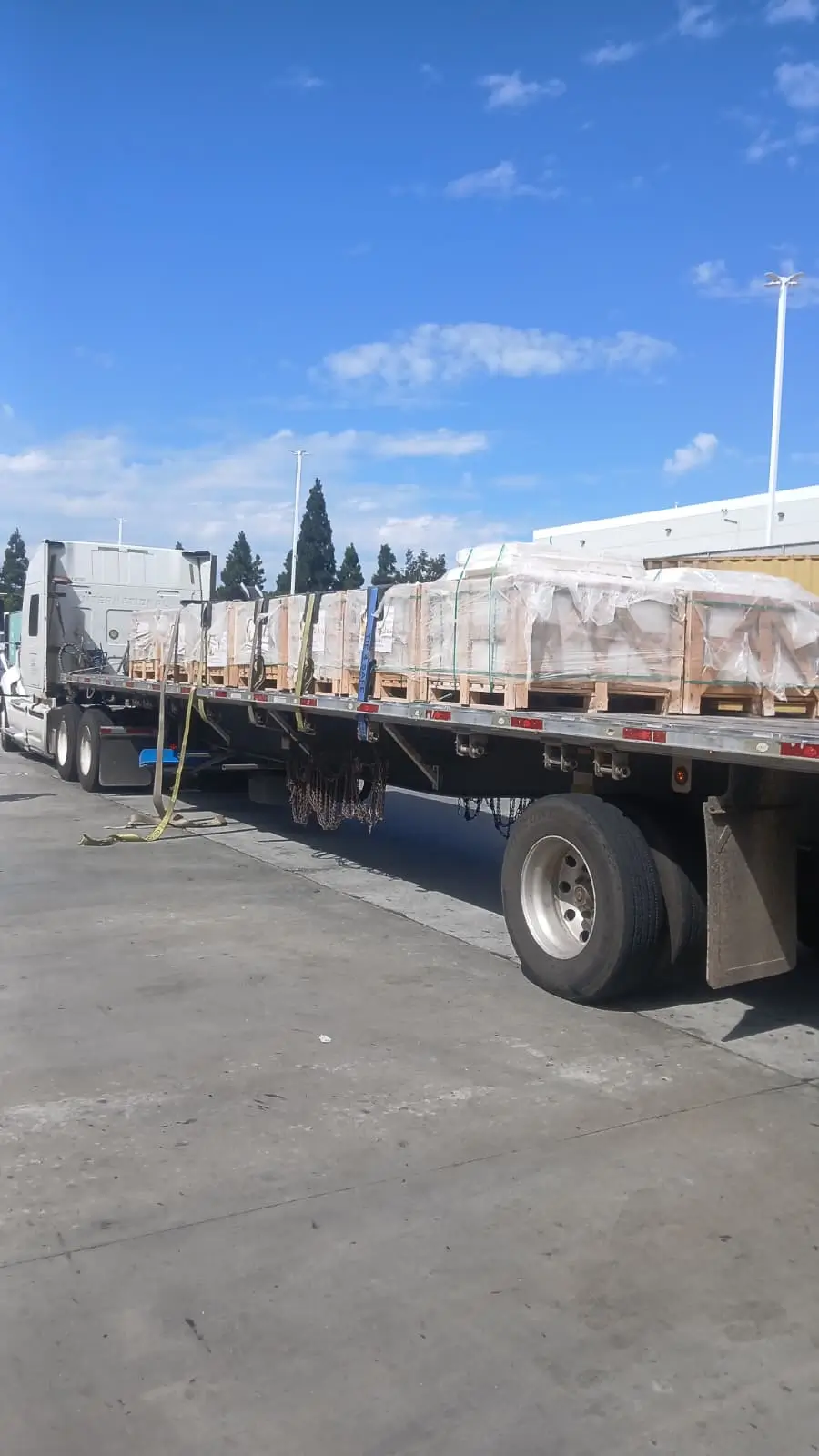
Truck access limitations are a practical reality that your budget must account for before finalizing any bulk landscape stone order. A standard bulk delivery truck carries 10–14 tons of material and requires a minimum turning radius and gate clearance that many residential and commercial sites can’t accommodate without planning. When standard truck delivery isn’t possible, material must be transferred to smaller vehicles, adding a secondary haul cost that can run $80–$200 per delivery depending on distance and quantity.
Your site assessment should confirm: minimum gate width (10 feet clearance for standard bulk truck), driveway weight-bearing capacity (most residential driveways are rated for passenger vehicles, not bulk delivery trucks), overhead clearance from trees or utility lines, and the available drop zone for material. Communicating these constraints to your supplier before placing the order prevents day-of surprises that either delay your project or generate unexpected additional charges.
- Narrow gate access requires material to be delivered to a street or staging area and wheelbarrowed — factor this labor cost into your project budget
- Soft or saturated ground can prevent loaded truck access entirely — some suppliers require signed indemnification for driveway damage caused during bulk delivery
- Elevated or terraced sites with no direct truck access may require crane-bag delivery or pump-truck systems for certain materials
- Warehouse dispatch lead times typically run 2–5 business days for bulk orders, with longer windows during peak landscaping season (spring and fall)
Calculating Your Full Landscape Rock Project Cost
A complete landscaping rock bulk cost calculation requires you to stack four cost layers that are frequently treated as independent but must be budgeted together. Isolating only the material price per yard produces a budget that routinely runs 30–50% short of actual project cost.
The Four Cost Layers Every Bulk Rock Project Carries
- Layer 1 — Surface material: the decorative rock itself, priced per cubic yard or ton at your chosen depth and coverage area, plus a 10–15% waste buffer
- Layer 2 — Base material: compacted gravel or crushed stone sub-base, calculated separately based on required depth (0–6 inches depending on soil and drainage conditions)
- Layer 3 — Delivery and logistics: freight cost, access surcharges, and any secondary haul if direct truck delivery isn’t possible
- Layer 4 — Edging and containment: border stones, natural stone pavers used as edging, or steel edging systems to retain rock in place — a cost often excluded from initial material estimates
Natural Stone Institute technical specifications confirm that stone-by-the-yard ordering for landscape applications requires material density data to accurately convert between volume and weight measurements — a step that’s frequently skipped in DIY calculations but critical for preventing under-ordering on dense stone types. According to the Natural Stone Institute stone variety specifications, density differences across natural stone types range substantially, which directly affects volume-to-weight conversion accuracy in bulk ordering.
Setting the Right Budget Contingency
Build a 15% contingency into any landscaping rock bulk cost estimate where the project involves irregular terrain, phased installation, or material types you haven’t used before. That contingency isn’t padding — it’s the practical gap between a calculated coverage number and field reality. Experienced installers routinely find that delivery quantities and final installed quantities diverge by 8–15% on complex sites, with graded slopes, stepped terraces, and mixed coverage depths driving the highest variance.
Selecting Materials for Cost Efficiency Without Sacrificing Performance
The most cost-efficient landscaping rocks bulk selection isn’t always the cheapest material per yard — it’s the material that minimizes long-term replacement and maintenance costs relative to its installed performance. Decomposed granite, for example, often seems like the budget choice, but in high-rainfall environments it requires annual re-topping and compaction maintenance that adds up quickly. River rock in the same climate holds its position better and may cost less over a five-year horizon despite a higher per-yard purchase price.
- Angular crushed stone locks in place better than rounded river rock on sloped sites — reduces long-term migration and re-spreading labor costs
- Light-colored limestone and white decorative stone reflect more solar radiation, which reduces irrigation demand in planted beds by moderating soil temperature — a performance benefit that compounds annually
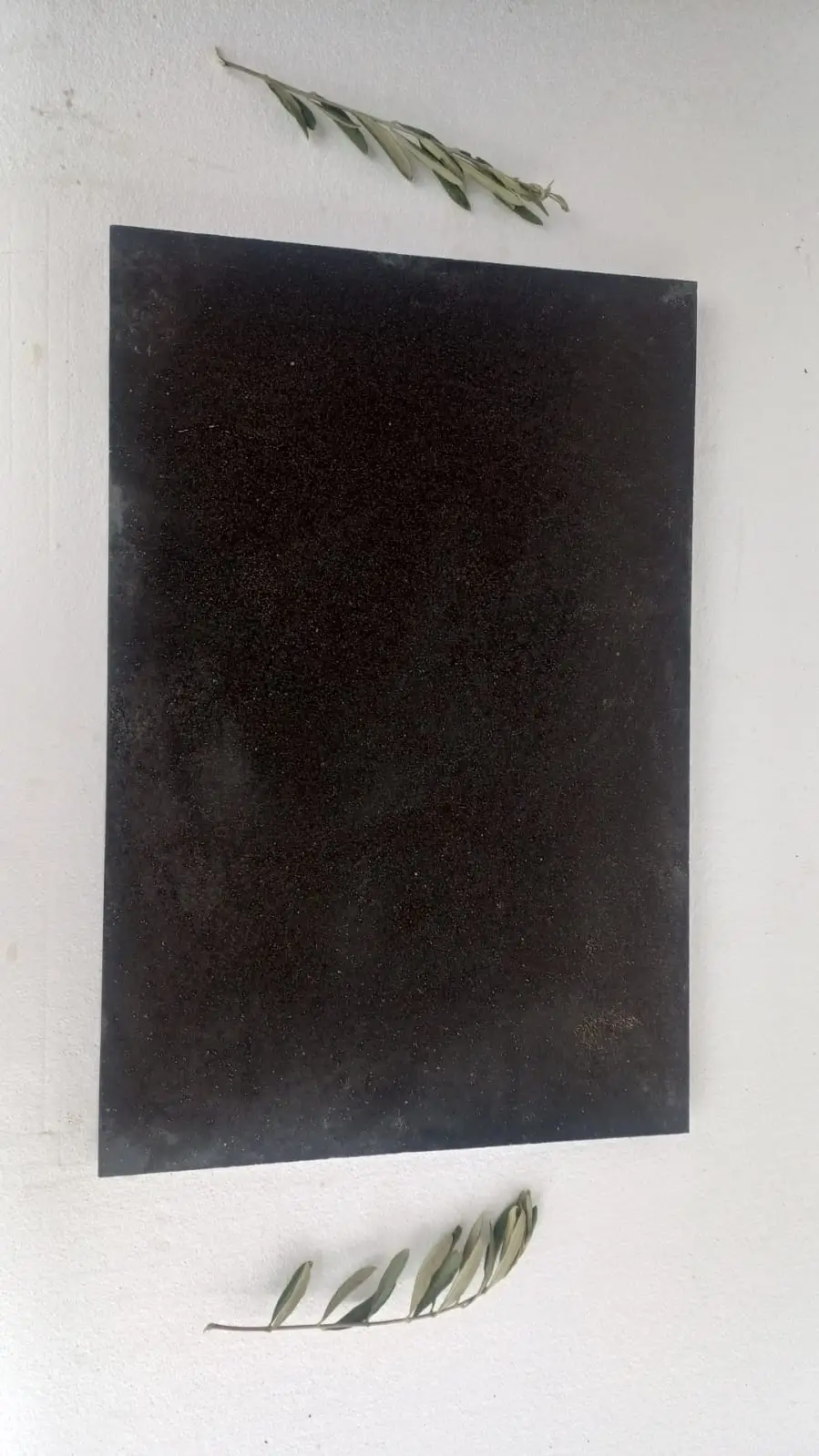
- Darker basalt and dark granite rock absorbs heat and can stress shallow-rooted plants in hot climates — specify these in non-planting zones or for purely hardscape applications
- Larger rock gradation (3–5 inch river rock or fieldstone) requires less material depth for equivalent ground cover and lasts longer before requiring top-dressing compared to small pea gravel
- Lava rock’s light weight makes it cost-efficient for raised bed applications where structural loading on planter walls is a design constraint
At Citadel Stone, we’ve worked through enough bulk landscape stone projects to know that the material decision and the drainage design decision need to happen simultaneously — not sequentially. Projects that finalize material selection before confirming base preparation requirements frequently end up redesigning the drainage layer after delivery, which forces a second stone order and a second delivery cost.
Ordering Logistics, Lead Times, and Delivery Planning
Stone by the yard ordering for landscape projects requires lead time planning that most buyers don’t build in until they’re already behind schedule. Warehouse inventory for common materials like crushed limestone and pea gravel typically moves quickly during peak spring and fall seasons, and popular decorative rock varieties — particularly specialty colors and imported polished stone — can run on 2–4 week replenishment cycles from distribution.
Your ordering timeline should work backward from your installation date: confirm site access and base preparation completion first, then order with a minimum 5–7 business day buffer for standard bulk materials and 2–3 weeks for specialty or high-demand materials. Citadel Stone maintains warehouse inventory of core landscape stone varieties nationwide, which compresses lead times compared to the extended import cycles that specialty decorative stone often requires. Plan your truck delivery to arrive after base preparation is complete but before weather windows close — wet base material at time of decorative rock placement compounds both the drainage problem and the installation difficulty.
- Confirm delivery date and time window at order placement — bulk material deliveries are time-sensitive for site labor coordination
- Mark your drop zone clearly before the truck arrives — repositioning bulk material once placed adds significant manual labor cost
- Inspect delivered material at time of drop for gradation consistency and color match before the driver leaves the site
- For phased projects, stage material quantities by phase rather than ordering all material upfront if site storage space is limited
Finalizing Your Landscaping Rock Bulk Cost Plan
Landscaping rock bulk cost is a composite number — material, delivery, base preparation, and containment — and the projects that budget it accurately treat all four components as equal line items from the start. Your coverage calculation needs accurate density data for your chosen material, a realistic waste buffer for site conditions, and a drainage strategy that’s confirmed before you commit to material type and depth. Stone color, texture, and gradation should inform that drainage decision as much as aesthetics do. As you refine your material selection, comparing white versus black landscape rock covers another dimension worth considering before you finalize your specification. Ordering through Citadel Stone in bulk generally reduces per-yard cost, particularly for projects covering large ground areas at a consistent depth.
Related reading: Types of Landscaping Rocks: A Buyer’s Guide · river rock vs volcanic rock.