



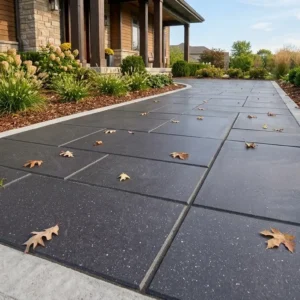
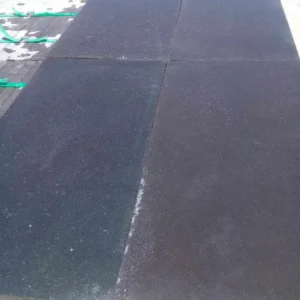
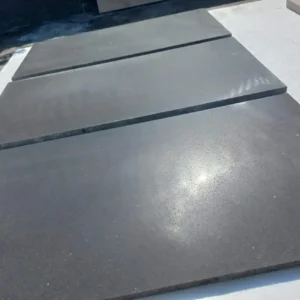
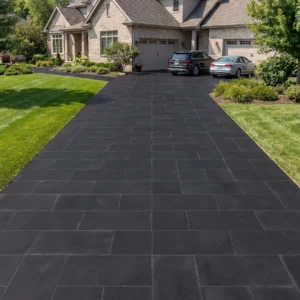



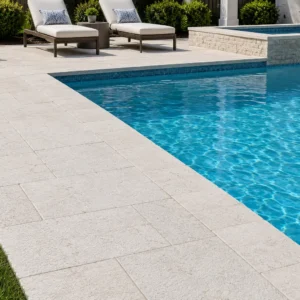
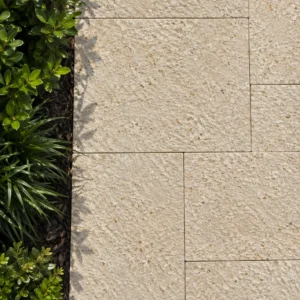
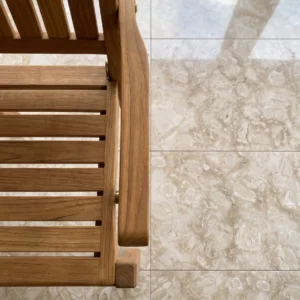
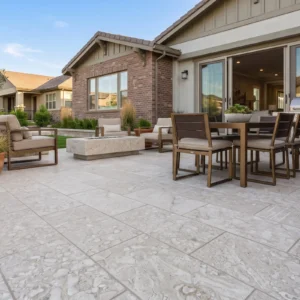
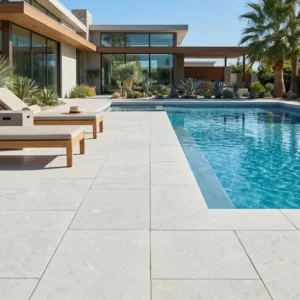
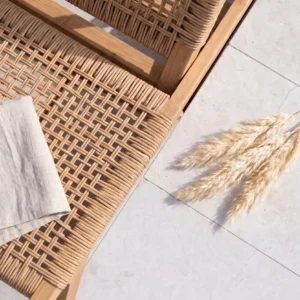
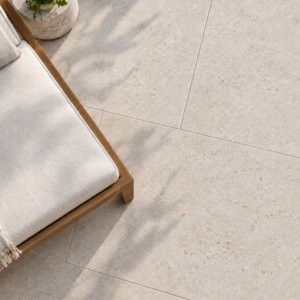




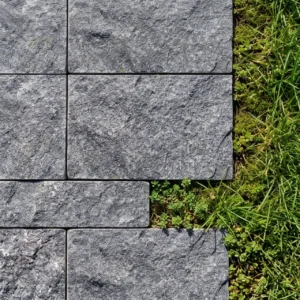
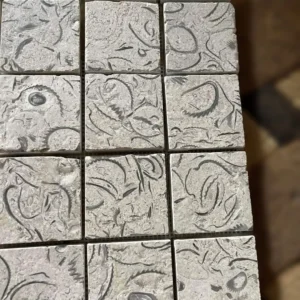
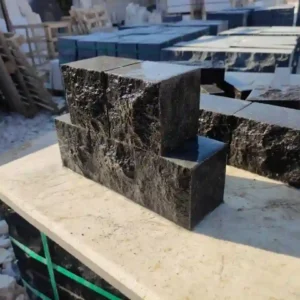
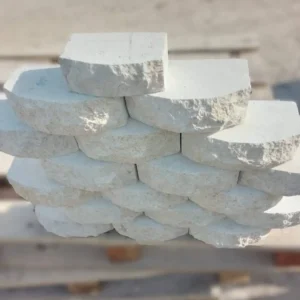
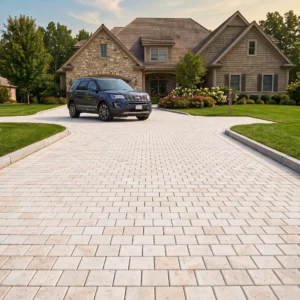
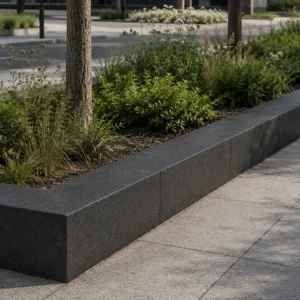
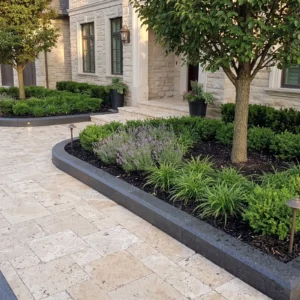
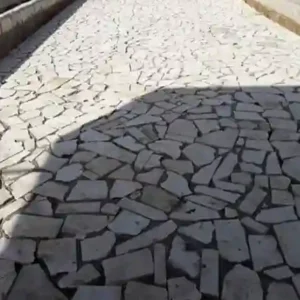

Thickness in travertine controls more than load capacity — it controls how much sound stone sits beneath the filled voids, and that’s the variable most specifications never address. 30mm travertine pavers give you a working margin: enough body to take a chamfer, a bullnose, or a site cut without opening a cavity at the edge. You’ll also find the format forgiving on imperfect bases, which matters far more on retrofit terraces than on fresh concrete. What follows is the detail that separates a patio that stays flat from one that rocks by its second wet season.
What 30mm Buys You Over Thinner Travertine
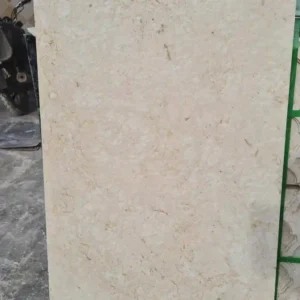
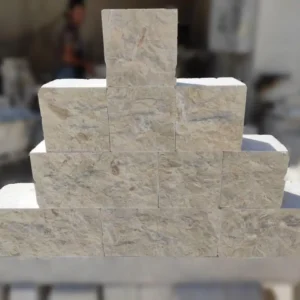
The step from 20mm to 30mm isn’t a linear gain in strength — it’s a gain in tolerance. You get room to grind out a lippage line, room for a worked edge, and a unit heavy enough to stay put while you compact joint sand around it.
- Deeper section for chamfers, bullnose profiles and drip cuts on step treads and garden paving
- Enough stone below the filled voids that a light regrind won’t punch through into a cavity
- Better bridging across minor base undulation on retrofit patios and walkways
- Edge thickness that reads correctly against matching coping, risers and landscape slabs
- A heavier unit that resists creep on sand-set installations before the joints lock up
At Citadel Stone, we cut 30mm travertine pavers to order in standard rectangular formats as well as the four-piece pattern sets designers still specify most often. You can request sample pieces and a thickness confirmation before your drawings go out for pricing.
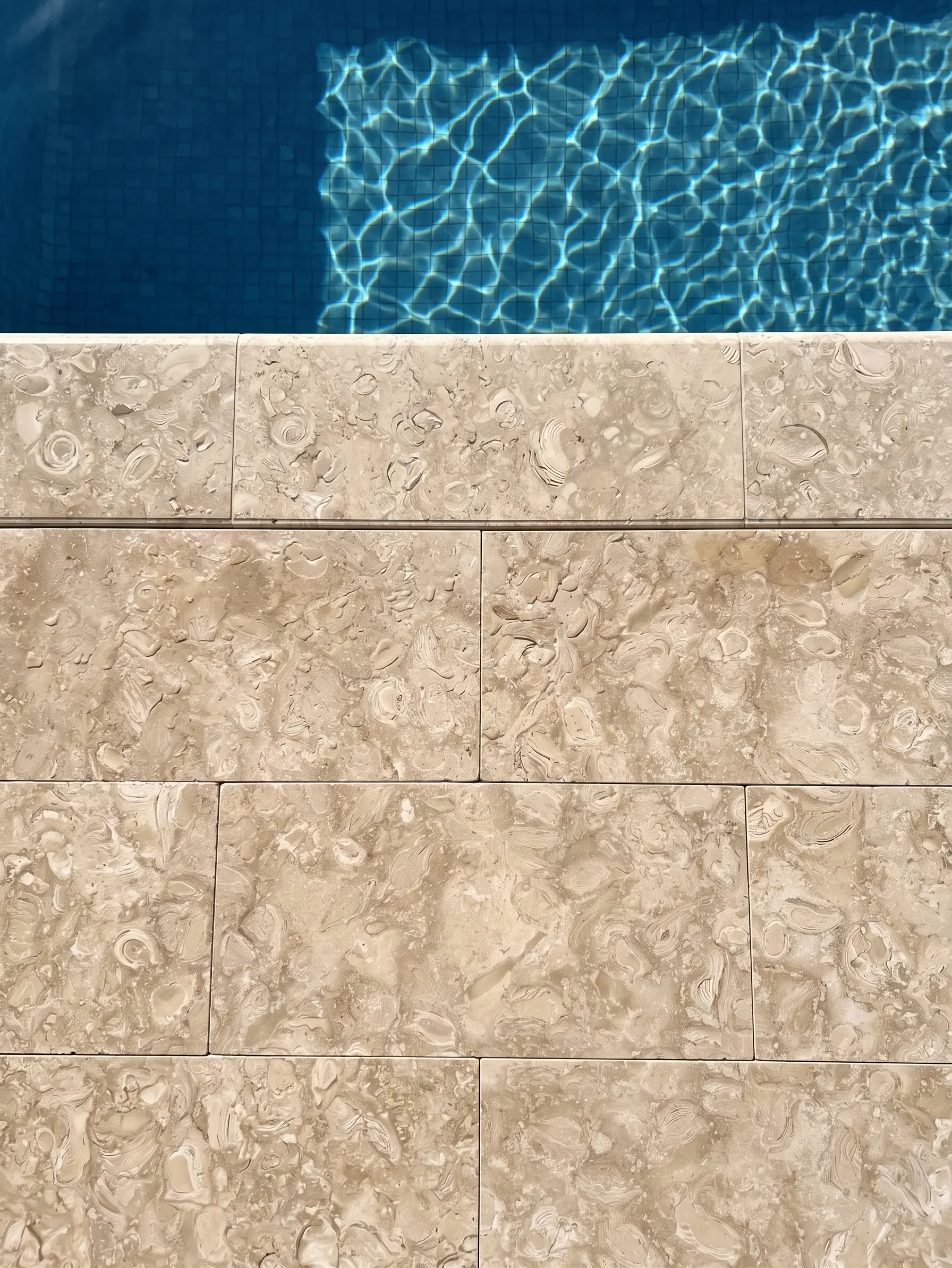
How 3cm Travertine Pavers Handle Load and Freeze-Thaw
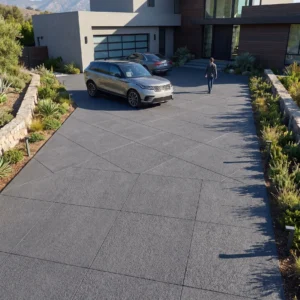
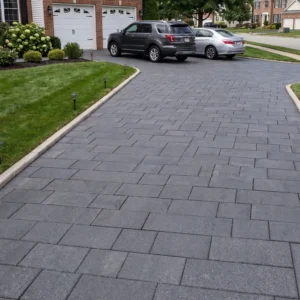
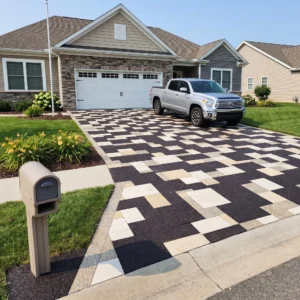
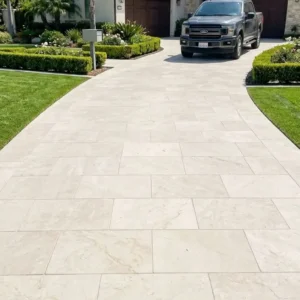
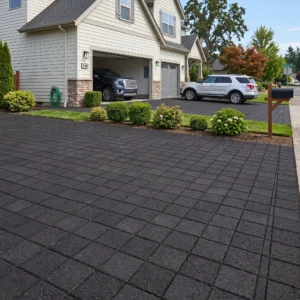
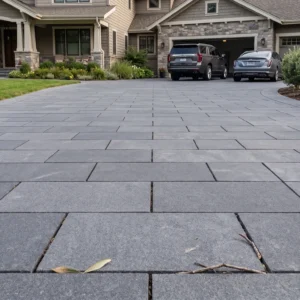
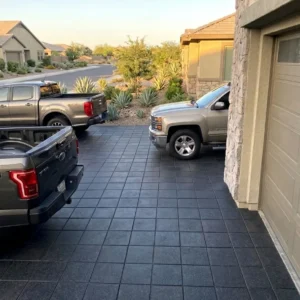
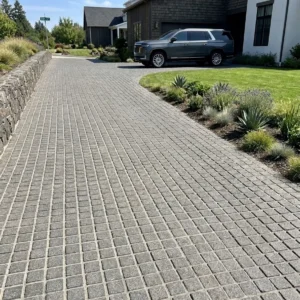
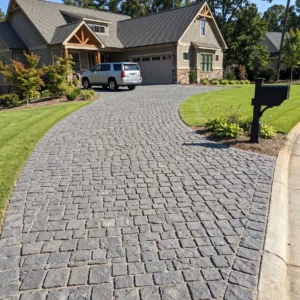
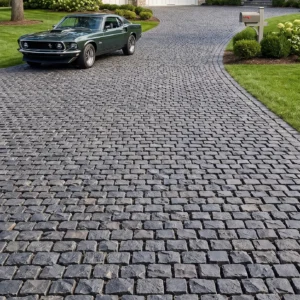
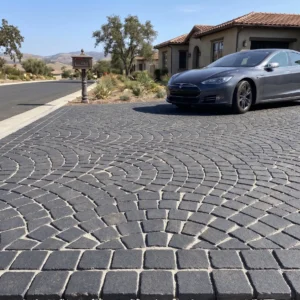
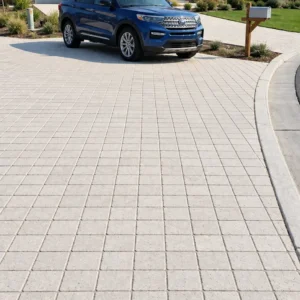
Here’s what most specifiers miss: thickness alone doesn’t carry a vehicle. The base does. 3cm travertine pavers set on a properly compacted aggregate section will take residential driveway traffic; the same stone on a thin, poorly graded base will crack at the wheel path regardless of how thick the unit is.
Freeze-thaw behavior traces back to pore structure and water uptake, not to a marketing adjective. Travertine falls under the dimension stone classification covered by the ASTM travertine standard, which is the document your spec should name. Ask your supplier for the test report rather than accepting a description — figures belong on a certificate, not in a brochure. In freeze-thaw regions, drainage detailing under the paving does more for service life than any single material property.
Color Palettes and the Design Traditions That Drive Selection
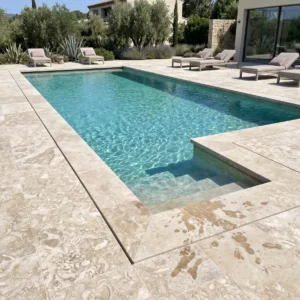
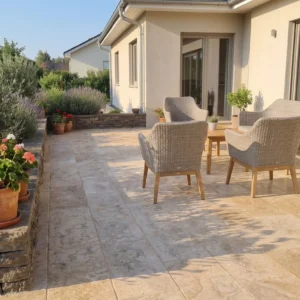
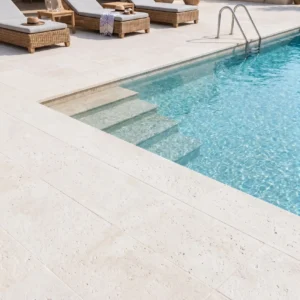
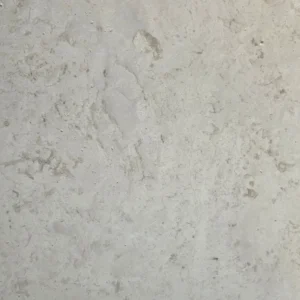
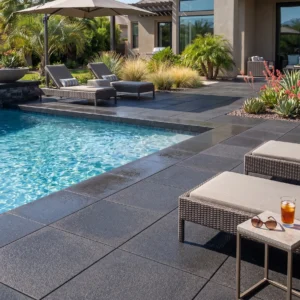
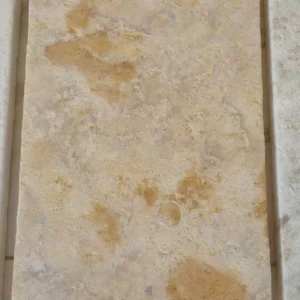
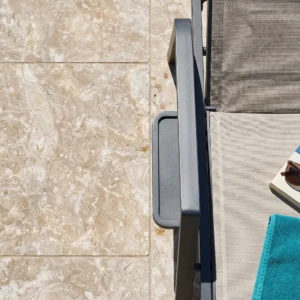
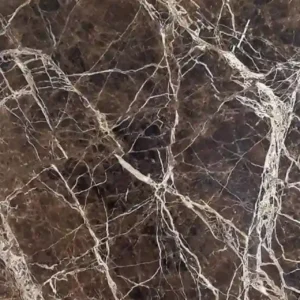
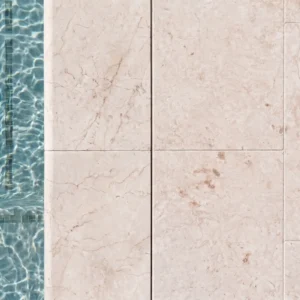
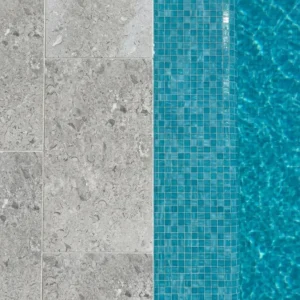
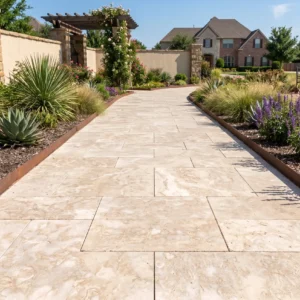
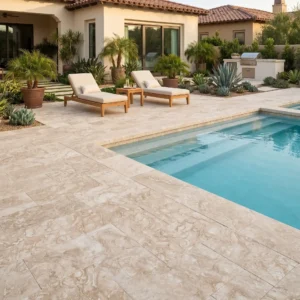
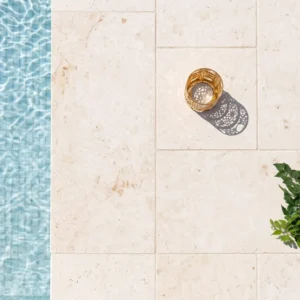
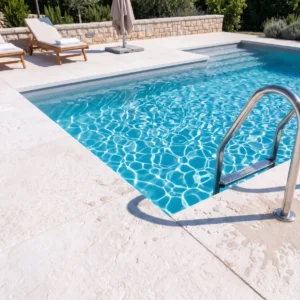
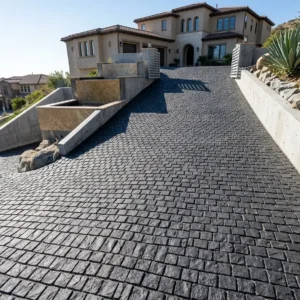
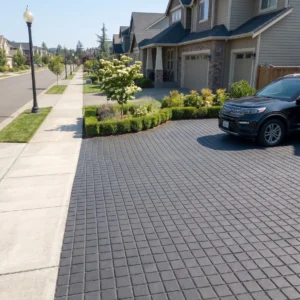
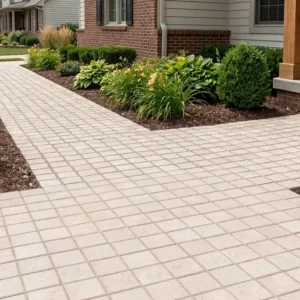
Selection usually starts with palette, not performance. Ivory and cream tones anchor Mediterranean courtyards, Spanish Colonial arcades and coastal terraces, where the paving is meant to recede and let planting and architecture carry the composition. Walnut and silver-grey tones do the opposite — they ground desert-modern and contemporary minimal schemes where the hardscape is a deliberate design element.
Consider how the surrounding materials will age alongside the stone. Against warm stucco and terracotta roof tile, a cream 30mm travertine reads as a continuation of the building; against board-formed concrete or dark cladding, the same stone can look chalky, and a walnut blend usually sits better. Variety selection guidance from industry stone variety references is a useful cross-check when you’re narrowing shade ranges for a client.
Matching Finish to Architectural Style
- Tumbled edges and an open, matte surface suit rustic, Tuscan and courtyard schemes
- Brushed surfaces with sawn edges read cleaner in transitional and ranch-style landscapes
- Honed faces with tight joints belong in modern schemes where the grid is the design
- Mixed-size pattern layouts break up large terraces and hide minor shade variation
- Unfilled surfaces carry more texture and a more weathered visual character
Base Preparation, Layout and Joint Detailing
Your base decision comes before your pattern decision, though most projects run it backwards. Sand-set work over compacted aggregate suits patios and garden paving; mortar-set over a structural slab suits pool surrounds, roof terraces and anywhere movement has to be controlled precisely.
Layout is where thickness and module size interact. Because a 30mm travertine paver is less willing to be tapped down into a high spot, your screed has to be right before you set anything. Working out module sizes early keeps cuts off the sightlines, and how to choose travertine paving sizes walks through the format decisions that govern waste and pattern rhythm on larger terraces. Set your perimeter and your drainage falls first, then let the field pattern run to them.
Cutting, Edging and Coping a 30mm Travertine Paver
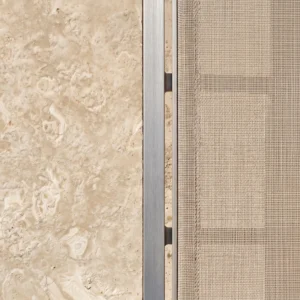
Field cutting 30mm travertine pavers rewards a slower feed rate and a clean blade. Push a wet saw too fast and you’ll chip the leading edge where a filled void intersects the cut line — the repair is always more visible than the delay would have been.
- Cut face-up on filled material to keep any chipping on the underside
- Dry-lay complex cuts before committing, particularly around drains and step nosings
- Order factory-profiled coping rather than shaping a travertine paver on site where the edge will be seen
- Keep offcuts from each pallet — they’re your best color match for later repairs
- Hold cut pieces out of the sun before setting so the mortar doesn’t flash off early
For projects needing non-standard cuts, drilled drain returns or custom step units, Citadel Stone’s team can advise on what’s practical to produce against your program and what’s better handled on site.
Sealing, Maintenance and the Trade-Offs Worth Knowing
Travertine is a porous carbonate stone — that’s its character and its limitation in the same breath. The pore structure that gives the material its depth also takes up water and staining agents, which is why federal geological data on carbonate rock is a useful primer when you’re explaining the material honestly to a client.
Sealing 30mm travertine pavers on a breathable, penetrating product is the usual route outdoors. Reseal on the interval your sealer manufacturer states rather than on a fixed calendar, and accept the trade-off up front: acidic cleaners and de-icing salts will etch and pit the surface over time. Specified with working drainage and maintained sensibly, you can expect decades of service life from a well-built terrace.
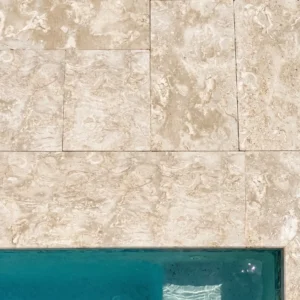
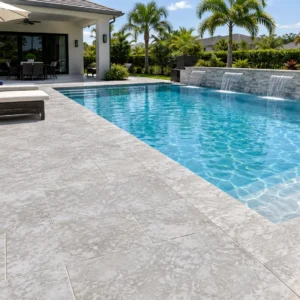
Finish Selection Around Pools and Wet Areas
Surface finish is the variable that changes how any stone behaves when wet. The current reference test is ANSI A326.3, measured wet — that standard replaced the ASTM C1028 static test withdrawn in 2014. Where a project specification sets a requirement, ask for the test report rather than working from a description, and never accept a dry result against a wet requirement.
Describing the surface honestly is more useful than describing the outcome. A tumbled and brushed 30mm travertine leaves an open, matte texture with softened edges; a honed face reads flatter and closer-grained. Where a tested value exists for material we supply, the test report is available on request.
Delivery Planning for Travertine Pavers 30mm
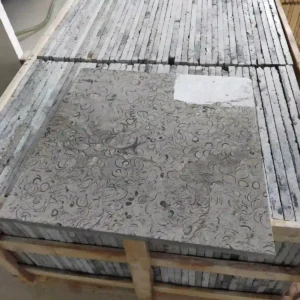
Logistics fail more projects than materials do. Travertine pavers 30mm arrive crated and banded on pallets, and the weight per pallet means your offload plan has to be agreed before the delivery date, not discussed on arrival.
- Confirm truck access, turning room and overhead clearance early on tight residential sites
- Identify a firm, level staging area — pallets sink into soft ground and stone gets damaged
- Agree whether a forklift, machine or curbside offload applies before the truck is dispatched
- Order the full quantity together so shade ranges stay consistent across the terrace
- Allow for cutting waste on diagonal and pattern layouts before finalizing your order
Citadel Stone stocks material at our selected quarries in the Middle East, cuts to order, and arranges and manages delivery onward to your jobsite; lead times are quoted with the order.
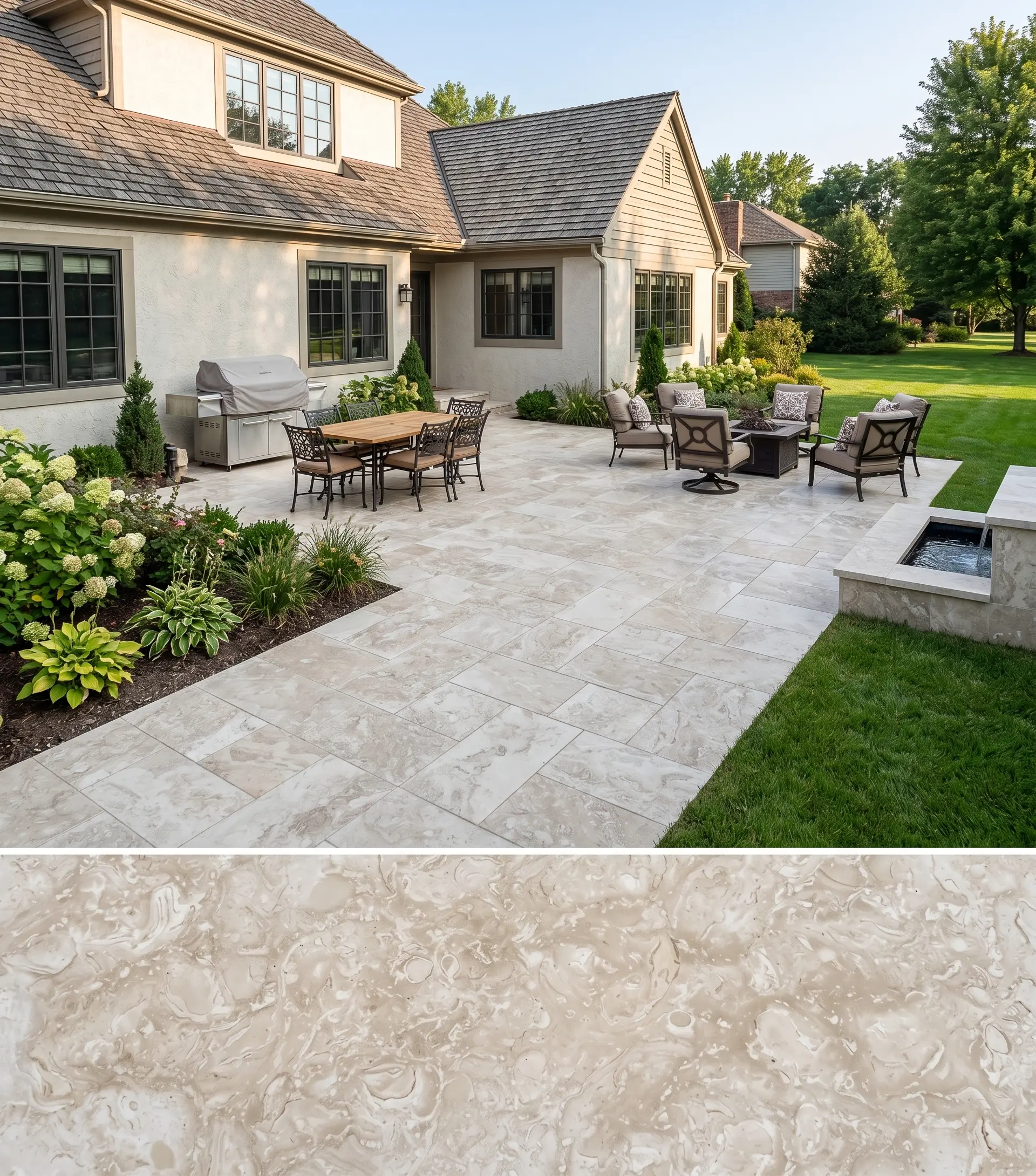
Order 30mm Travertine Pavers from Citadel Stone
Available formats cover standard rectangular paving units, square modules, pattern sets and matching coping and step treads, in ivory, cream, silver and walnut tones with tumbled, brushed or honed surfaces. You can request sample pieces, shade range photographs and available test reports before you commit a specification, and trade and wholesale enquiries for travertine pavers 30mm are quoted per project rather than from a fixed list — useful when you’re comparing a cheap import pallet against material cut to your drawings.
To buy 3cm travertine pavers for a patio, driveway, walkway or pool surround, send your square footage, pattern intent and site access notes, and a quotation with lead times and arranged delivery will follow. For deeper specification detail across the wider product family, our full travertine paving range covers the formats and finishes worth reviewing alongside this thickness. Contractors and designers source 30mm travertine pavers from Citadel Stone for patios, driveways and terraces.
See also: travertine paver thickness guide.
Related guides: 30mm granite · 16×24 Travertine Layout Ideas for Patios and Pools · travertine grout line size.