






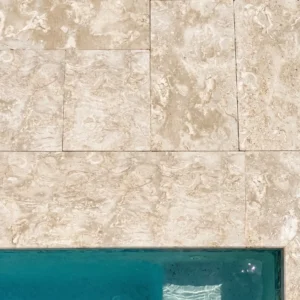
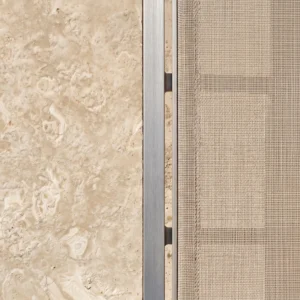
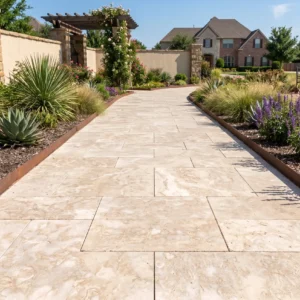
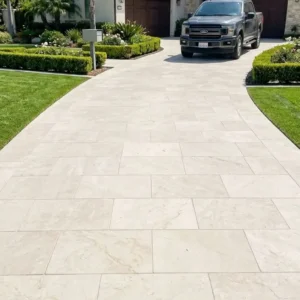
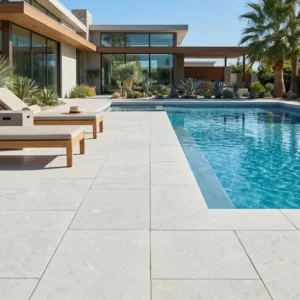
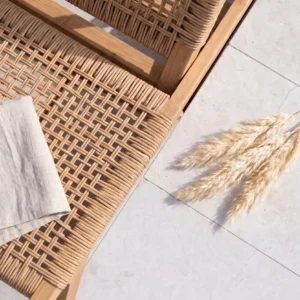
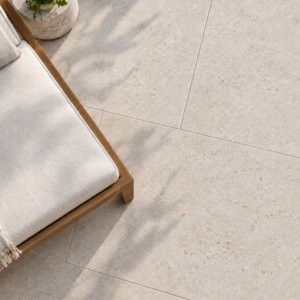
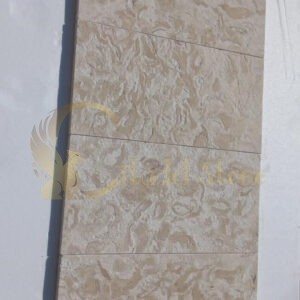

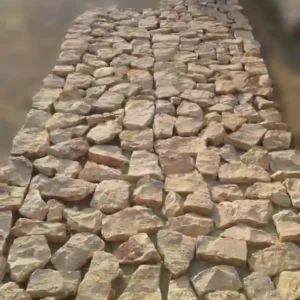
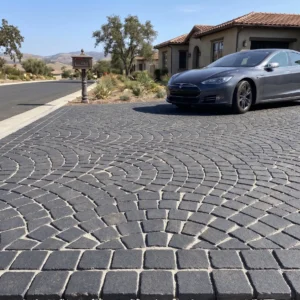
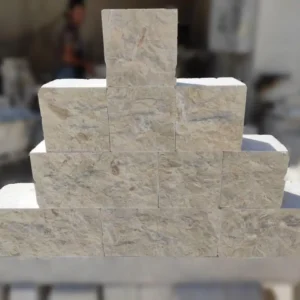
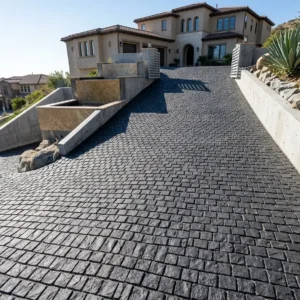
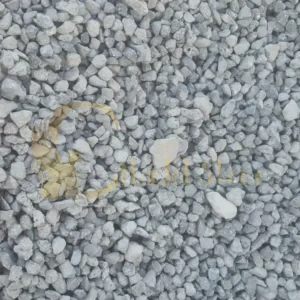
The single variable that determines whether your granite installation reads as premium or budget isn’t the stone itself — it’s the block-to-slab yield you’re paying for, and most buyers never ask about it. Granite yards that run efficient cutting operations recover 65-70% usable material per block; poorly managed ones lose 40% to waste, and you absorb that inefficiency in the per-square-foot price. You’ll want to understand this dynamic before you compare quotes, because two yards quoting the same slab can carry wildly different underlying economics. Granite is a crystalline igneous stone with interlocking quartz and feldspar grains, and how it’s handled between quarry and delivery affects both your cost and the finish you receive.
How Granite Yards Actually Price Material
You’re not just paying for stone when you buy from granite yards — you’re paying for freight, cutting labor, waste factor, and inventory carrying costs layered on top of the raw block price. The stone itself often represents less than half your final number. Understanding that breakdown gives you leverage when you negotiate and clarity when quotes diverge.
Freight distance drives more price variance than most buyers realize. A slab moving 200 miles from a regional warehouse costs meaningfully less to deliver than one hauled cross-country, and that gap widens with fuel surcharges. Granite’s density — roughly 165-170 pounds per cubic foot — means every truck carries limited square footage, so distance compounds fast.
- Raw block cost varies by color rarity and quarry source, not by yard markup alone
- Cutting and polishing labor adds a fixed cost regardless of slab size
- Freight scales with weight and distance, penalizing long-haul deliveries
- Waste factor from block yield gets baked silently into per-square-foot pricing
- Inventory that sits in the warehouse carries a holding cost passed to buyers
Regional availability shifts the math further. In markets where a granite yard sits close to a distribution hub, you’ll typically see lower delivered pricing simply because the last-mile freight is shorter. At Citadel Stone, we stock inventory across regional warehouse locations specifically to compress that freight distance and shorten lead times for national orders.
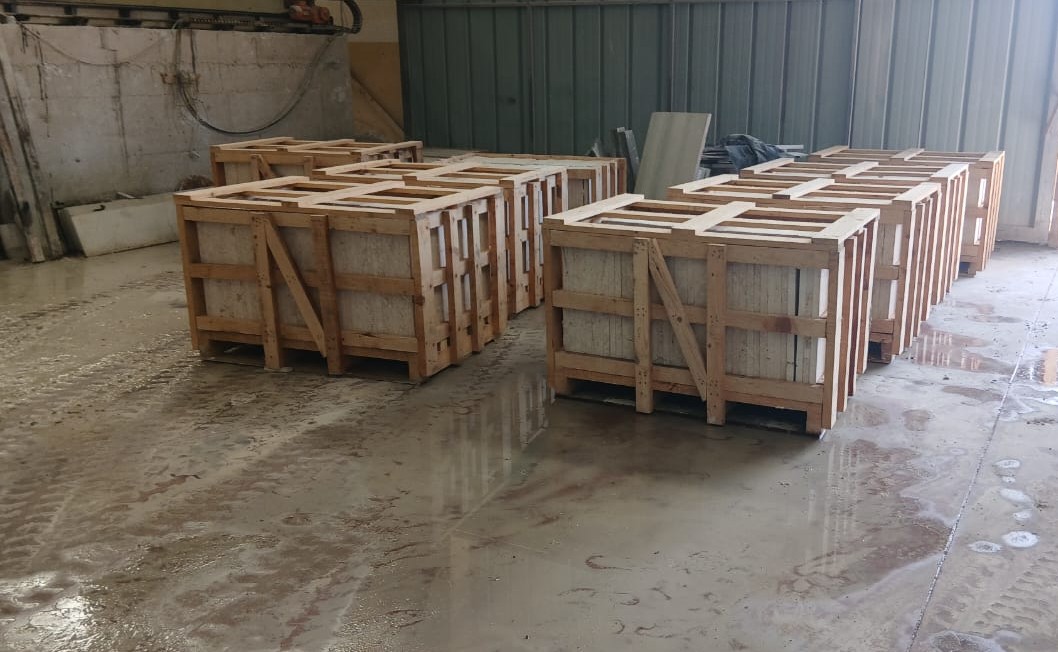
Grading and Color Consistency You Should Verify
Here’s what most specifiers miss: granite “grade” at a granite yard rarely refers to durability — it refers to visual consistency, block size, and rarity of the color. A commercial-grade black granite performs structurally the same as a premium-grade one; the price difference reflects pattern uniformity and defect rate, not compressive strength.
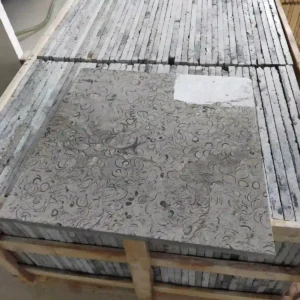
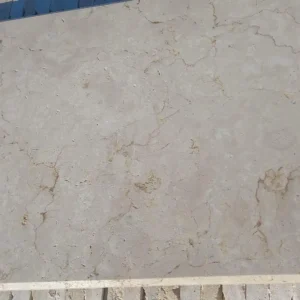
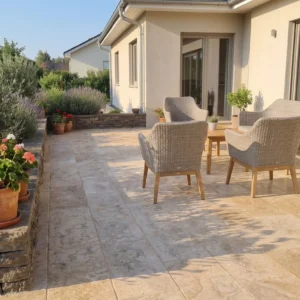
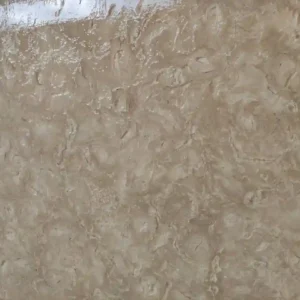
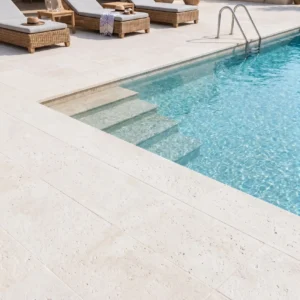
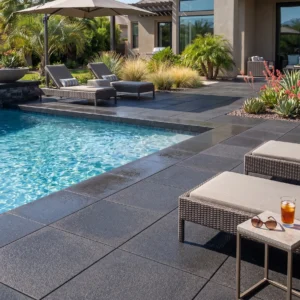
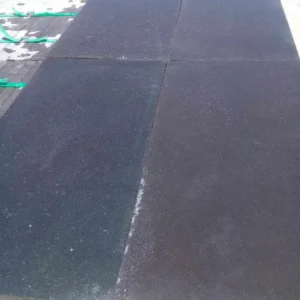
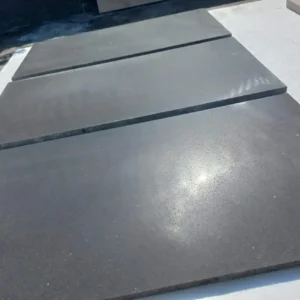
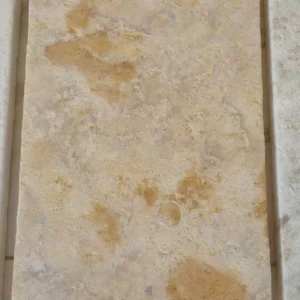
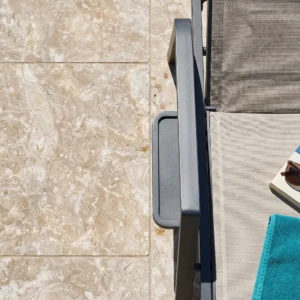
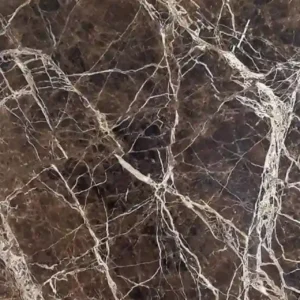
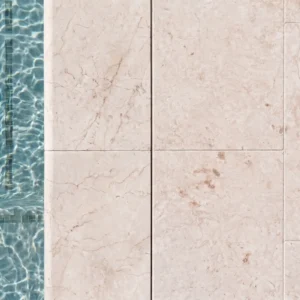
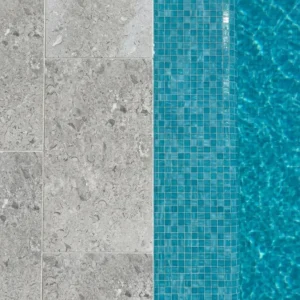
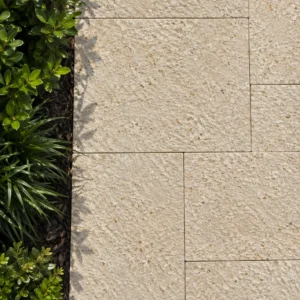
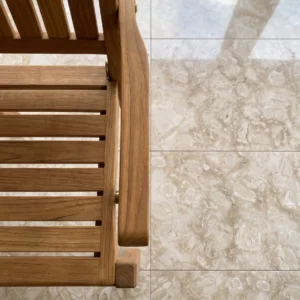
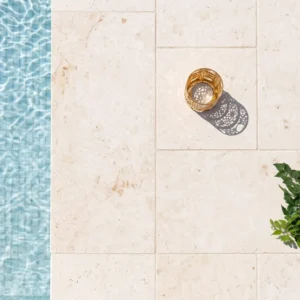
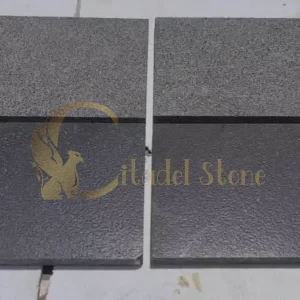
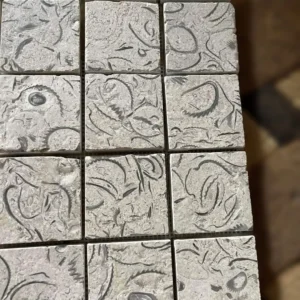
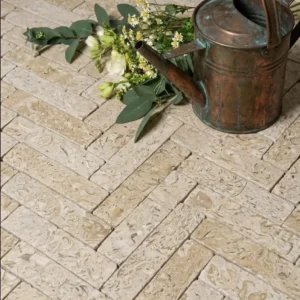
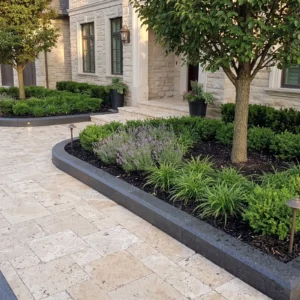
You’ll find color terms used loosely across granite stone yards, so pin down the actual material. Silver granite, grey granite, charcoal-toned blacks, and cream or ivory speckled varieties all fall under “granite” but carry different quarry origins and price points. When you request samples, ask for pieces cut from the same block run you’ll receive — batch variation is real and shows up most in mid-tone greys.
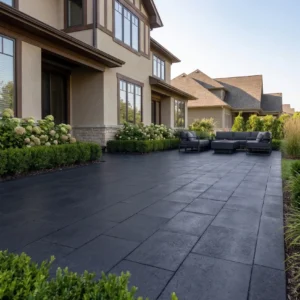
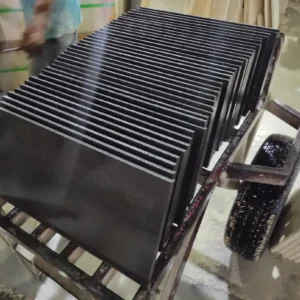
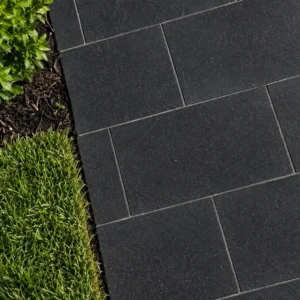
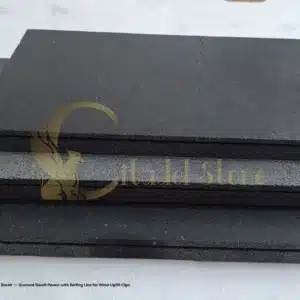
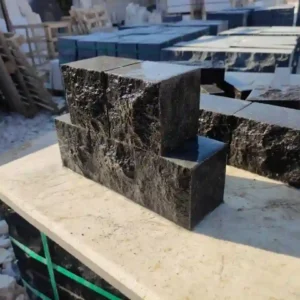
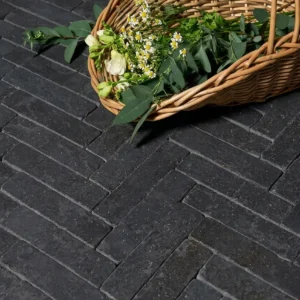
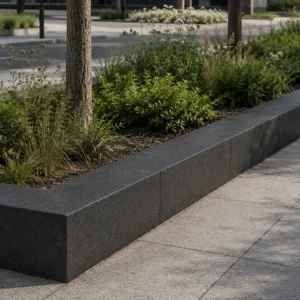
- Black granite delivers the most consistent color field and hides surface wear well
- Grey and silver granite show visible crystal movement that varies block to block
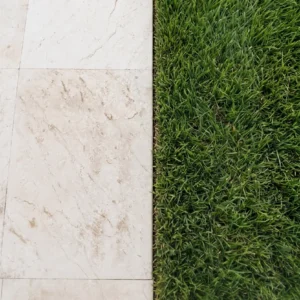
- Cream and ivory tones carry more feldspar, which can shift under UV exposure
- Uniformity grading affects price far more than any performance metric
According to industry granite durability data, the stone’s mineral hardness places it near the top of natural paving and cladding materials, which is why grading focuses on appearance rather than wear resistance. You can request thickness specifications and finish samples from Citadel Stone before committing, which lets you confirm both the tone and the surface texture against your design intent.
Finish Options and What They Cost You
Your finish selection changes both aesthetics and price, and the labor difference is larger than the material difference. A polished surface requires multiple abrasive passes; a flamed or thermal finish needs specialized torching equipment. Each adds cost per square foot, and each performs differently underfoot.
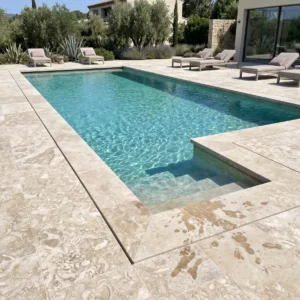
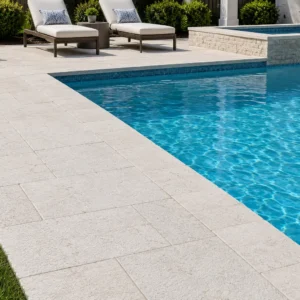
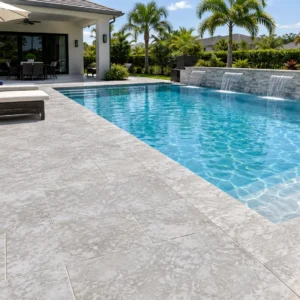
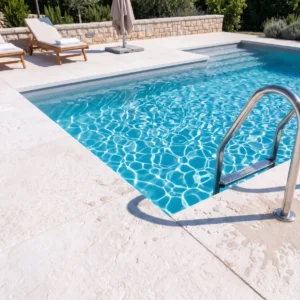
Consider how your application interacts with finish. Polished granite looks striking on vertical cladding and interior slabs but turns slippery when wet — a poor call for pool surrounds or exterior steps. Flamed and honed finishes give you traction, which matters for any walkable exterior surface. The coefficient of friction shifts dramatically between these, and that’s the detail that separates a safe installation from a liability.
- Polished: highest gloss, lowest exterior traction, best for vertical and interior use
- Honed: matte surface, moderate traction, versatile across applications
- Flamed or thermal: rough texture, highest slip resistance, ideal for wet zones
- Brushed or leathered: subtle texture with a soft sheen, mid-range cost
Format and Thickness Selection for Your Project
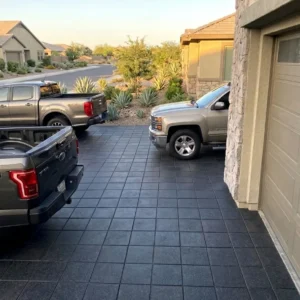
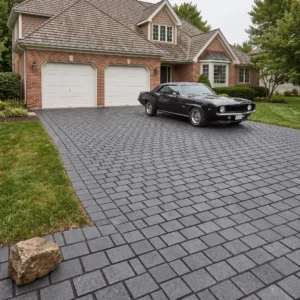
The detail that matters most in format selection is matching thickness to load, not defaulting to a standard. Interior countertop slabs run 2cm or 3cm; exterior pavers and driveway applications need 3cm minimum, often more, to handle point loads without cracking over an aggregate base.
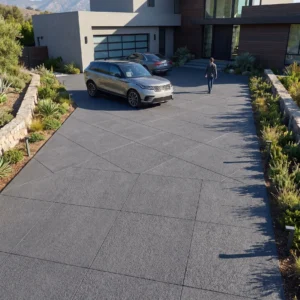
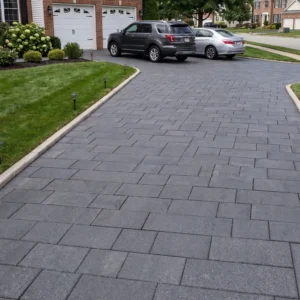
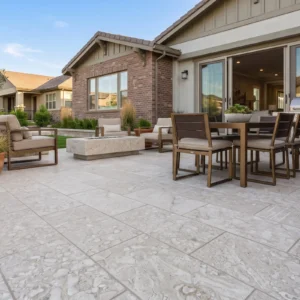
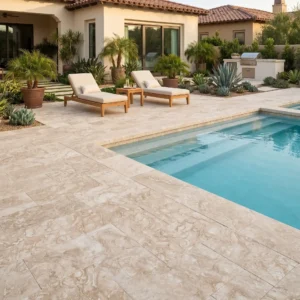
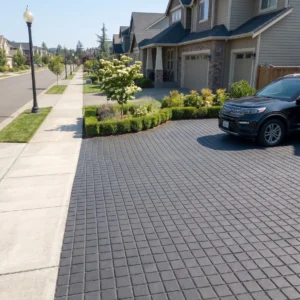
When specifying granite pavers for your project, your aggregate base depth should account for the stone’s weight and the freeze-thaw behavior in colder regions. A 3cm granite paver over a properly compacted base handles vehicular loads that would fracture thinner tile. For patio and walkway use, you have more flexibility, but you still want a stable base to prevent rocking joints.
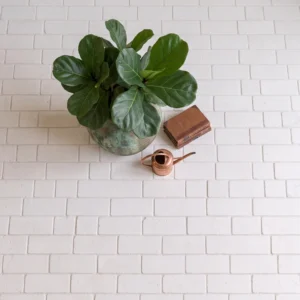
- Granite tiles at 10mm work for interior flooring over a bonded substrate
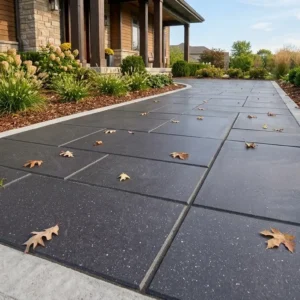
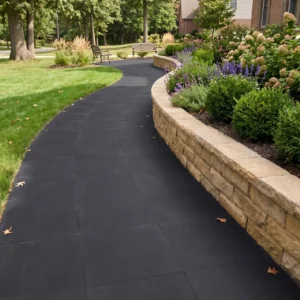
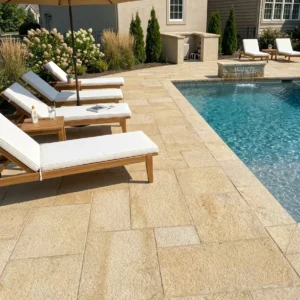
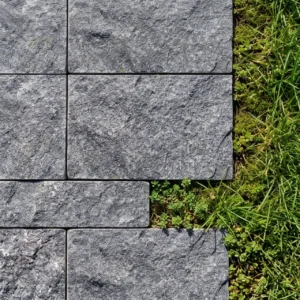
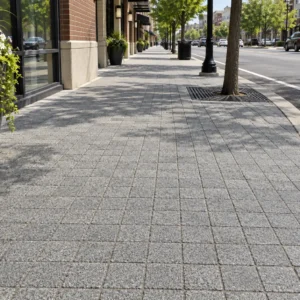
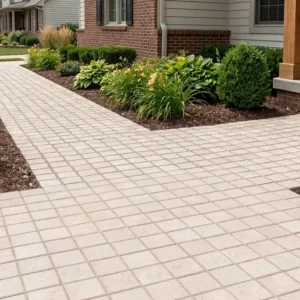
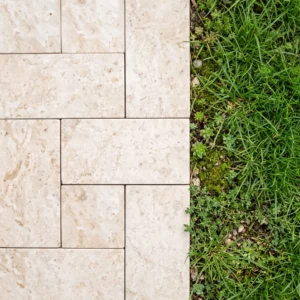
- Granite pavers at 3cm suit patio, walkway, and pedestrian traffic
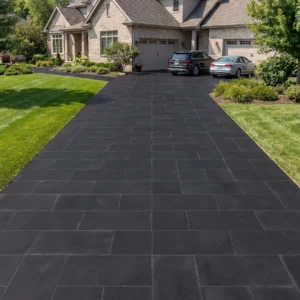
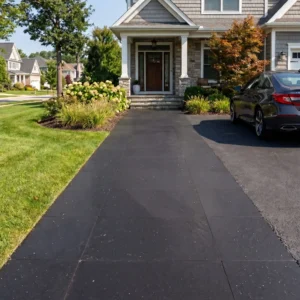
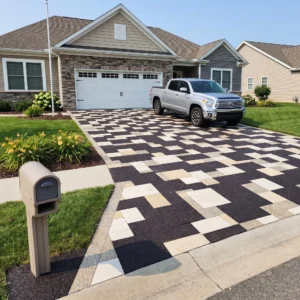
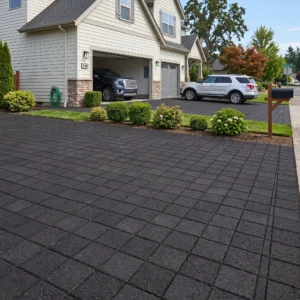
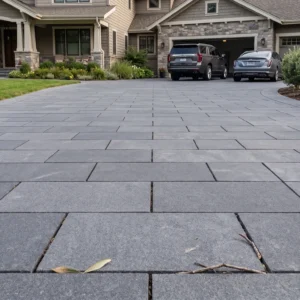
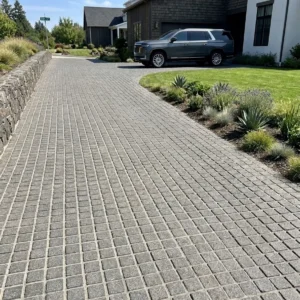
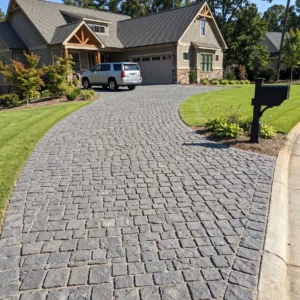
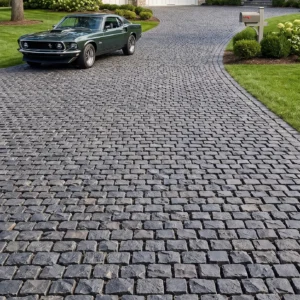
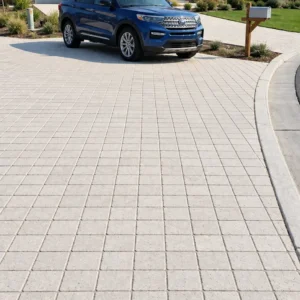
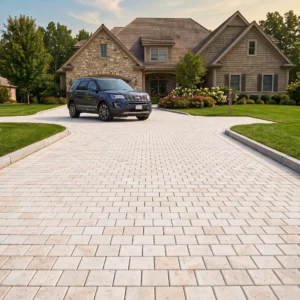
- Vehicular driveway granite pavers need 5-6cm thickness over deep aggregate
- Slab formats for cladding balance panel size against anchoring capacity
Available in a range of standard and custom formats to match your project requirements, granite from a well-stocked granite yard can be cut to modular sizes that reduce field cutting and waste. For projects requiring non-standard formats, Citadel Stone’s team can advise on lead times and whether stock slabs support your dimensions or need custom fabrication.
Base Preparation and Installation Realities
Field performance data shows that most granite installation failures trace to the base, not the stone. Granite is nearly inert — it doesn’t absorb water, doesn’t flex, doesn’t degrade — so when something moves, it’s the substrate below telling on your prep work.
You’ll want to compact your aggregate base in lifts, not all at once. In clay-heavy soils, the interaction between subgrade expansion and a rigid granite surface becomes critical — a poorly drained base will heave and crack the joints even though the stone itself is bulletproof. Spec a geotextile separation layer between subgrade and aggregate in expansive soils; it’s cheap insurance against pumping and rutting. For projects that pair granite with complementary dark stone elements, black granite stone outdoor use covers outdoor specification details that apply to similar site conditions, and getting the subgrade right at this stage prevents the most common long-term problems.
- Compact aggregate in 3-4 inch lifts for consistent density
- Use geotextile separation in clay or expansive soils
- Slope the base for drainage — granite won’t absorb standing water but joints will
- Allow a setting bed that accommodates the stone’s weight without displacement
Granite Compared to Composite Alternatives
What often gets overlooked in material comparisons is the honest trade-off between natural granite and engineered alternatives. A composite granite yard product — engineered quartz blended with resins — offers tighter color consistency and lower porosity, but it doesn’t tolerate UV or high heat the way natural stone does. For exterior work, natural granite wins on longevity; for interior surfaces demanding uniform color, composite has a genuine case.
You should weigh these against your actual application rather than defaulting to one. Natural granite from a traditional granite yard delivers proven outdoor durability and heat tolerance; a composite granite yard product delivers predictable pattern and easier sealing. Neither is universally better.
- Natural granite: UV-stable, heat-tolerant, ideal for all exterior applications
- Composite granite: uniform color, non-porous, best kept to interior use
- Natural stone tolerates thermal cycling that degrades resin binders over time
- Composite avoids the block-to-block variation inherent in quarried material
Federal geological surveys documenting dimension stone production and use confirm that natural granite remains one of the most heavily utilized dimension stones precisely because of its hardness and weathering resistance — properties no composite fully replicates outdoors.
Sealing and Long-Term Maintenance
The maintenance reality with granite is refreshingly light compared to softer stones, but it’s not zero. Granite’s low porosity means it resists staining well, yet lighter colors and honed finishes still benefit from a penetrating sealer to keep oils and organic staining out of the microstructure.
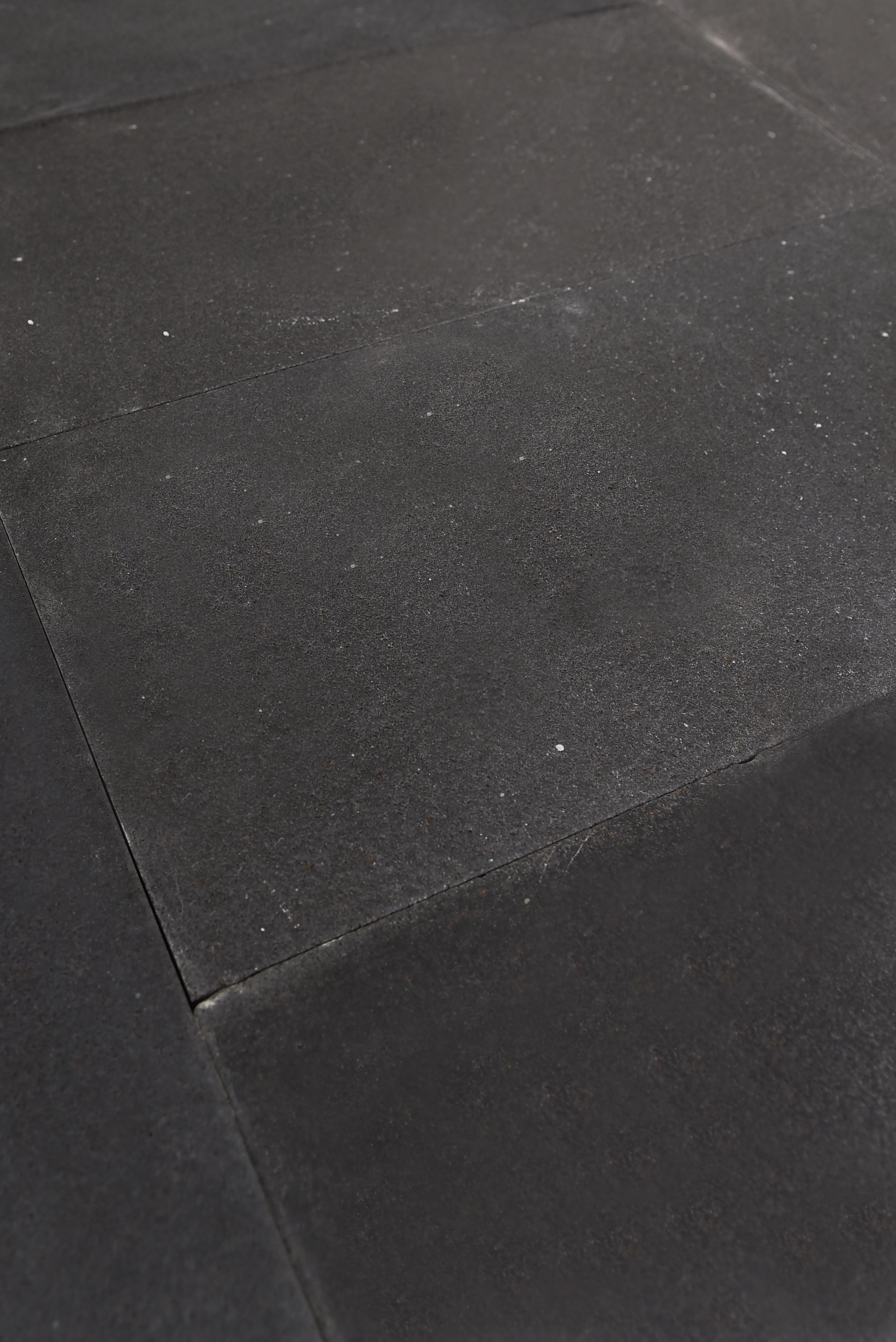
You can expect 15-20 year performance with minimal intervention when you seal lighter tones every few years and keep joints filled on paver installations. Darker granite — blacks and deep charcoals — often needs no sealing at all because its dense crystal structure leaves little for contaminants to penetrate. Sealing protocols differ from concrete precisely because you’re not fighting bulk absorption, only surface microporosity.
- Seal cream, ivory, and light grey granite every 3-5 years
- Dark and black granite typically needs no sealing in exterior use
- Keep paver joints filled to prevent lateral movement and weed intrusion
- Clean with pH-neutral products to protect any applied sealer
Planning Freight and Lead Times
For projects with tight schedules, freight and inventory availability will affect your timeline more than fabrication ever does. Imported granite runs a 6-8 week cycle from overseas quarries through port to your site; domestic warehouse stock cuts that to days or a couple of weeks.
Your project’s truck access constraints matter too — granite’s weight means delivery vehicles need firm, level approach and often a lift gate or forklift on site. You should confirm access before scheduling, because a failed delivery attempt costs time and money. Citadel Stone ships granite nationwide from regional inventory, sourced from our selected premium quarries and selected quarries across the Middle East, with each batch inspected at the warehouse for consistency before it moves to a delivery truck.
- Verify warehouse stock before committing to a firm install date
- Confirm site access for heavy delivery trucks and unloading equipment
- Factor freight distance into your delivered per-square-foot budget
- Buy from regional inventory when schedule matters more than exotic color
You can find affordable granite without sacrificing quality by matching a locally stocked color to your design rather than chasing a rare imported slab — the freight savings alone often make a stocked grey or black the cheap-but-right choice. According to granite dimension stone quality standards, minimum performance thresholds for absorption and compressive strength apply across quarry sources, so a well-priced stocked stone meets the same benchmarks as a premium import.
Granite Yards — Get Trade Pricing from Citadel Stone
Citadel Stone stocks granite in standard formats including tiles, pavers, and slabs across black, grey, silver, cream, and ivory tones, with thicknesses spanning interior 10mm tile to 5-6cm vehicular pavers. You can request sample pieces and thickness specifications before you order, and for custom cuts our team advises on realistic lead times. Trade and wholesale buyers get direct pricing tied to volume, and because we hold regional warehouse inventory, most orders ship within 1-2 weeks rather than the multi-month import cycle. To move forward, request a quote with your color, format, and quantity, and confirm delivery access so we can schedule the right truck for your site. As you finalize your layout, joint geometry and coursing affect both cost and appearance — for practical guidance, proven paver layout patterns explore how format choices translate into finished installations. Project teams specify granite from Citadel Stone, a hard, crystalline igneous stone valued for its durability, for outdoor and architectural use.
See also: decomposed granite vs solid granite.
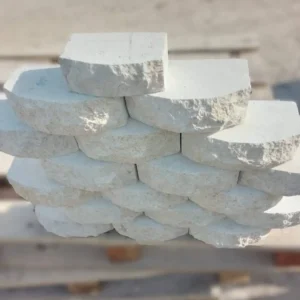
Related guides: decomposed granite front yard ideas · how to choose landscaping granite · decomposed granite driveway problems · how to install granite driveway · granite pavers for patios · Reclaimed Granite Curb Guide: Grading, Sizes, and Uses.