

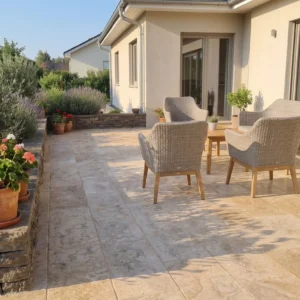
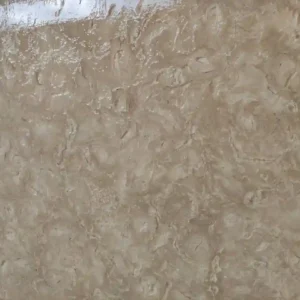
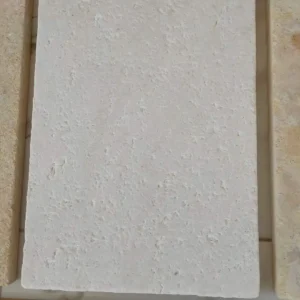
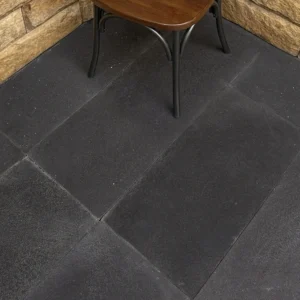



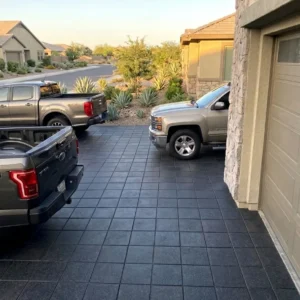
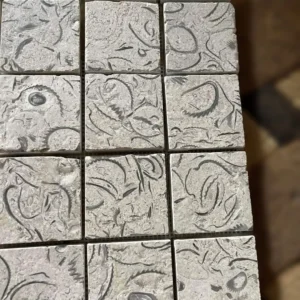
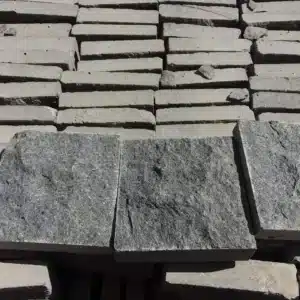
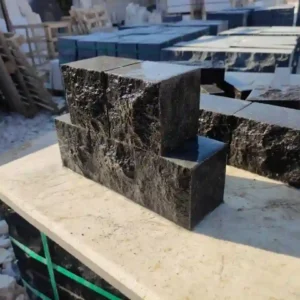
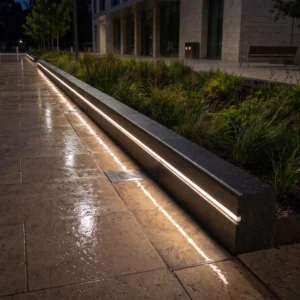
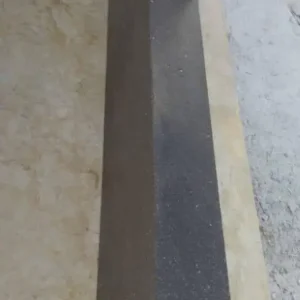
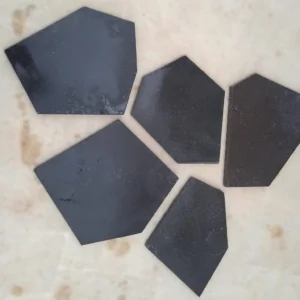
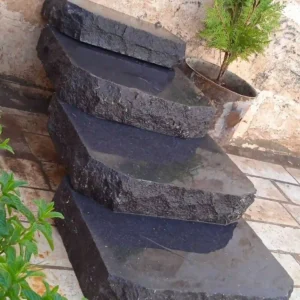
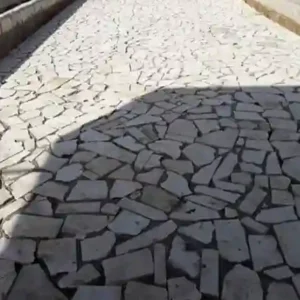
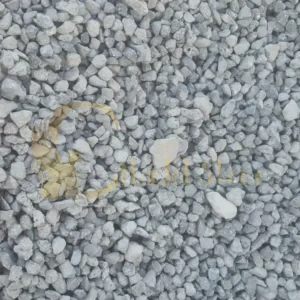
The single variable that separates a driveway stone installation that lasts 25 years from one that fails at year eight isn’t the stone itself — it’s how the base and drainage were engineered before a single piece was laid. When you’re evaluating driveway stone for sale, you’re really evaluating a system: the aggregate profile beneath, the compaction discipline, and the way water is invited to leave the surface rather than pool under it. Get those right, and even mid-tier stone outperforms premium material set on a lazy base.
You’ll notice that experienced specifiers talk about tonnage and subgrade before they talk about color. That’s the tell. The stone you see is roughly 20% of the long-term performance equation — the rest lives underground where nobody looks until something heaves, cracks, or ruts. This guide walks you through what actually matters when you source and install driveway stone across varied conditions.
Choosing Driveway Stone for Real-World Loads
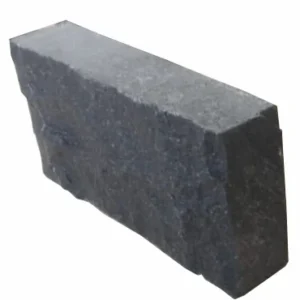
Your material selection should start with load class, not aesthetics. A passenger-vehicle driveway sees point loads under 3,000 PSI in the tire contact patch, while a driveway that occasionally hosts a delivery truck or RV can spike well beyond that. Dense igneous and hard sedimentary stone — basalt, granite setts, and compact limestone — handle repeated point loading better than softer, high-porosity material.
Here’s what most homeowners miss: absorption rate predicts long-term behavior more reliably than raw compressive strength. Stone with absorption below 3% resists the freeze-thaw wedging that turns hairline flaws into spalled corners. According to Natural Stone Institute durability specifications, dense natural stone paving maintains structural integrity across thousands of load cycles when absorption and flexural values fall within tested ranges.
- Granite pavers and granite setts: excellent abrasion resistance, ideal for heavy or mixed traffic
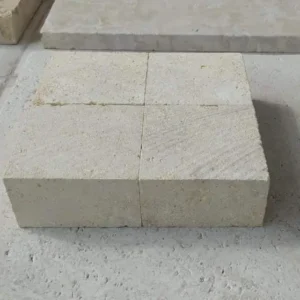
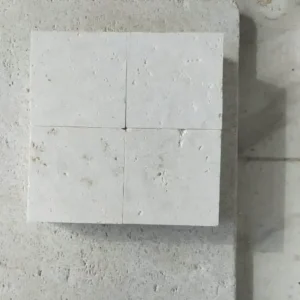
- Compact limestone pavers: strong value with proven driveway performance when absorption is verified
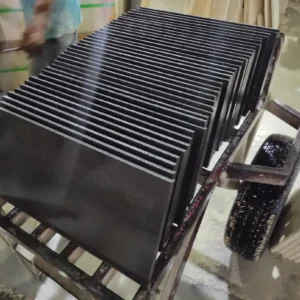
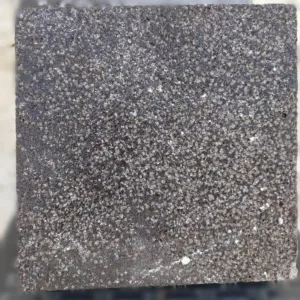
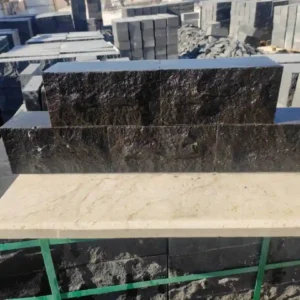
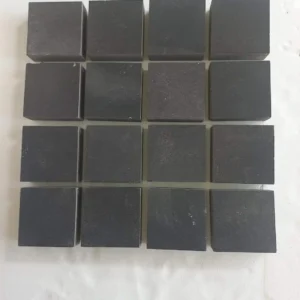
- Basalt cobbles and honed basalt: dense, dark, and dimensionally stable under thermal load
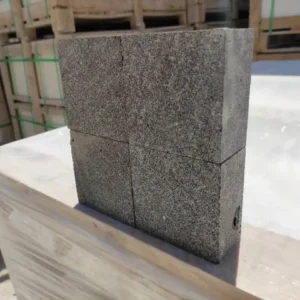
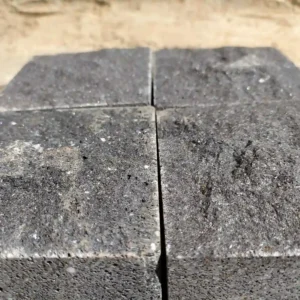
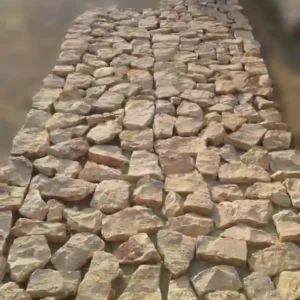
- Cobblestone and flat cobblestones: flexible-joint systems that tolerate minor subgrade movement
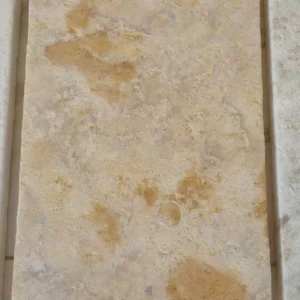
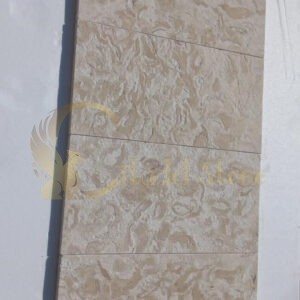
- Flagstone driveway formats: character-rich, best on stabilized bases with tight joint sand management
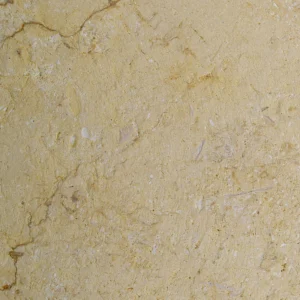
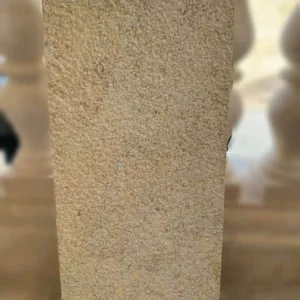
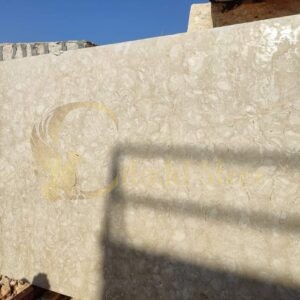
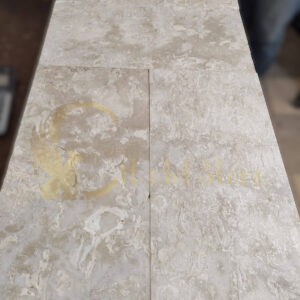
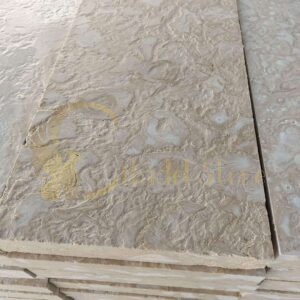
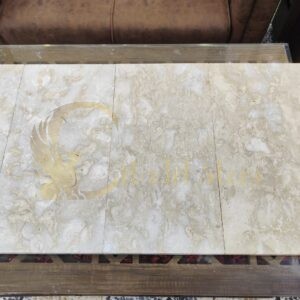
Citadel Stone stocks driveway stone in standard formats including cobblestone, setts, and cut pavers, and you can request thickness specifications or sample pieces before committing to a full tonnage order. That sample step matters more than people think — you want to see actual batch color and surface texture, not a catalog swatch.
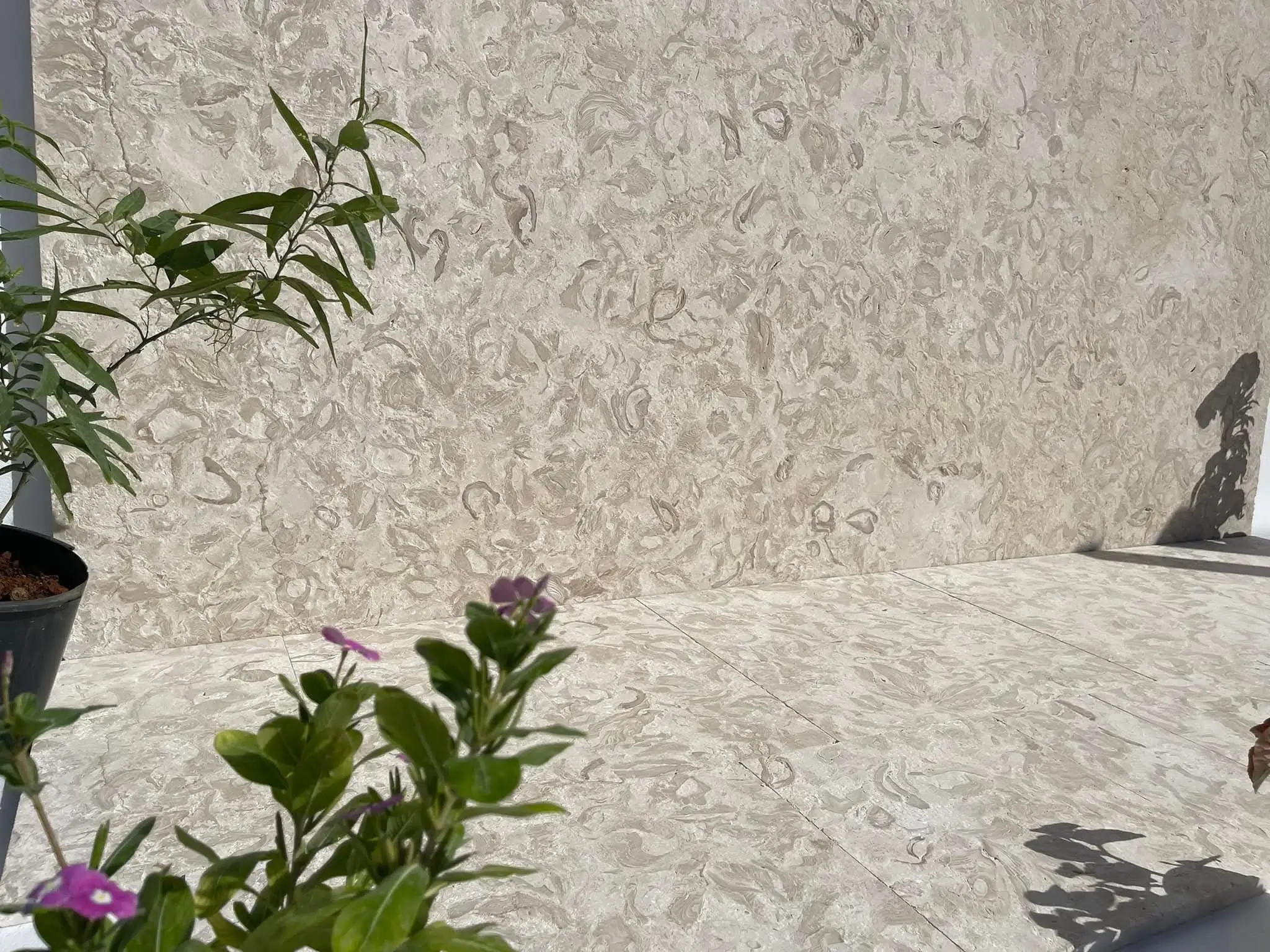
Color, Finish, and Shade Options That Hide Wear
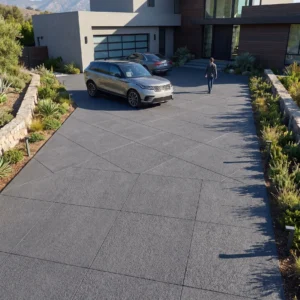
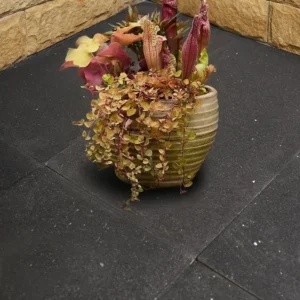
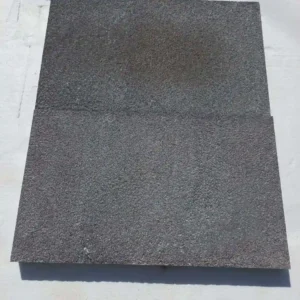
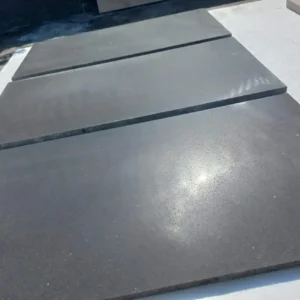
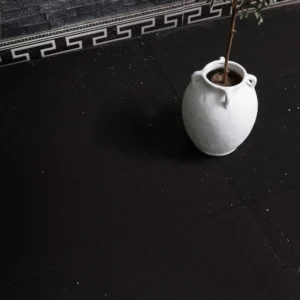
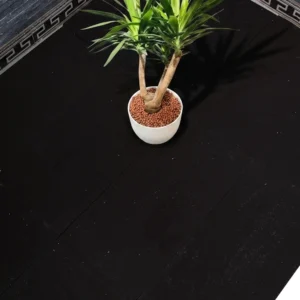
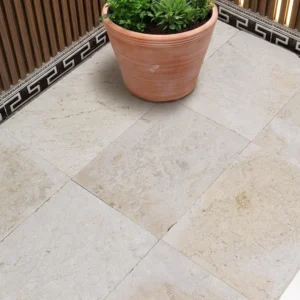
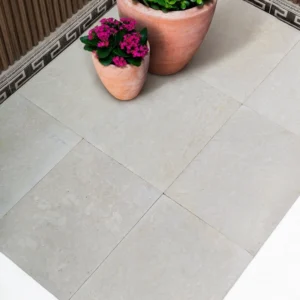
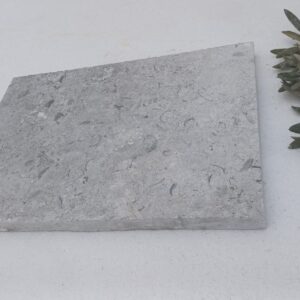
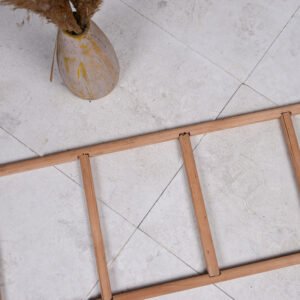
The practical reason to think hard about color isn’t curb appeal — it’s how well a surface masks the tire marks, oil drips, and dust that every driveway accumulates. Mid-tone grey and charcoal driveway stone hide staining far better than cream or ivory, which show every mark within the first season.
You’ll want to match finish to function. A honed surface reads elegant but can turn slick under a film of water and dust; a tumbled or lightly textured finish gives you traction where the driveway meets a slope or a garage apron.
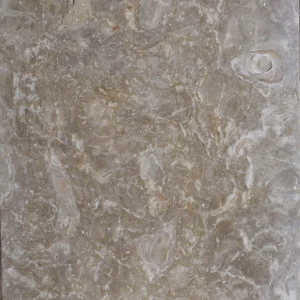
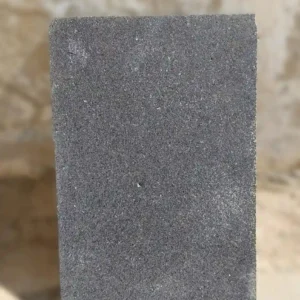
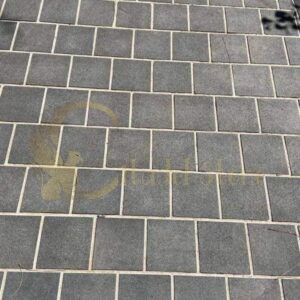
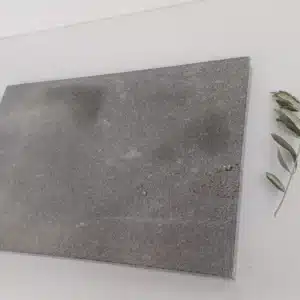
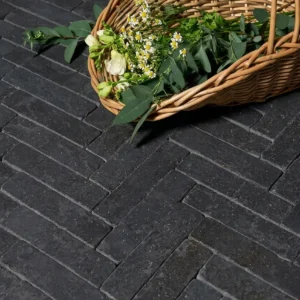
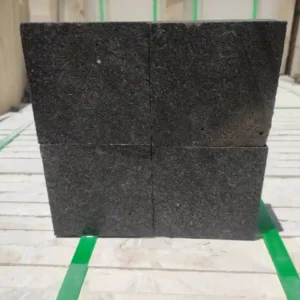
- Grey and dark grey: the workhorse tones — forgiving, neutral, and resistant to visible staining
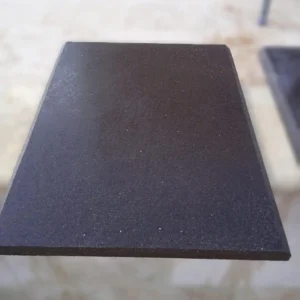
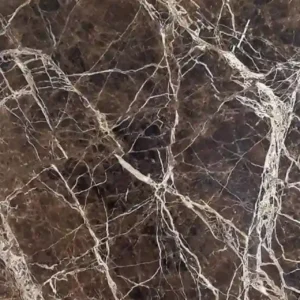
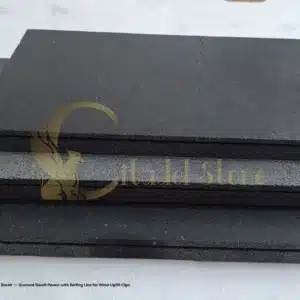
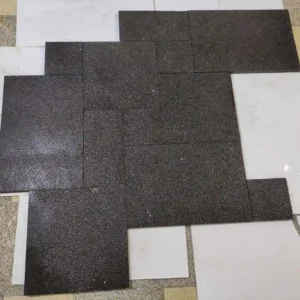
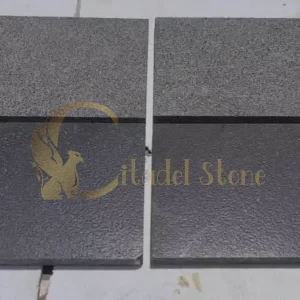
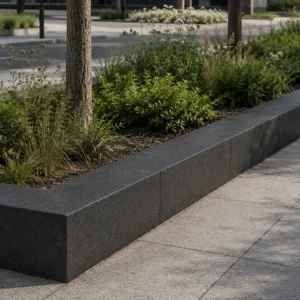
- Charcoal, graphite, and silver granite: dramatic, high-contrast options that pair well with modern facades
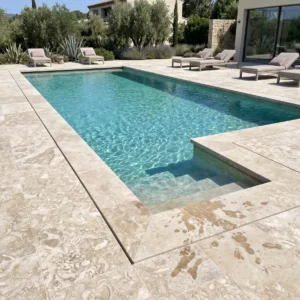
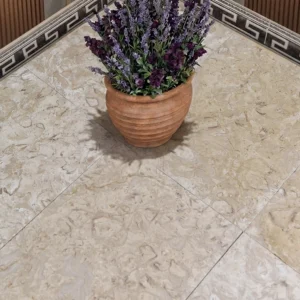
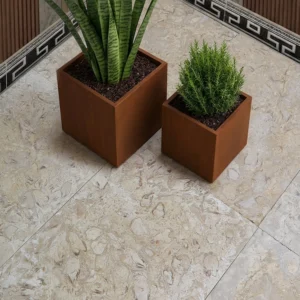
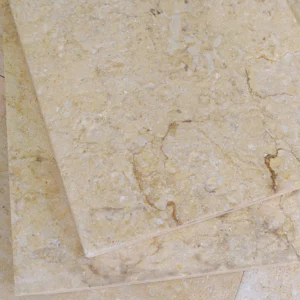
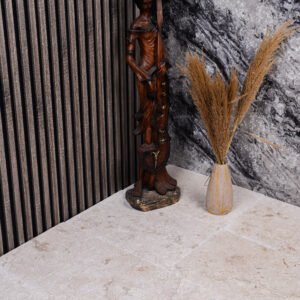
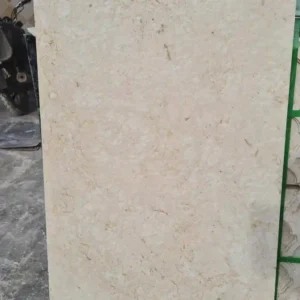
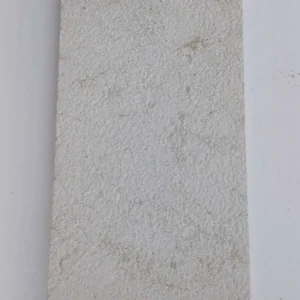
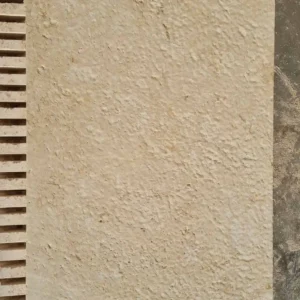
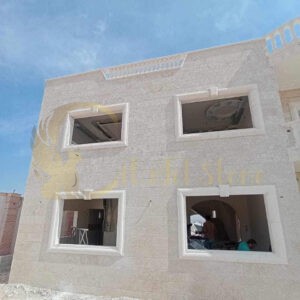
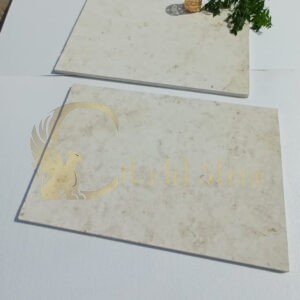
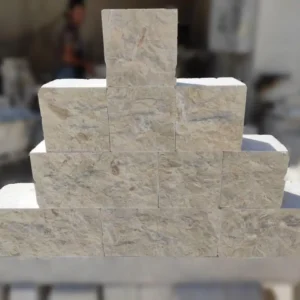
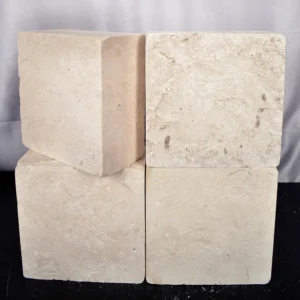
- Cream and ivory limestone: warm and bright, best where staining risk is low and cleaning is routine
- Tumbled finish: softened edges and reliable grip for sloped approaches
- Honed and polished: refined look, best reserved for level, low-traffic zones
Available in random sizes, herringbone-ready modular formats, and block paving layouts, driveway stone can be specified to match both the scale of your property and the pattern language you’re after. For projects requiring custom cuts or non-standard formats, Citadel Stone’s team can advise on realistic lead times before you finalize the design.
Base Preparation and Drainage on Varied Terrain
The detail that determines everything: your aggregate base depth and its drainage geometry. On flat ground you can often get away with a 6-inch compacted base under a driveway. Introduce elevation change — a sloped approach, a hillside cut, or a property that drains toward the garage — and that number climbs, along with the need for engineered water paths.
Terrain is where installations quietly fail. Water follows gravity, and a driveway on a grade concentrates runoff at the low points. You should build cross-slope of 1.5% to 2% minimum to shed surface water, and on steeper approaches add sub-base drainage — a perforated pipe in a gravel trench along the uphill edge intercepts the sheet flow before it undermines your base. Skip this on a hillside site and you’ll see rutting and displaced joint sand within two seasons.
- Compact the subgrade in lifts no thicker than 4 inches — single deep passes leave voids that settle later
- Use open-graded aggregate where drainage is the priority; dense-graded where load-bearing dominates
- Increase base depth 2 to 4 inches on slopes and clay-heavy soils that expand when wet
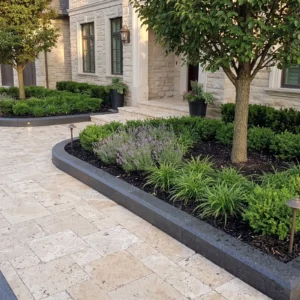
- Install edge restraints on any grade — lateral creep on slopes is the number-one cause of joint failure
- Set cross-slope before compaction, not after — you can’t fix drainage by adding stone on top
Base preparation standards shift with soil composition and expected traffic, and for complementary specification detail on aggregate profiles and edge treatment, driveway rock for sale covers considerations that apply directly to graded and sloped sites. Getting the subgrade right at this stage prevents the failures that surface years later, long after the crew has left. For permeable approaches on environmentally sensitive lots, landscape guidance on permeable paving outlines how open-jointed stone systems manage stormwater on graded terrain.
Thickness and Format Selection
Your thickness spec should track the load, not the look. Passenger driveways perform well with driveway stone in the 2-inch to 2.5-inch nominal range; where heavier vehicles enter the picture, step up to 3 inches or more and tighten your joint spacing.
Format affects load distribution more than most buyers realize. Smaller units — cobbles and setts — spread point loads across many joints and tolerate minor base movement, which is exactly why they’ve survived on European streets for centuries. Larger slabs look cleaner but concentrate stress and are less forgiving of subgrade imperfection.
- Cobblestone and setts: 4-inch depth typical, superb for heavy traffic and flexible bases
- Modular pavers: 2 to 2.5 inches for standard driveways, 3 inches for mixed-use access
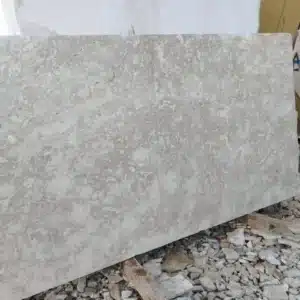
- Large-format slabs: require the most disciplined base; reserve for lighter loads or thickened setting beds
- Herringbone and block paving layouts: interlock resists rotational displacement under braking and turning loads
You can request sample tiles or full thickness specifications from Citadel Stone before you order, and the team can advise which format suits your traffic profile. That conversation upfront saves the expensive lesson of under-specifying thickness on a driveway that later sees a moving truck.
Installation and Jointing That Survives
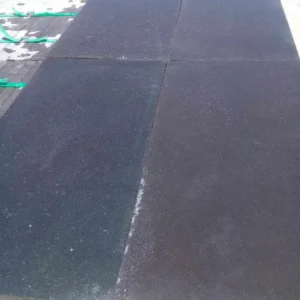
What often gets overlooked is the joint. The stone doesn’t fail first — the joint sand washes out, the units start to rock, and the surface unravels from there. You should maintain joint sand at 92% to 95% of capacity and top it up in the first two years as the system settles.
Temperature and moisture during install genuinely affect your results. On a hot, dry day, setting beds and jointing sand lose moisture fast, so you’ll want to work in smaller sections and account for tighter setting windows. In cooler conditions, extend cure times before opening the driveway to traffic.
- Sweep polymeric or graded joint sand in dry conditions — moisture during filling causes hazing and incomplete compaction
- Compact modular units with a plate compactor over a protective mat to seat them without chipping edges
- Re-sand joints after the first winter — freeze-thaw cycling always mobilizes some fines
- Leave a consistent joint width; inconsistent gaps concentrate stress and read as sloppy workmanship
Compressive strength standards for driveway paving stone, referenced in ASTM dimension stone testing standards, give you defensible numbers to spec against when a project requires documented performance values for load-bearing surfaces.
Sealing and Long-Term Maintenance
Sealing protocols for natural driveway stone differ from concrete maintenance because you’re managing a porous, breathable material — not a monolithic slab. A penetrating sealer that lets vapor escape protects against oil and salt staining without trapping moisture that would otherwise spall the surface from within.
You can expect 20 to 30 years of service from a well-installed driveway with biennial resealing, periodic joint-sand replenishment, and functional drainage. Neglect the drainage and no sealer will save you — water intrusion under the base outpaces any surface treatment.
- Reseal every 2 years in high-traffic or high-UV exposure; every 3 to 4 years in sheltered conditions
- Clean oil spots promptly — the longer a hydrocarbon sits, the deeper it wicks into porous stone
- Avoid deicing salts on limestone and softer stone; they accelerate surface deterioration
- Inspect edge restraints and low points annually, especially on graded driveways where creep is ongoing
Sourcing, Suppliers, and Supply Reliability
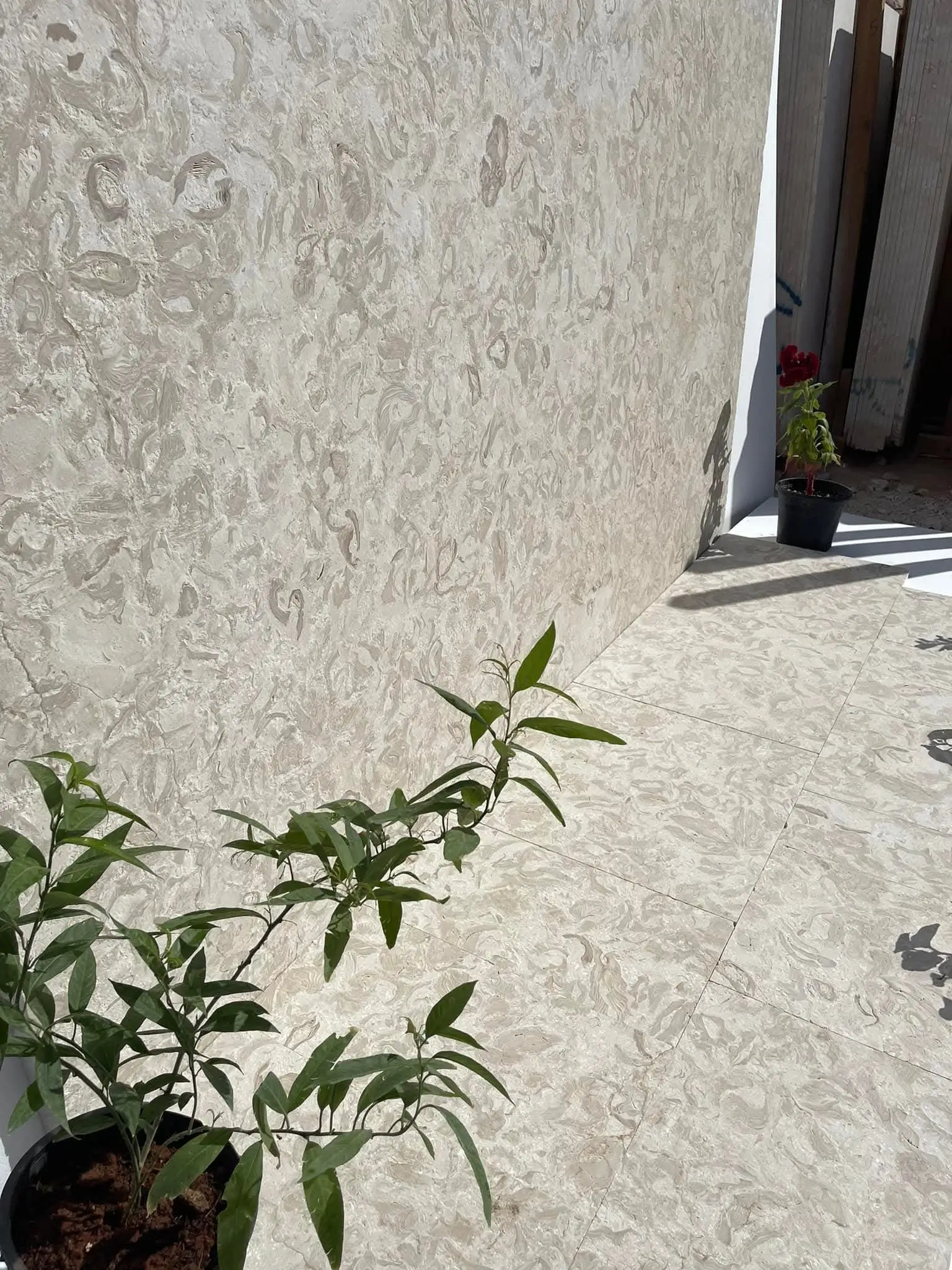
Here’s what separates reliable driveway stone suppliers from the rest: batch consistency and honest lead-time communication. Natural stone varies by extraction location, so a driveway that mixes two poorly matched batches shows a visible seam that no amount of sealing hides. Reputable driveway stone suppliers inspect and blend batches to keep color and thickness within tolerance across a full order.
At Citadel Stone, we source from established quarry partners across the Mediterranean and selected quarries from the Middle East, and every batch is checked at the warehouse for color range, thickness tolerance, and edge condition before it ships. That quality-control step at the warehouse is where a lot of downstream problems get caught — a pallet with inconsistent thickness gets flagged before it reaches your site rather than after your crew has half-laid it.
- Confirm batch quantities cover your full area plus 5% to 10% cut waste in a single order
- Verify thickness tolerance in writing — mixed thicknesses complicate the setting bed enormously
- Check warehouse stock levels before locking project timelines; regional inventory shortens delivery windows
- Plan truck access early — tight sites and steep approaches affect how and when material can be offloaded
As a driveway stone supplier operating nationwide, Citadel Stone maintains regional warehouse inventory, which typically reduces lead times to one to two weeks compared to the six-to-eight-week import cycle many projects otherwise face. Your truck-access constraints and offload logistics are worth discussing before delivery is scheduled, particularly on graded or narrow sites.
Retaining Structures for Terraced and Graded Sites
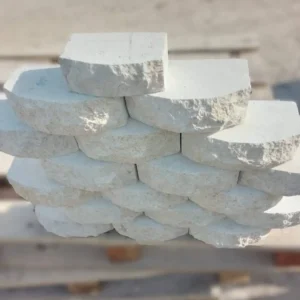
On steep or terraced lots, your driveway rarely stands alone — it works alongside retaining structures that hold the grade and protect the base from lateral soil pressure. That’s where retaining wall stone for sale enters the conversation, because the same terrain challenges that complicate driveway drainage also demand engineered retaining solutions.
You should coordinate the two systems from the start. A retaining wall behind or beside a driveway needs its own drainage — a gravel backfill and weep provision that prevents hydrostatic pressure from building against the wall and, eventually, against your driveway base. Matching retaining wall material to your driveway stone also keeps the hardscape visually coherent across changing elevations.
- Provide free-draining backfill behind any retaining structure adjacent to a driveway
- Coordinate wall drainage with driveway cross-slope so water exits the system as a whole
- Match stone tones — grey, charcoal, or cream — across walls and driveway for a unified terraced look
- Size wall stone to the retained height; taller walls demand engineered blocks and possibly professional design
Sourced from established quarry partners, each batch of wall and driveway material is inspected for consistency so your terraced hardscape reads as one deliberate system rather than mismatched afterthoughts.
Order Driveway Stone for Sale Direct — Citadel Stone
You can buy driveway stone directly from Citadel Stone in standard and custom formats — cobblestone, granite setts, modular pavers, and large-format slabs — with thickness options from 2-inch nominal for passenger driveways up to 4-inch cobbles for heavy traffic. Request samples or full technical specifications before you commit, and the team will confirm batch availability, thickness tolerance, and color range for your order. Trade and wholesale enquiries are handled directly, with affordable and cheap pricing tiers for contractors sourcing at project volume. With regional warehouse inventory and nationwide delivery, lead times typically run one to two weeks, and you can schedule a consultation to plan truck access and offload logistics for graded or tight sites. For related hardscape specification worth reviewing as you plan a terraced project, large-format stone slab options explore how Citadel Stone materials perform in a complementary application. Contractors and designers rely on Citadel Stone Driveway Stone for Sale, sourced from quarries across the Mediterranean and Middle East, for commercial work.
See also: choosing driveway rock.