What Driveway Rock Grade Actually Means for Your Project
Driveway rock for sale is broadly available across the country, but the grade specification you choose determines whether your surface compacts correctly, drains efficiently, and holds up under repeated vehicle loads. Most buyers focus on aesthetics — the color and texture of the stone — when the performance hierarchy actually starts with gradation: the distribution of particle sizes within a single load. A tightly graded material like a clean washed gravel behaves fundamentally differently under truck traffic than a broadly graded crusher run blend, and understanding that difference before you order saves you from expensive remediation later.
Your first specification decision should be whether you need an angular crushed material or a rounded natural stone. Angular crusher run products interlock mechanically under compaction, which gives you a tighter, more stable surface. Rounded river gravel looks attractive but never truly locks together — it shifts laterally under braking and turning loads, which means you’ll be raking and topping it off every season. For a primary driveway surface that carries daily vehicle traffic, angular crushed limestone, basalt, or granite blends are the technically correct choice.
Rock Types Available and How They Perform Under Load
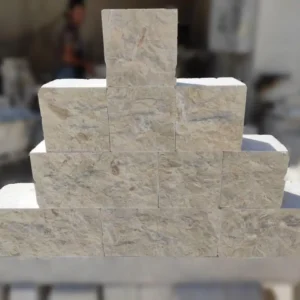
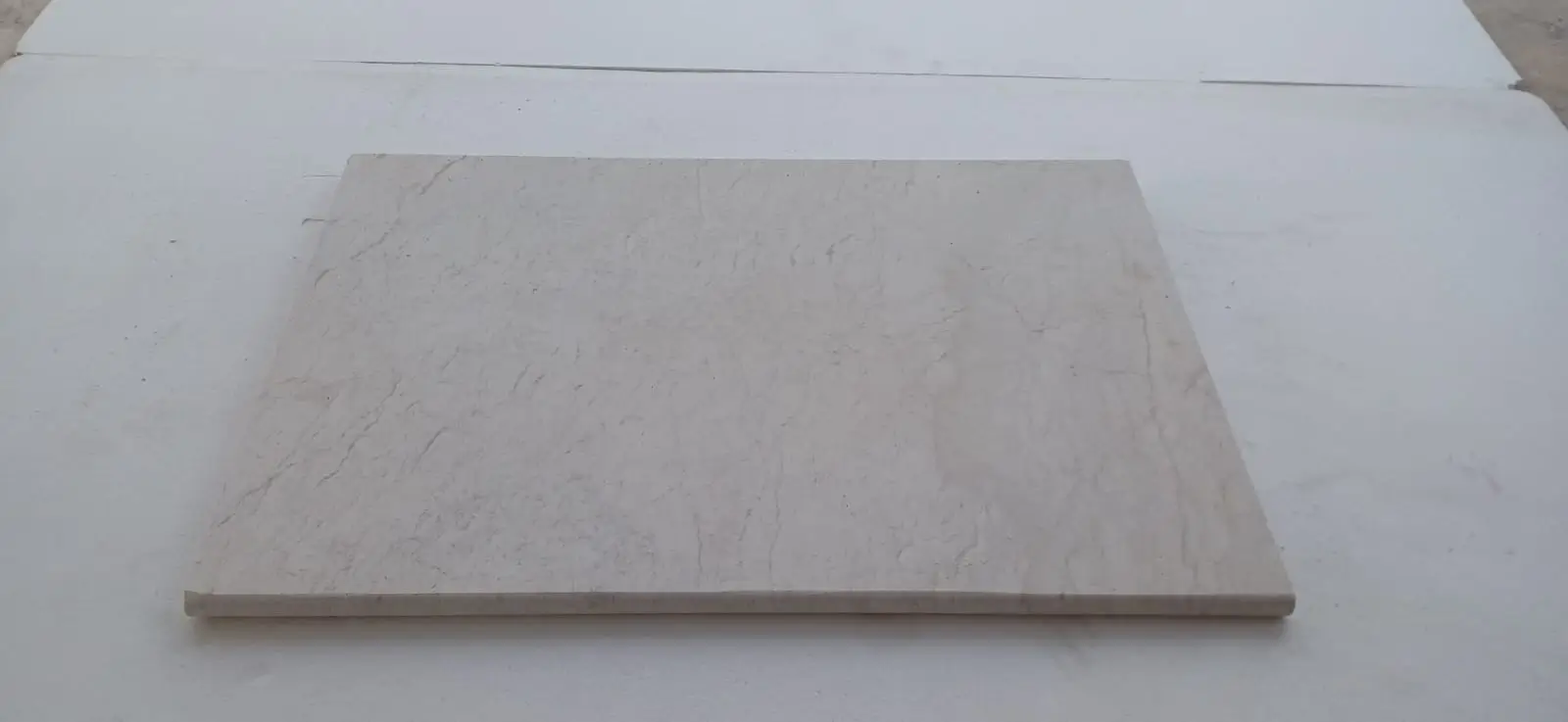
The natural stone category for driveways spans several distinct material families, each with specific mechanical and drainage characteristics. Knowing the performance profile of each type lets you match the material to your actual site conditions rather than guessing from a photograph in a catalog.
- Crushed limestone: Compressive strength typically ranging from 6,000 to 12,000 PSI, high calcium carbonate content, excellent binding properties under compaction — the workhorse of residential driveway construction across most of the country
- Crushed granite: Harder and more abrasion-resistant than limestone, with compressive values often exceeding 25,000 PSI — suitable for high-traffic commercial entries and driveways with heavy vehicle frequency
- Basalt gravel: Dense, fine-grained volcanic stone with low water absorption (typically below 1%), which makes it an outstanding performer in freeze-thaw regions where moisture cycling degrades softer stones
- River gravel: Rounded, smooth-surfaced, aesthetically appealing — best used as a decorative top layer over a compacted crushed stone base, not as a standalone structural fill
- Decomposed granite (DG): A naturally compactable material that performs well in hot, dry climates when stabilized, but can become muddy and unstable if not properly treated
- Quarry process or crusher run blends: A mix of crushed stone and stone dust that fills voids aggressively during compaction, creating a near-rigid surface layer suitable for heavy residential and light commercial driveways
According to Natural Stone Institute stone variety specifications, different natural stone families carry distinct structural properties that must align with the application’s load profile. Selecting material purely on price without accounting for compressive strength and absorption rates is one of the most common specification errors in residential driveway projects.
Sizing, Gradation, and Layer Sequencing: Building a Driveway That Lasts
The most important structural decision in driveway rock specification isn’t what material you choose — it’s how you layer and size it. A proper driveway is a three-layer system, and each layer carries a specific gradation that interlocks with the layers above and below it.
The base layer should consist of a large, angular crushed stone in the 1.5″ to 3″ size range. This material bridges soft subgrade and provides drainage clearance. The middle layer steps down to a 3/4″ to 1″ crusher run or crushed gravel, which fills the voids of the base layer and carries the primary compactive load. The finish layer — the surface you drive and walk on — typically runs from 3/8″ to 3/4″ in size, depending on the aesthetic and traffic profile specified.
- Base layer depth: 6–8 inches for standard residential driveways, 10–12 inches for sites with clay-heavy subgrade or heavy vehicle access
- Middle layer depth: 3–4 inches compacted
- Surface layer depth: 2–3 inches compacted — replenish annually in high-traffic zones
- Never skip the base layer and apply finish gravel directly to native soil — this is the single most common cause of driveway failure within three years of installation
- In areas with expansive clay soils, consider a geotextile fabric between native soil and the base layer to prevent fines migration into the stone column
The gradation logic here is the same principle used in engineered road construction. ASLA driveway paving material guidance emphasizes layer sequencing and permeability as fundamental design criteria for any stone surface that must handle vehicle loads and storm drainage simultaneously. Following this sequencing discipline when specifying driveway rock for sale ensures the surface performs structurally, not just aesthetically.
Calculating Tonnage and Avoiding Ordering Mistakes
Underordering driveway rock is expensive — a second truck delivery costs you freight twice, and if the batch doesn’t match perfectly, you’ll see variation in the surface layer. Overordering creates a disposal problem and inflates project cost. Getting the tonnage right starts with understanding how crushed stone is measured and sold.
Natural stone materials are sold by weight (tons), not volume (cubic yards), though you’ll often see both figures on supplier documentation. The conversion varies by material density. Crushed limestone runs approximately 1.4 to 1.5 tons per cubic yard. Granite and basalt are denser, typically landing between 1.5 and 1.7 tons per cubic yard. Using a flat 1.4 ton/cubic yard conversion for all materials will underestimate a granite order by 15–20%, which is a meaningful shortfall on a 50-ton project.
- Measure your driveway length and width in feet, then multiply by the layer depth in feet (e.g., 4 inches = 0.33 feet)
- That gives you cubic feet — divide by 27 to convert to cubic yards
- Multiply cubic yards by your material’s specific density factor (1.4–1.7 tons/cubic yard depending on stone type)
- Add a 10–15% overage buffer for compaction loss — loose crushed stone loses 10–15% of its volume when properly compacted
- For replacement top-dressing, you generally need 0.5 to 1 inch of fresh material — use the same formula at reduced depth
- Verify warehouse stock levels match your required tonnage before scheduling delivery — partial shipments from separate batches sometimes show slight color variation in the finish layer
At Citadel Stone, we recommend confirming your final tonnage calculation with our technical team before placing the order. Our team regularly catches measurement errors that would result in a second truck delivery — which costs more than getting the number right the first time.
Storm and Wind Performance: What Severe Weather Does to Your Driveway Surface
Severe weather events reveal specification weaknesses that routine traffic never exposes. Wind-driven rain, hail impact, and storm runoff apply mechanical stresses to a driveway surface that are fundamentally different from static vehicle loads — and selecting driveway rock for sale without accounting for these forces leads to premature surface displacement and edge degradation.
Wind-driven rain is the most underestimated force in gravel driveway design. When water hits a poorly compacted surface at a low angle with velocity behind it, it mobilizes surface particles and carries them off the edge of the drive. A surface layer that’s been properly compacted and sized for binding resists this displacement — a loosely laid, oversized gravel in the top layer acts like a loose collection of projectiles waiting to be launched. Angular, interlocking particles at 3/8″ to 1/2″ size compact tightly enough to resist surface wash even in heavy rainfall events.
- Hail impact on densely compacted crushed limestone or granite has minimal effect — the particles absorb impact energy through their angular contact points and don’t displace the way decorative river gravel does
- Edge restraint becomes critical in storm-exposed driveways — without a defined border (timber edging, concrete ribbon, or stone kerb), wind-driven runoff progressively erodes the driveway edge and requires annual regrading
- Storm runoff volume determines your drainage gradient requirement — your driveway surface should slope at a minimum 2% cross grade to direct water off the surface and away from the foundation
- In regions with frequent severe storms, heavier finish gradations (3/4″ rather than 3/8″) reduce the risk of surface material being carried off in concentrated sheet flow events
- Check joint integrity at transitions between the driveway surface and any adjacent paved areas — these transition zones are where storm-driven water penetrates and begins undermining the base layer
The mechanical resilience of natural stone in storm conditions is one of its primary advantages over asphalt overlays. According to ASTM compressive strength standards for driveway paving stone, properly specified natural stone materials maintain structural integrity across a broad range of impact and load conditions that synthetic alternatives cannot match long-term.
When Rock Wall Construction Complements Your Driveway Design
Many driveway projects include a retaining or decorative rock wall for sale as a separate but closely related specification. This pairing is structurally logical — driveways cut into slopes or built up above grade almost always require lateral support, and a natural stone wall provides that support while maintaining the material language of the driveway surface. Specifying both elements from the same stone family creates visual continuity that’s difficult to achieve when the two elements are sourced independently from different suppliers.
The structural distinction between a decorative garden wall and a load-bearing retaining wall matters significantly when placing stone adjacent to a driveway. A retaining wall that abuts a driveway surface is subject to lateral soil pressure plus the surcharge load from vehicles traveling close to the wall face. This combination requires larger foundation stones (typically 10″ to 16″ base course), batter (backward lean of approximately 1″ per foot of wall height), and drainage provisions behind the wall to prevent hydrostatic pressure buildup. A decorative wall built to the same spec as a garden border will fail within two or three years under these conditions.
- Match the stone family between the wall and the driveway surface — limestone driveway rock pairs naturally with limestone walling stone, basalt gravel with basalt wall boulders
- For retaining walls adjacent to driveways, specify a wall footing depth below frost line — typically 18″ to 36″ depending on your region’s frost penetration depth
- Drainage aggregate behind the wall (typically 3/4″ clean crushed stone) must connect to a weep hole or drain outlet at the base — a wall without drainage becomes a hydrostatic pressure vessel
- A rock wall for sale sourced from the same stone family as your driveway material serves dual purpose as driveway edging — it defines the edge, prevents material migration, and provides visual framing without requiring engineered footing depth
Ordering and Delivery: What to Confirm Before Your Truck Arrives
A driveway rock delivery involves bulk tonnage arriving in a large truck, and the logistics of that delivery directly affect your project cost and timeline. Getting your site ready for delivery is as important as getting the specification right.
Confirm truck access to your property before scheduling delivery. Standard aggregate trucks require a minimum of 14 feet of overhead clearance and a turning radius that accommodates a vehicle roughly 40 to 55 feet in overall length. If your access point narrows, you may need to arrange for a smaller truck with reduced load capacity — which changes your delivery schedule and may increase per-ton freight cost. Discuss your site constraints with the supplier before ordering, not after the truck has already arrived and been turned away.
- Know your delivery window — aggregate suppliers typically schedule delivery within a half-day window, not a specific time, so plan for your site to be accessible and ready for the full window period
- Designate your drop zone in advance — a spreading pile at the end of the driveway is far more workable than a pile dumped across the midpoint of the surface
- Check warehouse lead times before committing to a project start date — high-demand materials like 3/4″ crushed limestone sometimes carry a 1–2 week wait if warehouse stock has been depleted by other projects
- Confirm that your material has been washed and screened at the source — unwashed stone carries fines that can clog your drainage layer and cause surface muddiness after rainfall
- Request a material data sheet or product specification from your supplier to verify gradation compliance with your design requirements
You can explore our loose stone and gravel range to review available gradations and confirm current stock before scheduling your delivery. Citadel Stone’s warehouse inventory is maintained to minimize wait times, with most standard driveway rock grades available for dispatch within the standard project planning window.
Sealing, Maintenance, and Long-Term Performance Expectations
Loose crushed stone and gravel driveways don’t require sealing in the conventional sense, but they do require periodic maintenance to sustain compaction density and surface grade. Understanding the maintenance cycle helps you plan the lifecycle cost of your driveway rock investment accurately, rather than assuming a one-time installation solves the surface for a decade without intervention.
The most effective maintenance practice is annual or biennial top-dressing — adding a 1/2″ to 1″ layer of fresh finish gradation and compacting it into the existing surface. This replenishes material displaced by traffic and weather events, restores drainage cross-slope geometry, and refreshes the surface texture. A properly maintained crushed stone driveway should provide 20 to 30 years of functional performance without requiring full reconstruction. Neglected driveways typically require full regrading and base rehabilitation within 8 to 12 years — an expense that proper annual maintenance avoids entirely.
- Grade annually using a box blade or landscape rake to restore crown and cross-slope — flat spots collect water, which accelerates base saturation and frost heave in cold climates
- Fill potholes and depressions immediately — allowing them to deepen concentrates traffic stress at the depression edge and accelerates structural failure in that zone
- Recompact after major storm events that deposit significant runoff across the surface — storm water displaces fine particles from the surface layer, leaving a coarser, less stable texture
- In freeze-thaw regions, inspect the surface in early spring after the first full thaw — frost heave can create surface irregularities that require immediate regrading to prevent vehicle damage
- Stabilized decomposed granite surfaces require periodic wetting and recompaction to maintain binding — dry DG surfaces deteriorate significantly faster than those maintained with moisture

Getting Your Driveway Rock Specification Right
Specifying driveway rock for sale correctly means making decisions at three distinct levels: material type, gradation and layer sequencing, and site logistics. Each level has its own failure modes, and most driveway performance problems trace back to a decision made — or skipped — at one of those three stages. The material choice matters, but it matters less than the layer system you build it into. Angular crushed stone in the right gradation sequence, properly compacted and graded with adequate drainage slope, outperforms a premium decorative gravel dumped directly onto native soil by a factor of three in service life.
Storm resilience depends on compaction density and edge restraint — these two variables determine whether a heavy rain event redistributes your surface material or leaves it exactly where you placed it. Sizing your finish layer for angular interlock, establishing defined edge restraint, and maintaining your drainage cross-slope are the practical controls that translate specification intent into long-term field performance. As you plan related hardscape elements alongside your driveway, choosing the right driveway rock grade covers additional detail on gradation selection that complements the specification decisions outlined here.
The investment in getting your driveway rock specification right before the first truck arrives — rather than troubleshooting displacement, rutting, or drainage failure after installation — is what separates a surface that holds for two decades from one that needs remediation in three years. Sourced direct from quarries in Turkey, the Mediterranean, and beyond, our driveway rock arrives washed and screened for consistent compaction.