









The single most overlooked variable when evaluating masonry stone suppliers is batch-to-batch consistency in mineral density — two pallets of the same limestone from different quarry lifts can vary measurably in compressive strength, and that discrepancy shows up in the wall three winters later. You’ll want to press any supplier on whether their material comes from a single geological horizon or gets blended across extraction zones. That question separates a serious stone yard from a broker moving whatever’s cheap that month. It’s the detail that determines whether your ashlar coursing weathers uniformly or develops a patchwork of spalling and discoloration.
Sourcing decisions come down to more than price per ton. The mason on-site cares about workability, dimensional tolerance, and how the stone splits — and those characteristics trace directly back to how carefully your supplier handles quarrying, grading, and storage before the material ever reaches your project.
What Defines a Quality Masonry Stone Supply
You’ll find that reputable stone masonry suppliers grade their inventory by more than color and size. The specifications that actually predict field performance include absorption rate, flexural strength, and freeze-thaw durability — and these vary dramatically even within a single stone type. A dense granite wall stone absorbs far less water than a soft sedimentary limestone, which changes everything about how you detail joints and flashing — ask each supplier for the absorption result on the stone quoted.
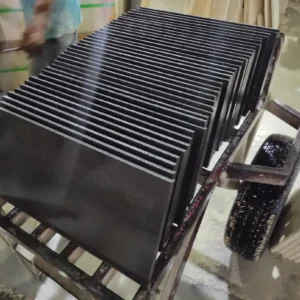
Here’s what most specifiers miss when comparing mason stone supplies: the finish and split method matter as much as the raw material. A guillotine-split face behaves differently under load than a natural cleft or sawn bed, and each demands its own bedding approach. At Citadel Stone, we inspect every inbound batch at the warehouse for dimensional consistency and hairline fracturing before it’s released to a project, because a cracked stone that ships is a callback waiting to happen.
- Absorption rate — dictates freeze-thaw resilience and mortar bond behavior
- Compressive and flexural strength — determines suitability for load-bearing versus veneer applications
- Dimensional tolerance — controls coursing consistency and mortar joint width
- Split or finish type — affects both aesthetics and structural bedding requirements
- Color and vein consistency across the pallet — prevents patchwork weathering
According to Natural Stone Institute variety specifications, the natural variation between stone types means no single grading standard applies universally — which is exactly why you need masonry stone suppliers who test and document rather than assume.
Stone Types and Color Options for Masonry Work
Your material selection should start with the application, not the appearance. Load-bearing structural walls, decorative veneer, retaining structures, and armor stone each pull from a different corner of what masonry stone suppliers stock. The strongest stonemason supplies inventories carry a spread across granite, limestone, basalt, and sandstone precisely because no single stone serves every role.
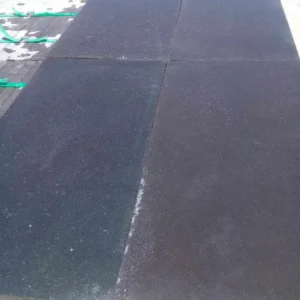
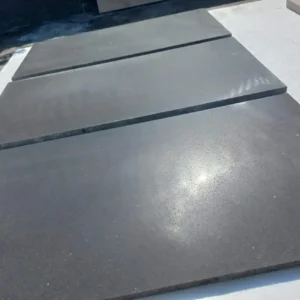
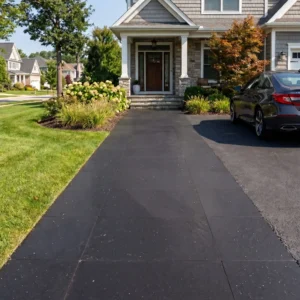
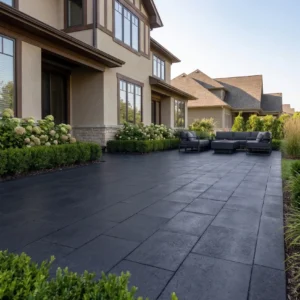
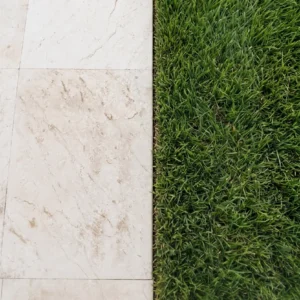
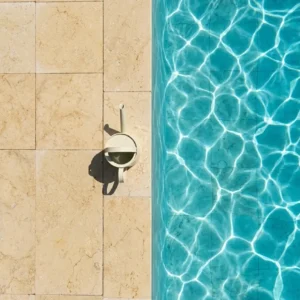
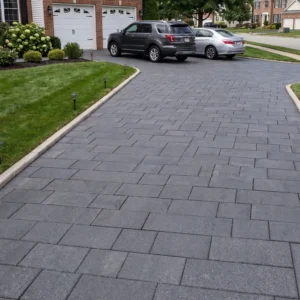
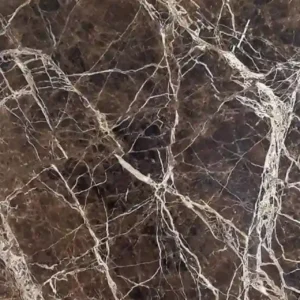
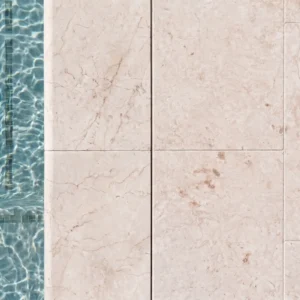
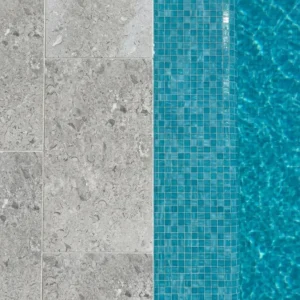
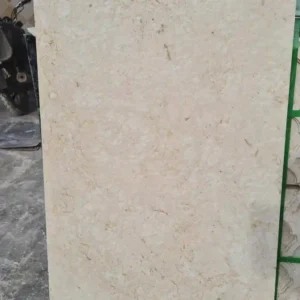
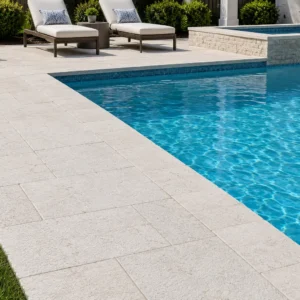
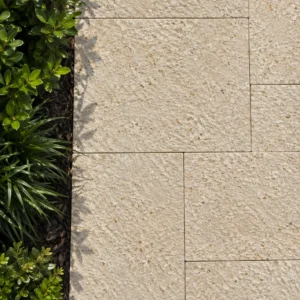
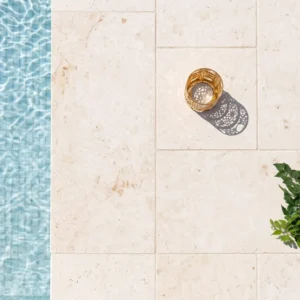
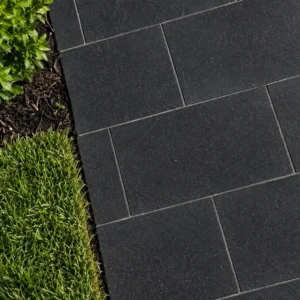
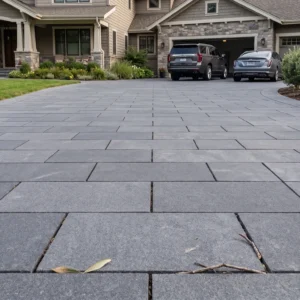
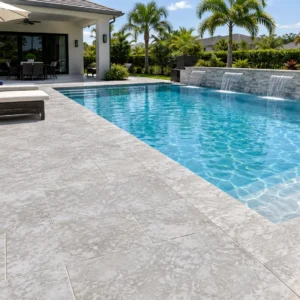
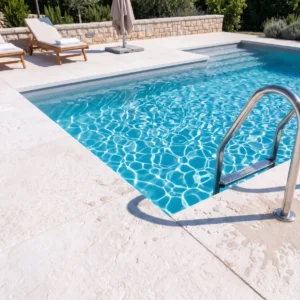
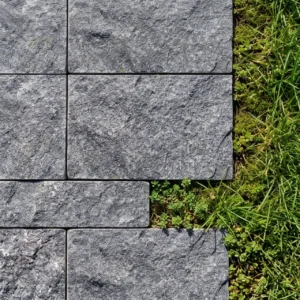
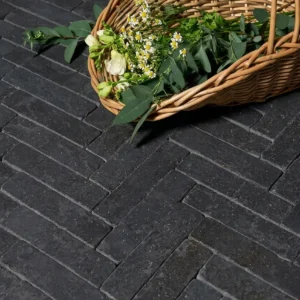
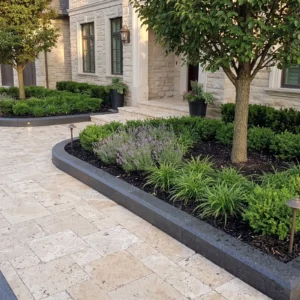
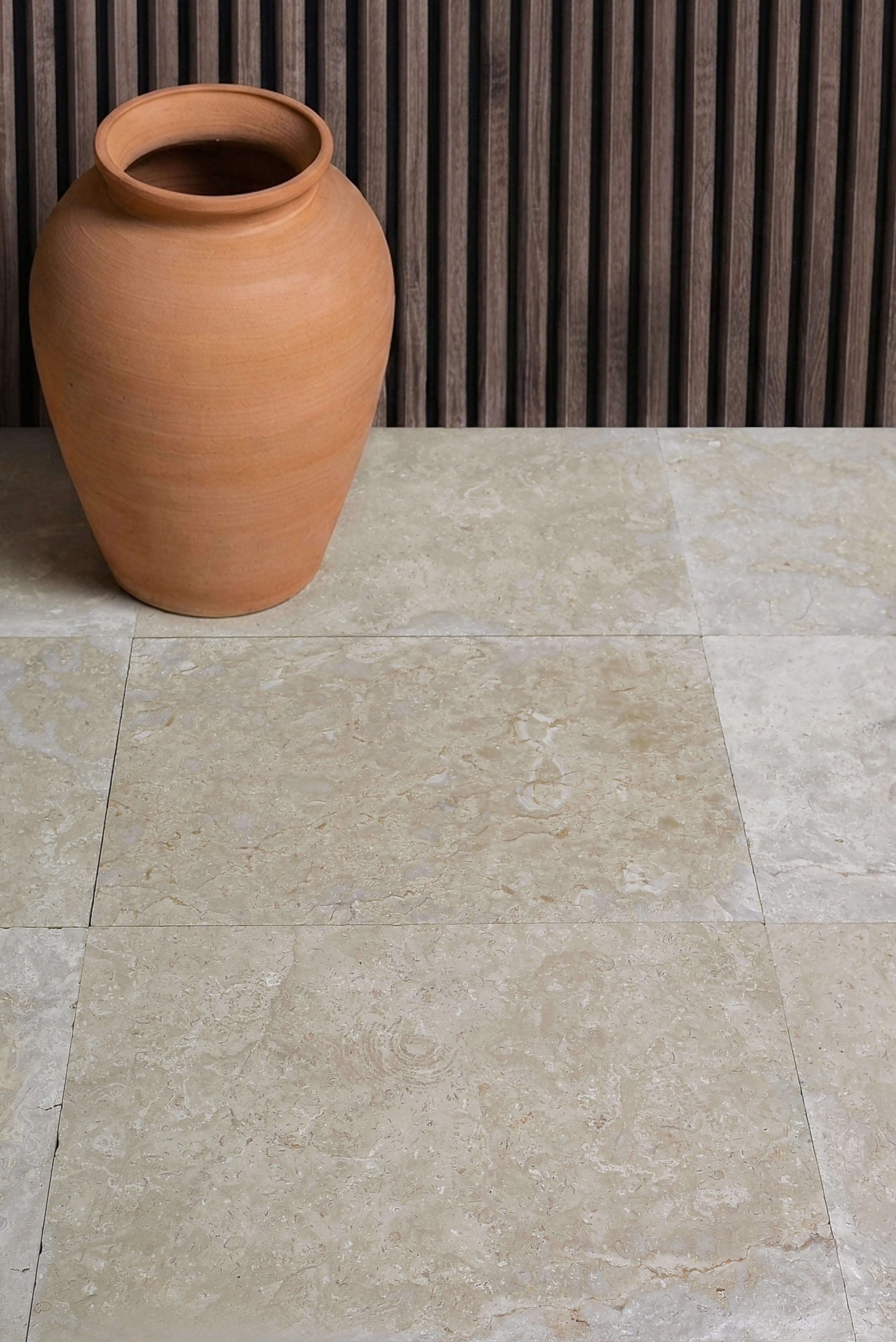
Consider how your color choices interact with long-term exposure. Available shades run the full range buyers ask for — grey, dark grey, charcoal, silver, cream, and ivory tones dominate the requests we see for both residential facades and commercial cladding. Cream and ivory limestone reads warm and softens a facade, while charcoal and silver granite delivers the crisp, contemporary look designers specify for modern builds.
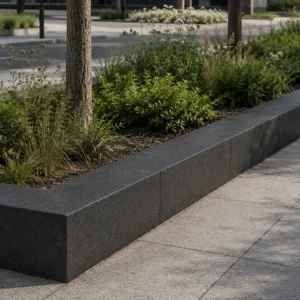
- Granite — highest compressive strength, ideal for load-bearing and high-traffic applications
- Limestone — workable, warm-toned, excellent for veneer and traditional coursing
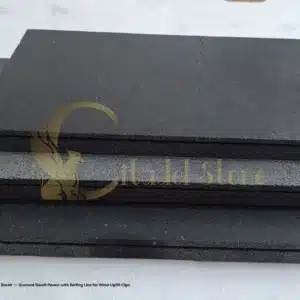
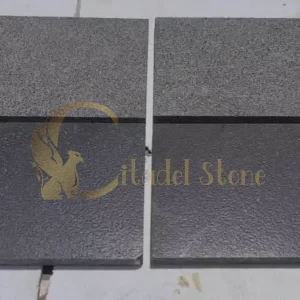
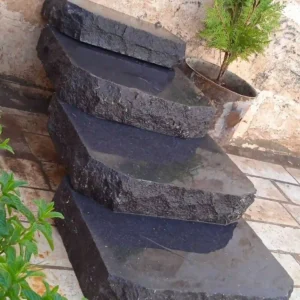
- Basalt — dense, dark, dimensionally stable for both blocks and cobbles
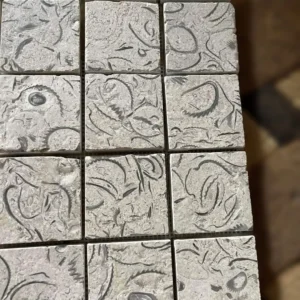
- Sandstone — moderate strength with distinctive bedding planes for rustic walls
- Armor stone — oversized graded blocks for erosion control and monumental landscape features
You can request sample tiles or full specification sheets from Citadel Stone before committing to a full pallet, which matters when you’re matching new stone masonry suppliers material to an existing structure. Sourced from our selected premium quarries, each batch is inspected for consistency so the charcoal you order in spring matches the charcoal you order for phase two in autumn.
How UV and Sun Exposure Affect Masonry Stone
The detail that matters most for sun-drenched elevations is how the stone’s surface chemistry responds to prolonged ultraviolet exposure — not the ambient heat, but the light itself. Certain iron-bearing stones oxidize over years of direct sun, and a grey sandstone can shift toward a warmer buff or rust tone as surface iron content weathers. You’ll see this most on south and west elevations where UV load is heaviest.
Color fading works in two directions depending on the stone. Some dark basalts and charcoal granites hold their tone almost indefinitely because their mineral structure is chemically stable, while a few dyed or artificially darkened products fade noticeably within a decade. That’s a reason to favor naturally colored stone over surface-treated alternatives for any high-UV facade — the color goes all the way through.
- Iron-bearing stones may develop oxidation staining under sustained UV exposure
- Naturally colored granite and basalt resist fading far better than treated products
- Surface efflorescence often becomes more visible on sun-baked, light-toned stone
- Sealers with UV inhibitors extend color stability on porous limestone and sandstone
- South and west elevations weather faster and warrant more durable stone selection
For projects on exposed sites, you should factor UV performance into your stone type decision early. A cream limestone that looks perfect at delivery can develop uneven patina if half the wall sees direct sun and half stays shaded — so specify a stone with proven light stability for elevations that take the full afternoon load.
Base Preparation and Installation Fundamentals
Field performance data shows that the majority of premature masonry failures originate below grade, not in the visible wall. Your foundation and drainage detailing carry more weight than the stone selection itself. A retaining wall built from flawless armor stone still fails if hydrostatic pressure has nowhere to go and the base isn’t compacted to bearing spec.
Base preparation standards shift with soil composition and expected loads, and getting the subgrade right prevents the most common long-term failures in stone walling. For projects that combine dressed stone with irregular rubble infill, rubble masonry explained covers construction detailing that applies directly to mixed-coursing situations, so review it before you finalize your bedding plan. Understanding how the bedding and backing interact keeps the wall square through years of seasonal soil movement.
- Compact aggregate base to at least 95% Proctor density under load-bearing walls
- Detail weep holes and drainage aggregate behind all retaining structures
- Account for regional soil expansion coefficients in clay-heavy sites
- Set the first course dead level — every error compounds up the wall
- Allow full mortar cure before backfilling against a retaining wall
Per IBC Chapter 21 masonry requirements, structural stone masonry carries specific anchorage and bond provisions that you’ll want to verify against your local amendments before finalizing wall details.
Formats, Sizes, and Thickness Selection
Depending on your base conditions and application, format selection drives both labor cost and structural behavior. Masonry stone comes in far more than one configuration, and matching the format to the job saves you money and installation headaches. Stonemason supplies typically range from thin veneer bricks and blocks through full-bed ashlar, cobbles, setts, and oversized armor stone.
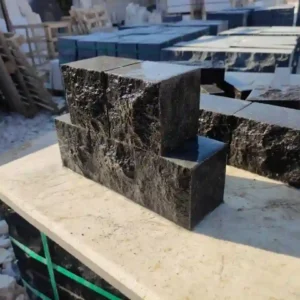
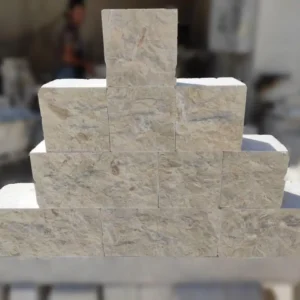
Available formats span the full spectrum your project requires — squared ashlar blocks for formal coursing, tumbled cobbles and setts for paving and edging, split-face veneer for cladding, and irregular rubble for random-coursed walls. You’ll spec veneer stone in the 3/4-inch to 1-1/4-inch range for adhered cladding, while structural blocks run full-depth to carry load. For any commercial cladding, verify the format’s weight per square foot against your substrate’s capacity before ordering.
- Thin veneer — 3/4″ to 1-1/4″ for adhered, non-load-bearing facades
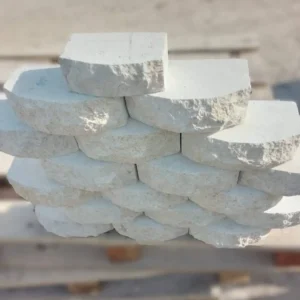
- Full-bed ashlar — squared blocks for load-bearing and formal coursing
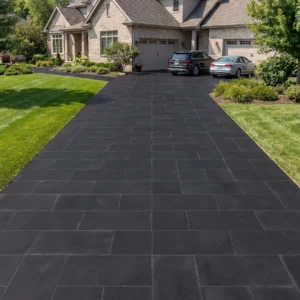
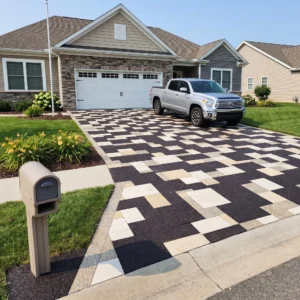
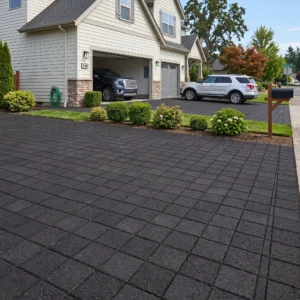
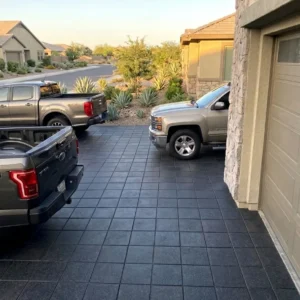
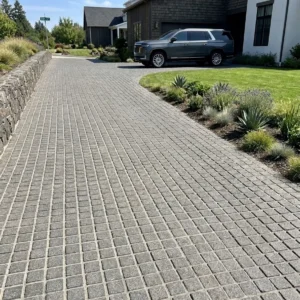
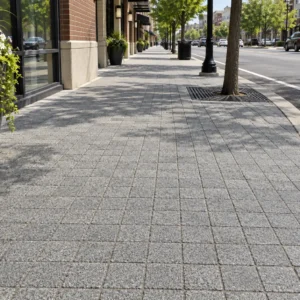
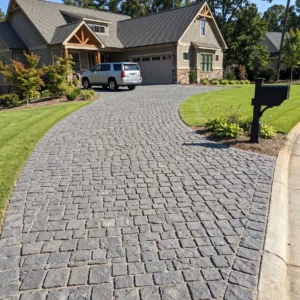
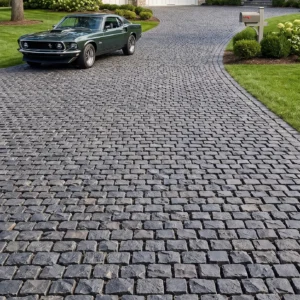
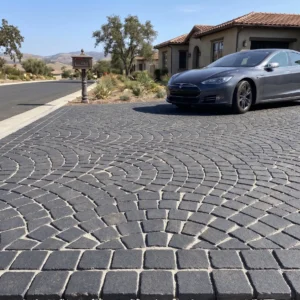
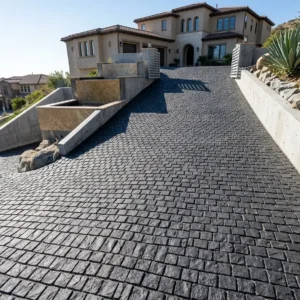
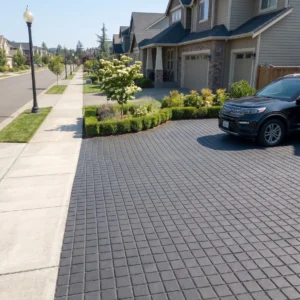
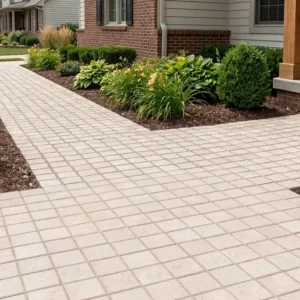
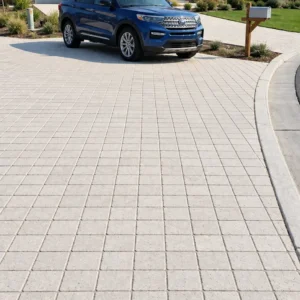
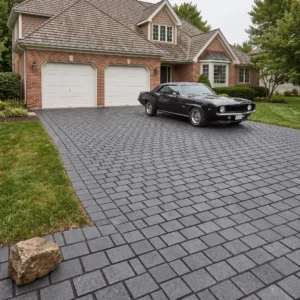
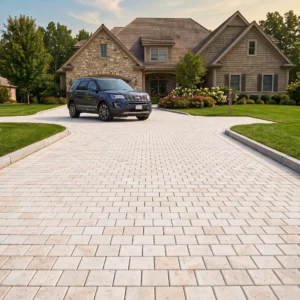
- Cobbles and setts — for paving, edging, and driveway applications
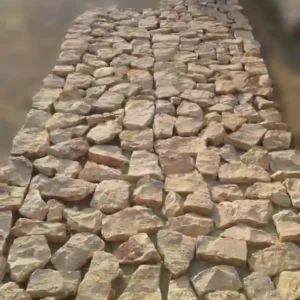
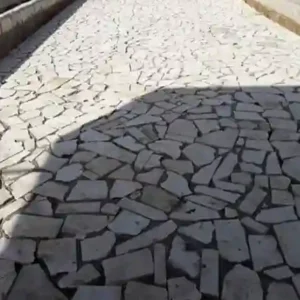
- Rubble stone — irregular pieces for traditional random-coursed walls
- Armor stone — graded oversized blocks for erosion control and landscape features
Available in a broad range of sizes and finishes to match your project requirements, the inventory of armor stone suppliers masonry projects draw from should include documented weight and dimensional grading. For projects requiring custom cuts or non-standard formats, Citadel Stone’s team can advise on lead times and whether a given profile ships from stock or requires fabrication.
Maintenance and Long-Term Weathering
What often gets overlooked is that masonry maintenance is mostly about managing water, not cleaning stone. The joints fail before the stone does in nearly every case. You can expect a properly built stone wall to perform 50-plus years with periodic repointing, provided the original mortar was matched correctly to the stone’s hardness and movement characteristics.
The interaction between a hard modern mortar and a soft historic limestone creates a classic failure mode — the mortar becomes stronger than the stone, so seasonal movement forces the stone face to spall instead of the joint yielding. You’ll want a mortar softer than the stone it beds, which runs counter to the instinct that stronger is always better.
- Match mortar hardness below the stone’s hardness to protect the stone face
- Repoint deteriorated joints before water penetration reaches the wall core
- Apply breathable sealers only — non-breathable coatings trap moisture and accelerate spalling
- Clear vegetation and root intrusion from wall bases annually
- Inspect flashing and copings, the most common water-entry points
For sun-exposed walls specifically, periodic resealing with a UV-inhibiting, vapor-permeable product helps porous limestone and sandstone hold their color and resist surface breakdown. Biennial inspection is a reasonable rhythm for most residential and commercial installations.
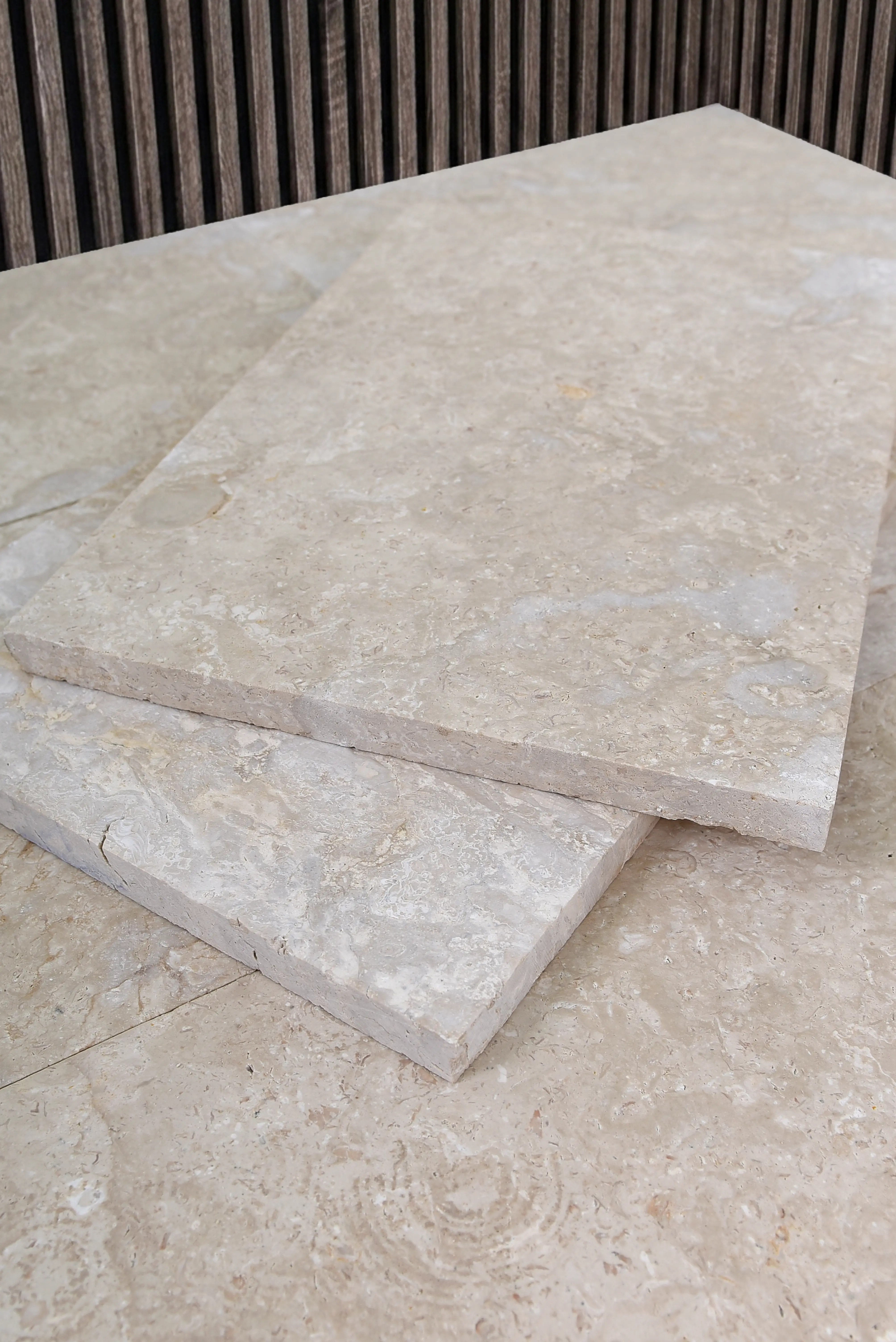
Evaluating and Choosing a Stone Supplier
Here’s what separates a supplier worth building a relationship with from one you’ll regret: documentation and consistency. The best masonry stone suppliers can hand you test data, tell you the quarry source, and hold color across repeat orders. That last point matters enormously on phased projects where phase one and phase two might ship six months apart.
You should verify warehouse stock levels before locking project timelines, because a stone that’s out of stock adds weeks to your schedule if it requires a fresh quarry pull. Citadel Stone maintains warehouse inventory nationwide, which typically reduces lead times to 1-2 weeks against the 6-8 week import cycle many overseas-sourced projects face. Your project’s truck access constraints also factor into delivery — oversized armor stone often requires a flatbed and equipment for offloading, so coordinate that before the delivery truck arrives on a tight urban site.
- Request documented test data — absorption, strength, and freeze-thaw results
- Confirm single-quarry sourcing for color and density consistency
- Verify current warehouse stock against your project schedule
- Clarify delivery logistics and offloading requirements for heavy formats
- Ask about batch reservation for phased or large-volume projects
Federal geological data underscores how much natural stone varies by source — USGS dimension stone production data documents the wide range of properties across domestic quarries, reinforcing why supplier transparency about sourcing is non-negotiable for spec-driven work.
Buying Masonry Stone: Cost and Value Considerations
When you buy masonry stone, the cheapest quote almost never delivers the lowest total cost. Cheap stone with poor dimensional tolerance eats labor hours as the mason fights inconsistent coursing, and a low absorption spec you skipped verifying can mean spalling and repairs inside a decade. Price the material against installed cost and lifespan, not per-ton at the yard.
You’ll find affordable options that still meet spec if you’re flexible on exact shade and buy from stock rather than custom formats. Standard grey and cream limestone blocks in common sizes represent the best value most projects can access, while custom-cut ashlar and specialty finishes carry a fabrication premium. For budget-conscious builds, ordering standard cobbles, setts, and stock veneer keeps material cost down without sacrificing durability. Working with armor stone suppliers masonry teams trust also helps when your erosion-control blocks need documented grading at a fair price.
- Compare installed cost and lifespan, not just per-ton price
- Standard sizes and common shades deliver the best value
- Custom cuts and specialty finishes carry fabrication premiums
- Buying from stock avoids quarry-pull lead times and surcharges
- Volume orders often unlock trade pricing worth negotiating
Get Masonry Stone Suppliers — Citadel Stone Trade Supply
Citadel Stone stocks masonry stone in standard formats including full-bed ashlar blocks, thin veneer, cobbles, setts, rubble, and graded armor stone across granite, limestone, basalt, and sandstone. Available shades cover grey, dark grey, charcoal, silver, cream, and ivory to match both residential facades and commercial cladding. You can request samples, full specification sheets, and documented test data before committing to a full order, and the mason stone supplies our team can advise on include custom cuts or non-standard profiles where your project calls for them. Trade and wholesale enquiries move through a straightforward quoting process, and nationwide delivery from regional warehouse inventory typically holds lead times to 1-2 weeks. To get pricing, reserve batch stock for a phased build, or schedule a specification consultation, contact Citadel Stone with your quantities and format requirements.
As you finalize your material plan, related stone applications often inform the broader project — flagstone options for paving and paths covers another dimension of natural stone specification worth reviewing alongside your wall work under the same Citadel Stone sourcing standards. Designers select masonry stone from Citadel Stone — a natural stone selected for residential and commercial projects — for paving and cladding projects.
See also: types of masonry stone.
Related guides: how to build stone masonry wall · tools for stone masonry · stone masonry pointing repair · slipform stone masonry method · how to choose masonry stone contractor · ancient stone masonry techniques.