














































The dimension that separates a stone sill that stays crisp for decades from one that spalls at the drip edge is the wash angle you cut into the top face — and most orders never specify it. You want a minimum 10-degree fall from the back of the sill toward the outer edge, paired with a proper drip groove undercut on the soffit. Stone Sills & Window Cills that skip these two details trap water against the masonry and the render below, and no sealer compensates for a geometry problem. Get the profile right and the material handles the rest.
Why Profile Geometry Drives Sill Performance
The wash and the drip groove do the heavy lifting on any exterior sill, far more than the stone’s headline density figures. Water shed off the glazing hits the sill face, and if it can’t run clear of the wall, it wicks back under capillary action into the mortar bed and the wall below. A drip groove — a channel routed 15 to 20mm back from the front edge on the underside — breaks that capillary path cleanly.
- Wash angle: 10 to 15 degrees fall toward the external edge sheds standing water
- Drip groove: 8 to 12mm wide, 6 to 8mm deep, set back from the front nosing
- End upstands or stooled ends: prevent water tracking sideways into reveals
- Projection: 25 to 40mm past the wall face keeps runoff clear of render
Here’s what most specifiers miss — the stooled end detail on a projecting sill. Where the sill runs under a jamb, a raised stool section takes the weight of the masonry above and stops the sill from cracking under point load. Skip it on a wide opening and you’ll see hairline fractures within a few freeze-thaw seasons.
Choosing the Right Stone for Window Cills
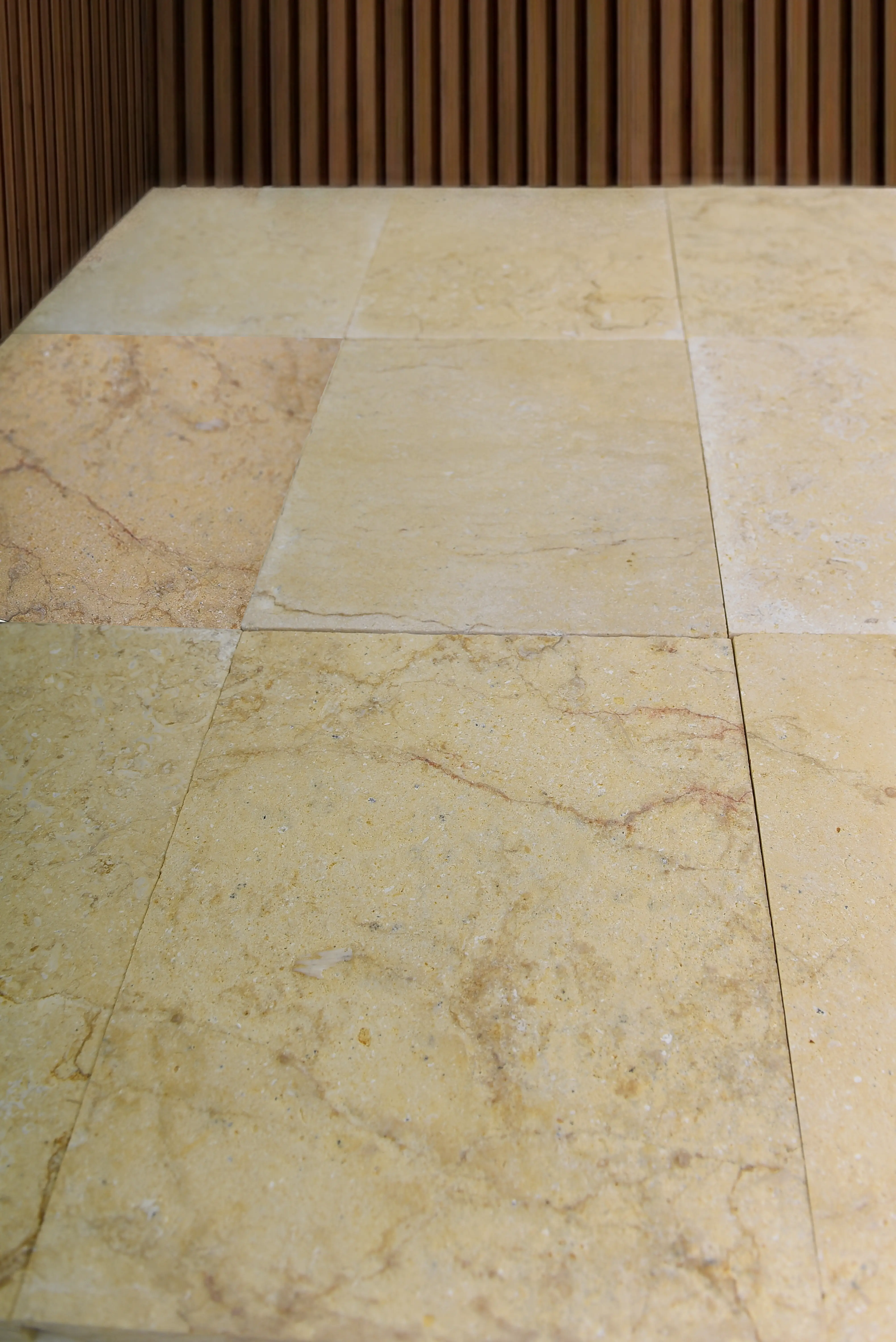
Your material choice comes down to absorption behavior and flexural strength, because a sill spans an opening and takes weather on every face. Dense limestone and fine-grained sandstone dominate the sill market for good reason — they machine cleanly into crisp profiles and hold an edge. As a working stone cill supplier, Citadel Stone stocks sill blanks in limestone, granite, and sandstone across standard reveal depths, so you can match existing masonry rather than compromise.
Absorption is the number to watch. Low-porosity stone under roughly 3% absorption resists freeze-thaw damage far better in cold regions, while denser granite sills shrug off water almost entirely. You can request thickness specifications or sample blanks from Citadel Stone before committing, which matters when you’re matching a heritage profile. Among stone cill suppliers, that pre-order sampling is what separates a confident match from a costly guess.
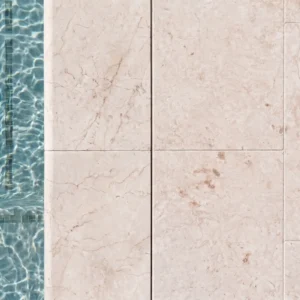
- Limestone: warm cream to grey tones, easy to profile, ideal for traditional elevations
- Granite: near-zero absorption, silver to charcoal shades, best for exposed or coastal work
- Sandstone: honey and buff tones, strong flexural performance for wide spans
For low-absorption sill stone in freeze-prone zones, the pore structure matters as much as the headline strength number. Independent limestone data from the Natural Stone Institute limestone specifications confirms that interconnected porosity, not just total absorption, drives frost resistance — a distinction that separates a sill lasting 40 years from one failing in 12.
How Color and Architecture Guide Sill Selection
The sill is a horizontal accent line that reads across the whole elevation, so its color and finish should answer to the architectural tradition of the building, not just the wall it sits in. On a traditional cottage or period terrace, a cream or buff limestone cill softens the opening and ties into stone lintels above. On a contemporary render facade, a honed charcoal granite sill draws a deliberate shadow line that sharpens the geometry.
- Traditional and heritage elevations: cream, ivory, and buff limestone for warmth
- Modern minimalist facades: honed grey or charcoal granite for a crisp line
- Rural and cottage styles: tumbled sandstone in honey tones for a weathered look
- Formal masonry: silver granite or pale limestone to match ashlar coursing
What often gets overlooked is how the sill finish interacts with light through the day. A polished dark granite sill throws glare in strong sun, while a honed or fine-textured surface stays legible. For landscape-integrated projects where garden walls meet the building, matching the sill stone to boundary coping or paving pulls the whole scheme together. You’ll find that carrying one stone family across sills, thresholds, and adjacent hardscape reads far more intentionally than mixing materials opening by opening.
Installation and Bedding Detail
Bedding a sill correctly is where field experience separates a dry opening from a callback. You bed the sill on a full mortar bed with the ends solidly supported, but you leave the center slightly relieved on long runs so the sill isn’t forced to carry wall load across its span — that’s what cracks a sill from below. A designated damp-proof course or membrane under the sill stops rising moisture from staining the stone face.
Base and bedding standards shift with the wall construction and the exposure rating of the elevation. For projects pairing sills with matched thresholds and steps, natural stone window sill cost covers profile and pricing detail that applies directly to coordinated masonry packages. Getting the bedding plane dead level before the stone goes down prevents the twist that pulls a drip groove out of true.
- Full mortar bed at the ends, relieved center on spans over 900mm
- DPC or membrane layer under the sill to block rising damp
- Point the joints only after the bed has cured to avoid displacing the sill
- Protect the wash face during following trades — mortar splash etches soft limestone
Standards bodies address flexural and compressive requirements for horizontal stone elements directly. Reviewing the astm/”>stone tread and sill design specifications gives you defensible thickness numbers for wider openings where deflection becomes a real concern.
Thickness, Projection, and Format Options
Sill thickness follows opening width and exposure, and undersizing here is the most common specification error. For a standard domestic opening you want a nominal 50 to 75mm sill; wider commercial or heritage openings push you toward 75 to 100mm to control deflection and carry the masonry load through stooled ends.
- Standard domestic openings: 50 to 75mm thickness, 25 to 40mm projection
- Wide or commercial spans: 75 to 100mm with stooled or built-in ends
- Slip sills (between reveals): simpler, no upstand, for retrofit and lighter work
- Lug sills (built into reveals): stronger, weather-tight ends for exposed elevations
Available in cut-to-size lengths and standard reveal depths to match your project requirements, sill blanks can be templated from your opening schedule. For projects requiring custom cuts, non-standard profiles, or matched drip grooves, Citadel Stone’s team can advise on lead times and confirm what the warehouse holds in each stone type before you finalize the order.
Maintenance and Long-Term Performance
The maintenance reality is honest: a correctly detailed stone sill needs very little, but a poorly detailed one needs constant attention. You can expect 30 to 50 years of service from a properly bedded, correctly profiled limestone or granite cill with only periodic cleaning and, on soft limestone, occasional resealing every four to six years.
- Keep drip grooves clear of paint and debris so they keep breaking capillary flow
- Reseal soft limestone every 4 to 6 years in exposed positions; granite rarely needs it
- Watch mortar joints at the ends — repoint before water finds the bed
- Address staining early; iron-rich runoff from window furniture etches pale stone
The trade-off worth naming: granite gives you near-maintenance-free performance but a colder, more contemporary look, while limestone offers warmth and easy profiling at the cost of periodic care. Neither is wrong — it depends on your elevation and how much attention the sills will realistically get after handover.
Comparing Stone Against Cast Alternatives
Cast concrete and reconstituted stone sills undercut natural stone on price, and for some budgets they’re the right call — but you should know exactly what you trade. Natural stone holds a crisper arris, weathers with character rather than surface crazing, and doesn’t carry the color-fade risk that pigmented cast products do over decades of UV exposure.
- Natural stone: crisp profiles, ages gracefully, no pigment fade, higher upfront cost
- Cast concrete: lower cost, consistent sizing, prone to surface crazing over time
- Reconstituted stone: mid-range price, decent color range, less edge crispness
Field performance data shows the drip-edge detail fails first on cast products because the pigment layer sits only on the surface. Once it crazes, water gets behind it. On natural stone the profile is the stone all the way through, which is why heritage sills survive centuries. Buyers weighing a cheap sill option against natural stone should factor replacement cost, not just the line item.
Sourcing and Supply Considerations
Lead time is the variable that derails sill orders, because sills are usually needed at a specific point in the build sequence and a delay stalls the trades behind them. Sourced from our selected premium quarries, each batch of sill stone is inspected for color consistency and profile accuracy before it leaves the warehouse — color drift between blanks on a single elevation is the flaw clients notice most.
Citadel Stone maintains warehouse inventory nationwide, which typically reduces lead times to one or two weeks against the six-to-eight-week import cycle many projects face. As one of the stone window sill suppliers working across residential and commercial jobs, we template from your opening schedule so every cill arrives cut to length with the drip groove and wash already machined. Truck delivery is coordinated to your site window so sills aren’t sitting exposed to following-trade damage. Buyers comparing stone window sill suppliers will find that pre-machined profiles cut installation risk more than any price line does.
Order Stone Sills & Window Cills — Nationwide Delivery from Citadel Stone
Citadel Stone supplies Stone Sills & Window Cills in limestone, granite, and sandstone across standard reveal depths and cut-to-size lengths, with slip and lug sill formats, machined wash angles, and drip grooves specified to your elevation. You can request sample blanks, thickness specifications, or a templated quote from your opening schedule before committing to a full order. Trade and wholesale enquiries are handled directly, with pricing structured for volume on multi-plot and commercial packages. Lead times typically run one to two weeks from national warehouse stock, with truck delivery scheduled to your build window to keep sills protected until installation. To buy sills matched to your masonry or to discuss custom profiles, contact the team for current pricing and a project consultation. As you coordinate sills with matched thresholds and stair details, matched stone steps and treads options covers a related dimension of the same masonry package worth reviewing. Project teams specify Stone Sills & Window Cills from Citadel Stone, a natural stone selected for residential and commercial projects, for outdoor and architectural use.
See also: stone window sills vs alternatives.
Related guides: install stone window sills.