What Drives Natural Stone Window Sill Cost
Natural stone window sill cost isn’t determined by a single variable — it’s the product of at least six overlapping factors, and misreading any one of them can throw your budget off by 30% or more. The material type alone can swing per-linear-foot pricing from under $15 for a basic honed limestone to well above $80 for a thick-cut, profiled marble piece with polished bullnose. That spread exists before you’ve touched fabrication, freight, or installation labor. Understanding what’s inside that number — not just what the number is — is what separates a tight, defensible spec from one that gets revised twice before groundbreaking.
Material Selection and Base Price
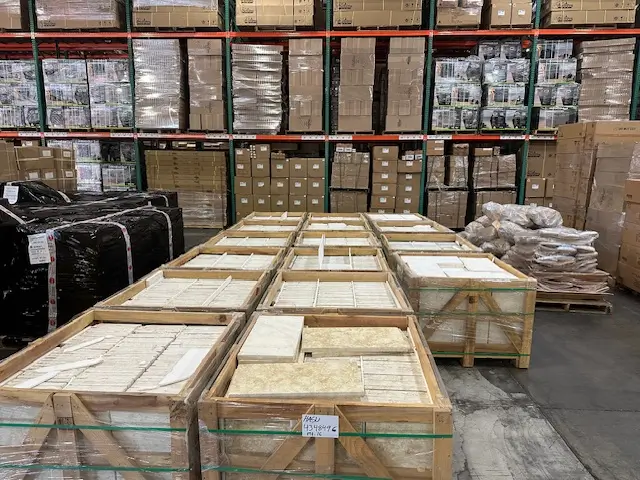
Your material choice is the single largest lever in natural stone window sill cost, and it’s worth spending real time here rather than defaulting to whatever’s cheapest per square foot. Different stone types carry fundamentally different processing requirements, which is where base price is really set.
- Limestone window sills typically fall between $12 and $30 per linear foot in standard widths, depending on density grade and surface finish — honed finishes cost less to produce than brushed or antiqued profiles
- Marble sills command a premium because of the cutting precision required to maintain vein continuity and avoid fracture lines during profiling; expect $25 to $60 per linear foot for standard residential dimensions
- Travertine presents a middle-ground option, but filled-and-honed travertine costs more per piece than you’d expect because the void-filling process adds a full production step before any surface work begins
- Granite sills are denser and harder to cut cleanly, which pushes fabrication time higher — base material may be moderate, but total per-piece cost often surprises first-time buyers
- Sandstone and slate offer lower material costs but have compressive strength limitations at narrow widths, which constrains their use on deep sill projections
The Natural Stone Institute stone specifications for steps and sills provide technical benchmarks that help you evaluate whether a material’s physical properties justify its price point for a given application. Checking flexural strength data before specifying thin-cut sills on wide window openings is the kind of detail that prevents expensive callbacks.
Slab Dimensions and Thickness Variables
Slab size affects natural stone window sill cost in two ways that aren’t always obvious from a quote sheet. The first is straightforward — more stone means more material cost. The second is subtler: larger and thicker pieces require different cutting equipment, longer machine time, and more careful handling through the fabrication chain, all of which show up in the fabrication line of your invoice.
Standard residential window sill widths run between 4 and 7 inches. Move to an 8-inch or 10-inch projection — common in masonry construction with thick exterior walls — and you’re now in territory where fewer slabs in a supplier’s warehouse inventory have the continuous width without natural seams or fissures. That scarcity drives price up even when the base material is otherwise affordable. Thickness matters too: a 1-inch sill is the production norm, but 1.25-inch and 1.5-inch specs are common in commercial work and historic renovation, and that additional mass adds to both material weight and cutting time.
- Pieces over 72 inches in length are considered non-standard in most fabrication operations and typically carry a length surcharge of 15–25%
- Sill widths exceeding 8 inches require verification of the slab’s internal consistency — hairline fissures that are invisible on a 4-inch piece become structural concerns at 10 inches
- Thickness below ¾ inch is generally inadvisable for exterior sills subject to any thermal movement or foot traffic loading
- Custom radiused corners or angled returns add fabrication time that is usually billed at an hourly shop rate rather than a flat per-piece figure
Edge Profiles and Surface Finishes
Edge profile selection is where many project budgets quietly expand. A square, eased edge is the baseline — it requires minimal router time and produces a clean, contemporary result. From there, every step toward a more complex profile adds machine passes, hand finishing time, or both. A pencil edge adds one pass. A full bullnose doubles the router time on that edge. An ogee or a double-step profile on a thick sill piece can add $8 to $18 per linear foot to the fabrication cost alone.
Surface finish has a similar cost structure. Honed is the production standard — it’s achieved in fewer grinding steps than polished and produces a matte surface that performs well in exterior conditions. Polished finishes require additional passes through progressively finer abrasives and add cost across the board. For exterior natural stone window sills specifically, honed or brushed finishes are the technically correct choice anyway: polished surfaces in exterior exposures tend to show water marking and lose their finish unevenly over time, particularly in freeze-thaw regions. That’s not a limitation of the stone — it’s a finish compatibility issue that saves you money at spec time and avoids client complaints later.
- Honed finish: production baseline, matte appearance, best exterior durability
- Brushed or antique finish: adds one processing step, produces a textured surface that hides wear well
- Polished finish: maximum passes, highest fabrication cost, not recommended for unprotected exterior sills
- Flamed finish: primarily for granite; adds cost but produces excellent grip and weathers predictably outdoors
Fabrication and Custom Cutting Costs
Raw material and finished sill are not the same thing, and the gap between them is fabrication cost. This is one of the most misquoted line items in stone specifications — buyers compare material prices from different suppliers without accounting for whether the quote includes cut-to-size, profiled edges, and finished ends, or just the raw slab off the warehouse floor.
Standard production sills — straight cuts, square ends, eased or honed edges — are the most economical because they’re produced in batches. The moment your project requires non-standard lengths, mitered corners, drip grooves on the underside, or a specific end return profile, you’ve entered custom fabrication territory. Custom work is billed differently: either as a shop-rate hourly charge (typically $85–$140/hour at most fabricators) or as a flat per-piece premium on top of standard pricing. According to ASTM natural stone compressive strength and flexural standards for steps, the structural performance of dimension stone under applied load is directly tied to thickness and material grade — a useful reference when evaluating whether a spec calls for more material than is structurally necessary.
- Drip groove routing on the sill underside: adds $3–$7 per linear foot but is critical for directing water away from the wall face
- Mitered internal corners for bay window configurations: each miter joint adds fabrication time and requires precise angle confirmation before cutting
- Holes for weep inserts or anchor bolts: charged per hole, typically $15–$30 per penetration depending on stone hardness
- End returns and scribes for irregular openings: quoted individually — request a field template before finalizing these pieces
Freight Distance and Sourcing Impact on Total Cost
Total natural stone window sill cost is significantly shaped by where the material ships from and how far your site sits from the nearest stocking warehouse. This is the variable most buyers discover late — often after they’ve committed to a material and a supplier. Stone is dense. A pallet of window sills typically weighs 800–1,400 pounds depending on species and piece count, and LTL freight rates on that weight class are not trivial.
For projects within a reasonable radius of a major distribution warehouse, freight might run $80–$180 for a standard residential order. For remote or rural sites that require multi-carrier transfers or liftgate delivery, the same order can cost $250–$450 in freight alone — and that’s before any specialty handling for long pieces that require blanket-wrap or custom crating. Citadel Stone ships natural stone window sills nationally from stocked inventory, which compresses lead times compared to projects that depend on import orders with 6–10 week turnaround cycles. For time-sensitive projects, that warehouse availability matters as much as unit price.
Labor market conditions across different regions also affect total installed cost in ways that raw material pricing won’t tell you. In markets with high masonry labor rates, the labor-to-material ratio can reach 60:40 or higher on a window sill installation — which means a $10/linear-foot premium on a better material adds very little to the total job cost when you’re already paying $45–$65/hour in installation labor. In lower-labor-cost markets, material selection carries proportionally more weight in the budget conversation.
- Freight cost per order increases non-linearly with distance — the jump from 400 to 800 miles can nearly double freight cost
- Truck access at your delivery site affects scheduling: sites without dock access or with limited turning radius require liftgate service, which adds to delivery cost
- Lead time from warehouse stock is typically 5–10 business days for standard sills; custom-cut or imported pieces run 4–10 weeks
- Consolidating your sill order with other stone materials from the same supplier reduces per-shipment freight cost meaningfully
Quantity and Order Size Economics
Natural stone window sill cost per piece drops with volume — but the breakpoints aren’t always where buyers expect them. Most suppliers price in tiers based on linear footage rather than piece count, and the first meaningful price break often occurs at 50–75 linear feet. Below that threshold, you’re typically paying retail-adjacent pricing even if you’re buying from a wholesale supplier.
For residential projects with 8–15 windows, you’re often right at the boundary between retail and trade pricing. It’s worth asking your supplier directly where their volume threshold sits and whether combining your sill order with other stone elements — such as thresholds, hearth stones, or stair treads — pushes you into the next pricing tier. Explore the full range of Citadel Stone sill materials to assess which stone types are available in stocked lengths that minimize cut waste and reduce your effective cost per opening.
- Ordering 10% overage on natural stone window sills is standard practice — it covers cuts, breakage, and future repairs without triggering a new minimum-order freight charge
- Sills stocked in standard lengths (typically 24″, 36″, 48″, and 72″) cost less than custom-length orders because they don’t require dedicated production runs
- Large commercial or multi-unit projects that exceed 200 linear feet should request project pricing directly — the standard price list doesn’t reflect what’s available at scale
Installation Complexity and Hidden Costs
The material cost of natural stone window sills is only part of what you’ll actually spend. Installation complexity adds real cost that a quote for stone supply alone won’t capture, and experienced project managers build these line items in from the start rather than discovering them mid-project.
Setting bed preparation is one of the most variable costs. A clean, square opening with a well-prepared substrate sets quickly and cleanly. An opening with out-of-square masonry, existing deteriorated sill material to remove, or an uneven bed depth requires additional labor time before the first stone piece can be set. In historic renovation work, it’s not unusual for substrate prep to cost more than the stone itself on a per-opening basis.
- Mortar bed preparation for exterior sills should account for a minimum 1-inch nominal setting bed with appropriate waterproof membrane integration — skipping this step is the leading cause of premature sill failure
- Caulk joint detailing at the sill-to-frame interface requires a backer rod and a paintable polyurethane or neutral-cure silicone — the material cost is minimal, but labor time to do it correctly adds up across a full building elevation
- Lifting and positioning heavy sills in upper-floor openings may require mechanical assist or scaffolding, which changes the labor equation significantly on multi-story projects
- Interior sill extensions that must match exterior stone in species and finish require coordinated ordering — mismatched batches from different production runs are a common and avoidable problem
The ADA accessibility and surface requirements for stone are worth reviewing even for residential applications, particularly if a window sill also functions as a low bench or accessible ledge — a scenario common in accessible design and aging-in-place projects.
Comparing Natural Stone Window Sills to Alternatives
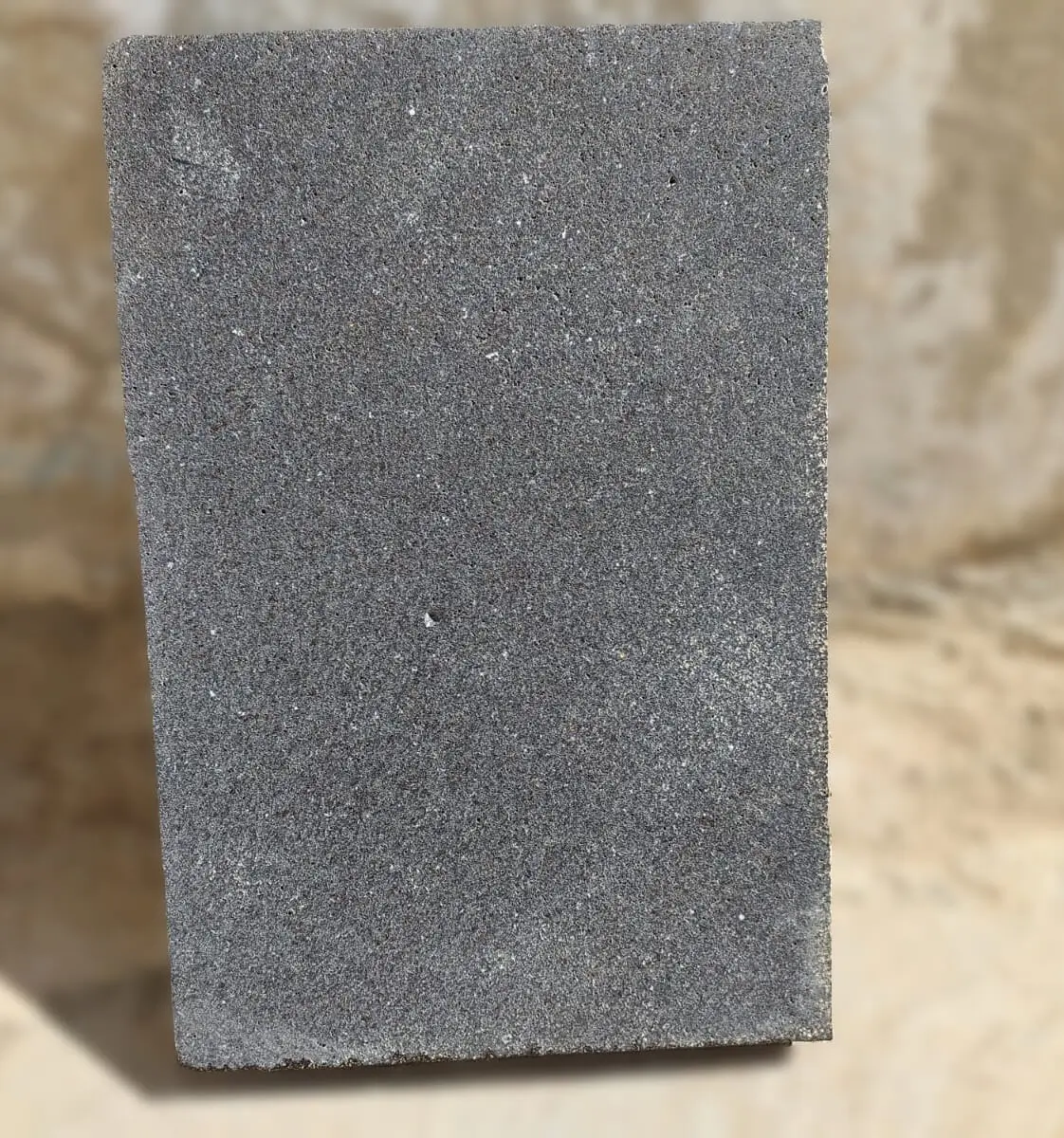
Buyers often evaluate natural stone window sills against cast stone, engineered quartz, or solid surface alternatives. The cost comparison looks straightforward until you account for lifespan, maintenance frequency, and long-term replacement cost. Cast stone can undercut natural stone on initial price by 20–35%, but it absorbs more moisture, is more vulnerable to surface spalling in freeze-thaw conditions, and typically requires earlier replacement — factors that shift the lifecycle cost comparison meaningfully.
Engineered quartz sills are priced comparably to mid-range natural stone but don’t weather the same way on exterior exposures. UV exposure degrades the resin binders in quartz composite over time, producing color shift that natural stone simply doesn’t exhibit. For exterior applications specifically, natural stone window sills provide the only genuinely maintenance-light option over a 20–30 year horizon, provided the setting bed and joint detailing are executed correctly at installation.
- Natural stone: highest initial cost in most comparisons, lowest lifecycle cost when correctly specified and installed
- Cast stone: lower initial cost, higher maintenance frequency, greater moisture sensitivity in cold climates
- Engineered quartz: competitive initial pricing, not recommended for unprotected exterior exposures due to resin degradation
- PVC and composite: lowest initial cost, shortest service life, no resale value contribution to the property
Getting Natural Stone Window Sill Cost Right Before You Spec
Getting natural stone window sill cost right means building a complete picture before you request your first quote. The material type sets the foundation, but slab dimensions, edge profiles, fabrication scope, freight logistics, and installation complexity each add layers that can double or triple what the per-linear-foot material number suggests. The projects that stay on budget are the ones where the buyer has defined all of these variables before the phone call — not during it. For a broader view of how natural stone sills compare across different performance categories, how stone sills compare to other materials covers the durability and value trade-offs in detail worth reviewing before you finalize your spec. At Citadel Stone, we work with buyers across the country on exactly these decisions — from confirming slab availability in our warehouse to advising on edge profiles that balance fabrication cost with the right aesthetic result for the project. Material type, slab dimension, and edge finish are the three variables Citadel Stone recommends buyers clarify before requesting a window sill quote.