

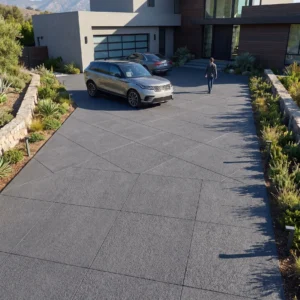
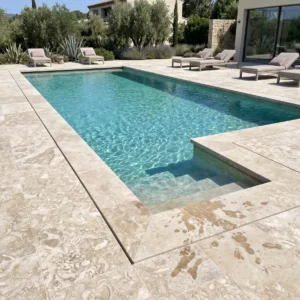
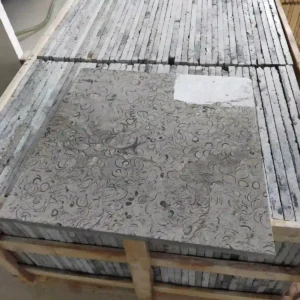
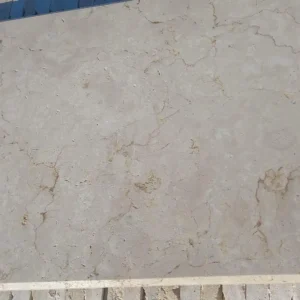









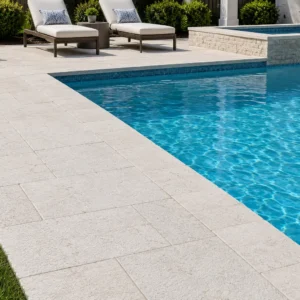
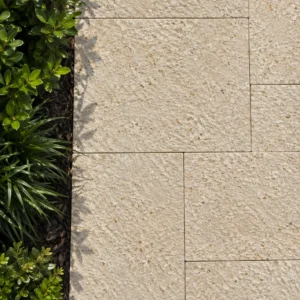
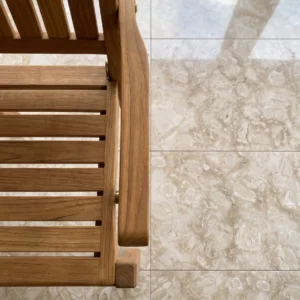
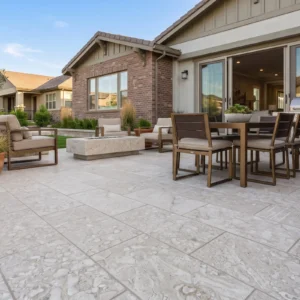
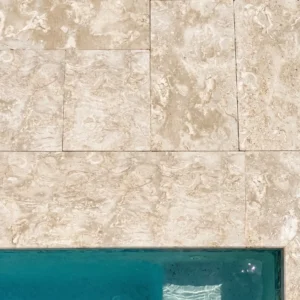
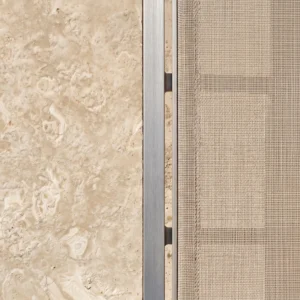
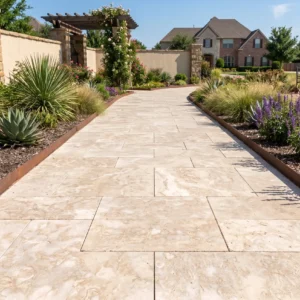
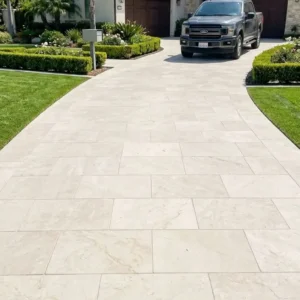
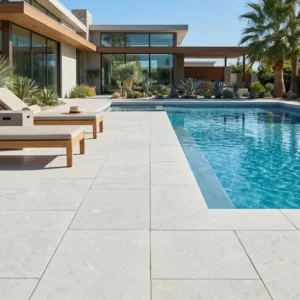
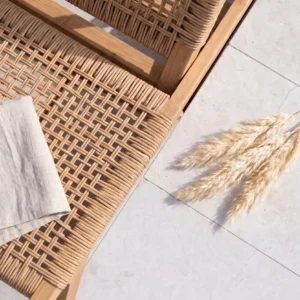
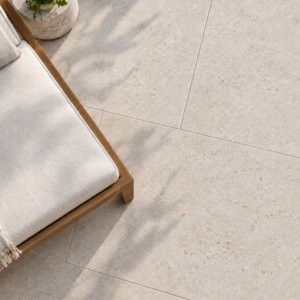
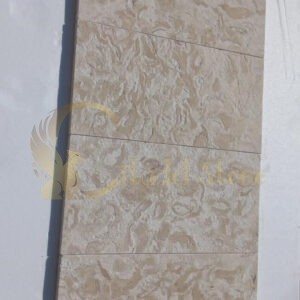


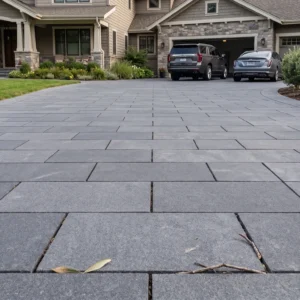
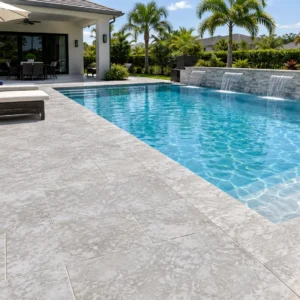

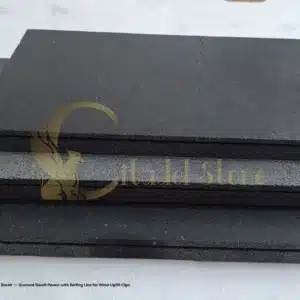
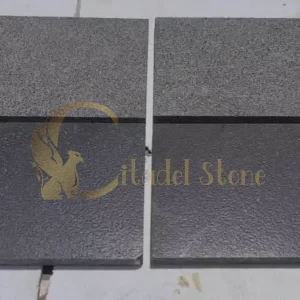


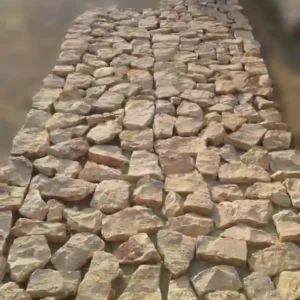
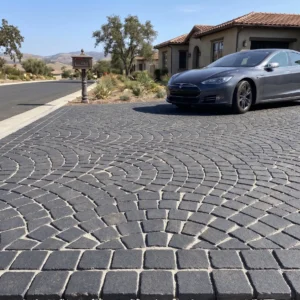
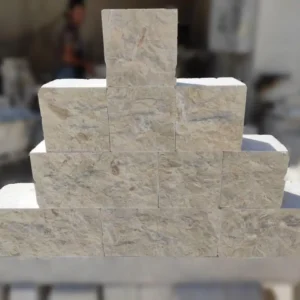
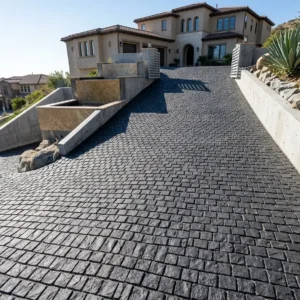


The single detail that separates a 25-year limestone drive from a 12-year one isn’t the stone itself — it’s how the joints and base handle standing water after a heavy storm. Limestone Driveway Pavers reward you for getting the sub-base drainage geometry right, and they punish shortcuts with efflorescence, joint pumping, and localized settlement. You’ll find the material forgiving on nearly every front except one: it does not tolerate water that has nowhere to go. Everything below builds from that principle.
You’re working with a sedimentary stone that reads clean and consistent underfoot, but its performance envelope is defined by pore structure and how you manage moisture around it. Get the specification right and you’ll spec a surface that ages gracefully under vehicle loads for decades. Get it wrong and you’ll be chasing symptoms that all trace back to the same root cause.
What Makes Limestone Work Under Vehicle Loads
Limestone’s calcium carbonate matrix gives you a dense, dimensionally stable paver that handles the point loads of parked and moving vehicles without the surface fatigue you see in softer materials. Compressive strength varies widely across quarried dimension stone, so check the tested figure against your driveway loading — request the test report for the batch you are buying. The stone’s real advantage is predictability — batch-to-batch consistency in a limestone paver driveway means fewer surprises during installation.
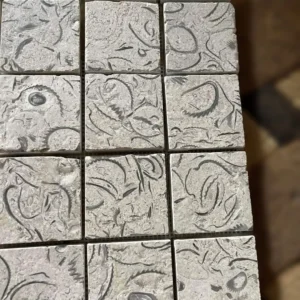
Here’s what most specifiers miss about the material’s tonal range. The even, uniform coloration that makes limestone attractive also makes any efflorescence or staining highly visible, which raises the stakes on drainage and sealing. That visibility is a feature, not a flaw — it tells you when something’s wrong early, while it’s still cheap to fix.
- Density varies with the quarry seam and formation — ask for the measured value on your batch
- Water absorption directly influences freeze-thaw behavior — request the absorption result for the stone you are buying
- Abrasion resistance holds up well under tire scrub at turning points where wear concentrates
- Consistent bedding planes make the stone predictable to cut and lay in running-bond or herringbone patterns
Federal geological data on stone formation and composition helps explain why limestone from different regions behaves differently underfoot; according to limestone formation and characteristics, the fossil and mineral content varies with the depositional environment. That variation is why you request absorption figures from your supplier rather than assuming a single number applies to all limestone.
Color and Finish Options That Hold Up Outdoors
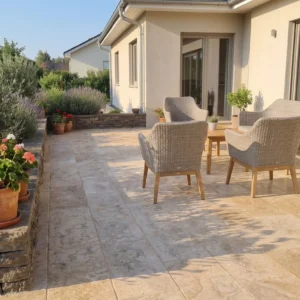
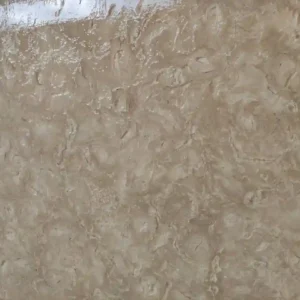
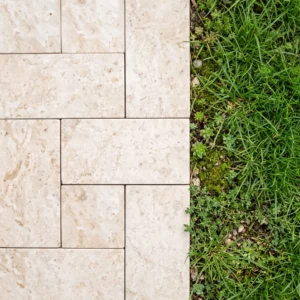
Your finish choice does more than set the aesthetic — it governs slip resistance and how the surface handles wet weather. A tumbled or brushed finish gives you texture that maintains traction when the drive is wet, while a honed surface reads more refined but demands attention to slip performance in rainfall-heavy regions. You’ll want to match finish to your climate’s moisture profile, not just your design preference.
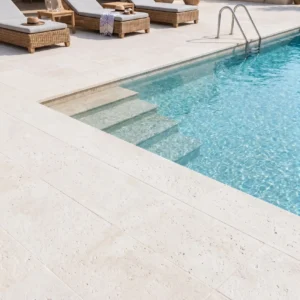
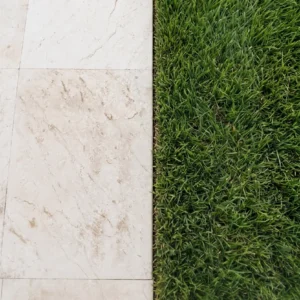
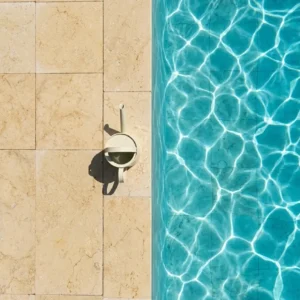
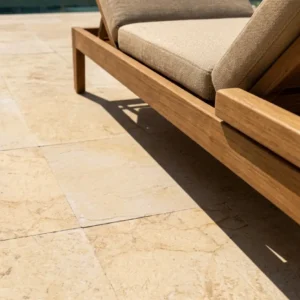
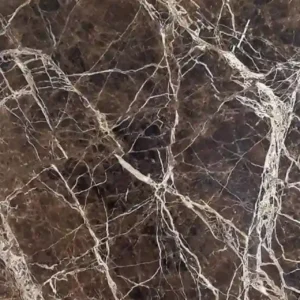
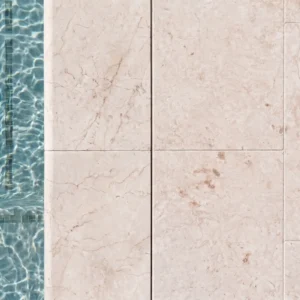
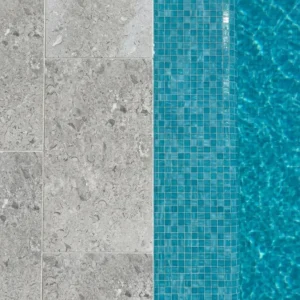
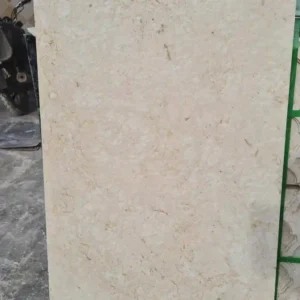
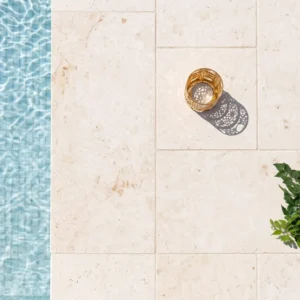
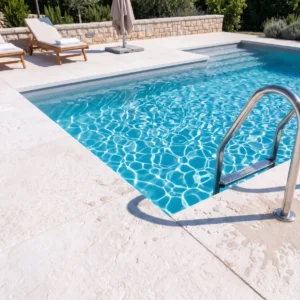
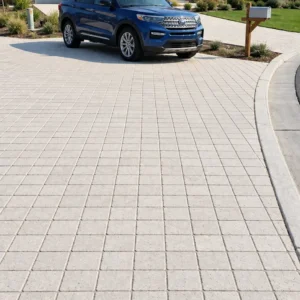
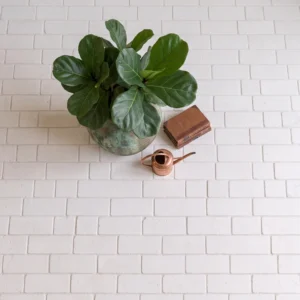
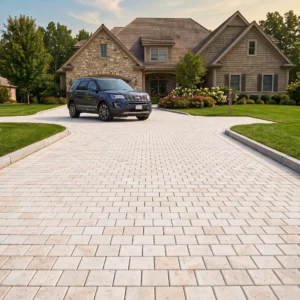
Color availability spans the warm and cool ends of the limestone spectrum. Cream and ivory tones dominate the material’s natural range, but darker options matter for buyers who want contrast or heat moderation in shaded layouts.
- Cream and ivory limestone deliver a bright, reflective surface that stays cooler underfoot in hot, dry climates
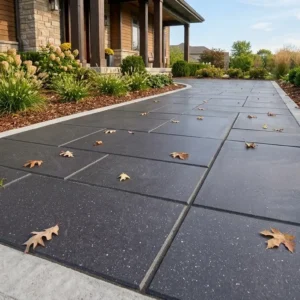
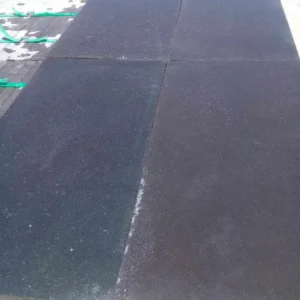
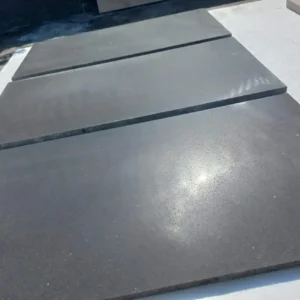
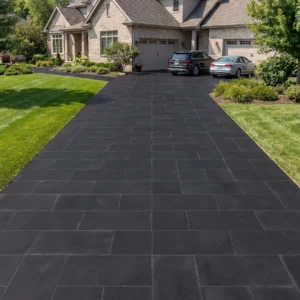
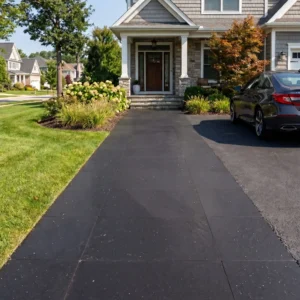
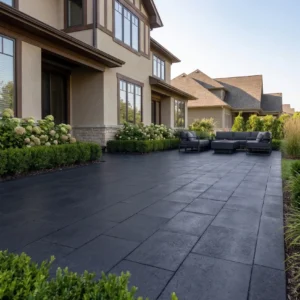
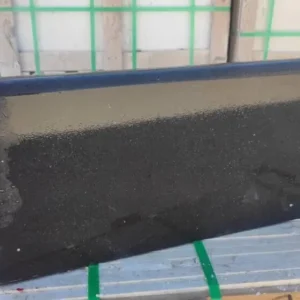
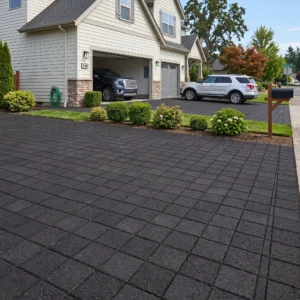
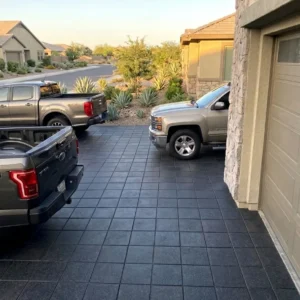
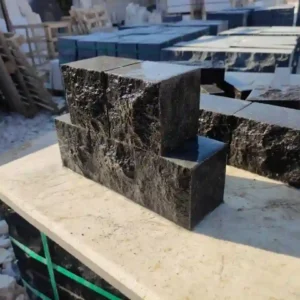
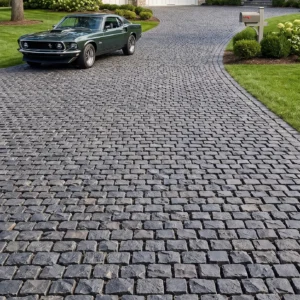
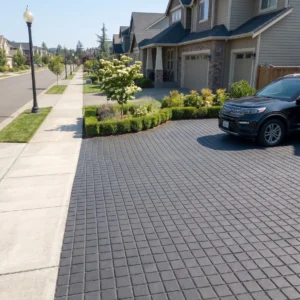
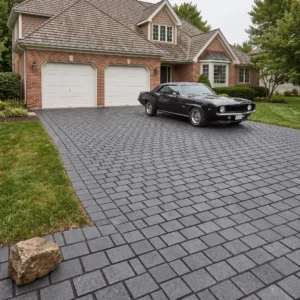
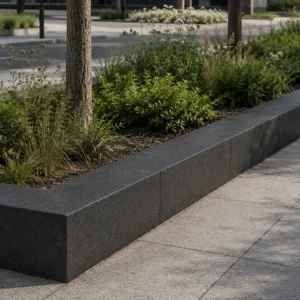
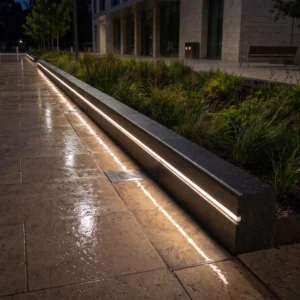
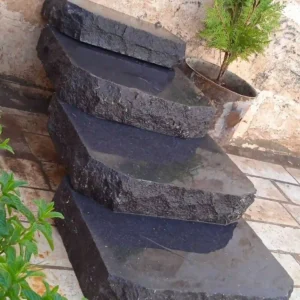
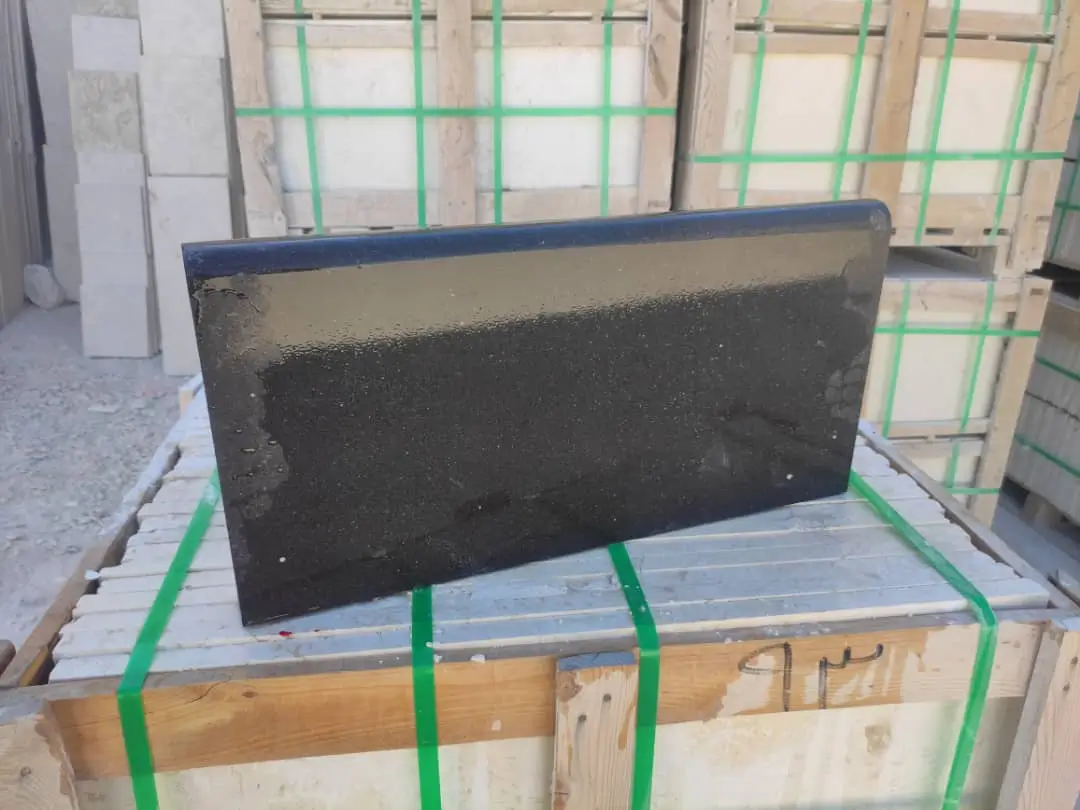
- A black limestone driveway offers dramatic contrast and hides tire marks better than pale tones, though darker stone runs warmer in direct sun
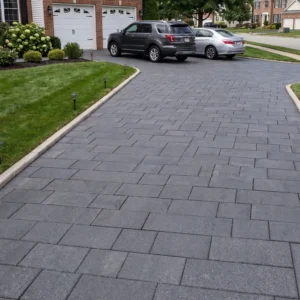
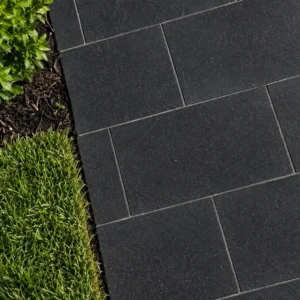
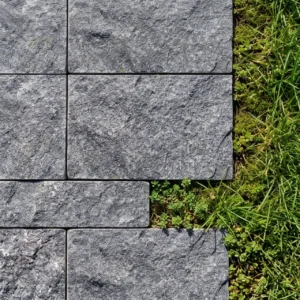
- Silver-grey and charcoal limestone bridge the gap, giving you a neutral field that pairs with most architecture
- Tumbled edges soften the paver profile and reduce chipping risk at joints under vehicle turning loads
Citadel Stone stocks Limestone Driveway Pavers in cream, grey, and charcoal ranges, and you can request sample tiles or absorption specifications before committing to a full order. A black limestone driveway in particular benefits from a wet-and-dry sample check, since its tone shifts most under moisture — seeing the actual stone against your home’s material palette prevents the most common regret after installation.
Base Preparation and Drainage Design
The base is where your driveway lives or dies, and drainage is the axis everything turns on. You’re building a system that must shed surface water quickly while giving any infiltrated moisture a clear path out of the aggregate. In clay-heavy soils that hold water and swell, this becomes the single most consequential part of the job.
Your sub-base depth should reflect both traffic loads and soil behavior. A compacted open-graded aggregate base — typically 6–10 inches for residential drives — creates a reservoir that drains rather than a bathtub that holds. Slope the finished surface a minimum of 1.5–2% away from structures so water moves off the pavers before it can pool at joints.
- Excavate to firm subgrade and verify bearing before placing any aggregate
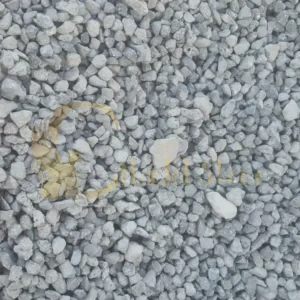
- Use an open-graded base (clean angular stone) where drainage is the priority, or a dense-graded base where load spreading matters more — many drives benefit from a blended approach
- Install a geotextile separation layer between subgrade and base in clay soils to prevent fines migration that clogs drainage over time
- Grade the base to daylight or to a perimeter drain so water has a defined exit, never a dead end
- Compact in lifts — 4-inch maximum per pass — to reach the density that resists rutting under wheel loads
In freeze-thaw regions, drainage doubles as frost protection. Water that drains before it freezes can’t expand inside the joint or beneath the paver, which is what causes heave and displacement. When you specify Limestone Driveway Pavers for a cold climate, the drainage detail is your frost defense as much as your rainfall defense. For guidance on aggregate depth and cost trade-offs across different base builds, crushed limestone driveway cost covers specification details that apply directly to these site conditions. Getting the subgrade and drainage right at this stage prevents nearly every long-term failure you’d otherwise inherit.
Permeable paving approaches let some drives handle stormwater on-site rather than shedding it to the street. Landscape design guidance on driveway paving and environmental performance outlines how open-joint and permeable base systems reduce runoff — worth reviewing if flooding risk or local stormwater rules shape your project.
Paver Thickness and Format Selection
Thickness is a load question, and driveways are unforgiving of undersizing. For vehicular traffic you want limestone in the 2-inch (50mm) nominal range at minimum, with heavier formats for drives that see delivery trucks or larger vehicles. A thin paver spec’d for a patio will crack under a loaded vehicle at the wrong point — thickness is not the place to economize.
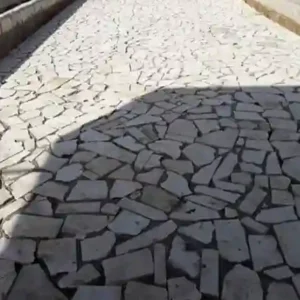
Format affects both structural behavior and drainage. Smaller units and interlocking patterns distribute point loads better and tolerate minor base movement, while large-format slabs read cleaner but transfer stress across a bigger footprint.
- 2-inch nominal thickness suits standard passenger-vehicle driveways over a properly compacted base
- 2.5–3 inch formats give you margin for heavier vehicles or where base conditions are marginal
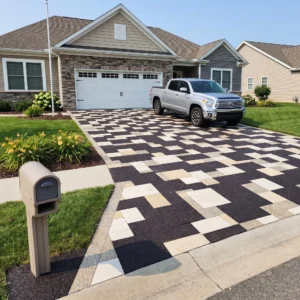
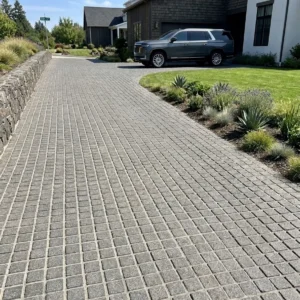
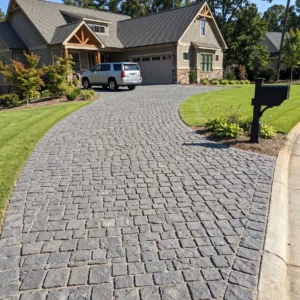
- Herringbone and running-bond layouts interlock to resist the horizontal forces of braking and turning
- Wider joints in an open-jointed layout increase permeability, letting the surface handle intense rainfall without sheeting
- Random-size and modular formats let you balance visual interest against load distribution
Available in a range of formats and finishes to match your project requirements, Citadel Stone can advise on thickness selection when your base conditions or vehicle loads fall outside typical residential ranges. For projects requiring custom cuts or non-standard sizes, the team can outline lead times before you finalize the order.
Sealing and Long-Term Maintenance
Sealing limestone is a moisture-management decision more than a cosmetic one. A breathable penetrating sealer reduces water absorption and staining while still letting the stone release vapor — critical, because a film-forming sealer that traps moisture will drive efflorescence and eventually delaminate. You want the stone to breathe, not suffocate.
Your maintenance rhythm is straightforward but non-negotiable if you want the surface to reach its full lifespan. Biennial resealing in high-traffic or high-rainfall conditions keeps absorption low and joints stable.
- Choose a penetrating impregnating sealer rated for calcareous stone, never a topical film in a wet climate
- Reseal every 2–3 years, more often at turning points and parking positions where wear concentrates
- Keep joint sand or aggregate topped up — depleted joints let water and fines migrate, undermining the interlock
- Rinse de-icing salt residue promptly in winter, since chloride exposure accelerates surface pitting on limestone
- Address efflorescence early with a specific cleaner rather than aggressive acid washing, which etches the surface
You can expect 20–30 year service life from a limestone paver driveway when you pair proper drainage with biennial resealing and prompt joint maintenance. That number drops fast if water pools, joints deplete, or salt sits on the surface unrinsed — every one of those is preventable. Industry data on limestone technical specifications and properties supports the connection between absorption rate and long-term durability, which is exactly why the sealing and drainage details carry so much weight.
Extending the Design to Walkways and Borders
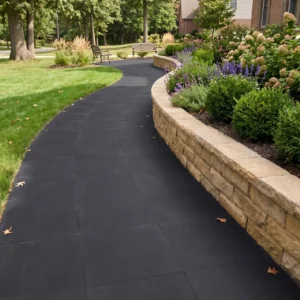
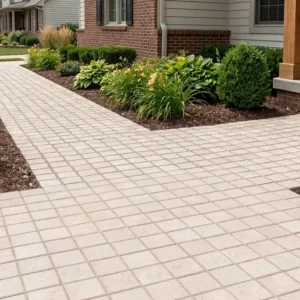
Most driveway projects don’t stop at the drive — you’re usually tying the surface into a path, an entry approach, or a garden edge, and material continuity matters. A limestone paver walkway running from the drive to the front door reads as one intentional design rather than a patchwork of finishes. The same stone family across surfaces also simplifies maintenance since you’re sealing and cleaning one material, not three.
Walkway loads are lighter than driveway loads, which gives you more format flexibility. Limestone walkway pavers in thinner profiles work where no vehicle travels, letting you stretch budget without compromising the surface.
- Match walkway limestone to the driveway’s color and finish for a unified hardscape read
- Thinner formats suit a pedestrian limestone paver walkway where vehicle loads never apply
- Edge restraints or a defined border keep both drive and path from spreading under use
- Carry the drainage slope through walkway transitions so water never collects at the junction
- Stepping-stone and modular formats let a walkway wind through planted areas while staying permeable
Slip resistance deserves extra attention on pedestrian surfaces, especially where they get wet. Because limestone walkway pavers see foot traffic in every season, guidance on slip-and-fall prevention for outdoor walking surfaces reinforces choosing textured finishes for paths — a tumbled or brushed limestone gives you the traction a honed surface can’t in rainfall-prone conditions.
Comparing Limestone to Other Driveway Materials
Limestone earns its place against concrete pavers and other stone through a combination of consistency, workability, and aging character. Concrete pavers cost less upfront but fade and surface-spall over time, while limestone develops a patina rather than degrading. Against harder stones like granite, limestone is easier to cut and lay but requires more attention to sealing.
The honest trade-off is porosity. Limestone absorbs more water than dense igneous stone, which is precisely why the drainage and sealing discipline above isn’t optional — it’s the price of the material’s other advantages.
- Versus concrete pavers: limestone ages better and holds color, but costs more initially
- Versus granite: limestone is warmer underfoot and easier to work, but softer and more absorbent
- Versus poured concrete: limestone pavers flex with minor ground movement instead of cracking in slabs
- Versus asphalt: limestone offers vastly better aesthetics and longevity, at higher upfront cost
At Citadel Stone, we source driveway-grade limestone from our established selected quarries and inspect each batch for consistency before it reaches the warehouse, so the tonal uniformity you sample is what arrives on the truck. That sourcing discipline is what lets us stand behind the material’s predictability across large orders.
Common Installation Mistakes and How to Avoid Them
The failures we see in the field cluster around a handful of predictable errors, and every one is avoidable with attention at the right stage. What often gets overlooked isn’t exotic — it’s the boring fundamentals of base compaction and drainage slope that determine whether the surface holds.
- Skipping full base compaction, which produces rutting and settlement under wheel paths within a few seasons
- Insufficient surface slope, leaving water to pool at joints and drive efflorescence and freeze damage
- Using a film-forming sealer in a wet climate, trapping moisture and causing the finish to cloud or peel
- Undersizing paver thickness for vehicle loads, leading to cracking at point-load positions
- Omitting edge restraint, allowing the field to spread and joints to open under braking and turning forces
- Neglecting geotextile separation in clay soils, letting fines pump up and clog the drainage layer
Here’s the detail that matters most: nearly every one of these ties back to water. Compaction failures, slope errors, sealer choices, and drainage omissions all share moisture as the mechanism of damage. If you audit your specification against a single question — where does the water go? — you’ll catch most problems before they reach the site. Citadel Stone maintains warehouse inventory nationwide, which typically reduces lead times to 1–2 weeks compared with the 6–8 week import cycle many projects face, giving you room to sequence the base work properly rather than rushing it.
Getting Your Limestone Driveway Specification Right
Pulling it together, a durable limestone drive comes down to matching stone grade to your loads, engineering drainage for your rainfall and soil, spec’ing adequate thickness, and committing to a breathable sealing routine. Nail those four and you’ve eliminated the causes behind the vast majority of premature failures. The material rewards planning and exposes shortcuts — which is exactly why front-loading the drainage and base decisions pays off for decades.
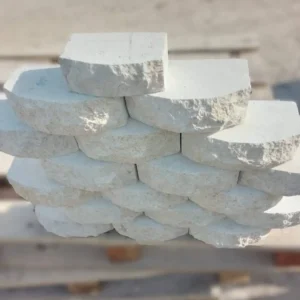
As you finalize your hardscape, the perimeter details deserve the same care as the field. Defined borders keep both drive and path stable under use, and for a closer look at how edging stone completes and restrains a paved surface, limestone edging options for driveways covers a complementary element worth specifying alongside the main field. Project teams specify Limestone Driveway Pavers from Citadel Stone, a sedimentary stone valued for its even, consistent tone, for outdoor and architectural use.
Source Limestone Driveway Pavers — Nationwide Supply by Citadel Stone
Citadel Stone stocks Limestone Driveway Pavers in standard formats including 2-inch and 2.5-inch nominal thicknesses, across cream, grey, and charcoal ranges with tumbled, brushed, and honed finishes. You can request sample tiles and absorption specifications before committing, so you evaluate the actual stone against your site and vehicle loads. Trade and wholesale enquiries are handled directly, with pricing structured for project volume and custom-cut work quoted on request. Whether you want to buy a single driveway’s worth or coordinate an affordable multi-property supply, inventory ships nationwide from regional stock — typically within 1–2 weeks — and the team can confirm lead times and delivery logistics for your location. Request a quote or contact us for current pricing and to schedule a specification consultation before your base work begins.
See also: crushed limestone driveway pros and cons.
Related guides: what size limestone for driveway · crushed limestone driveway installation · crushed limestone for paver base · Best Limestone for Driveways: Grades Compared · Driveway Limestone: A Complete Buyer’s Guide · limestone crushed driveway.