












The single detail that separates a durable granite installation from a callback is edge fabrication tolerance — hold your slab bevels to within 1/16 inch and you eliminate the chipping that plagues rushed jobs. That precision starts at the fabrication bench, which is why working with skilled granite fabricators changes the outcome long before material reaches your site. Granite’s crystalline structure rewards patient cutting: rush the blade feed rate through a high-quartz slab and you’ll telegraph micro-fractures into the finished edge that only surface under thermal load a year later. The difference is entirely in the hands doing the work.
You’ll get more from this guide by treating fabrication as a specification decision, not an afterthought. Granite behaves differently under the saw depending on grain orientation, feldspar content, and how the block was originally split at the quarry — and understanding those variables lets you write tighter specs and reject substandard work with confidence.
What Defines Quality Granite Fabrication
Granite fabricators earn their reputation at the joints, edges, and polish — the three points where field failures concentrate. The material itself delivers compressive strength routinely above 19,000 PSI and near-zero water absorption, but those properties mean nothing if the cut introduces stress risers. You’ll want to evaluate a fabricator’s water-jet and CNC capabilities before you evaluate their price.
Here’s what most buyers miss: the polish level you see in the showroom depends on the final grit pass, not the granite grade. A 3,000-grit polish reads as glossy; a 5,000-grit pass produces the mirror finish that resists etching from acidic spills. According to NSI granite durability specifications, the stone’s Mohs hardness of 6–7 gives it exceptional abrasion resistance — but abrasion resistance and polish retention are two different performance metrics you should specify separately.
- Verify edge profiles are machine-cut, not hand-ground, for repeatable tolerances across large runs
- Confirm the fabricator dry-lays multi-slab layouts so vein and grain continuity match at seams
- Ask whether seams are epoxy-filled with color-matched resin or simply butted — the former disappears, the latter always shows
- Request the grit sequence used for polishing so you know what finish durability you’re actually buying
The Case for Buying Factory Direct Granite
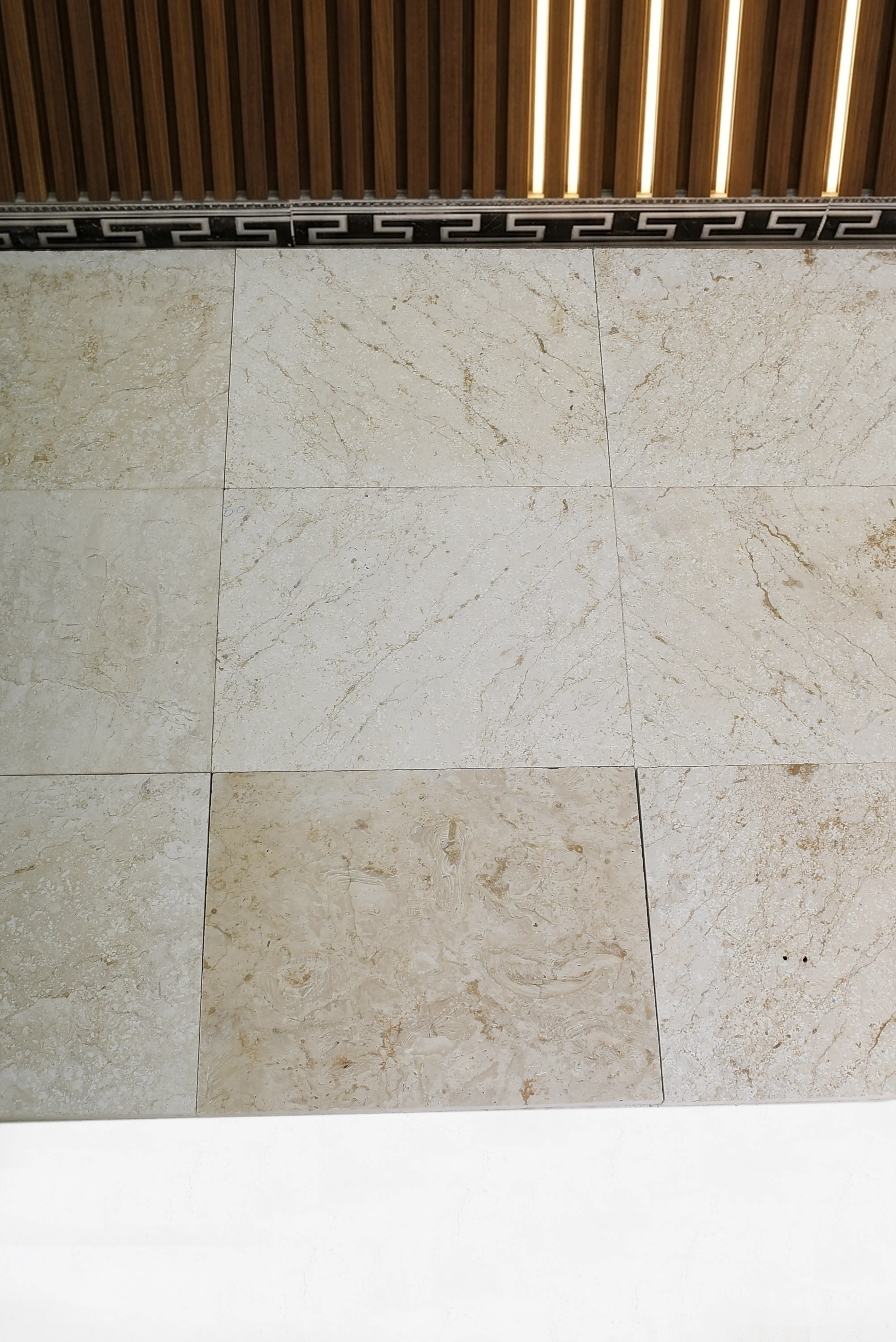
Working with a granite fabricator direct removes two markup layers and — more importantly — puts you in contact with the people who actually cut your stone. When you buy factory direct granite, you gain access to slab selection before the material is committed to a job, which matters enormously for color-critical projects. You’re not choosing from a photo; you’re choosing from the actual block.
The factory direct granite model also compresses lead times. Buying granite factory direct means Citadel Stone maintains warehouse inventory nationwide, which typically reduces delivery windows to 1–2 weeks compared to the 6–8 week import cycle most projects face when material is sourced through intermediaries. That matters when your install crew is already scheduled and a delay cascades across the trades.
- Direct slab inspection lets you reject material with unwanted fissures or resin patches before fabrication begins
- Bulk granite pricing improves meaningfully once you cross full-crate quantities
- Working with a granite fabricator direct makes custom edge and thickness runs easier to negotiate when you’re talking to the fabrication floor
- Sample tiles and thickness specifications can be requested from Citadel Stone before you commit to a full order
Choosing Granite Thickness and Format
Your thickness selection drives both structural performance and the labor cost of installation. The 2 cm and 3 cm nominal thicknesses dominate the market, and the choice between them is rarely about strength alone — it’s about span, support, and edge appearance.
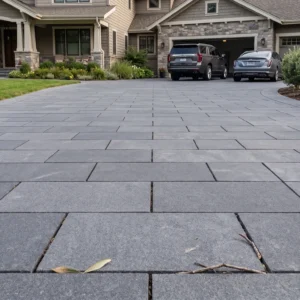
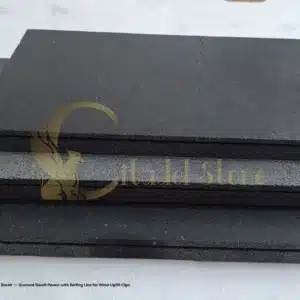
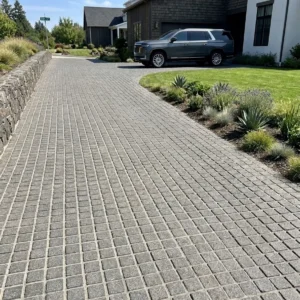
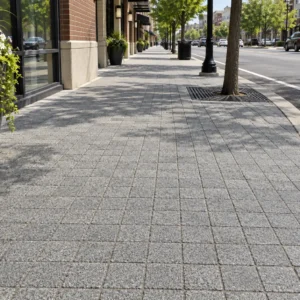
The 3 cm slab handles unsupported overhangs up to about 10 inches without a plywood substrate, while 2 cm material needs continuous support or a laminated buildup edge to look substantial. For paving and exterior applications, granite paving slabs in the 3 cm to 5 cm range distribute point loads far better than thinner tile, and you’ll see fewer corner failures over freeze-thaw cycles. Federal geological data confirms granite’s exceptional durability profile — USGS dimension stone production data tracks granite as one of the most widely specified construction stones precisely because it tolerates repeated loading without fatigue.
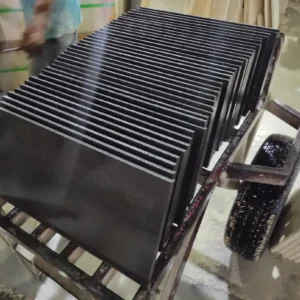
- 2 cm slabs: economical, ideal for vertical cladding and supported horizontal runs
- 3 cm slabs: the default for countertops and moderate overhangs, more forgiving of handling
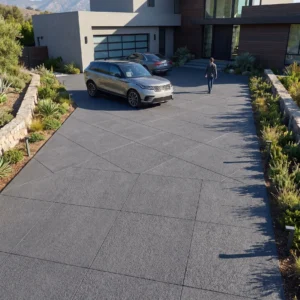
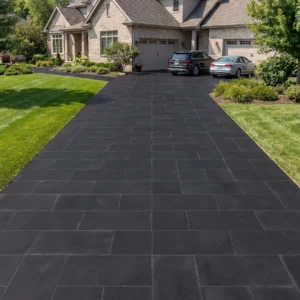
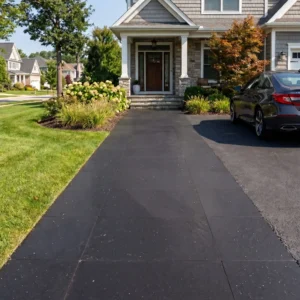
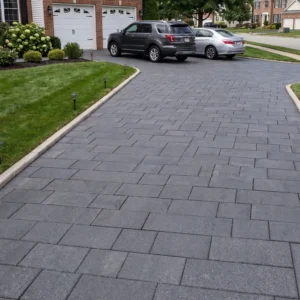
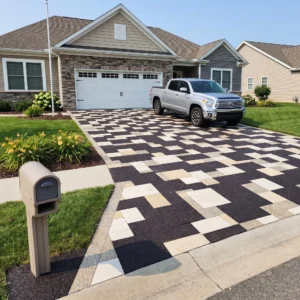
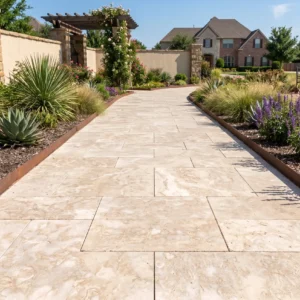
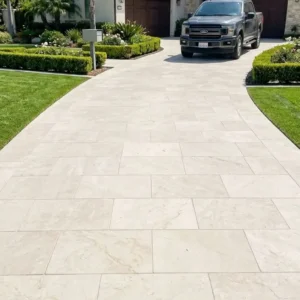
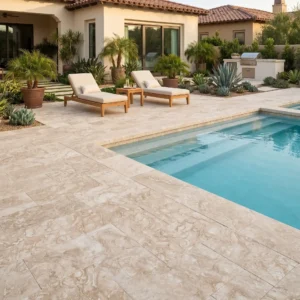
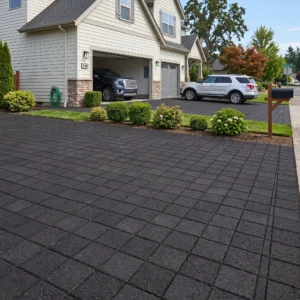
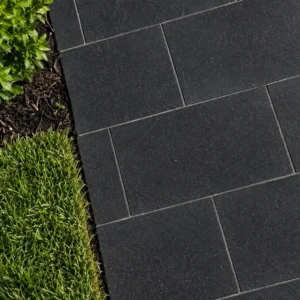
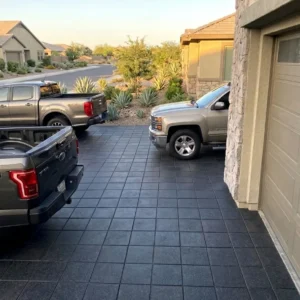
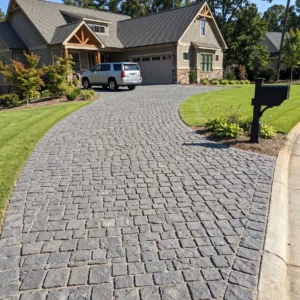
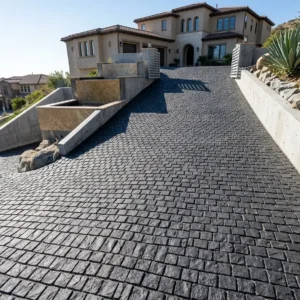
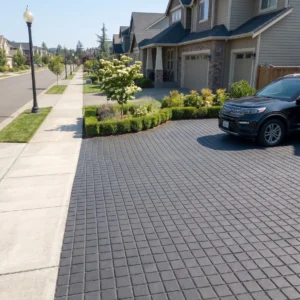
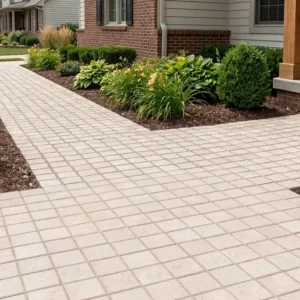
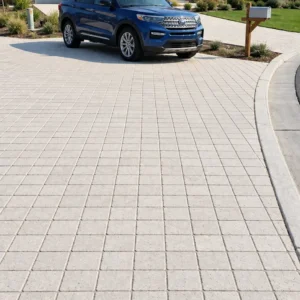
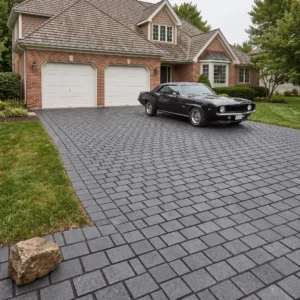
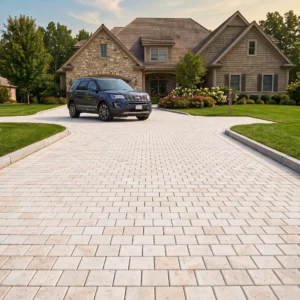
- Paving formats 3–5 cm: engineered for driveways, walkways, and high-traffic exterior zones
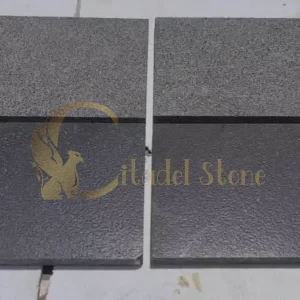
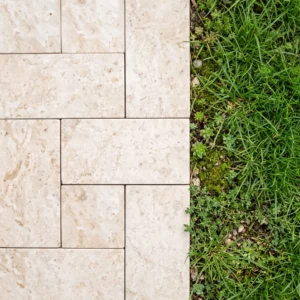
- Available in polished, honed, flamed, and brushed finishes to match your project requirements
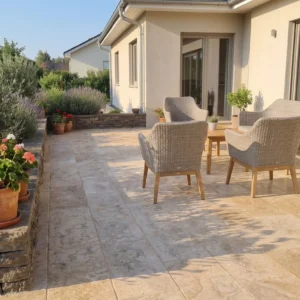
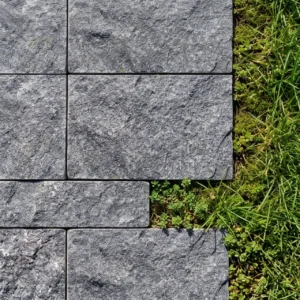
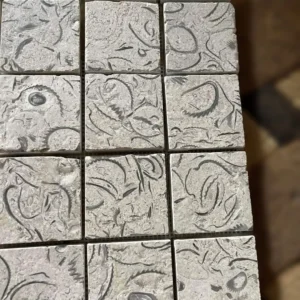
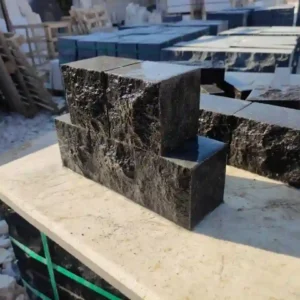
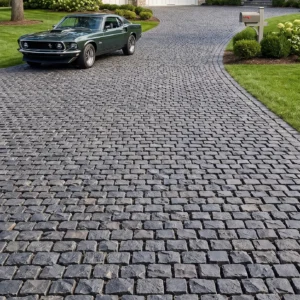
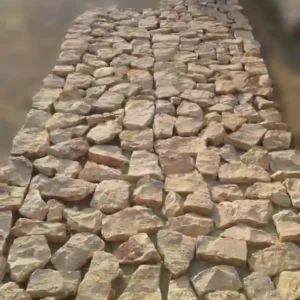
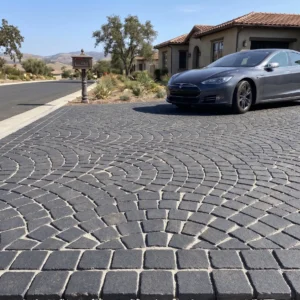
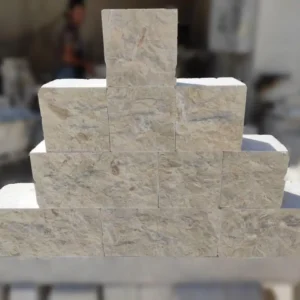
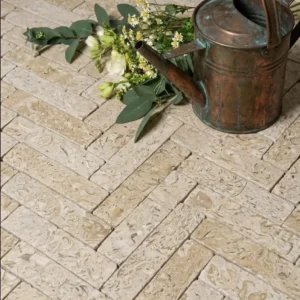
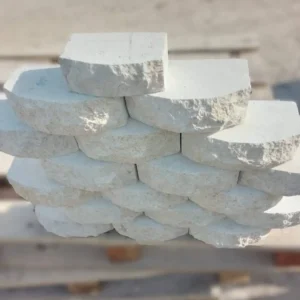
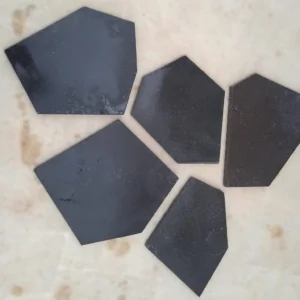
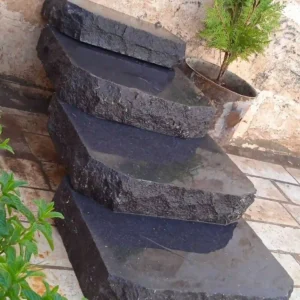
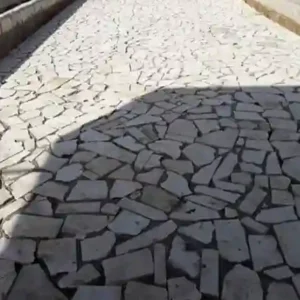
Format selection also touches aesthetics directly. In a formal architectural tradition — think symmetrical facades and classical proportion — large-format polished granite slabs read as intentional and grand. Rustic and cottage-style landscapes call instead for granite setts or split-face granite cobblestone, where the irregular surface and tumbled edge feel rooted and organic. The same stone reads completely differently depending on how the granite fabricators dress its surface.
Granite Color Palettes and Design Integration
Color drives more granite selection decisions than any technical property, and understanding how palettes interact with architectural context saves you from expensive mismatches. Granite runs from deep black through grey, silver, cream, and ivory into the speckled reds and blues that quarries produce in narrower volumes.
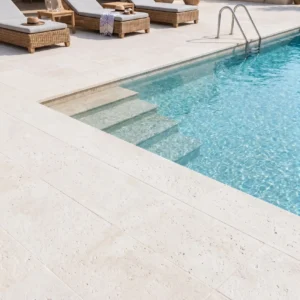
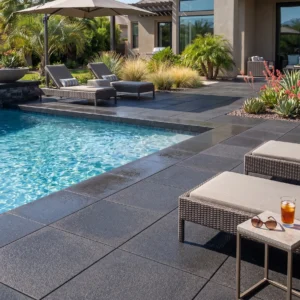
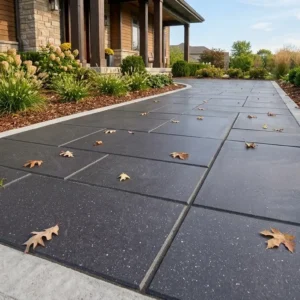
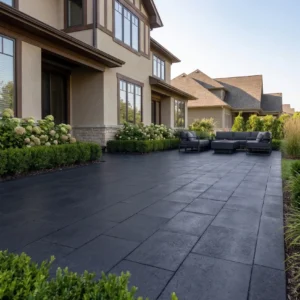
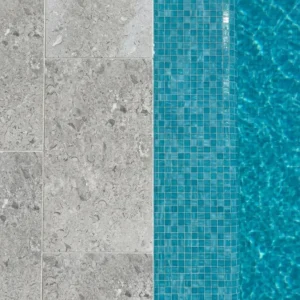
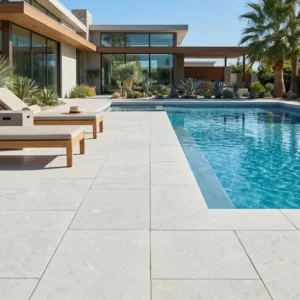
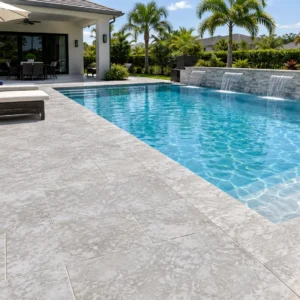
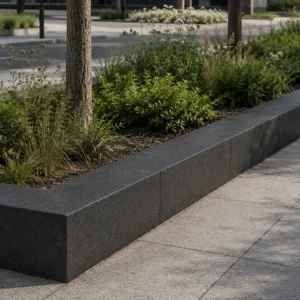
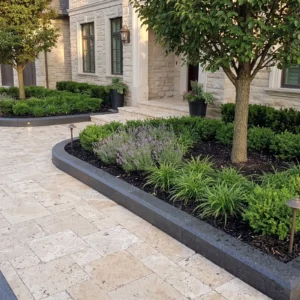
Here’s the design insight that pays off: cool grey and silver granite recede visually and pair naturally with contemporary, minimalist landscapes, while warm cream and ivory tones advance and complement Mediterranean and traditional palettes. Black granite delivers dramatic contrast in modern settings but shows dust and water spotting more readily on horizontal exterior surfaces — factor that into maintenance expectations before you commit. A marble & granite fabricator who understands these interactions will steer you toward the finish that suits your climate and use, not just the sample that looks best under showroom lights.
- Cool tones (grey, silver, charcoal): modern, architectural, recede visually to emphasize form
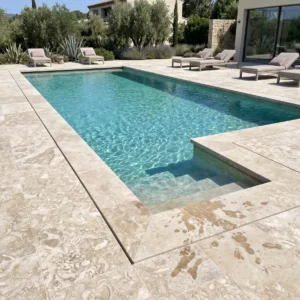
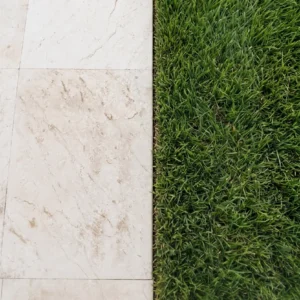
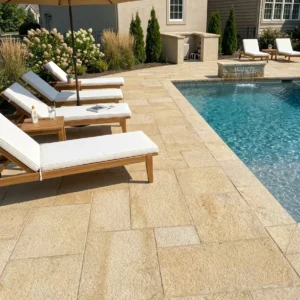
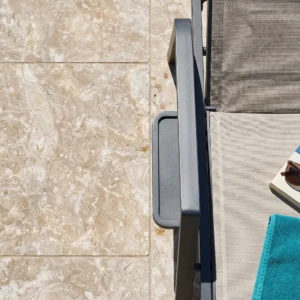
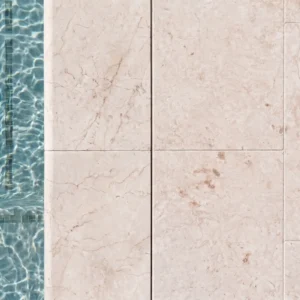
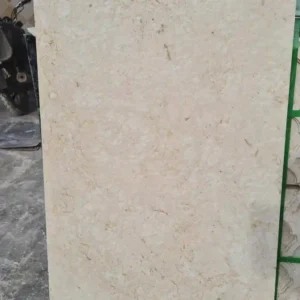
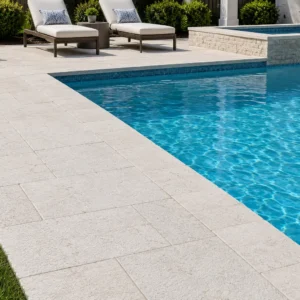
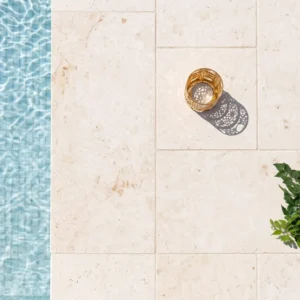
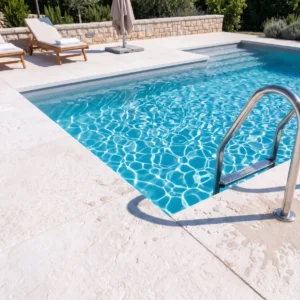
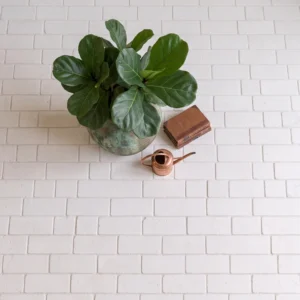
- Warm tones (cream, ivory, gold-flecked): traditional, welcoming, pair with brick and terracotta
- Deep black: high-drama contrast, best in low-dust environments or vertical applications
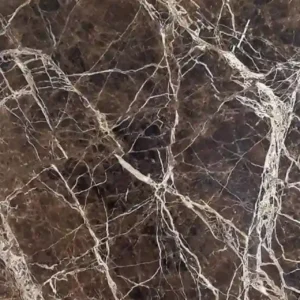
- Movement and veining: dramatic veined slabs suit feature surfaces; uniform grain suits large repetitive runs
Different quarry regions yield distinct color families, and the granite marble fabricators worth working with source consistently so your batch matches across a multi-crate order. Any experienced marble & granite fabricator will confirm that batch consistency separates a professional supply chain from a gamble. Citadel Stone sources from selected premium quarries across multiple regions, including selected quarries from the Middle East, and each batch is inspected at the warehouse for consistency before it ships — the kind of quality check that prevents the color drift that ruins large installations.
Installation and Base Preparation Essentials
Your installation quality depends on decisions made before a single slab is set. For interior countertops, cabinet leveling within 1/8 inch across the run prevents the seam stress that cracks granite over time. For exterior paving, the base is everything.
Field performance data shows granite paving over a poorly compacted base fails at the joints first, regardless of the stone’s inherent strength. You’ll want a compacted aggregate base of 4–6 inches for pedestrian areas and 8–10 inches for vehicular loads, with the subgrade compaction verified before aggregate goes down. The interaction between your aggregate base and regional soil expansion coefficients becomes critical in clay-heavy soils — under-build the base there and seasonal movement will telegraph through to the surface within two winters. Choosing the right granite fabricators matters here too, since crews who understand load paths cut and bed the stone accordingly. If you’re still assembling your team, how to choose granite installers walks through the vetting questions that separate reliable crews from the rest, and those criteria apply directly to the site conditions discussed here. Getting the subgrade right at this stage prevents the most common long-term failures.
- Verify subgrade compaction to 95% Proctor density before placing aggregate
- Slope exterior granite paving a minimum 1–2% for positive drainage away from structures
- Set setting-bed thickness consistently — variation here creates the lippage that trips pedestrians
- Allow expansion joints in large paved fields to accommodate thermal movement
Sealing and Long-Term Maintenance
Granite’s low porosity makes it far more forgiving than marble or limestone, but “low porosity” is not “no porosity.” The lighter, more crystalline granites absorb slightly more than dense black stone, so your sealing schedule should track the actual material, not a generic recommendation.
Test absorption with the water-drop method: a bead that darkens the surface within a few minutes signals it’s time to reseal. Most polished granite holds a penetrating sealer for 2–4 years indoors; exterior granite paving in freeze-thaw regions benefits from resealing every 1–2 years to keep water out of the microstructure. Sealing protocols for granite paving slabs differ from interior work because exterior stone faces UV, moisture cycling, and de-icing salts simultaneously — use a breathable penetrating sealer, never a topical film that can peel under thermal stress.
- Use pH-neutral cleaners; acidic products dull the polish over repeated use
- Reseal based on absorption testing, not a fixed calendar, to avoid over-application
- Address spills promptly on lighter granites where staining potential is marginally higher
- Inspect exterior joints annually and refresh jointing sand or mortar as needed
Natural Granite Versus Manufactured Alternatives
You’ll encounter products marketed as manufactured granite or engineered stone, and understanding the trade-offs helps you specify honestly. A synthetic granite supplier typically offers quartz-resin composites — engineered for color uniformity and lower porosity, but with a different performance envelope than natural stone.
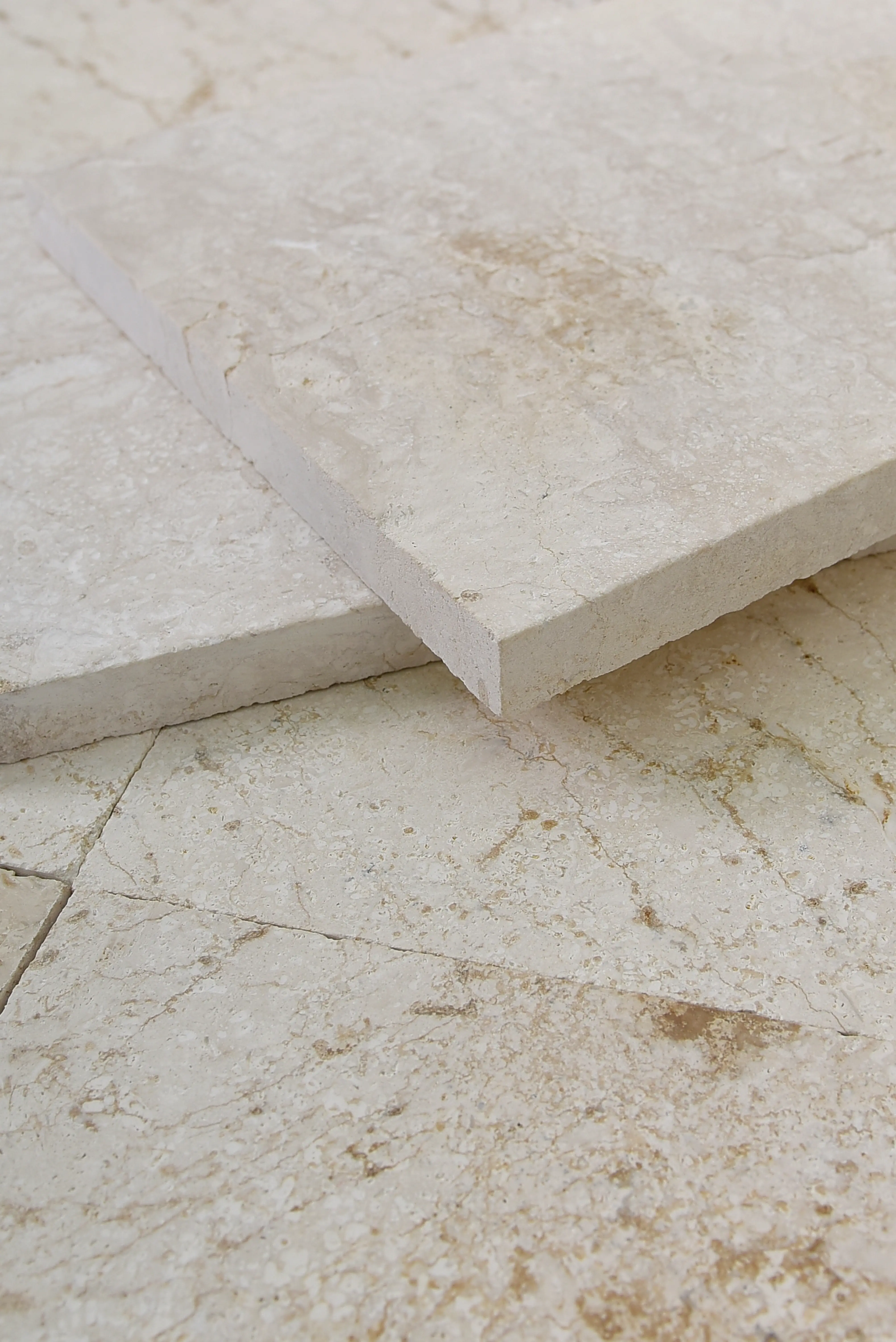
The honest comparison: manufactured granite delivers predictable color and consistent thickness, which appeals for large commercial runs where variation is a liability. Natural granite delivers unmatched heat resistance, genuine depth of character, and UV stability that resin-based products can’t match outdoors. Engineered composites can yellow or degrade under sustained sun exposure, so for exterior applications natural granite remains the durable choice. Before you settle on any synthetic granite supplier for an outdoor zone, weigh that UV limitation carefully. Working with granite marble fabricators who handle both lets you compare samples side by side and specify the right material for each zone of your project rather than defaulting to one for everything.
- Natural granite: superior heat and UV resistance, unique character, ideal outdoors
- Manufactured granite: color consistency, uniform thickness, better suited to controlled interiors
- Cost: bulk granite in natural form often competes closely with premium engineered stone
- Longevity: natural granite’s proven multi-decade field record outlasts most composite warranties
How to Compare Granite Fabricators Before You Commit
Not every fabrication shop delivers equal work, and the differences show up in the details you can’t see until installation day. A fab granite & tile operation running modern CNC equipment produces tighter tolerances than a shop relying on manual grinding, and that precision compounds across a large job. When you audit a fab granite & tile shop, look past the showroom and ask to see the cutting floor.
What often gets overlooked is quality-control documentation. Ask any granite fabricators you’re evaluating whether they photograph slab layouts before cutting and whether they perform final dimensional checks against your shop drawings. According to ASTM C615 granite quality standards, dimension stone should meet specific tolerances for flexural strength, absorption, and abrasion — a serious fabricator can reference these standards and confirm their material meets them. For custom cuts or non-standard formats, Citadel Stone’s team can advise on lead times and confirm which finishes and thicknesses are available before you finalize your specification.
- Confirm CNC and water-jet capability for repeatable, tight-tolerance cuts
- Request references and, ideally, photos of completed installations similar to yours
- Ask about seam philosophy and color-matched epoxy practice
- Verify they’ll dry-lay and photograph layouts for your approval before cutting
Buy Granite Fabricators Direct — Citadel Stone
Citadel Stone stocks granite in standard formats including 2 cm and 3 cm slabs, paving slabs from 3–5 cm, and cut-to-size tiles in polished, honed, flamed, and brushed finishes — with color families spanning black, charcoal, grey, silver, cream, and ivory. You can request sample tiles or full thickness specifications before committing to a project, and trade and wholesale enquiries receive volume pricing on bulk granite orders. Our team ships nationwide from regional warehouse inventory, keeping typical lead times to 1–2 weeks and coordinating truck delivery to match your install schedule. For projects requiring custom edge profiles or non-standard dimensions, contact us to discuss lead times and request a detailed quote. As you finalize your material palette, complementary hardscape elements can round out the design — granite cobblestone options for landscapes explores another dimension of Citadel Stone’s product range worth reviewing. Designers select Granite Fabricators from Citadel Stone — a hard, crystalline igneous stone valued for its durability — for paving and cladding projects.
See also: what do granite fabricators do.
Related guides: professional granite polishing guide · marble manufacturers · granite marble buying guide · Common Granite Marble Problems and How to Fix Them · granite construction basics · starting a granite fabrication shop.