

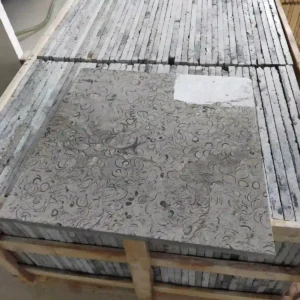
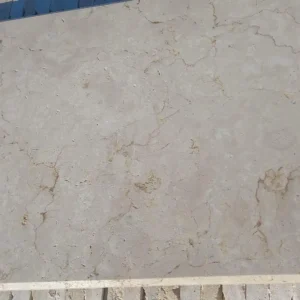



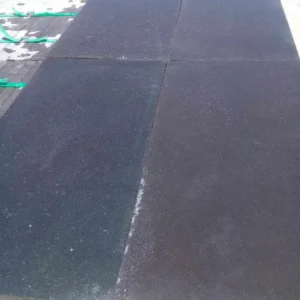
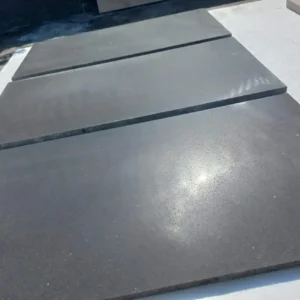









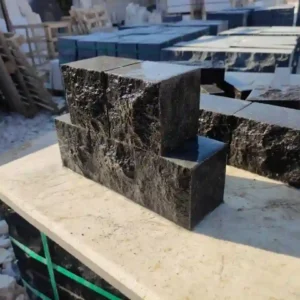
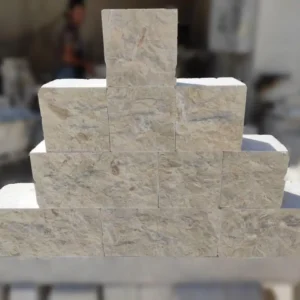
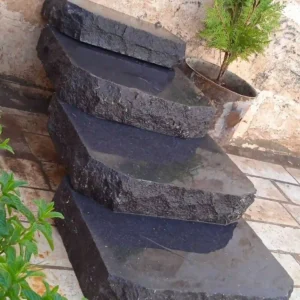
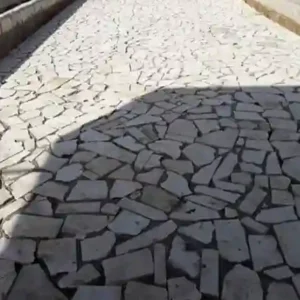
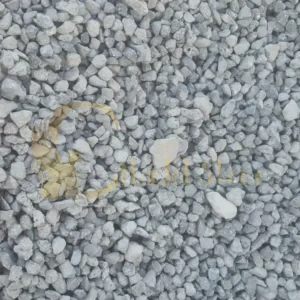
The single biggest sourcing mistake with Granite Suppliers is treating block color and grain as interchangeable across shipments — two slabs from the same quarry, cut six months apart, can carry visibly different feldspar-to-mica ratios that no photo catches. You’ll want to lock your batch reference before you commit tonnage, because granite’s crystalline structure means the vein pattern and background tone are geological, not manufactured, and they drift block to block. Verified suppliers document quarry lot numbers precisely so you can match a courtyard run against a stair run without a color break appearing under raking light. That single detail separates a specification that reads clean at handover from one that draws punch-list callbacks.
Working through granite supply at project scale means you’re really buying two things at once — the stone’s mechanical performance and the consistency of the pipeline behind it. Get both right and you’ve eliminated the two failure modes that swallow schedule.
What Makes Granite Perform the Way It Does
Granite earns its reputation from an interlocking crystalline matrix of quartz, feldspar, and mica that resists abrasion, weathering, and load in ways sedimentary stone cannot. You’re looking at compressive strength that varies with the specific deposit — ask for the tested value on the granite you are quoting. That density is exactly why granite handles vehicular loading and freeze-thaw cycling without spalling at the arris.
The performance numbers matter, but so does knowing where they come from. According to industry granite durability specifications, absorption rates below 0.4% are what give granite its frost resistance — water simply can’t migrate into the matrix to expand and fracture it. This is the property you lean on hardest in freeze-thaw regions.
- Compressive strength: request the tested value for the deposit you are buying from
- Water absorption: ask for the tested figure, which drives freeze-thaw resistance
- Abrasion resistance: high Mohs hardness from quartz content resists foot and vehicle wear
- Thermal stability: low expansion coefficient reduces joint stress across seasonal swings
Here’s what most specifiers miss — the finish changes the working numbers as much as the deposit does. A flamed surface opens micro-fractures at the skin that raise absorption slightly and improve slip resistance, while a polished face seals the surface but slicks up when wet. You choose the finish for the application, not the aesthetic alone.
Reading Granite Color and Grain for Your Design
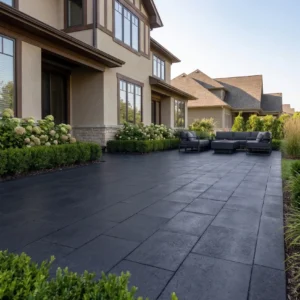
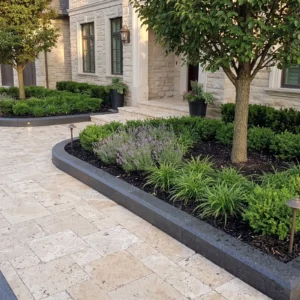
Granite color runs a genuinely wide gamut, and your selection should follow the architectural language of the project rather than a swatch chosen in isolation. Formal, traditional facades pair naturally with grey and silver granite whose even grain reads as quiet and structured. Contemporary work often pushes toward charcoal and true black granite for contrast against light stucco or glass, while warmer palettes lean on cream and ivory-toned deposits that soften a hardscape.
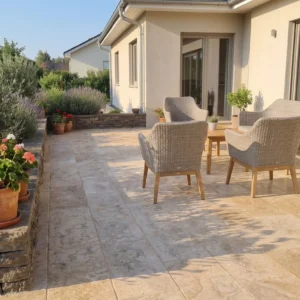
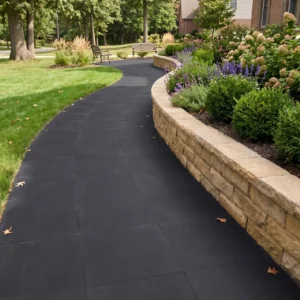
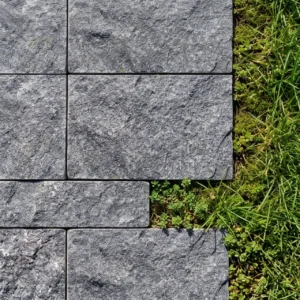
This is where the landscape and aesthetic side of stone selection earns real attention. A rustic garden setting with informal planting wants the movement of a speckled grey or dark grey block; a minimalist courtyard wants the flat, resolved surface of a graphite or black granite with tight, uniform crystals.
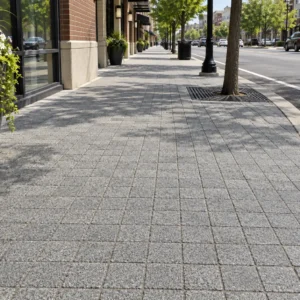
- Grey and silver granite: versatile, reads as neutral, pairs with nearly any material palette
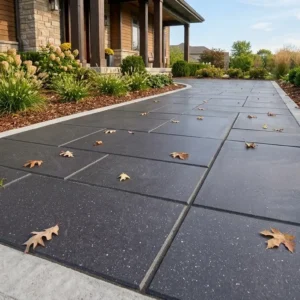
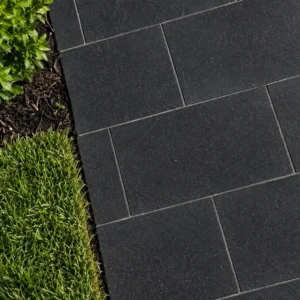
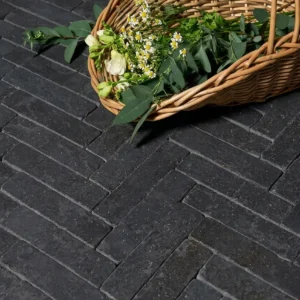
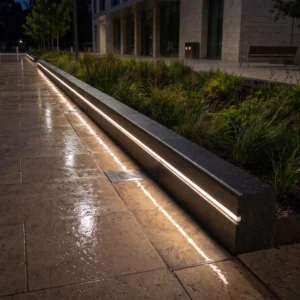
- Charcoal and graphite tones: strong contrast for modern landscape design and paving accents
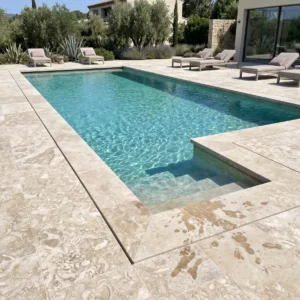
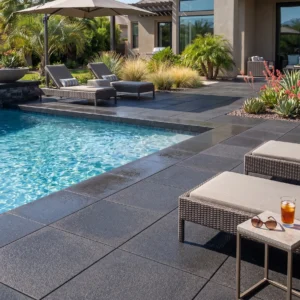
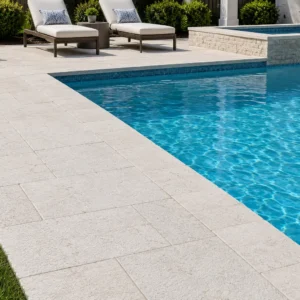
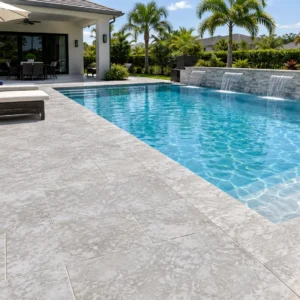
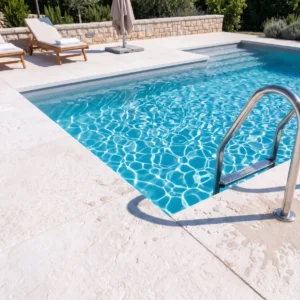
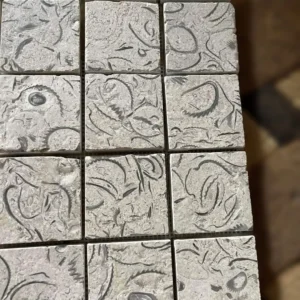
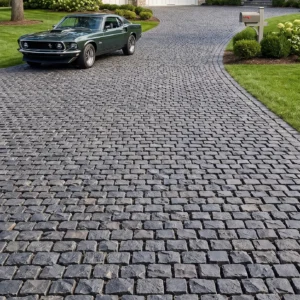
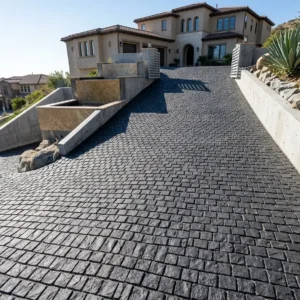
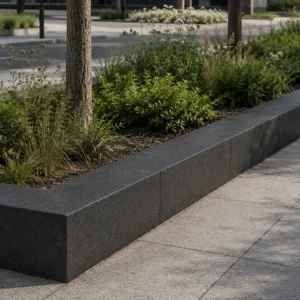
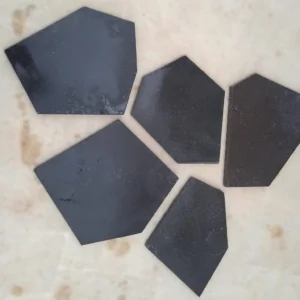
- Black granite: dramatic in setts, cobblestone borders, and pool coping edges
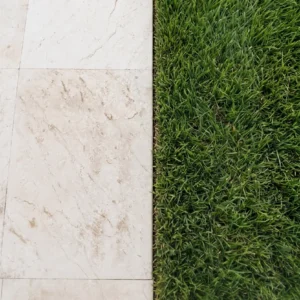
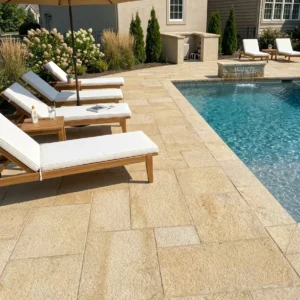
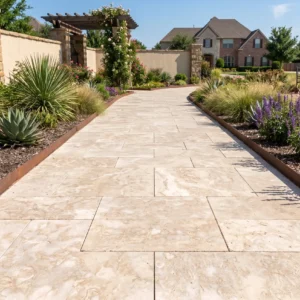
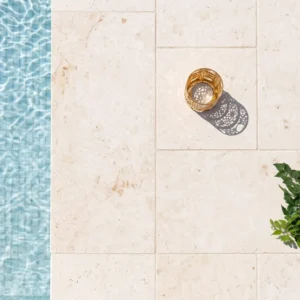
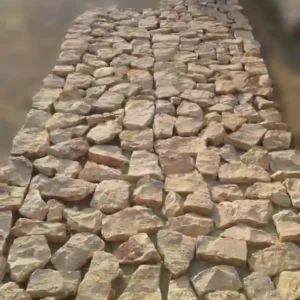
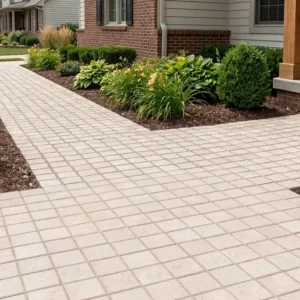
- Cream and ivory deposits: warm underfoot tone for garden paths and patio fields
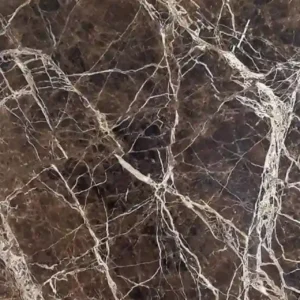
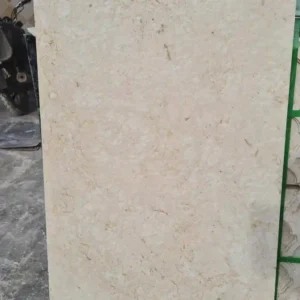
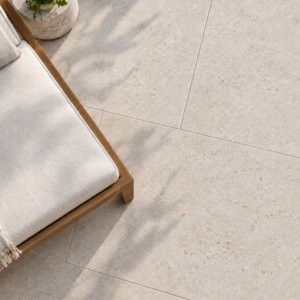
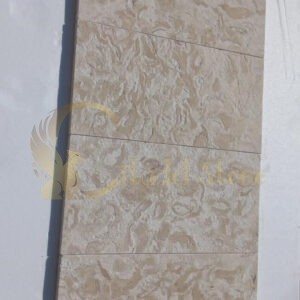
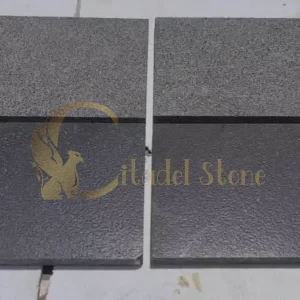
You’ll find that grain scale drives perceived color more than pigment does. A coarse-grained granite viewed from patio distance reads lighter and busier than the same deposit seen up close, so always evaluate a full slab or a multi-tile mockup at real viewing distance before you sign off. Citadel Stone stocks granite in standard paver, slab, tile, and sett formats, and you can request sample pieces to check tone against your other site materials before committing to a full order.
Matching Format and Thickness to the Application
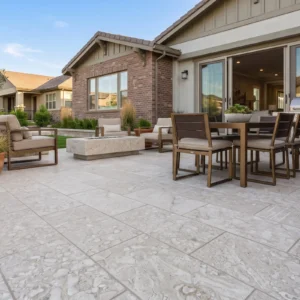
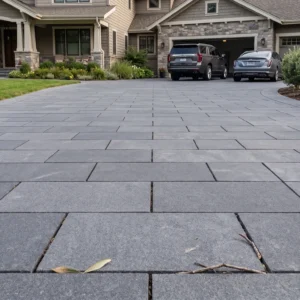
Format selection is a load-and-pattern decision before it’s ever a visual one. Granite paving slabs in the larger formats work beautifully across open patio fields, but the moment you introduce vehicle traffic you shift toward thicker sections and smaller units that distribute point loads and resist rocking.
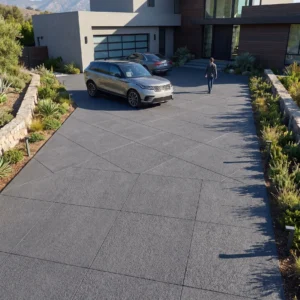
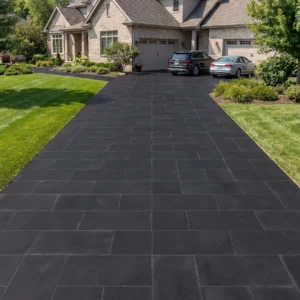
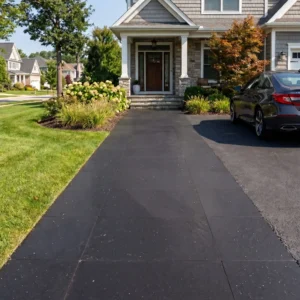
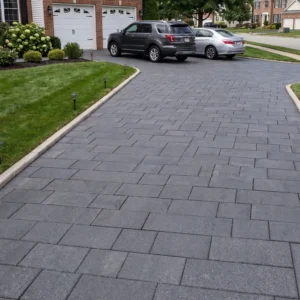
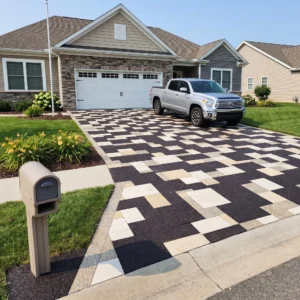
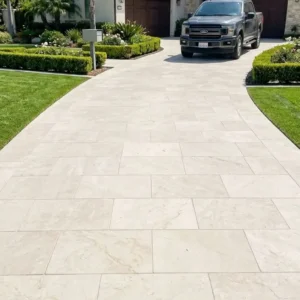
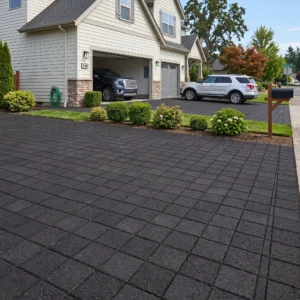
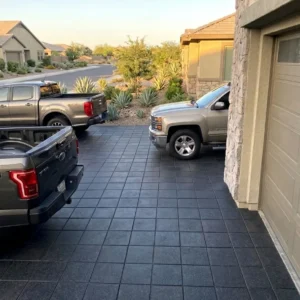
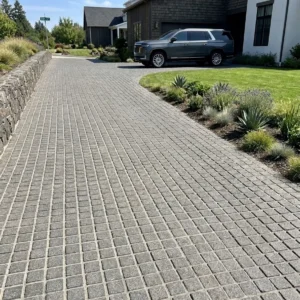
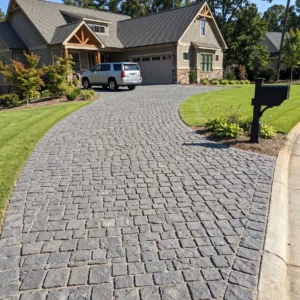
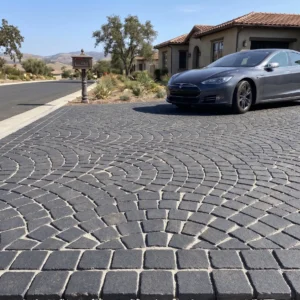
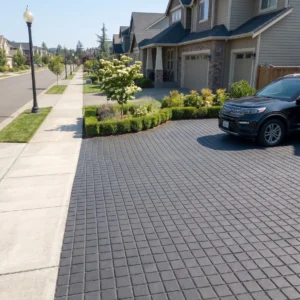
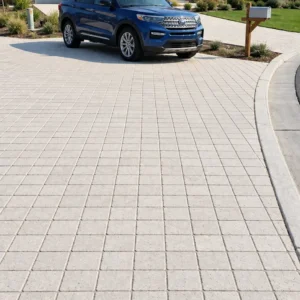
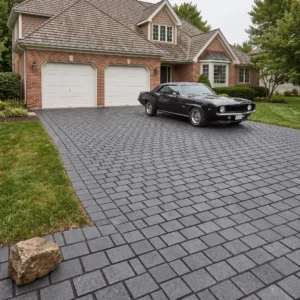
For driveways and any surface carrying vehicles, you want granite cobblestone, setts, or slabs at 2 inches nominal minimum, bedded on a properly compacted base. Foot-traffic patios and garden walkways tolerate thinner sections because the point loads are lower. The granite pavers you spec for a walkway don’t need the mass a turning car demands.
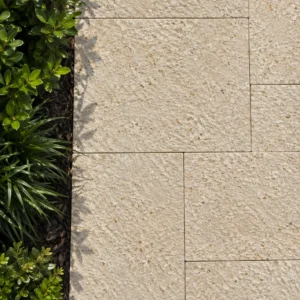
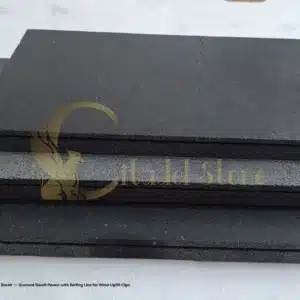
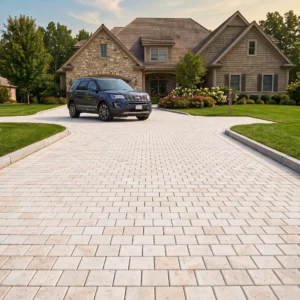
- Patio and garden fields: large-format slabs or tiles, 1.25–2 inch range for pedestrian loads
- Driveways and vehicle zones: setts, cobbles, or slabs at 2 inch minimum on compacted base
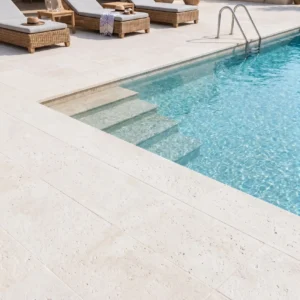
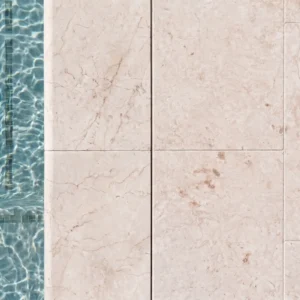
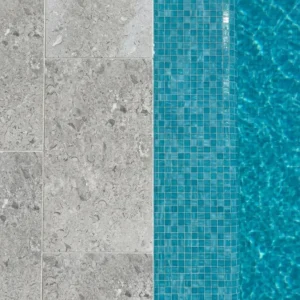
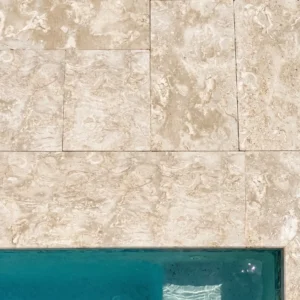
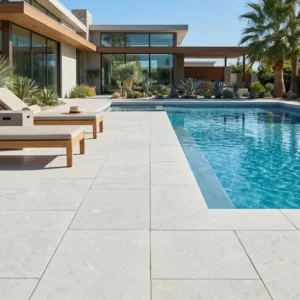
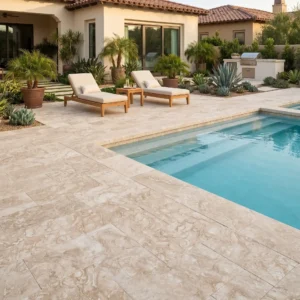
- Pool surrounds: honed or flamed finish coping and pavers for wet slip resistance
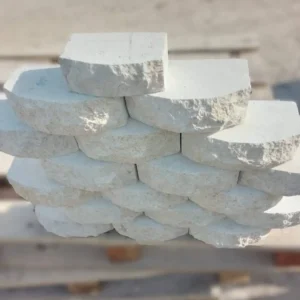
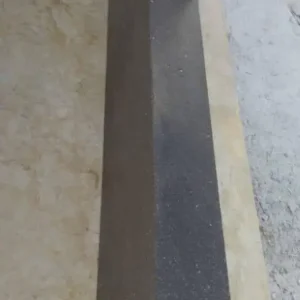
- Edging and borders: granite kerb stones and setts to frame paving fields cleanly
Base preparation is where field experience separates the durable installs from the ones that heave. In clay-heavy soils with high expansion coefficients, your compacted aggregate base needs extra depth and a genuine geotextile separation layer, because the interaction between subgrade movement and rigid stone is what cracks joints over the first few winters. For projects layering different stone elements, how to choose decomposed granite covers base and material detail that applies directly to mixed hardscape sites. Getting the subgrade right at this stage prevents the most common long-term failures you’ll ever face with granite.
Installation Details That Determine Longevity
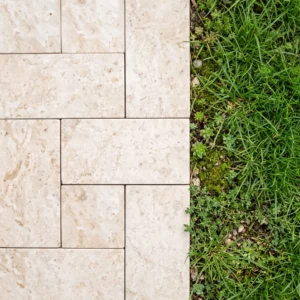
The joint is where granite installations live or die, and generic printed spacing recommendations often miss the mark for real site conditions. You should widen joint spacing on larger-format granite paving slabs to give the field room to breathe through thermal cycling, and tighten it on setts and cobbles where the interlock itself carries load.
Temperature during installation genuinely affects your setting window. Working in high-heat climates, mortar and jointing compounds cure faster, which forces you to work in smaller sections and adjust water content — otherwise you’ll trap a weak bond under a surface that looks finished. The granite dimension stone quality standards give you the flexural and dimensional tolerances to hold your supplier and your installer accountable to a measurable spec.
- Wider joints on large-format slabs accommodate thermal movement across seasons
- Tight, sand-filled joints on setts and cobbles engage mechanical interlock
- Adjust setting-material water content for ambient temperature at install
- Slope paving fields for positive drainage — standing water accelerates joint erosion
What often gets overlooked is edge restraint. Granite fields without a rigid perimeter — a concrete haunch or granite kerb — migrate outward under load and open the joints from the outside in. Spec the restraint as part of the paving package, never as an afterthought.
Maintenance, Sealing, and Long-Term Care
Granite is among the lowest-maintenance stone surfaces you can specify, but low-maintenance is not no-maintenance. Polished granite in an interior or covered application rarely needs sealing because its absorption is already near zero. Flamed and honed exterior granite benefits from a breathable impregnating sealer that resists staining without trapping moisture in the matrix.
You can expect 15–25 years of strong service from exterior granite paving with minimal intervention — an annual sweep-and-rinse, joint sand top-up on sett installations, and a resealing pass every three to five years on textured finishes. The stone itself outlasts the joints, so your maintenance is really joint maintenance.
- Polished interior granite: typically needs no sealer, wipe-clean surface
- Flamed and honed exterior granite: breathable impregnating sealer every 3–5 years
- Sett and cobble joints: periodic sand replenishment to maintain interlock
- Efflorescence on new installs: usually resolves with time and rinsing, not aggressive acid
Here’s a detail from the field — avoid acidic cleaners on any granite that includes calcite-bearing accessory minerals, which some darker deposits carry. A pH-neutral stone cleaner protects both the surface and the joint compound, and it’s the difference between a surface that stays crisp and one that etches dull over a decade.
How Granite Compares to Other Paving Stone
Choosing between granite and softer stone comes down to what your surface actually has to endure. Granite outperforms limestone and travertine on abrasion, load, and stain resistance, which is exactly why it dominates high-traffic and vehicular applications. Where softer stone wins is workability and warmth underfoot — travertine stays cooler barefoot, and limestone tools more easily for intricate cuts.
Cross-referencing against federal dimension stone production data confirms granite’s standing as a premium structural paving material, distinct from the sedimentary stones used more for their aesthetic softness. You buy granite when performance leads and aesthetics follow — and with the color range available, you rarely sacrifice one for the other.
- Granite versus limestone: higher abrasion and stain resistance, denser matrix
- Granite versus travertine: stronger under load, but travertine runs cooler barefoot
- Granite versus concrete pavers: superior longevity and natural color permanence
- Granite versus basalt: comparable hardness, granite offers a wider color and grain range
At Citadel Stone, we’ve learned through years of matching stone to application that the right question isn’t which stone is best — it’s which stone the specific surface demands. Our technical team walks that trade-off with you before an order ships.
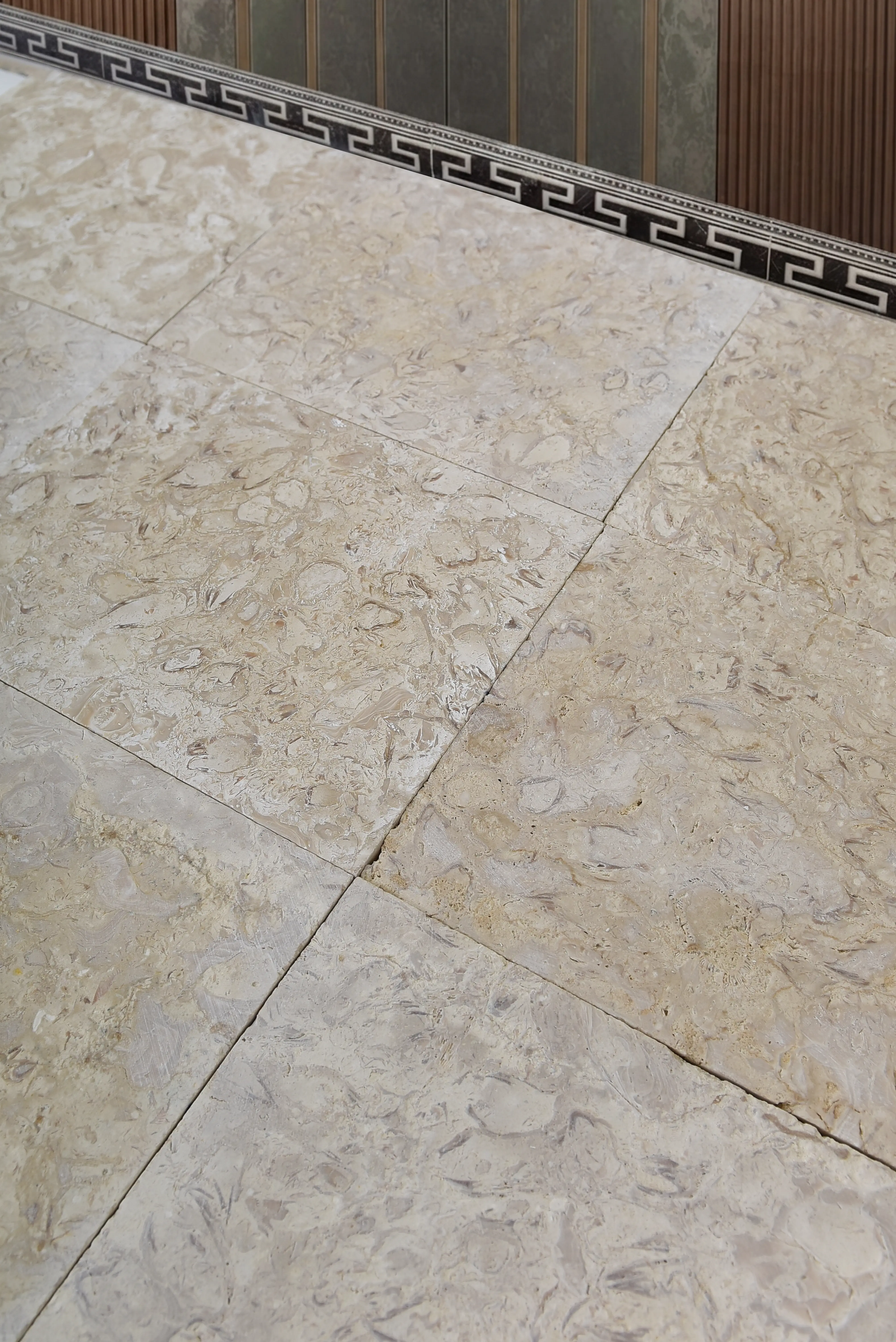
How to Evaluate Granite and Stone Suppliers
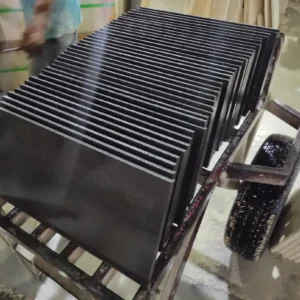
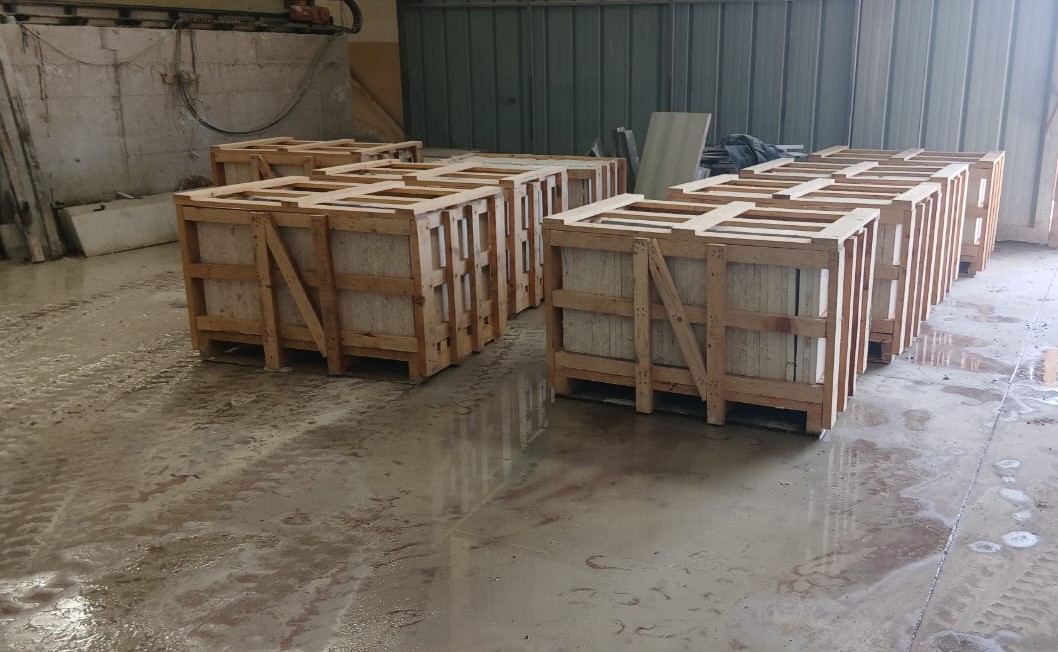
Choosing among granite and stone suppliers is really an exercise in verifying consistency and logistics, not just price. A capable granite supply company documents quarry lot numbers, inspects each batch for color and dimensional tolerance, and holds enough warehouse inventory to keep your schedule intact when a design change adds tonnage mid-project.
You should ask any supplier granite candidate three questions before you commit: can they match a repeat order to the original batch, what’s their real lead time from warehouse versus import, and will they provide physical samples cut from current stock. A serious granite stone suppliers operation answers all three without hesitation. Working with established granite and stone suppliers also means the granite supply company backing your order carries the depth to absorb a mid-project change without stalling your program.
- Batch documentation: quarry lot tracking for repeat-order color matching
- Inventory depth: warehouse stock that absorbs mid-project quantity changes
- Sample availability: physical pieces from current lots, not catalog photos
- Logistics transparency: honest lead times and truck delivery scheduling
Citadel Stone maintains warehouse inventory nationwide, which typically reduces lead times to one to two weeks against the six-to-eight-week import cycle most projects otherwise face. Any supplier granite operation worth engaging inspects each batch against the sample you approved, and a serious granite stone suppliers team sources from our established selected quarries so what leaves the warehouse matches what you signed off before it’s loaded on the truck.
Order Granite Suppliers — Nationwide Delivery from Citadel Stone
Citadel Stone stocks granite in standard paver, slab, tile, sett, cobblestone, and kerb formats across a full color range — grey, silver, charcoal, graphite, black, and warmer cream tones — ready for both trade and wholesale orders backed by dependable granite supply. You can request sample tiles or full thickness and dimensional specifications from our team before you buy, so you’re matching against physical stock rather than a screen. For projects needing custom cuts or non-standard formats, our specialists advise on lead times and coordinate truck delivery scheduling to fit your site access constraints.
Trade and wholesale enquiries move through a straightforward process — send your quantities and formats, and you’ll get pricing, current warehouse availability, and a realistic delivery window covering shipment anywhere in the country. Whether you’re pricing a cheap driveway run or a premium courtyard installation, requesting a quote starts the conversation. As you plan the full scope of your project, complementary stone features often round out the design — wall and garden stone options explore how Citadel Stone materials perform in a related landscape context. Builders source decomposed vs crushed granite, a hard, crystalline igneous stone valued for its durability, for projects across the country.
Related guides: Suppliers of Granite: How to Vet Your Source · local granite suppliers · paving slabs suppliers · Granite Tools Suppliers: Picking the Right Equipment · suppliers of granite worktops · what type of rock is granite.