




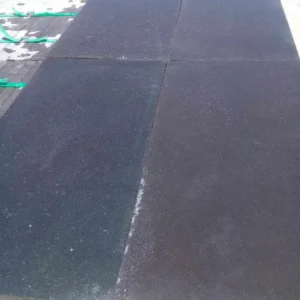
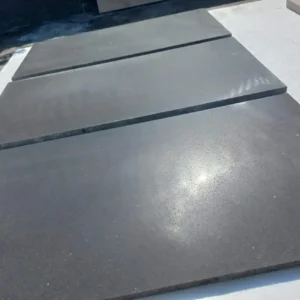
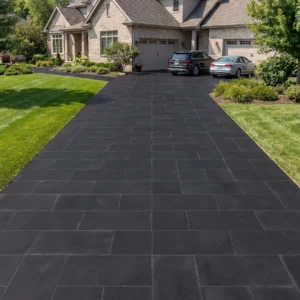
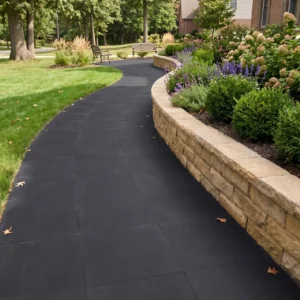






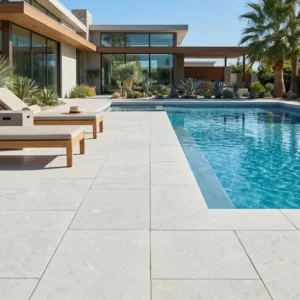
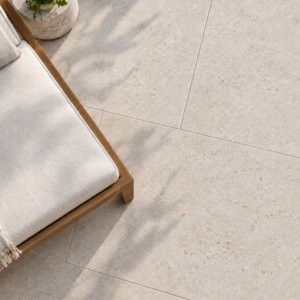


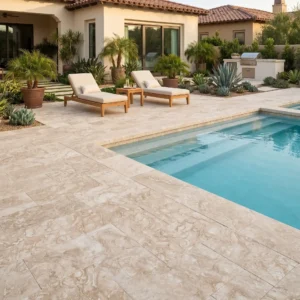
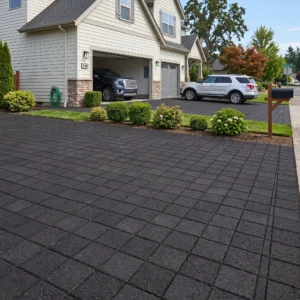

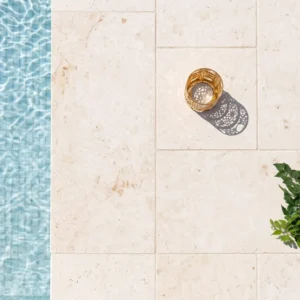
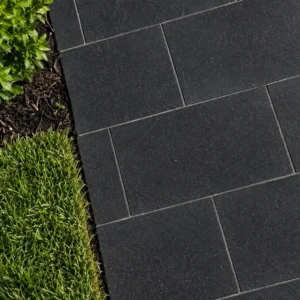
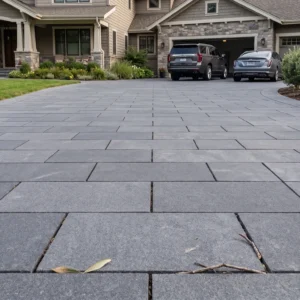






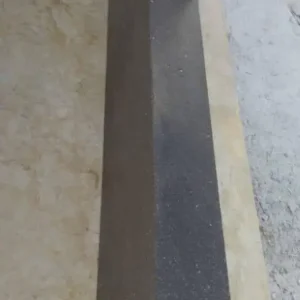
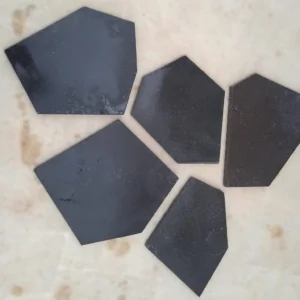
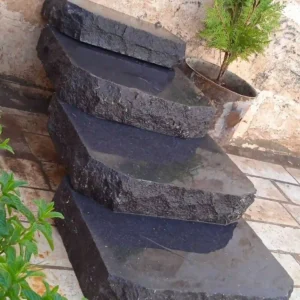
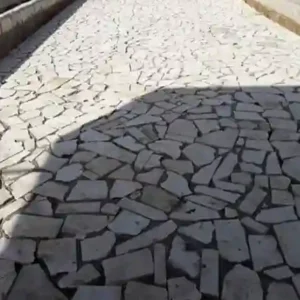

The riser-to-tread ratio on exterior stone steps carries a tolerance most crews ignore until callbacks pile up — you want risers between 5.5 and 7 inches paired with treads no shallower than 11 inches, and every riser in a single flight held within 3/8 inch of each other. Stone Steps & Treads live or die on that consistency, because the human gait locks into the first two steps and any deviation after that becomes a trip hazard. Get the dimensional layout right before you ever discuss material, and you eliminate the most common source of both accidents and litigation on exterior stair work.
You’ll find that solid stone treads behave differently than veneer-clad concrete steps, and that distinction drives nearly every downstream decision. A full-thickness limestone tread bears load through its own mass; a cladding transfers load to substrate. The specification path splits early, so let’s work through what actually matters when you’re building for longevity.
Selecting Stone for Exterior Treads and Steps
Material selection for exterior stair work comes down to three interlocking properties: compressive strength, water absorption, and abrasion resistance. Limestone steps handle the vast majority of residential and light-commercial applications when you spec dense varieties with absorption below 3%. The softer, chalkier limestones — the ones that feel warm and porous in hand — belong on vertical veneer, not horizontal traffic surfaces.
Here’s what most specifiers miss: the flexural strength of a solid tread matters more than compressive strength when the tread spans between stringers or rests on point supports. According to astm/”>NSI stone step design specifications, treads carrying pedestrian loads across an unsupported span need documented flexural values, and you should never assume a decorative-grade slab meets them.
- Compressive strength above 8,000 PSI for solid treads under normal foot traffic
- Water absorption under 3% to limit freeze-thaw damage in cold regions
- Abrasion resistance suited to expected traffic volume and grit exposure
- Consistent bed thickness so support bearing stays even across the flight
You can request sample tiles or thickness specifications from Citadel Stone before committing to a full order, which lets you run absorption and slip tests on the exact batch you’ll receive rather than a generic data sheet. Working with established limestone steps suppliers gives you access to that batch-level documentation instead of a marketing sheet.
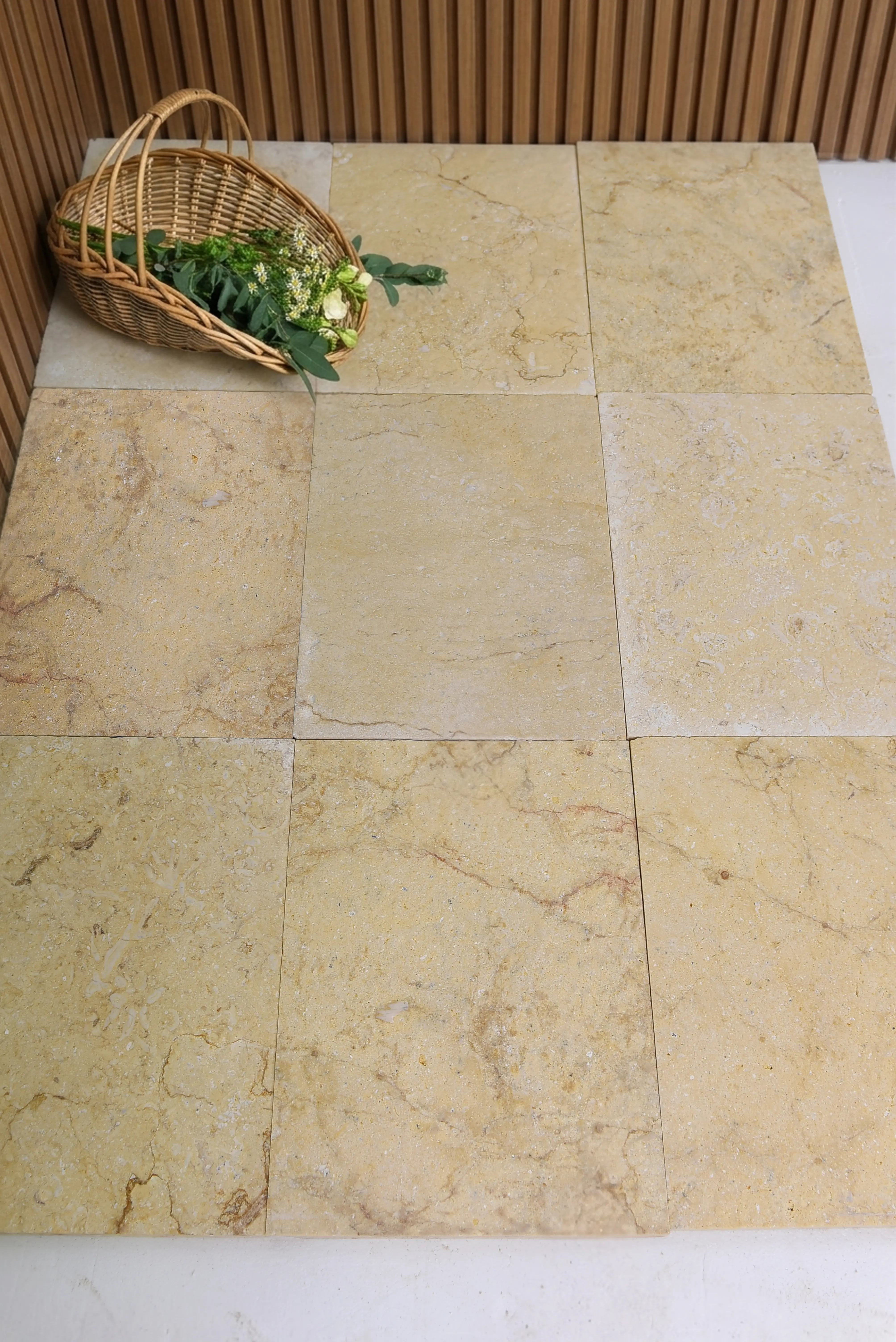
Bullnose Edge Profiles and Nosing Detail
The nosing — that leading edge of the tread — determines both the visual weight of the stair and its long-term durability. Bullnose stone steps suppliers typically offer full bullnose, half bullnose, and pencil-round profiles, and the choice isn’t cosmetic. A full bullnose sheds water cleanly off the front edge and resists chipping because there’s no sharp arris to spall under impact.
Your nosing overhang should sit between 1 and 1.5 inches beyond the riser face. Push it further and you invite leverage failure at the overhang; pull it back and the step reads flat and unresolved. Working with experienced bullnose stone steps suppliers means the profile comes pre-machined to a consistent radius, saving you the field-grinding that never quite matches from piece to piece.
- Full bullnose: maximum durability, best water shedding, softest visual line
- Half bullnose: cleaner architectural edge, moderate chip resistance
- Pencil round: subtle easing, suited to lower-traffic decorative flights
- Machined radius consistency across every tread in the flight
What often gets overlooked is that the nosing is where slip incidents concentrate, since it’s the pivot point of every descending step. A honed or lightly textured finish on the nosing zone gives you traction without the harsh feel of a fully flamed surface underfoot.
Slip Resistance and Safety Standards
Slip resistance on exterior stone treads isn’t optional — it’s the specification that keeps people upright and keeps you out of court. The surface finish you choose sets the coefficient of friction, and wet performance is what actually matters since dry stone rarely causes falls.
You’ll want to target a static coefficient of friction that holds up when the surface is wet and dirty, not just clean and dry in a showroom. Federal accessibility guidance under the ADA surface and slip resistance standards establishes the framework for stable, slip-resistant walking surfaces on stairs, and exterior treads should meet or exceed those baselines even on residential work.
- Honed finishes: smooth appearance, adequate wet traction with proper texture
- Flamed or textured finishes: aggressive grip for high-traffic or wet-prone flights
- Tumbled edges: softened aesthetic that still holds reasonable friction
- Grooved nosing bands: added descent traction at the critical pivot edge
The detail that matters most: finish wears down under traffic. A honed surface that tests well on day one loses texture over a decade of foot traffic and grit abrasion, so specify with the worn condition in mind, not the pristine one.
Structural Support and Installation Methods
Installation method depends entirely on whether you’re setting solid treads or cladding a structural core. Solid Stone Steps & Treads bear directly on compacted base or masonry support, while veneer treads bond to a concrete or block substrate that carries the load. Confusing the two produces cracked stone within a season.
For solid treads set on a masonry stringer or wall, you need full mortar bedding — no spot bedding, no five-dab method. A tread supported at only a few points concentrates stress at those bearing zones and telegraphs cracks straight through the stone. When specifying limestone steps for a full-bed installation, your setting bed should be continuous and consistent in thickness to distribute load evenly.
Base preparation standards vary with soil composition and expected loads, and the subgrade decisions you make here determine whether the flight settles evenly or racks over time. For projects on graded terrain, stone steps on a slope covers specification details that apply to similar sloped site conditions. Getting the subgrade and drainage right at this stage prevents the differential settlement that ruins otherwise sound stone work.
- Full continuous mortar bed for solid treads, never spot bedding
- Compacted, well-drained base to prevent frost heave and settlement
- Slight forward pitch — around 1/8 inch per foot — to shed water off treads
- Expansion accommodation at flight ends and against adjacent structures
Weather, Storm Loads, and Long-Term Durability
Severe weather stresses exterior stone steps in ways that steady-state performance data won’t reveal. Wind-driven rain forces water into joints under pressure, hail impact can spall unprotected arrises, and the mechanical stress of storm debris tests the anchorage of every tread. Solid stone earns its reputation here — mass resists uplift and impact where lighter systems fail.
In regions that see high winds and driving storms, the vulnerability isn’t the stone itself but the connection between stone and substrate. A properly full-bedded limestone tread stays put under wind load because its own weight anchors it; a poorly bonded veneer tread can lift or shift when water infiltration undermines the bond line. Detail your joints and bedding for the worst storm event your region delivers, not the average day.
- Solid tread mass resists wind uplift and storm-driven mechanical stress
- Sealed, well-tooled joints prevent pressure-driven water infiltration
- Chip-resistant bullnose profiles absorb hail and debris impact better than sharp edges
- Positive drainage removes standing water that accelerates freeze-thaw damage
Field performance data shows that the steps failing after a decade in harsh weather almost always trace back to water management, not stone quality. Limestone that absorbs and holds moisture through repeated freeze-thaw cycles will eventually delaminate at the surface, which is exactly why absorption rate should headline your material spec in cold, storm-prone regions.
Sealing and Ongoing Maintenance
Sealing protocols for exterior limestone steps differ from interior flooring because outdoor exposure demands breathable, penetrating sealers rather than film-forming topcoats. A film sealer traps moisture that migrates up from the base and eventually blisters, while a penetrating sealer reduces absorption without sealing vapor inside the stone.
You can expect a realistic maintenance cycle of resealing every two to three years on high-traffic exterior treads, adjusted for climate severity and traffic. Salt exposure in cold regions shortens that window, since deicing chemicals attack the surface and drive resealing frequency up. Skip the sealer entirely on a dense, low-absorption limestone in a mild climate — over-sealing wastes money and can trap moisture you’d rather let breathe.
- Penetrating breathable sealers for exterior stone, never film-forming topcoats
- Resealing every 2–3 years under normal traffic, more often with salt exposure
- Prompt debris removal to limit organic staining and grit abrasion
- Neutral-pH cleaners only — acidic products etch calcium-based stone
Formats, Finishes, and Color Options
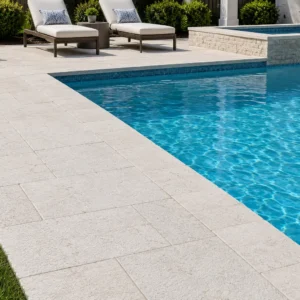
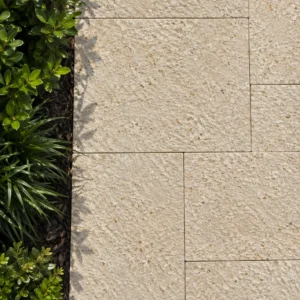
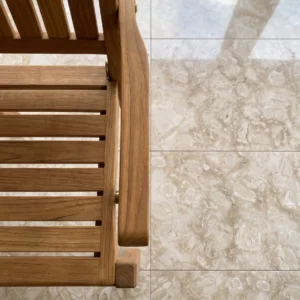
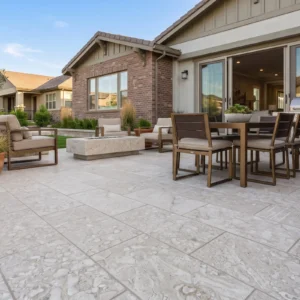
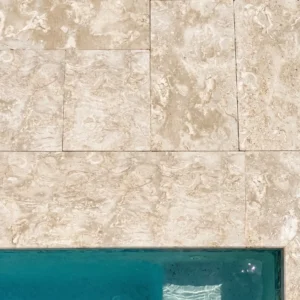
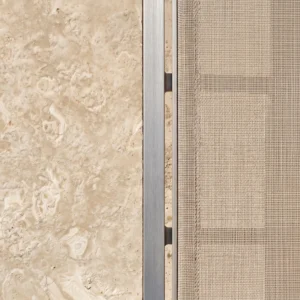
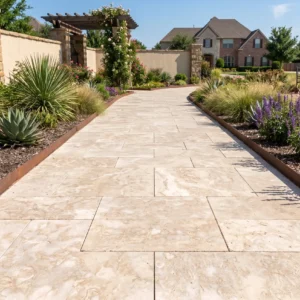
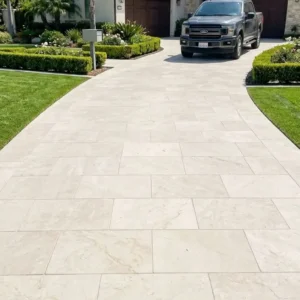
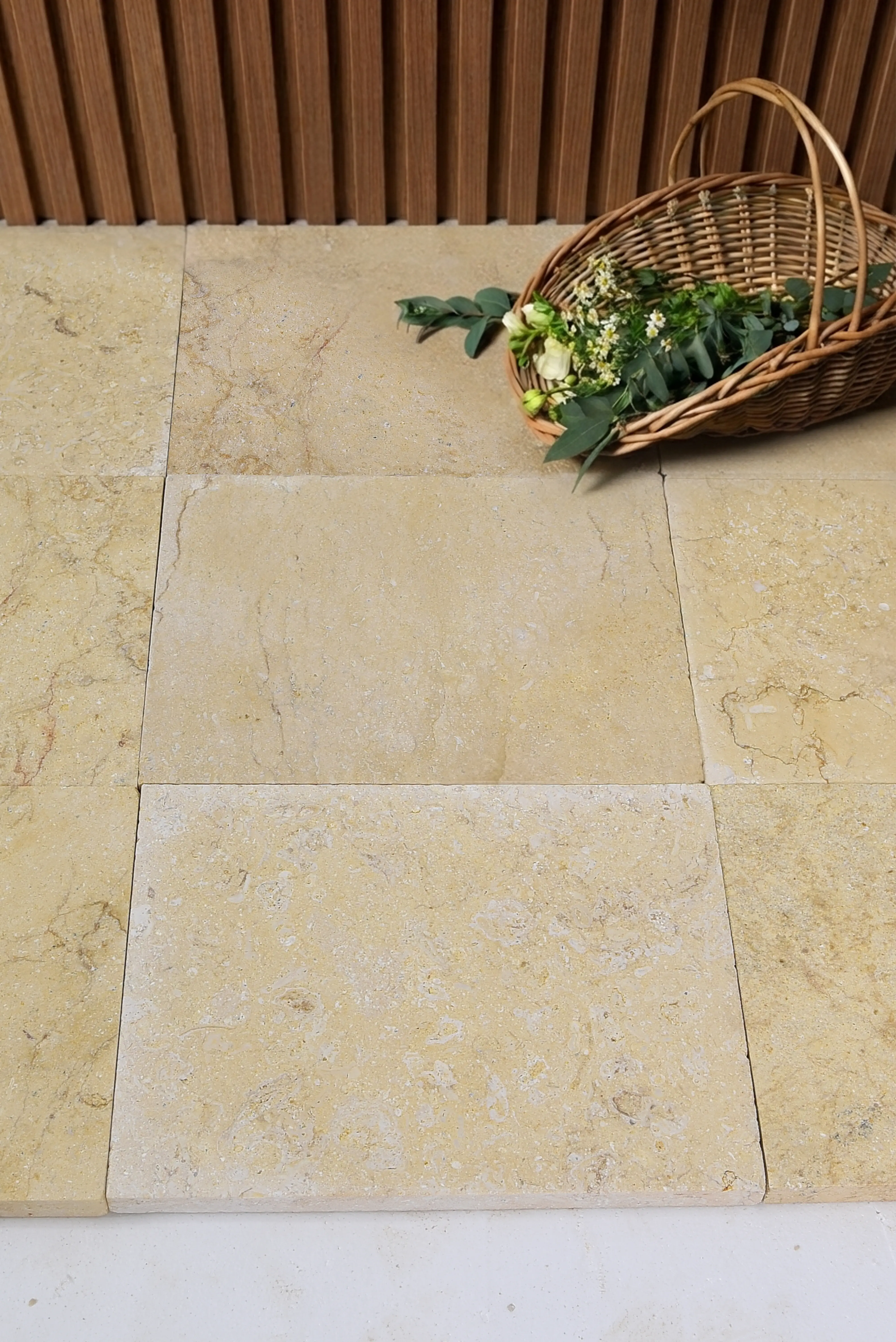
Available formats span standard tread depths, custom riser heights, and coordinated landing slabs, so you can match the stair to the exact geometry your site requires. Color choices in natural limestone run from cream and ivory through warm buff tones into gray, letting you tie the steps into surrounding hardscape or architecture without resorting to dyed or manufactured product.
At Citadel Stone, we inspect each batch at our warehouse for dimensional consistency and finish uniformity before it ships, because a tread that varies in thickness throws off the entire setting bed. Sourced from our selected premium quarries, every shipment is checked for the color and texture consistency that matters when a client is standing on a finished flight comparing tread to tread.
- Standard and custom tread depths to match code and site geometry
- Coordinated riser and landing pieces in matching stone and finish
- Cream, ivory, buff, and gray tones drawn from natural limestone
- Honed, flamed, tumbled, and brushed finishes for varied traction and look
For projects requiring custom cuts or non-standard riser dimensions, Citadel Stone’s team can advise on lead times and machining tolerances before you finalize the layout.
Buy Stone Steps & Treads Wholesale — Nationwide Delivery
Citadel Stone stocks Stone Steps & Treads in standard tread and riser formats, with custom machining available for non-standard geometry. Whether you’re pricing a single residential flight or bidding a commercial project with dozens of treads, you can buy direct at wholesale pricing and request samples of the exact stone before committing tonnage. Our warehouse network maintains inventory nationwide, which typically holds lead times to 1–2 weeks rather than the 6–8 week import cycle most overseas orders face.
To move a project forward, request a quote with your tread dimensions, quantity, and finish preference, and the team will confirm availability, machining lead time, and delivery scheduling to your site. Trade and wholesale enquiries get direct pricing, and truck delivery coverage extends nationwide from regional inventory. As you round out a full hardscape scope, related stone elements often share sourcing and installation logic — working with masonry stone suppliers covers a complementary dimension of the same project planning. Contractors and designers rely on how to build stone steps, sourced from quarries across the Mediterranean and Middle East, for commercial work.
Related guides: granite steps · natural stone steps cost · Slab vs Precast Stone Steps: Which Should You Choose? · stone veneer for steps · outdoor stone steps ideas · stone steps in grass.