

























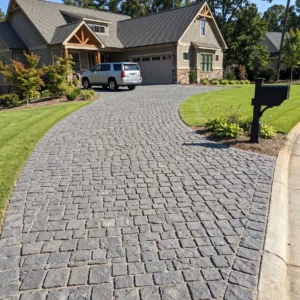
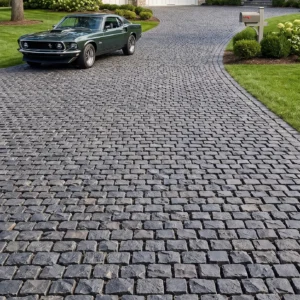

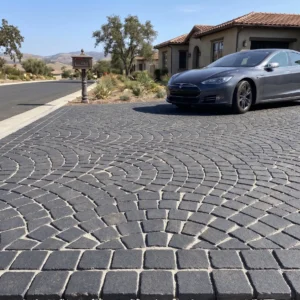

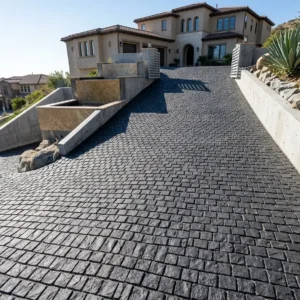

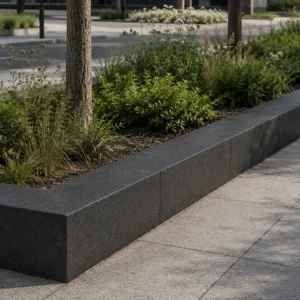
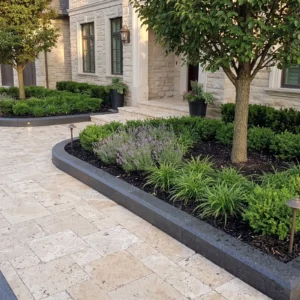
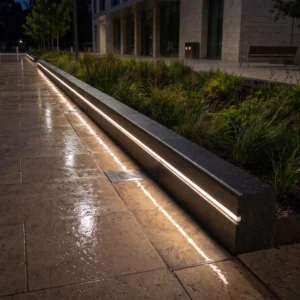





Wall Stones & Garden Stones live or die by one specification most homeowners overlook entirely — the frost line depth beneath your footing determines whether your wall stands plumb for decades or heaves and cracks by its third winter. You’ll find that the stone itself is rarely the failure point; the base and the code-mandated footing depth are where projects go wrong. That’s the difference between a wall you build once and a wall you rebuild twice. Getting this right starts before a single stone is laid.
The buyers who call after a wall failure almost always describe the same symptom — bulging courses, opened joints, a slow lean that got worse each spring. Diagnosing it takes about ten seconds because the root cause is nearly always insufficient footing depth relative to the local frost line. You’ll save yourself that entire cycle by treating structural detailing as the first decision, not the last.
What Sets Quality Wall and Garden Stone Apart
The material you choose sets the ceiling on performance, but not the floor — that’s set by installation. Still, stone density, water absorption, and compressive strength matter enormously for any load-bearing application. Dense limestone and granite handle both structural and decorative roles, while softer sedimentary stone works better for non-structural garden features where freeze-thaw exposure is limited.
You’ll want to evaluate a few properties before committing to a supplier. Reputable wall stone suppliers provide absorption and strength data on request, and you should ask for it — vague answers are a red flag. The best stone wall suppliers stock material graded and inspected for consistency, which matters when you’re dry-laying courses that need to interlock predictably.
- Water absorption below 3% for exterior load-bearing applications in freeze-thaw regions
- Compressive strength adequate for retaining wall backfill pressure and surcharge loads
- Consistent bed thickness across a pallet, which speeds dry-stacking and reduces shimming
- Angular faces on setts and blocks for mechanical interlock in garden wall stone applications
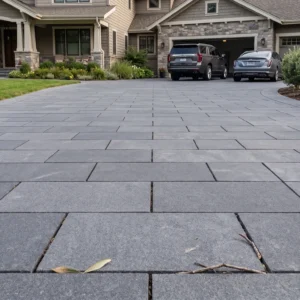
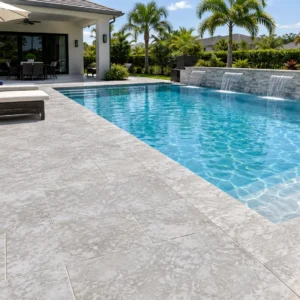
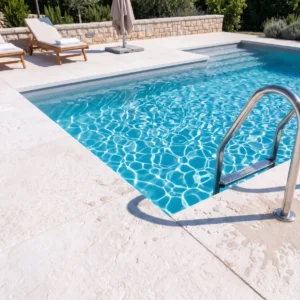
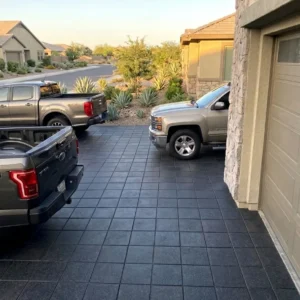
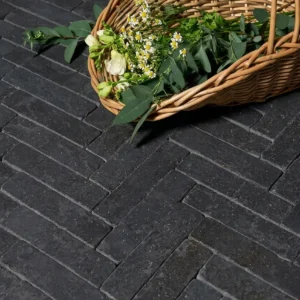
- Color and shade consistency across batches — grey, charcoal, cream, and buff tones vary by quarry lot
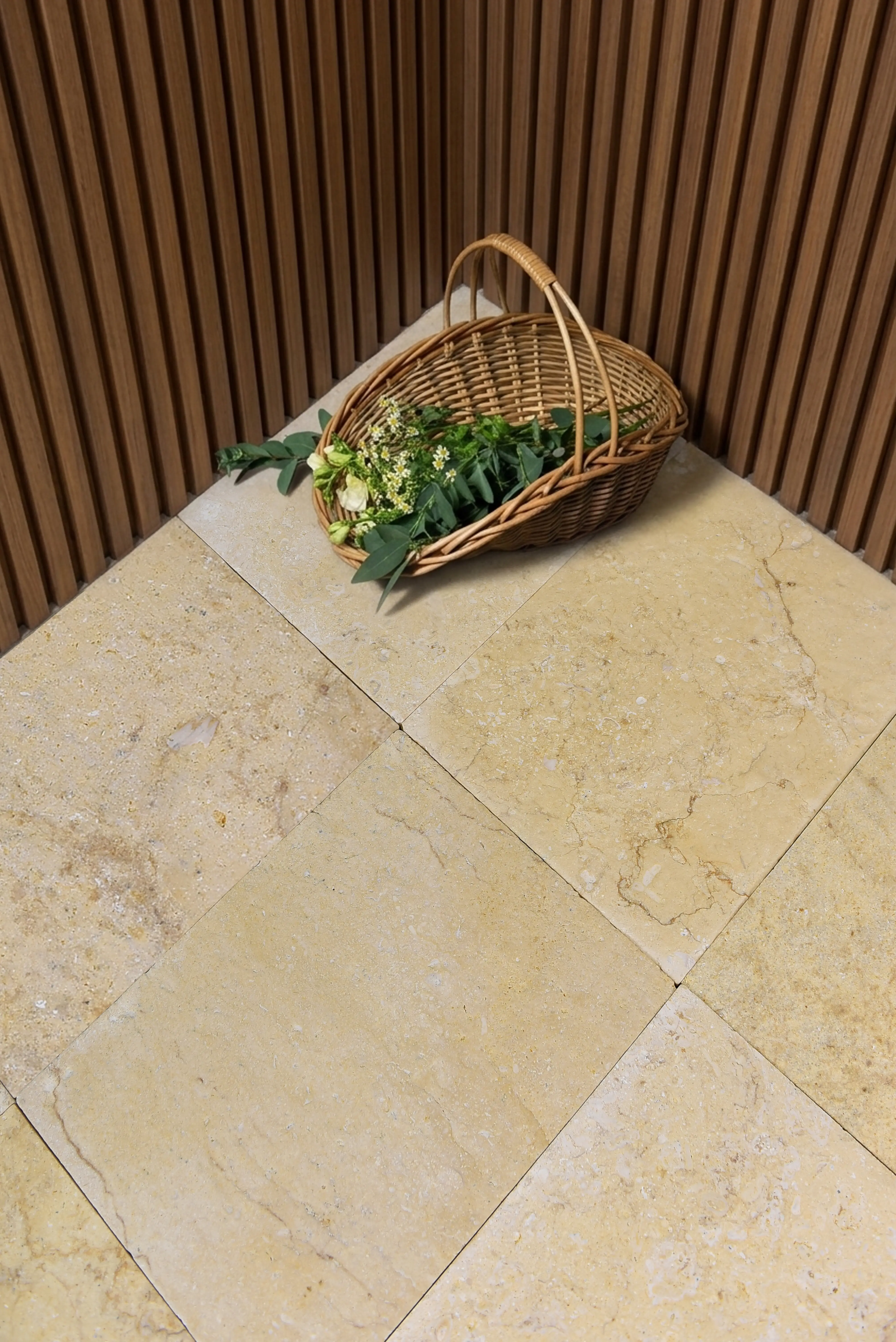
Color options run a wide range across the natural stone spectrum. You’ll find grey and dark grey the most versatile for both walls and fencing stone applications, while cream and ivory tones warm up garden features. As reference, industry stone variety data outlines how mineral composition drives both durability and appearance across these categories.
Building Codes and Structural Requirements You Can’t Skip
Here’s what most specifiers miss — retaining walls above a certain height trigger engineering and permit requirements in nearly every jurisdiction. The common threshold sits around four feet of exposed height, measured from the bottom of the footing, though your local code may set it lower. Cross that line and you’ll need a stamped design accounting for soil pressure, surcharge, and drainage.
The frost line drives your footing depth, and it varies dramatically by region. In cold-winter zones the frost line can reach 42 inches or deeper, meaning your footing must bear below that depth to avoid seasonal heave. In mild regions you might get away with 12 inches. Never guess this number — pull it from your local building department, because a footing that bears above the frost line will move.
- Confirm frost line depth with your local building authority before excavating any footing
- Retaining walls over roughly four feet typically require engineered, permitted designs
- Seismic zones add lateral load requirements that affect wall geometry and reinforcement
- Drainage behind retaining walls is code-mandated in most jurisdictions, not optional
- Setback requirements from property lines govern where garden walls can legally sit
Seismic considerations reshape the design entirely in active zones. You’ll need wider footings, batter (the backward lean of the wall face), and sometimes geogrid reinforcement in the backfill. For masonry-specific requirements, the IBC masonry code provisions lay out the load-bearing and veneer anchoring standards that apply to structural stone walls. Reading these before you design saves an expensive redesign after plan review.
Base Preparation and Drainage That Actually Holds
The subgrade determines everything downstream. You’ll excavate to your frost-line footing depth, then build a compacted aggregate base — typically 6 inches of well-graded crushed stone compacted in lifts. Skip the compaction in lifts and you’ll get differential settlement that telegraphs straight up through the wall face within a couple of seasons.
Drainage behind a retaining wall isn’t a nicety — it’s the single most common reason walls fail after the base is done right. Hydrostatic pressure from saturated backfill exerts enormous lateral force. You’ll install a perforated drain pipe at the footing level, wrap the backfill zone in free-draining gravel, and separate it from native soil with filter fabric to prevent clogging. The interaction between compacted aggregate and clay-heavy regional soils becomes critical here, because expansive clay amplifies pressure dramatically when wet.
Base preparation standards shift with soil composition and expected loads, and the same principles carry across dry-laid and mortared construction. For projects combining these techniques, how to build dry stone wall covers detailing that applies directly to these site conditions. Getting the subgrade and drainage right at this stage prevents the failures that show up years later.
- Excavate to footing depth below the frost line, never to a fixed generic number
- Compact aggregate base in 3-inch lifts rather than a single dumped layer
- Install perforated drainage at footing level, daylighted to a low point
- Use filter fabric between free-draining gravel and native soil to prevent silt migration
- Slope the drainage path a minimum of 1% toward the outlet
Choosing Formats, Sizes, and Finishes for Your Project
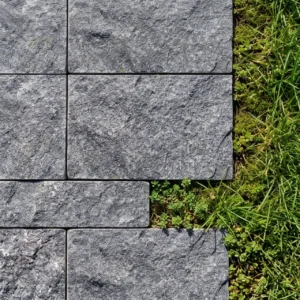
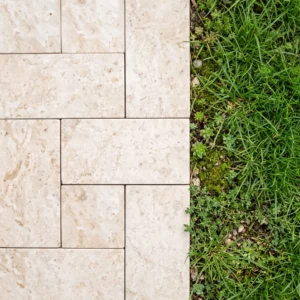
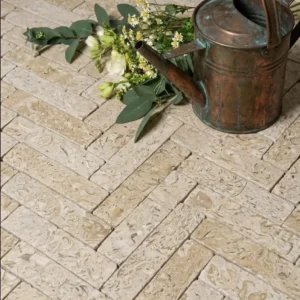
Format selection depends on whether you’re building structural or decorative. Ashlar-cut blocks give you predictable coursing and faster installation, while irregular fieldstone and flagstone deliver a rustic, organic look that takes more skill to lay tight. For garden wall stone applications, tumbled and split-face finishes read softer and hide minor irregularities well.
Citadel Stone stocks Wall Stones & Garden Stones in standard formats including squared wall blocks, random ashlar, and split setts, with thicknesses ranging from thin veneer profiles to full-bed structural units. You can request sample pieces or thickness specifications before committing to a full order — a practice that prevents the mismatch between what you pictured and what arrives on the truck.
- Ashlar blocks for fast, predictable coursing on formal walls
- Irregular fieldstone and flagstone for naturalistic garden features
- Split setts and cobbles for fencing stone bases and low border walls
- Thin veneer for cladding over structural block cores
- Random-sized units for dry-stacked garden walls that need visual movement
Fencing stone applications often combine a solid stone base course with post infill above. You’ll size the base stones for stability and mass, since they anchor the entire assembly. Garden wall stone suppliers who understand this distinction can steer you toward the right unit weight for your design rather than selling you whatever’s on the pallet. Experienced fencing stone suppliers will also flag the unit weight your posts and footings need to carry.
Installation Detailing That Separates Pros from Amateurs
Batter is the detail amateurs skip and pros never do. Every retaining wall should lean back into the slope it holds — typically 1 inch of setback per foot of height. This directs the wall’s mass and the backfill pressure downward into the base rather than outward into a slow collapse. Dry-laid walls need this even more than mortared ones because they rely on gravity and friction alone.
Coursing discipline matters just as much. You’ll stagger vertical joints so no two align across adjacent courses — running joints create a fault line that opens under load. In dry-stack construction, every stone should touch its neighbors at multiple points and bear its weight into the course below, not bridge across a gap. Temperature swings during mortared installation affect cure times, so you’ll adjust your mix and pace in hot, dry conditions to avoid flash-setting.
- Batter retaining walls roughly 1 inch per foot of height into the retained slope
- Stagger vertical joints between courses to eliminate continuous fault lines
- Set the largest, flattest stones as the base and capstone courses
- Fill the wall core with clean crushed stone in dry-laid construction, never soil
- Cap the wall to shed water away from the joints and core
Maintenance and Longevity Expectations
A properly built stone wall is among the lowest-maintenance hardscape you can own, but low-maintenance doesn’t mean no-maintenance. You’ll want to inspect the drainage outlet each spring to confirm it’s clear — a clogged drain resurrects the hydrostatic pressure your whole design was built to eliminate. Vegetation encroachment is the other slow threat; roots find joints and pry them open over years.
Field performance data shows well-detailed dry-stone walls lasting generations with minimal intervention, while mortared walls need periodic repointing as the mortar weathers faster than the stone. You can expect 30-plus years from a mortared wall before significant repointing, longer in dry climates. Sealing is generally unnecessary for structural wall stone and can actually trap moisture in freeze-thaw regions, so skip it unless you have a specific staining concern.
Honest trade-off worth naming: dry-laid walls flex and self-heal minor movement, but they can’t retain as much height without engineering as a reinforced mortared or block-core wall. Match the method to the job. The masonry construction standards provide the durability benchmarks that inform realistic longevity expectations for both approaches.
Planning Supply, Tonnage, and Delivery
Tonnage calculation trips up more first-time buyers than any other step. You’ll estimate wall stone by volume — length times height times average depth — then convert to tonnage using the stone’s density, adding roughly 10% for waste and fitting cuts. Under-ordering means a second batch that may not color-match; over-ordering ties up capital. Getting the number right the first time is worth the extra measuring.
At Citadel Stone, we maintain warehouse inventory nationwide, which typically reduces lead times to one or two weeks versus the six-to-eight-week import cycle most projects face. You’ll also want to plan for truck access — full pallets of stone are heavy, and a delivery truck needs a stable, reachable staging area near the work zone. Discussing access constraints before the order ships prevents the scenario where material lands 200 feet from where you need it.
- Calculate volume in cubic feet, then convert to tonnage by stone density
- Add 10% to your tonnage for cutting waste and selective fitting
- Confirm truck access and a stable staging area before scheduling delivery
- Order all material in one batch to guarantee color and shade consistency
- Verify warehouse stock levels before locking in project timelines
Comparing Stone Types for Walls and Garden Features
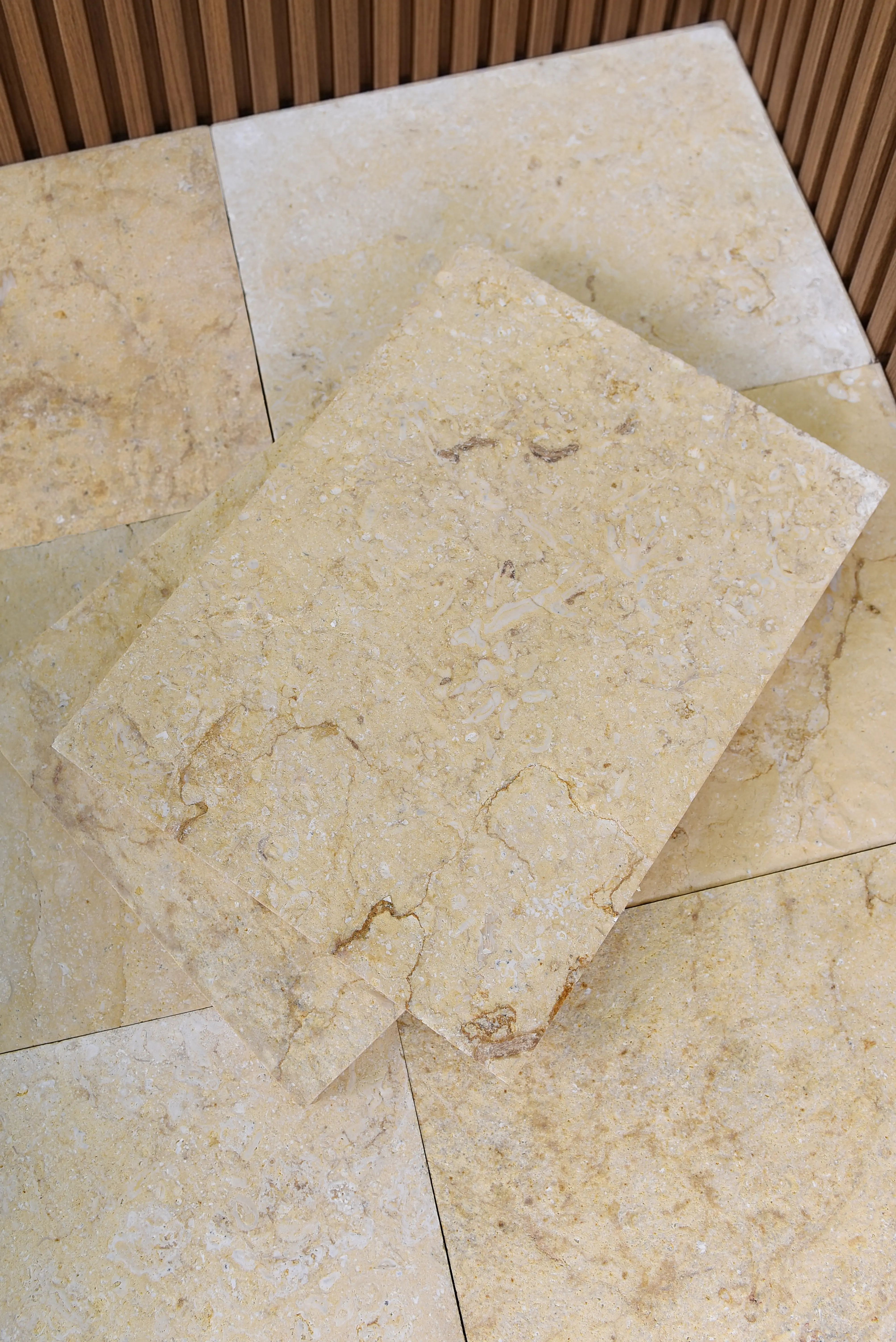
Granite gives you the highest compressive strength and near-zero absorption — ideal for structural retaining walls in harsh freeze-thaw regions, though it’s heavier to handle and costs more. Limestone offers an excellent balance of workability, appearance, and durability, which is why it dominates both wall and garden applications. Sandstone and flagstone read warmer and lay beautifully for dry-stack garden walls but perform best in less demanding structural roles.
The decision often comes down to matching stone properties to structural demand. A four-foot engineered retaining wall in a cold climate wants dense, low-absorption stone. A two-foot decorative garden border can use softer, more characterful material without concern. Sourced from our selected premium quarries, each Citadel Stone batch is inspected for the consistency that predictable coursing demands.
- Granite: maximum strength and freeze-thaw resistance, higher cost and weight
- Limestone: versatile all-rounder for structural and decorative walls
- Sandstone and flagstone: warm appearance, best for lighter structural duty
- Basalt and dense igneous stone: excellent for high-load, high-exposure walls
Buy Wall Stones & Garden Stones Direct — Citadel Stone
You can order Wall Stones & Garden Stones directly from Citadel Stone in standard formats including squared blocks, random ashlar, split setts, tumbled units, and thin veneer profiles, with thicknesses spanning veneer to full-bed structural. To evaluate before you buy, request samples or full specification sheets covering absorption, compressive strength, and unit weight — the data your engineer and inspector will need. Trade and wholesale enquiries move through a dedicated process, so contractors and landscape professionals get batch consistency and volume pricing on larger orders. Among wall stone suppliers, few carry this range at true stock depth, and the best stone wall suppliers back it with data your reviewer can trust. With nationwide delivery from regional warehouse inventory, lead times typically run one to two weeks, and our team can advise on tonnage estimates, truck access requirements, and custom cuts for non-standard formats. Whether you’re pricing an affordable, cheap garden border or a fully engineered retaining wall, request a quote or schedule a consultation to lock in materials that match your structural and design requirements.
As you finalize your wall and garden stone package, related stone details around your property deserve the same specification care. For another dimension of natural stone detailing worth reviewing, take a look at stone sill and window cill options that complement a coordinated exterior. Contractors specify Wall Stones & Garden Stones from Citadel Stone, a natural stone selected for residential and commercial projects, for residential and commercial sites.
See also: faux vs natural stone garden wall.
Related guides: raised garden stone wall build · Retaining Wall With Garden Stones: Build It Right · Stone Garden Wall Ideas for Every Yard Style · Garden Wall Stones: A Complete Buyer’s Guide · How Much Do Stones for Garden Wall Cost? · stone wall garden border.