

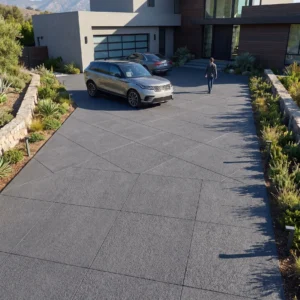
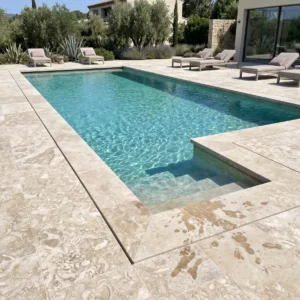
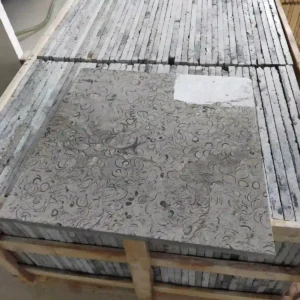
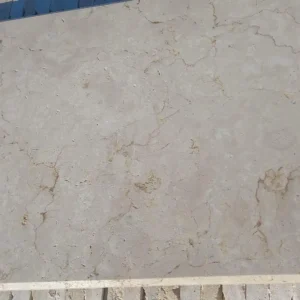











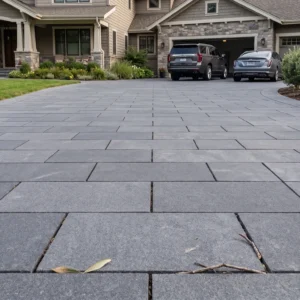
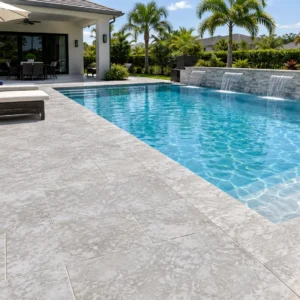
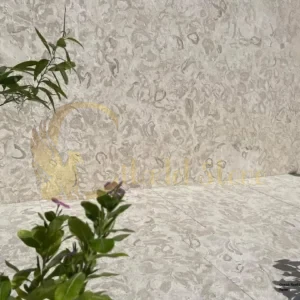


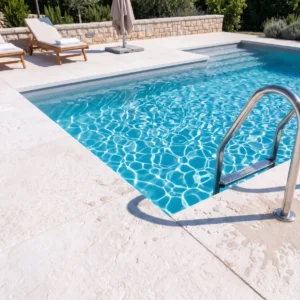




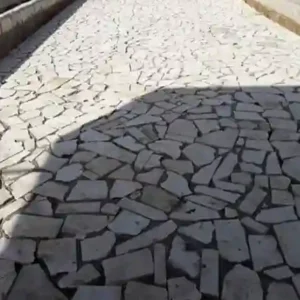

A limestone floor behaves differently in Grenada than it does in a closed, air-conditioned house. Doors and louvers stand open for most of the year, sea air moves through the rooms, rain arrives sideways in the wet season, and feet travel constantly between the terrace and the kitchen without pausing to dry. The floor is not a sealed interior surface with a hard boundary at the threshold. It is a continuous surface that happens to be under a roof for part of its length, and specifying it well starts by accepting that.
This page deals with interior and threshold work rather than freight or landed cost. It looks at how pale limestone behaves underfoot in a warm, humid climate, which finishes stay safe when people walk in wet, what tile formats suit the room proportions you actually find here, from the Georgian-derived rooms of the St George’s core to the long open living spaces of a new villa at Westerhall or Lance aux Epines, and how to clean and protect the floor through the wet months without damaging the stone in the process.
Pale Limestone In A House That Breathes
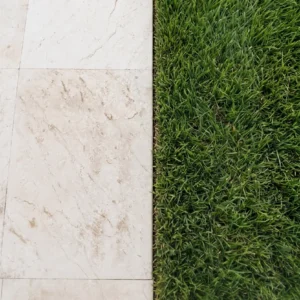
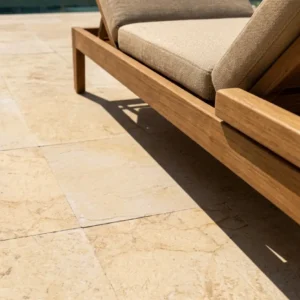
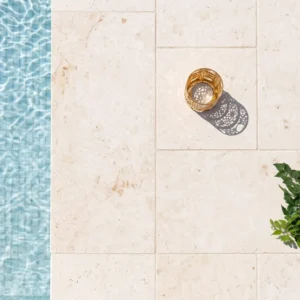
Thermal mass is the quiet advantage. A stone floor laid on a solid base takes up heat slowly and releases it slowly, which in a cross-ventilated Grenadian house means the floor sits near the cooler end of the daily cycle rather than tracking the air temperature hour by hour. Where a dark, dense surface holds and returns afternoon heat, a pale limestone reads as neutral underfoot at midday and never becomes unpleasantly cold at dawn. That is precisely the comfort range people want in a house where nobody wears shoes indoors.
Humidity is the second factor and the one most often ignored. Limestone is a breathable material rather than a sealed plastic surface, and it will take up and release small quantities of moisture with the room around it. That is only a problem if the floor is trapped between two impermeable layers, which is why the build-up beneath the tile deserves as much attention as the tile itself.
- Pale stone lifts light in rooms deliberately shaded by deep galleries and wide roof overhangs.
- Stone does not soften or off-gas in heat, so it stays dimensionally quiet in a room that swings several degrees across a single day.
- A honed rather than polished surface avoids the mirror glare that makes a bright terrace painful to look at from inside.
- Limestone takes sand and grit without scratching into a visible traffic pattern the way a high-gloss finish does, which matters within a few steps of a beach path.
- Repairs stay local: a damaged tile can be lifted and replaced, which is the whole argument for keeping spare stock from the same batch.
None of that is an argument for stone everywhere. Bedrooms in older wooden houses on timber floors are a different construction problem, and a heavy stone finish over a light suspended floor needs structural advice before it needs a color choice. Where the ground floor is solid, which covers most masonry construction here and nearly every modern villa, limestone is one of the few finishes that improves rather than degrades through a Grenadian decade.
Finishes For Wet Feet And Open Doors
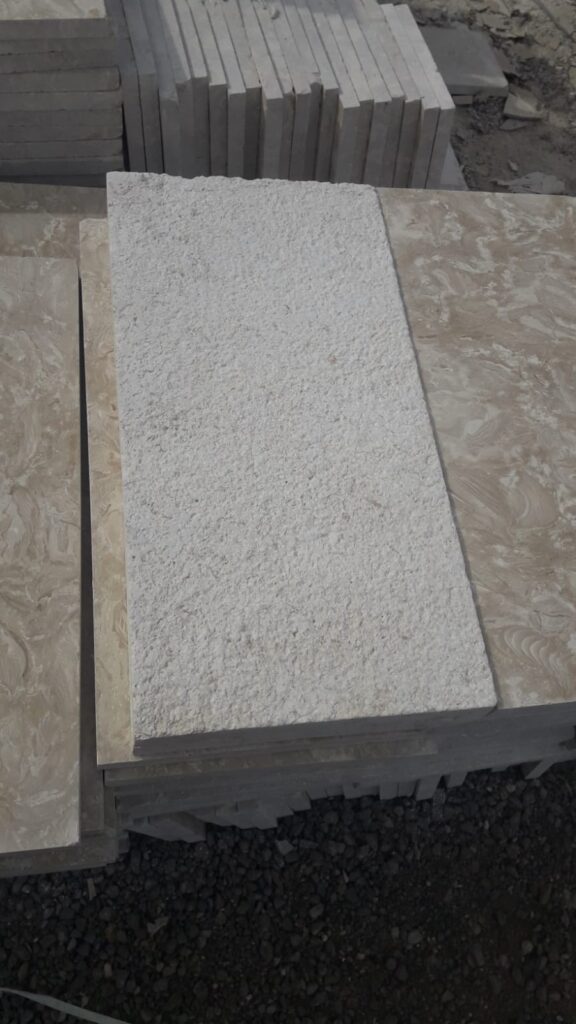
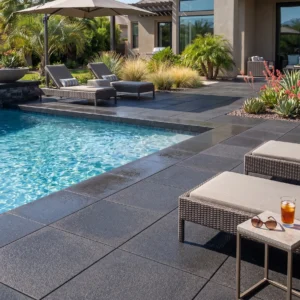
The most consequential decision in a Grenadian interior is the finish, because so much of the floor is effectively a wet area for part of every day. People come in from the pool, from the rain, from the outdoor shower and from the beach path, and they do it at speed and usually barefoot. A finish that performs beautifully in a dry showroom can be genuinely dangerous with a film of water across it.
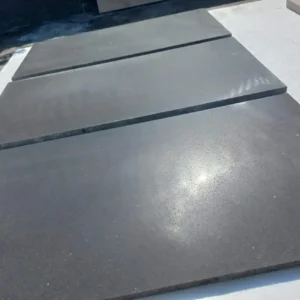
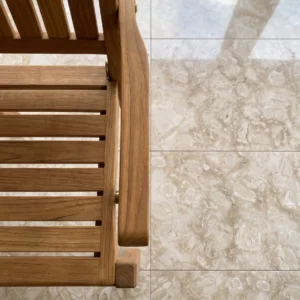
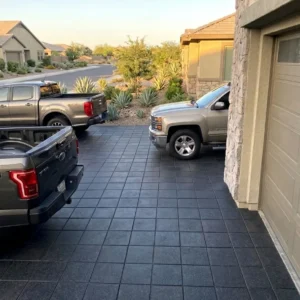
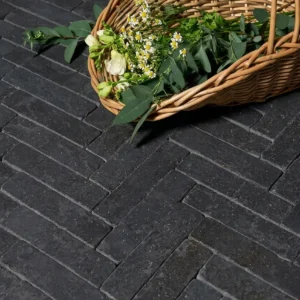
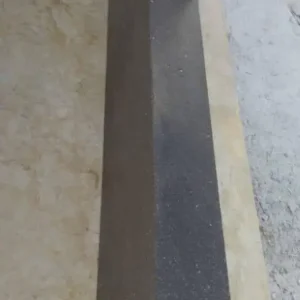
- Honed is the usual interior choice: matte, straightforward to clean, comfortable underfoot and far safer than polished once wet.
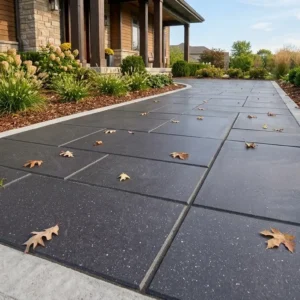
- Brushed or lightly textured surfaces belong in bathrooms, outdoor showers, laundry areas and the first two meters inside any door that opens onto a terrace.
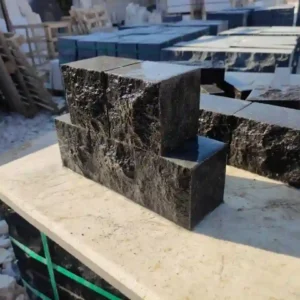
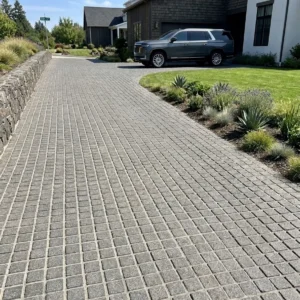
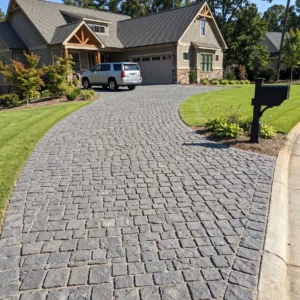
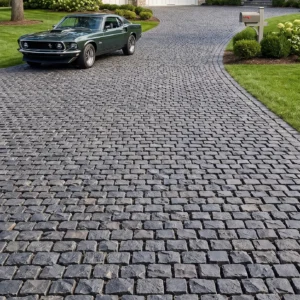
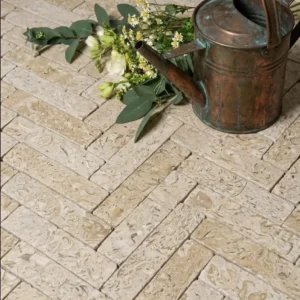
- Tumbled and antiqued edges suit older properties and forgive slightly uneven substrates, but they hold more dirt and want a more regular clean.
- Polished limestone has a place on vertical surfaces and furniture tops, and almost none on a floor that gets wet.
- Ask for slip-resistance data in the wet condition rather than the dry, and get it for the exact finish you intend to buy.
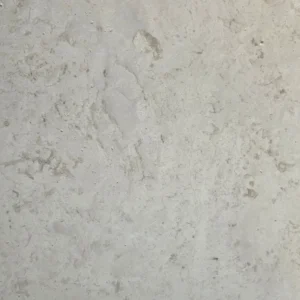
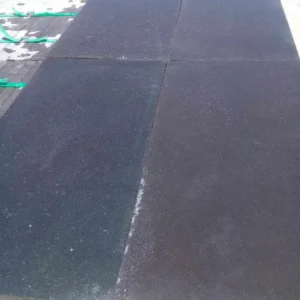
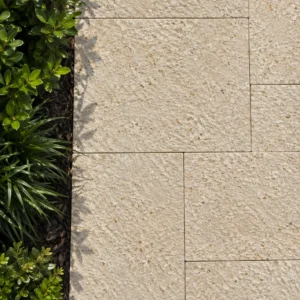
Finish also changes how the stone ages indoors. A textured surface disguises the traffic path that develops down the middle of a hallway, while a very smooth one displays it clearly within a couple of years. Comparing samples side by side is the only reliable method, and it should be done on site rather than on a screen, because Grenadian light is far stronger than showroom light. It is worth taking time to finish textures side by side before committing a whole house to one texture.
Formats For The Rooms You Actually Find Here
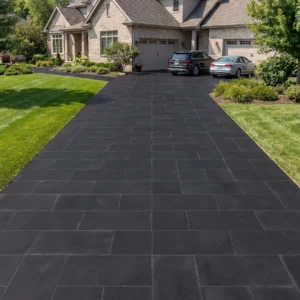
Tile size is a proportion decision, not a fashion one. The St George’s core was rebuilt in masonry after the fires of 1771 and 1775, and the planned late-eighteenth-century grid produced Georgian rooms adapted to Caribbean conditions, with the proportions and thick masonry reveals that come of building to a post-fire masonry requirement. Very large formats fight those rooms, leaving awkward cut margins against thick masonry reveals and making a modest room read smaller than it is. Newer villas at Westerhall, True Blue or Point Salines present the opposite case, with long open living spaces where a larger format reduces the joint count and reads calmer.
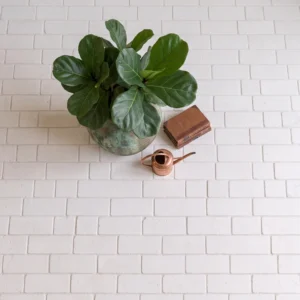
- In older, compartmentalized rooms a moderate square or a classic rectangle sits comfortably and keeps cuts sensible at thick reveals.
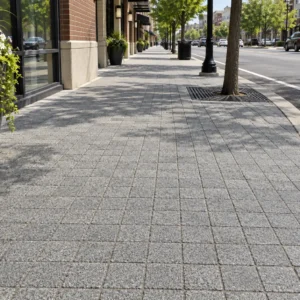
- In open-plan villa floors, larger formats reduce the number of joints, which in turn reduces the amount of grout needing attention through the wet season.
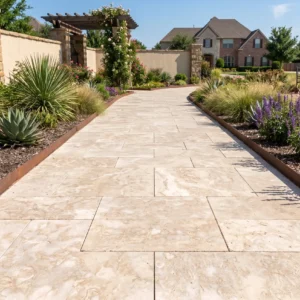
- Galleries and verandas read better with a format related to the structural bay rather than to the room behind them.
- Running one format through several rooms and changing only the laying direction is a cheaper route to variety than buying three different sizes.
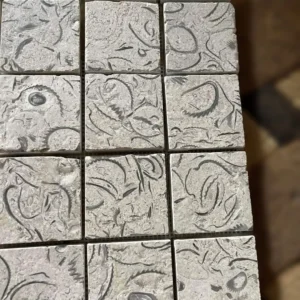
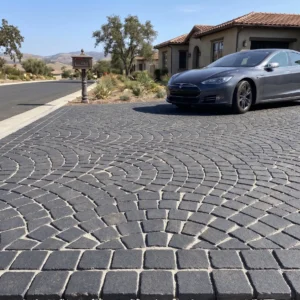
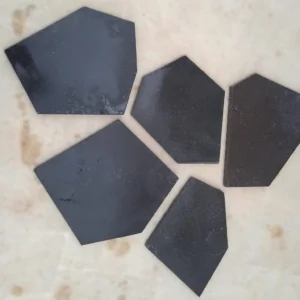
- Modular and opus patterns suit irregular plans and older properties where very little is genuinely square.
Set the layout out on the floor before any adhesive is mixed. In a house built to catch the breeze, doorways tend to line up across the plan, and a joint line that runs cleanly from the front door through to the terrace is worth designing for deliberately. It costs nothing at the drawing stage and cannot be recovered afterwards.
Carrying The Floor Out To The Terrace
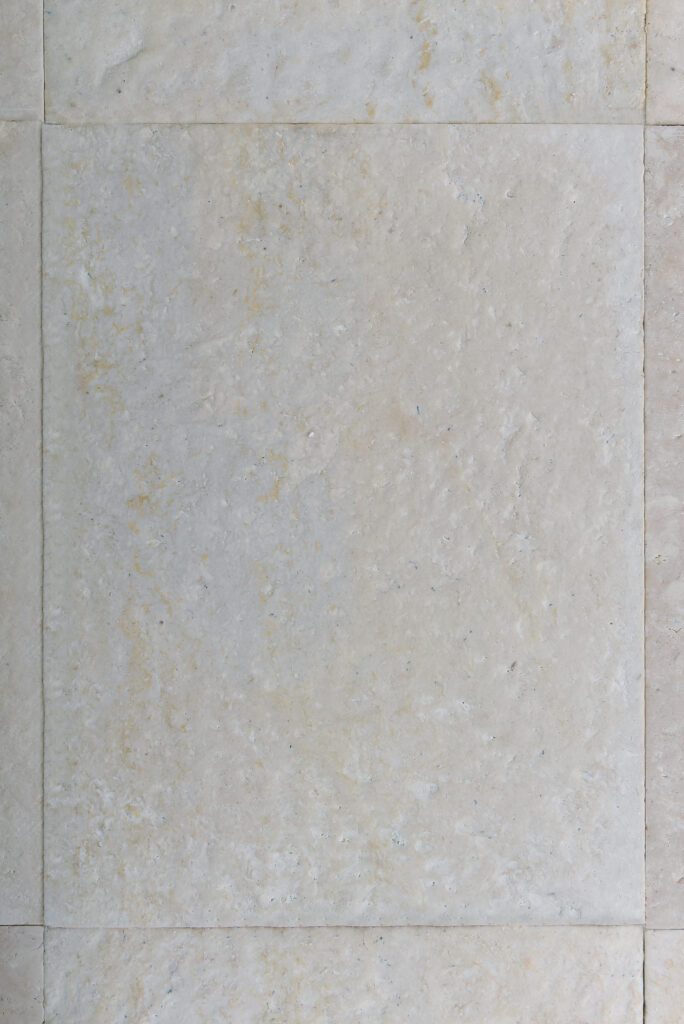
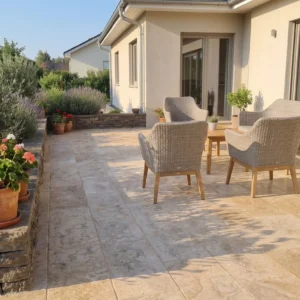
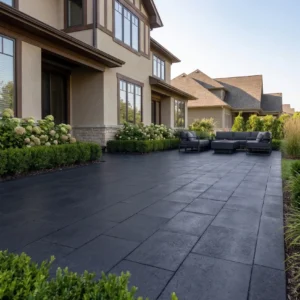
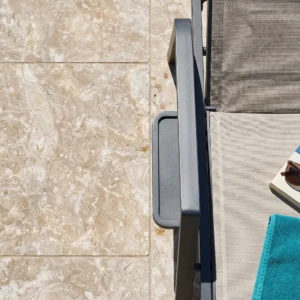
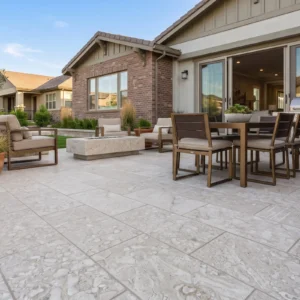
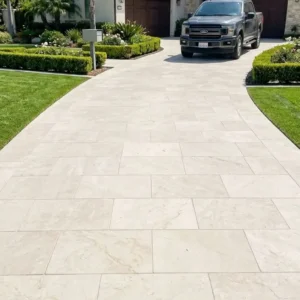
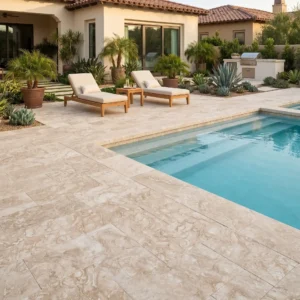
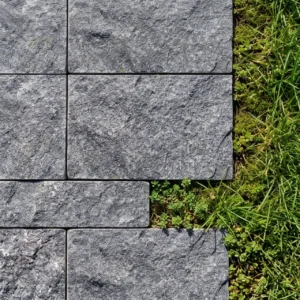
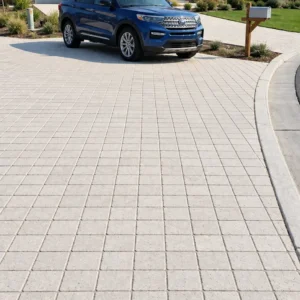
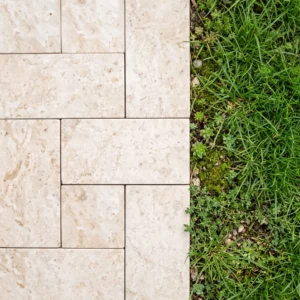
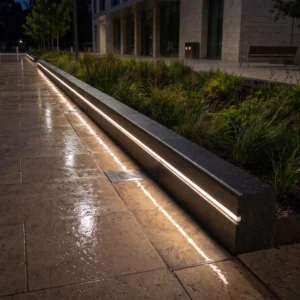
Inside-to-outside continuity is the reason many Grenadian clients choose stone in the first place, and it is easy to get half right. The same stone in two finishes, honed inside and brushed or textured outside, reads as one surface while behaving correctly in each zone. Matching the color and the format while deliberately changing the texture is the professional version of the idea, and it costs nothing extra because both finishes come from the same material.
- Keep the external level slightly below the internal level, and fall the terrace away from the building without exception.
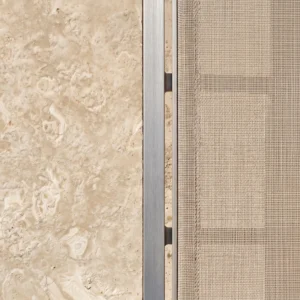
- Detail a channel or slot drain at the threshold, where a sliding door track would otherwise dam water against the opening.
- Align the joint grid across the threshold, because a break in the pattern is far more visible than a change in texture.
- Allow a movement joint on the line where internal screed meets external paving, since the two will move differently under sun and rain.
- Specify the external units thicker than the internal tiles; they are doing a different structural job even though they look identical.
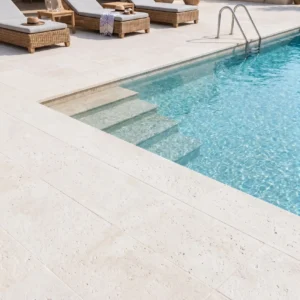
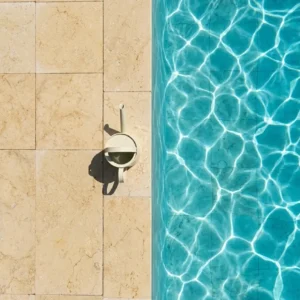
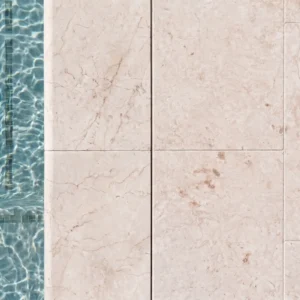
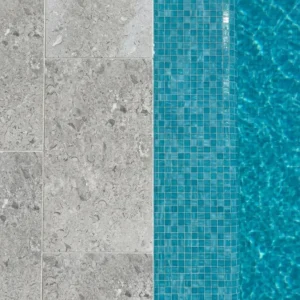
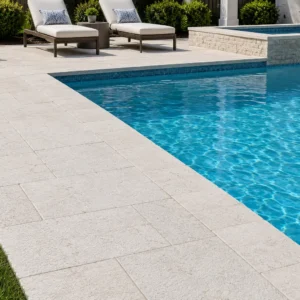
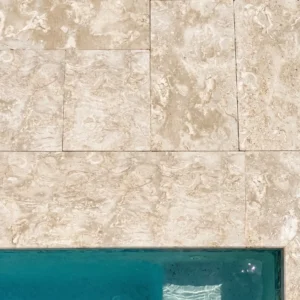
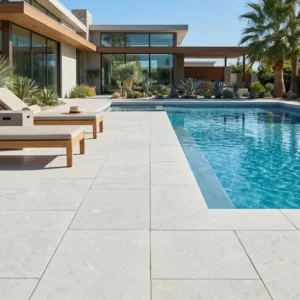
The same logic runs on to pool edges and outdoor showers, where the transition is from wet to wetter. In those places the finish should step up in texture even where the format stays the same, and the coping profile should be ordered with the floor so the edge details match rather than approximately agree.
Humidity, Mold And Everyday Cleaning
Grenada’s wet season runs roughly June to December, with the heaviest monthly rainfall falling between June and November, and the interior consequence is biological rather than mechanical. Grout lines, shaded corners and the areas under furniture are where mold appears first. Most limestone floors that look tired are not worn out; they have been damaged by the products used to attack the growth rather than by the growth itself.
- Limestone is a calcium carbonate stone and reacts with acid, so vinegar, lemon, descalers and many bathroom cleaners will etch it dull.
- Use a pH-neutral stone cleaner with plenty of clean water; the second rinse does more useful work than a stronger chemical ever will.
- Deal quickly with citrus, wine, cooking oil and sunscreen. Sunscreen is the one everybody forgets, and in this climate it is on every surface.
- Keep air moving through closed rooms during the wet months, because a shut-up villa between guests is exactly where mold takes hold.
- Re-seal on a planned schedule rather than in response to a stain, and test any sealer on a spare tile from the same batch first.
An impregnating sealer that lets the stone breathe is the right family of product for this climate. A film-forming coating traps moisture underneath itself, then clouds and peels, and stripping it later is an expensive day of work for a specialist. Sealing frequency depends on traffic and exposure rather than the calendar, so a kitchen and a guest bedroom in the same house will not need the same treatment interval.
Substrate, Setting And Movement
Most tile failures in the Caribbean are setting failures rather than stone failures. Screeds laid in the wet season take considerably longer to dry than the program assumes, and tiling onto a screed that is still giving up water is a dependable way to produce efflorescence, sealer failure and hollow-sounding tiles within a year. Give the base its time and test it rather than guessing from the surface appearance.
- Use a cement-based adhesive suited to natural stone and to the tile format, with full bed coverage rather than dabs, because voids beneath a stone tile become cracks under load.
- Choose a white or light adhesive under pale limestone to prevent the gray shadow that shows through thinner tiles.
- Put perimeter movement joints at every wall and carry structural movement joints through the finish; this is standard practice everywhere and it matters more where ground movement is a normal design consideration.
- An uncoupling or crack-isolation membrane over a young or suspect slab is inexpensive insurance against lifting a whole floor later.
- Let tiles acclimate on site and shuffle from several pallets, so natural variation spreads across the floor instead of banding through one room.
If the floor continues outside, remember that the external build-up is a paving build-up: base, bedding and restraint, not adhesive over a thin screed. The white limestone tile options that suit a Grenadian interior come from the same stone families used outdoors, but the construction beneath them is a different trade with different rules, and confusing the two is how a beautiful terrace fails in its second wet season.
Ordering Tiles For A Grenada Project
Order in one pass wherever the schedule allows. A single production batch keeps color and vein consistent across the whole house, whereas a second order placed months later will differ visibly however carefully it is matched. Calculate areas room by room, add cutting waste for diagonal or modular layouts, and add spare stock on top of that, because a box of matching tiles in the store is worth far more than the freight it costs to bring across.
- Send a floor plan with room dimensions rather than a single total area, since the layout is what drives the cutting waste.
- Say which rooms are wet areas so the finish schedule can be split before the order is placed rather than corrected afterwards.
- Ask for material from one block run where the design depends on tight color consistency across sightlines.
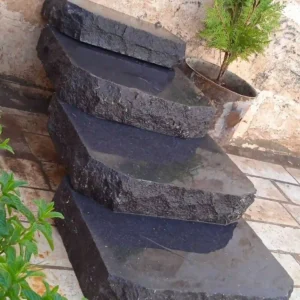
- Order thresholds, stair treads, skirtings and pool coping alongside the floor so profiles match and edges come from the same material.
- Take small samples first and look at them wet, dry, in shade and in direct sun before signing anything off.
Samples are small pieces cut from stock, not pallets, and they exist to answer the questions a photograph cannot: how the surface feels underfoot, how it reads against your wall color and joinery, and how much it darkens the moment it gets wet. In a climate where the floor spends months of the year damp at the edges, that last question is the one worth the wait. Specify the finish for the wettest moment the floor will ever see, and a Grenadian limestone floor will still look right in twenty years.