






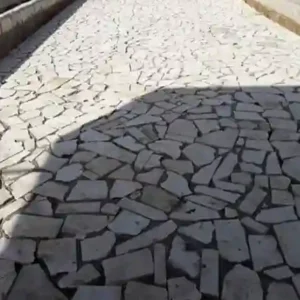
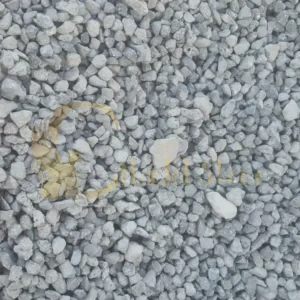
Every stone argument on Curacao comes down eventually to two forces: salt and sun. There is no frost here, so the freeze-thaw cycle that governs stone selection in temperate markets simply does not apply, and a specification written around it is answering a question the island never asks. What replaces it is salt. The east and north-east trade winds cross the island for most of the year, and on the windward coasts they deposit salt aerosol continuously. Salt that enters a pore structure, dissolves, then recrystallizes as the surface dries exerts pressure inside the stone in much the same way ice does elsewhere. Curacao’s long dry season means that wetting and drying cycle runs constantly rather than seasonally.
The second force is a sun that sits high over a landscape with very little shade. That drives the choice of tone, the choice of finish and, quietly, the safety case, because a paver that is comfortable barefoot in August is a different specification from one that merely looks right on a sample board in an office. This page is the material argument for limestone outdoors here: what to measure, what to expect, where the honest limits sit, and how the stone compares with what the island already makes. Freight, tariff and format-by-duty questions are dealt with separately.
Absorption And Density In A Frost-Free, Salt-Loaded Climate
The two figures that matter most for exterior limestone on Curacao are water absorption and bulk density, and they matter for a reason specific to this climate. Because there is no frost, absorption is not about ice. It is about how much salt-bearing water the stone will take up and how readily it gives it back. A dense, tight-pored stone takes up less, holds less salt in solution and suffers less crystallization pressure just below the surface, which is where the damage shows first as a chalky bloom and then as a lost face. On a sheltered inland courtyard this is a minor consideration. On an exposed north-coast terrace it is the whole durability question.
- Ask for water absorption by weight, tested to ASTM C97, on the material actually being supplied rather than a generic range published for the stone type.
- Ask for bulk density from the same test, since a heavier stone at a given porosity generally indicates a tighter fabric.
- Ask for compressive strength to ASTM C170 wherever paving will carry vehicles, and for a flexural or modulus of rupture figure if units are being laid on pedestals or over a void.
- Ask for an abrasion resistance figure wherever wind-blown grit or heavy foot traffic is expected, because grit is the principal abrasive agent on this island.
- Ask for a wet dynamic coefficient of friction measured to ANSI A326.3 for anything within reach of a pool, an outdoor shower or the drip line of a roof edge.
Then read those numbers against the site rather than against a brochure. A stone entirely appropriate for a shaded inland courtyard may be the wrong choice for a windward pool deck, and no single figure decides it on its own. Absorption, density, finish and the jointing detail work as a set, and a good jointing specification can carry a slightly more absorbent stone in a sheltered position while a poor one will undo a very dense stone on the coast. If a supplier cannot produce test data for the lot they intend to ship, that is itself the answer to the question you were asking.
Pale Stone Under A High Sun
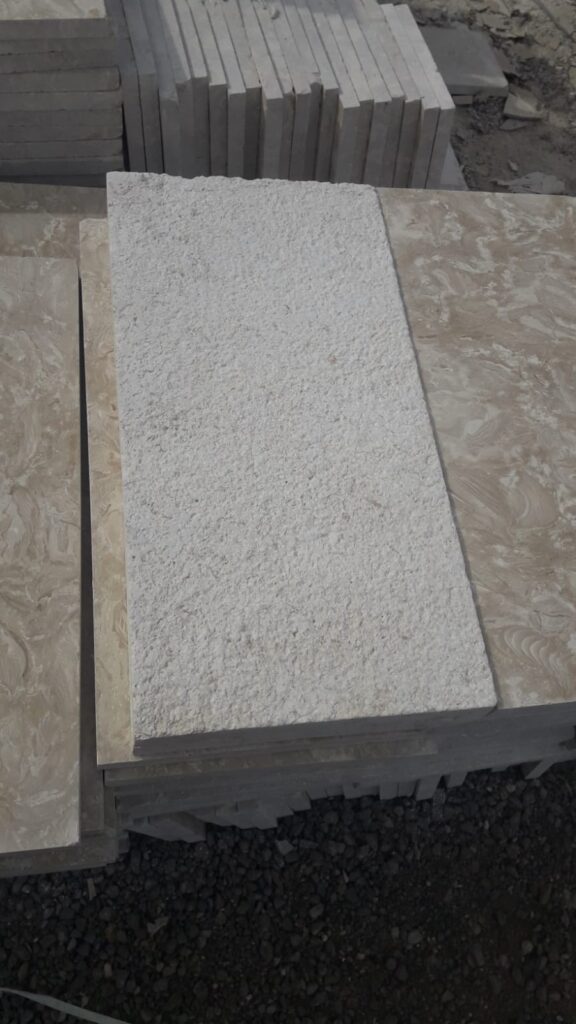
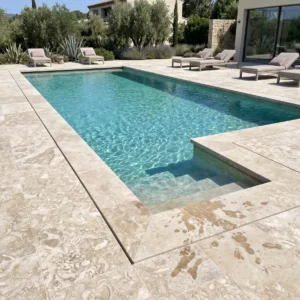
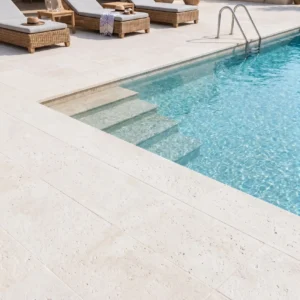
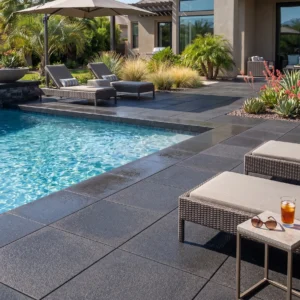
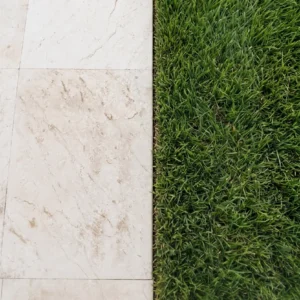
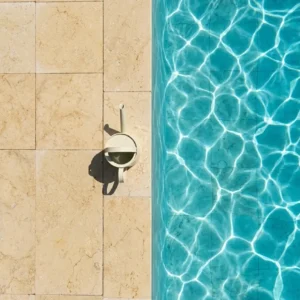
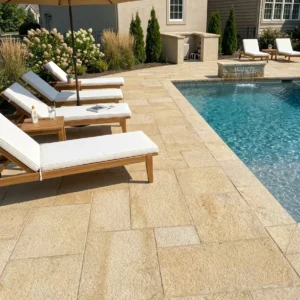
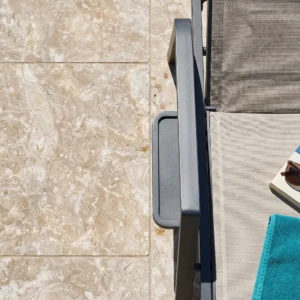
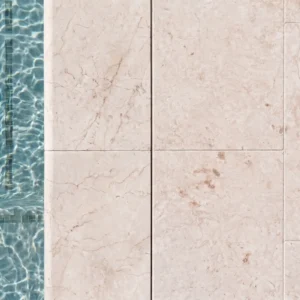
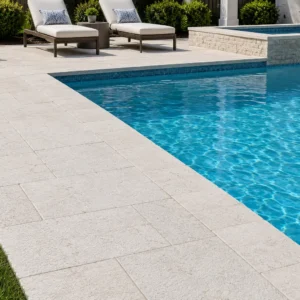
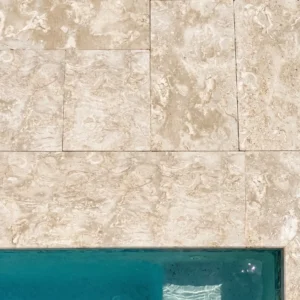
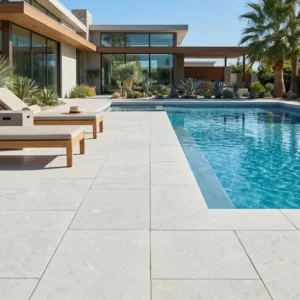
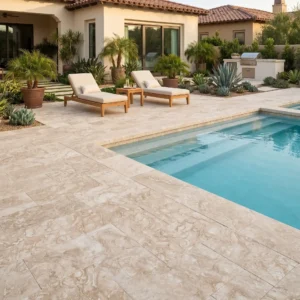
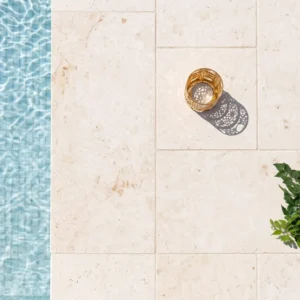
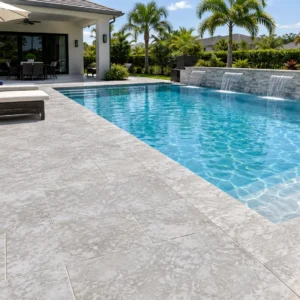
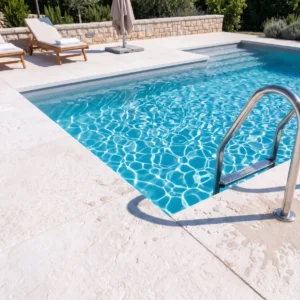
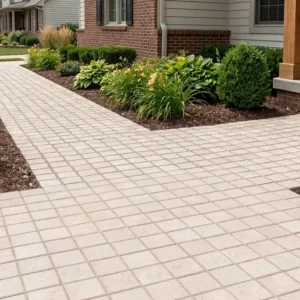
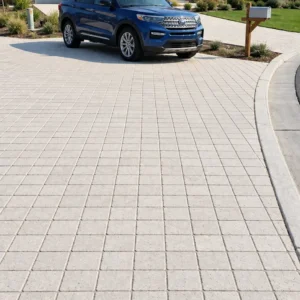
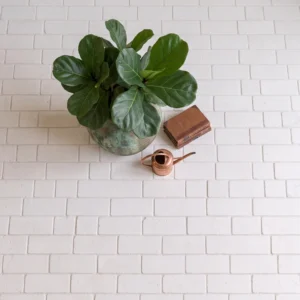
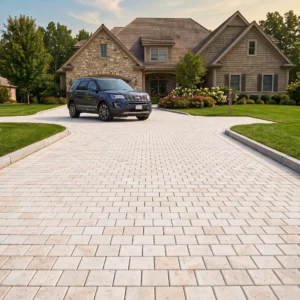
Pale limestone is specified in hot climates for a simple physical reason: a light surface reflects more of the solar radiation landing on it, so it runs cooler than a dark one under the same sun. On a Curacao pool deck or a west-facing terrace that is not a refinement, it is the difference between a surface people use in the afternoon and one they walk around the edge of. Anyone who has crossed a dark paved area barefoot at two in the afternoon on this island knows the argument without needing the physics.
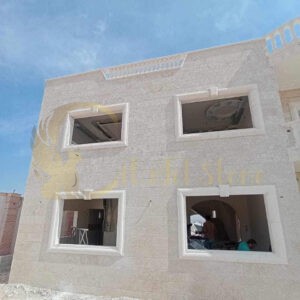
The reflection that keeps a floor cool, though, is the same reflection that produces glare, and glare is not a new complaint here. It sits in the island’s own record: in 1817 a governor issued an order against painting houses white, on the grounds that the glare from them was harming the eye. The tones of Willemstad’s historic facades have been read through that story ever since. The practical lesson for paving is not to avoid pale stone. It is to avoid a pale, flat, reflective face.
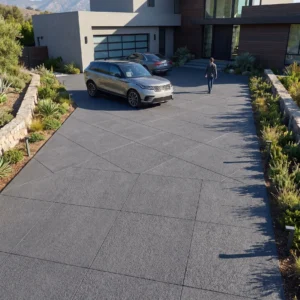
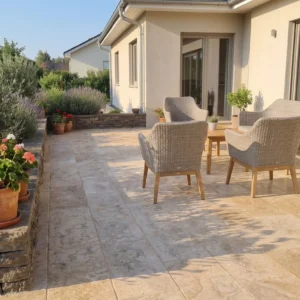
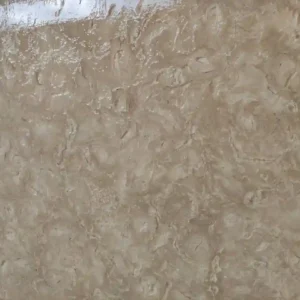
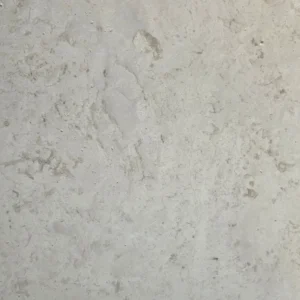
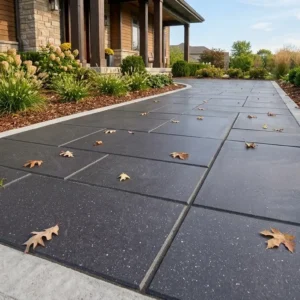
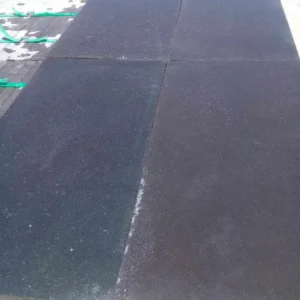
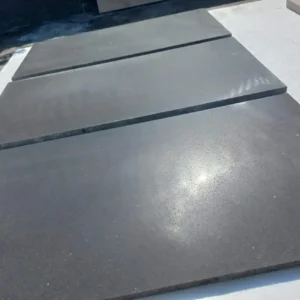
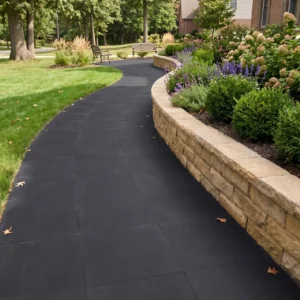
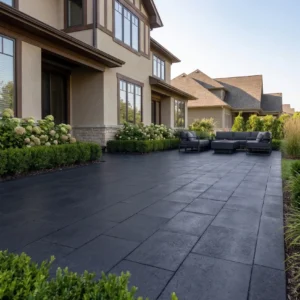
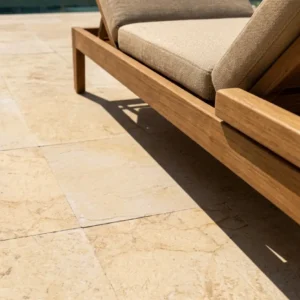
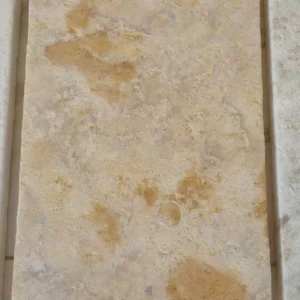
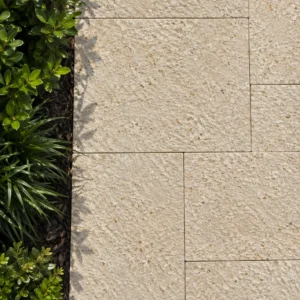
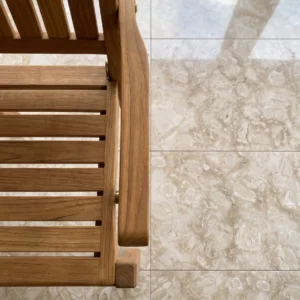
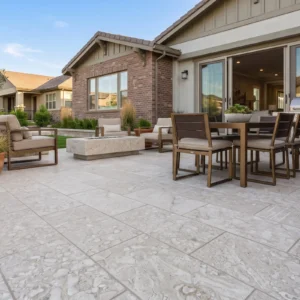
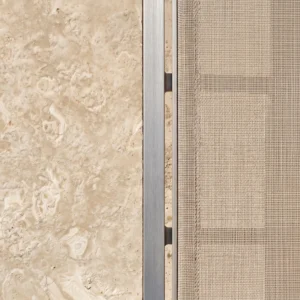
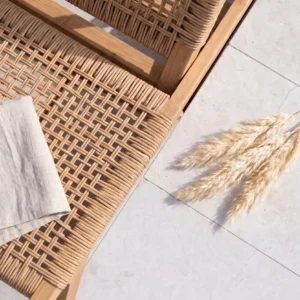
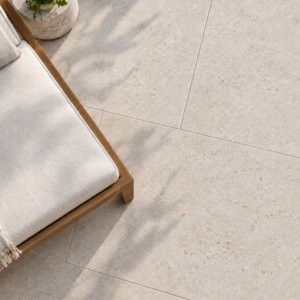
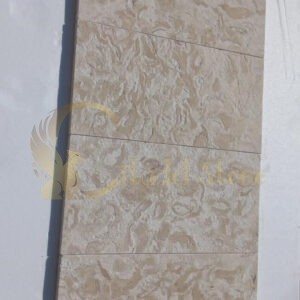
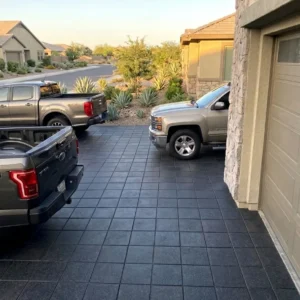
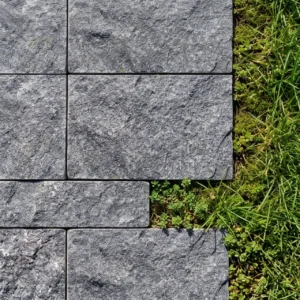
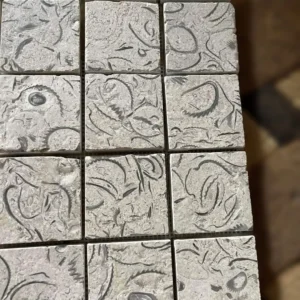
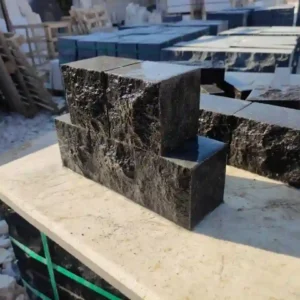
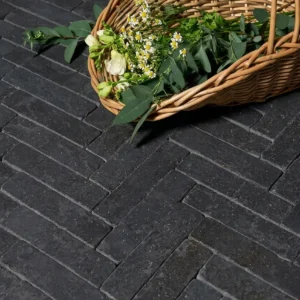
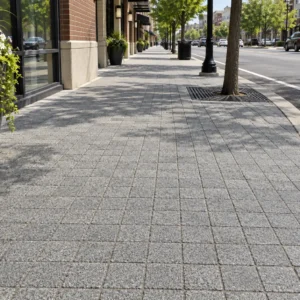
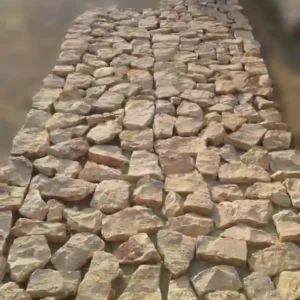
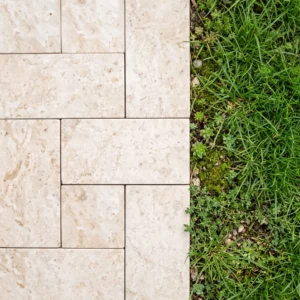
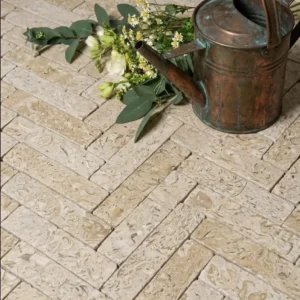
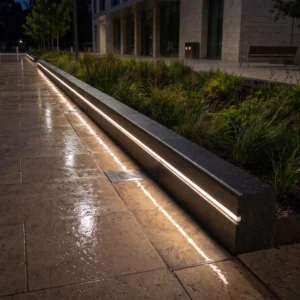
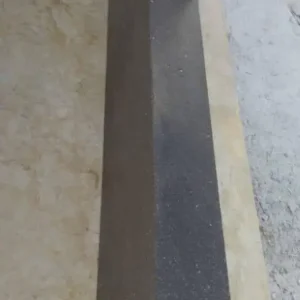
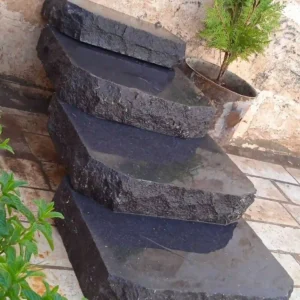
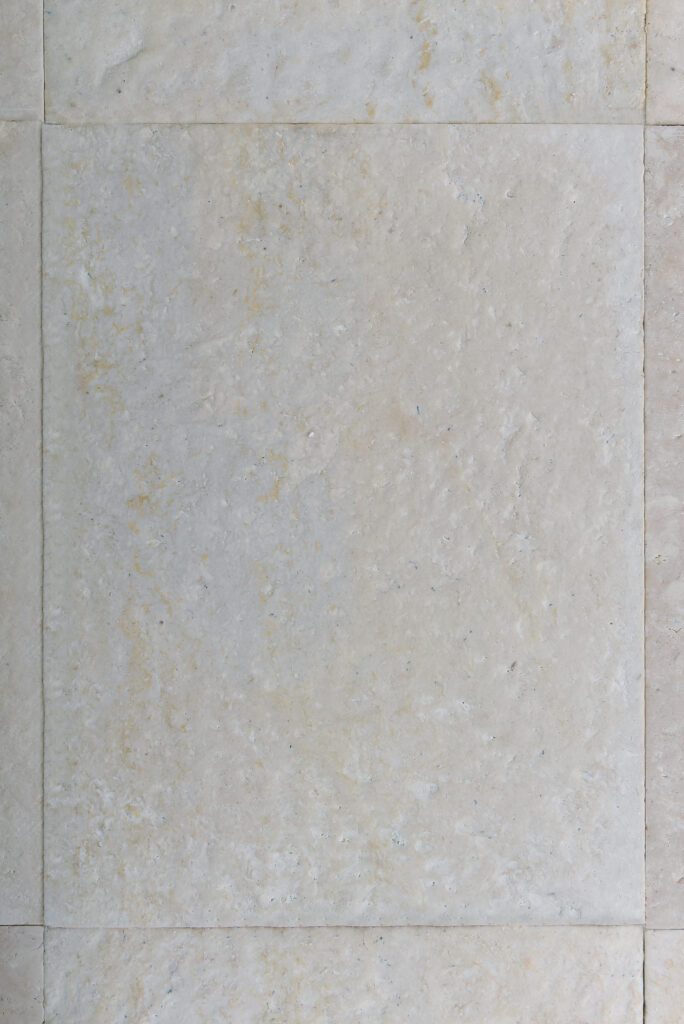
That points squarely at texture. A brushed, bush-hammered, tumbled or lightly flamed surface scatters reflected light instead of throwing it back in one direction, and it holds up better against the trade-wind grit that would dull a polished face anyway. Tonal movement across the batch does the same job visually, breaking up what would otherwise be an unbroken sheet of brightness. Between them, texture and natural variation let you keep the thermal benefit of a light stone and lose most of the glare that would otherwise come with it. Specify the finish per area, and expect the pool surround and the shaded courtyard to want different answers.
Grip When The Water Finally Comes
Curacao spends most of the year dry, which is exactly why wet grip gets neglected. The surfaces that matter are pool surrounds, outdoor showers and washdown areas, marina and restaurant terraces, and the strip of terrace under a roof edge where runoff sheets across in a downpour. Add a salt film and fine dust to any of those and you have a surface that can be slick in conditions occurring only a handful of times a year, which is precisely when nobody is expecting it.
- Specify a measured wet dynamic coefficient of friction rather than a written description of the finish, and keep the certificate in the project file.
- Use a textured face on every surface that can get wet, and step the texture up on ramps and on anything falling more steeply than a terrace.
- Keep falls positive and continuous so water leaves rather than films; a flat terrace with a slight backfall is more dangerous than a steeper one that drains.
- Watch the joint, because a wide flush joint in a smooth mortar can end up slicker than the stone on either side of it.
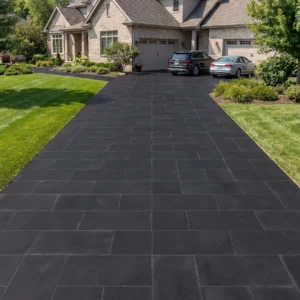
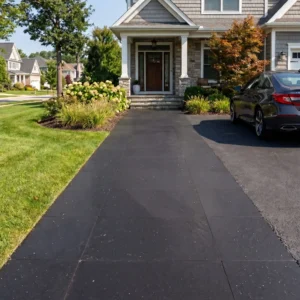
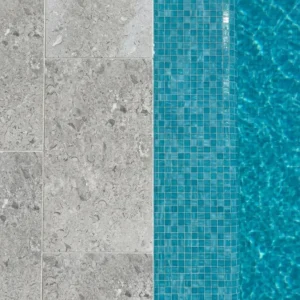
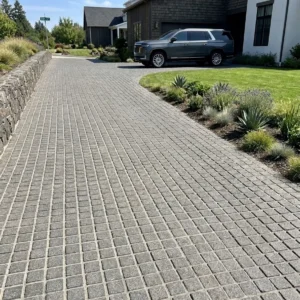
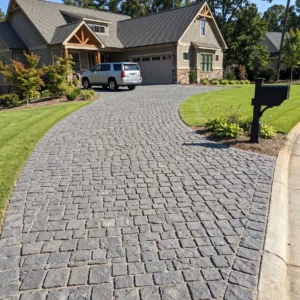
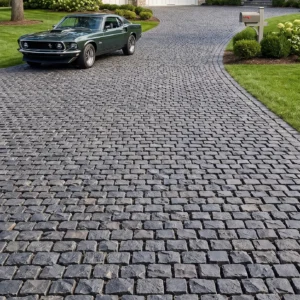
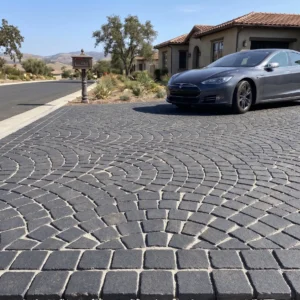
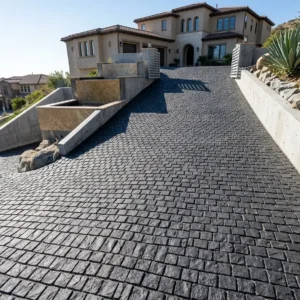
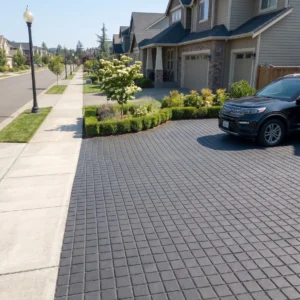
Barefoot comfort pulls in the same direction as grip up to a point, and then against it. A face aggressive enough to be safe on a ramp is unpleasant under a bare foot, so pool decks generally want a brushed or lightly textured surface while the coarse textures are kept for steps and slopes. Our limestone paving backed by testing is supplied with the finish stated per area, so a pool surround, a step and a driveway apron do not all arrive wearing the same face because nobody wrote the distinction down.
Drainage Designed For Tomas, Not For The Average Year
Drainage is the governing problem on a Curacao site. Curacao receives somewhere in the region of 450 to 650 mm of rain a year depending on which record you read, and for most of the year the ground is baked hard and slow to take water in. Then, occasionally, a storm arrives. Hurricane Tomas in 2010 dropped 265 mm on the island in a single day, close to half an average year inside twenty-four hours. Curacao lies outside the main development region for tropical cyclones, but outside the belt is not the same as immune: Hazel, Anna, Bret, Felix, Omar and Tomas have all affected the island. The design case is not wind uplift. It is a year of rain arriving at once on ground that cannot absorb it.
- Size falls, channels and outlets for a cloudburst on low-infiltration ground rather than for the annual average figure.
- Assume the ground will not soak it up, because dry compacted soil sheds water almost like a hard surface for the first minutes of a heavy fall.
- Give every terrace a route for water to leave that does not pass through a doorway or discharge into a retaining structure.
- On sloping plots, break the run with intercepting channels so water is caught rather than allowed to build speed across a whole terrace.
- Think about where the water finally goes, because on a compact island runoff reaches the coast quickly, so a silt trap and a settled discharge point are worth designing rather than improvising.
Traditional building here understood the same problem from the other side. The high gabled roofs with their red tiles were built to collect rain and channel it into stone reservoirs, because on an island this dry the water was worth keeping rather than shedding. A modern terrace that directs its runoff into a cistern or a planted bed rather than off the plot follows a local logic several centuries old, and it happens to be the version that does not wash its own bedding out in a wet-season storm.
Where Limestone Is The Wrong Choice
A supplier who tells you the stone works everywhere is not being useful. Limestone is a calcium carbonate rock with a defined hardness and a defined chemistry, and there are places on a Curacao site where those properties rule it out or make it a poor economic choice. Naming them is not a weakness in the material; it is what lets you put the material where it earns its cost.
- Areas washed regularly with acidic cleaners, such as commercial kitchen exits or some pool plant areas, will etch. Change the material or change the cleaning regime.
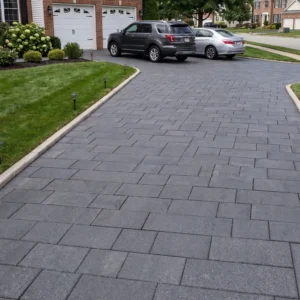
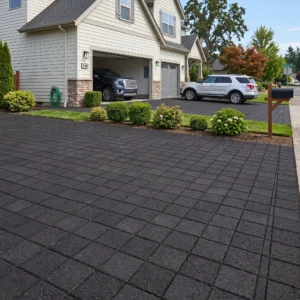
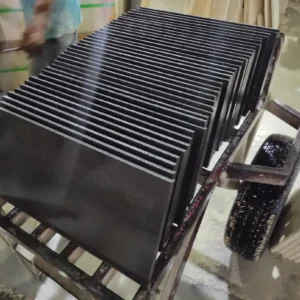
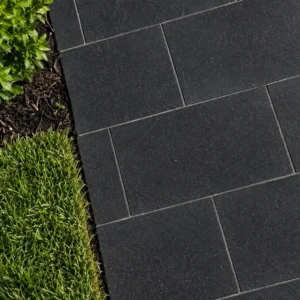
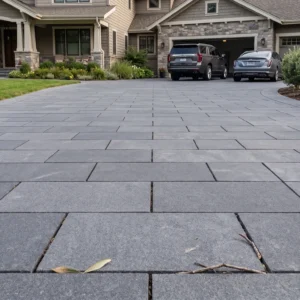
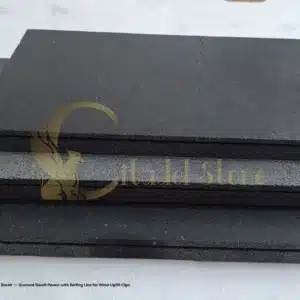
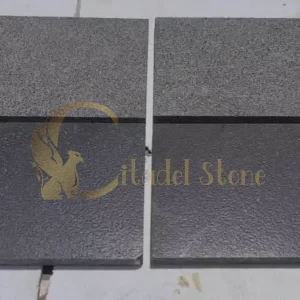
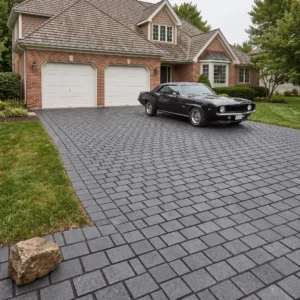
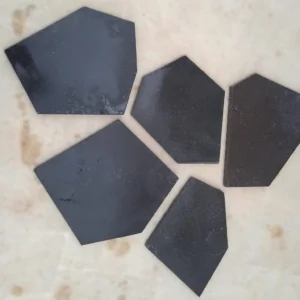
- Heavy point loading with constant turning, such as a delivery yard taking loaded trucks all week, is work for a denser stone such as basalt, or for a concrete solution, unless you are willing to pay for depth.
- Places where standing salt water cannot drain away, like a low corner of a coastal terrace that ponds, should be redesigned rather than paved over, whatever the material.
- Steep vehicle ramps need a texture level most limestone finishes will not deliver comfortably, so look at a different material or at a small-unit solution.
- Anywhere the budget forces a thinner unit than the duty requires, since a paver run too thin for its traffic is a false economy on a route where you have paid to bring it in.
There is also the case where limestone is technically fine but the money is doing the wrong work. A surface permanently under furniture, permanently shaded and never seen wet is not using much of what makes a good exterior limestone paver good. Put the specification where the surface is actually performing: the pool surround, the entrance, the terrace people stand on. Spread thinly across every square meter of a plot, the same budget buys a worse result everywhere.
Set Against The Alternative Curacao Already Makes
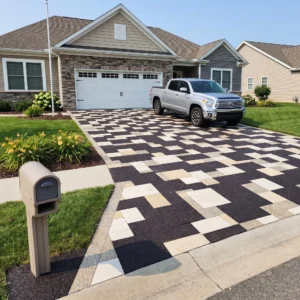
The everyday alternative to imported dimension stone here is a concrete surface, cast in place or in unit form. It deserves a straight comparison rather than a sales pitch, because the two materials draw on the same island and are not really competing for the same job. Mining Company Curacao has been working the island’s minerals since 1874, when phosphate was found in the Tafelberg near Santa Barbara in the south-east, and its output today is aggregate, sand, fill and industrial powders. The published grades run from Presieved Sand at 0 to 3.5 mm and Base coarse at 0 to 50 mm through a full range of aggregate sizes to selected boulders up to 3.5 tonnes for marine defense. Cement comes ashore at Fuik Bay, the company’s own berth outside the main port.
What that list does not contain is a finished paving unit. The island produces the base, not the wearing surface. So the real relationship is layered rather than competitive: a limestone or basalt paver is the wearing course laid on top of Curacao’s own sub-base and bedding. A concrete surface has the obvious advantage of carrying no ocean freight and being producible to whatever volume a job needs. An imported stone paver is chosen for a different set of reasons. It is stone all the way through, so wear exposes more of the same material rather than a surface layer, and it can be lifted, refinished or relaid. Neither is the wrong answer; they answer different questions.
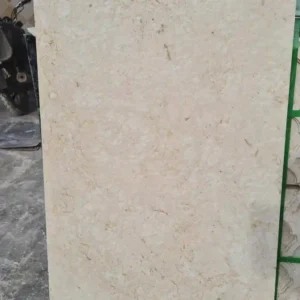
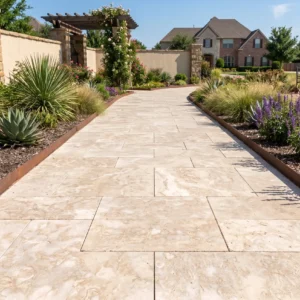
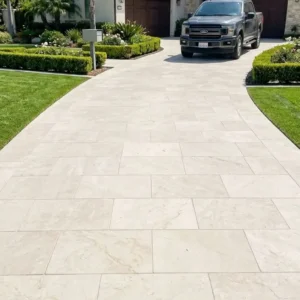
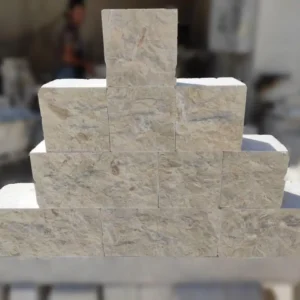
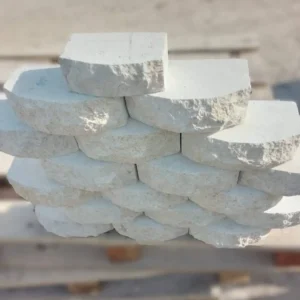
Where the pale-stone case is strongest, on pool decks, entrances and terraces that have to stay walkable in afternoon sun, white limestone in outdoor depths is the range to start from, gauged for exterior duty rather than cut as an interior tile and thickened again where vehicles are involved. Underneath it, the base course, the bedding and the compacted fill come from the island itself. Specifying both halves properly is what makes a finished job sit still, and no imported wearing course has ever rescued a base that was not built.
Specifying And Sampling
Write the specification by area rather than by product. For each area state the exposure zone, the duty, the finish, the required wet slip figure where water is involved, the unit thickness and the bedding. That document is what protects you when a substitution is proposed halfway through a job, and it is also the only thing that lets one quote be compared honestly against another. Two prices for pavers mean nothing until both are tied to the same thickness, the same finish and the same test data.
Then get physical samples before committing. Samples are small hand pieces rather than slabs, which is enough to wet, to run a hand across, to leave in the sun for an afternoon and to test a cleaner on. Look at them on the site itself in the light the paving will live in, not in an office. If the area is coastal, leave one outside for a few weeks and see what the salt does to the face; that is a far cheaper experiment than a terrace, and it settles arguments that a specification alone will not.
Finally, keep a written record of what was chosen and why. On an island where a replacement crate is not a same-week purchase, the value of a clear paper trail shows up two years later when a section needs matching or a client asks why a pool surround has a different face from the courtyard. Ask for the test data, wet the sample, and specify each area on its own terms.