










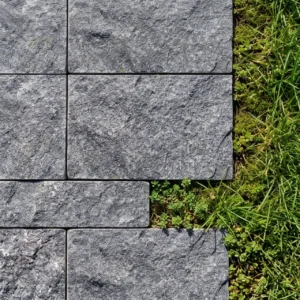
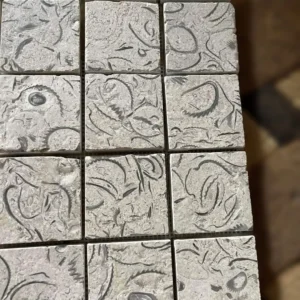
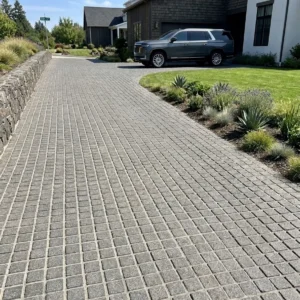
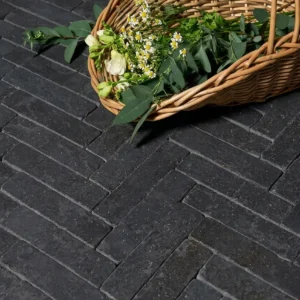
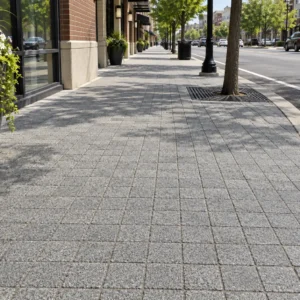
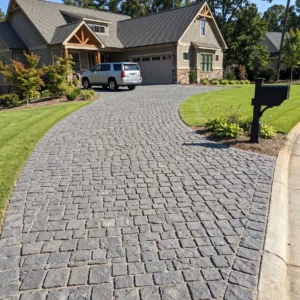
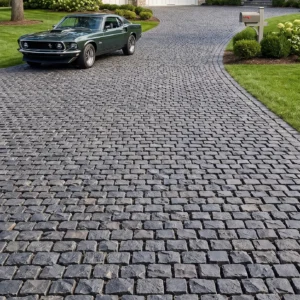
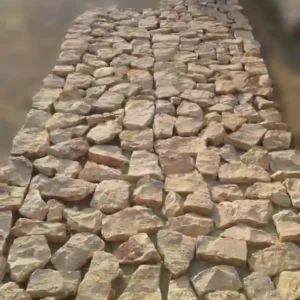
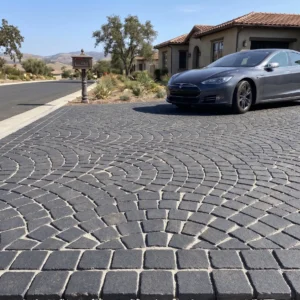
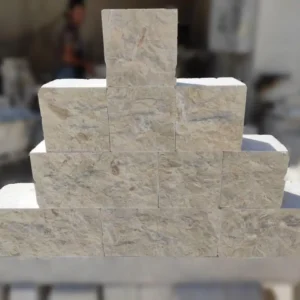
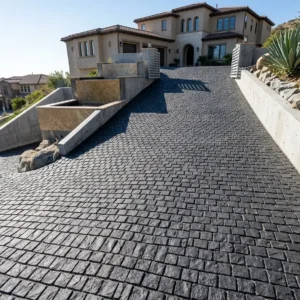
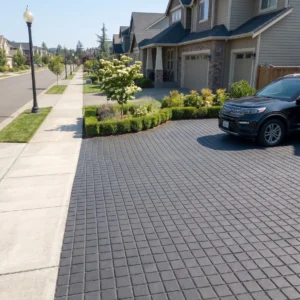
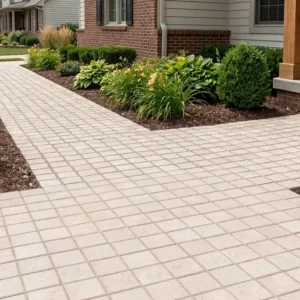
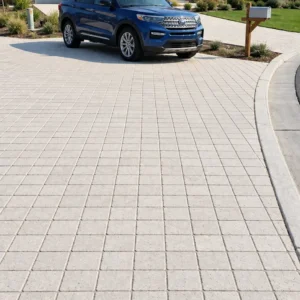
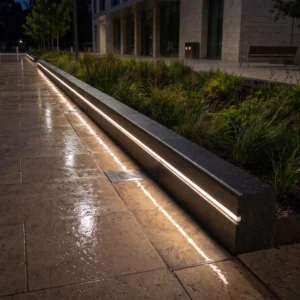
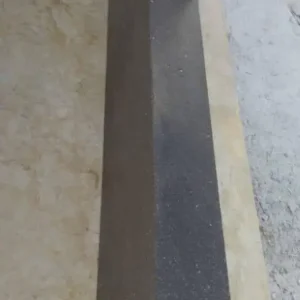
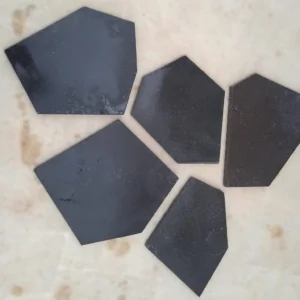
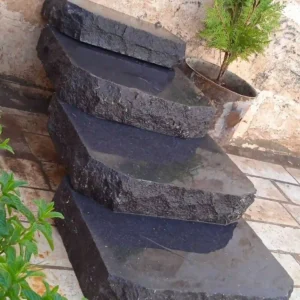
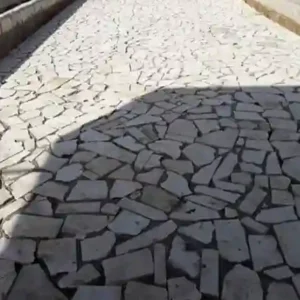
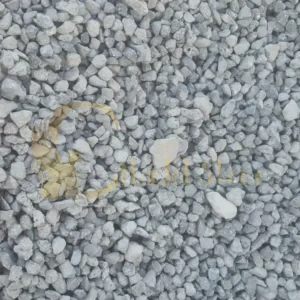
Cobblestones solve problems in Grenada that large slabs cannot. The ground is steep, the curves are tight, driveways climb from the road at gradients that would be unusual in flatter countries, and a great many of the interesting sites sit on old ground that has already moved and will move again. A small unit follows a warped surface, turns a radius without a single cut, and can be lifted and reset one piece at a time. That is a different kind of value from a large-format terrace, and it deserves to be understood before anyone compares prices per square meter.
This page is about small-unit work specifically. It covers setts and cobbles on slopes and curves, driveway aprons and turning loads, heritage context in the St George’s core, the patterns that make small units behave, jointing through a heavy wet season, and the cost inversion that catches out anyone who budgets a cobbled surface as though the stone were the expensive part of it. It is not, and understanding why changes how the whole job is planned.
Small Units On Steep, Uneven Ground
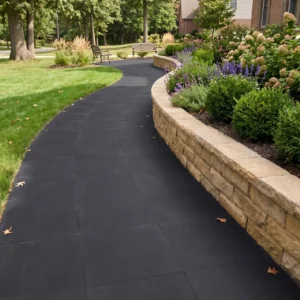
The mechanical argument for a sett is simple. A large slab has to be flat and has to sit on something flat; where the ground beneath it settles it rocks, and where a surface has to curve in two directions at once it cannot follow. A sett is small enough that the surface can warp gently between units, and the joints absorb what a slab would have to bridge. On a Grenadian hillside that is not a stylistic preference, it is the reason the surface is still level five years after it was laid.
- Setts follow compound falls, so a drive can shed water sideways while climbing without a fabricated transition detail.
- Curves are laid rather than cut, which saves material and saves the labor of cutting radius pieces on site.
- Localized settlement is repairable: lift the affected patch, correct the bedding, and reset the same units.
- Service trenches heal invisibly in a sett surface, which matters where water and power runs are shallow and get opened regularly.
- Small units give better grip on steep gradients, because the joint pattern breaks up the surface in a way a smooth slab cannot.
The same logic applies to ground expected to move slightly. On an island where seismic detailing is a normal part of design, a flexible small-unit surface tolerates minor movement and can be put right with hand tools rather than a demolition crew and a skip. That repairability is worth real money over the life of a driveway, and it is the argument that usually persuades an owner who came in wanting slabs.
Driveways, Aprons And Turning Loads
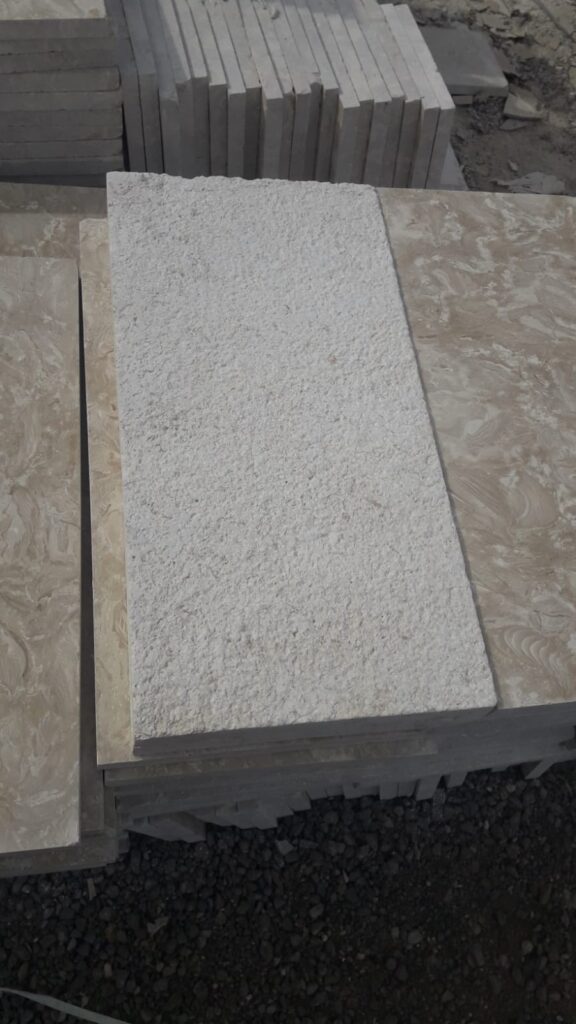
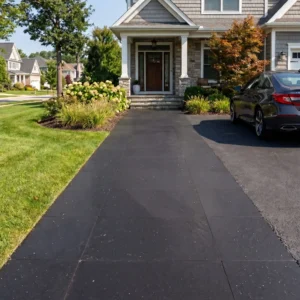
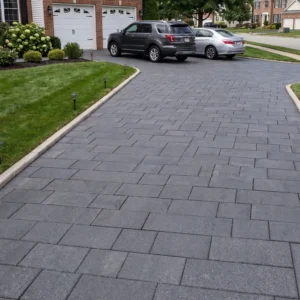
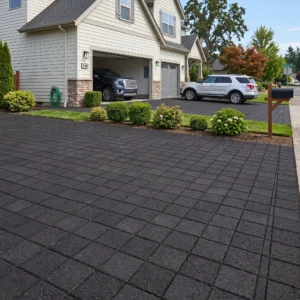
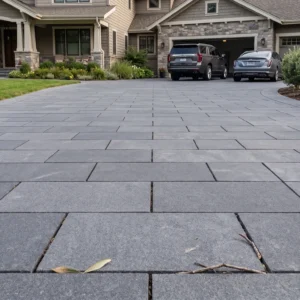
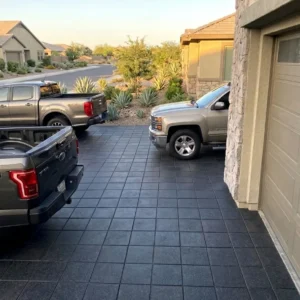
The heaviest thing that ever touches a residential driveway in Grenada is usually the delivery truck bringing building materials, not the family car. Design for the truck. Traffic drives on the left here, which puts the turning arc, the pinch point and the wear stripe in a predictable place on any entrance, so check where wheels will actually track before setting out the pattern.
- Use a deeper sett on vehicular areas than on adjacent paths, and keep the two schedules separate on the order.
- Build the base for the vehicle rather than for the surface: bedding and sub-base depth carry the load, and the stone distributes it.
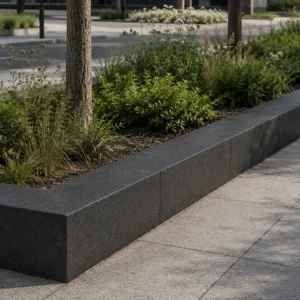
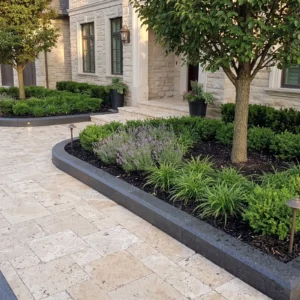
- Restrain every free edge, because curbstones or a haunched edge course stop the field creeping downhill under braking and turning.
- Concentrate the strongest detail at the apron where the drive meets the public road, since steering loads and surface water both arrive there.
- Rigid, mortar-bedded construction suits steep vehicular ramps, while flexible construction suits gentler areas where easy repair matters more.
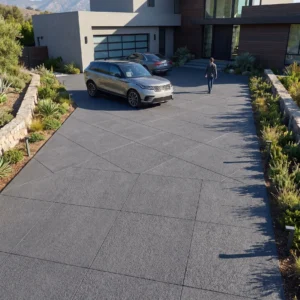
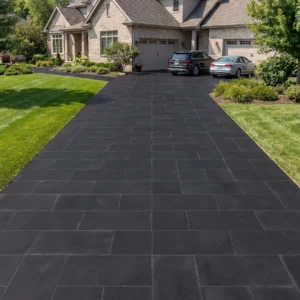
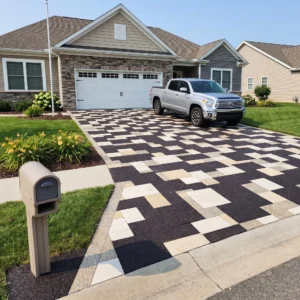
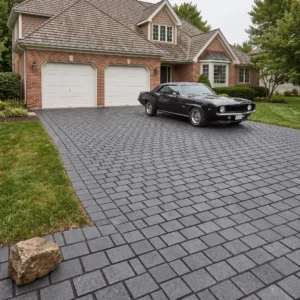
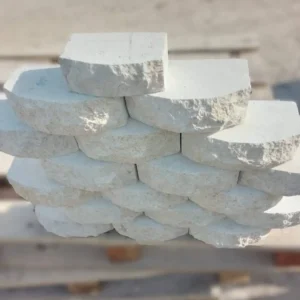
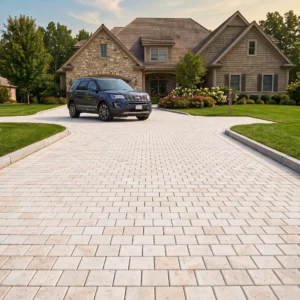
Turning loads are the specific enemy. A car turning while nearly stationary applies a twisting force at the tire contact patch that will rotate an unrestrained sett out of position within a season. Tight joints, a properly compacted bedding layer, a positive edge restraint and, on steep drives, a bonded construction are what prevent it. This is worth getting right at villa entrances around Westerhall, True Blue or Morne Rouge, where drives are short, steep and used many times a day. Depth and format both change with load, and our cobblestone paving units are supplied in the calibrated depths those different zones need.
Heritage Ground In The St George's Core
St George’s is a masonry town by statute. After the fires of 1771 and 1775 a municipal requirement obliged buildings to be of brick or masonry, and the historic district that resulted has been on Grenada’s UNESCO Tentative List since 5 August 2004. It comprises a planned late-eighteenth-century grid with a central square and Georgian architecture adapted to Caribbean conditions, together with an unplanned nineteenth-century quarter of wooden vernacular buildings. It sits on the Tentative List and has not been inscribed, and using that description accurately is the first sign to any authority that you understand the ground you are working on.
Fort George, now in police use, and the restored Fort Frederick are the landmarks of that district, and the Physical Planning Department has been developing a listing and categorization system as part of establishing a Conservation Zone for St George’s. In practical terms small-unit paving is the natural material vocabulary for that context, but the specification is a discussion with the authority before it is a purchase.
- Ask early whether the address falls within the emerging conservation area and what that implies for surface materials.
- Match the scale of the unit to the scale of the buildings, since a small sett suits a narrow street frontage far better than a large slab.
- Reuse and reset existing stone where it survives, and specify new material to complement it rather than to outshine it.
- Detail modern service covers and drainage discreetly, because they are usually what spoils an otherwise careful heritage surface.
- Photograph and record the existing surface before lifting anything, as it makes the consent conversation considerably shorter.
The same care pays off outside the formal boundary. Older properties around the town, at Fort Frederick or on the approaches above the Carenage, sit in a visual setting that is as sensitive as the district itself even where consent rules are lighter. A sett surface chosen to sit quietly against old masonry, with a joint color that does not shout and an edge that follows the existing line, tends to be the one nobody argues about later.
Patterns That Absorb Curves And Falls
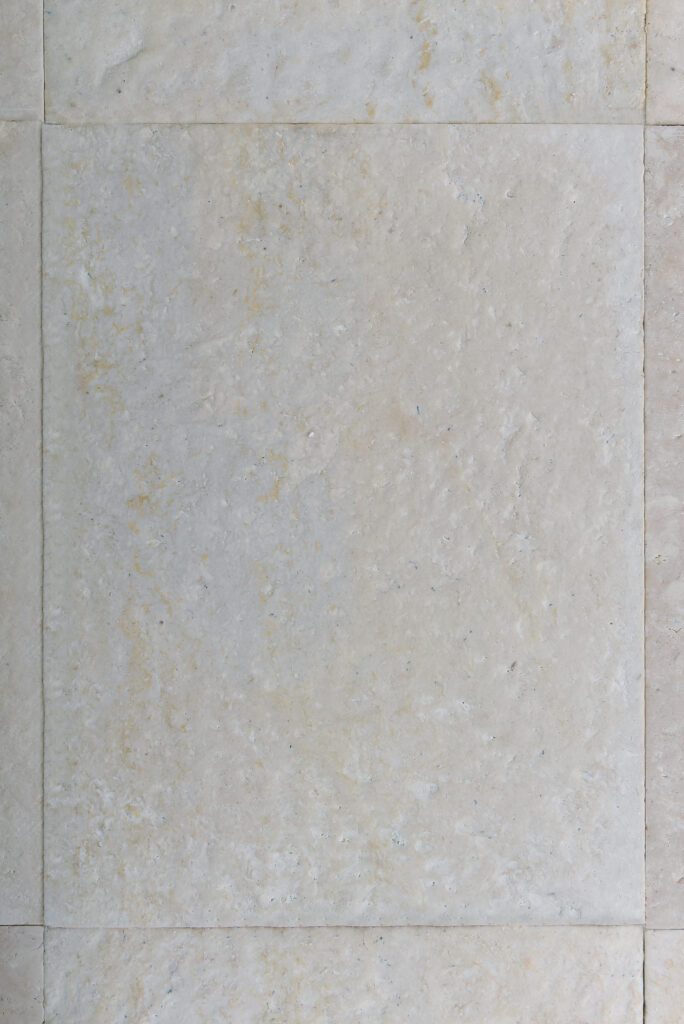
Pattern is a structural decision with small units, not a decorative one. The bond you choose determines how the surface handles turning forces, how it copes with a changing width, and how much cutting the setter faces at every edge. On a Grenadian drive that curves as it climbs, the wrong pattern generates hundreds of cuts and a wandering line, while the right one absorbs the geometry almost invisibly.
- Fan and arc patterns were developed for exactly this problem, turning corners and following falls without accumulating cuts.
- Herringbone interlocks strongly and resists the twisting loads of vehicles, which makes it the workhorse bond for drives and aprons.
- Running bond laid across the direction of travel resists creep on a slope considerably better than the same bond laid along it.
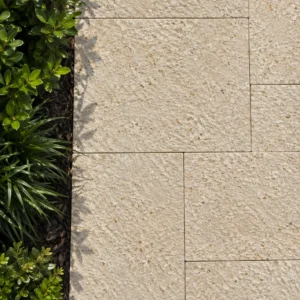
- Random and coursed sett layouts suit heritage and rural settings where a machine-perfect grid would look wrong against old buildings.
- A contrasting border or soldier course tidies every edge and gives the setter a datum to work to from the first day.
Draw the pattern before ordering, because the pattern determines both the quantity and the mix of sizes required. Our laying patterns for setts guide shows how each bond behaves on curves, slopes and awkward junctions, and it repays reading with the site plan open beside it rather than after the stone has been ordered by area alone.
Water, Joints And The Wet Season
Jointing is where a cobbled surface in Grenada succeeds or fails. Between June and December the surface will be washed repeatedly and sometimes very hard, and the joint has to stay in place while letting the construction do what it was designed to do. Choose the joint and the base together, because a permeable joint over an impermeable base traps water, and a rigid joint over a flexible base cracks within a season or two.
- Size falls and drainage for the rainfall your elevation actually receives, not a coastal average, since the central highlands take around two and a half times the rain of the coastal belts.
- Use channels, gullies and level changes to break long runs so water does not gather speed down a steep drive.
- Mortar or resin joints suit steep and vehicular areas, while sand or aggregate joints suit gentler pedestrian areas where infiltration helps.
- Keep joints full. An empty joint loses interlock, units begin to move, and the repair grows every week it is left alone.
- Brush growth out of joints during the wet season before it establishes, and keep gullies clear so surface water leaves where it was designed to leave.
On the Atlantic side, around Grenville or toward Levera and Bathway, add salt to the calculation. Fixings, edge restraints and any metal drainage furniture should be selected for a corrosive coastal environment, and rinsing the surface with fresh water where that is practical extends the life of everything on it. On the sheltered western side, from the Carenage down to Grand Anse and Point Salines, the same detail can be lighter, but the volume of foot traffic and pool splash goes up sharply.
Why Setting Labor Dominates A Cobbled Budget
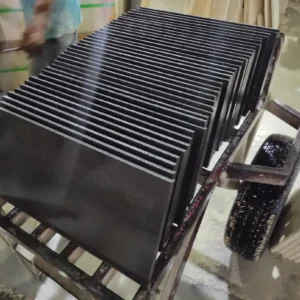
Here is the number that surprises people. On a slab terrace, the stone is usually the single largest cost and laying it is a smaller share of the total. On a cobbled or sett surface the balance shifts sharply toward labor: setts are heavier per covered square meter, so they land here at a higher material and freight cost than slabs, and on top of that the hand-setting of every individual unit adds a labor line that can rival or exceed the stone itself. A skilled setter lays a modest area per day by hand, unit by unit, on ground that is rarely flat and often steep. Budget the labor first and the stone second, and the project stops producing surprises halfway through.
- Get a laying rate, meaning area per setter per day, from the contractor before comparing material prices, because that number drives the whole budget.
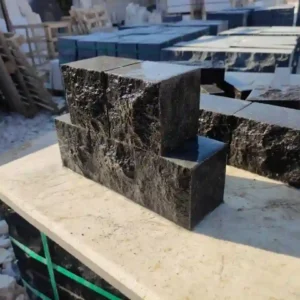
- Calibrated setts of consistent depth lay far faster than irregular ones, so a higher material price frequently buys a lower total cost.
- Complex patterns, tight radii and many edges all slow the setting rate, so simplify wherever the design does not genuinely need the complexity.
- Skilled sett laying is a specialist trade and good crews are booked well ahead, so secure the setters before securing the stone.
- Whole-life cost favors setts, because a surface that can be lifted and reset locally avoids the full replacement a cracked slab field eventually demands.
The corollary is that saving money on the units is usually a false economy. A cheap, uncalibrated sett gives much of that saving straight back in setting time and produces a surface that never quite sits level, which is visible from the first day and irritating for years. Buy stone that lays quickly and spend the difference on the crew laying it.
Quantities, Samples And Sequencing The Work
Setts are ordered by area and delivered by weight, and those two figures do not feel the same on a delivery note. A pallet of setts covers far less ground than a pallet of slabs and weighs considerably more, so the packing plan, the truck and the site handling all need thinking through in advance rather than on the morning of delivery. Get the quantities right at the drawing stage and everything downstream becomes easier.
- Calculate area from the setting-out drawing, then add wastage for cuts, edges and the pieces that break in handling.
- Add a reserve for future repairs, since matching a batch years later is difficult and freight for a single pallet is inefficient.
- Confirm the depth for each zone before ordering, because pedestrian paths, aprons and vehicular drives are rarely the same.
- Order curbstones, channel units and any special pieces with the main quantity so the whole surface comes from one batch.
- Stage pallets close to the work face on firm ground, as moving setts twice by hand is a genuine cost on a sloping site.
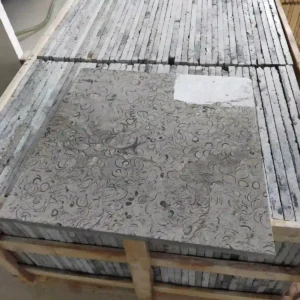
Take a sample before ordering the area. Setts vary in size tolerance, surface texture and color spread far more than slabs do, and a handful in your hand tells you exactly how the finished surface will read once it is laid and wet. Samples are small pieces rather than pallets, and we will confirm a dispatch and delivery window for your address when you request them. Plan the setting crew and the pattern before you plan the stone, and a cobbled drive in Grenada will outlast everything else on the site.