

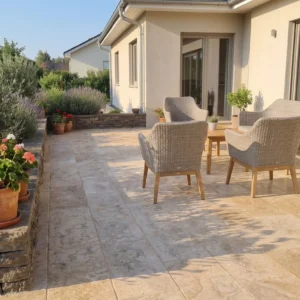

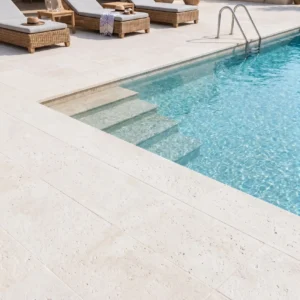


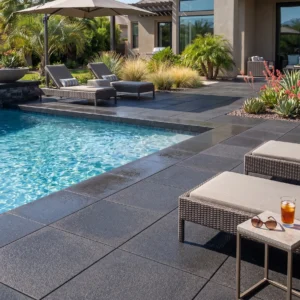
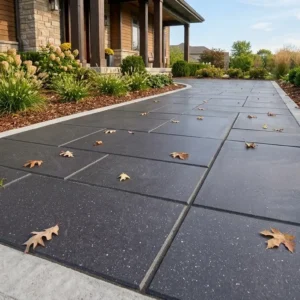







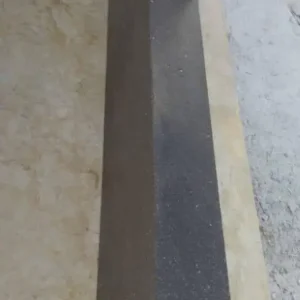
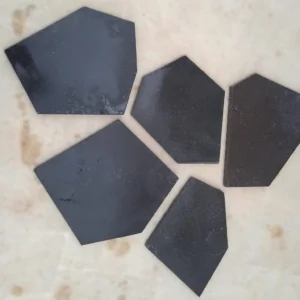
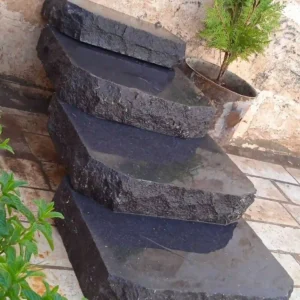
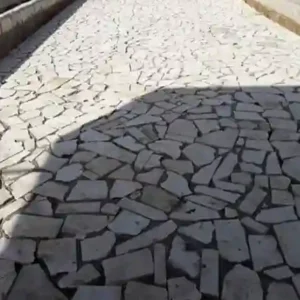

Citadel Stone works as a quarry-direct stone supplier in Barbados, shipping paving-grade white limestone, Ocean Reef shellstone and black basalt to the island, cut to your sizes. Orders travel by pallet or full container to Bridgetown, with samples at your door in three working days and escrow available on a first order.
Bajan projects sit in one of the toughest environments stone can face: salt spray, intense UV, and wet-dry cycling all year round. What follows covers the question every project here eventually asks — local coral stone or imported dense limestone — along with the finishes that hold their grip in salt and sun, honest container mathematics, and how villa owners, contractors and architects place an order.
The stone Barbados projects ask for
Four materials do most of the work in our Caribbean orders, and each earns its place differently.
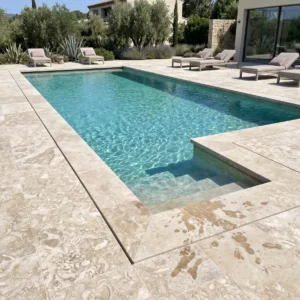
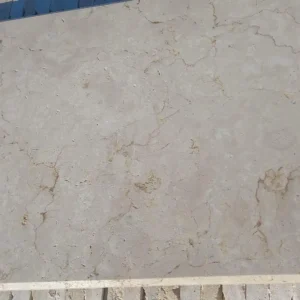
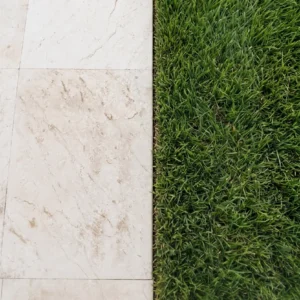
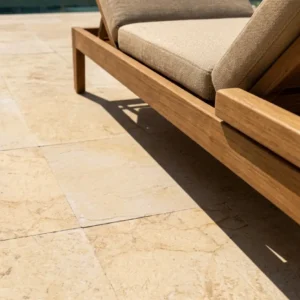
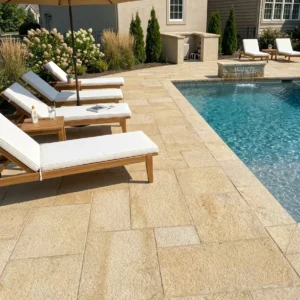
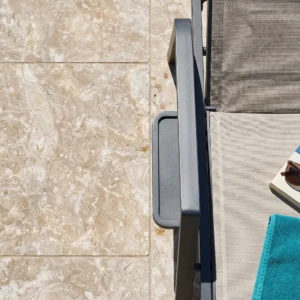
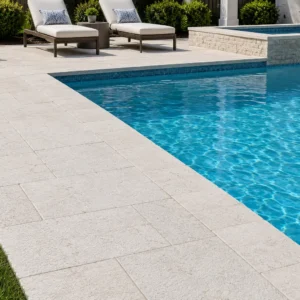
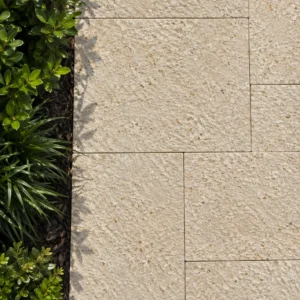
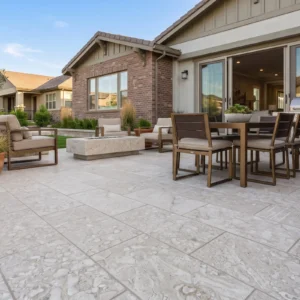
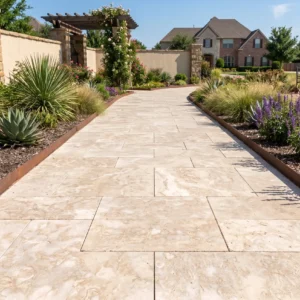
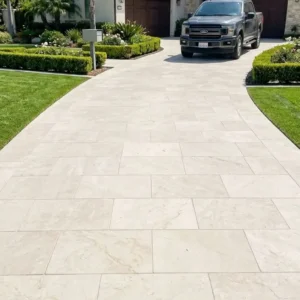
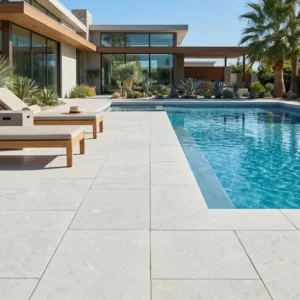
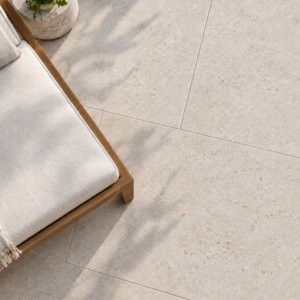
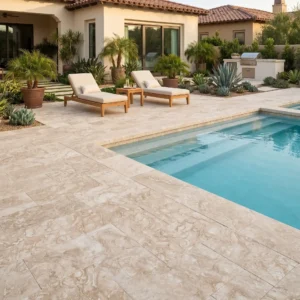
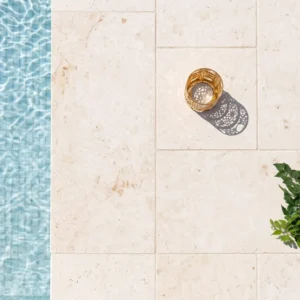
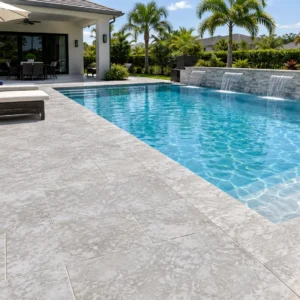
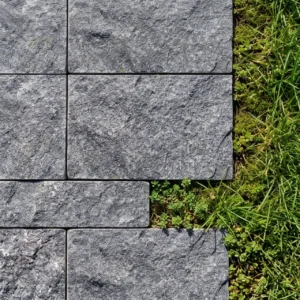
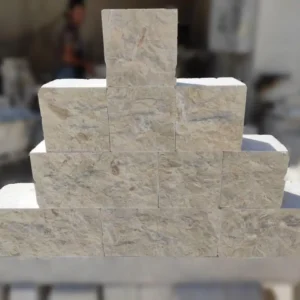
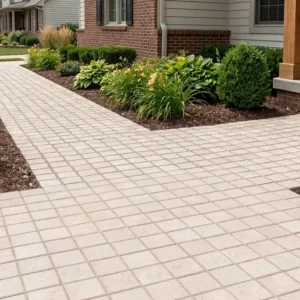
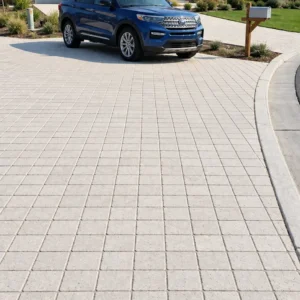
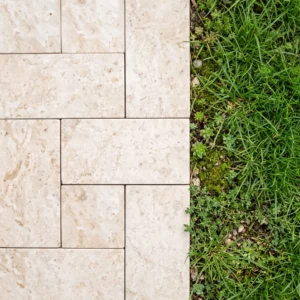
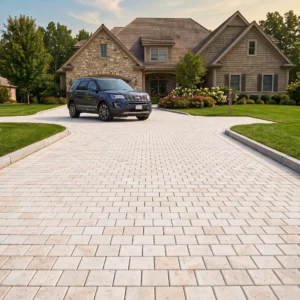
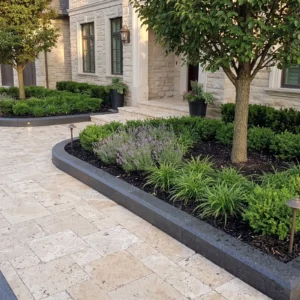
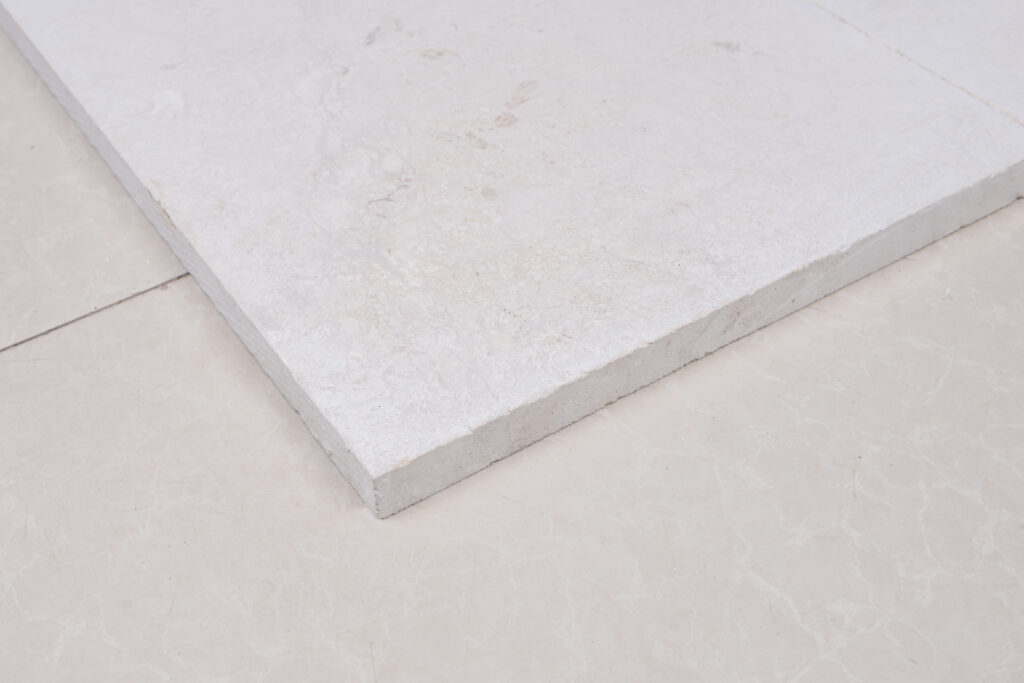
- The island favorite is white limestone supplied as pavers. Light tones stay dramatically cooler underfoot than dark stone — the property that decides whether a pool deck is usable barefoot at midday — and the pale color flatters both traditional coral-stone architecture and modern minimalist builds.
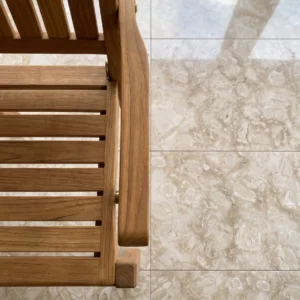
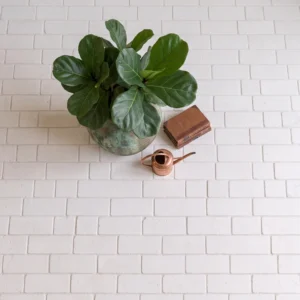
- The same stone runs from exterior pavers through to interior floor tiles in the same stone, so a villa can carry one material from the terrace into the living room without a visual break at the sliding door.
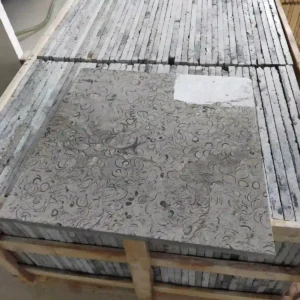
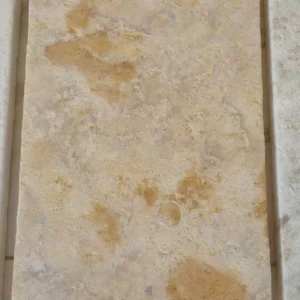
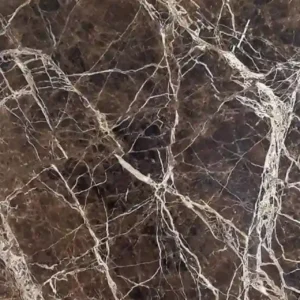
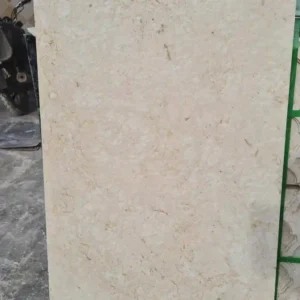
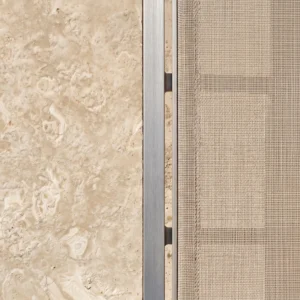
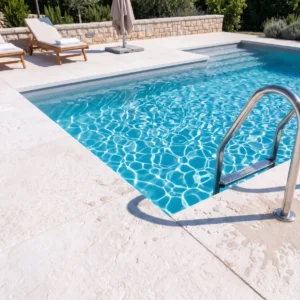
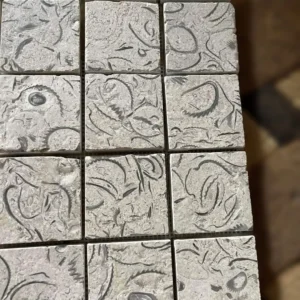
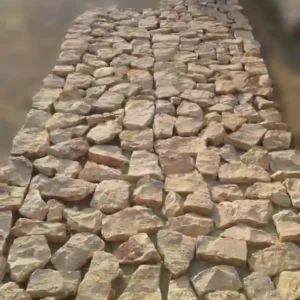
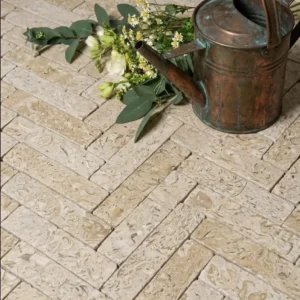
- The Ocean Reef shellstone range brings the fossil-textured, beach-house character coastal designers ask for by name: visible shell fragments, soft cream tones, and a surface that already looks at home beside the Caribbean Sea.
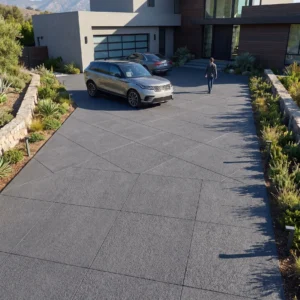
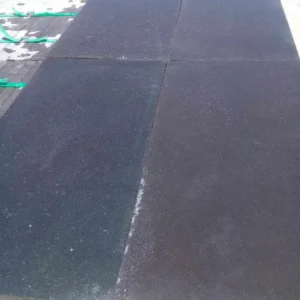
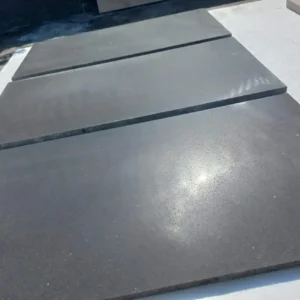
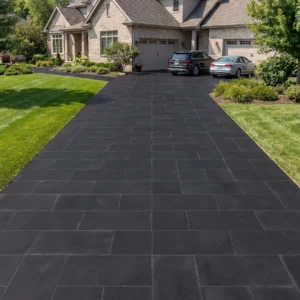
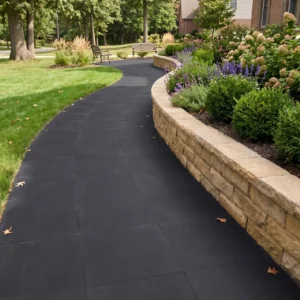
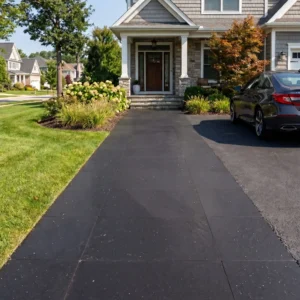
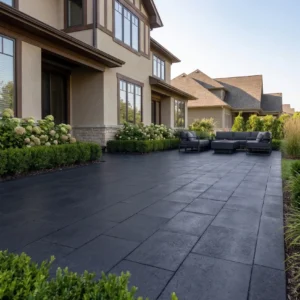
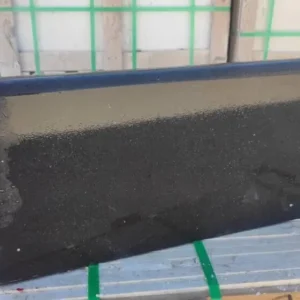
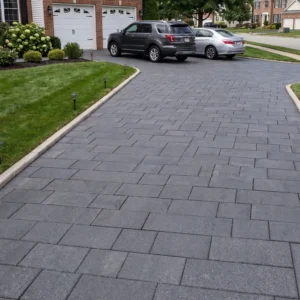
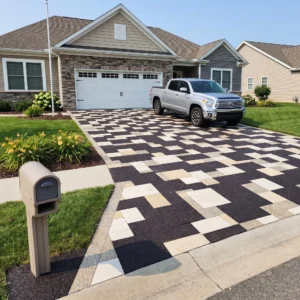
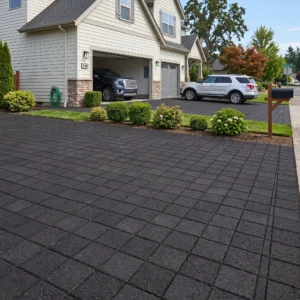
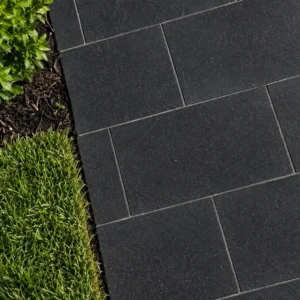
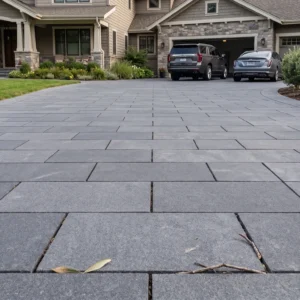
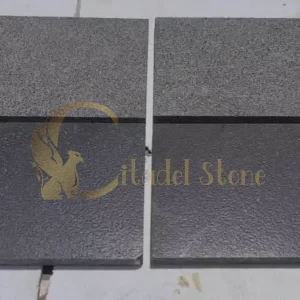
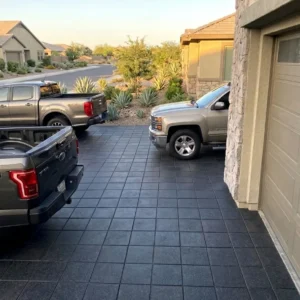
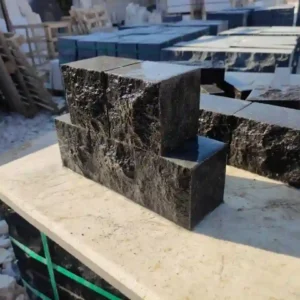
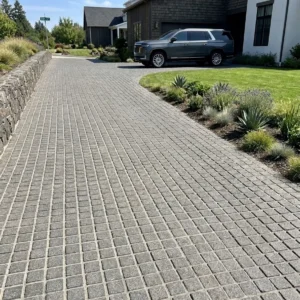
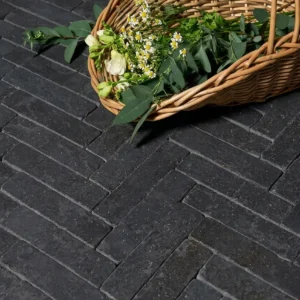
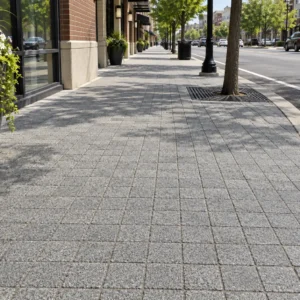
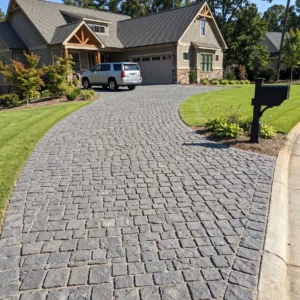
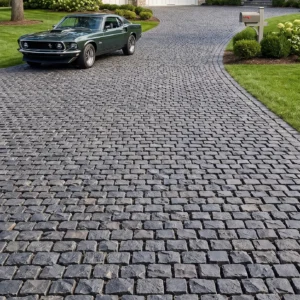
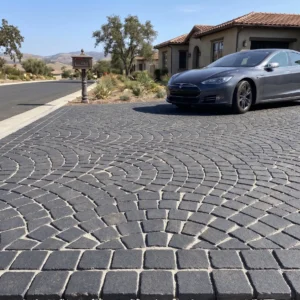
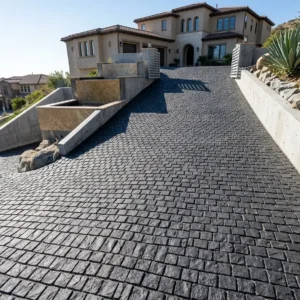
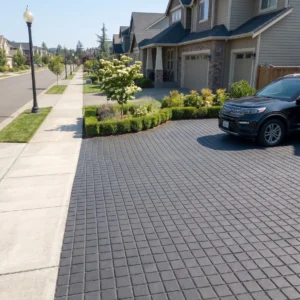
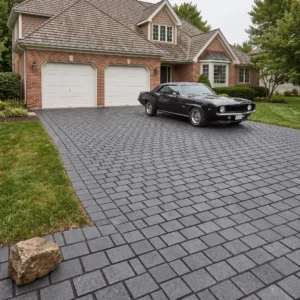
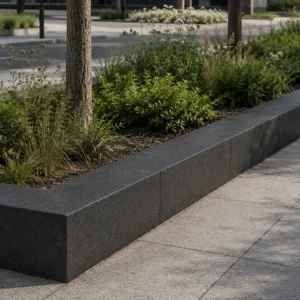
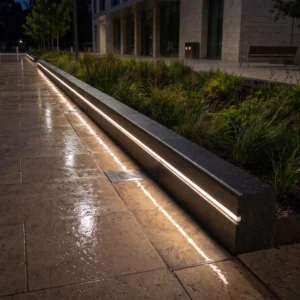
- For driveways, borders and contrast banding the workhorse is dense black basalt paving — an extremely hard volcanic stone that takes vehicle loads without complaint and gives designers a graphite counterpoint to all that light limestone.
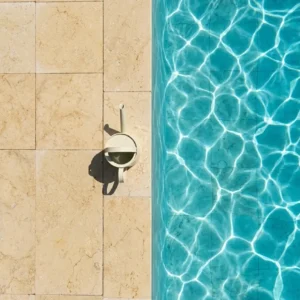
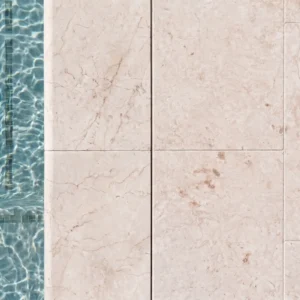
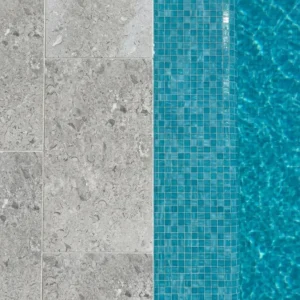
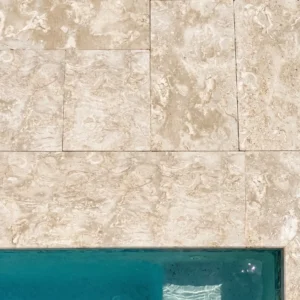
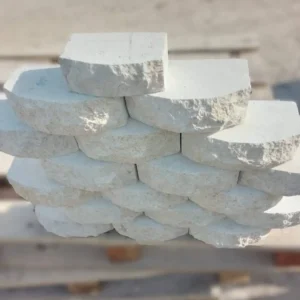
- Pool coping in matching white limestone is cut to your edge profile, bullnose or square, so the surround reads as one design instead of an assembly of parts.
Any size, any thickness — cut to your project
Nothing here comes from a warehouse of fixed formats. Standard sizes ship fastest, but every dimension is ultimately cut to order — large-format slabs such as 36 x 24 in (90 x 60 cm) and 36 x 36 in (90 x 90 cm), step treads, window sills, wall cladding and coping profiles are all routine requests.
Thickness follows the application, and getting it right is also how you keep freight cost honest:
- 2 cm — a refined thickness for covered interiors and vertical cladding
- 3 cm — the exterior standard for terraces, pool decks and walkways
- 5 cm and up — wherever vehicles drive, including driveways and turning areas
- Dense limestone runs roughly 80 kg per square meter at 3 cm, so every extra centimeter you specify without needing it is weight you pay to ship across the Atlantic
Every piece is hand-inspected after manufacturing and again before crating. On a project supplied from a single batch, that inspection is what delivers the color consistency you see across a finished Bajan terrace.
Coral stone vs imported dense limestone
Barbados sits on its own limestone — regional geological survey work records that roughly 85% of the island’s exposed rock is Pleistocene reef limestone. Locally cut coral stone has real charm, but it is soft and highly porous, which is why it weathers quickly underfoot, drinks up salt spray, and demands constant sealing in wet areas.
In a marine climate, porosity is not a cosmetic issue — it is a decay mechanism. Salt-laden water enters the pores, and as the stone dries the salt crystallizes inside them. Published work on the chemo-mechanics of salt damage shows that this crystallization generates real internal pressure, and that damage begins once that pressure exceeds the stone’s own tensile strength. The stone is pushed apart from within, one wet-dry cycle at a time.
The limestone we ship is a different class of material: dense, low-absorption, paving-grade stone selected specifically for exterior floors. It takes vehicle traffic, shrugs off salt air, and holds its color season after season.
The strongest Bajan projects use both — coral stone for walls and character elements where its texture belongs, dense imported limestone for the floors, pool decks and driveways where performance is non-negotiable. If you want to see how the two stones compare side by side, we have written it up in full, including a four-part sample test you can run on your own doorstep.
Finishes for salt, sun and barefoot comfort
The finish decides how stone performs around water, and it is where island projects most often go wrong. Match the texture to the zone:
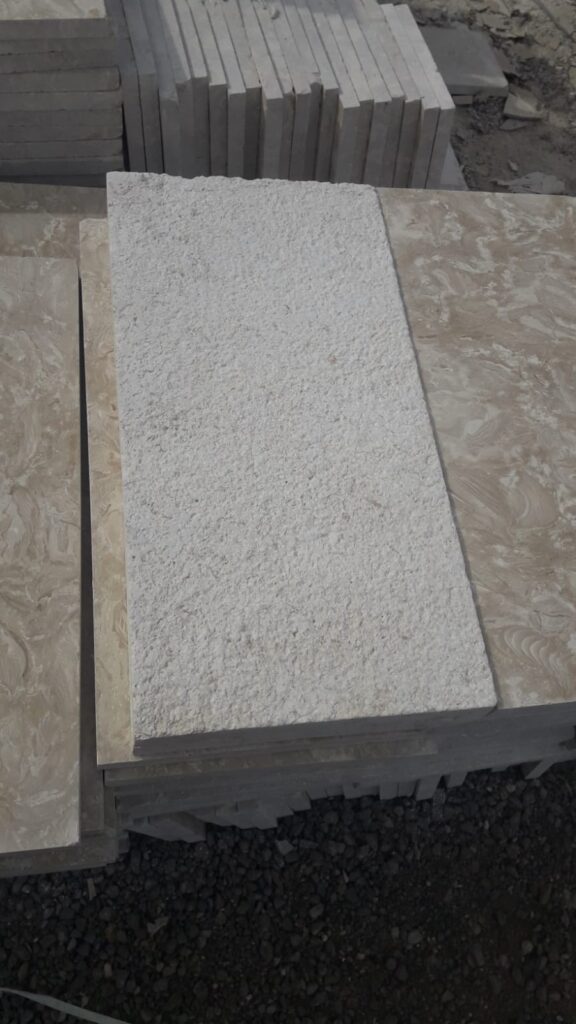
- Pool decks, outdoor showers and anything rain touches — brushed grades from a boldly rustic 16 grit to a velvet-fine 80, or bush-hammered faces, whose uniformly pocked micro-texture is the most slip-resistant surface we produce
- Interiors and covered terraces — honed and polished faces, which give the silk-smooth, light-reflective look that makes white limestone read closest to marble at a limestone’s price
- Driveways and vehicle areas — textured faces in basalt, where grip matters more than reflectivity
- Mixed zones — specifying different finishes across a single order is standard practice here, not a special request
You can see every finish photographed on real stock rather than rendered. Tell us where each area of your project sits — wet, dry, barefoot, vehicle — and we will match finishes to zones before you commit to a quantity.
How delivery to Bridgetown works
Orders ship by sea freight to Bridgetown — a full container for larger projects, palletized or shared-container space for smaller ones. The arithmetic that decides which one suits you is straightforward:
- A container carries roughly 24–26 metric tons of stone
- At 3 cm thickness that works out at approximately 280–320 square meters
- A single patio or pool surround almost always travels better on pallets
- Shared container space bridges the gap when a project sits awkwardly between the two
We prepare the export documentation and commercial invoice, and your quote states material and freight terms clearly so your customs broker can calculate landed cost before anything sails. Duties and local charges are administered by the Barbados customs authority and settled on your side with your broker; our paperwork’s job is to give them zero surprises.
One scheduling factor specific to this region deserves planning for: the Atlantic hurricane season runs June through November, and it is the period when sailing schedules are most exposed to disruption and re-routing. It does not stop shipments, but if your installation date is fixed — a villa handover, a hotel reopening — build slack into the calendar rather than into the excuses. Lead times otherwise depend on what is in stock versus cut to order, and Kareem confirms realistic production and sailing dates with your quote rather than promising a number before knowing your specification.
The full sequence, including packing, arrival inspection and the mistakes that cost first-time importers money, is set out in our practical freight guide to Barbados.
Built for the Barbados climate, not just shipped to it
Three climate realities shape every recommendation we make here.
- Salt air penalizes porous stone everywhere on the island, not only on the beachfront — which is why low-absorption material is our default specification, not an upgrade we sell you
- Sun makes dark stone genuinely hot underfoot; light limestone keeps decks and coping comfortable barefoot, and its UV-stable mineral color does not fade the way dyed concrete products do
- Rain arrives hard and briefly; textured finishes combined with a proper fall in the installation keep wet stone walkable minutes after a shower
None of this is exotic engineering. It is simply choosing stone for the place it will live.
What maintenance actually looks like in salt air
Low-absorption stone is chosen precisely so that maintenance stays boring, and on a well-specified Barbados installation it does.
- Rinse exposed areas with fresh water periodically — particularly anything within reach of sea spray. This single habit does more for longevity than any product you can buy
- Clean with pH-neutral products only. Acidic cleaners etch limestone, and the damage is permanent rather than cosmetic
- Sealing is optional on dense paving-grade stone rather than compulsory as it is on coral stone. Where it is used, it is generally about stain resistance around dining and grilling areas, not structural protection
- Keep drainage falls clear. Standing water is the condition under which salt concentrates, and concentration is what drives crystallization pressure
- Expect a settling-in period. Newly laid stone weathers slightly in its first season before reaching the appearance it will hold long-term
The trade-off worth naming honestly: dense imported limestone costs more per square meter at the point of purchase than local coral stone. What you are buying is the removal of a recurring maintenance obligation and a resurfacing cycle you would otherwise face.
Who we supply in Barbados
- Homeowners and villa owners get the same hand-selected quality from a single pallet as a resort gets from ten containers — with samples first and escrow available, so a first cross-border order carries no leap of faith
- Contractors and installers get cut-to-specification stone that arrives sequenced and labeled against the packing list, plus wholesale pricing on volume
- Architects and designers get finish samples, technical guidance on absorption, slip resistance and thickness, and one point of contact who can confirm what is actually producible before a detail goes on a drawing
In every case you deal directly with Kareem — kareem@citadelstone.us — backed by a 50-year quarrying and manufacturing operation. That is the practical difference between a trading intermediary and a stone supplier in Barbados that manufactures what it sells.
Proven across the Caribbean
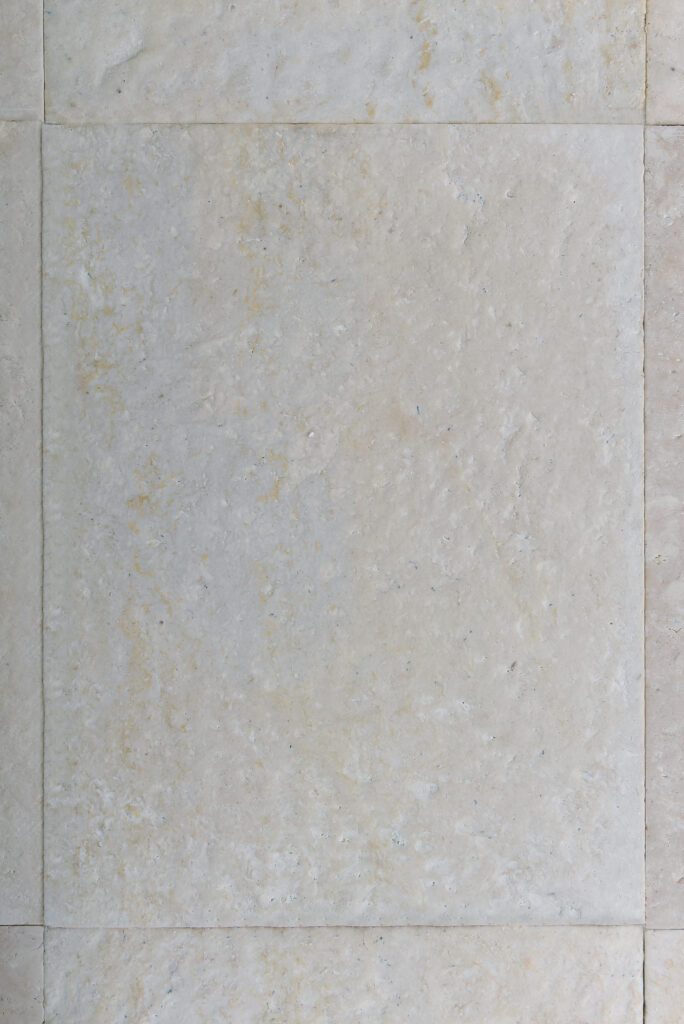
Island logistics are our normal work, not an exception. You can read how we supplied a beachfront villa supplied end to end — pavers, tiles, pool coping and shellstone for a private client — and our Bahamas supplier guide sets out how an island order comes together from first inquiry to arrival inspection. The same process covers how we supply Antigua and Barbuda and the wider region.
Order Direct from Citadel Stone, Your Stone Supplier in Barbados
Getting a Barbados order moving takes one message. Tell us which stones and finishes you are considering, the approximate square meterage, and where on the island the project sits.
- Samples — confirmed the same day, at your door within 3 working days, so you can compare them against local coral stone in your own light before deciding anything
- Formats — any size and thickness cut to order, including large-format slabs, step treads, sills, cladding and bullnose or square-edge coping profiles
- Volume — from a single pallet for a patio through to full containers for developments, with wholesale and trade pricing on project quantities
- Paperwork — export documentation and a clear commercial invoice prepared for your broker, so landed cost is known before the stone sails
- Payment — escrow available for new clients on a first cross-border order
Working with a stone supplier in Barbados should mean knowing exactly what arrives before it sails — which is what samples, cut-to-specification production and clean paperwork are for. Contact Citadel Stone for a quote on your exact quantities, or book a free consultation with no commitment. Citadel Stone supplies Barbados projects direct from the quarry, with the specification support to get the stone right the first time.