
















The single biggest predictor of whether limestone paving slabs last 25 years or crack apart in 8 comes down to how you handle the interface between slab bottom and bedding layer — get the mortar contact and moisture path right, and everything else becomes forgiving. Most specifiers obsess over surface finish and color matching, then undermine the whole assembly by leaving voids under the slab where water collects and freezes. You’ll find that limestone’s sedimentary structure makes it more sensitive to trapped moisture than dense igneous stone, which changes how you approach nearly every detail below the surface. That sensitivity isn’t a weakness — it’s a design parameter you can engineer around once you understand it.
Understanding limestone’s porosity profile gives you the leverage to make smart specification calls. The material’s absorption rate varies with the quarry bed, and that variation matters more than most datasheets suggest. You want to know your slab’s absorption number before you finalize joint spacing, bedding thickness, or sealing schedule. Citadel Stone inspects each batch at the warehouse for absorption consistency, because two pallets from the same quarry can behave differently at the joint line if the bed layers shift.
What Makes Limestone Slabs Perform the Way They Do
Limestone forms from compressed marine sediment, and that origin story explains almost everything about how it behaves underfoot. The interconnected pore structure that gives limestone its workability and even tone also creates pathways for water movement — which is exactly why drainage design deserves your attention long before you break ground. You’re not fighting the material’s nature when you plan for moisture; you’re working with it.
Here’s what most specifiers miss about limestone slabs: the stone’s compressive strength is rarely the failure point. Failures cluster around freeze-thaw damage in saturated stone and edge spalling from point loads on poorly bedded slabs. According to limestone formation and characteristics, the calcium carbonate matrix that defines the stone is chemically stable but physically vulnerable to repeated water expansion inside its pores.
- Absorption rate determines freeze-thaw vulnerability more than any other single property
- Bed orientation affects how the slab sheds surface water versus wicking it upward
- Surface finish alters slip resistance and how quickly the face dries after rain
- Thickness selection should match expected point loads, not just aesthetic preference
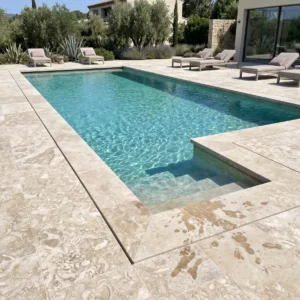
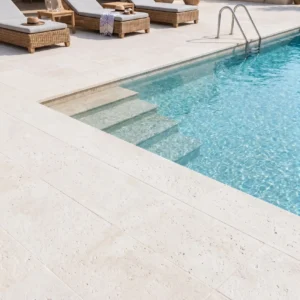
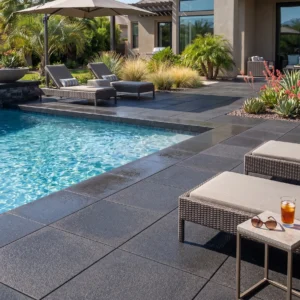
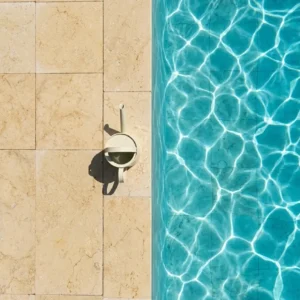
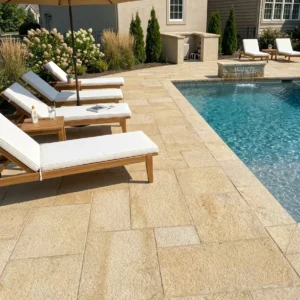
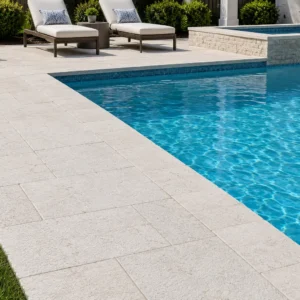
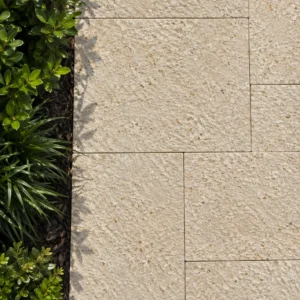
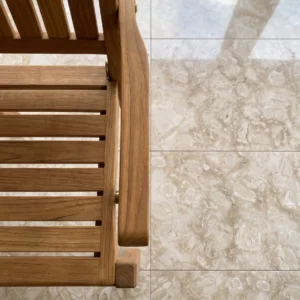
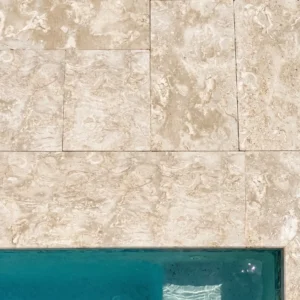
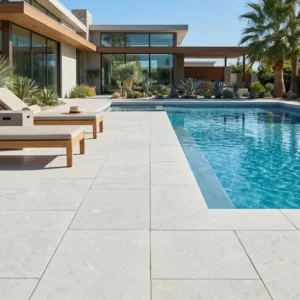
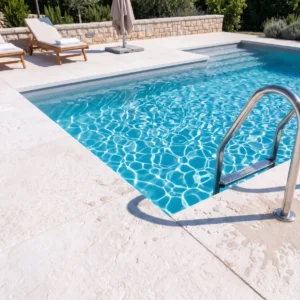
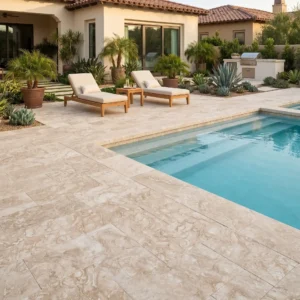
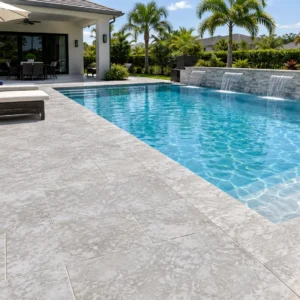
You’ll want to match finish to function early. A honed limestone slab reads elegant and stays comfortable underfoot, but it holds surface moisture longer than a tumbled or brushed face. For areas that stay wet — near downspouts, in shaded courtyards, along pool surrounds — a textured finish drains and dries faster, reducing the biofilm that makes any stone slick. When you compare limestone slabs for sale across suppliers, the finish spec matters as much as the tone you select.
Choosing Color, Tone, and Finish for Your Project
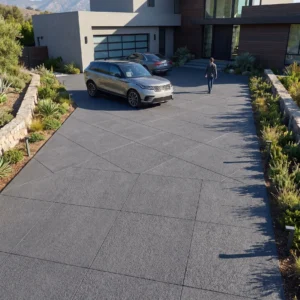
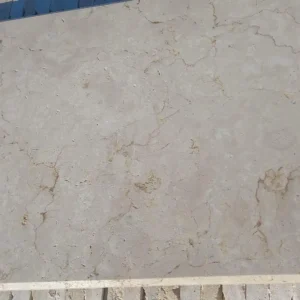
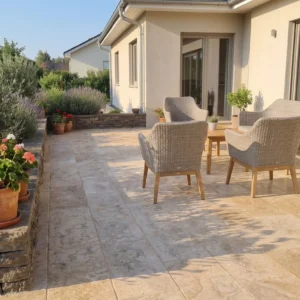
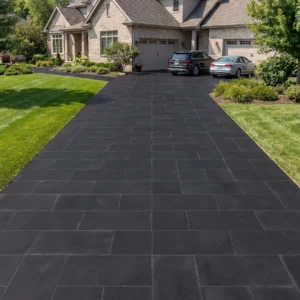
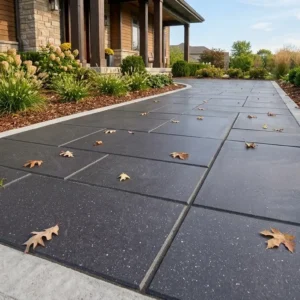
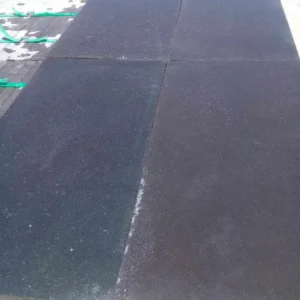
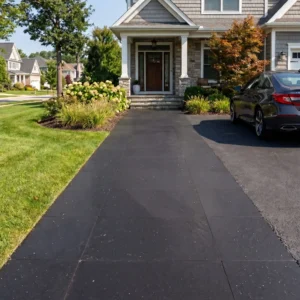
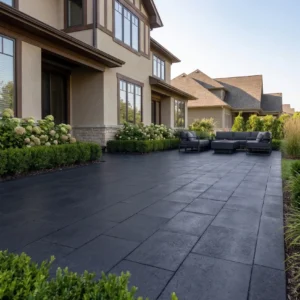
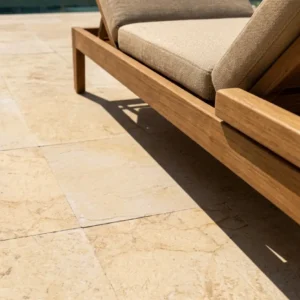
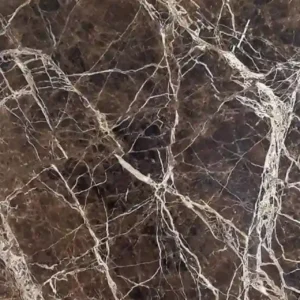
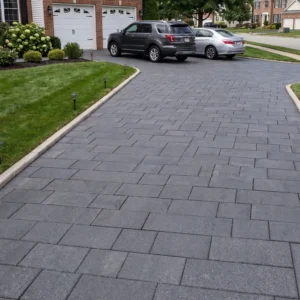
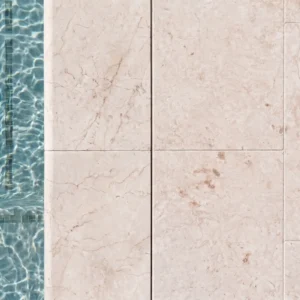
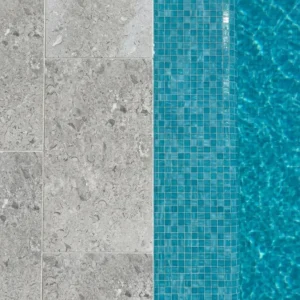
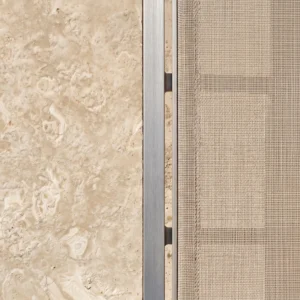
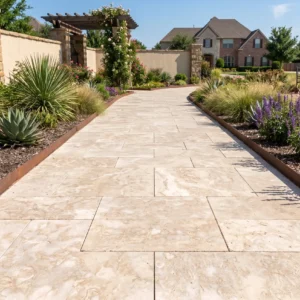
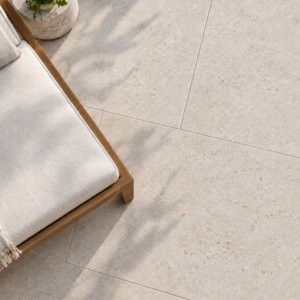
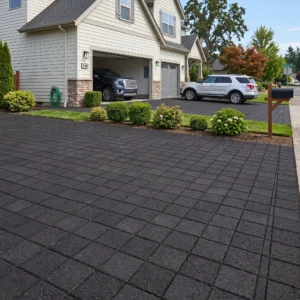
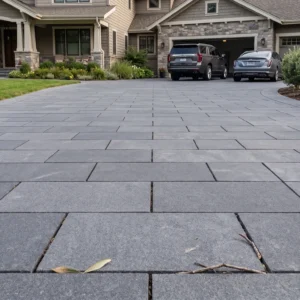
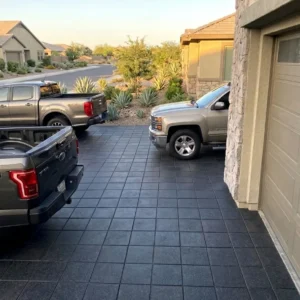
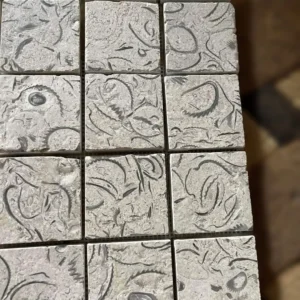
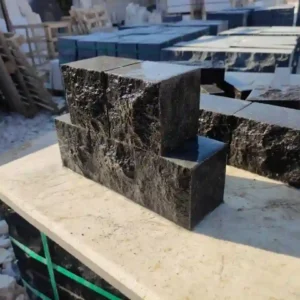
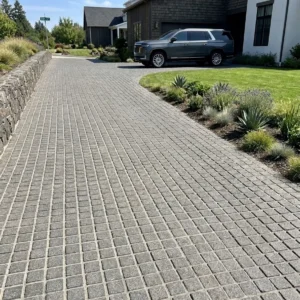
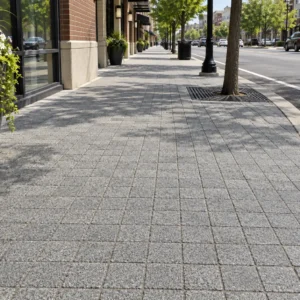
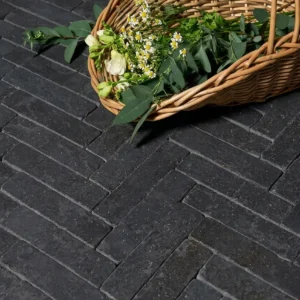
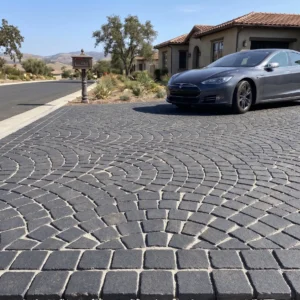
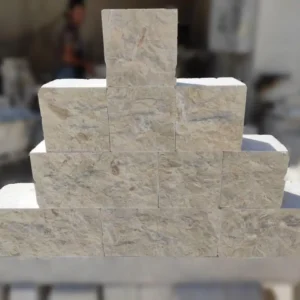
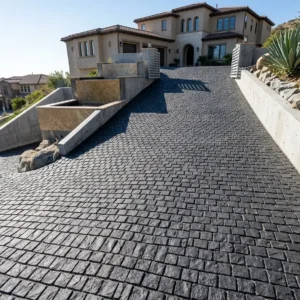
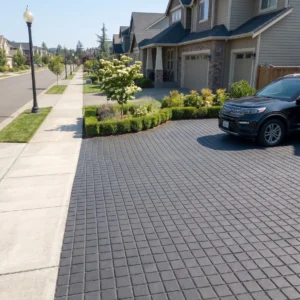
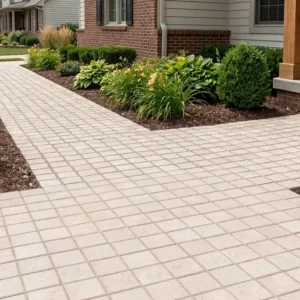
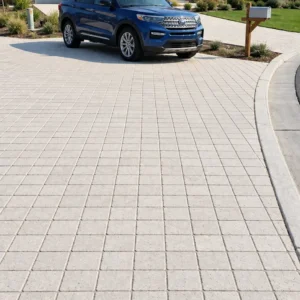
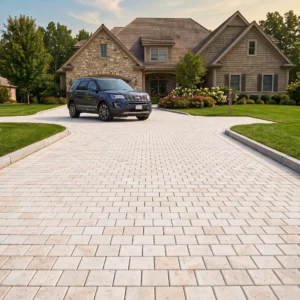
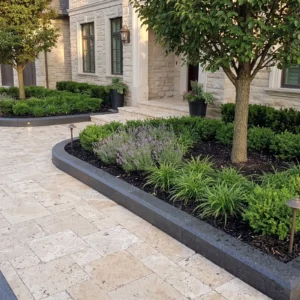
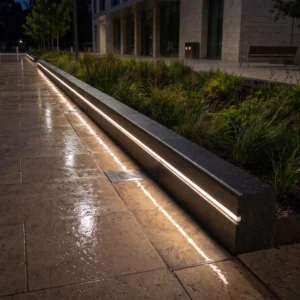
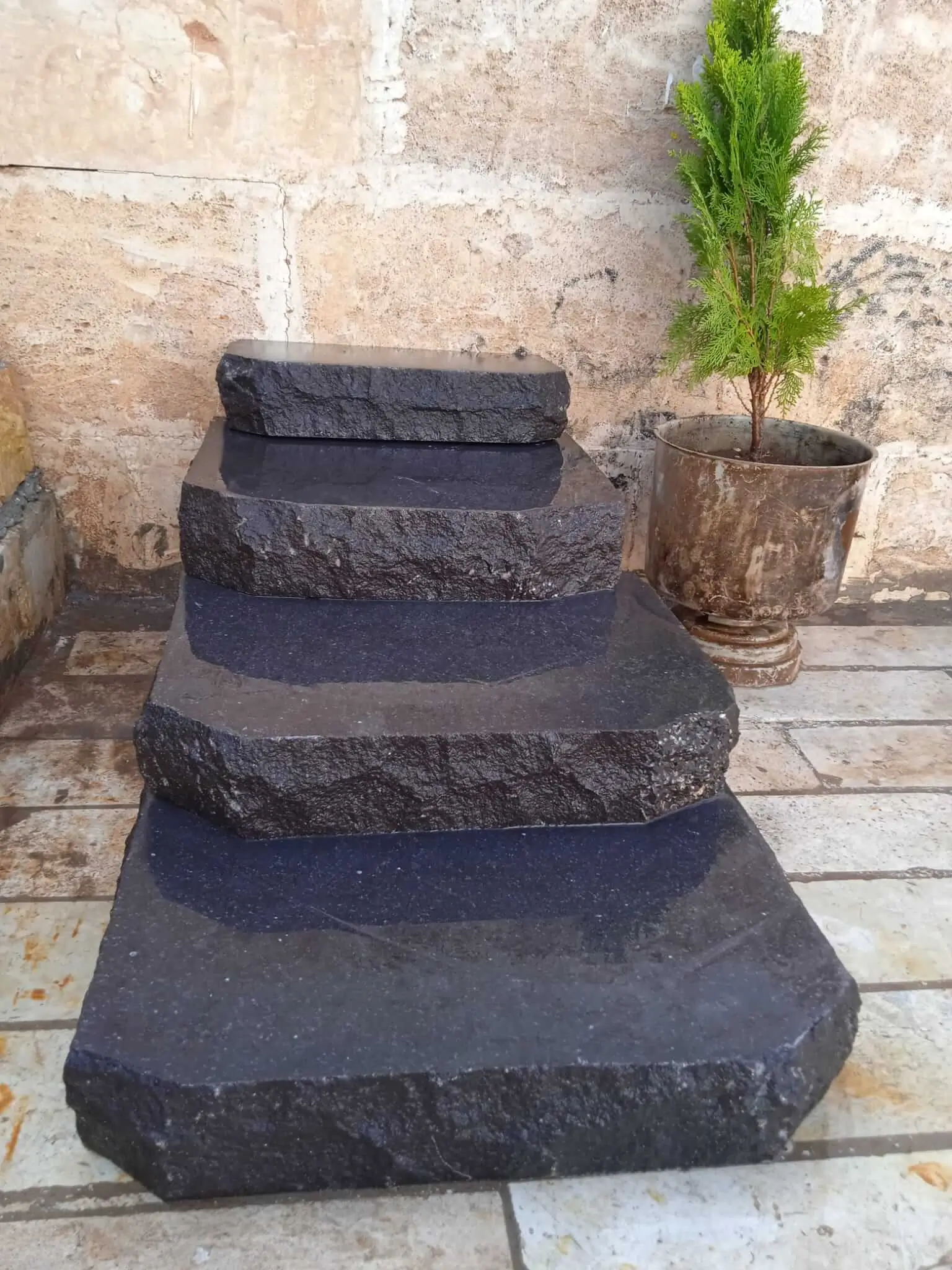
Limestone’s color palette runs quieter than most natural stone, and that restraint is precisely why designers keep specifying it. You’ll encounter cream and ivory tones most commonly, along with warmer buff ranges and cooler grey, charcoal, and even graphite and silver-grey beds depending on the quarry. The even, consistent tone across a limestone pallet is one of its defining commercial advantages — it lets you cover large patio and driveway expanses without the visual noise you get from heavily variegated stone.
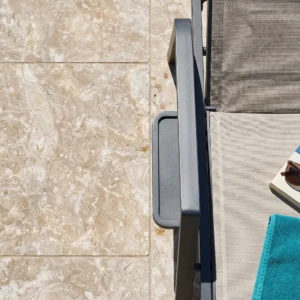
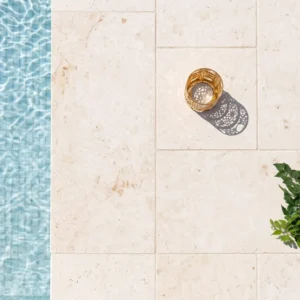
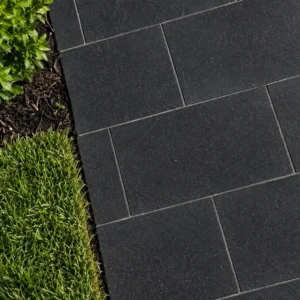
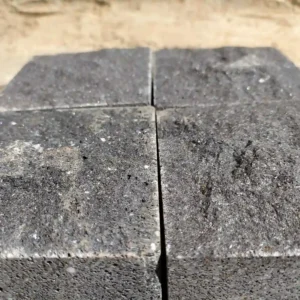
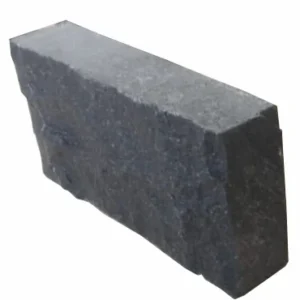
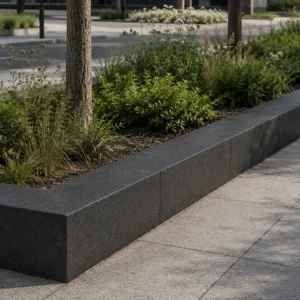
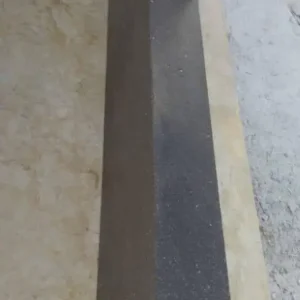
Your color choice interacts with practical performance in ways worth planning for. Lighter cream and ivory limestone slabs reflect solar radiation and stay cooler underfoot, which matters for pool deck and barefoot walkway applications. Darker grey and charcoal limestone tiles absorb more heat but hide surface staining and organic marking better in shaded, damp settings. You’re balancing thermal comfort against maintenance visibility, and neither answer is universally correct.
- Cream and ivory tones for reflective, cooler surfaces in open sun
- Grey, charcoal, and graphite beds for stain concealment in shaded or high-traffic zones
- Silver-grey ranges as a versatile middle ground for mixed light conditions
- Honed finish for formal patio and interior transitions
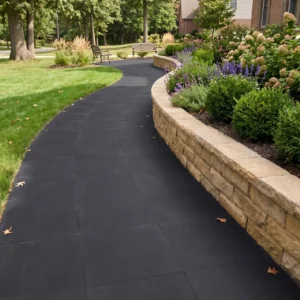
- Tumbled and brushed finishes for garden paths, driveways, and wet areas
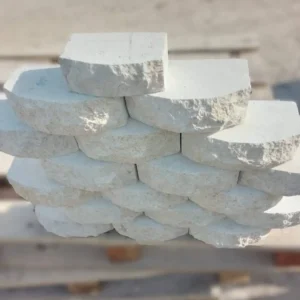
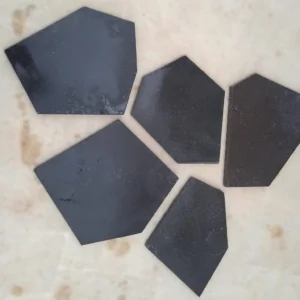
Citadel Stone stocks limestone paving slabs in standard formats including 12×12, 16×16, 24×24, and larger patio slabs, along with random-size flagstone-style layouts for organic garden paving. You can request sample tiles or thickness specifications from our team before committing, which lets you check tone and finish against your site’s actual light conditions rather than a screen image. Buyers who scan the limestone paving slabs for sale listings often overlook that sample check, and it saves rework later.
How Limestone Compares to Other Paving Options
The material comparison that matters most for buyers is limestone against concrete pavers and against denser natural stones like granite. Concrete wins on upfront cost but loses on longevity and appearance — it fades, it develops a chalky surface, and it never reads as authentic underfoot. Limestone paving slabs cost more initially but hold their character across decades of use.
Against granite, the trade-off shifts. Granite handles freeze-thaw and abrasion better because of its near-zero porosity, but it costs more, works harder to cut, and delivers a cooler, harder aesthetic. Limestone gives you warmth, workability, and a softer visual — at the price of requiring smarter moisture management. Industry data through NSI limestone specifications confirms that limestone’s outdoor durability depends heavily on correct installation and drainage rather than the stone’s inherent strength alone.
- Versus concrete: higher cost, dramatically better appearance and lifespan
- Versus granite: warmer look and easier fabrication, but needs better drainage detailing
- Versus travertine: similar sedimentary character, often tighter tone consistency
- Versus slate: less textured when polished, but more color continuity
For buyers weighing wholesale limestone against premium single-source pricing, the volume math usually favors ordering complete quantities up front. Purchasing wholesale limestone pavers in one batch also removes the tone drift that creeps in when quarry beds shift between deliveries. When you’re pricing cheap limestone paving against mid-grade options, the real cost difference often lives in thickness consistency and edge quality — thinner, poorly calibrated slabs demand more bedding labor and crack sooner.
Base Preparation and Drainage That Actually Lasts
This is where limestone installations succeed or fail, and where the water management thread runs deepest. Your base isn’t just structural support — it’s the drainage engine that keeps water moving away from the underside of your slabs. In regions with heavy rainfall or high flooding risk, the base design carries even more weight, because saturated bedding is the fast track to freeze-thaw failure and efflorescence bloom.
Start with a properly compacted aggregate base, typically 4 to 6 inches of well-graded crushed stone for pedestrian applications and 6 to 10 inches for driveway loads. The critical detail most crews rush: grading the base to a positive slope of at least 1% to 2% so water drains laterally rather than pooling under the field. When specifying limestone paving slabs for wet-climate sites, you should account for a free-draining bedding layer — a coarse sharp sand or a bedding mortar with adequate permeability — that lets water escape rather than sit against the stone.
- Compact base aggregate in lifts, never in a single dump-and-level pass
- Establish 1-2% positive drainage slope across the entire installation field
- Use open-graded bedding in high-rainfall or poor-draining soil conditions
- Install perimeter drainage or channel drains where surface runoff concentrates
- Account for regional soil expansion in clay-heavy sites with a thicker aggregate buffer
For projects requiring careful moisture control and long-term surface care, how to clean limestone paving covers maintenance protocols that connect directly to drainage performance, since standing water is the root cause of most staining. Getting the base and drainage right at this stage prevents the failures that cleaning alone can never fully reverse.
The detail that matters most in freeze-thaw regions: the water trapped in a saturated limestone slab expands as it freezes, and that internal pressure is what fractures the stone from the inside. You defeat this not by sealing the surface — sealing a wet slab traps moisture — but by ensuring water can always drain and the stone can always dry. Drainage geometry beats surface treatment every time in cold, wet climates.
Selecting Thickness and Format for the Load
Thickness selection is a load conversation, not an aesthetic one. Get it wrong and you’ll see edge cracking within a few seasons; get it right and the slab distributes point loads into the bedding without stress concentration. The rule of thumb professionals actually use: match thickness to the heaviest realistic load, then add a margin for impact.
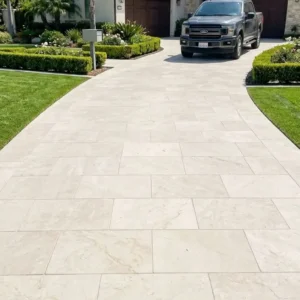
For pedestrian patio and walkway use, limestone slabs in the 3/4-inch to 1-1/4-inch range perform well over a proper base. Driveway and vehicular applications demand 2-inch nominal thickness minimum, and often more for regular truck traffic or larger format slabs. Large-format limestone slabs — anything over 24 inches on a side — need extra thickness to resist the leverage that point loads exert across their span.
- Pedestrian patio: 3/4 to 1-1/4 inch over compacted base
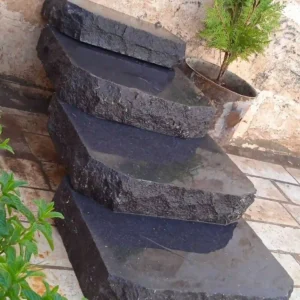
- Garden walkway and stepping stones: 1 to 1-1/2 inch depending on span
- Driveway and vehicular: 2 inch nominal minimum, thicker for heavy loads
- Large-format slabs: increase thickness to offset span leverage
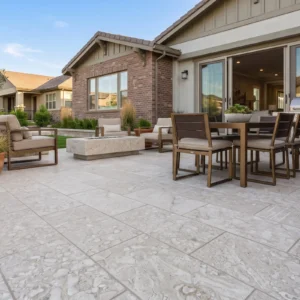
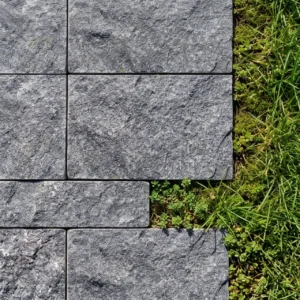
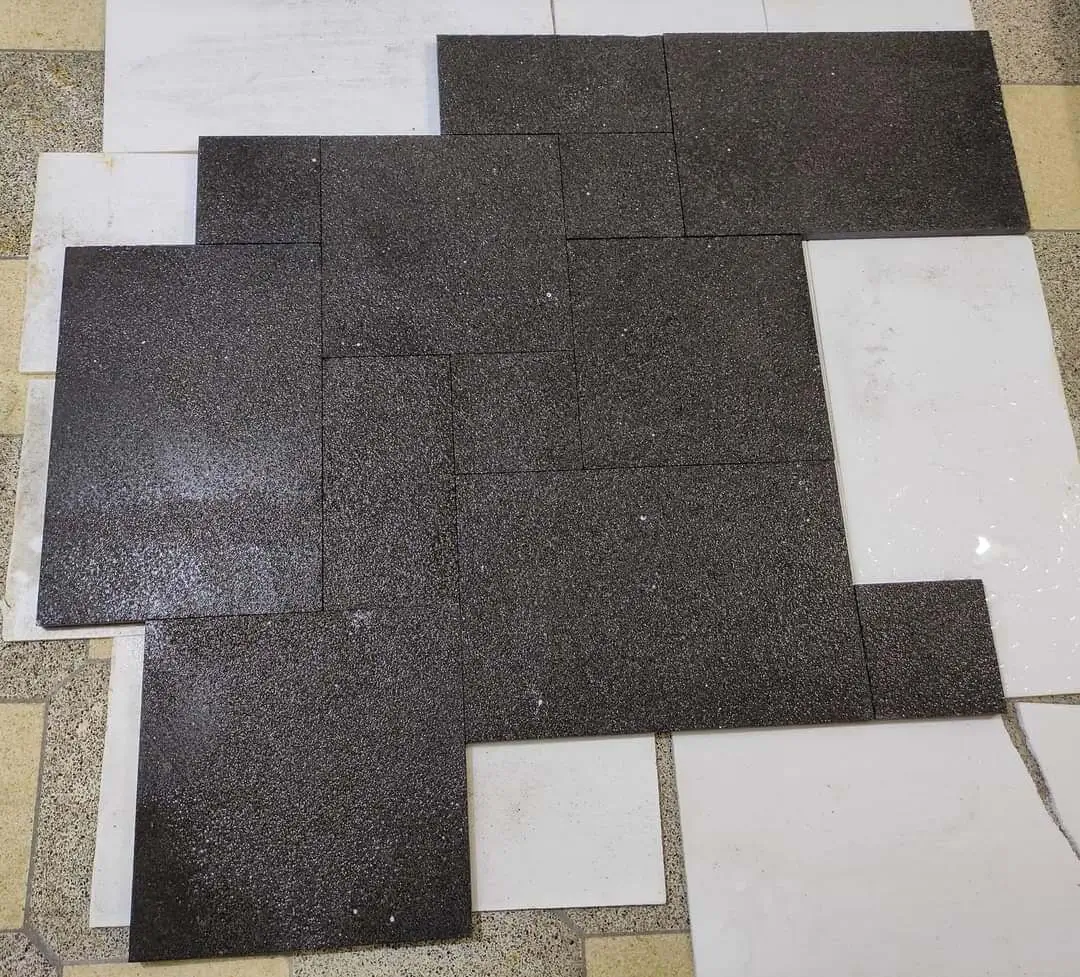
Format choice affects both drainage and installation labor. Modular square and rectangular limestone tiles install fast and drain predictably along regular joint lines. Random-size flagstone layouts read more organic but create irregular joint patterns that need careful grading to avoid low spots. When you buy limestone slabs in mixed formats, plan your joint pattern to keep water flowing toward drainage points rather than trapping it in dead-end pockets. It also pays to buy limestone slabs with verified thickness tolerance so the field stays flush across formats.
Jointing, Sealing, and Long-Term Maintenance
Joint design does more drainage work than any surface treatment. Your joints are the primary water exit path from the surface, so joint width and fill material determine how quickly rain clears the field. Too tight and water sheets across the surface; too wide and the fill washes out. A 3/8-inch to 1/2-inch joint filled with polymeric sand or a permeable jointing compound balances stability against drainage for most limestone paving.
Sealing limestone divides professionals, and the honest answer is: it depends on your climate and use. A breathable, penetrating sealer reduces staining and slows water absorption without trapping moisture inside the stone. Avoid film-forming topical sealers on exterior limestone in wet or freeze-thaw regions — they trap water below the surface and accelerate the exact damage you’re trying to prevent.
- Use breathable penetrating sealers, never film-forming topical products outdoors
- Reseal every 2 to 4 years depending on traffic and exposure
- Clear organic debris promptly to prevent staining and biofilm slip hazards
- Address efflorescence with dry brushing before reaching for acidic cleaners
- Keep drainage channels clear so joints continue to shed water
You can expect 20 to 30 years of strong performance from quality limestone paving slabs with biennial resealing, prompt debris clearing, and functioning drainage. The maintenance burden is real but modest — most of it comes down to keeping water moving. Neglect drainage and no amount of sealing or cleaning will save the installation.
Sourcing Quality and Verifying Consistency
Where you source your limestone determines whether you get consistent tone, calibrated thickness, and sound edges — or a pallet of surprises. As limestone paver supplier operations go, the difference between a reliable source and a bargain-bin one shows up at the joint line, where thickness variation and edge chipping become impossible to hide. A dependable limestone paver supplier also documents absorption and tolerance data you can plan around.
Sourced from our selected premium quarries, each batch of our limestone is inspected for consistency before it reaches your site. At Citadel Stone, we check tone continuity, thickness calibration, and edge quality at the warehouse because catching variation there saves you from discovering it mid-installation. That inspection discipline is why buyers who need matched batches for large expanses come to us rather than gambling on unverified wholesale limestone pavers or unvetted bulk wholesale limestone lots.
- Verify absorption rate and thickness tolerance before ordering
- Request samples from the actual batch, not a generic representative
- Confirm edge quality — chipped or spalled edges signal poor handling
- Check tone consistency across multiple pallets for large projects
- Ask about batch matching if you’re phasing a large installation
Working with experienced limestone tile suppliers and limestone block suppliers also gives you access to technical guidance most yards can’t provide. Reputable limestone tile suppliers and limestone block suppliers will confirm lead times, batch sources, and cut tolerances up front. For projects requiring custom cuts or non-standard formats, Citadel Stone’s team can advise on lead times and help you calculate the tonnage your layout requires, which prevents the costly mid-project reorder that risks tone drift.
Order Limestone Paving Slabs — Nationwide Delivery Available
Citadel Stone supplies limestone paving slabs in standard formats from 12×12 through large-format 24×24 and beyond, in cream, ivory, grey, charcoal, and silver-grey tones with honed, tumbled, and brushed finishes. You can request sample tiles, full thickness specifications, and batch-matched quantities directly from our team before you commit to an order. We maintain warehouse inventory nationwide, which typically reduces lead times to 1 to 2 weeks versus the 6 to 8 week import cycle most projects face, and our truck logistics cover deliveries across the country from regional stock. Browse our limestone slabs for sale and confirm current availability with the team.
Trade and wholesale enquiries are welcome — if you’re looking to buy limestone slabs for a large commercial project or looking for cheap limestone paving slabs at contractor volume pricing, request a quote and our team will confirm availability, lead times, and delivery scheduling for your site. As you plan your broader project, related applications can inform your material decisions, and our full range of stone building materials shows how Citadel Stone products work together across a complete hardscape specification. Contact us for pricing, consultation, or to schedule your delivery. Project teams specify Limestone Paving Slabs from Citadel Stone, a sedimentary stone valued for its even, consistent tone, for outdoor and architectural use.
See also: limestone paving pros and cons.
Related guides: how to seal limestone paving · weathered limestone paving over time · flamed vs tumbled limestone paving · limestone paving for pool areas · limestone crazy paving ideas · french limestone paving · Limestone Paving Tiles: What to Know Before Buying · limestone patio paving.