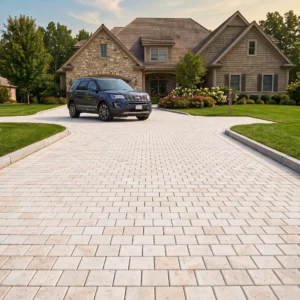
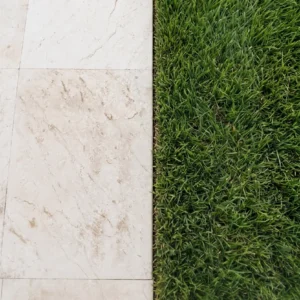
What French Limestone Actually Delivers on Site
French limestone paving guide projects consistently reveal the same pattern: specifiers who understand the material’s sedimentary layering and porosity range make better decisions before a single slab is cut. French limestone quarried from the Burgundy and Loire Valley formations carries compressive strength in the 4,000–8,500 PSI range depending on bed orientation, which places it firmly in the structural paving category for pedestrian and light vehicular use — but it demands more precision in base design than granite or basalt alternatives. You’ll also find that density varies noticeably between blocks from the same quarry run, so warehouse quality checks at the point of receipt matter considerably more than most project managers anticipate.
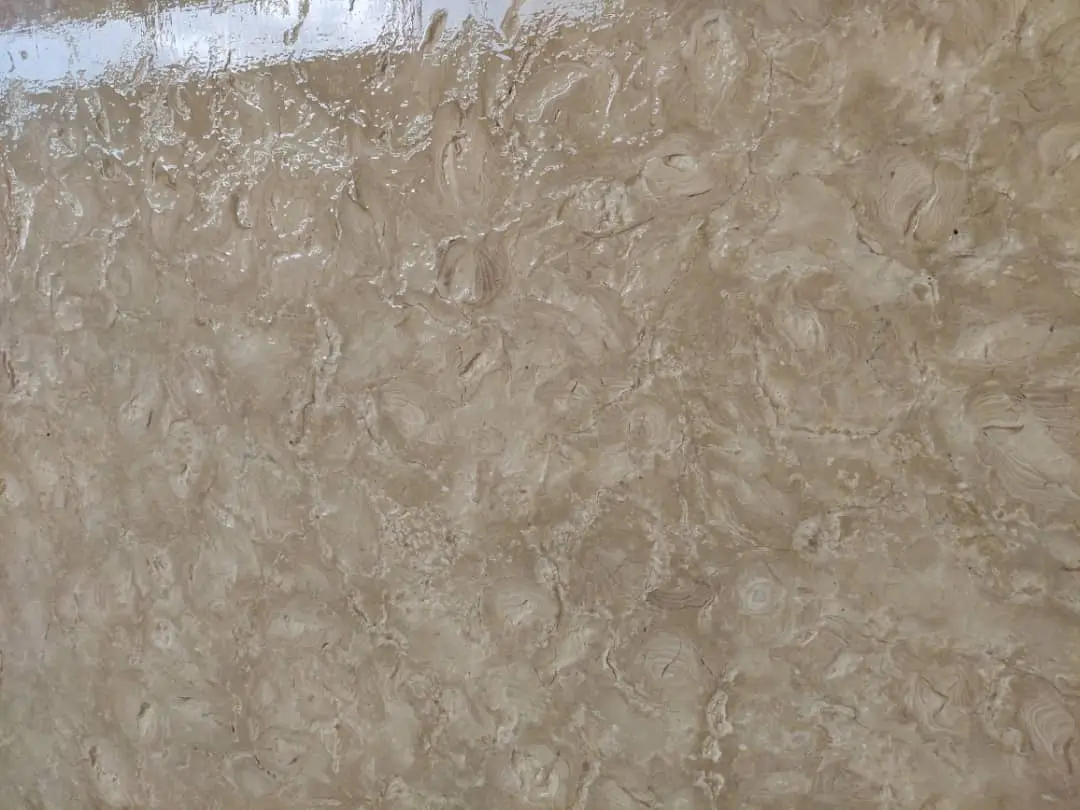
Understanding French Limestone Varieties and Their Field Characteristics
French limestone paving covers a broader range of material types than the name suggests. The most common variants in the US market fall into three practical categories: the pale cream-to-ivory Burgundy stone, the cooler grey-white Bretagne-style limestone, and the warmer buff Normandy type. Each behaves differently under UV exposure, freeze-thaw cycling, and foot traffic abrasion — and choosing between them without understanding those differences is where many projects go sideways.
Burgundy-origin stone tends toward tighter pore structures, with water absorption rates typically between 3% and 6% by weight when tested to ASTM C97. That range qualifies it comfortably for outdoor use in most regions. Bretagne varieties often run slightly higher at 5–8%, which makes sealing protocol more critical for installations in freeze-thaw regions. According to NSI limestone technical specifications, absorption rate is one of the primary differentiators between limestone grades suitable for exterior paving and those better suited to interior applications.
- Burgundy limestone: compressive strength 6,000–8,500 PSI, absorption 3–6%, tight crystalline structure suited to high-traffic areas
- Bretagne-style stone: compressive strength 4,500–6,500 PSI, absorption 5–8%, softer weathering profile, better for lower-traffic gardens
- Normandy buff limestone: mid-range at 5,000–7,000 PSI, warmer tone, performs well in dry climates with lower moisture exposure
- Tumbled finishes reduce slip risk at the cost of a more uneven surface plane — relevant for drainage design
- Honed finishes offer the cleanest aesthetic but require biennial sealing to maintain stain resistance over the long term
Thickness and Format Specifications for Structural Performance
Format selection shapes everything downstream — base depth, jointing method, cut complexity, and long-term settlement behaviour. Standard french limestone paving slabs for pedestrian terraces run 30mm (roughly 1¼ inches) nominal, with 20mm options available for indoor or lightly loaded covered applications. For driveways handling passenger vehicle loads, 40mm is the practical minimum, and 50mm is the specification you want if occasional delivery truck access is part of the design brief.
Large-format slabs in the 600×900mm and 900×600mm range are popular for contemporary terrace designs, but they introduce real installation challenges. Thermal expansion across a 900mm dimension in full summer sun can generate enough differential movement to lift edges against rigid restraints. Expansion joints every 3–4 metres in both directions are required — not the 5–6 metre spacing that some contractors default to on smaller formats. USGS limestone composition data confirms the thermal expansion coefficient of limestone at approximately 4–6 × 10⁻⁶ per °F, which translates to meaningful dimensional change across larger slabs in high-heat outdoor settings.
- 20mm: interior or covered applications only — not structurally adequate for outdoor freeze-thaw exposure
- 30mm: standard pedestrian paving for terraces, garden paths, and pool surrounds with appropriate base preparation
- 40mm: recommended minimum for occasional light vehicle access and driveways handling passenger cars
- 50mm: specify for driveways where delivery trucks or heavier vehicles will use the surface regularly
- Large formats (600mm+) require closer expansion joint spacing and more careful substrate levelling
Base Preparation, Code Compliance, and Structural Requirements
Here’s where the gap between a 10-year installation and a 25-year one becomes visible. French limestone paving’s long-term performance is determined far more by what happens below the slab than by the stone itself. Most residential projects in freeze-thaw regions require a compacted aggregate base of at least 150mm (6 inches), but jurisdictions with frost lines deeper than 18 inches — common across the northern third of the country — may require 200–300mm of granular sub-base to prevent frost heave from breaking the paving plane.
Building code requirements vary meaningfully depending on the intended use. Pedestrian terraces attached to a structure may trigger local building permit requirements for load-bearing calculations, particularly in jurisdictions that have adopted the 2021 International Building Code provisions for exterior hardscape. Edge restraint systems — typically steel, aluminium, or concrete kicker — are not optional in code-compliant driveway installations; they prevent lateral spread of the aggregate base under cyclic loading. Your specification should reference ASTM C1261 compressive strength requirements for exterior dimension stone and confirm that your chosen limestone batch meets the applicable grade. At Citadel Stone, we verify compressive strength data for each limestone batch before it reaches our warehouse, which removes one significant variable from your specification risk.
- Frost line depth determines minimum base depth — check local frost penetration data for your region before specifying base thickness
- Pedestrian paving on grade: minimum 150mm compacted aggregate base, well-draining granular material
- Vehicular driveway: minimum 200mm compacted aggregate base, with geotextile membrane beneath in clay-heavy soils
- Edge restraint is code-required for most driveway applications and strongly recommended for all pedestrian paving
- Seismic zones may require additional sub-base engineering review — consult a geotechnical engineer for projects in high-seismic-risk areas
- Slope for drainage must be maintained at 1:80 to 1:40 (1.25%–2.5%) to prevent ponding against paving joints
Finish Options and Their Practical Implications
The finish applied to french limestone paving does more than define the visual character of the installation — it directly governs slip resistance, maintenance frequency, and the rate of surface weathering. Selecting a finish without understanding those downstream effects is one of the most common specification errors on terrace and pool surround projects.
Honed limestone delivers the clean, smooth aesthetic that most clients picture when they ask for white limestone paving. The surface coefficient of friction when dry typically sits between 0.6 and 0.8 — acceptable for most pedestrian applications. Wet, that drops to 0.4–0.5, which is borderline for pool surrounds and not acceptable for ramp applications under most accessibility guidelines. Brushed or aged finishes open the surface texture enough to push wet COF above 0.6, making them the more defensible specification for areas with consistent water exposure. Tumbled finishes go furthest in anti-slip performance but introduce surface irregularity that can be problematic for mobility aid users.
- Honed: smooth, reflective surface — ideal for dry terraces, covered areas, and interiors; requires more frequent sealing
- Brushed/aged: light texture that improves wet slip resistance without sacrificing the refined limestone aesthetic
- Bush-hammered: strong anti-slip texture, typically reserved for commercial applications or heavily trafficked public paths
- Tumbled: rustic, aged appearance with high slip resistance — best for informal garden paths and cottage-style settings
- Sawn: factory-precise flat surface, minimal texture — use honed sealer to improve moisture resistance on sawn-face pavers
For projects where you’re specifying white limestone paving around a pool, the brushed or aged finish is the specification to default to. The aesthetic difference from honed is minimal at a normal viewing distance, but the safety and liability profile is substantially better.
Sealing and Long-Term Maintenance Protocols
Limestone’s open pore structure is both its aesthetic asset and its principal maintenance liability. Unsealed french limestone paving in outdoor settings begins showing iron staining, organic infiltration, and efflorescence within the first wet season — not because the stone is failing, but because it’s doing exactly what a porous sedimentary rock does when exposed to the elements.
The sealing protocol that actually holds up over time requires two coats of a penetrating impregnator (siloxane or fluoropolymer-based) applied to a fully dry, clean surface before the installation is handed over. Surface temperature matters here — sealers applied below 50°F or above 95°F cure inconsistently, leaving areas of under-penetration that you won’t identify until the first staining event. Plan your sealing window around ambient temperature, not just project schedule. Resealing on a biennial cycle maintains protection without allowing the surface to become vulnerable. Limestone’s geological characteristics — specifically its calcium carbonate matrix and interconnected micro-porosity — explain why penetrating sealers outperform topical coatings for long-term protection outdoors.
- First seal: apply two coats of penetrating impregnator before installation handover — never skip the second coat
- Sealer type: siloxane or fluoropolymer penetrating formulas, not acrylic topical coatings that trap moisture below the surface
- Application temperature: 50°F–90°F ambient is the effective window for proper impregnator cure
- Resealing cycle: biennial for outdoor pedestrian applications, annual for driveways and pool surrounds
- Avoid acid-based cleaners — muriatic acid etches limestone permanently and voids any warranty consideration
- Iron stains respond to oxalic acid poultice; organic stains respond to hydrogen peroxide poultice applied under plastic sheeting
Crushed Limestone Driveway Considerations Alongside Slab Paving
Some projects combine a formal slab-paved entrance court with a crushed limestone driveway approach leading to it — a pairing that’s visually coherent and practically sensible where budget or site conditions make full slab paving impractical for the entire drive length. The crushed limestone driveway component brings its own specification requirements that need to align with the slab zone at the transition point.
Crushed limestone used as a drive surface compacts well — typically to 95% Modified Proctor Density when properly installed in lifts — but it requires a minimum 4-inch base of larger-grade crusher run beneath a 2-inch surface layer of finer-grade material. Truck delivery logistics matter here: a standard aggregate truck needs a turning radius of approximately 40–50 feet and a clear run of at least 60 feet to deposit material accurately. Plan your delivery access carefully on constrained sites, particularly where the crushed limestone driveway section terminates close to a garage or structure. The transition between the crushed zone and the slab zone needs a steel edge restraint or concrete kicker to prevent migration of the loose aggregate into the paved section’s bedding layer.
Ordering, Logistics, and Project Planning for French Limestone
French limestone paving is not a stocked commodity at most regional suppliers — import lead times from European quarries typically run 8–14 weeks depending on the quarry’s production schedule and shipping consolidation. Planning your order well ahead of the installation window is not optional; it’s the single most common source of project delays on limestone terrace projects.
You can review our white limestone paving selection to confirm current stock formats and finishes before committing to a project timeline — having pre-stocked material available from our warehouse reduces your exposure to import delays and allows phased delivery scheduling that keeps site access manageable. For larger projects, request a cut list review before ordering to optimise yield from standard slab dimensions and reduce offcut waste. Typical wastage allowance for rectangular formats is 8–12%; irregular or feature-pattern layouts can run to 15% or higher.
- Order a minimum of 10% overage on your net area calculation — replacement matching after initial delivery is rarely exact in tone
- Request tone-range samples before full order confirmation — French limestone varies in warmth and veining between quarry beds
- Confirm warehouse availability versus import-only status at point of enquiry — lead times differ substantially
- Phased truck delivery scheduling prevents excess material on site and reduces damage risk during the installation period
- Factor in curing time for the mortar bed — 7–14 days before foot traffic, 28 days before full sealing, in standard ambient conditions
What Matters Most in French Limestone Paving
The projects that get French limestone paving right share a common starting point: they treat the specification as a system rather than a material selection. The stone choice — format, thickness, finish, and origin — is only one input. Base engineering, drainage geometry, joint design, sealing timing, and code-compliant edge restraint are equally non-negotiable elements of a durable outcome. Skipping any one of them doesn’t save money; it just moves the cost to a remediation project three to five years down the line.
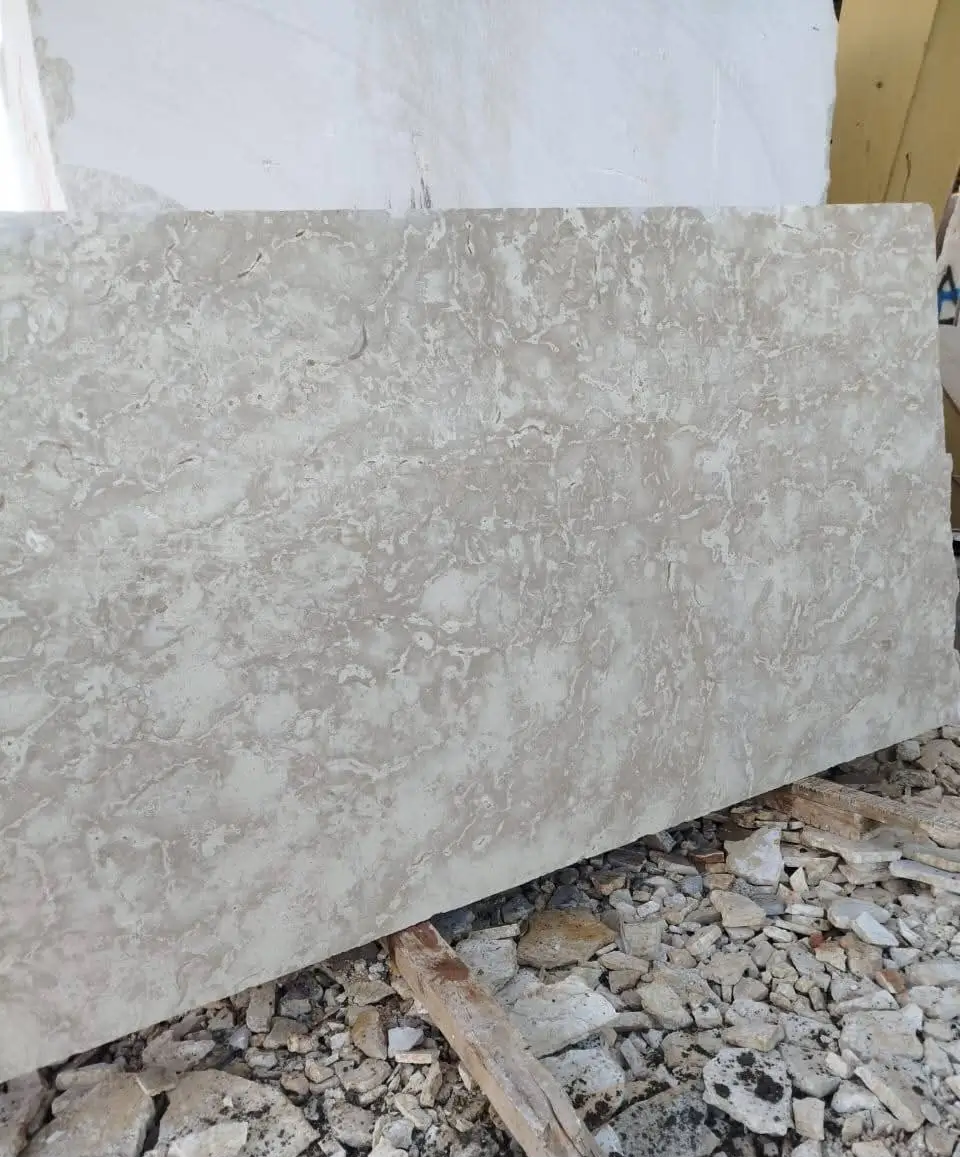
Specification confidence also grows when you understand the full range of formats and finishes available for a given project type. Beyond rectangular slab layouts, limestone lends itself to more expressive applications — for a complementary look at how the material performs in less formal configurations, limestone crazy paving for patios and paths explores the design and structural considerations that apply when you move beyond grid-based layouts. The irregular format demands even more attention to bedding consistency and joint width variation, but the results carry a character that cut formats rarely match.
Getting the full picture before you finalise your specification is the most cost-effective investment in the project. Specifying French limestone paving for a classic outdoor project is easier when Citadel Stone’s selection covers the key formats, finishes, and tone ranges in one place.
Related reading: limestone paving texture · sandstone paving slabs · sealer for limestone paving.