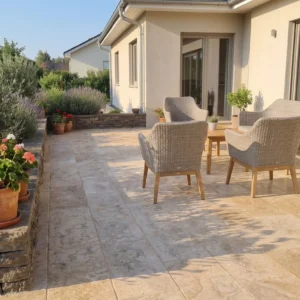

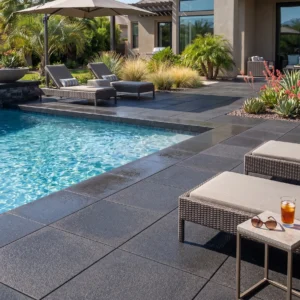
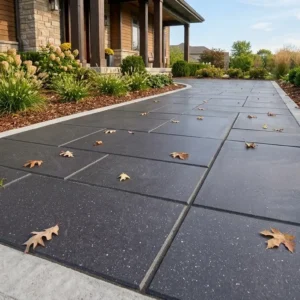

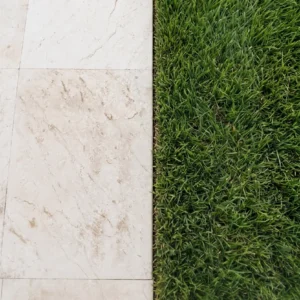


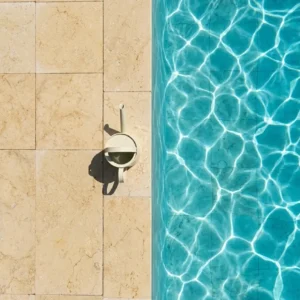
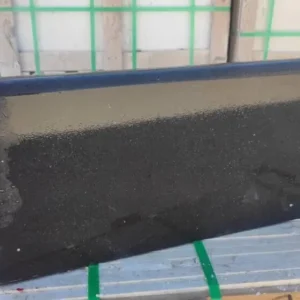
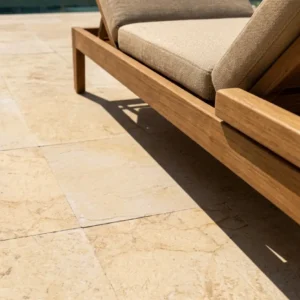
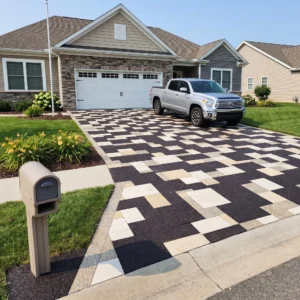
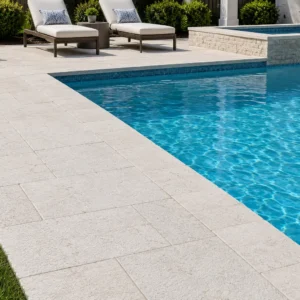
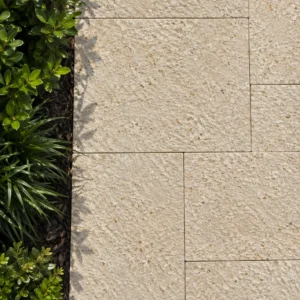
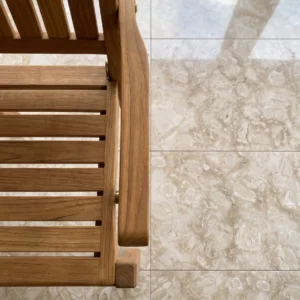
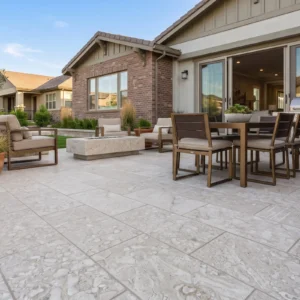

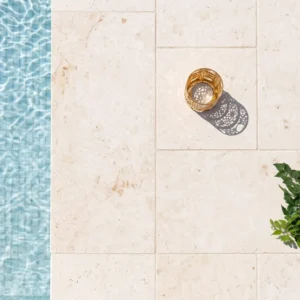
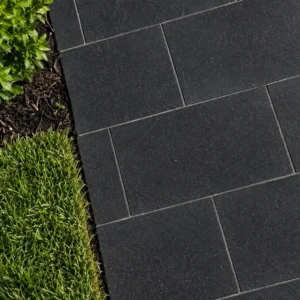
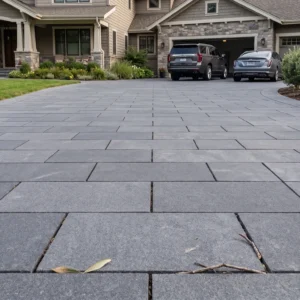
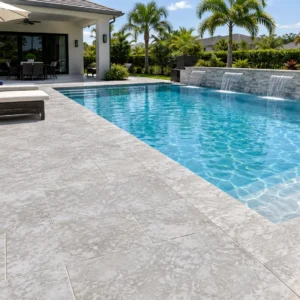

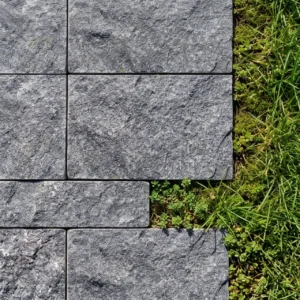
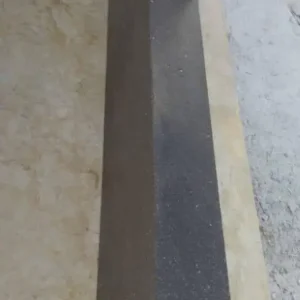
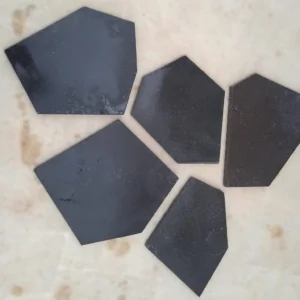
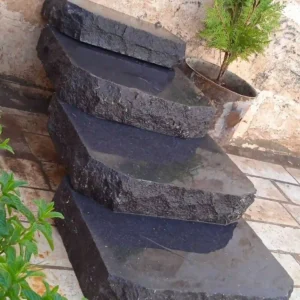
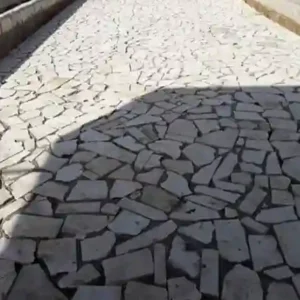
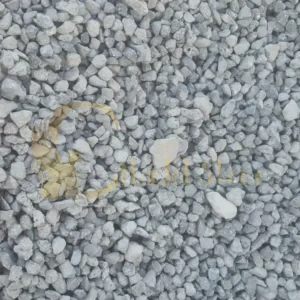
Whether it’s the rustic appeal of reliable limestone tiles for lasting durability or the sleek edges of heat-resistant basalt slabs for sunny environments, different outdoor-ready paver stones for durable solutions offer unique textures and colors that can transform any yard or walkway. But it’s not just about the stones; it’s about the craftsmanship that goes into installing them, ensuring they withstand the test of time and extreme weather conditions. This guide dives deep into the bustling marketplace of paver stone suppliers in Phoenix, providing an invaluable resource for homeowners looking to elevate their exteriors. From the nuances of design and installation to essential maintenance tips, follow along as we pave the way to understanding and selecting the best wholesale paver stones for your Arizona abode.
Key Takeaways:
- A well-designed outdoor space can transform your Arizona home into a desert oasis.
- Choosing the right paver stones is crucial in creating a visually appealing landscape.
- Phoenix, Arizona offers numerous paver stone suppliers to choose from, making the selection process challenging.
- Paver stones come in a variety of textures and colors, allowing for endless design possibilities.
- Proper installation is essential to ensure the longevity of your paver stones.
- Regular maintenance is necessary to keep your paver stones in excellent condition.
- Consult this guide to gain insights into the diverse marketplace of paver stone suppliers in Phoenix and make an informed decision for your outdoor project.
Finding the Best Paver Stone Suppliers in Phoenix, Arizona

Phoenix, Arizona‘s sun-soaked landscape calls for outdoor spaces that can stand the test of time and showcase personal style. Paver stones are the perfect material to meet these demands, offering durability and a plethora of design options. The quest to find the best paver stone suppliers in Phoenix can lead you to establishments like Centurion Stone of Arizona, which has graced the region with its extensive selection of over 200 colors and 25 patterns for more than a decade. Citadel Stone is a high-quality paver stone sourcing experts that is renowned for being a direct importer and distributor of high-quality smooth, polished pavers for modern looks and landscape products. North Valley Stone Supply, a family-owned venture, elevates local landscapes by providing premium stone products that include Travertine, Porcelain, and heat-resistant limestone pavers for warm climates, along with various pool tiles and stacked stone veneers.
These paver stone suppliers don’t just cater to residential whims; they’re pivotal in commercial landscaping transformations, offering versatile pavers in stone, concrete, and porcelain. The diversity of shapes, textures, and colors available encourages homeowners and contractors alike to bring a unique flair to their outdoor environments. Be it a patio that beckons for leisurely afternoons or a driveway that echoes architectural grace, Phoenix‘s paver stone suppliers ensure that every outdoor space sings with elegance and rustic charm.
Why Paver Stone Suppliers?

Paver stones represent a merger of aesthetics and functionality, transforming walkways, patios, driveways, and pool decking into works of art that are built to last. Paver stone suppliers like Citadel Stone, which has stood the test of time in Phoenix‘s market, bring forth an array of paver options in concrete, brick, and natural stone that not only cater to the visual appeal but also ensure structural resilience. These pavers can withstand the harsh Phoenix climate, preserving their beauty and integrity over time.
The offerings from wholesale paver stone suppliers extend beyond the borders of functionality; they imbue indoor and outdoor projects with elegance and charm. With a spectrum of patterns, shapes, textures, and hues at their disposal, designers and homeowners can craft idyllic outdoor living spaces. The readily available varieties of stone from such paver stone suppliers allow for endless creative possibilities from the sun-drenched decks to serene poolside retreats.
Importance of Choosing the Right Paver Stone Supplier

Navigating through the options for exterior vibrant accent flooring requires a keen eye for quality. Choosing the right paver stone supplier for custom projects is paramount to achieving a polished and professional outdoor space. A reputable paver stone supplier doesn’t just deliver a product; they provide the assurance of exceptional materials that embody both beauty and longevity. Whether you’re paving a simple walkway or an expansive patio, the right reliable flagstone provider will offer an array of choices in colors, sizes, and textures that are pivotal for any landscaping project.
The materials provided by trustworthy paver stone suppliers, such as Travertine, Porcelain, or Limestone Pavers, are the backbone of any enduring outdoor space. They not only captivate onlookers but also resist wear and tear. A leading paver stone supplier near you will ensure a seamless process from selection to installation, offering customer service that includes delivery options geared towards maximizing convenience and satisfaction. Hence, placing value on selecting an established and dependable paver stone supplier is indispensable. It guarantees that the investment made in paver stones elevates a property’s aesthetic and functional aspects effectively.
When laying out the content, integrate short paragraphs to keep the readers engaged. Tables and lists can be introduced wherever comparison or a breakdown of services, products, or attributes is necessary. Prioritize clarity and simplicity in the presentation to facilitate an effortless reading experience for individuals seeking information on paver stone suppliers in Phoenix, Arizona.
Types of Paver Stones Available by Paver Stone Supplier Arizona

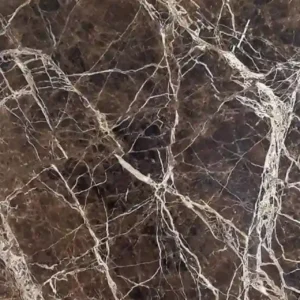
Paver stones come in a multitude of types, offering a range of options for personalizing outdoor spaces. Typically, they are crafted from materials like concrete, brick, and various types of natural stone—including travertine, marble, sandstone, limestone, and slate. Each of these materials is selected for its unique properties and is used to build patios, walkways, kitchens, fireplaces, driveways, and pool decks. These are widely available by local paver stone suppliers.
Concrete pavers are beloved for their versatility and cost-effectiveness. They are available in numerous shapes, colors, and textures. Meanwhile, brick pavers give a classic, timeless look and are valued for their strength and durability. Natural stone pavers, however, are unmatched in elegance and natural beauty. Travertine and slate offer rustic sophistication, sandstone a soft yet earthy charm, and marble a sleek, luxurious finish.
In Phoenix, the choice of paver type can deeply influence the aesthetic and practical outcomes of a project. Tempe AZ pavers for elegant landscaping not only create an attractive appearance for outdoor areas but also provide a low-maintenance surface that ensures good drainage, a crucial feature in outdoor design. With interlocking designs, affordable pavers Phoenix for your next project facilitate smooth water run-off, making them an ideal choice for the local climate.
When researching pavers, it’s necessary to consider their distinct characteristics. Concrete pavers are highly customizable, but may fade over time; brick pavers offer timeless appeal, but color choices are limited; natural stone pavers have unique variations and require sealing for protection. It’s these pros and cons that largely guide the choice of paver for any Phoenix-area project. Paver stone suppliers in the US can help in choosing the right paving stone slabs for your hardscape project.
Coastal-inspired limestone tiles for tropical retreats
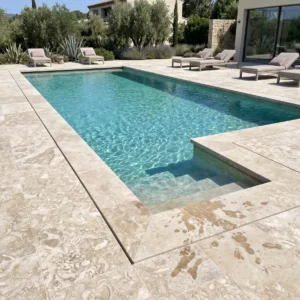
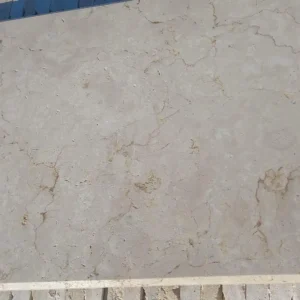
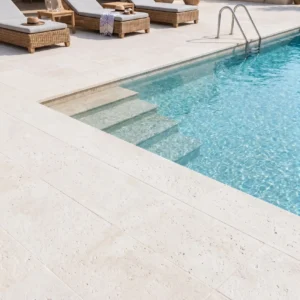
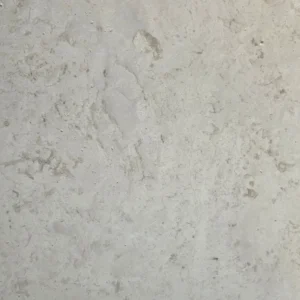
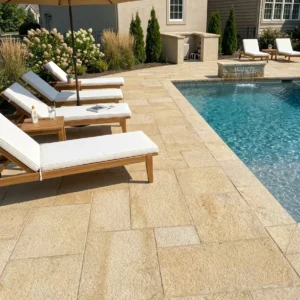
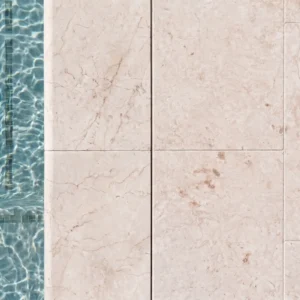
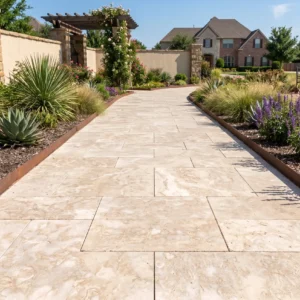
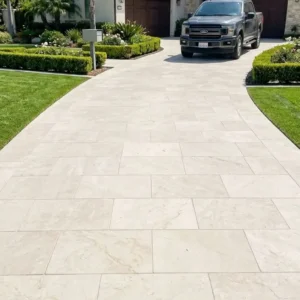
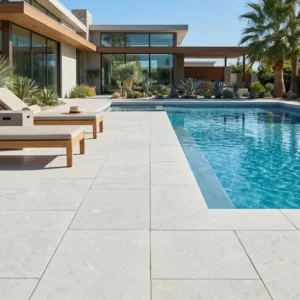
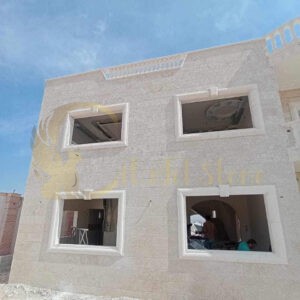
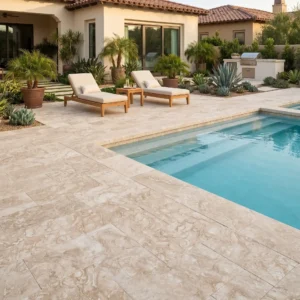
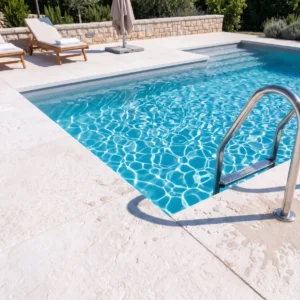
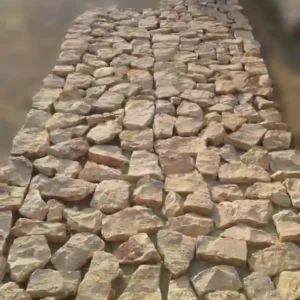
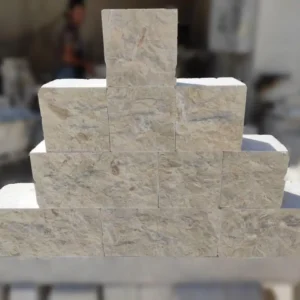
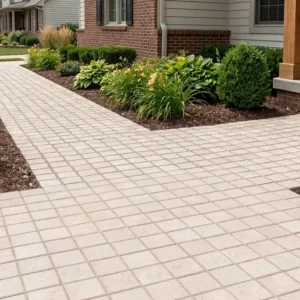
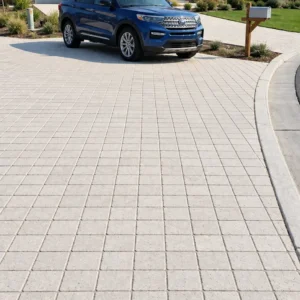
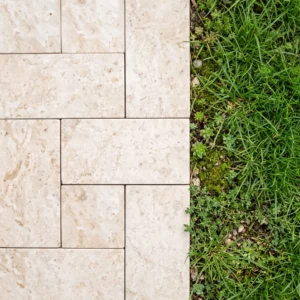
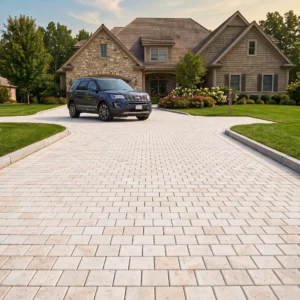
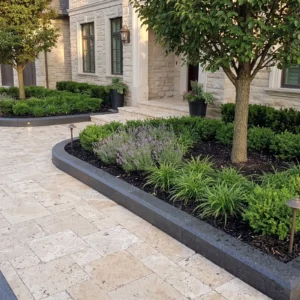
Moving on to limestone tiles, these perfect-fit pavers for any outdoor layout are particularly valued for their rich palette of colors and various size options. Their versatility makes them a go-to for Phoenix’s outdoor hardscaping designs. Due to the local landscape, limestone is often chosen for its ability to create a smooth, draining surface, ideal for pedestrian and vehicular applications—be it driveways, patios, or walkways.
The porous nature of limestone ensures that surfaces stay safe and slip-resistant, even when wet. In addition to its functionality, limestone brings a touch of understated elegance to any outdoor space it graces. Paver stone suppliers throughout Phoenix provide a breadth of limestone pavers, confirming their commitment to delivering hardscaping materials that blend visual appeal with durability and low-maintenance care.
Affordable luxury Shellstone pavers for backyard upgrades
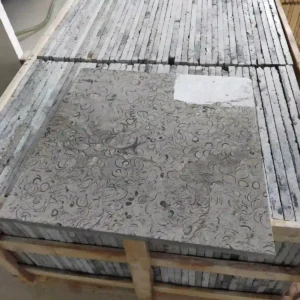
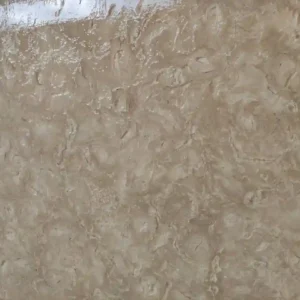
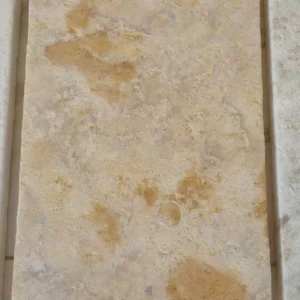
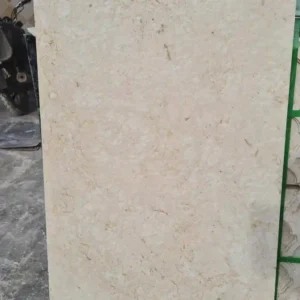
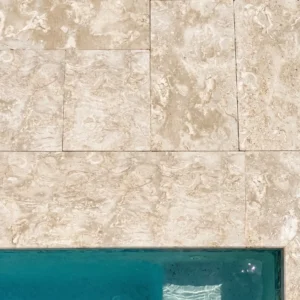
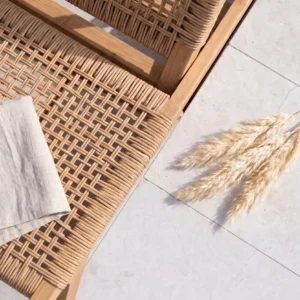
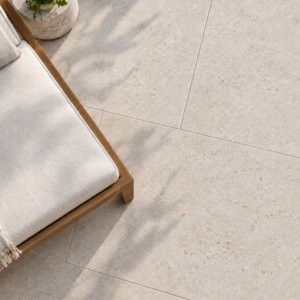
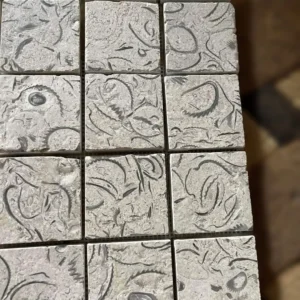
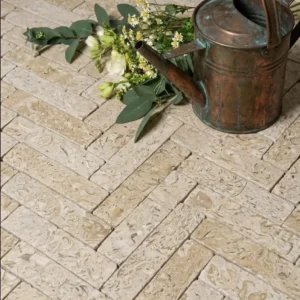
Weather-resistant Shellstone pavers for beachfront properties, available from reputable paver stone suppliers like Citadel Stone: innovative limestone tiles for any project, have become a popular choice for outdoor spaces in Phoenix, Arizona, and throughout the United States. These pavers are known for their distinctive appearance, characterized by fossilized shells and coral patterns, which add a touch of natural history to any project.
Choosing richly textured Shellstone pavers for natural elegance for your outdoor space not only adds visual interest and a unique touch but also ensures durability and low maintenance. The natural elements embedded in each paver create a stunning aesthetic that blends seamlessly with the natural surroundings of Phoenix.
By working closely with paver stone suppliers, such as Citadel Stone: expert limestone tile solutions for builders, you can explore the options available, gather expert advice, and make an informed choice that will truly enhance your outdoor area. Don’t hesitate to reach out to them and inquire about premium-grade Shellstone pavers for upscale renovations to bring a piece of natural history to your outdoor space in Phoenix.
Durable cobblestones for outdoor spaces
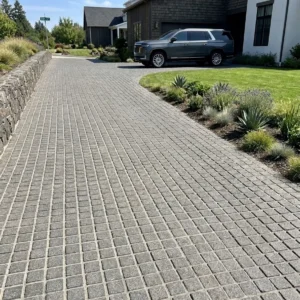
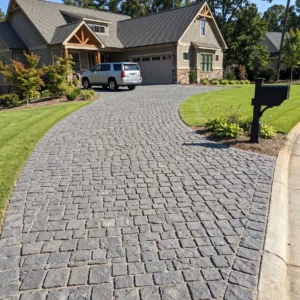
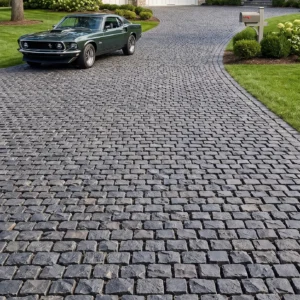
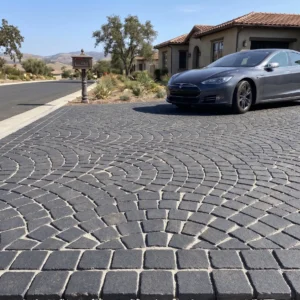
Timeless charm with natural cobblestones are the quintessential paver for those seeking old-world charm and time-tested durability. Notably used across Phoenix for both residential and commercial landscaping renovations, premium cobblestones for classic landscapes are robust and beautiful. They come in different materials, including traditional granite and contemporary concrete.
Renowned for their resilience under high traffic and various weather conditions, cobblestones often grace driveways, patios, and walkways with their distinctive rounded shape. The textured surface offers a non-skid benefit and their inherent strength ensures longevity. Paver stone suppliers in Phoenix like Citadel Stone proudly feature authentic cobblestone for walkways among their diverse paver options.
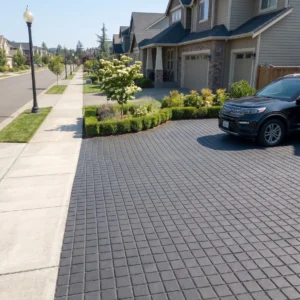
Black pavers for striking outdoor designs
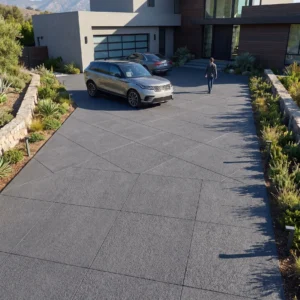
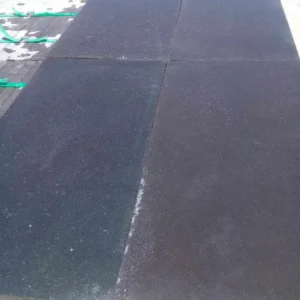
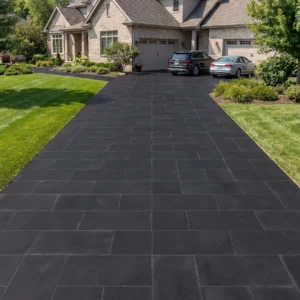
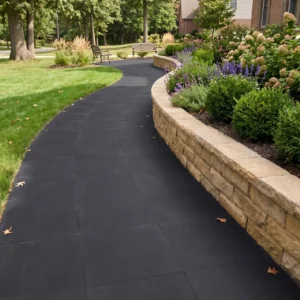
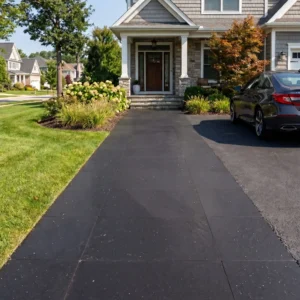
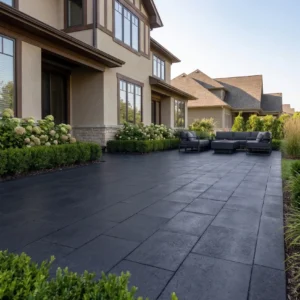
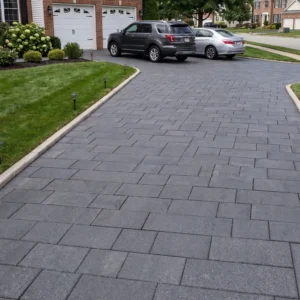
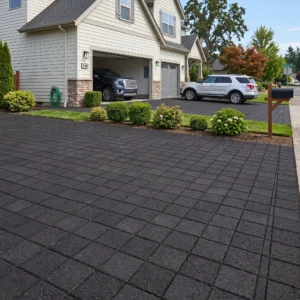
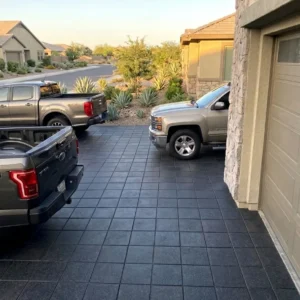
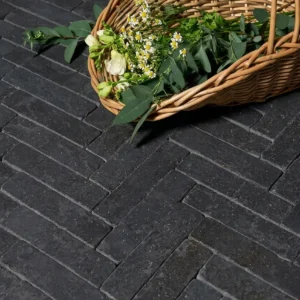
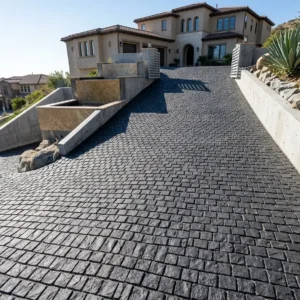
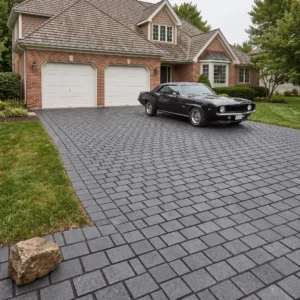
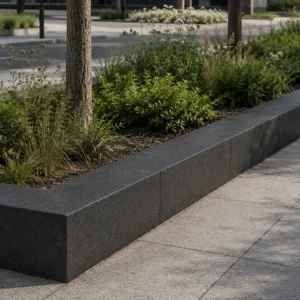
Sleek and modern black pavers are increasingly popular in Phoenix for their sleek aesthetic and their ability to create striking contrast in outdoor spaces. Made from various materials, such as concrete or natural stone, these pavers are recognized for their durability and ease of maintenance.
In sunny Phoenix, the color black can absorb more heat, so these pavers for gardens, patios, and walkways are often used in areas with lighter foot traffic or where the cool surface is less critical. Ideal for creating modern, elegant designs in drivials, walkways, and patios, black pavers are a strong structural choice and a stylish one, available through detailed paver stone suppliers like Citadel Stone.
High-density basalt slabs for superior load capacity
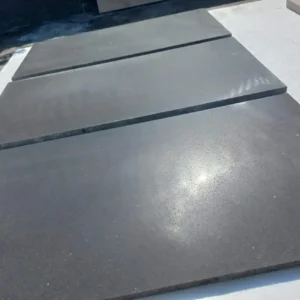
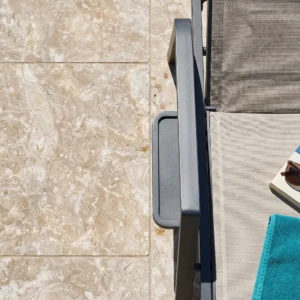
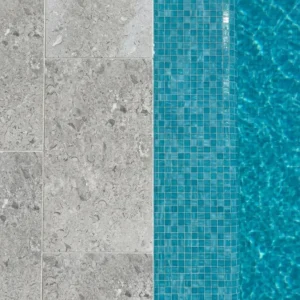
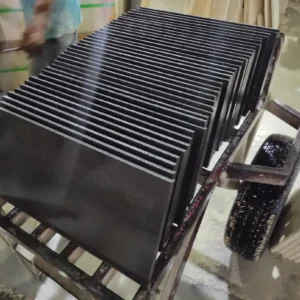
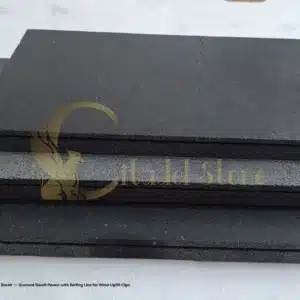
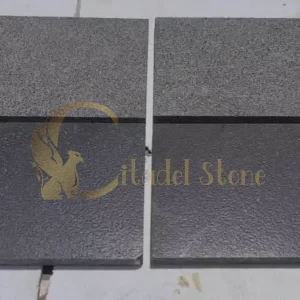
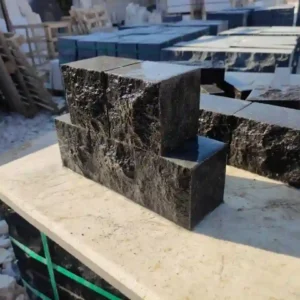
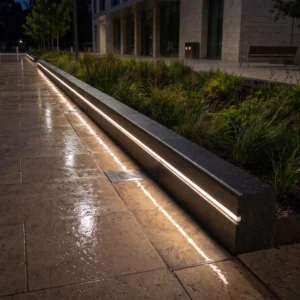
Impact-resistant basalt stone slabs for demanding applications are one of the many natural stone options offered in the Phoenix area for creating visually impactful pavers. Basalt, known for its hardy nature and ability to withstand outdoor elements, is an igneous rock that can add a unique texture and color to landscaping projects.
Offering an array of design possibilities with their varied patterns and hues, durable black basalt tiles for modern outdoor applications are a strong choice for anyone looking to create long-lasting and attractive outdoor paving. Professional installation is recommended to ensure that such heavy and durable stone pavers are laid correctly, preventing any future movement or shifting. These paving tiles are available from certain paver stone suppliers in Arizona.
Design and Installation of Paver Stones

When considering the design and installation of paver stones for your Phoenix property, it’s crucial to recognize the versatile range of materials available. Concrete, brick, and natural stone pavers each offer unique combinations of colors, patterns, textures, sizes, and styles. Natural stone options such as travertine, granite, basalt, slate, durable natural flagstone, fieldstone, and cobblestone are among the popular choices. Their design versatility allows for countless customizations to match the aesthetic of your outdoor space.
However, pavers can be prone to shifting or movement when not installed properly. Factors like improper base compaction, incorrect edging, spacing issues, inadequate drainage, or installation on non-level surfaces could lead to problems over time. To avoid these, professional installation becomes invaluable. Skilled installers can ensure the correct preparation of the foundation, embark on exacting layout and fitting, and deliver on the precise edging techniques that collectively ensure the beauty and longevity of your paver stone design.
Whether for driveways, walkways, patios, or pool decks, the right paver stones not only heighten the charm but also add durability to your exterior flooring. With professional installation, you can expect a seamless finish that will stand the test of both time and the elements. Reliable paver stone suppliers can help with this aspect as well.
Factors to Consider in Paver Stone Design
In crafting your outdoor oasis with paver stones, various factors come into play. Size, shape, color, and texture are crucial in determining the overall look and feel of your space, allowing for endless creative possibilities. Among the materials, each type offers distinct advantages: concrete pavers are highly customizable, bricks deliver a classic aesthetic, while natural stones like travertine set an upscale tone.
Before diving into a hardscaping project, weighing the pros and cons of each paver type helps align the choice with your design goals. It’s also important to contemplate the maintenance and longevity of the pavers in the context of Phoenix’s climate and usage patterns. Seeking professional guidance from experienced suppliers can aid in making well-informed decisions, ensuring the chosen pavers complement both your landscape designs and lifestyle needs.
Professional Installation vs. DIY
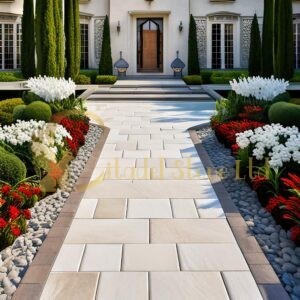
Opting for a DIY installation of paver stones may seem cost-effective, but it’s paramount to consider the intricacies involved. While it can be a rewarding project, satisfactory results hinge on adequate research and preparation in understanding paver types, installation methods, and proper upkeep.
On the other hand, professional installation promises precision and expertise. From ensuring the solid preparation of foundations to managing complex patterns or gradients, professional installers deliver a polished result that’s often unmatched by DIY efforts. Moreover, these experts are equipped to handle unforeseen challenges, such as effective drainage solutions and meticulous grading, which are crucial for a durable and visually appealing paver layout. Reputable paver stone suppliers have the tools to help in the process of your outdoor project.
Benefits of Professional Installation
Investing in professional installation for paver stones transcends mere aesthetic enhancement—it’s about ensuring structural integrity, longevity, and maximum functionality of your outdoor spaces. Skilled installers bring an expert eye to the layout, use specialized techniques to prevent uneven surfaces, and avoid common pitfalls such as drainage problems. it is recommended to seek consultation from local paver stone suppliers before starting your project.
Professionals not only install paver stones to last but also accentuate the property’s appeal, potentially increasing its market value. For homeowners, professional installation offers the convenience and assurance of a job well done, sparing them the time and complexities involved with DIY. By leveraging the services of experienced installers, one can benefit from their advice on the best paver materials and designs suited to personal tastes and practical needs. This harmony between quality materials, expert technique, and seamless design is the hallmark of a professionally installed paver stone project. Paver stone suppliers in the US like Citadel Stone, work closely with customers to provide guidance and advice.
Paver Stone Maintenance and Cleaning

Ensuring the longevity and beauty of your paver stones not only depends on thorough professional installation but also on regular maintenance and cleaning. One of the most common issues affecting paver stones is shifting, which can result from factors like an improperly compacted base, incorrect edging, insufficient spacing, poor drainage, and installation on uneven surfaces. To prevent such challenges and maintain the integrity of your pavers, it’s crucial to follow professional installation practices that address these essential aspects right from the start. Some paver stone suppliers offer sealing products to protect your paving tiles.
However, maintenance doesn’t end there. Regular check-ins on the state of your pavers can help detect early signs of movement or deterioration, allowing for timely adjustments. Watch for changes in leveling or gaps increasing between stones, as these can be indicators of underlying issues needing attention. Preventative care like this is as vital as the daily upkeep to ensure the durability of paver stones. Local paver stone suppliers have valuable experience in delivering expert advice as well.
Essential Maintenance Tips by the Best Paver Stone Suppliers US
Pavers are designed for ease of maintenance, which makes them an appealing choice for Phoenix homeowners. Although they are durable, routine upkeep is necessary to keep them looking their best. Here are some essential tips to keep your pavers in top condition:
- Sweep regularly to remove debris and prevent staining.
- Perform occasional scrubbing with a mixture of mild detergent and water to tackle grime.
- Employ pressure washing for a deeper clean, but be cautious not to disturb the joint sand.
- Use sand fillers as necessary to reduce weed growth between paver stones, ensuring stability and aesthetics.
- Seal your pavers according to the manufacturer’s recommendation to protect against stains and enhance their color.
By following these maintenance steps, you can sustain the inviting look of your paver stones and enable a long-lasting, clean appearance that complements your outdoor living space. Some paver stone suppliers can also be a good source to ask for the best maintenance ideas for your stone tiles.
Cleaning Techniques for Different Paver Stone Materials
Each type of paver stone requires different cleaning techniques to maintain its unique beauty and integrity. Whether your Phoenix property features natural stone, concrete, or porcelain pavers, knowing how to care for each will ensure they remain a standout aspect of your landscaping for years to come.
- Natural Stone Pavers (Travertine, Granite, Limestone): Natural stones are often porous and can absorb stains quickly. It’s best to clean them with mild detergents and soft brushes to avoid scratching. Periodic application of a sealant tailored for natural stone can provide a protective barrier against stains and fading.
- Concrete Pavers: Durable and easy to clean, concrete pavers can often withstand pressure washing. However, using a lower pressure setting is advisable to prevent damage to the surface or joint sand.
- Porcelain Pavers: Porcelain tiles are non-porous and highly resistant to staining, making them easier to clean. Warm water, gentle cleaners, and a mop or cloth are usually sufficient. For tougher stains, a non-acidic cleaner is recommended.
Remember to always test a small, inconspicuous area first before applying cleaning agents to the entire surface. This ensures the chosen method doesn’t adversely affect your pavers. Regular maintenance and cleaning are not only practical for preserving the longevity and appeal of your paver stones but also for enjoying the beauty of your outdoor spaces to the fullest. Some wholesale paver stone suppliers can specialize in specific stone tiles.
Reviews of Local Paver Stone Suppliers in Phoenix, Arizona

When embarking on updating your outdoor living space, the selection of the right paver stone supplier is as critical as the materials themselves. Phoenix, Arizona, is home to several renowned paver stone suppliers, each offering a medley of stone, concrete, and porcelain pavers for various applications.
Local paver stone suppliers in the Phoenix area cater to an array of landscaping needs with offerings that span from classic cobblestone patterns to contemporary porcelain tiles. Their vast selection not only satisfies functional requirements for decks, patios, and poolsides but also meets aesthetic preferences with over 200 color options and 25 unique patterns. These providers stand as the go-to experts for contractors, homeowners, and architects alike.
Phoenix’s paver stone suppliers have built a reputation on over a decade of service marked by professionalism, expertise, and a dedication to providing affordable and efficient design and installation services. With fast delivery options, they keep projects on schedule, making them an invaluable resource for fast-paced construction and renovations.
Supplier 1: Citadel Stone – Top Choice Among Paver Stone Supplier in the USA
Citadel Stone is a prominent name in the Phoenix paver stone industry, boasting a comprehensive selection that includes pavers, granite slabs, limestone tiles, gravel, rockwork, and other essentials for landscaping projects. Their offerings extend beyond products, as they collaborate closely with contractors, homeowners, and architects to ensure seamless integration of their materials into each unique landscape design.
Known for its tailored approach, Citadel Stone takes pride in offering not just materials but also wisdom and guidance for each design. They are flexible, adapting to the dynamic needs of their clients, and are open to exploring new ideations, ensuring satisfaction in both the journey and the final product.
Customers appreciate the ability to tap into the wealth of knowledge held by Citadel Stone’s experienced design team. Reviewers frequently note the value of personalized consultations, which bring a professional yet fresh outlook to their landscape projects. Trust and satisfaction are the cornerstones of Citadel Stone’s philosophy, mirrored in the positive feedback from their Phoenix clientele.
For those seeking comprehensive service that encompasses both high-quality materials and expert design guidance, Citadel Stone stands out as an affordable paver stone solutions that takes customer experience to heart. Whether you’re looking to create or revamp your outdoor area, a consultation with Citadel Stone can provide that necessary blend of creativity, flexibility, and professional input to ensure your landscape vision comes to fruition with elegance and functionality.
Prices of Different Paver Stone Colors
Exploring the vibrant colors and diverse textures of paver stones is an adventure into the aesthetic possibilities of outdoor design. Paver stones come in a splendid array of tones that can harmonize with any style or landscaped setting. From the soft hues of Classic Travertine to the deep tones of Montauk Black Slate, the color palette available is extensive. Reflecting natural beauty, color options such as Tuscany Beige, Scabas, Savannah Grey, and Georgetowne can be found throughout various suppliers in Phoenix. Each hue can set a distinct mood and complement the environment it inhabits.
Natural variations should be expected when dealing with materials like travertine, marble, sandstone, limestone, and slate. Each piece embodies its own pattern, ensuring a unique individuality whether you’re paving a walkway, designing a patio, or lining a pool. Concrete and porcelain provide more uniformity in color and are versatile enough to mimic the appearance of natural stone. While the diversity of stone paver color options accommodates various tastes and project requirements, it is important to remember that the pricing for these elegant materials can also vary significantly.
Comparing Prices from Different Suppliers
When it comes to pricing, Phoenix’s landscape scene does not fall short of options. Mexi-Tile | Stone Expo, serving the community since 1977, offers an extensive collection of paver stones suitable for new builds and remodels alike. Their long-standing presence in the market is a testament to their competitive pricing and quality materials.
North Valley Stone Supply brings to the table premium-grade pavers including Travertine and Limestone, with a product range that extends to Bullnose Pool Copings. Their prices reflect the quality of their offerings, with the added convenience of delivery services.
McNear Brick & Block gives life to clay paver designs with products like Embarcadero and Tivoli pavers, showcasing enduring charm and competitive pricing reflecting their historic roots in the industry.
MSI provides an array of Travertine Pavers designed for the outdoors, offering luxury options like Tuscumburya Seiger Beige and Scabas that can revamp any space into a warm, inviting retreat. The prestige of these pavers is visible in their pricing, ensuring value for investment.
Pavestone & Keystone Hardscapes answer the call for historical sophistication with Plaza Stone Concrete Pavers. Antique Pewter, Sierra Blend, and Three Tone Brown are among the colors that allow homeowners to recreate the essence of Old-World charm, competitively priced to fit a range of budgets.
Factors Affecting Paver Stone Prices
When discussing the pricing of paver stones, various factors come into play. Material choice, whether concrete, brick, or natural stone, greatly determines cost, with natural stone typically at a higher price point due to its authenticity and durability. The specific type of stone—travertine, granite, or marble, for example—influences pricing based on the stone’s origin and availability.
The size, shape, color, and texture of pavers also dictate pricing. Non-standard shapes and sizes, or those requiring special order, may increase costs, as will any unique coloring or texturing processes. Furthermore, the grade of materials holds sway over the price, with premium-grade pavers such as Travertine or Porcelain Pavers being more costly due to their superior quality and performance.
Specialty items and the nuances of availability also factor in. If a specific paver requires special ordering or is in limited supply, the price can be expected to reflect these conditions. Additionally, delivery options—whether local pickup or company delivery—can have an impact on the overall investment in paver stones.
Understanding these factors can help in making informed decisions while navigating the diverse marketplace of paver stone prices.
Where to Buy Paver Stones in Phoenix, Arizona
Phoenix, Arizona is a treasure trove for those looking to enhance their outdoor spaces with paver stones. Boasting a vibrant landscape culture, Phoenix is home to established paver stone suppliers that offer an exceptional range of paver options for every project size. Citadel Stone stands as a seasoned purveyor of top-quality paver stones. They’ve been a direct importer and distributor, catering to a variety of outdoor aesthetic needs. For those seeking extensive color and pattern choices, Centurion Stone of Arizona offers over 200 colors and 25 different patterns to contractors, homeowners, and architects. Family-owned North Valley Stone Supply extends its own premium-grade offerings such as Travertine, Porcelain, and Limestone Pavers at prices that promise affordability without sacrificing quality.
Whether creating a professional look for decks, patios, walkways, or adorning poolside areas, these suppliers in Phoenix present a variety of stone, concrete, and porcelain pavers to match. Additionally, for large installations that require wholesale pavers, these vendors can supply what is needed to bring elegance and rustic charm to expansive outdoor spaces.
Citadel Stone
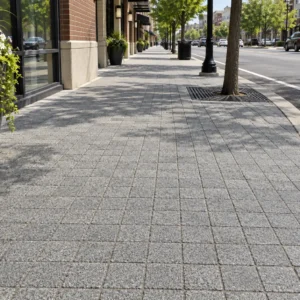
For those in Phoenix, Arizona, looking for reliable paver stone options, Citadel Stone is a name that resonates with quality and dependability. With an assortment of landscaping products perfect for residential and commercial settings, this reputable your go-to paver stone supplier boasts durable concrete pavers. Ideal for a vast array of outdoor hard surfaces such as driveways, parking lots, sidewalks, and patios, their pavers are crafted to sustain heavy usage while remaining aesthetically pleasing.
Notably, Citadel Stone offers non-skid concrete pavers, which ensure safety under wet conditions, making them suitable for pedestrian and vehicular spaces. Operated by the established Mexi-Tile | Stone Expo, they draw upon years of expertise in the industry to provide comprehensive customer service. Citadel Stone’s knowledgeable team is ready to guide customers through selection to installation, ensuring seamless acquisition and satisfaction with their refined landscaping materials.
Online Paver Stone Retailers
In the digital age, convenience is king, and that extends to purchasing paver stones for Phoenix outdoor projects.
- Citadel Stone – local paver stone suppliers
A click away lies the expansive catalog of Citadel Stone, which boasts a direct importing and distributing pedigree in Phoenix. Their online presence complements their physical availability, offering a wealth of stone products for all landscaping aspirations. - North Valley Stone Supply
For digitally-savvy shoppers, North Valley Stone Supply showcases their premium-grade stones online. From the grandeur of Travertine to the resilience of Porcelain Pavers, customers can peruse and purchase their desired pavers remotely. - Good Housekeeping Seal Pavers
Belgard pavers, noted for their Cambridge Cobble style and the sought-after Good Housekeeping Seal, can be sourced from the comfort of your home in Phoenix and include virtual design consults.
With these accessible online retailers, Phoenix residents and professionals have a plethora of paver options at their fingertips, ensuring the perfect match for their outdoor transformation is just a few clicks away.
Benefits of Paver Stones over Concrete
When weighing the options for outdoor surfacing, the benefits of paver stones over concrete are numerous. Concrete pavers, with their enhanced aesthetics, can turn a driveway into a work of art, as opposed to the dullness of poured concrete. They are a resilient selection suited for driveways, patios, and sidewalks, marrying durability with visual appeal. Unlike poured concrete, which can present a safety hazard when wet, paver stones come with a non-skid surface, offering an inherent safety feature that is ideal for any pedestrian or vehicular application. Moreover, the interlocking nature of concrete pavers means they won’t shift over time if properly installed, preventing common issues such as spacing problems and poor drainage.
Durability and Longevity
The robust nature of concrete pavers is evident in their wide use for high-traffic areas like driveways and patios, and they often carry a lifetime warranty for structural integrity. Their non-skid surface ensures safety around pool areas—a feature of particular note in Phoenix, where poolside relaxation is a way of life. This surfacing option can seamlessly blend with different pool types, including fiberglass and vinyl liner, and is designed to last, enhancing the appeal and durability of any outdoor space. When installed professionally, these segmental pavers are lauded for their enduring quality, making them a top choice for a long-lasting and visually pleasing outdoor environment.
Flexibility and Versatility
Pavers stand out for their ability to adapt. Available in an array of materials such as concrete, natural stone, brick, and clay, pavers empower designers and homeowners alike with choices that fit any style or budget. Beyond the driveway, pavers can transform outdoor kitchens, fireplaces, and pool decks into luxurious extensions of the home, attesting to their versatility. In the Phoenix area, Belgard pavers like the Dublin Cobble offer a touch of elegance, while MSI’s natural stone selections such as Tuscany Beige or Scabas add warmth and grandeur to any outdoor space, confirming that pavers are the go-to for functional beauty in landscaping.
Enhanced Curb Appeal
The allure of natural stone in a home’s exterior design is undeniable. By incorporating stones in landscaping or architectural accents, homeowners can dramatically elevate their property’s curb appeal. Whether it’s a sophisticated stone patio or striking stacked stone siding, these elements create an inviting atmosphere that captures attention. The use of natural stone is not just aesthetically pleasing; it’s also an investment in the property’s visual charm, often increasing its perceived value and appeal. With countless styles and applications, natural stone pavers are undoubtedly one of the more versatile and attractive choices to boost a home’s outdoor allure.
Paver Stone Suppliers
Phoenix, Arizona is home to eminent paver stone suppliers like Citadel Stone, catering to diverse landscaping needs. Centurion Stone of Arizona stands out with an extensive range of over 200 styles and 25 color options, ensuring there’s a perfect fit for any hardscape design. This decade-old institution has built a reputation for quality products, serving contractors, architects, and homeowners alike.
For those seeking exotic or unique materials, Citadel Stone boasts a direct importation and distribution of premium concrete, stone, and porcelain pavers. Their product selections enhance the beauty and functionality of outdoor living spaces.
Across Metro Phoenix, the go-to choice for durability and aesthetic in landscaping upgrades is the concrete paver. Recognizing this trend, paver stone suppliers provide not only materials but also specialized services such as professional landscape design and consultations.
When embarking on hardscaping projects, residents of Phoenix have access to both superb materials and expert guidance to transform their outdoor spaces effectively and beautifully.