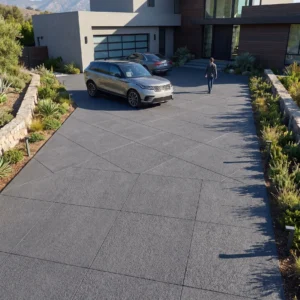
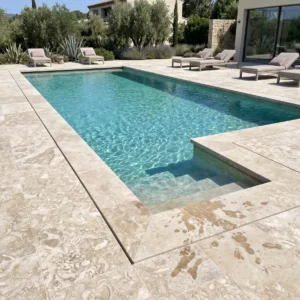

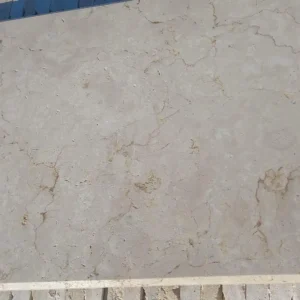
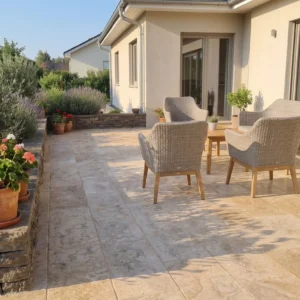









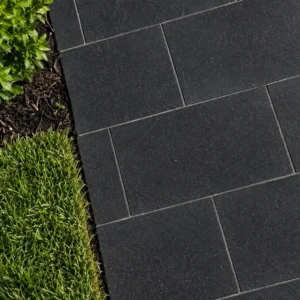
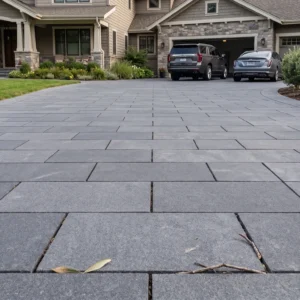
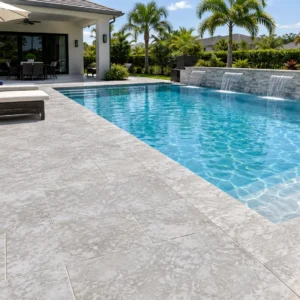



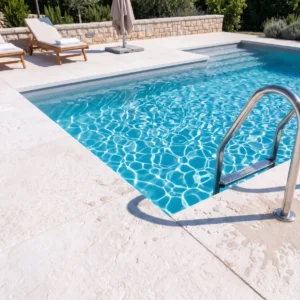
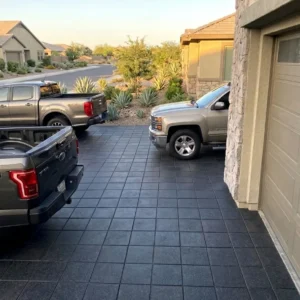
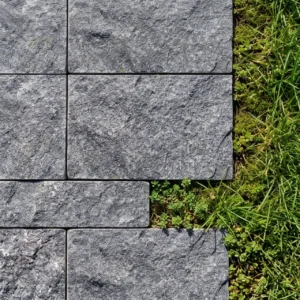
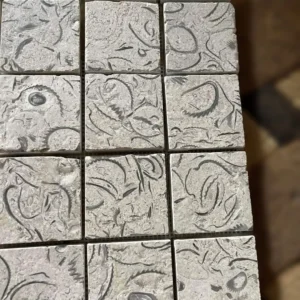
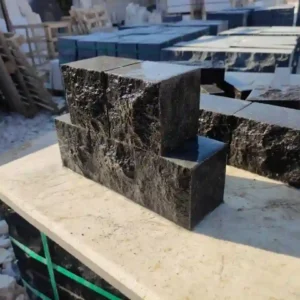
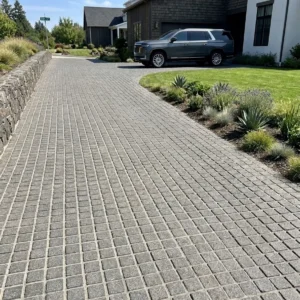
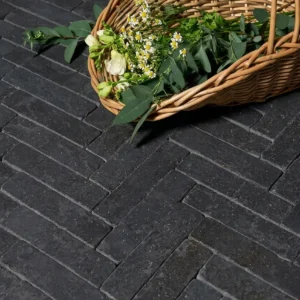
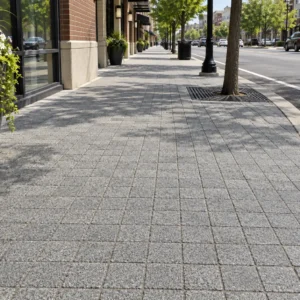
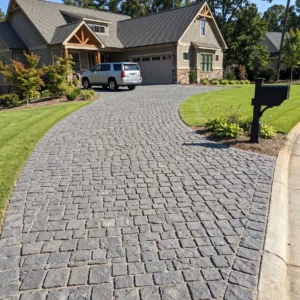
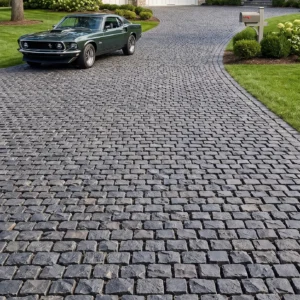
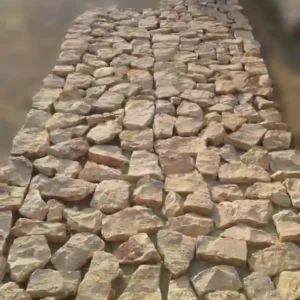
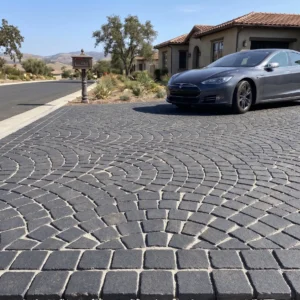
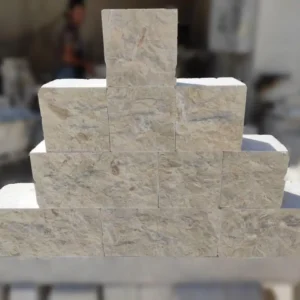
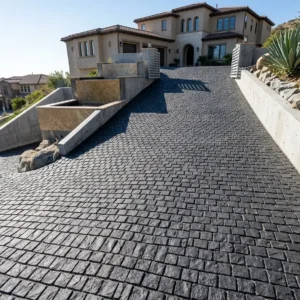
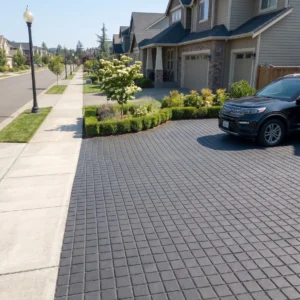
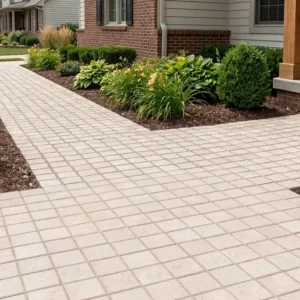
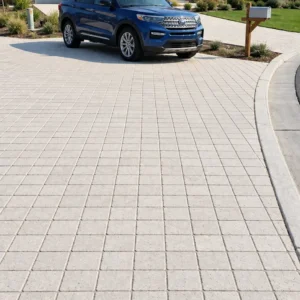
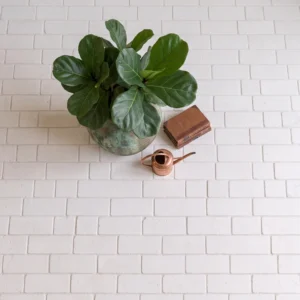
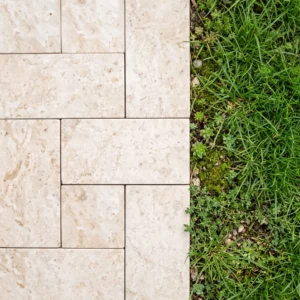
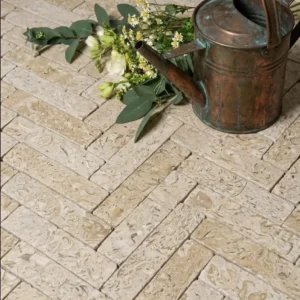
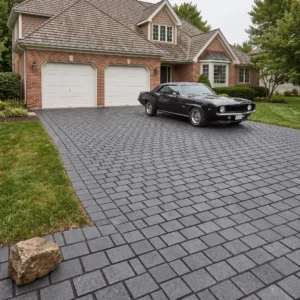
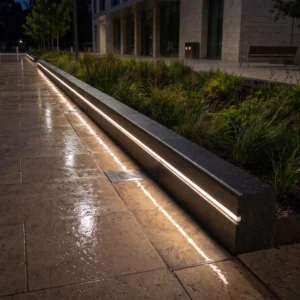
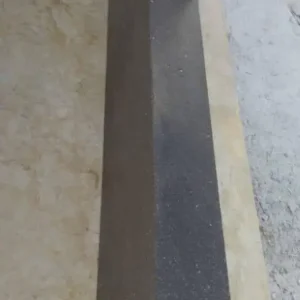
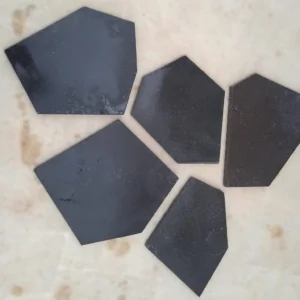

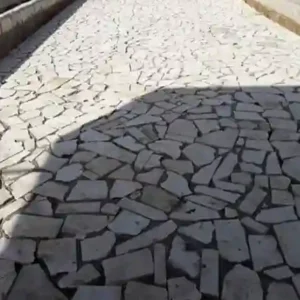

Selecting limestone tile in Arizona means reconciling a design language rooted in desert tradition with a material that has been used across the Southwest for generations — but the real specification challenge isn’t picking a color. It’s understanding how the stone’s porosity, surface texture, and format interact with the visual weight of Arizona’s built environment before a single tile gets set. The desert palette — warm tans, bleached creams, dusty golds — isn’t just an aesthetic preference; it’s a functional design constraint that shapes every decision from slab thickness to finish selection. Natural limestone tiles in Arizona sit at the intersection of regional architectural identity and material science, and getting that balance right separates installations that feel at home from those that fight their surroundings for decades.
Limestone Tile and Arizona’s Design Tradition
Arizona’s architectural vocabulary draws from Spanish Colonial, Territorial, and contemporary desert modernism — and all three traditions share one trait: an instinct toward materials that reflect the landscape rather than contradict it. Limestone tile in Arizona fits that tradition naturally. The stone’s muted earth tones, subtle veining, and textural depth echo the sandstone outcroppings, adobe walls, and rammed-earth forms that have defined the region’s built landscape for centuries. You’re not forcing a foreign material into a desert context — you’re reaching back to something the environment has already validated.
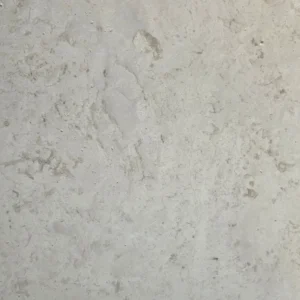
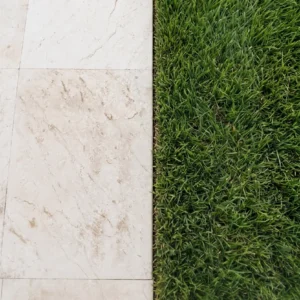
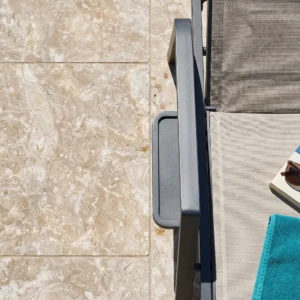
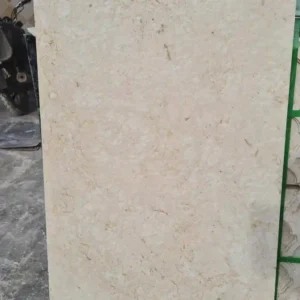
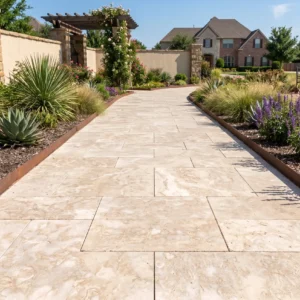
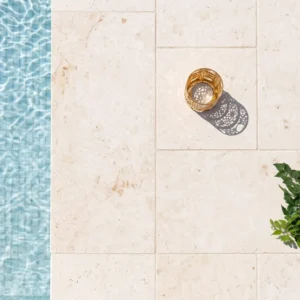
Light limestone tiles in Arizona work especially well in this context. Cream, ivory, and pale gold tones read as natural extensions of caliche soil and bleached sandstone, integrating indoor and outdoor spaces in ways that darker materials simply can’t achieve at the same visual scale. The low-contrast relationship between the tile and the surrounding landscape reduces visual fatigue in high-brightness environments where Arizona’s intense sunlight amplifies every surface contrast.
Citadel Stone maintains sourced relationships with selected quarries who produce limestone in the tonal ranges most relevant to Arizona design — warm whites, buff golds, and soft grays that have been batch-inspected for color consistency before warehouse stocking. You can request sample tiles to verify tone matching against your project’s specific color palette before committing to a full order.
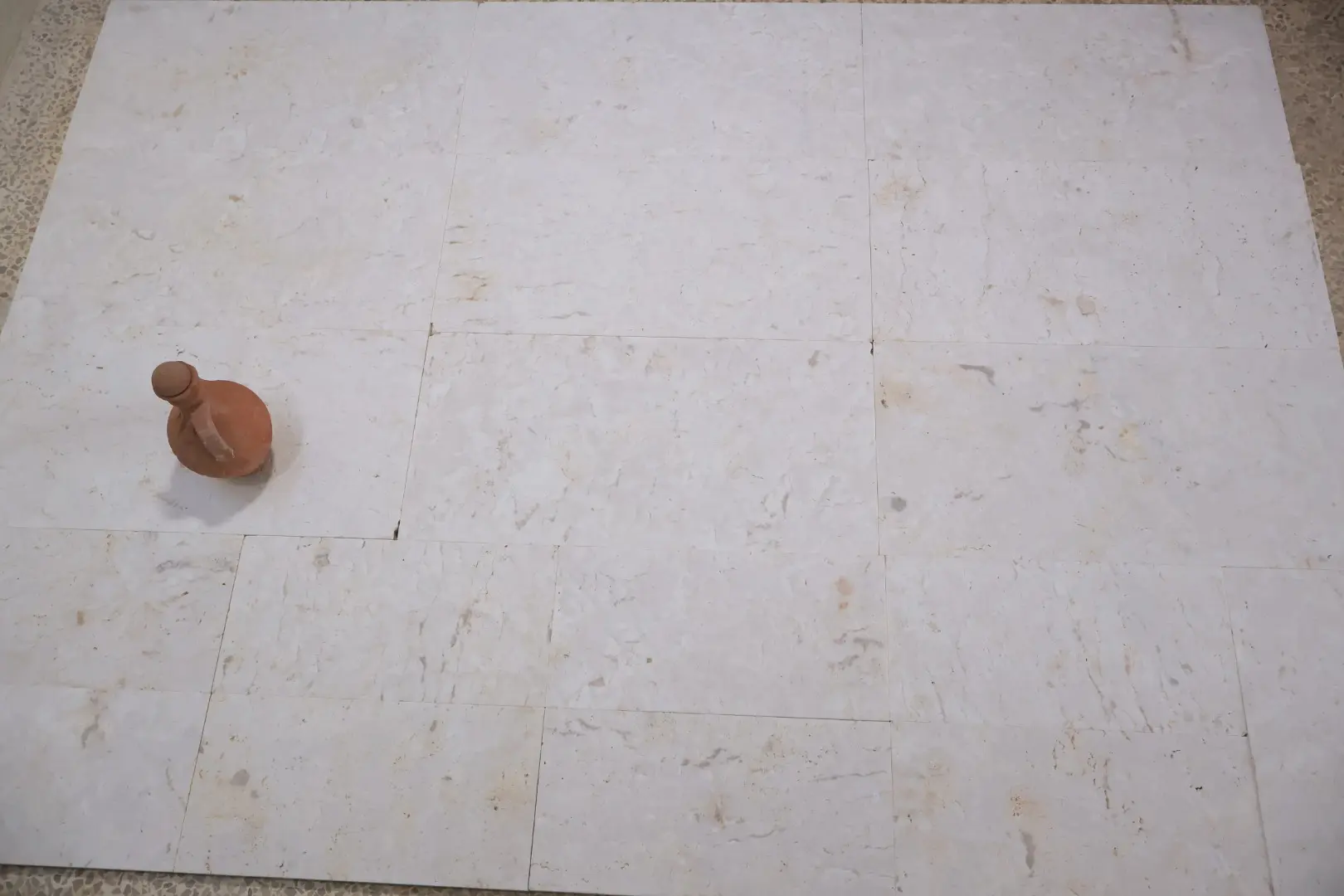
Color, Finish, and Format Selection for Arizona Projects
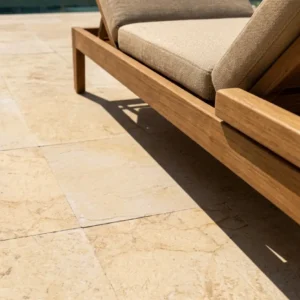
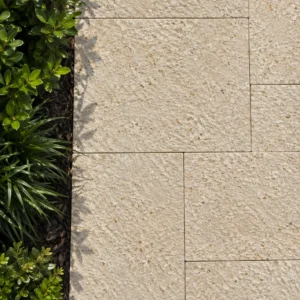
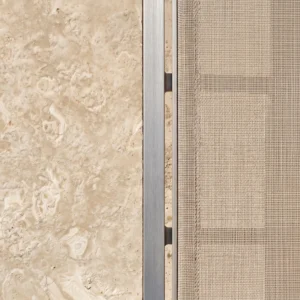
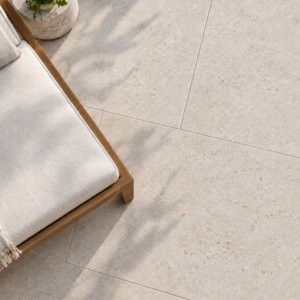
The finish you choose does more work in Arizona than almost any other variable. A honed finish reads warmer and more grounded — it absorbs a fraction more light, which softens the tile’s visual weight and suits interior applications where you want the floor to anchor the room without competing with the architecture. A brushed or tumbled finish introduces micro-texture that creates moving shadow lines across the surface as the sun tracks, giving small limestone tiles in Arizona an almost three-dimensional quality that flat polished surfaces can’t produce.
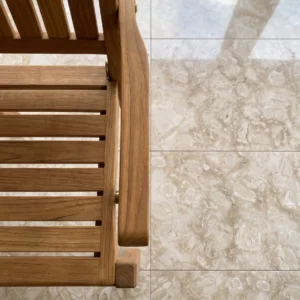
Polished limestone isn’t wrong for Arizona interiors, but it comes with trade-offs worth naming honestly. High polish amplifies reflective glare in rooms with significant south or west exposure, which is most rooms in Phoenix and Tucson. You’ll spend more time managing light with window treatments, which defeats the purpose of choosing a warm natural material in the first place. For most Arizona residential applications, a honed or lightly brushed finish hits the right balance between refinement and livability.
Format selection deserves equal attention. Limestone field tile in Arizona residential work tends to run in the 12×24 or 16×16 range for interiors, with larger 24×24 formats gaining traction in open-plan desert modern homes where unbroken sightlines benefit from fewer grout joints. Smaller formats — 6×12 or 4×8 — work well in bathrooms, feature walls, and courtyard details where the scale of the space rewards a tighter pattern rhythm.
- Honed finish: best for interior flooring in high-sunlight rooms — warm, non-glare surface
- Brushed or tumbled: ideal for outdoor patios and transitional spaces — natural shadow texture
- Polished: reserved for low-light interiors or accent applications where glare isn’t a concern
- Large format (24×24 and up): suits open-plan interiors with long sightlines
- Small limestone tiles in Arizona: appropriate for bathrooms, courtyard details, accent panels
- Limestone field tile: standard format for primary floor fields — 12×24 most versatile
Indoor Limestone Tiles in Arizona — Room-by-Room Considerations
Indoor limestone tiles in Arizona perform differently depending on room function, and the specification approach needs to reflect that. Living areas and great rooms are straightforward — a 12×24 or 16×24 limestone field tile in a honed buff or cream tone works across virtually every Arizona interior style from contemporary to Spanish revival. The material’s thermal mass actually provides a mild benefit in these spaces, absorbing heat during the day and releasing it slowly in the evening when temperatures drop.
Kitchens require more attention. Limestone is calcium carbonate, which means acidic liquids — citrus juice, vinegar, wine — will etch the surface if left to dwell. This isn’t a reason to avoid limestone in kitchens, but you need to specify a penetrating sealer and set realistic maintenance expectations with your client. A matte-honed surface hides etch marks better than a high-polish finish, which is another reason to avoid polished stone in working kitchen floors.
Bathrooms introduce moisture management considerations. Porosity ratings matter here — you want a limestone with an absorption rate below 0.5% for wet shower floors, and you’ll want to specify a textured finish. The brushed surface finishes that work aesthetically also deliver slip resistance that meets ADA requirements when properly maintained. In Scottsdale residential projects, indoor-outdoor bathroom configurations are common, and the continuity of limestone tiles indoor in Arizona from wet areas to adjacent exterior courtyards creates a seamless spatial experience that other materials struggle to match.
Outdoor Limestone Tiles in Arizona — Performance Under Desert Conditions
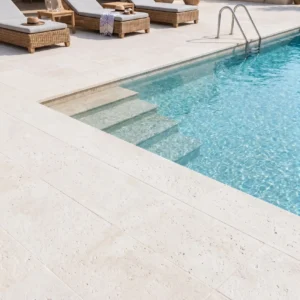
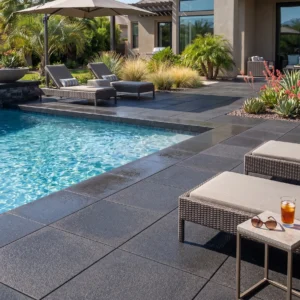
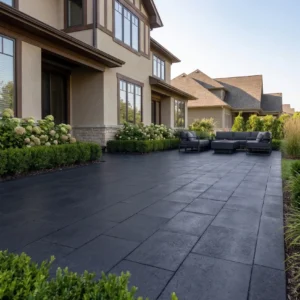
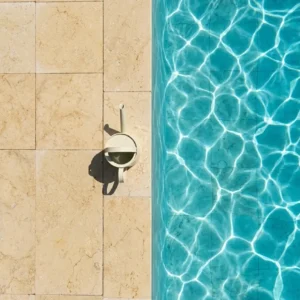
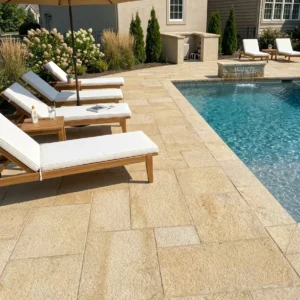
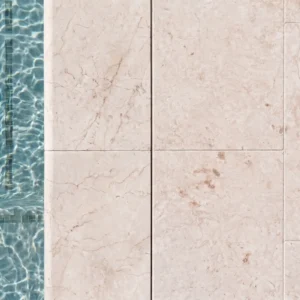
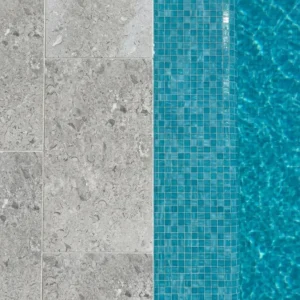
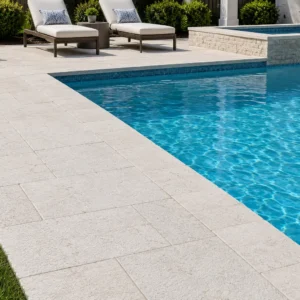
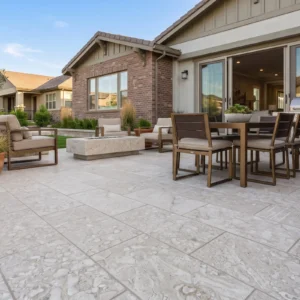
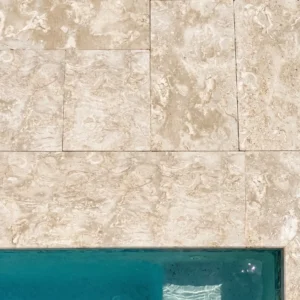
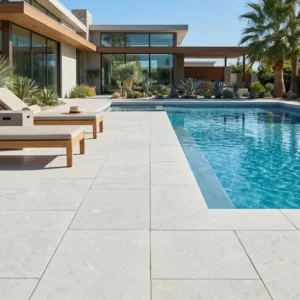
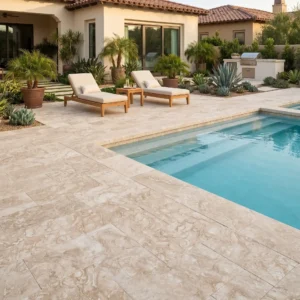
Outdoor applications in Arizona put limestone tile through conditions that expose every weakness in a poor specification. Surface temperatures on dark materials can exceed 160°F in direct summer sun — one reason light limestone tiles in Arizona have become the default choice for patios, pool surrounds, and outdoor living areas. The stone’s natural reflectance keeps surface temperatures 25–35°F cooler than comparably exposed concrete or dark pavers, which is the difference between a usable outdoor space at 4 PM in August and one that’s been abandoned until October.
Thermal cycling is the primary durability variable for limestone tiles outdoor in Arizona. The stone expands and contracts with temperature swings that can exceed 80°F between a July midday and early morning — and in Flagstaff, elevation adds freeze-thaw cycles to that thermal stress profile. Your installation needs expansion joints spaced at 10–12 feet maximum in outdoor settings, not the 15-foot intervals that work for interior installations. Mortar selection matters too — a flexible polymer-modified thinset rated for exterior use handles differential movement without cracking the bond layer.
Drainage geometry is the other variable that determines outdoor longevity. Arizona monsoon events deliver intense short-duration rainfall — 1–2 inches in under an hour is common in the Phoenix metro. Your patio layout needs a minimum 1/8-inch-per-foot cross slope to clear that volume without ponding. Standing water on limestone accelerates calcite leaching and promotes efflorescence, both of which degrade the surface aesthetics faster than the material itself wears down.
- Minimum slope: 1/8 inch per foot for outdoor limestone installations
- Expansion joint spacing: 10–12 feet maximum in full-sun outdoor settings
- Mortar specification: polymer-modified thinset rated for exterior temperature cycling
- Surface finish: brushed or tumbled for slip resistance and thermal comfort
- Sealer: penetrating silane/siloxane formulation — reapply every 2–3 years in high-UV zones
- Grout: sanded epoxy or unsanded with antimicrobial additive for outdoor joints in monsoon zones
Base Preparation and Installation Standards
The substrate work determines whether your limestone tile installation performs for 15 years or 30 — the material itself is rarely the weak link. Arizona soils present a specific challenge: expansive clay soils in many valley locations shift measurably with moisture changes, and caliche layers can create uneven bearing conditions across a single slab. You need a geotechnical read on the site before specifying slab thickness or base depth, not after you’ve already priced the tile.
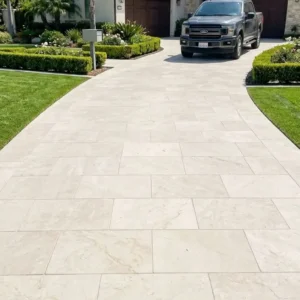
For exterior installations on grade, a 4-inch compacted crushed aggregate base over a moisture barrier is the minimum for residential loads. Commercial applications — covered walkways, resort patios, entry plazas — typically require a 4-inch concrete slab over that base, with the limestone set in thinset on top. The added rigidity of the concrete substrate dramatically reduces crack propagation from differential settlement, which is the most common failure mode in direct-set outdoor installations across Arizona clay soils.
Interior slab-on-grade installations need a flatness tolerance of no more than 3/16 inch over 10 feet before tile setting begins. That spec comes from the Tile Council of North America, and it’s non-negotiable for limestone specifically because the material’s natural rigidity means any flex in the substrate telegraphs directly to cracked tiles or failed bonds. In Mesa, where caliche hardpan is common at 18–24 inches below grade, the subsurface stability is actually excellent once you’ve addressed the top layer of native fill — and that’s worth knowing when you’re pricing base work against typical soil conditions. For those comparing material costs across product types, Limestone Tile from Citadel Stone provides a detailed cost breakdown that includes base preparation estimates by soil type, which helps frame the total installed cost more accurately than tile price alone.
Natural Stone Limestone Tiles in Arizona — Sealing and Long-Term Maintenance
Sealing natural stone limestone tiles in Arizona isn’t optional — it’s a maintenance interval you need to build into your project documentation from day one. The high UV index accelerates sealer degradation faster than in northern climates, and the monsoon season’s humidity spikes stress an unsealed surface in ways that aren’t obvious until you see the efflorescence blooming across a courtyard you set two seasons ago.
A penetrating silane-siloxane sealer applied at initial installation and renewed every 2 years in outdoor settings is the standard that holds up in Arizona conditions. Interior applications can stretch to 3–4 years between applications, depending on traffic. The test is simple — drop a few tablespoons of water on the surface. If it beads within 3 minutes, the sealer is active. If it absorbs within 30 seconds, you’re overdue.
Efflorescence management deserves its own mention. The mineral salts that migrate through limestone to the surface are a natural property of the material, not a defect. In Arizona’s soil chemistry — which tends toward alkaline with elevated calcium and magnesium — the migration rate is higher than in acidic soil regions. A breathable sealer lets vapor escape while blocking liquid intrusion, which is the correct approach. Film-forming sealers trap moisture below the surface and accelerate the very problem you’re trying to prevent.
Comparing Limestone Tile to Alternative Arizona Materials
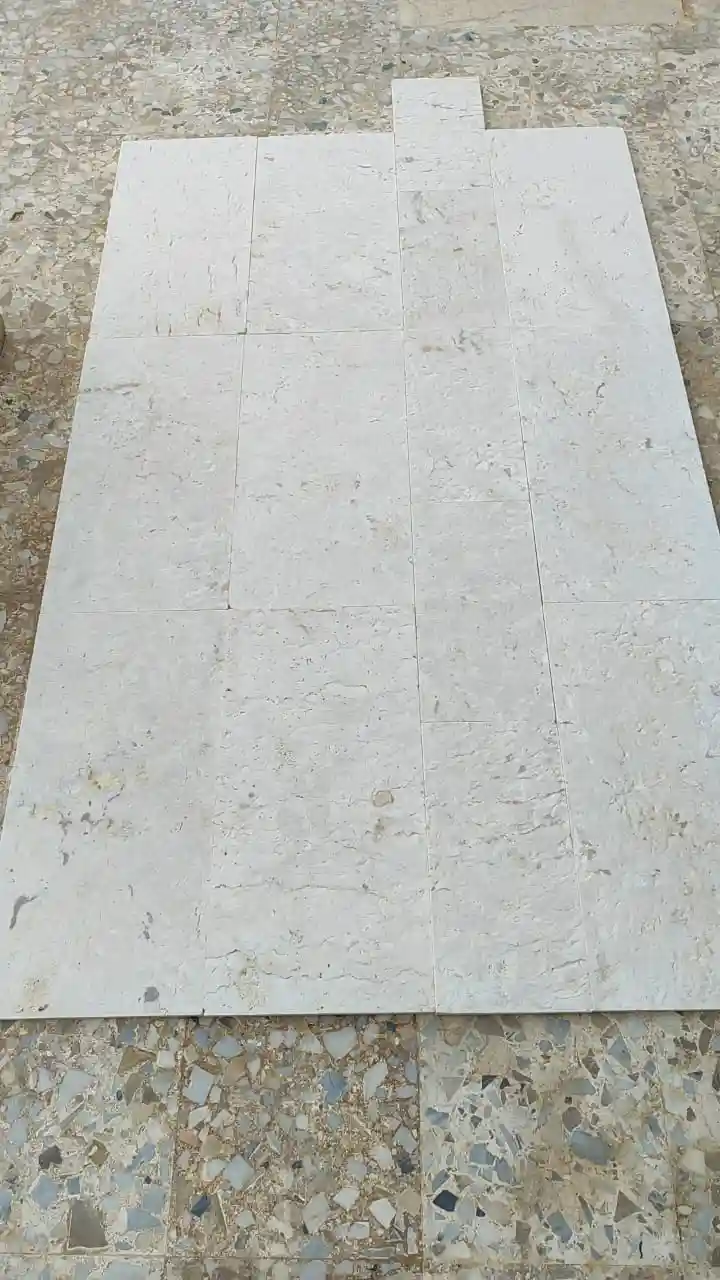
Natural limestone tiles in Arizona compete most directly with travertine, porcelain, and concrete tile for both interior and exterior applications. Travertine is the closest relative — same calcium carbonate base, similar tonal palette, comparable thermal performance. The difference is structural: travertine’s voids require filling and create micro-stress concentrations under heavy point loads, while dense limestone avoids that issue. For exterior applications with furniture, equipment loads, or heavy foot traffic, solid limestone field tile in Arizona outperforms travertine on longevity without requiring the void-fill maintenance step.
Porcelain tile offers better stain resistance and near-zero porosity, which makes it a defensible choice for high-traffic commercial kitchens or institutional settings. The trade-off is aesthetic — no porcelain product fully replicates the depth and variation of natural stone, and in Arizona’s outdoor environments, the thermal behavior of porcelain differs enough from natural limestone that clients who’ve used both consistently report the natural material feels more integrated with the landscape. That’s not sentiment — it’s a practical observation about how materials read in high-contrast sunlight.
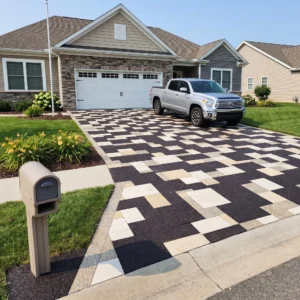
Concrete tile has cost advantages that matter on large-scale commercial projects, but the color consistency limitations and long-term fade behavior under Arizona UV are well-documented. Natural limestone tiles in Arizona hold their tonal character over decades when properly sealed — the surface may develop a patina, but it deepens rather than degrades. That long-term aesthetic durability is a genuine selling point for high-value residential projects where the cost of replacement in 12 years outweighs the upfront premium for natural stone.
- Limestone vs. travertine: limestone wins on structural density and load resistance
- Limestone vs. porcelain: porcelain wins on stain resistance; limestone wins on natural aesthetics
- Limestone vs. concrete tile: limestone wins on color longevity and UV stability
- Light limestone tiles in Arizona: reflectance advantage over dark materials in full-sun outdoor settings
- Indoor limestone tiles in Arizona: thermal mass benefit in passive solar design applications
Source Premium Limestone Tile in Arizona — Citadel Stone Supply
At Citadel Stone, we stock natural limestone tiles in Arizona-relevant formats — 12×12, 12×24, 16×16, 16×24, and 24×24 nominal sizes — in honed, brushed, and tumbled finishes across buff, cream, ivory, and warm gray tonal ranges. Thickness options run from 3/8-inch nominal for interior wall and floor applications up to 3/4-inch and 1-1/4-inch formats for exterior hardscape installations where load bearing and thermal cycling demand additional material depth. You can request sample tiles or full specification sheets from Citadel Stone before committing to a project quantity — sample lead times from warehouse stock are typically 3–5 business days.
Trade accounts and wholesale enquiries receive project-specific pricing based on material volume, finish specification, and delivery location within Arizona. Citadel Stone ships limestone tile across the state from regional inventory, with standard lead times running 1–2 weeks for stocked formats and 4–6 weeks for special-order sizes or finishes. For projects requiring custom cuts — radius edges, custom-length field tile, or non-standard thickness — the technical team can advise on fabrication timelines and minimum order quantities during the consultation stage.
Sourced from our selected premium quarries and inspected for color consistency and dimensional tolerance at the warehouse before dispatch, each batch meets the specification reliability that commercial and residential projects in Arizona require. For truck deliveries to constrained residential sites or phased commercial installations, the logistics team coordinates staging to match your installation schedule. Your next step is straightforward — contact Citadel Stone to request samples, confirm format availability, or discuss project-specific consultation. For Arizona projects that also involve broader interior stone applications, Limestone Flooring in Arizona covers complementary material and specification considerations worth reviewing alongside your limestone tile in Arizona selection. Contractors in Flagstaff, Sedona, and Yuma select Citadel Stone Limestone Tile for Arizona residential and commercial projects.