
























Key Takeaways: Limestone Suppliers USA
- Identifying top limestone suppliers involves considering factors such as industry experience, quality assurance, service range, competitive pricing, and exceptional customer service, with additional emphasis on geographical location and logistics efficiency.
- Citadel Stone distinguishes itself as a premier limestone supplier through its connections to Middle East quarries, its range of handcrafted natural stone products, and comprehensive logistics support, maintaining a reputation of excellence and quality.
- Limestone’s durability and versatility make it a popular material for a range of construction and design applications, with proper care and a variety of textures and colors available that enhance the value of projects while also considering responsible sourcing to mitigate environmental impacts.
Discovering Top Limestone Suppliers

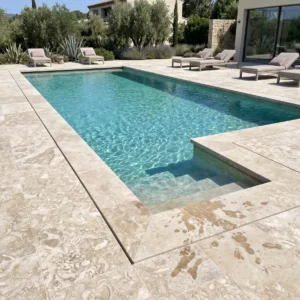
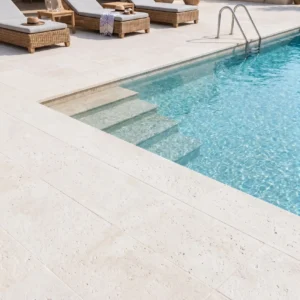
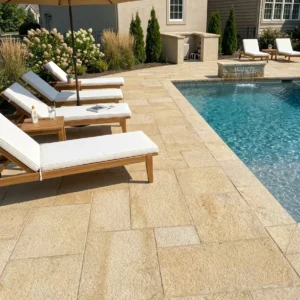
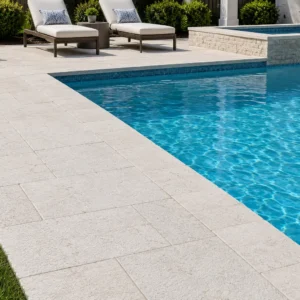
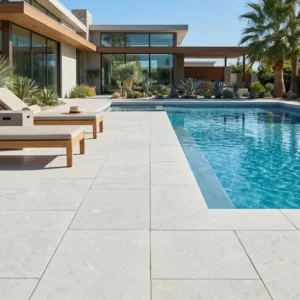
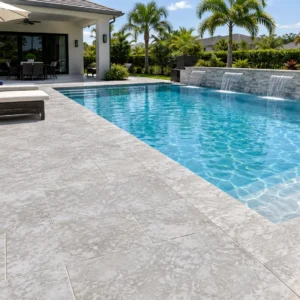
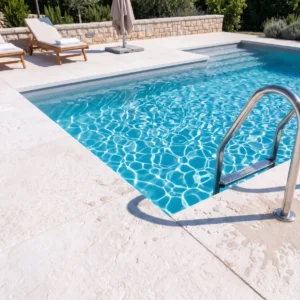
When it comes to successful construction, beautiful swimming pools, or renovation projects, selecting the right materials is crucial. This holds true when sourcing limestone, a popular choice for both interior and exterior applications due to its aesthetic appeal and durability. Selecting a reputable supplier is key to ensuring the quality of the limestone used in your project. A supplier’s experience and longevity in the limestone industry are critical indicators of their capability to deliver high-quality craftsmanship.
To identify top limestone suppliers, consider the following factors:
- Experience: Look for suppliers with a proven track record and a portfolio of past work showcasing their skill in working with limestone.
- Quality Assurance: Ensure that the supplier is committed to maintaining high-quality standards in their products.
- Range of Services: Choose a supplier that offers a variety of services to cater to the specific needs of your project.
- Competitive Pricing: Look for suppliers that offer competitive pricing that aligns with your budget without compromising on quality.
- Customer Service: Opt for suppliers that provide outstanding customer service, including effective communication and support throughout the project.
By considering these factors, you can find the top limestone suppliers that meet your requirements.
Location
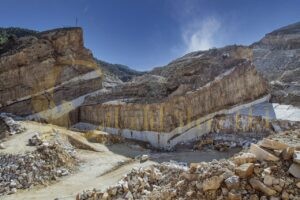
A limestone supplier’s geographical location is integral to its operation efficiency, particularly in relation to the quarries from which it sources its materials. Proximity to quarries can significantly affect a supplier’s ability to provide materials in a timely manner, ensuring faster delivery to customers. For instance, a supplier situated close to a quarry may have a logistical advantage over a supplier located in a different region or country.
Moreover, efficient transportation options are crucial for a limestone supplier to reduce overall costs associated with material transport. Suppliers with well-established logistics networks can often provide more competitive pricing and faster delivery times. Therefore, when choosing a limestone supplier, it’s important to consider their location and logistics capabilities.
Product Variety
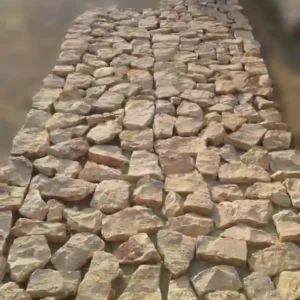
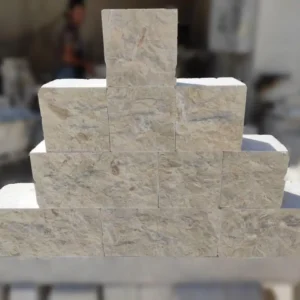
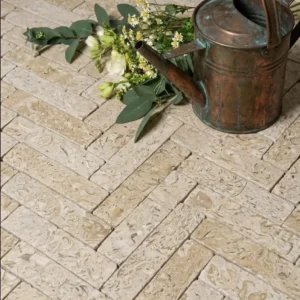
In addition to logistical considerations, the range of stones a supplier offers is another significant factor in making a selection. Top limestone suppliers offer a comprehensive selection of products tailored to various construction projects, including cut and dressed veneer, trim, and accents. This diversity facilitates a variety of client needs, offering different styles of tiles, slabs, and customized solutions.

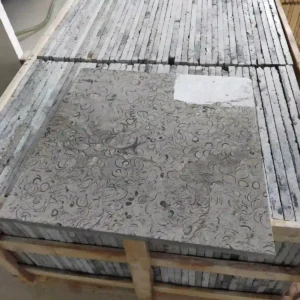
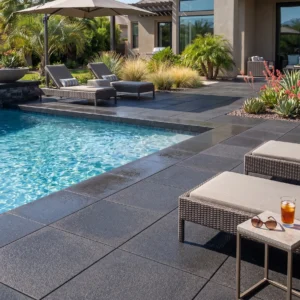
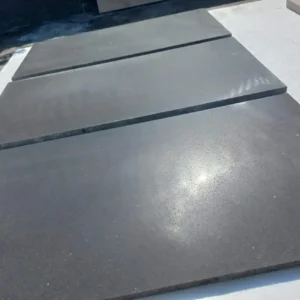
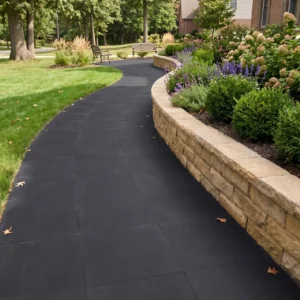
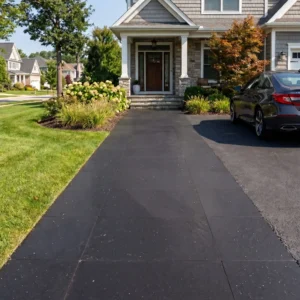
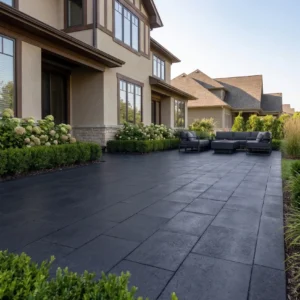
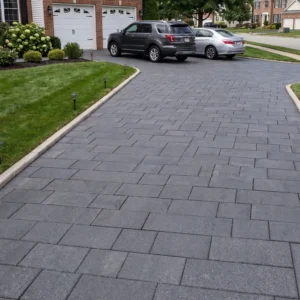
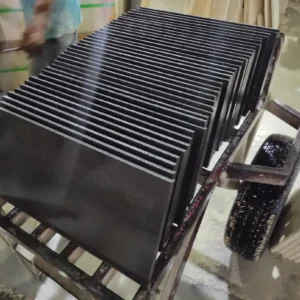
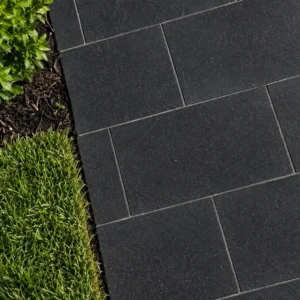
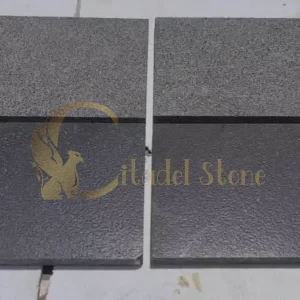
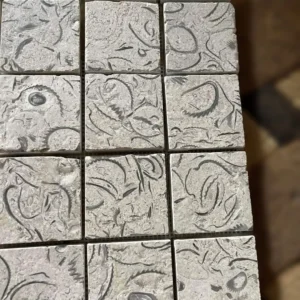
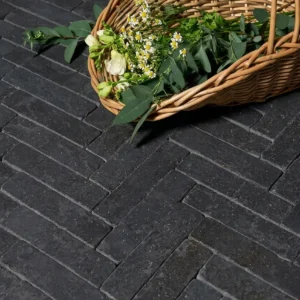
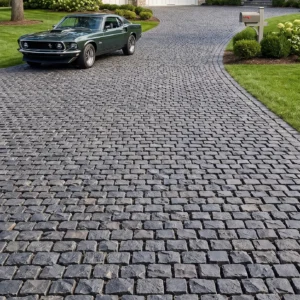
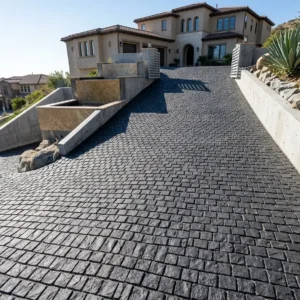
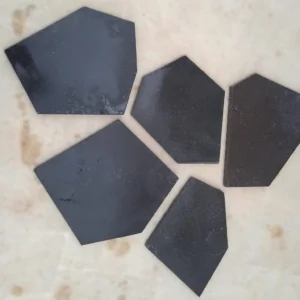
Take, for instance, Citadel Stone’s offerings, which include specialized products such as seamless Ocean Reef limestone for flawless installations, stylish Shellstone tiles for minimalist designs, and black pavers for unique landscaping ideas, along with other natural stones like stylish basalt for dynamic outdoor concepts, luxurious granite for bespoke home accents, and affordable cobblestone solutions near you. A diverse product range allows clients to choose the material that best suits their specific project requirements.
High-quality Limestone and Basalt Quarries Supplier
Quality assurance in limestone supply is a crucial aspect of any supplier’s operations. It involves:
- Adhering to international standards
- Implementing continuous improvement strategies to ensure product reliability and customer satisfaction
- Rigorous lab testing and analysis
- Comparative controls and regular instrument calibration to manage natural variations and maintain high standards
A commitment to quality assurance is a good sign of a supplier’s dedication to providing high-quality natural stones. These standards not only ensure the functionality and longevity of the limestone products but also contribute to the overall sophistication and appeal of the finished project.
Citadel Stone: Your Premier Limestone Supplier
Among the top limestone suppliers stands Citadel Stone, a company widely recognized as a premier limestone supplier in the United States. Citadel Stone’s prominence isn’t limited to the U.S. – the company boasts global distribution capabilities, offering a selection of top-tier limestone and black basalt, with materials sourced from the Middle East. This global reach enables Citadel Stone to provide a diverse range of high-quality stone products to clients around the world.
However, Citadel Stone’s excellence doesn’t stop at its expansive product range and global distribution capabilities. The company stands apart for its commitment to quality, from sourcing the finest materials to delivering a diverse range of meticulously handcrafted products. Citadel Stone’s dedication to quality and customer satisfaction has cemented its reputation as a premier supplier of natural stones.
Middle East Quarry Connections
One of the factors contributing to Citadel Stone’s outstanding reputation is its direct connections with Middle East quarries. The company sources its limestone directly from carefully selected quarries in the region, ensuring the highest quality selection. These direct relationships with the quarries allow Citadel Stone to bypass intermediaries, resulting in competitive pricing for their customers.
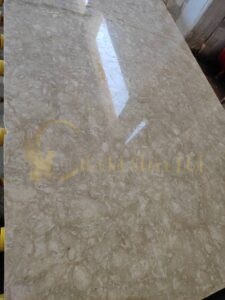
Citadel Stone offers a range of services, including:
- Quarrying
- Templating
- Manufacturing
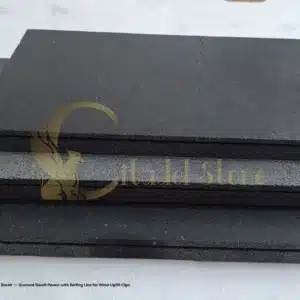
- Supplying quality basalt and limestone slabs
Their expertise in limestone selection sets them apart, as they bring expertly quarried stone from the Middle East to clients across the USA. This reflects their unwavering commitment to delivering the highest quality products.
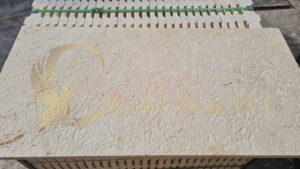
Handcrafted Natural Stone
Another factor that sets Citadel Stone apart is their range of handcrafted natural stone products. These pieces are the result of the meticulous work of multigenerational master masons, who create bespoke items such as:
- Stone sinks
- Fireplaces
- Birdbaths
- Urns
- Planters
- Benches
Each piece is carefully handcrafted to meet varied customer preferences and design requirements for both bathroom and garden spaces.
The high level of craftsmanship in Citadel Stone’s handcrafted products delivers unique characteristics and a personalized touch, distinguishing them from mass-produced alternatives. This attention to detail and commitment to quality are reflected in their diverse range of bespoke items, which include:
- Custom stone countertops
- Hand-carved stone sculptures
- Unique stone jewelry
- Custom stone fireplaces
- Personalized stone plaques
These products underscore Citadel Stone’s dedication to providing unique and high-quality stone products.
Comprehensive Logistics Support
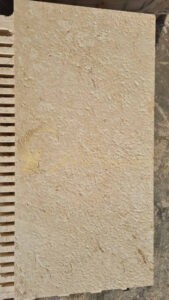
In addition to their superior product range and craftsmanship, Citadel Stone also excels in logistics support. The company is recognized for their rapid and efficient worldwide delivery services, ensuring that a variety of limestone and basalt products reach clients internationally. To protect the integrity of their stone products during transit, Citadel Stone works closely with clients to develop custom crates designed for secure delivery.

In the United States, Citadel Stone manages all aspects of logistics, including direct delivery to construction sites. This comprehensive logistics support facilitates a seamless procurement experience, ensuring that clients receive their high-quality limestone and basalt products promptly and securely.
Versatile Limestone Applications
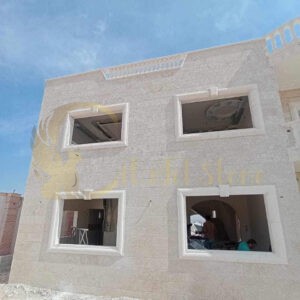
Limestone’s popularity as a construction material is largely due to its versatility. Its use spans history, from ancient structures to modern residential and commercial projects, demonstrating its lasting durability and aesthetic qualities. Whether it’s used for the cladding of both interior and exterior building surfaces, or for high wall cladding, limestone is an ideal choice for a variety of construction applications.
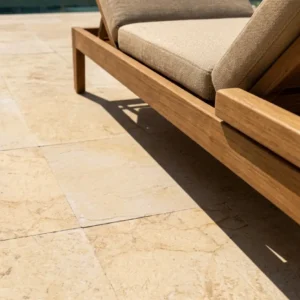
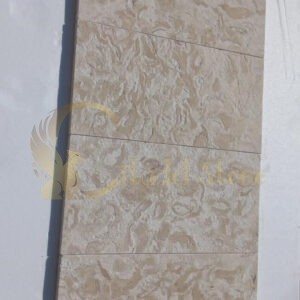
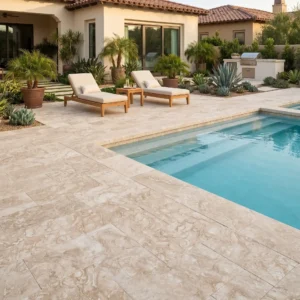
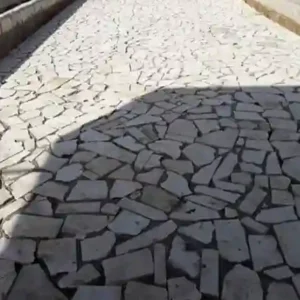
Limestone’s adaptability also allows for an array of hand-crafted stone products, such as bathroom and garden sinks, bespoke fireplaces, and benches, catering to various design preferences. Limestone tiles and finishes are extensively used for flooring, walls, and outdoor paving, providing aesthetic diversity with options like natural hand-cut textures for rustic appeal and flamed finishes for textured surfaces in public spaces.
Comparing Limestone to Other Natural Stone Materials
While limestone is a popular choice for many construction and design projects, it’s useful to compare it to other natural stone materials. Granite, for example, is an igneous rock known for its high durability and resistance to scratches. However, limestone has a higher heat absorption capability, making it a more suitable choice for certain applications.
Limestone and granite also offer different finishes. Granite is often polished for an elegant, reflective effect, while limestone can be:
- polished
- honed
- brushed
- tumbled
to achieve a variety of looks, from a reflective shine to a worn, rustic appearance. While granite is more costly, indicating a premium on its quality and appearance, limestone offers a combination of beauty, durability, and versatility that can enhance the value of any project.
Proper Care and Maintenance of Limestone Pavers
Despite limestone’s durability, proper care and maintenance are key to ensuring its longevity. Regularly sweeping and vacuuming limestone floors can help remove abrasive dust and debris. Using a wet mop with a mild cleaning solution at least once a week can help maintain the stone’s appearance, ensuring minimal water use to prevent water damage.
In addition to regular cleaning, it’s important to promptly clean spills to prevent substances from seeping into limestone and creating stains. For stubborn stains, cleaners specifically suitable for limestone and poultice products can be used, although complete removal may take up to 48 hours. By placing mats at entryways, the transfer of dirt can be limited and the chance of scratches on limestone surfaces reduced.
Lastly, it’s crucial to clean limestone with pH-neutral detergents, as incorrect cleaning products can damage the stone and its seal.
Choosing the Perfect Limestone Color and Texture
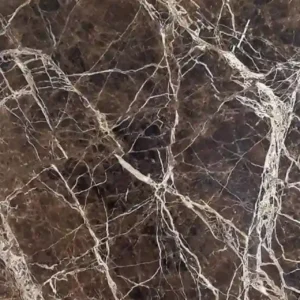
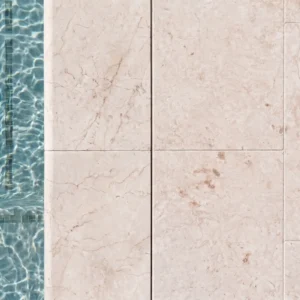
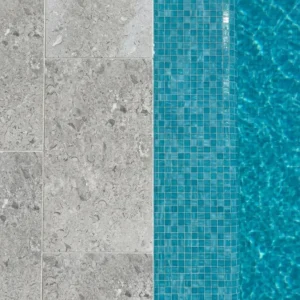
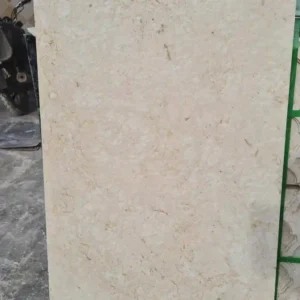
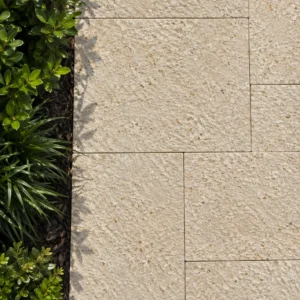
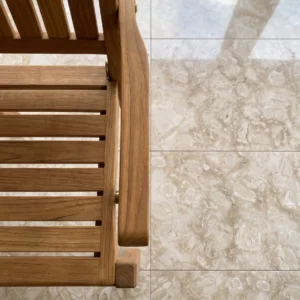
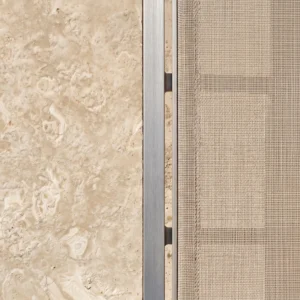
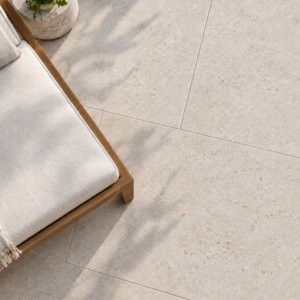
Limestone’s inherent beauty comes not just from its durability but also from its variety of colors and textures. The stone offers a range of textures, such as the casual, slate-textured surfaces found in oversized slab systems with rectilinear shapes and rounded edges. The stone’s appearance can be transformed by various finishes, which not only change its color but also allow it to complement other building materials, such as marble, effectively.
From soft whites and creams to rich browns and blacks, limestone’s diverse palette can cater to a wide range of tastes and design requirements. Whether you’re seeking a rustic, textured surface or a smooth, polished finish, there’s a limestone product that perfectly suits your project.
Benefits of Limestone in Design and Construction
Limestone’s unique aesthetic characteristics, primarily composed of calcium carbonate and often containing fossilized fragments, confer a distinctive elegance to design projects. Its aesthetic appeal is not just a matter of beauty – it also enhances the value of construction and design projects. Selecting high-quality limestone from suppliers such as Citadel Stone can significantly enhance the value of construction and design projects.
Limestone has also been a material of choice for its aesthetic appeal in iconic structures such as the Empire State Building and the Washington National Cathedral, highlighting its lasting beauty in architecture. Reconstruction efforts, like those at the Pentagon post-September 2001, relied on limestone as a durable and reliable alternative to concrete, demonstrating its strong nature in construction.
Potential Disadvantages of Limestone
While limestone offers numerous benefits in design and construction, it’s also vital to consider potential disadvantages. For instance, limestone can be susceptible to damage from acidic substances, which may etch its surface. To prevent stains and reduce soiling, limestone surfaces should be sealed with a high-quality, deep penetrating sealer.
Additionally, the extraction of limestone can lead to environmental disturbances, such as noise pollution, increased traffic, and the visual impact of quarries visible from afar. However, with responsible sourcing and environmental remediation efforts, these potential disadvantages can be mitigated, ensuring sustainable and responsible use of this versatile natural resource.
Outdoor tiles
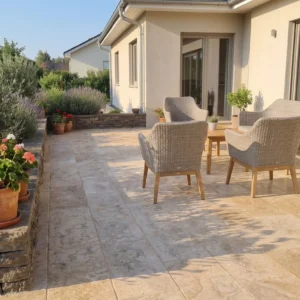
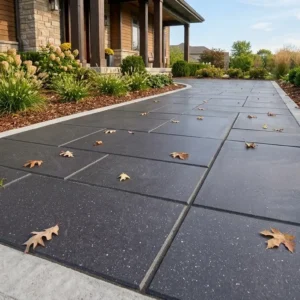
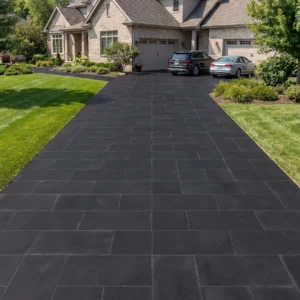
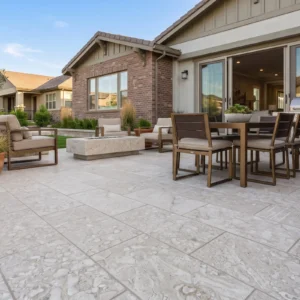
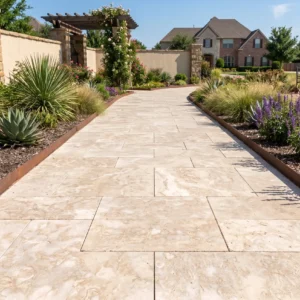
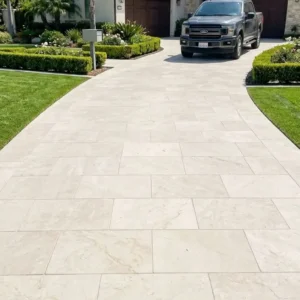
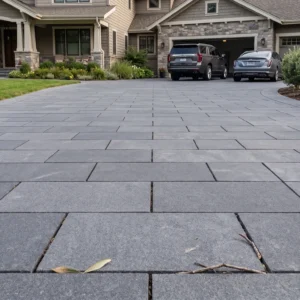
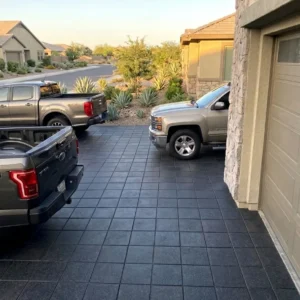
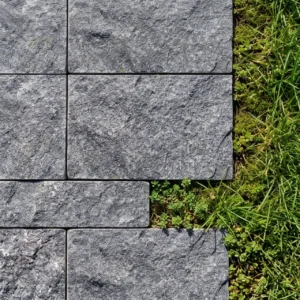
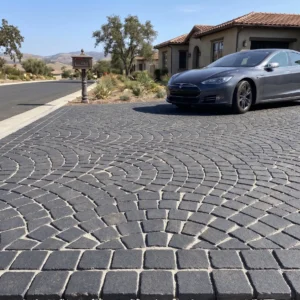
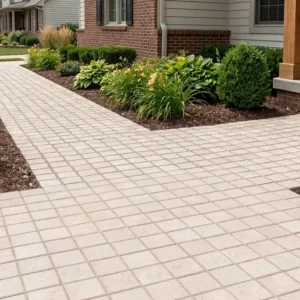
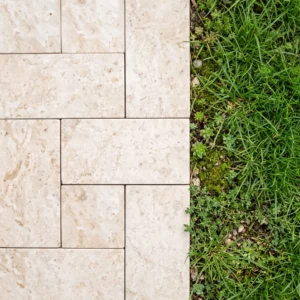
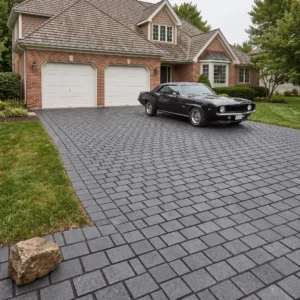
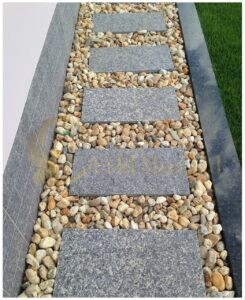
Citadel Stone offers a variety of high-quality limestone tiles and basalt pavers for outdoor applications, including sidewalks. Whether you’re looking to create a stunning patio with a paver design, a durable driveway, or a charming garden path, these tiles and pavers offer an unbeatable combination of beauty and durability.
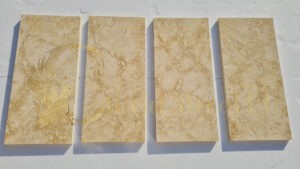
With their superior quality and competitive pricing, Citadel Stone’s limestone tiles and basalt pavers are among the best in the US market.
Landscape curbing
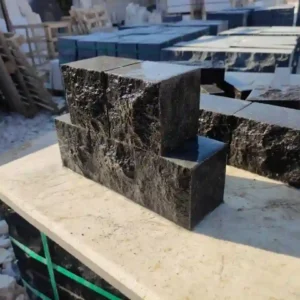
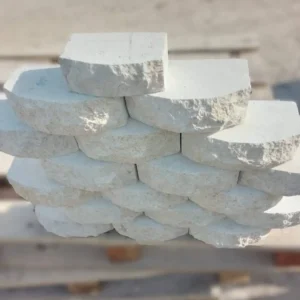
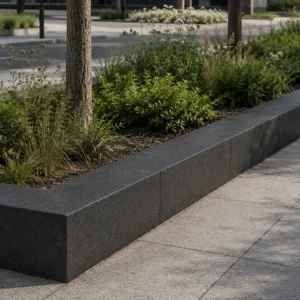
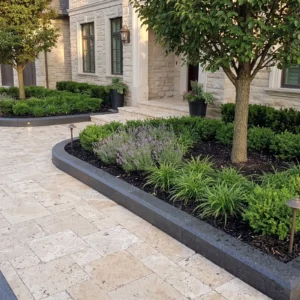
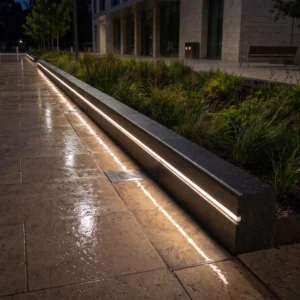
In addition to tiles and pavers, Citadel Stone also manufactures durable limestone and basalt curbing for landscape projects. Whether you’re outlining a garden bed, edging a lawn, or creating a border for a walkway, these curbs offer a sturdy and attractive solution.
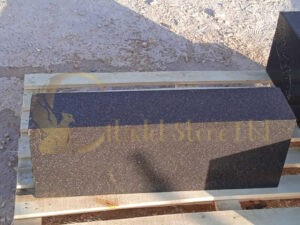
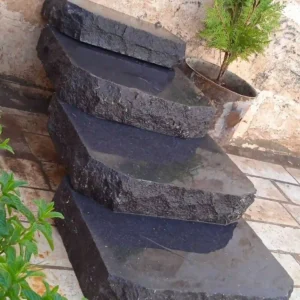
Furthermore, our basalt curbing is one of the one of the hardest natural paving stoness in the market, ensuring long-lasting performance for your landscaping needs.
Cobblestone pavers
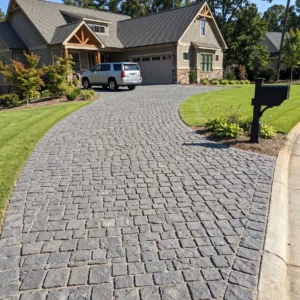
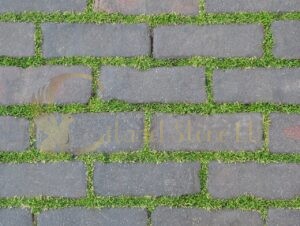
For those seeking a more traditional look, Citadel Stone offers cobblestone pavers made from various materials, including limestone and basalt.
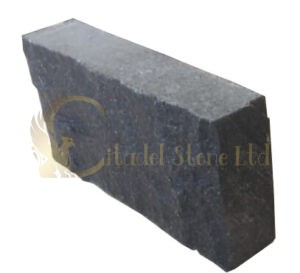
These cobblestone pavers are:
- Aesthetically pleasing
- Incredibly durable
- A popular choice for driveways, walkways, and patios
- Available in a range of sizes, allowing for customization to fit specific design requirements
- Can contribute to LEED points for projects requiring locally sourced materials.
Local limestone suppliers
Citadel Stone is proud to work with local limestone suppliers in the United States to deliver the best limestone slabs to clients. By partnering with local suppliers, Citadel Stone ensures that customers have access to the highest quality limestone products, tailored to their specific needs.

Whether you’re a homeowner looking to enhance your property or a contractor working on a large-scale project, Citadel Stone’s network of local suppliers can provide the quality, variety, and value you need.
Limestone wholesale near me
Finding a limestone wholesale supplier near you can be the key to accessing the best selection and pricing on limestone products. Suppliers such as Kurtz Bros., Inc. and Liberty Landscape Supply offer a variety of limestone products for wholesale, including bulk limestone and limestone super sacks.
These suppliers deliver to various locations, ensuring that wherever you are, you can access top-quality limestone for your project.
Limestone tile suppliers
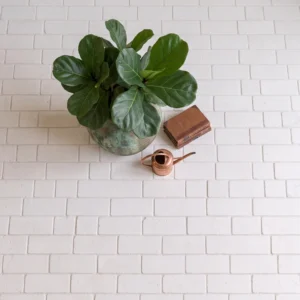
Choosing the right limestone tile supplier is crucial for the success of your project. Suppliers offer limestone tiles in a variety of shades, textures, and finishes, allowing you to find the perfect match for your design needs. Whether you’re looking for tiles for a bathroom wall, a kitchen backsplash, or an entryway floor, there’s a limestone tile that’s perfect for your project. And with the range of geometric shapes available, including hexagons, subway tiles, and chevrons, you can merge classical materials with contemporary design preferences.

Wholesale Limestone Suppliers in the United States
In summary, limestone’s versatility, durability, and aesthetic appeal make it an excellent choice for a myriad of construction and design projects. From the sourcing of high-quality limestone from reputable suppliers like Citadel Stone to the care and maintenance of limestone products, every aspect contributes to the successful implementation of this timeless material in modern design. With its range of colors, textures, and finishes, limestone can enhance the aesthetics of any space, indoors or outdoors, and can significantly enhance the value of construction and design projects. As we continue to build and design, limestone remains a cornerstone in architecture, merging the past and the present through its timeless elegance.