







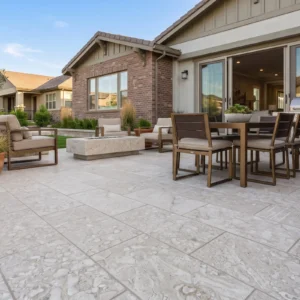
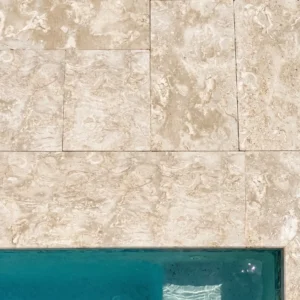
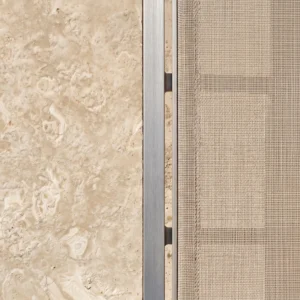
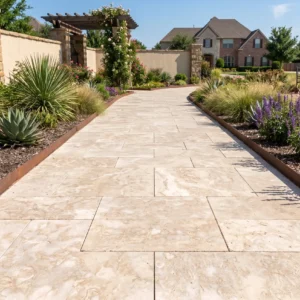
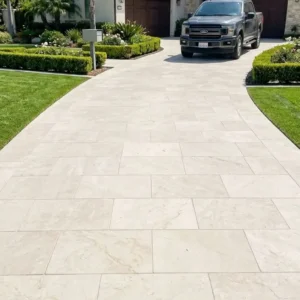
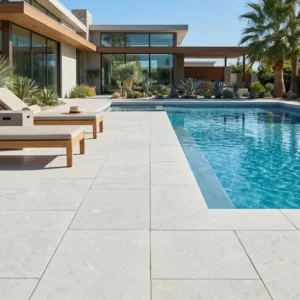
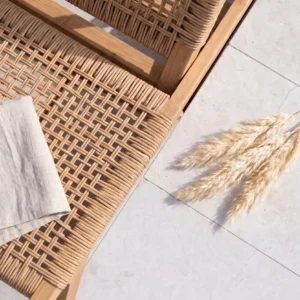
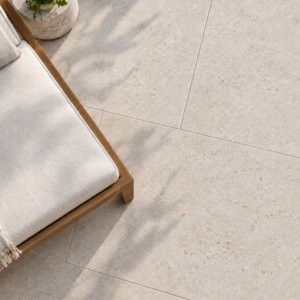




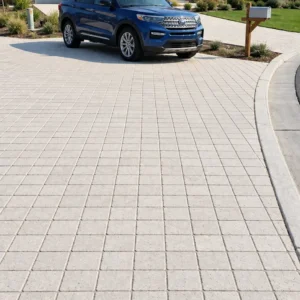
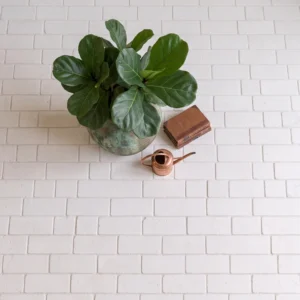
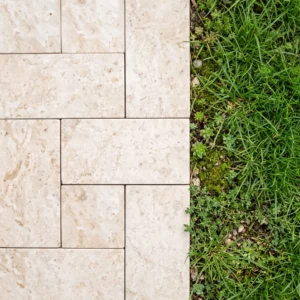
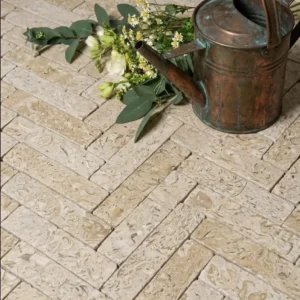

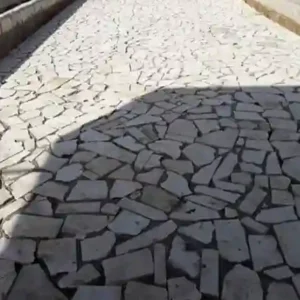

UV degradation works differently on natural stone than most specifiers expect — it’s not the surface color that fades first, but the mineral binders within the matrix that break down under prolonged photon bombardment, causing progressive surface oxidation that shows up as chalking, spalling, or a dull, washed-out tone. For 16 x 16 patio stones in Arizona, where solar irradiance regularly exceeds 6.5 kWh/m² per day across the low desert, this photochemical weathering process compresses what would be a 30-year degradation timeline in northern climates down to a 10-to-15-year window without proper material selection and sealing protocols. Understanding which stone types resist this process — and which accelerate through it — is the real specification decision you’re making when you choose your patio format.
UV Performance and Natural Stone Behavior in Arizona
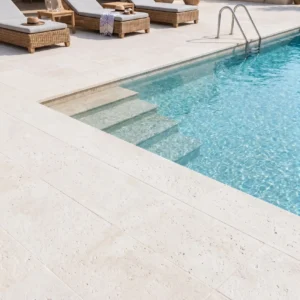
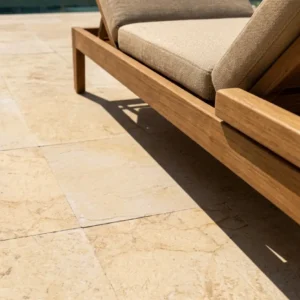
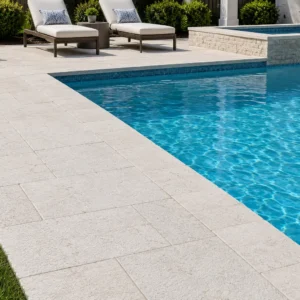
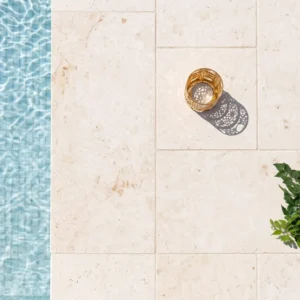
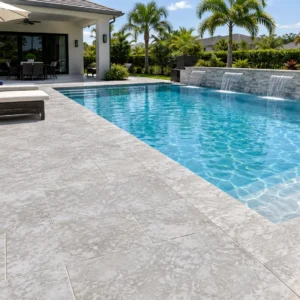
The distinction between thermal damage and UV damage matters enormously in Arizona. Air temperature causes expansion and contraction stress at joint interfaces, but UV radiation causes something structurally different: it breaks down the iron oxide compounds in many natural stones, triggering surface oxidation that looks like color fade but is actually mineral conversion. Lighter-toned limestones and travertines resist this process better than darker basalts in direct sun exposure because their silica content is higher relative to iron-bearing minerals. Your material selection for 16 x 16 patio stones in Arizona should prioritize this UV-resistance profile before aesthetics.
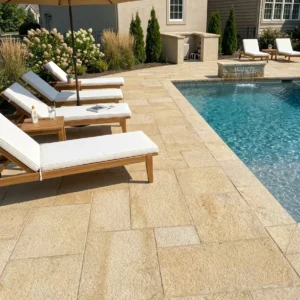
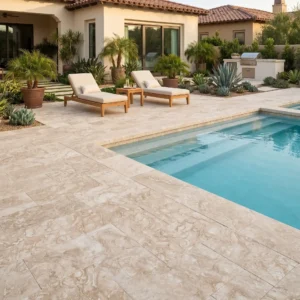
Field observations across Phoenix installations consistently show that unsealed travertine and limestone in the 16 x 16 format retain their surface integrity significantly longer than concrete pavers of comparable thickness — typically 18 to 22 years versus 12 to 15 years — because the crystalline structure of natural calcite reflects UV rather than absorbing it. The porosity that concerns many designers about travertine is actually less relevant to UV performance than it is to staining resistance, and those are two separate sealing decisions you’ll need to make independently.
- Limestone with a high calcium carbonate content shows minimal UV-induced mineral conversion in Arizona conditions
- Travertine’s interconnected void structure allows moisture vapor transmission that reduces subsurface pressure buildup from thermal cycling
- Sandstone and iron-rich flagstone exhibit accelerated surface oxidation under Arizona’s UV intensity — plan for resurfacing cycles of 8 to 10 years
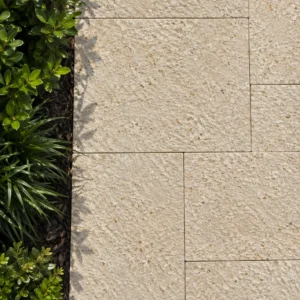
- Honed finishes retain UV stability longer than polished finishes because micro-surface irregularities scatter photons rather than concentrating them at the surface plane
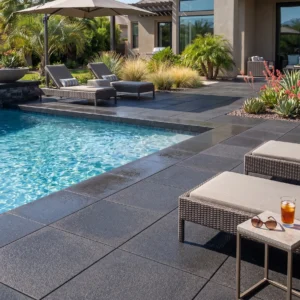
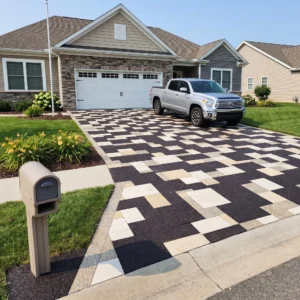
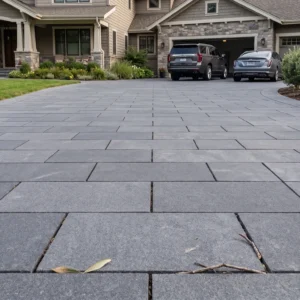
- Dark basalt pavers absorb most of the incident solar radiation, elevating surface temperatures well above ambient — a compounding factor that accelerates both thermal and UV stress simultaneously
Why the 16 x 16 Format Holds Its Specification Advantage
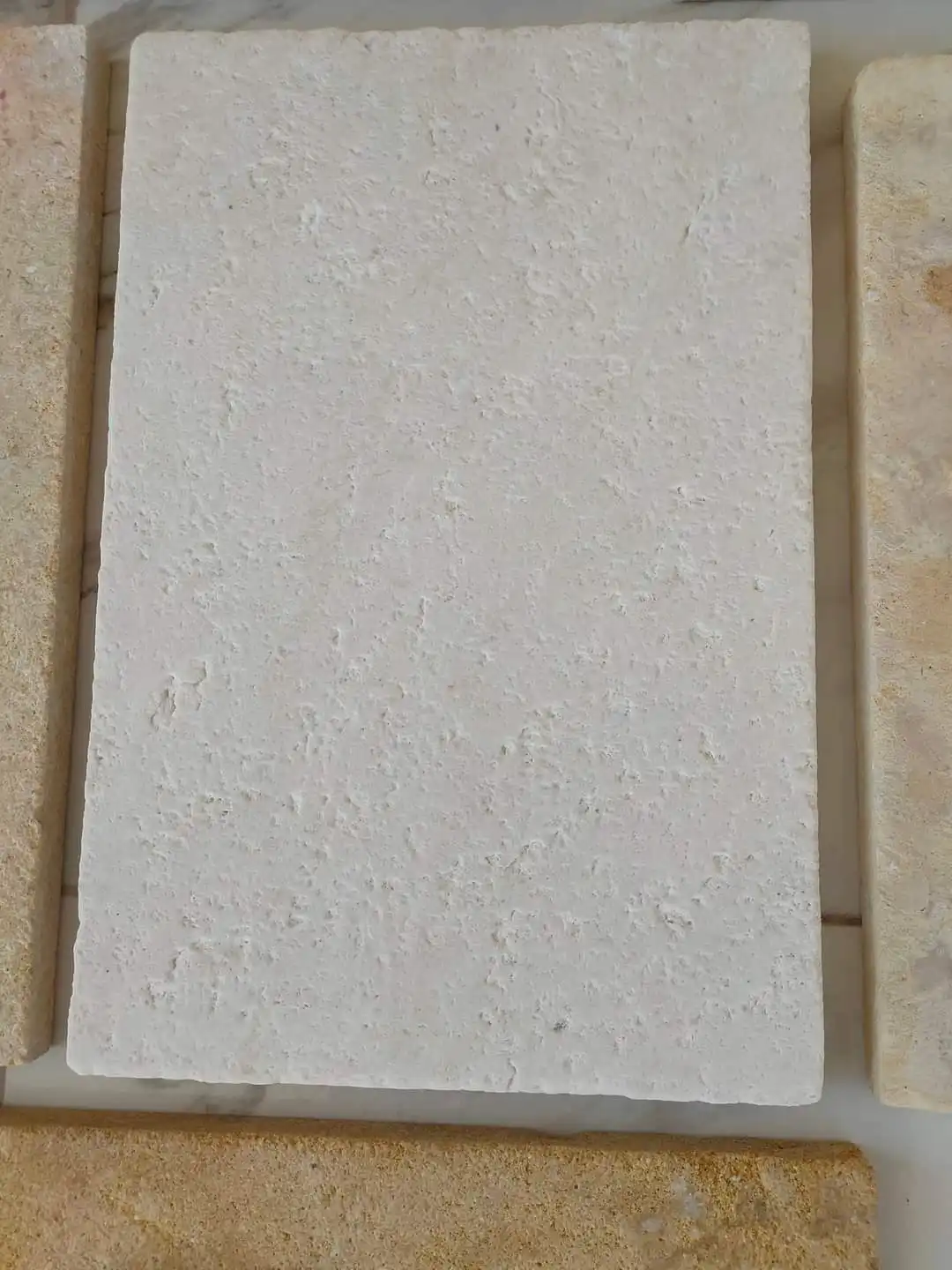
Citadel Stone stocks 16 x 16 patio stones in standard thicknesses of 1¼ inch, 1½ inch, and 2 inch nominal, giving you the flexibility to match structural requirements across residential patios, commercial courtyards, and pool surrounds without sourcing from multiple suppliers. The 16 x 16 format specifically hits a geometric sweet spot for UV and thermal performance: the slab area is large enough to minimize joint exposure — where UV degradation typically concentrates — while remaining small enough to manage differential thermal expansion without complex slip-joint detailing.
Compare this to 12 x 12 patio slabs in Arizona installations, where the higher joint-to-surface ratio exposes more polymeric sand to direct UV, causing it to break down and lose cohesion within three to five years in unshaded installations. The 16 x 16 format reduces that joint exposure by roughly 20% relative to 12 x 12 coverage, which meaningfully extends your maintenance cycle. Projects using 18 x 18 paving stones in Arizona push the format further but introduce handling challenges on sloped sites and require more precise base leveling to prevent rocking — a relevant concern in areas with expansive clay soils.
- The 16 x 16 format accommodates standard 3/16-inch to ¼-inch joint spacing across all four edges without cutting at perimeter conditions in most residential patio geometries
- 2 x 2 patio stones in Arizona installations work well as accent borders or step treads alongside 16 x 16 field stone for design variety without sourcing complexity
- 16 x 16 paver stones in Arizona typically require a 4-inch compacted aggregate base for pedestrian applications and a 6-inch base for vehicular-adjacent or heavy entertaining areas
- At 2-inch nominal thickness, the format suits light vehicular overhang conditions when the limestone’s compressive strength is confirmed on the test report
Sealing Protocols That Actually Counter UV Degradation
The sealing decision for 16 x 16 patio stones in Arizona involves a choice that most product data sheets understate: penetrating impregnators and topical film-formers behave fundamentally differently under UV exposure, and Arizona’s radiation levels expose that difference within the first two seasons. Topical sealers — acrylics and urethanes — form a sacrificial film that initially looks excellent but undergoes photodegradation itself, yellowing and peeling within 18 to 36 months in high-UV environments like Scottsdale, where annual UV index averages rank among the highest in North America.
Penetrating impregnators — specifically silane-siloxane chemistry for limestone and travertine — bond within the pore structure without creating a surface film, meaning there’s no topical layer to UV-degrade. You’ll sacrifice the wet-look enhancement that topical sealers provide, but you’ll gain a 5-to-8 year reapplication cycle instead of an 18-to-36-month one. For most Arizona patio applications, that’s the practical trade-off that reduces your long-term maintenance burden significantly.
- Apply penetrating sealer within 30 days of installation — before UV exposure begins breaking down the open surface pores that allow deep penetration
- Reapplication intervals should compress to 4 to 5 years in full-sun exposures versus 6 to 8 years for shaded or covered patio areas
- Test sealer effectiveness annually using the bead test: water droplets should bead above 3mm diameter on a properly sealed surface
- Avoid oil-based sealers on light-colored limestone — they amber over time under UV, permanently altering the stone’s appearance in a way that can’t be reversed without surface grinding
- Joint sealer selection matters as much as field stone sealer — polymeric jointing sand with UV stabilizers outperforms standard polymeric sand by 2 to 3 seasonal cycles in Arizona exposure
Base Preparation and Drainage for Arizona Patio Projects
Soil conditions in Arizona vary dramatically by elevation and geography, and your base preparation strategy for 16 x 16 patio stones has to account for that variability. Projects in Phoenix and the surrounding Valley typically encounter decomposed granite at relatively shallow depths — 6 to 18 inches — which provides excellent bearing capacity but also means your drainage geometry needs to handle intense monsoon events where 2 to 3 inches of rain can fall in under an hour. For projects requiring comparative specification data on format decisions, 16 x 16 Patio Stones from Citadel Stone addresses the size trade-offs most relevant to Arizona base conditions, with detail on how drainage geometry interacts with slab format across different site profiles.
The standard recommendation of 1% to 2% surface slope toward drainage outlets is inadequate for Arizona monsoon conditions. A minimum 2% slope — and ideally 2.5% — ensures sheet drainage clears the surface before the ground becomes saturated. Failing to achieve this gradient with your 16 x 16 format means standing water that promotes mineral leaching and accelerated UV damage at the water-line perimeter. You’ll also want to verify that your truck delivery access allows material to be staged close to the installation zone, because hand-moving 2-inch limestone slabs across sandy desert substrate is genuinely labor-intensive and risks chipping corners before installation even begins.
- Compact your aggregate base in 2-inch lifts to achieve 95% proctor density — single-pass compaction on deeper bases leaves voids that cause differential settlement under Arizona’s summer temperature fluctuations
- In areas with expansive soils, a geotextile separation layer between native soil and aggregate base prevents clay migration that progressively undermines compacted base integrity
- Caliche layers — common throughout central and southern Arizona — can serve as a natural sub-base when scarified and re-compacted, reducing your imported aggregate requirement and overall project cost
- Bedding sand for 16 x 16 patio stones should be set at 1-inch nominal depth, screeded to ±⅛ inch tolerance across the field to prevent lippage that becomes visible and potentially hazardous as slabs shift
Comparing Paving Stone Formats for Arizona Patio Design
The format decision goes beyond aesthetics — each size carries different structural, UV, and maintenance implications that matter in Arizona’s high-radiation environment. 2 inch paver stones in Arizona provide the structural depth needed for mixed-use patios where furniture, planters, and foot traffic create varied point loads, and the 2-inch format in the 16 x 16 footprint handles those loads without flexural cracking across a properly compacted base. Thinner formats — 1¼ inch — work well in covered patio areas where UV exposure is reduced and the load profile is purely pedestrian.
12 inch paver stones in Arizona offer a smaller format that some designers prefer for its proportional compatibility with standard 4-foot modular layouts, but the trade-off is the increased joint network already discussed. The 2x8x16 pavers in Arizona — a brick-format option — introduce a completely different aesthetic with a running bond pattern that works well for pathways and borders but becomes geometrically complex to integrate cleanly with a 16 x 16 field stone pattern without careful planning. The 6 x 9 block stone in Arizona installations similarly works as a transitional or border element rather than a primary field format for larger patio areas.
- 2ft x 2ft patio stones in Arizona present a premium format option that dramatically reduces joint density — suitable for large, flat contemporary patios where the slab area reads as a continuous plane; 2ft x 2ft patio stones in Arizona are increasingly specified for high-end residential and resort applications where minimal grout lines are a design priority
- 100mm pavers in Arizona — the metric equivalent of roughly 4-inch block — are commonly specified for commercial pathway edging or step riser applications adjacent to natural stone fields; 100mm pavers in Arizona also appear frequently in municipal streetscape projects where dimensional coordination with existing infrastructure drives the format choice
- Mixing formats within a single project requires careful thickness coordination — all formats must be set to a common finish height, which may require adjusting bed depths for each size
- 18 x 18 paving stones in Arizona require leveling tolerance of ±1/16 inch across the field — tighter than 16 x 16 installations — because the larger format makes lippage more visually prominent
Color Stability and Shade Selection Under Arizona UV
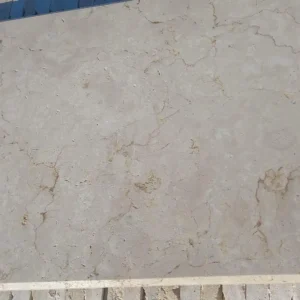
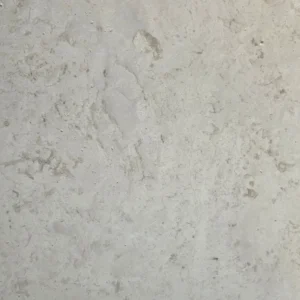
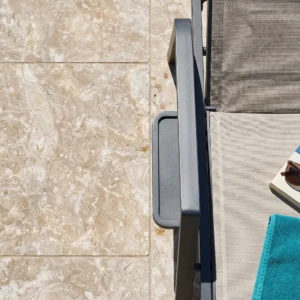
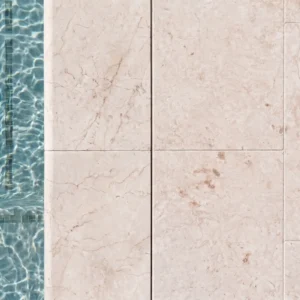
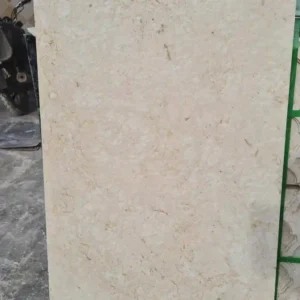
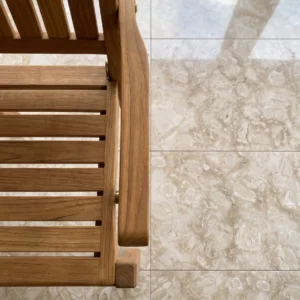
Color choice for 16 x 16 patio stones in Arizona involves a photochemical reality that most product samples don’t communicate: the showroom sample you’re looking at has experienced zero UV exposure, while your installed patio will accumulate years of it. Cream and buff limestone tones — the most popular choices for Arizona patios — are among the most UV-stable because their color derives primarily from calcium carbonate, which has negligible UV reactivity. The color you see in the yard after five years of Arizona sun is essentially the color you installed, assuming proper sealing.
Warmer, more saturated tones — terracotta-influenced travertines, rust-toned sandstone — contain iron oxide compounds that undergo gradual UV-driven mineral conversion, visibly lightening and desaturating over 3 to 7 years in full-sun installations. This isn’t a failure mode — it’s a predictable weathering trajectory — but it’s one you should communicate to your client before project completion so the evolution reads as character rather than deterioration. At Citadel Stone, we routinely walk clients through UV weathering simulations based on stone type and site exposure before final material selection, because an informed decision at specification stage prevents a dissatisfied client at year five.
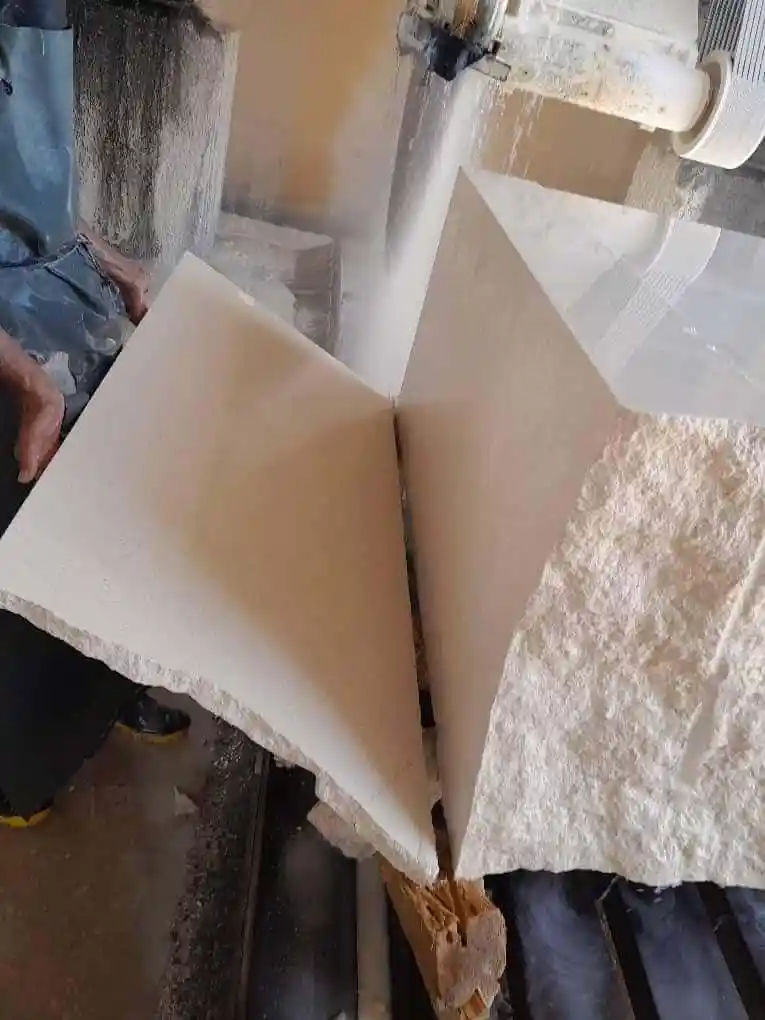
- Request UV weathering samples or accelerated aging test data from your supplier before committing to iron-rich stone tones in full-sun Arizona exposures
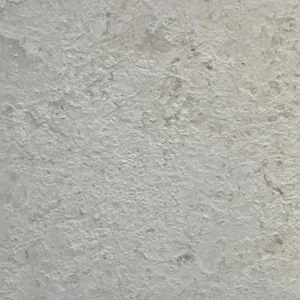
- Honed surfaces show UV color shift more gradually than brushed or sandblasted surfaces because the denser surface layer slows photon penetration into the mineral matrix
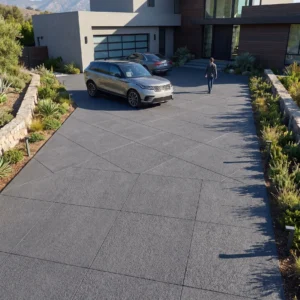
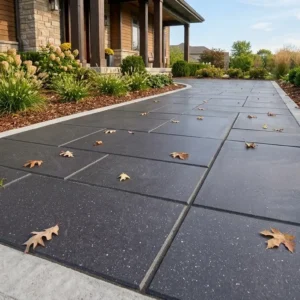
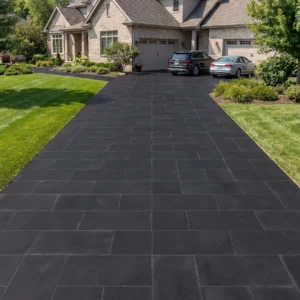
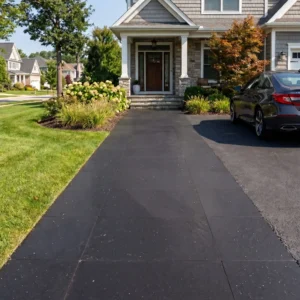
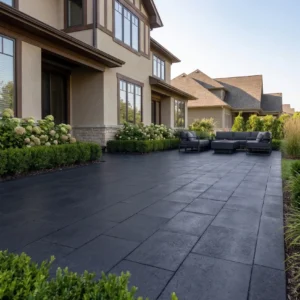
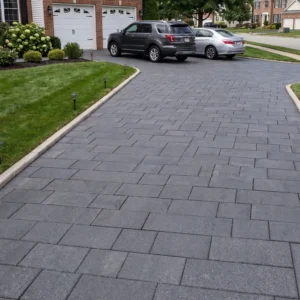
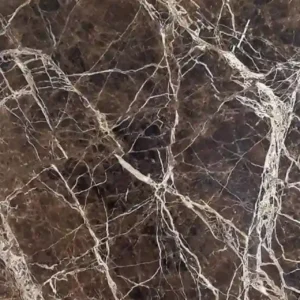
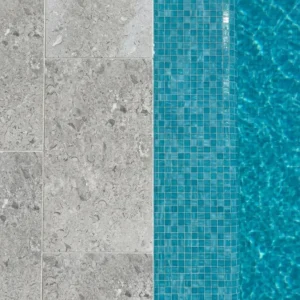
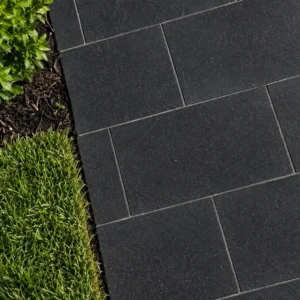
- Charcoal and dark grey stone tones absorb UV energy rather than reflecting it, concentrating thermal and photochemical stress at the surface — expect faster surface chalking in unshaded conditions
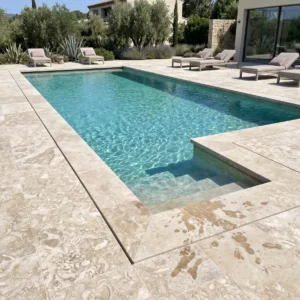
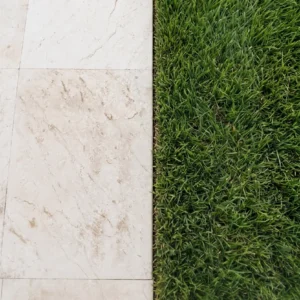
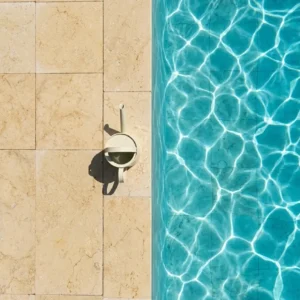
- Cream, ivory, and buff tones reflect more incident solar radiation, keeping surface temperatures lower than dark stone alternatives at peak summer hours
Elevation, Freeze-Thaw, and UV at Flagstaff and Higher-Altitude Sites
Arizona’s patio stone specification isn’t uniform across the state — and the elevation gradient between the low desert and the Colorado Plateau creates meaningfully different performance demands. Flagstaff sits at 6,900 feet, where freeze-thaw cycling introduces a stress mechanism that doesn’t exist in Phoenix or Tucson, but UV intensity at that elevation is actually higher per square meter than at sea level because the thinner atmosphere filters less radiation. This combination — freeze-thaw stress plus elevated UV — requires stone with both low water absorption and high UV stability, a pairing that points toward dense limestone or bluestone rather than travertine’s more porous structure.
Sourced from our selected premium quarries and inspected for batch consistency at the warehouse, Citadel Stone’s 16 x 16 patio stones in Arizona include freeze-thaw rated materials with water absorption values below 3% — the threshold that separates reliable high-elevation performers from stones that begin spalling within two or three freeze seasons. Verify the specific absorption rating for any stone you’re specifying above 4,500 feet elevation, rather than relying on general material category guidance alone.
- Freeze-thaw rated limestone for Arizona high-altitude sites should meet ASTM C568 Class III specifications: modulus of rupture above 1,800 PSI and absorption below 3%
- At elevation, UV-induced surface degradation actually proceeds faster than at low-desert sites because the higher UV index accelerates the same photochemical processes with less atmospheric filtration
- Patio stone installed in Flagstaff requires 6-inch aggregate base minimum — two inches deeper than the Phoenix standard — to account for frost depth penetration into the subgrade
- Joint sealer selection at high-altitude sites must be rated for freeze-thaw cycling: flexible polyurethane joint fillers outperform polymeric sand in below-freezing conditions
Request 16 x 16 Patio Stones in Arizona from Citadel Stone
Citadel Stone supplies 16 x 16 patio stones in Arizona across a range of natural stone types, finishes, and thicknesses — including 1¼ inch, 1½ inch, and 2 inch nominal formats in limestone, travertine, and dense basalt options. You can request sample tiles and full technical specification sheets, including UV weathering data and water absorption ratings, before committing to a final material selection. For trade accounts and wholesale enquiries, Citadel Stone’s team can provide volume pricing, project-specific cut lists, and lead time confirmation based on current warehouse inventory levels.
Delivery coverage spans the full state — from the Phoenix metro and Tucson basin to Flagstaff, Sedona, and Yuma — with truck dispatch typically within 1 to 2 weeks from confirmed order for in-stock materials. For non-standard formats, custom cuts, or large-volume commercial projects requiring phased delivery, lead time and scheduling consultation is available before you commit. Reach out to Citadel Stone directly to request a quote, confirm current availability, or schedule a technical consultation for your Arizona patio project.
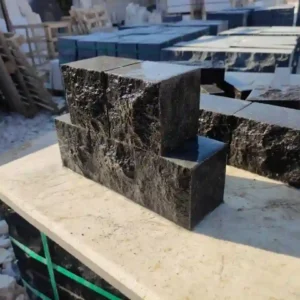
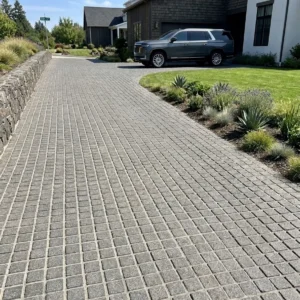
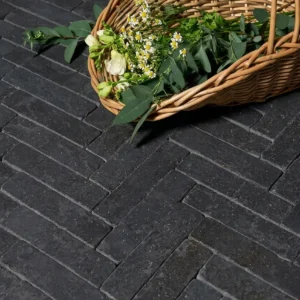
Your completed patio’s long-term performance depends on material decisions made well before installation day — and that’s precisely where detailed specification support makes the difference. Beyond 16 x 16 patio stones, your Arizona property may also benefit from other complementary hardscape materials — Graphite Block Paving in Arizona explores how darker-toned block paving performs under Arizona’s UV and heat conditions, offering useful contrast data for projects where design calls for tonal variety. Stone selections for Arizona projects in Flagstaff, Sedona, and Yuma include 16 x 16 Patio Stones supplied direct from Citadel Stone.