






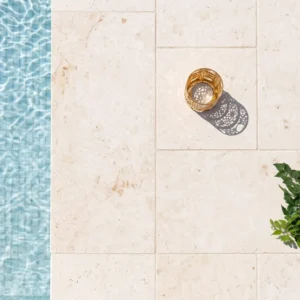
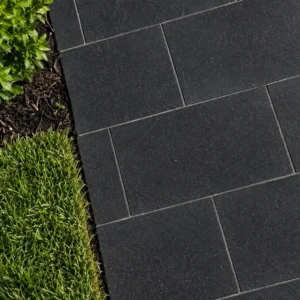
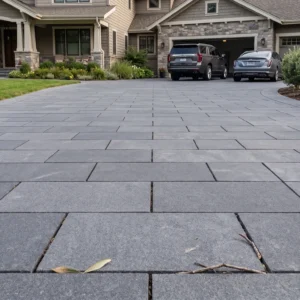
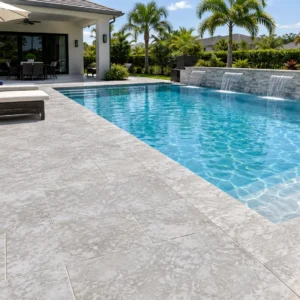
In the ever-evolving world of landscape design and outdoor living, few materials have maintained their timeless appeal quite like limestone pavers. These natural stone elements continue to gain popularity among homeowners, landscape architects, and designers seeking to create outdoor spaces that blend natural beauty with practical durability. Limestone pavers represent the perfect marriage of ancient building tradition and contemporary design sensibility, offering a versatile foundation for creating stunning exterior environments that stand the test of time.
Limestone, formed over millions of years from the compression of marine organisms and sediments, carries within its structure a rich geological history that translates into unique textures, subtle color variations, and an organic character impossible to replicate with manufactured materials. This natural heritage is precisely what makes limestone pavers so desirable in today’s outdoor design landscape, where authenticity and connection to nature have become increasingly valued.
The appeal of limestone pavers extends far beyond mere aesthetics. Their remarkable durability allows them to withstand decades of use in various climates and conditions. Their natural cooling properties make them comfortable underfoot even during hot summer days. Their versatility accommodates applications ranging from elegant pool surrounds to rustic garden pathways. And their sustainability credentials align perfectly with the growing emphasis on eco-conscious design choices that characterize the landscape architecture trends.
For homeowners and property managers alike, limestone pavers represent an investment in both immediate beauty and long-term value. While the initial cost may exceed that of some manufactured alternatives, the enduring appeal, minimal maintenance requirements, and potential property value enhancement make limestone pavers a financially sound choice for those thinking beyond the short term.
In this comprehensive guide, we’ll explore everything you need to know about limestone pavers—from their geological origins and physical properties to the latest design trends, installation best practices, maintenance requirements, and environmental benefits. Whether you’re planning a complete backyard transformation, a new patio installation, or simply researching options for future projects, this article will equip you with the knowledge to make informed decisions about incorporating limestone pavers into your outdoor living spaces.
Join us as we delve into the world of limestone pavers and discover why this ancient building material continues to be a leading choice for creating elegant, durable, and timeless outdoor environments in recent years and beyond.
Understanding Limestone Pavers: Nature’s Timeless Building Material
What Are Limestone Pavers?
Limestone pavers represent one of humanity’s oldest and most enduring building materials, with a rich heritage that spans civilizations and centuries. At their most fundamental level, limestone pavers are cut sections of sedimentary rock primarily composed of calcium carbonate (CaCO₃). This natural stone forms over millions of years through the accumulation and compression of marine organism remains—shells, coral fragments, and skeletal debris—in shallow, warm ocean environments. The slow geological processes that create limestone result in a material with unique characteristics that cannot be synthetically duplicated, giving each paver its own subtle variations in color, texture, and fossil inclusions.
The formation process of limestone begins with the accumulation of calcium-rich marine organisms on ancient sea floors. As these organisms die, their remains settle and accumulate in layers. Over time, immense pressure from overlying sediments compacts these remains, while mineral-rich water percolates through, gradually replacing original materials with calcite crystals. This process, known as lithification, transforms loose sediment into solid stone over millions of years. The specific conditions during formation—water temperature, depth, local mineral content, and types of organisms present—all contribute to the distinctive characteristics of different limestone varieties found around the world.
Throughout human history, limestone has been valued for its accessibility, workability, and durability. From the Great Pyramids of Giza to the grand cathedrals of Europe, limestone has played a pivotal role in architectural achievement. Its relatively soft nature when freshly quarried makes it easier to cut and shape than many other stones, while it gradually hardens through a process called carbonation when exposed to air. This combination of workability and developing strength has made limestone a preferred building material across diverse cultures and time periods.
In contemporary landscape design, limestone pavers continue this historical tradition while meeting modern aesthetic and functional requirements. Today’s limestone pavers are precision-cut using advanced technology to create uniform thickness and dimensions, though many manufacturers also offer tumbled or distressed finishes that highlight the stone’s natural character and provide an aged appearance from the moment of installation.
Types and Varieties of Limestone Pavers
The world of limestone pavers offers remarkable diversity, with variations stemming from geographical origin, mineral composition, and manufacturing processes. Understanding these differences helps in selecting the perfect limestone paver for specific applications and aesthetic preferences.
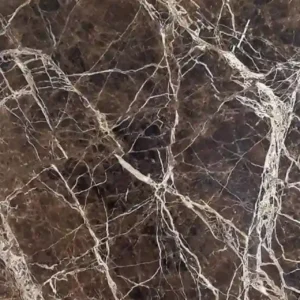
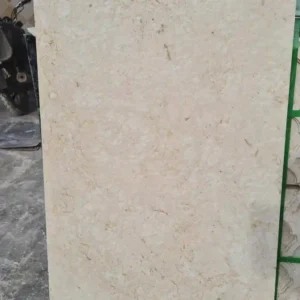
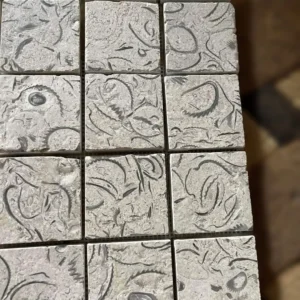
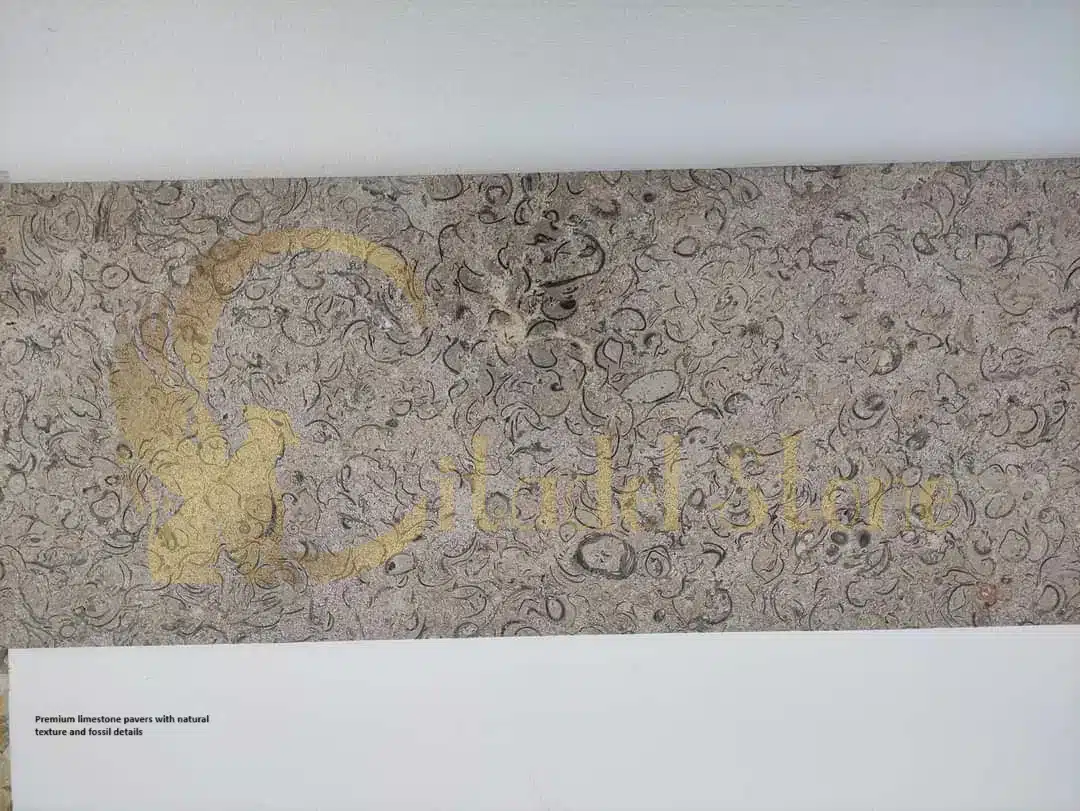
Natural limestone pavers are cut directly from quarried stone, preserving the authentic character and geological features of the material. These pavers showcase the true essence of limestone, including occasional fossils, natural veining, and subtle color variations that tell the story of the stone’s formation. Natural limestone pavers are prized for their unique character, with no two pieces being exactly alike. While typically more expensive than manufactured alternatives, they offer unmatched authenticity and a connection to natural processes that occurred millions of years ago.
In contrast, reconstituted limestone pavers are manufactured by crushing natural limestone and combining it with cement and other binding agents before molding into uniform shapes. This process allows for greater consistency in color and texture while still incorporating real limestone material. Reconstituted options typically cost less than natural limestone pavers and may offer enhanced durability for certain applications, though they sacrifice some of the unique character found in natural stone.
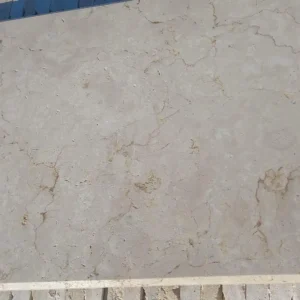
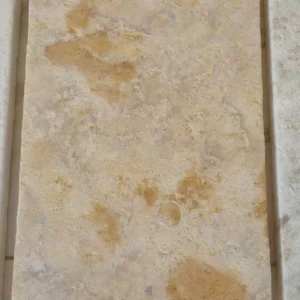
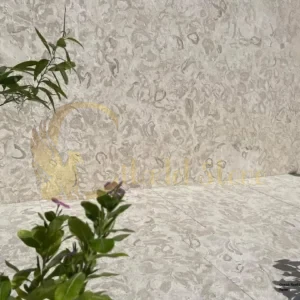
The color palette of limestone pavers spans a surprisingly wide range, though most varieties fall within earthy, neutral tones. The most common colors include creams, beiges, tans, and soft grays, with color variations resulting from mineral impurities present during formation. Iron oxide creates warmer tones ranging from honey gold to rich amber, while manganese contributes to cooler gray and bluish hues. Some rare limestone varieties even display hints of pink, green, or blue, depending on their mineral composition and formation conditions.
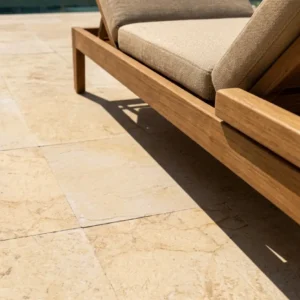
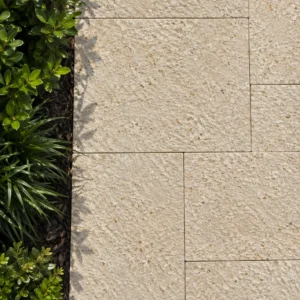
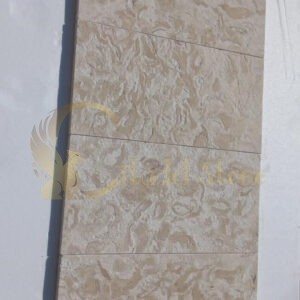
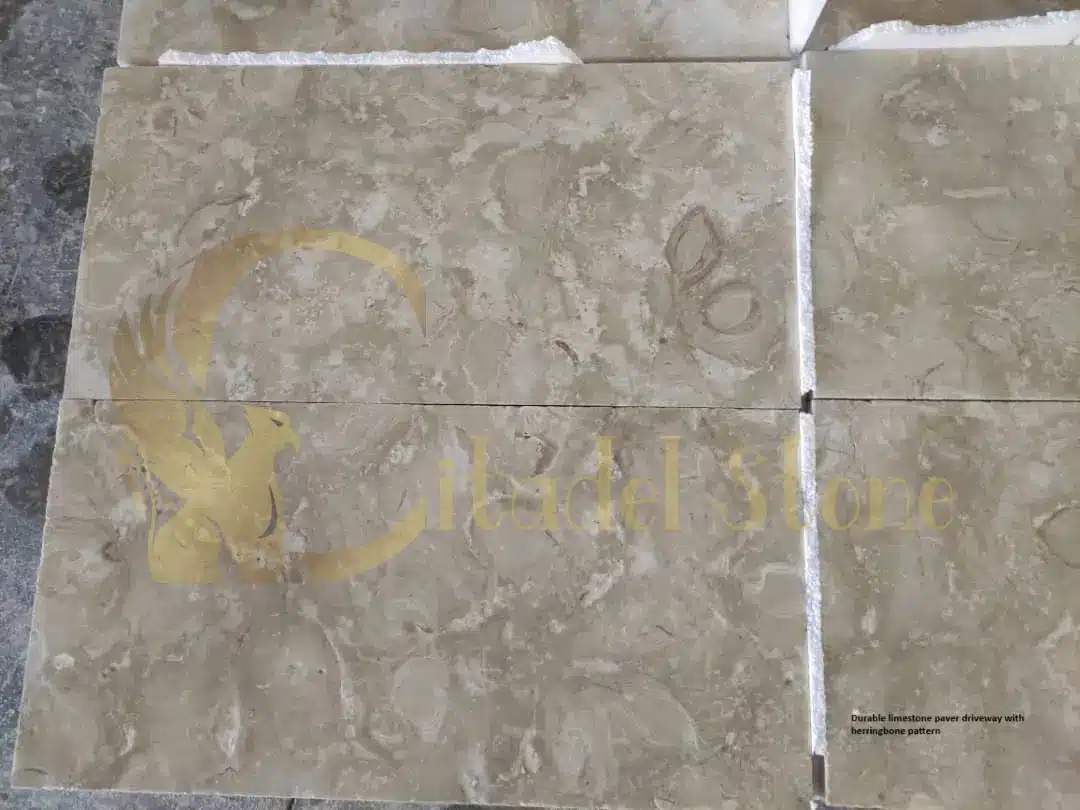
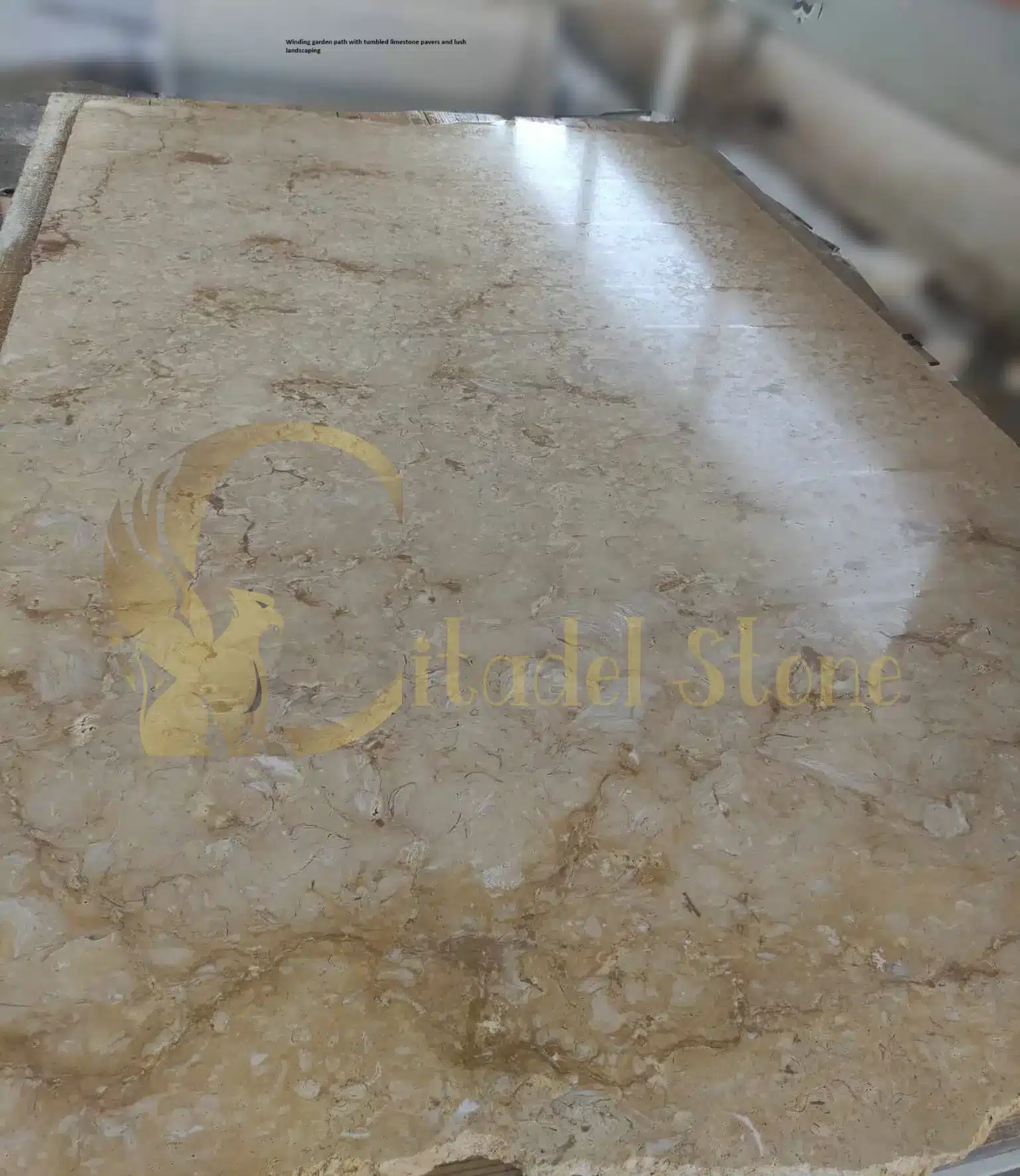
Surface finishes dramatically affect both the appearance and functionality of limestone pavers. Tumbled limestone features softened edges and corners with a slightly textured surface, creating a weathered, antique appearance ideal for rustic or Mediterranean-inspired designs. Honed limestone offers a smooth, matte finish that highlights the stone’s natural color variations while providing a more contemporary look. Brushed and sandblasted finishes create textured surfaces with enhanced slip resistance, making them excellent choices for pool surrounds and areas that frequently get wet. Polished limestone, though less common for exterior applications due to potential slipperiness when wet, provides a glossy, reflective surface that enhances the stone’s natural colors and patterns.
A significant trend the growing popularity of large format limestone slabs. These oversized pavers, often measuring 24″ x 36″ or larger, create a more spacious, contemporary aesthetic with fewer joint lines breaking up the visual flow. Large format slabs are particularly effective in creating a sense of expansiveness in smaller spaces and complement modern architectural styles. The reduced number of joints also means less opportunity for weed growth and easier maintenance. Installation requires special consideration due to the weight and size of these pieces, but the dramatic visual impact and clean lines make them increasingly sought-after for high-end landscape designs.
Standard sizes for limestone pavers typically include 12″ x 12″, 12″ x 24″, 16″ x 16″, and 18″ x 18″, though many manufacturers offer additional dimensions and custom cutting options. Thickness generally ranges from 1″ to 2″ for pedestrian applications, with thicker options of 2″ to 3″ recommended for driveways or areas with vehicular traffic. Many suppliers also offer modular systems with multiple sizes designed to be used together in repeating patterns, creating more dynamic visual interest across larger areas.
Physical Properties That Make Limestone Pavers Special
The enduring popularity of limestone pavers stems from a unique combination of physical properties that make them particularly well-suited for outdoor applications. Understanding these characteristics helps explain why limestone continues to be a preferred choice for discerning homeowners and designers.
Limestone’s density and porosity characteristics vary depending on the specific variety and formation conditions, but most limestone used for pavers falls within a medium-density range. Limestone’s density strikes a balance between durability and workability; request the test report for the batch you are buying. The porosity of limestone contributes to both its advantages and challenges; request the test report for the batch you are buying. This natural porosity allows the stone to “breathe,” helping prevent moisture buildup and frost damage in colder climates. However, it also makes untreated limestone susceptible to staining, which is why proper sealing is essential for most exterior applications.
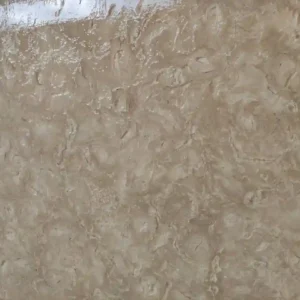
The natural texture and visual appeal of limestone pavers derive from their organic formation process. Unlike manufactured products with repetitive patterns, limestone displays subtle variations in color, occasional fossil inclusions, and natural veining that creates visual interest across larger installations. The slightly granular surface texture of most limestone varieties provides a pleasant tactile quality that connects users to the natural world. This authentic character aligns perfectly with the biophilic design movement that continues to gain momentum, as people increasingly seek connections to nature in their built environments.
One of limestone’s most appreciated physical properties is its thermal behavior. Limestone naturally resists heat absorption, remaining relatively cool underfoot even in direct sunlight. This characteristic makes limestone pavers an excellent choice for pool surrounds, patios, and other areas where barefoot comfort is important during hot weather. The thermal stability of limestone also means less expansion and contraction with temperature fluctuations compared to some alternative materials, potentially reducing long-term maintenance issues related to shifting and cracking.
While limestone is not as hard as granite or some other natural stones, properly selected and installed limestone pavers offer impressive durability for residential and many commercial applications. Compressive strength varies widely by variety, with denser limestone offering greater resistance to cracking under pressure; request the test report for the batch you are buying. This strength, combined with proper installation techniques, allows limestone pavers to withstand decades of foot traffic, outdoor furniture, and normal use without significant deterioration.
A growing consideration is the availability of permeable limestone paver systems that address increasing concerns about stormwater management and environmental impact. These systems utilize specially designed installation methods with wider joints filled with permeable materials that allow rainwater to percolate through to the soil below rather than running off into storm drains. Some manufacturers now offer limestone pavers specifically designed for permeable installations, with spacer nibs or modified shapes that create consistent drainage channels when installed. These eco-conscious options help reduce flooding risks, replenish groundwater, and filter pollutants from runoff—aligning perfectly with sustainable landscape design principles that have become increasingly important to homeowners and municipalities alike.
The Compelling Benefits of Choosing Limestone Pavers
Aesthetic Advantages
The enduring appeal of limestone pavers begins with their remarkable aesthetic qualities that have captivated designers and homeowners for generations. Unlike manufactured materials that attempt to mimic natural textures, limestone pavers offer authentic beauty derived from millions of years of geological processes. Each paver tells a visual story through subtle color variations, occasional fossil impressions, and natural veining patterns that cannot be precisely replicated in mass-produced alternatives. This inherent uniqueness ensures that every limestone installation becomes a one-of-a-kind expression of natural elegance.
The visual character of limestone pavers stems from their organic formation process, resulting in a depth and complexity of appearance that changes subtly with shifting light conditions throughout the day. Morning sunlight might highlight the warm undertones and textural details, while evening light can create a softer, more subdued effect that enhances the stone’s natural warmth. This dynamic visual quality brings outdoor spaces to life in ways that manufactured materials simply cannot match, creating environments that feel connected to the natural world and grounded in authentic materials.
Color consistency within controlled variation represents another aesthetic advantage of limestone pavers. While each piece displays unique characteristics, properly selected limestone from the same quarry source maintains a harmonious color palette that creates visual cohesion across larger installations. This balance between consistency and natural variation allows for sophisticated design expressions that avoid both the monotony of perfectly uniform materials and the chaotic appearance of excessively varied elements. The result is a refined aesthetic that appears intentional yet organic—a challenging balance that limestone achieves naturally.
Limestone pavers demonstrate remarkable versatility in complementing various architectural styles. Their timeless quality allows them to enhance traditional designs with historical authenticity, while their clean lines and natural minimalism work equally well in contemporary settings. Mediterranean and Spanish Colonial homes benefit from limestone’s sun-washed appearance and historical associations. Modern architectural styles are complemented by limestone’s subtle texture and monolithic potential when used in larger formats. Transitional designs leverage limestone’s ability to bridge different design languages through its neutral palette and natural origins. This adaptability makes limestone pavers a safe yet sophisticated choice for properties where architectural styles may evolve over time.
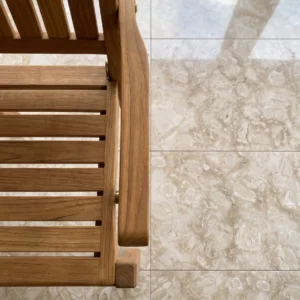
The ability to create cohesive indoor-outdoor transitions represents another significant aesthetic advantage of limestone pavers. By using the same material for interior flooring and exterior paving, designers can create seamless visual flow between living spaces, effectively expanding the perceived dimensions of both areas. This continuity is particularly valuable in homes with large glass doors or windows connecting to outdoor living spaces, where the consistent flooring material visually extends the interior outward. The result is a harmonious relationship between indoor and outdoor environments that enhances both spaces while creating a more expansive overall impression.
A notable trend for is the growing preference for earthy neutrals and multi-toned limestone blends that add subtle dimension to outdoor spaces. Warm beiges, soft tans, and gentle gray-beige combinations (often called “greige”) have emerged as particularly popular choices, offering sophisticated neutrality that complements a wide range of landscape and architectural elements. These earth-inspired tones create grounding, timeless installations that won’t quickly date or appear trendy. Multi-toned limestone varieties that incorporate subtle color shifts within individual pieces add visual interest and dimension without overwhelming the space, creating rich yet restrained surfaces that reward closer inspection while maintaining overall harmony.
Practical Benefits for Homeowners
Beyond their aesthetic appeal, limestone pavers offer numerous practical advantages that make them an excellent investment for homeowners seeking both beauty and functionality in their outdoor spaces. These tangible benefits contribute significantly to limestone’s enduring popularity and help justify its position as a premium paving material.
Durability and longevity stand among limestone’s most compelling practical advantages. When properly selected, installed, and maintained, limestone pavers can last for decades—even generations—without needing replacement. This exceptional lifespan stems from limestone’s natural density and strength, which allow it to withstand daily foot traffic, outdoor furniture, and normal use without significant deterioration. While initial installation costs may exceed those of some alternatives, the extended service life of limestone pavers often results in lower lifetime costs when amortized over their full duration. For homeowners planning to remain in their properties long-term, this durability translates to both financial savings and freedom from the disruption of frequent replacements.
Weather resistance represents another crucial practical benefit, particularly for outdoor applications exposed to the elements. Quality limestone pavers demonstrate remarkable resilience against various weather conditions, from scorching summer heat to freezing winter temperatures. The natural porosity of limestone allows it to “breathe,” helping prevent moisture accumulation that could lead to cracking during freeze-thaw cycles. This porosity, when properly managed through appropriate sealing, also facilitates quicker drying after rain, reducing slip hazards and preventing the prolonged dampness that can encourage mold or mildew growth. For regions with extreme seasonal variations, this weather resilience ensures consistent performance and appearance throughout the year.
Safety considerations further enhance limestone’s practical appeal for residential applications. Many limestone finishes offer excellent slip resistance, particularly brushed, sandblasted, or tumbled varieties that maintain textured surfaces even when wet. This natural traction makes limestone pavers an ideal choice for pool surrounds, outdoor showers, and areas that frequently experience moisture. The non-reflective surface of most limestone finishes also reduces glare in bright sunlight, enhancing visual comfort in outdoor living spaces. For families with children or elderly residents, these safety features provide valuable peace of mind without compromising on aesthetic quality.
One of limestone’s most appreciated practical benefits in hot climates is its natural cooling effect. Unlike concrete, asphalt, or certain other paving materials that absorb and radiate significant heat, limestone naturally remains cooler underfoot even in direct sunlight. This thermal property stems from limestone’s lighter color (which reflects rather than absorbs solar radiation) and its specific heat capacity characteristics. The practical impact is immediately apparent on hot summer days, when limestone patios and pool decks remain comfortable for barefoot use while many alternative materials become uncomfortably hot. This natural cooling effect not only enhances comfort but can also contribute to reducing the urban heat island effect in densely built environments.
Environmental sustainability represents an increasingly important consideration for many homeowners, and limestone pavers offer several eco-friendly advantages. As a natural material requiring minimal processing compared to manufactured alternatives, limestone generally has a lower embodied energy—the total energy required for extraction, processing, and transportation. When sourced from responsible quarries with proper reclamation practices, limestone represents a renewable resource that can be harvested with relatively low environmental impact. Additionally, limestone’s exceptional durability means fewer replacements over time, reducing the cumulative environmental footprint of multiple manufacturing and installation cycles that would be required with less durable materials.
Environmental and Sustainability Benefits
As environmental consciousness continues to influence consumer choices across all sectors, the sustainability aspects of building materials have gained increased importance. Limestone pavers offer several significant environmental benefits that align with the growing emphasis on responsible resource use and ecological mindfulness in landscape design.
Carbon footprint considerations have become central to material selection in environmentally conscious design. While limestone extraction and processing do require energy inputs, natural limestone pavers generally have a lower carbon footprint than many manufactured alternatives. Concrete products, for comparison, involve energy-intensive production processes and cement manufacturing, which is responsible for approximately 8% of global CO2 emissions. Natural limestone requires significantly less processing—primarily cutting and finishing—resulting in lower embodied carbon. Additionally, limestone’s carbon composition means it actually sequesters carbon that was captured from ancient atmospheres, effectively storing it in a stable form for as long as the stone remains intact.
Water management represents one of the most significant environmental challenges in contemporary landscape design, particularly as climate change intensifies both drought and flooding events in many regions. Permeable limestone paver installations offer a valuable solution by allowing rainwater to infiltrate through joints into the soil below rather than contributing to surface runoff. This natural infiltration helps replenish groundwater supplies, reduces erosion from concentrated water flows, and decreases the burden on municipal stormwater systems during heavy precipitation events. By incorporating appropriate base materials and joint fillers, limestone paver installations can be designed to manage significant water volumes while maintaining structural integrity, contributing to more resilient and hydrologically sound landscapes.
Local sourcing advantages further enhance limestone’s environmental profile when regionally appropriate varieties are selected. Transportation represents a significant portion of many building materials’ carbon footprint, particularly for heavy items like stone. By choosing limestone quarried within reasonable proximity to the installation site, designers and homeowners can substantially reduce the fossil fuels consumed in transportation. Local sourcing also supports regional economies and traditional stone industries that often maintain generations of specialized knowledge and craftsmanship. Many regions have distinctive local limestone varieties that reflect the specific geological conditions of the area, creating opportunities for designs that authentically connect to local material traditions and terroir.
The exceptional longevity of limestone pavers contributes significantly to their sustainability profile through reduced replacement needs. Materials that require frequent replacement create a cycle of resource extraction, manufacturing, transportation, and waste disposal that multiplies their environmental impact over time. Limestone’s ability to last for decades—even centuries with proper installation and maintenance—means fewer replacement cycles and a correspondingly lower lifetime environmental impact. This durability perspective is increasingly recognized as a crucial factor in genuine sustainability assessments that look beyond initial “green” credentials to consider the full lifecycle environmental costs of material choices.
A defining trend is the growing emphasis on greener infrastructure and sustainable design practices throughout the hardscape industry. Limestone pavers are well-positioned within this trend, particularly as manufacturers and installers develop innovative systems that enhance their inherent environmental benefits. These include specialized permeable installation methods, recycled content in setting materials, rainwater harvesting integration, and complementary plantings that create biodiverse microenvironments within hardscaped areas. Forward-thinking designers are increasingly viewing paved surfaces not as environmental liabilities but as opportunities for integrated systems that contribute positively to local ecology while meeting human needs for durable, functional outdoor spaces.
The natural cooling effect of limestone pavers also contributes to their environmental benefits by reducing the urban heat island effect—the phenomenon where built environments retain and radiate heat, creating localized temperature increases. By reflecting rather than absorbing solar radiation, light-colored limestone pavers help maintain lower surface temperatures compared to darker materials like asphalt. This cooling effect reduces the energy needed for air conditioning in adjacent buildings and creates more comfortable microclimates in outdoor living spaces. As climate change brings increasing temperature extremes to many regions, this passive cooling benefit becomes increasingly valuable from both comfort and energy conservation perspectives.
Design Trends for Limestone Pavers
Biophilic Design Integration
The biophilic design movement has emerged as one of the most influential trends in outdoor living spaces, fundamentally reshaping how designers and homeowners approach hardscaping elements like limestone pavers. This design philosophy centers on strengthening the connection between humans and nature within built environments, recognizing the innate human need to maintain contact with natural systems and processes. Limestone pavers, with their organic origins and natural variations, serve as perfect foundational elements for biophilic outdoor spaces that promote wellbeing and environmental harmony.
At its core, biophilic design seeks to incorporate nature directly, indirectly, or through spatial experiences that evoke natural sensations. With limestone pavers, designers are creating hardscaped areas that don’t simply exist alongside nature but actively integrate with it. This integration manifests through thoughtful transitions between paved and planted areas, with irregular edges that allow groundcover plants to spill onto pathways or moss to develop in shaded joints between pavers. The natural porosity and texture of limestone create micro-environments where beneficial organisms can establish, contributing to the ecological functionality of the space while maintaining structural integrity.
Combining limestone with complementary natural elements represents another key aspect of biophilic integration trending. Designers are pairing limestone pavers with water features where the stone continues below the water surface, creating visual continuity between dry and wet elements. Similarly, fire features nestled within limestone paver patios create primal sensory experiences that connect users to elemental forces. Carefully selected plantings that cascade over limestone walls or emerge from strategic gaps in paving create moments of discovery and surprise that engage multiple senses—the visual texture of the stone contrasting with the movement of plants, the subtle scent of herbs planted alongside pathways, or the sound of grasses rustling against limestone edges.
Creating multisensory experiences has become a defining characteristic of sophisticated biophilic design with limestone pavers. Beyond the visual appeal that has traditionally dominated landscape design considerations, today’s most successful outdoor spaces engage all senses. The tactile quality of different limestone finishes—from smooth-honed surfaces to textured split-face edges—invites touch and creates varied sensory experiences throughout the landscape. The natural cooling properties of limestone provide thermal comfort, while the acoustic properties of stone surfaces can be leveraged to either amplify or dampen environmental sounds depending on the desired atmosphere. Some designers are even incorporating subtle aromatic plants in limestone paver joints that release scent when walked upon, adding another sensory dimension to the experience.
The concept of “entanglement”—the artful interweaving of hardscape and softscape elements—has gained significant traction limestone paver applications. This approach rejects the traditional sharp delineation between paved and planted areas in favor of more organic transitions and integrations. Practical applications include limestone pavers installed with wider-than-standard joints planted with low-growing thyme or moss, creating green grids within the paved surface. Another popular technique involves alternating limestone pavers with equivalently sized planting pockets filled with drought-tolerant groundcovers or ornamental grasses, creating rhythmic patterns that are both visually compelling and ecologically beneficial. These entangled designs not only create visual interest but also improve permeability, reduce heat island effects, and support biodiversity within otherwise hardscaped areas.
Research continues to validate the psychological and physiological benefits of biophilic design principles, showing measurable reductions in stress, improved cognitive function, and enhanced mood when people interact with environments that incorporate natural elements and patterns. As awareness of these benefits grows, homeowners increasingly view their outdoor living spaces not merely as aesthetic or functional extensions of their homes but as vital environments for mental restoration and wellbeing. Limestone pavers, with their direct connection to geological processes and natural formation, provide an authentic foundation for these biophilic spaces that cannot be replicated with synthetic materials.
Modern Pattern and Layout Innovations
The world of limestone paver design is experiencing a renaissance of pattern innovation, moving beyond traditional layouts to embrace more creative and visually dynamic arrangements. These modern pattern approaches allow homeowners to express individual style while maintaining the timeless appeal of natural stone, creating outdoor spaces that feel both contemporary and enduring.
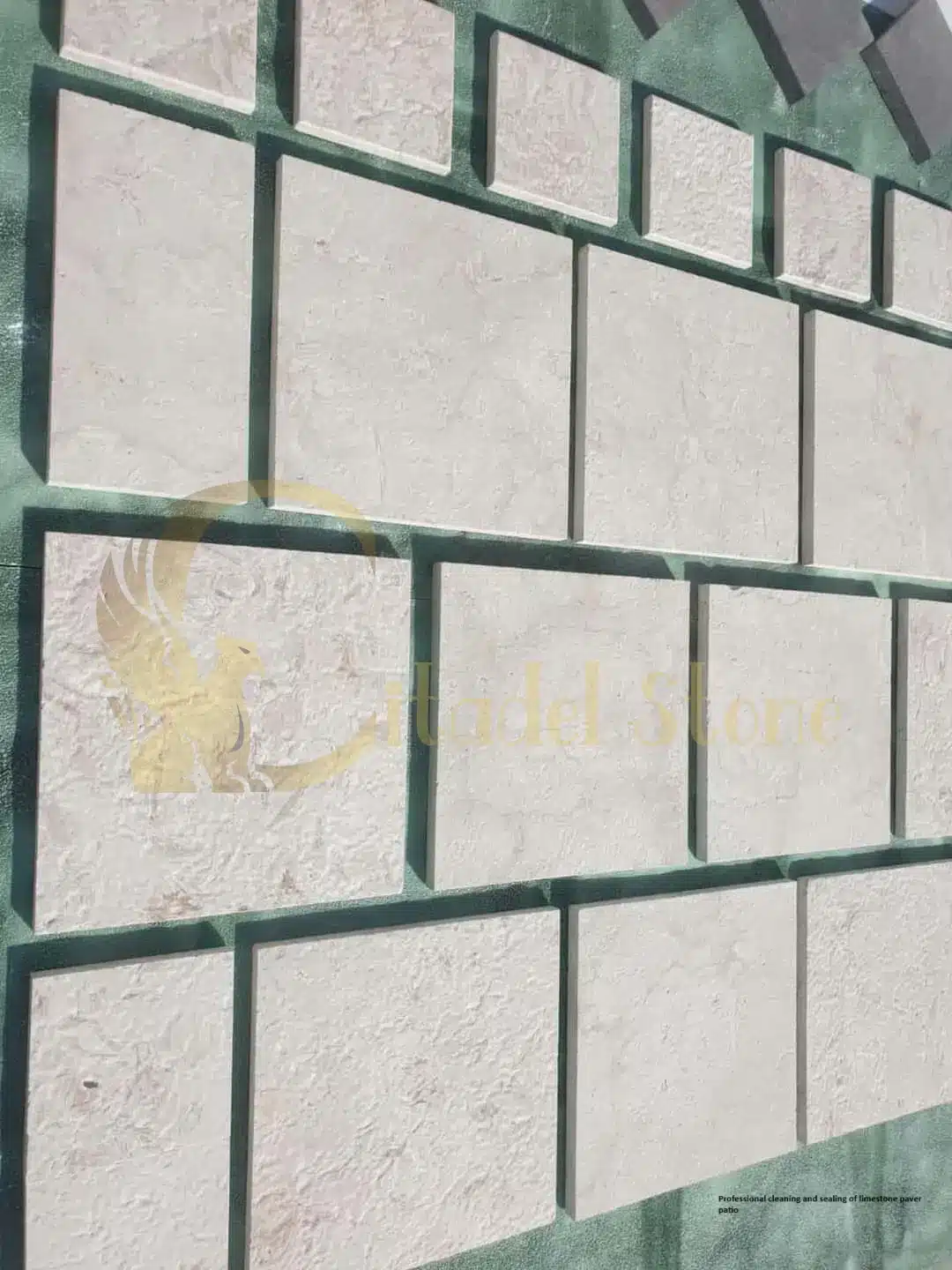
Mixed sizes and freeform layouts represent one of the strongest emerging trends in limestone paver design. Moving away from uniform sizes and rigid grid patterns, designers are embracing the visual interest created by combining multiple paver dimensions in organic, seemingly random arrangements. These designs often incorporate three to five different paver sizes installed in non-repeating patterns that appear naturally evolved rather than strictly planned. The irregular rhythm created by these mixed-size installations adds visual movement across larger paved areas, preventing the monotony that can occur with uniform paving. This approach works particularly well with tumbled or antiqued limestone finishes, where the casual arrangement complements the weathered appearance of the stone.
Traditional patterns are being reimagined with contemporary proportions and installations. The classic herringbone pattern—where rectangular pavers are arranged in a zigzag formation—continues its strong presence designs but with fresh interpretations. Elongated limestone pavers in 4:1 or 6:1 length-to-width ratios create dramatically different visual effects compared to traditional 2:1 proportions, producing more pronounced directional movement across the space. Double herringbone patterns, where two pavers are placed side by side in each direction, create a bolder visual statement while maintaining the pattern’s inherent structural stability that makes it ideal for driveways and high-traffic areas.
Modular combo patterns have gained significant popularity for their balance of visual interest and installation efficiency. These systems typically include several compatible paver sizes designed to fit together in semi-random arrangements while maintaining consistent joint lines. The mathematical precision underlying these seemingly random patterns ensures proper alignment and structural integrity while creating a more dynamic visual effect than uniform paving. For limestone applications, modular systems often incorporate three to five rectangular and square formats that can be repeated across large areas without obvious pattern repetition, creating a custom appearance with standardized components.
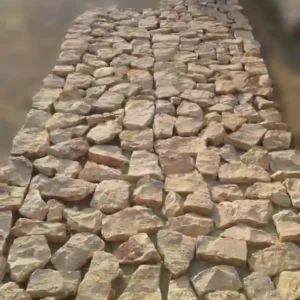
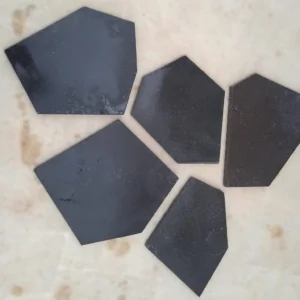
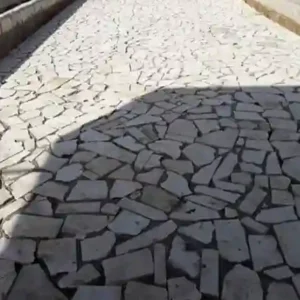
Random or irregular arrangements continue to gain traction, particularly for projects seeking a naturalistic aesthetic. These layouts intentionally avoid consistent joint lines and regular patterns, instead embracing the organic variability found in natural stone formations. Skilled installers work with limestone pieces of varied shapes and sizes, fitting them together like a puzzle with minimal cutting. The resulting surfaces evoke ancient European courtyards or natural stone outcroppings, with a timeworn quality that appears to have evolved over generations rather than being recently installed. While more labor-intensive and requiring greater installer skill than standard patterns, these irregular layouts create uniquely organic spaces that cannot be replicated with manufactured materials.
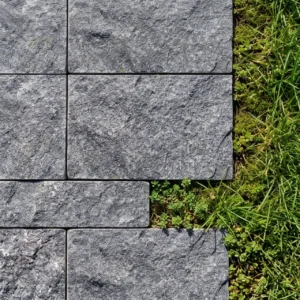
The integration of pavers with turf or groundcover represents one of the most visually striking trends. This approach creates permeable, visually softened hardscapes where limestone pavers are installed with wide spacing to allow grass or low-growing plants to fill the gaps. The contrast between the structured geometry of cut limestone and the organic texture of vegetation creates compelling visual interest while improving environmental performance through increased permeability. Popular variations include grid patterns where square limestone pavers create a framework filled with turf, stepping stone arrangements with larger gaps between pavers, and hybrid designs where solid paved areas transition to progressively more vegetated sections through increasing joint widths.
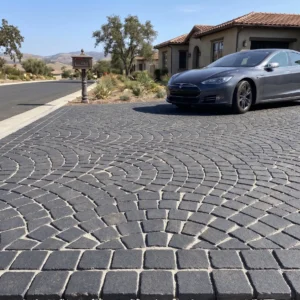
Technological advancements in cutting and fabrication have enabled more complex geometric patterns that were previously impractical for natural stone applications. Precision-cut limestone pieces can now be assembled in intricate arrangements including basketweave variations, complex radiating patterns, and custom medallion insets that serve as focal points within larger paved areas. Water-jet cutting technology allows for curved cuts and detailed shapes that can be integrated into otherwise rectilinear paving patterns, creating moments of artistic expression within functional surfaces. These capabilities have expanded the design possibilities for limestone pavers, allowing them to achieve the geometric complexity previously limited to manufactured products while maintaining the natural beauty and variation of genuine stone.
Color and Texture Trends
The color and texture palette for limestone pavers is evolving, reflecting broader design trends toward both natural authenticity and contemporary refinement. These emerging preferences influence not only the selection of limestone varieties but also the finishing techniques applied to the stone, creating diverse options for every design aesthetic.
Earthy neutrals continue their strong presence in the limestone paver market, with subtle shifts toward warmer, more grounding tones. Beige, tan, and soft brown limestone varieties have emerged as particularly popular choices, offering natural warmth that creates inviting outdoor environments. These warm neutrals connect outdoor spaces to the surrounding landscape while providing a versatile foundation that complements a wide range of architectural styles and landscape elements. The preference for these tones reflects a broader design movement toward creating nurturing, comforting environments that feel connected to the earth—a response to increasingly digital lifestyles and a desire for authentic material experiences.
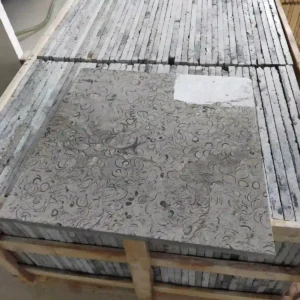
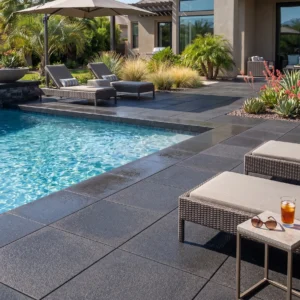
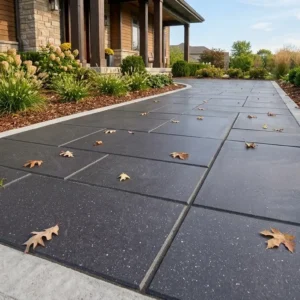
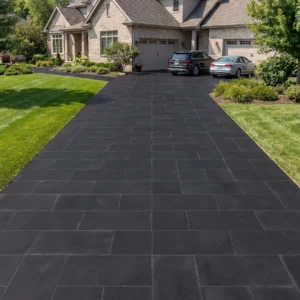
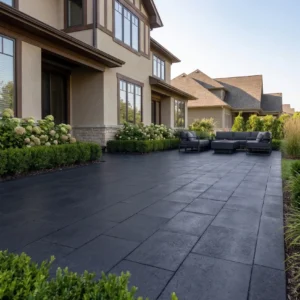
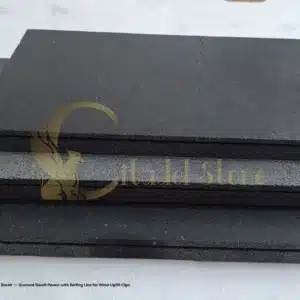
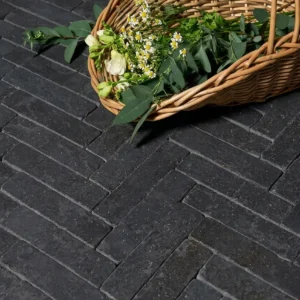
Charcoal and slate gray limestone options have gained significant traction for contemporary landscape designs. These cooler, more dramatic tones create sophisticated, modern outdoor spaces that complement the clean lines and minimalist aesthetics of contemporary architecture. Dark limestone varieties provide striking contrast against lush greenery and light-colored architectural elements, creating visually dynamic compositions. When used in large format pavers with minimal joints, these darker tones create a bold, monolithic appearance that serves as a strong design statement. The popularity of these cooler hues represents a counterbalance to the warm neutral trend, offering designers and homeowners distinct aesthetic directions depending on their architectural context and personal preferences.
Multi-toned blends have emerged as a sophisticated middle ground between monotone installations and high-contrast designs. These limestone varieties feature subtle color variations within individual pieces and across the installation, creating visual depth and dimension without overwhelming the space. Popular combinations include stones with gentle shifts between cream and beige, soft gray with warm undertones, or limestone with delicate veining in complementary hues. These multi-toned options add visual interest and disguise inevitable dirt or staining better than solid-colored materials, making them practical choices for high-use outdoor areas. The natural color variation in these stones also helps installations appear more authentic and established, avoiding the sometimes stark appearance of newly installed hardscaping.
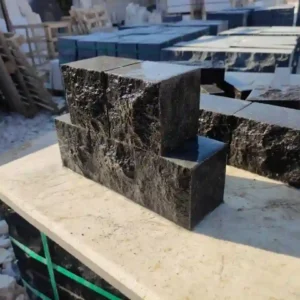
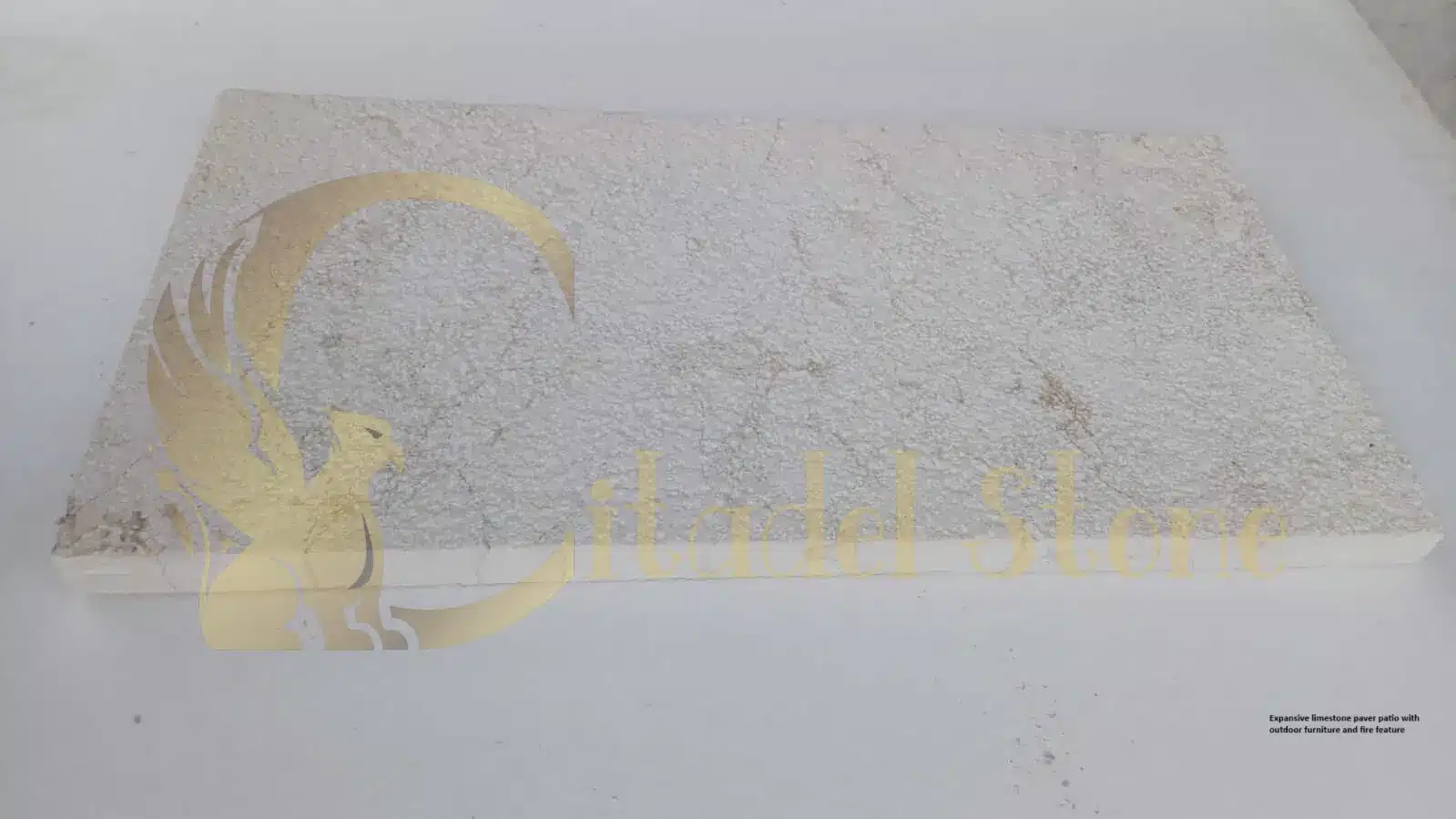
Surface finish trends have evolved to embrace both extremes of the texture spectrum. On one end, ultra-smooth, honed limestone finishes create sleek, contemporary surfaces with a subtle matte appearance that highlights the stone’s natural color variations without excessive shine. These refined finishes complement modern architectural styles and create comfortable surfaces for barefoot traffic around pools and patios. At the opposite end, heavily textured finishes like bush-hammered, flamed, or split-face limestone provide dramatic tactile interest and excellent slip resistance for outdoor applications. The contrast between these finish options allows designers to create varied sensory experiences within a single project, using smoother materials for primary living spaces and more textured finishes for transitions, borders, or accent areas.
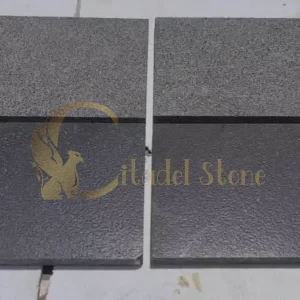
A notable innovation is the development of dual-finish limestone pavers that combine different textures on a single piece. These specialized pavers typically feature a smoother central area surrounded by more textured edges, creating subtle visual definition without changing materials. This approach allows for the practical benefits of textured surfaces (improved traction, visual interest) while maintaining areas of smoother stone that are more comfortable underfoot and easier to clean. The subtle contrast between finishes adds visual sophistication without requiring complex cutting or installation techniques.
The trend toward larger format pavers has influenced texture preferences, with many designers choosing more pronounced surface textures for these oversized pieces to prevent them from appearing too flat or monolithic. Large limestone slabs with gentle undulations, subtle dimpling, or light brushing create visual interest across the expanded surface area while maintaining a contemporary aesthetic. These thoughtfully textured large-format pavers create outdoor flooring with the sophisticated appearance of interior stone but with appropriate slip resistance and weathering characteristics for exterior applications.
Color and texture selections increasingly consider the entire lifecycle of the installation, with growing awareness of how limestone pavers will weather and develop patina over time. Forward-thinking designers are embracing limestone varieties known to develop attractive patinas with age, where the interaction between the stone’s mineral composition and environmental factors creates evolving color characteristics that enhance rather than detract from the installation’s beauty. This lifecycle approach represents a shift away from trying to maintain pristine, unchanging appearances toward appreciating the natural aging process of authentic materials—a perspective that aligns with broader sustainability values and a renewed appreciation for wabi-sabi aesthetics that find beauty in imperfection and natural evolution.
Versatile Applications for Limestone Pavers in Your Property
Outdoor Living Spaces
The versatility of limestone pavers truly shines in their application to outdoor living spaces, where they create functional, beautiful areas for relaxation and entertainment. As outdoor rooms have evolved from simple patios to sophisticated extensions of interior living space, limestone pavers have emerged as a premium flooring option that balances aesthetic appeal with practical durability.
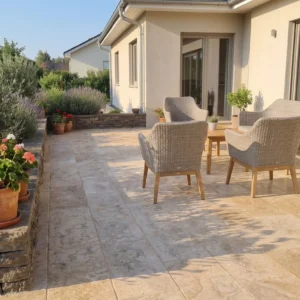
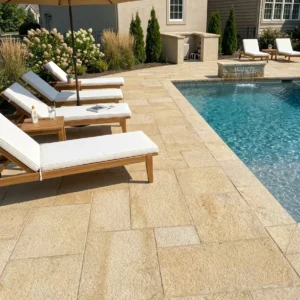
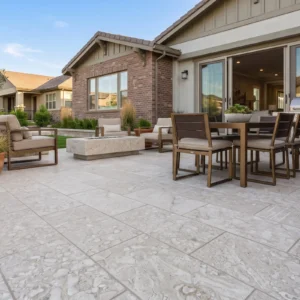
Patios and entertaining areas represent perhaps the most common and impactful application for limestone pavers. These spaces serve as the foundation for outdoor living, hosting everything from intimate family dinners to large social gatherings. Limestone’s natural elegance creates a sophisticated backdrop for outdoor furniture and accessories, while its durability withstands the demands of frequent use. The neutral palette of most limestone varieties allows for easy coordination with changing décor and seasonal accessories, providing a timeless foundation that can evolve with shifting design preferences. For contemporary homes, large-format limestone pavers with minimal joints create clean, expansive surfaces that visually expand the space. For traditional or rustic properties, tumbled limestone in varied sizes creates a more relaxed, established appearance that complements classic architectural styles.
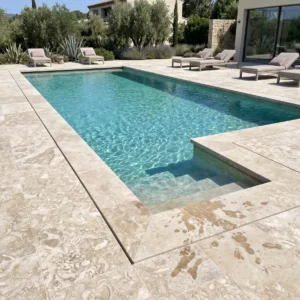
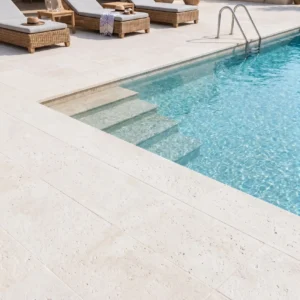
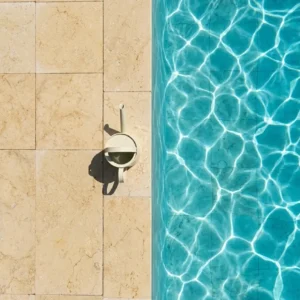
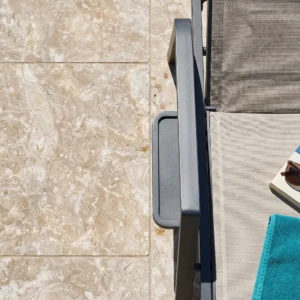
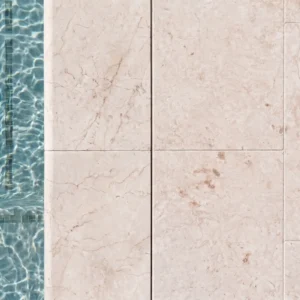
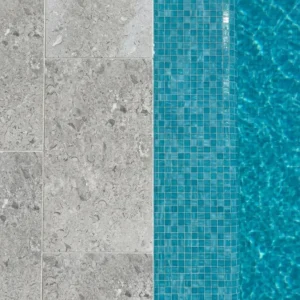
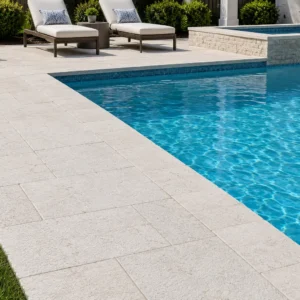
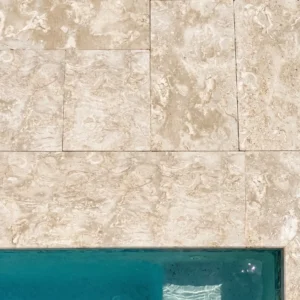
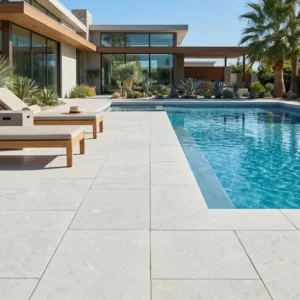
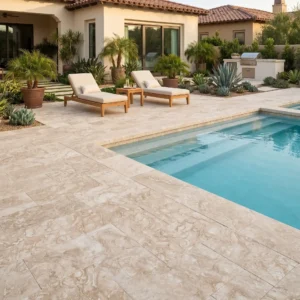
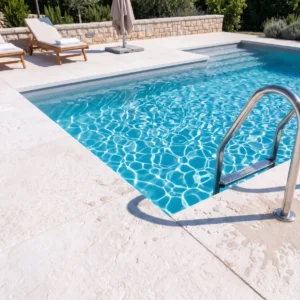
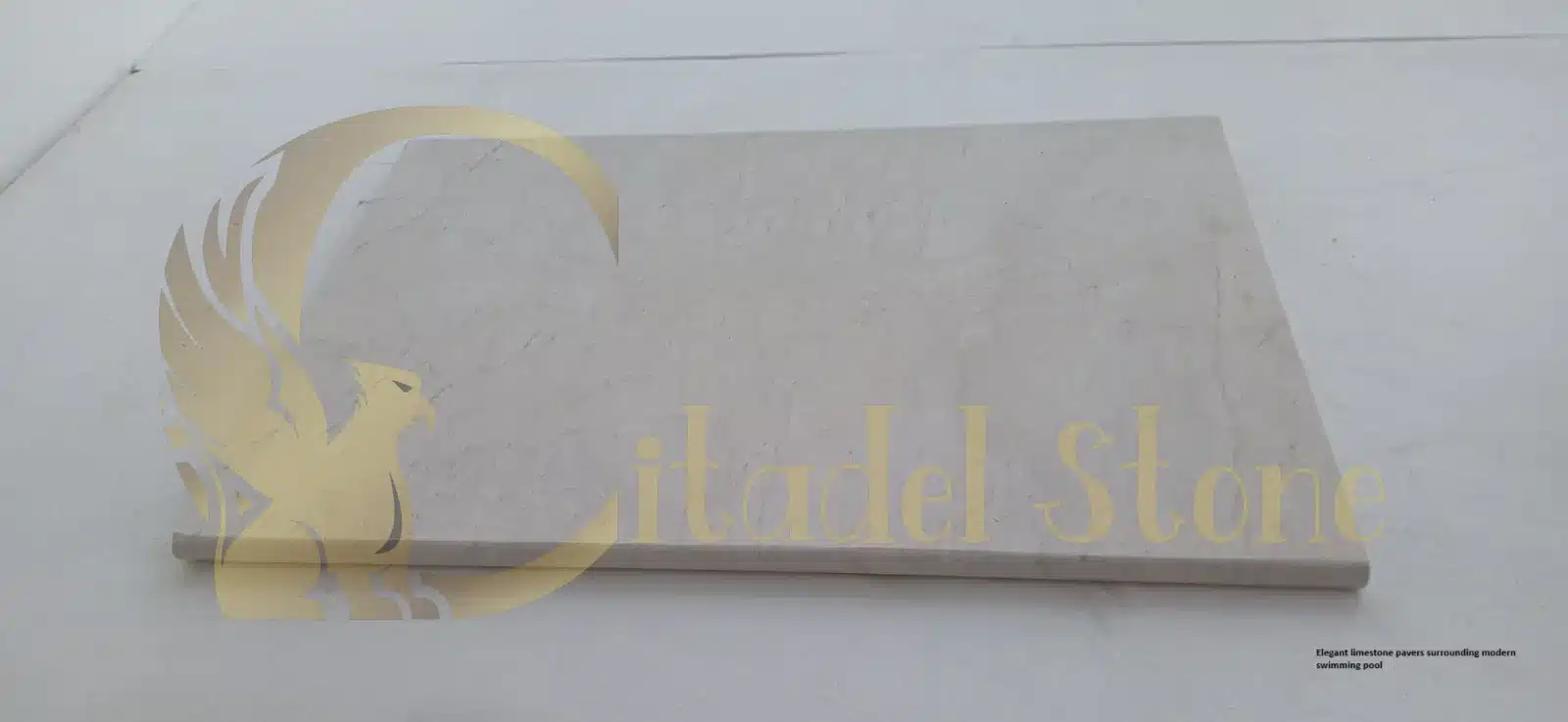
Pool surrounds and decking areas benefit tremendously from limestone’s natural properties. The stone’s ability to remain relatively cool underfoot even in direct sunlight makes it significantly more comfortable than concrete or brick alternatives that can become painfully hot during summer months. Many limestone varieties offer excellent slip resistance when properly finished, enhancing safety in wet areas. The natural appearance of limestone creates an organic transition between the artificial environment of a swimming pool and the surrounding landscape, softening the visual impact of necessary hardscaping. For infinity edge or natural-style pools, limestone coping and decking can be selected and installed to mimic natural rock formations, creating the impression that the pool emerges from the landscape rather than being imposed upon it.
Outdoor kitchens and dining spaces have evolved from simple grill stations to comprehensive cooking and entertaining environments that rival their indoor counterparts in functionality and style. Limestone pavers provide an elegant flooring solution for these areas, with the added benefit of disguising the inevitable food and beverage spills better than many alternative materials. The natural variations in limestone help camouflage stains and wear patterns in these high-use areas, maintaining an attractive appearance with minimal maintenance. When extended from adjacent patio areas, limestone creates visual continuity that integrates the outdoor kitchen into the broader entertainment space. For countertop and work surfaces, denser limestone varieties with appropriate sealing can even be used for vertical applications, creating a cohesive material palette throughout the outdoor living environment.
Fire pit surrounds and seating areas have become essential components of outdoor living spaces, extending their usability into cooler seasons and evening hours. Limestone pavers create safe, stable surfaces around fire features, with natural fire resistance that minimizes concerns about heat damage. Circular or curved limestone paver installations often surround fire pits, with pieces cut to create smooth radiating patterns that direct attention to the central fire element. Built-in seating walls constructed with limestone veneer or solid pieces complement paver flooring, creating cohesive material continuity throughout the space. The warm tones of many limestone varieties particularly enhance these fire-focused areas, as the stone’s natural coloration harmonizes with the amber glow of flames, creating inviting environments for gathering and conversation.
The integration of outdoor living spaces with interior environments has become increasingly important in contemporary home design, with limestone pavers playing a crucial role in this connection. By using the same stone for both interior flooring and exterior paving, designers create seamless transitions between indoor and outdoor rooms, visually expanding both spaces. Large sliding or folding door systems that open completely to connect interior and exterior areas are particularly effective when the flooring material continues uninterrupted across the threshold. This design approach effectively doubles living space during favorable weather conditions while maintaining visual spaciousness year-round. The natural texture and variation of limestone add warmth and character to these transitional spaces that might otherwise feel stark or utilitarian.
Pathways and Landscaping Features
Beyond primary living spaces, limestone pavers excel in creating functional and beautiful circulation routes and landscape elements throughout a property. These applications often serve both practical and aesthetic purposes, guiding movement while enhancing the overall design composition.
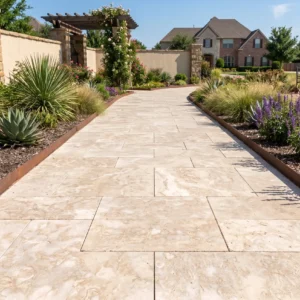
Garden walkways and stepping stones crafted from limestone create inviting paths that complement natural plantings while providing stable footing through the landscape. The neutral tones of limestone harmonize with virtually any plant palette, allowing the hardscaping to support rather than compete with botanical elements. For formal gardens, precisely cut limestone pavers installed in geometric patterns create structured pathways that reinforce the ordered design approach. In naturalistic landscapes, irregular limestone pieces with planted joints create more organic circulation routes that appear to have evolved naturally within the setting. The slight texture variation between pieces adds visual interest to these linear elements while providing subtle traction underfoot in potentially damp garden environments.
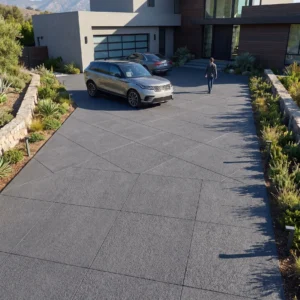
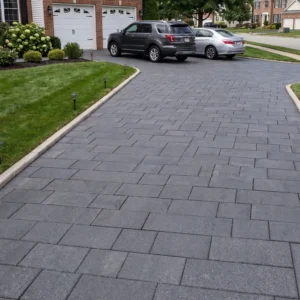
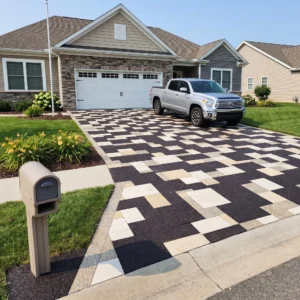
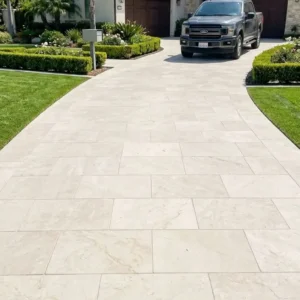
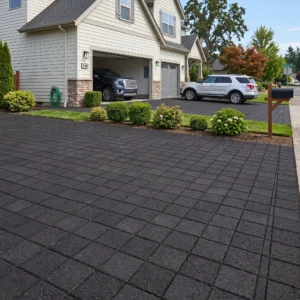
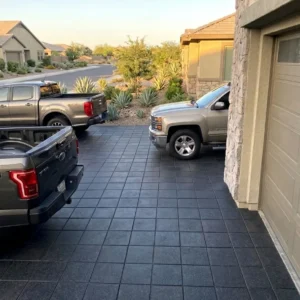
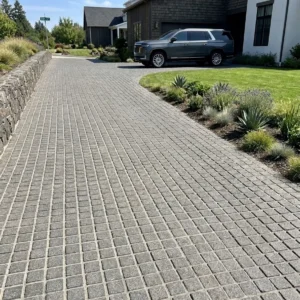
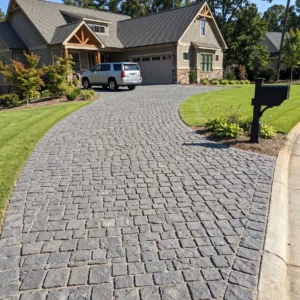
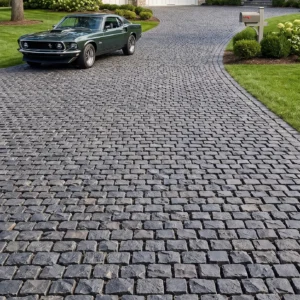
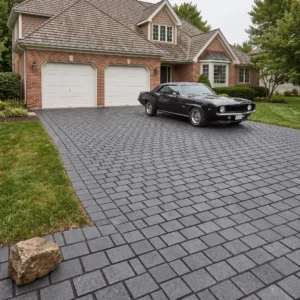
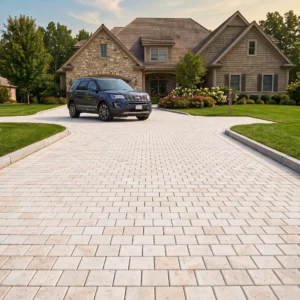
Driveway applications represent one of the more demanding uses for limestone pavers, requiring careful selection of appropriate stone varieties and installation methods to ensure long-term performance. Denser limestone varieties with compressive strength ratings suitable for vehicular traffic can create elegant, high-performance driveways that elevate a home’s curb appeal from the moment visitors arrive. The natural variations in limestone create more visually interesting surfaces than monolithic concrete or asphalt, while the segmental nature of pavers allows for easier repairs if damage occurs or access to underground utilities becomes necessary. For optimal performance, limestone driveway pavers are typically installed at greater thickness (often 2-3 inches) than pedestrian applications, with appropriate base preparation and edge restraints to prevent shifting under vehicle weight. Popular patterns for limestone driveways include herringbone arrangements that distribute weight effectively and running bond patterns that create clean, sophisticated lines leading to the home.
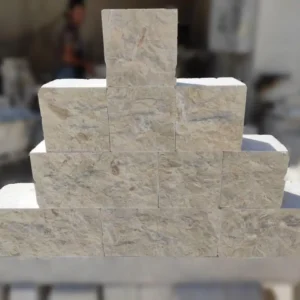
Retaining walls and garden borders constructed with limestone blocks or veneer create structural elements that blend beautifully with limestone paver installations. These vertical elements add dimensional interest to the landscape while managing grade changes and defining distinct outdoor rooms. The natural stratification visible in many limestone varieties makes it particularly appropriate for wall applications, as the stone’s formation process is visually expressed in the finished structure. For contemporary designs, precisely cut limestone blocks create clean, geometric walls with minimal joints. For more rustic or traditional settings, tumbled or split-face limestone pieces create textural walls with an established, timeworn appearance. When the same limestone variety is used for both horizontal paving and vertical elements, the result is a cohesive design language that unifies the entire landscape composition.
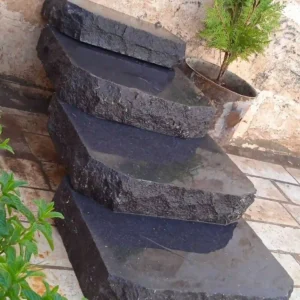
Steps and transitions between levels represent critical functional elements that benefit from limestone’s durability and aesthetic versatility. Solid limestone treads create substantial, permanent stairs that withstand decades of use while maintaining their beauty. The finish specified for many limestone installations matters most at these transition points, particularly when textured finishes are selected for exterior applications. For formal designs, monolithic limestone slabs create clean, architectural transitions between levels. For more casual environments, thicker limestone pieces with rockfaced or split edges create rustic steps that appear to emerge naturally from the landscape. When integrated with limestone paver landings and walkways, these vertical transitions maintain material continuity throughout the circulation system, creating a seamless journey through the property’s various elevations.
Water features surrounded by limestone paving create compelling focal points that engage multiple senses within the landscape. The sound of moving water combined with the natural texture and coloration of limestone creates immersive environments that feel connected to natural processes. Limestone’s ability to develop attractive patinas when regularly exposed to water makes it particularly appropriate for these applications, as the stone often becomes more beautiful with age in these settings. For formal water features, precisely cut limestone coping creates crisp edges that contain and frame the water element. For naturalistic designs, irregular limestone pieces can be arranged to mimic natural rock formations, creating the impression that the water feature has always existed within the landscape rather than being recently constructed.
Creative Design Possibilities
Beyond standard applications, limestone pavers offer numerous opportunities for creative expression and customization that can transform ordinary spaces into truly distinctive environments. These design possibilities allow homeowners to create outdoor areas that reflect personal style while maintaining the timeless appeal of natural stone.
Unity in hardscape design has emerged as a significant trend, with limestone pavers playing a central role in creating cohesive material palettes throughout the landscape. This approach involves using the same stone for multiple applications—pavers, wall veneer, coping, and even custom features—to create visual harmony and flow between different outdoor elements. The subtle variations within natural limestone provide enough visual interest to prevent monotony while maintaining a consistent design language. This unified approach is particularly effective in smaller spaces where material transitions might otherwise create visual fragmentation. By limiting the palette to variations of a single stone type, designers create more spacious-feeling environments with sophisticated material continuity reminiscent of luxury resorts and high-end commercial spaces.
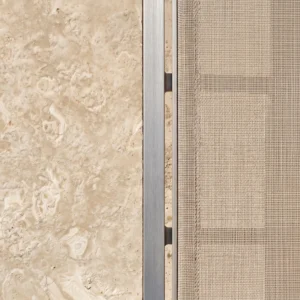
Mixing limestone with complementary materials creates dynamic contrasts that highlight the unique qualities of each element. Popular combinations include limestone paving slabs with weathered brick borders that add color and historical character, corten steel edging that provides crisp contemporary lines while developing a protective rust patina, and wood decking that introduces warmth and textural variety. These material juxtapositions are most successful when there’s a thoughtful relationship between elements—perhaps echoing colors found within the limestone’s natural variations or creating deliberate textural contrasts that enhance both materials. For example, smooth-honed limestone paving slabs might be paired with rough-hewn timber elements, each highlighting the other’s distinctive characteristics through contrast.
Incorporating limestone into water features creates compelling design opportunities that leverage the stone’s natural affinity for aquatic environments. Limestone coping around pools and spas provides a perimeter that remains cool underfoot. Limestone waterfalls and cascades develop beautiful patinas over time as minerals in the water interact with the stone’s surface. Partially submerged limestone stepping stones create interactive water crossings that engage visitors physically with the landscape. For contemporary designs, precisely cut limestone pieces create architectural water walls with controlled flow patterns. For naturalistic settings, rougher limestone boulders and slabs can be arranged to create seemingly organic water features that appear sculpted by natural processes rather than human intervention.
Personalization and bespoke design elements represent a growing focus for homeowners seeking to create truly unique outdoor environments. Limestone’s workability makes it an excellent medium for custom features that add distinctive character to the landscape. Carved limestone elements such as address markers, family crests, or decorative medallions can be inset within larger paver installations to create focal points with personal significance. Custom-cut limestone pieces can create intricate mosaic patterns or geometric designs that serve as artistic expressions within the hardscape. For properties with historical significance, limestone elements can be carved with dates, names, or meaningful symbols that connect the current landscape to its heritage. These personalized touches transform standard paver installations into meaningful environments that tell the property’s unique story.
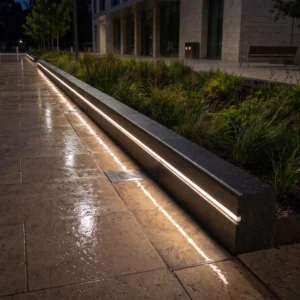
Lighting integration with limestone paving creates dramatic nighttime environments that extend the usability and enhance the beauty of outdoor spaces after dark. The light color of most limestone varieties reflects illumination effectively, requiring fewer fixtures to achieve appropriate light levels compared to darker paving materials. Recessed lighting can be incorporated between pavers to create subtle pathway marking without visible fixtures. Uplighting grazing across textured limestone surfaces highlights the stone’s natural variations and creates dramatic shadow patterns. For contemporary designs, linear LED strips can be installed in channels cut into limestone pavers, creating glowing lines that define space and guide movement. These integrated lighting approaches transform limestone paving from merely functional surfaces to active components of the nighttime landscape experience.
Three-dimensional applications extend limestone beyond flat paving into the vertical plane, creating immersive environments where the stone surrounds users on multiple surfaces. Limestone seat walls, planters, outdoor fireplaces, and kitchen components can all be constructed to complement limestone paving, creating cohesive outdoor rooms defined by a consistent material palette. These vertical elements often incorporate different finishes or textures of the same limestone variety, creating subtle variation while maintaining material harmony. For example, a patio might feature honed limestone paving slabs for comfortable foot traffic, split-face limestone for surrounding seat walls, and polished limestone for select accent surfaces—all in the same stone variety but with different finishes that highlight various aspects of the material’s natural beauty.
Professional Installation: Ensuring Lasting Beauty and Performance
Site Preparation Essentials
The long-term success of any limestone paver installation begins long before the first stone is laid. Proper site preparation creates the foundation for a beautiful, durable, and functional hardscape that will perform reliably for decades. While the aesthetic appeal of limestone slabs is immediately apparent, it’s the invisible groundwork beneath them that ultimately determines their longevity and structural integrity.
Proper base and subgrade requirements represent the most critical aspects of limestone slab installation. The process begins with excavation to an appropriate depth—typically 6-12 inches for pedestrian applications and 10-14 inches for vehicular areas, depending on local soil conditions and climate. This excavation must extend 6-12 inches beyond the planned paved area to provide adequate edge support. Once excavated, the native soil subgrade must be evaluated for stability and compacted to at least 95% of standard Proctor density using mechanical compactors.
Areas with poor soil conditions may require additional measures such as geotextile fabric installation or soil amendment to create a stable foundation.
Above the compacted subgrade, a properly graded base material—typically crushed stone aggregate with angular particles that lock together when compacted—creates the primary structural layer supporting the pavers. This base layer should be 4-6 inches thick for pedestrian applications and 8-12 inches for vehicular areas, installed in multiple lifts with each layer thoroughly compacted before adding the next. The material should meet local specifications for gradation and durability, with most professionals using ¾-inch minus crushed stone that includes a range of particle sizes for optimal compaction. This base layer must be carefully graded to mirror the final surface slope, as it establishes the drainage patterns that will prevent water accumulation under the pavers.
Drainage considerations and slope planning are essential elements of successful limestone paver installations. All paved surfaces require appropriate slope to direct water away from structures and prevent standing water that could damage the pavers or create safety hazards. The standard minimum slope for exterior paving is 2% (approximately ¼ inch per foot), though areas with heavy rainfall may benefit from slightly steeper grades. This slope should direct water toward appropriate drainage features such as lawn areas, rain gardens, or drainage inlets. For larger installations, creating a crown or multiple slope directions prevents excessive water flow across any single area. In projects where proper surface drainage cannot be achieved through sloping alone, subsurface drainage systems using perforated pipes within the base layer may be necessary to channel water away from the paved area.
Edge restraint options and importance cannot be overstated in limestone paver installations. Without proper edge restraints, even perfectly installed pavers will eventually shift and separate as the base material migrates outward under load and environmental pressures. Several effective restraint options exist, each with specific advantages for different applications. Concrete curbing provides the most substantial and permanent edge restraint, ideal for high-traffic areas and vehicular applications.
Plastic or metal edging offers less visible alternatives that work well for pedestrian applications and curved designs. For installations adjacent to buildings or existing hardscape, these structures can serve as natural restraints. Regardless of the type selected, edge restraints must be firmly anchored to prevent movement and installed at the appropriate height to contain both the pavers and the setting bed material beneath them.
Climate-specific installation adaptations are increasingly important considerations as weather patterns become more extreme. In regions with freeze-thaw cycles, deeper base preparations and proper drainage become even more critical to prevent frost heave that can damage paver installations. These areas benefit from clean, open-graded base materials that allow water to drain quickly rather than remaining trapped where it can freeze and expand. In extremely hot climates, lighter-colored limestone varieties help reduce surface temperatures, while proper joint materials prevent excessive expansion and contraction damage. Coastal areas with exposure to salt spray require careful selection of appropriate limestone varieties and sealers to prevent deterioration from salt exposure. By adapting installation techniques to local climate conditions, professionals ensure that limestone paver installations remain beautiful and functional despite environmental challenges.
Installation Methods and Best Practices
The actual installation of limestone pavers requires specific techniques and attention to detail that significantly impact both immediate appearance and long-term performance. Professional installers employ various methods depending on the specific application, site conditions, and desired aesthetic outcome.
Wet-laid versus dry-laid techniques represent the two primary installation approaches for limestone slabs, each with distinct advantages for different applications. Wet-laid installations involve setting pavers in a mortar bed over a concrete slab foundation, creating a rigid, permanently bonded surface. This method provides exceptional stability for high-traffic areas and is often preferred for formal patios, pool decks, and areas where absolutely level surfaces are required. The mortar bed—typically 1-2 inches thick—allows for precise height adjustments to create perfectly level surfaces despite variations in paver thickness. However, wet-laid installations are more labor-intensive, require skilled masonry work, and offer limited flexibility for repairs or modifications after completion.
In contrast, dry-laid techniques involve setting pavers on a compacted layer of bedding sand or stone dust over the prepared base material, with the joints filled with similar material or specialized polymeric sand. This method allows for natural drainage through the joints, accommodates minor ground movement without cracking, and facilitates easier repairs if individual pavers become damaged. Dry-laid installations are generally faster and less expensive than wet-laid approaches, making them popular for larger residential applications like patios, walkways, and driveways.
The flexible nature of dry-laid systems also makes them more forgiving in areas with ground movement or freeze-thaw cycles, as the individual units can adjust slightly without compromising the overall installation.
Joint filling options and considerations significantly impact both the appearance and functionality of limestone paver installations. For dry-laid applications, traditional options include fine sand or stone dust that matches the color of the pavers, creating subtle, almost invisible joints. Polymeric sand—which contains additives that harden when activated by water—offers enhanced stability and weed resistance while remaining somewhat flexible. For wet-laid installations, traditional mortar joints provide maximum stability but require skilled application to achieve clean, consistent results. Regardless of the material selected, proper joint width is critical—typically ¼ to ⅜ inch for most residential applications, with wider joints sometimes used for more rustic or permeable installations. Joint depth should be consistent throughout the installation, with material fully filling the space between pavers to prevent water penetration and weed growth.
Cutting and fitting techniques are essential skills for achieving professional results, particularly around curves, corners, and obstacles. While limestone is more challenging to cut than manufactured pavers, modern tools make precise cuts achievable with proper technique. Wet saws with diamond blades provide the cleanest cuts for visible edges and detailed work, while masonry chisels can create more rustic, hand-hewn edges for naturalistic installations. For complex curves or irregular shapes, templates made from cardboard or thin plywood help transfer exact measurements to the stone before cutting. Professional installers typically complete all necessary cuts before beginning installation, arranging the cut pieces according to the installation sequence to ensure efficient workflow. When designing paver layouts, experienced professionals minimize the need for small cut pieces (less than one-third of a full paver), as these are more prone to shifting and damage over time.
Professional versus DIY installation considerations should be carefully evaluated before beginning a limestone paver project. While simple walkways or small patios might be manageable for experienced DIY enthusiasts with proper tools and preparation, most limestone paver installations benefit significantly from professional expertise. The weight and hardness of limestone make it more challenging to work with than concrete pavers, requiring specialized cutting equipment and greater physical effort. Professional installers bring not only technical skills but also experience in anticipating and addressing site-specific challenges before they become problems. They understand the nuances of proper base preparation, precise grading for drainage, and the selection of appropriate materials for specific applications. For substantial investments in limestone hardscaping, professional installation often proves cost-effective by ensuring proper techniques that maximize the installation’s lifespan and performance.
Special considerations for large format slabs have become increasingly important as oversized limestone pavers gain popularity in contemporary designs. These substantial pieces—often 24″ x 36″ or larger—require modified installation techniques to ensure proper support and stability. The setting bed must be perfectly level to prevent rocking or cracking, often necessitating screeding techniques with tighter tolerances than standard paver installations. The weight of large format pieces (some exceeding 100 pounds) requires mechanical lifting equipment or multiple installers working in coordination to place each slab without damage. Joint widths may need adjustment to accommodate the greater dimensional variations common in larger stone pieces. Despite these challenges, large format limestone slabs create dramatic, contemporary surfaces with fewer joint lines and greater visual impact, making them worth the additional installation complexity for signature landscape features.
Common Installation Challenges and Solutions
Even with thorough planning and preparation, limestone paver installations often present challenges that require creative problem-solving and technical expertise. Understanding common issues and their solutions helps ensure successful outcomes even when complications arise.
Working with irregular shapes and sizes presents frequent challenges, particularly with natural limestone pavers that may have slight dimensional variations despite precision cutting. Professional installers address this challenge by carefully sorting pavers before installation, grouping pieces with similar dimensions to be used together in specific areas. For installations using multiple sizes intentionally, creating a dry layout on a flat surface before installation helps visualize the pattern and identify any problematic combinations. When variations cannot be avoided, adjusting joint widths slightly between different areas can accommodate dimensional differences without creating visually jarring transitions. For projects with extremely precise requirements, custom fabrication services can produce limestone pavers with tighter tolerances, though at higher cost.
Ensuring proper drainage throughout the installation process requires constant attention to grade and slope. Installers use string lines, laser levels, and slope calculation tools to maintain appropriate drainage angles during base preparation and paver setting. Critical areas include transitions between different paving materials, connections to existing structures, and locations where multiple slope directions meet. For complex projects, creating a detailed drainage plan before beginning installation helps identify potential problem areas where water might collect. Solutions may include adjusting grades, adding surface drains at low points, or incorporating subsurface drainage systems within the base layer. Regular testing with water during installation helps verify that drainage patterns function as intended before the project is completed.
Preventing settling and shifting over time requires attention to several key factors throughout the installation process. Thorough compaction of both the subgrade and base materials—typically requiring multiple passes with plate compactors—creates a stable foundation that resists settlement. Edge restraints must be properly anchored into the base material or surrounding soil to prevent lateral movement of the pavers. For areas with poor soil conditions or high water tables, enhanced drainage solutions and geotextile stabilization fabrics help maintain base integrity despite challenging conditions. In regions with freeze-thaw cycles, deeper base preparations with clean, drainable materials prevent frost heave damage. Regular maintenance after installation, including joint material replenishment and prompt repair of any developing issues, helps preserve the structural integrity of the paved surface throughout its lifespan.
Addressing site-specific challenges often requires customized solutions based on local conditions. Properties with significant grade changes may require retaining walls or terracing to create level areas for paver installation. Sites with mature trees present root management challenges, sometimes requiring specialized base preparations that accommodate root growth without compromising paver stability. Poor drainage conditions might necessitate extensive subsurface drainage systems or rain gardens to manage water effectively. Difficult access points may require temporary ramps or specialized equipment to transport heavy materials to the installation area. Professional installers evaluate these site-specific factors during the planning phase, developing tailored solutions that address unique challenges while maintaining installation quality and longevity.
Installing permeable systems correctly requires specialized knowledge and techniques that differ from standard paver installations. Permeable limestone paver systems feature wider joints (typically ⅜ to ½ inch) filled with clear, angular aggregate rather than sand, creating channels for water infiltration. The base preparation includes layers of progressively smaller, open-graded aggregate that store water temporarily while allowing it to percolate into the subsoil. This structure eliminates the need for the compacted, dense base used in traditional installations, instead creating a reservoir that can hold significant water volume during heavy precipitation events. Proper installation requires careful attention to aggregate selection, with materials washed clean of fines that could clog the system over time.
Maintenance plans for permeable systems must include regular cleaning to prevent joint clogging from debris accumulation, ensuring continued permeability throughout the installation’s lifespan.
Maintaining the Beauty of Your Limestone Pavers
Routine Care and Cleaning
Preserving the beauty and integrity of limestone pavers requires consistent maintenance practices that protect the stone while enhancing its natural characteristics. With proper care, limestone paving can maintain its appeal for decades, developing a desirable patina that adds character without compromising performance.
A regular maintenance schedule forms the foundation of effective limestone paver care. For most residential installations, this includes weekly debris removal through sweeping or blowing to prevent organic material from decomposing on the surface and potentially staining the stone. Monthly gentle washing with clean water removes more stubborn dirt and prevents buildup in textured areas of the stone. Quarterly more thorough cleaning with appropriate limestone-safe cleaners helps address any developing stains or discoloration before they become permanent. Annual inspection for any damaged pavers, joint material loss, or shifting allows for prompt repairs that prevent minor issues from developing into significant problems. This systematic approach to maintenance ensures that limestone pavers receive appropriate attention without requiring excessive time or effort from homeowners.
Appropriate cleaning methods and products are essential for maintaining limestone’s appearance without causing damage. The calcium carbonate composition of limestone makes it particularly vulnerable to acidic substances, which can etch the surface and cause permanent damage. For this reason, vinegar, lemon juice, and many common household cleaners must never be used on limestone pavers. Instead, pH-neutral or slightly alkaline cleaners specifically formulated for natural stone provide effective cleaning without risking chemical damage. For routine cleaning, warm water with a small amount of mild, pH-neutral soap applied with a soft-bristle brush is usually sufficient. For more stubborn stains, poultice treatments—paste-like mixtures applied to the stain and allowed to draw out contaminants as they dry—offer effective spot treatment without aggressive scrubbing that could damage the stone surface. High-pressure washing should be avoided or used only by professionals with experience in limestone care, as excessive pressure can erode the stone surface and damage joint materials.
Seasonal maintenance considerations help address the specific challenges presented by changing weather conditions throughout the year. In spring, thorough cleaning removes winter debris and any efflorescence (white mineral deposits) that may have developed during freeze-thaw cycles. This is also an ideal time to inspect for any frost damage and replenish joint materials that may have eroded during winter months. Summer maintenance focuses on preventing stains from outdoor activities, promptly cleaning spills from barbecues or plant materials, and occasionally rinsing the surface to prevent dirt buildup during dry periods. Fall maintenance emphasizes removing fallen leaves and organic debris before they can decompose and stain the surface, while also preparing the pavers for winter by ensuring proper drainage and addressing any developing issues. Winter maintenance in colder climates requires careful snow removal using plastic shovels rather than metal tools that could scratch the surface, and avoiding de-icing chemicals that can damage limestone in favor of sand or calcium magnesium acetate products when traction is needed.
Preventing weed growth between pavers requires proactive measures that address both existing vegetation and future germination. Regular sweeping helps remove seeds before they can settle into joints and germinate. Maintaining proper joint filling—whether traditional sand, polymeric sand, or mortar—creates less hospitable conditions for weed establishment by eliminating gaps where soil can accumulate.
For existing weeds, manual removal is preferable to chemical herbicides that might damage the limestone. When chemical intervention is necessary, products containing acetic acid should be avoided due to their potential to etch limestone surfaces. Instead, targeted application of limestone-safe herbicides to the weeds themselves (rather than broadcast spraying across the paved surface) minimizes risk to the stone. Preventative measures such as applying corn gluten meal to joints in early spring can naturally inhibit weed germination without chemical concerns. For severe weed problems, professional cleaning with specialized equipment can remove vegetation and restore joint materials in a single process.
The development of environmentally friendly maintenance practices represents an important evolution in limestone paver care. Traditional cleaning chemicals are increasingly being replaced with biodegradable, plant-based alternatives that effectively clean without introducing harmful substances into the surrounding landscape. Mechanical weed removal methods and organic preventatives reduce reliance on synthetic herbicides that can impact beneficial insects and soil health. Water conservation approaches, such as capturing and reusing rinse water or timing cleaning to coincide with natural rainfall, minimize the environmental impact of maintenance routines. These eco-conscious practices align with the natural, sustainable qualities of limestone itself, creating a holistic approach to hardscape care that considers both immediate results and broader environmental implications.
Sealing and Protection Strategies
Proper sealing represents one of the most important protective measures for limestone pavers, creating an invisible barrier that helps prevent staining, moisture penetration, and deterioration while preserving the stone’s natural beauty. Understanding sealing options and best practices ensures optimal protection without compromising limestone’s aesthetic qualities.
Types of sealers and their benefits vary significantly, with different formulations offering specific advantages for particular applications and environments. Penetrating sealers (also called impregnating sealers) represent the most common and generally recommended option for exterior limestone applications. These products penetrate below the surface to create an invisible barrier within the stone’s pores while maintaining its natural appearance and texture. They allow the stone to “breathe,” permitting vapor transmission that prevents moisture buildup within the material. Penetrating sealers provide excellent protection against water, oil, and other common staining agents without changing the stone’s appearance or creating a surface film that might wear unevenly over time.
Topical sealers, in contrast, form a protective layer on the stone’s surface that can enhance color and provide a specific finish ranging from matte to high-gloss. While these products offer excellent stain resistance and can create dramatic visual effects, they generally perform better in interior applications than in exterior environments where UV exposure and weather conditions can cause uneven deterioration. When topical sealers are desired for exterior limestone, products specifically formulated for outdoor use with UV stabilizers and enhanced durability should be selected. Hybrid sealers combining penetrating and topical characteristics offer a middle ground, providing enhanced protection and subtle enhancement while maintaining a more natural appearance than full topical sealers.
Application techniques and frequency significantly impact sealing effectiveness and longevity. Professional application typically begins with thorough cleaning and complete drying of the limestone surface, as any trapped moisture or contaminants can compromise sealer performance. Most penetrating sealers are applied using low-pressure sprayers, paint pads, or rollers, with excess product wiped away after the recommended absorption period to prevent residue formation. Multiple thin coats generally provide better protection than a single heavy application, with each coat applied after the previous one has fully cured according to manufacturer specifications. The frequency of reapplication depends on several factors including the specific sealer used, climate conditions, traffic levels, and exposure to staining agents. As a general guideline, heavily used residential limestone paving typically benefits from resealing every 2-3 years, while less trafficked areas may maintain protection for 3-5 years between applications.
Climate-specific protection considerations should inform both sealer selection and maintenance scheduling. In regions with freeze-thaw cycles, sealers with excellent water repellency help prevent moisture absorption that could lead to cracking when temperatures drop below freezing. These areas benefit from sealers specifically rated for freeze-thaw resistance and may require more frequent reapplication due to the additional stress placed on the protective barrier. In hot, sunny climates, UV-stable formulations prevent premature degradation of the sealer from sun exposure, while in humid environments, sealers with enhanced mold and mildew resistance offer additional protection against biological growth. Coastal areas exposed to salt spray require particularly durable sealers with specific salt resistance properties to prevent the accelerated deterioration that salt exposure can cause in limestone.
Professional versus DIY sealing options present homeowners with important cost and quality considerations. Professional application typically provides superior results due to contractors’ experience with proper preparation techniques, product selection knowledge, and specialized application equipment. Professionals can also address any necessary repairs or cleaning before sealing, ensuring the best possible foundation for the protective treatment. However, DIY sealing remains a viable option for budget-conscious homeowners willing to research appropriate products and follow application instructions carefully. When choosing the DIY route, selecting premium-quality sealers specifically formulated for limestone (rather than general-purpose products) and investing time in thorough preparation significantly improves results. For large or complex installations, or those with existing issues like staining or efflorescence, professional service generally provides the most reliable outcome and may prove more economical in the long term by preventing costly mistakes.
Eco-friendly sealing products have emerged as a significant trend, with manufacturers developing formulations that provide effective protection with reduced environmental impact. These next-generation sealers feature lower volatile organic compound (VOC) content, water-based rather than solvent-based carriers, and biodegradable components that minimize environmental persistence after application. Some innovative products incorporate renewable resources or recycled materials in their formulations, further reducing their ecological footprint. While early generations of eco-friendly sealers sometimes sacrificed performance for environmental benefits, today’s premium sustainable options offer protection comparable to traditional formulations without the same environmental concerns.
For environmentally conscious homeowners, these products align limestone paver maintenance with broader sustainability goals while still providing the protection necessary for long-term performance.
Addressing Common Issues and Repairs
Even with diligent maintenance, limestone tiles may occasionally develop issues that require specific remediation techniques. Understanding common problems and their solutions helps homeowners address concerns promptly before they escalate into more significant damage.
Stain removal techniques vary depending on the specific contaminant involved and how long it has been present. Organic stains from leaves, flowers, or food typically respond well to treatment with hydrogen peroxide mixed with a few drops of ammonia, applied as a poultice that draws the stain out of the stone as it dries. Oil-based stains from grilling, vehicles, or suntan products may require specialized oil-absorbing poultices containing diatomaceous earth or fuller’s earth mixed with a solvent appropriate for limestone. Rust stains, particularly challenging on light-colored limestone, can often be addressed with poultices containing sodium citrate or other limestone-safe rust removers. For stubborn or extensive staining, professional cleaning services utilizing specialized equipment and commercial-grade products often achieve superior results without risking damage to the stone.
Regardless of the stain type, prompt attention significantly improves the likelihood of complete removal, as contaminants that penetrate deeply into the stone’s porous structure become increasingly difficult to extract over time.
Repairing chips and cracks requires assessment of the damage extent and selection of appropriate remediation techniques. Minor surface chips can often be addressed with limestone repair kits containing color-matched fillers designed specifically for natural stone. These epoxy-based compounds bond securely to the stone while accepting pigmentation that blends with the surrounding material. For more significant damage, skilled stone masons may employ traditional repair techniques such as dutchman repairs (where damaged sections are cut out and replaced with matching stone pieces) or specialized stone stitching methods that reinforce cracked sections. The repair approach should consider both structural integrity and aesthetic impact, with the goal of creating repairs that maintain the installation’s safety and appearance without drawing attention to the remediated areas.
Replacing damaged pavers becomes necessary when cracks, chips, or staining cannot be effectively repaired. For dry-laid installations, this process involves carefully removing the damaged paver and any surrounding joint material, preparing the base material to the proper height, and installing a replacement paver that matches the original as closely as possible. Maintaining extra pavers from the original installation significantly simplifies this process, as finding exact matches years later can be challenging due to natural variation between quarry batches. For wet-laid installations, replacement becomes more complex, requiring careful removal of the damaged paver without disturbing surrounding mortar beds or adjacent stones. In both cases, professional assistance is often warranted for seamless integration of replacement pieces, particularly in highly visible areas where aesthetic continuity is important.
Rejuvenating older limestone paving can restore beauty and functionality to installations that have developed patina or wear over many years of service. This process typically begins with thorough professional cleaning using appropriate limestone-safe methods to remove accumulated grime, biological growth, and surface contaminants. Mechanical cleaning techniques such as gentle micro-abrasion or specialized stone cleaning systems can remove stubborn surface staining without damaging the stone. Once cleaned, the installation can be evaluated for any necessary repairs to damaged areas or deteriorated joints. Repointing—the process of removing and replacing deteriorated joint material—often dramatically improves both the appearance and structural integrity of older installations. Finally, application of a quality penetrating sealer provides renewed protection while allowing the stone’s natural character and earned patina to show through. This rejuvenation process can extend the functional lifespan of limestone paving for many additional years, often at a fraction of the cost of replacement.
Addressing efflorescence—the white, powdery mineral deposits that sometimes appear on limestone surfaces—requires understanding its causes and appropriate treatment methods. This phenomenon occurs when water-soluble salts within the stone, setting materials, or surrounding soil are dissolved by moisture and then transported to the surface as the water evaporates. While primarily an aesthetic issue rather than structural concern, efflorescence can be particularly noticeable on darker limestone varieties. Mild cases often resolve naturally with exposure to weather and regular cleaning. For more persistent efflorescence, specialized cleaners formulated specifically for this condition can dissolve and remove the deposits without damaging the limestone. Preventing recurrence involves addressing the underlying moisture issues through improved drainage, proper sealing, and ensuring that installation materials are compatible with limestone’s chemical composition. For severe or recurring efflorescence, professional assessment may be necessary to identify and address the specific moisture pathways allowing salt migration.
Comparing Limestone Pavers to Alternative Materials
Limestone vs. Concrete Pavers
When evaluating paving options for outdoor spaces, the comparison between natural limestone pavers and manufactured concrete pavers represents one of the most common decision points for homeowners and designers. Understanding the distinct characteristics, advantages, and limitations of each material helps inform choices that align with specific project requirements, aesthetic preferences, and budget considerations.
Aesthetic differences between limestone and concrete pavers are perhaps the most immediately apparent. Limestone offers natural variation in color, texture, and pattern that results from millions of years of geological formation. Each limestone paver contains subtle uniqueness that creates organic, one-of-a-kind installations impossible to precisely duplicate. The depth and dimension of natural stone creates visual interest that changes with lighting conditions throughout the day. In contrast, concrete pavers are manufactured products with more consistent coloration and texturing. While modern manufacturing techniques can create concrete pavers that mimic natural stone, close inspection typically reveals the repetitive patterns and uniform characteristics inherent to mass production. High-end concrete pavers with sophisticated color blending and surface treatments have narrowed this aesthetic gap in recent years, but the authentic character and natural variation of limestone remains distinctive.
Durability and longevity comparisons reveal nuanced differences between these materials. Quality limestone, when properly selected for the specific application and climate, can last for generations with appropriate maintenance. Its natural density and composition have proven their longevity through centuries of use in historic structures that remain intact today. Limestone’s color permeates the entire material, meaning that wear patterns develop gradually and often enhance rather than detract from its appearance over time. Concrete pavers typically offer excellent structural durability with compressive strengths often exceeding that of limestone. However, their color layer—particularly in budget and mid-range products—may be limited to a surface coating that can wear or fade over time, especially in high-traffic areas or locations with intense UV exposure. Premium concrete pavers with through-body color offer improved wear characteristics but still may not develop the attractive patina that limestone acquires with age.
Cost considerations often significantly influence material selection decisions. Concrete pavers generally represent a more economical initial investment, with typical pricing ranging from 5- 15 per square foot installed, depending on quality, complexity, and regional factors. Limestone pavers typically command higher prices, ranging from 15-30 per square foot installed, reflecting the natural material’s extraction, transportation, and processing requirements. Limestone’s exceptional longevity and timeless appeal may provide better long-term value for homeowners planning to remain in their properties for extended periods or those considering the impact on property resale value. Additionally, limestone’s ability to develop attractive patina rather than showing wear as deterioration can reduce replacement or refinishing costs over decades of use.
Environmental impact comparison reveals complex considerations beyond simple natural versus manufactured categorization. Limestone is a natural material requiring extraction through quarrying, which creates environmental disruption at the source location. However, responsible quarrying operations implement reclamation practices that restore sites after extraction. The processing of limestone requires less energy than concrete manufacturing, as it primarily involves cutting and finishing rather than chemical transformation. Concrete pavers require cement production—a carbon-intensive process responsible for significant CO2 emissions—though manufacturers increasingly incorporate supplementary cementitious materials and carbon-reduction technologies to improve their environmental profile. Transportation impacts vary significantly depending on the distance between quarry or manufacturing facility and installation site, with locally sourced materials of either type offering reduced carbon footprints. End-of-life considerations generally favor limestone, which can be repurposed, crushed for aggregate, or allowed to naturally decompose without introducing synthetic materials into the environment.
Installation considerations differ between these materials in several important aspects. Concrete pavers typically offer more uniform dimensions with tighter tolerances, potentially simplifying installation and reducing labor costs, particularly for DIY projects. Their consistent thickness and weight make them easier to handle and place than heavier, more variable limestone pieces. Limestone pavers often require more skilled installation to accommodate natural variations in thickness and dimension, with experienced installers selecting and arranging pieces to create harmonious patterns despite these variations. Cutting limestone requires specialized tools and techniques compared to concrete pavers, which can be more easily modified with standard masonry equipment. These installation differences contribute to the higher overall cost of limestone paver projects but also result in more distinctive, crafted installations that showcase the material’s natural character.
Limestone vs. Other Natural Stone Options
The world of natural stone paving offers numerous alternatives to limestone, each with distinct characteristics that make them suitable for different applications and aesthetic preferences. Comparing limestone to other popular natural stone options helps clarify its specific advantages and limitations within this premium paving category.
Comparison with travertine reveals interesting similarities and differences between these related materials. Both limestone and travertine are sedimentary rocks composed primarily of calcium carbonate, but travertine forms specifically around mineral springs where rapid precipitation creates its characteristic pitted appearance. Travertine typically features more pronounced holes and cavities throughout its structure, which may be filled during processing or left natural for textural interest. Both stones offer warm, earthy color palettes, though travertine often displays more dramatic movement and patterning. Travertine generally weighs less than limestone due to its more porous structure, potentially reducing structural requirements and installation costs. However, this increased porosity also makes travertine more susceptible to freeze-thaw damage in cold climates and more likely to absorb stains without proper sealing. For pool surrounds and hot climates, travertine’s superior heat reflection and cooler surface temperature often make it preferred over limestone, while limestone’s greater density may provide better durability in high-traffic applications.
Granite represents a dramatically different natural stone option, formed through igneous processes rather than sedimentary accumulation. This formation difference creates granite’s exceptional hardness and density, making it the most durable natural stone paving option available. Granite pavers resist scratching, staining, and weathering better than limestone, making them ideal for extremely high-traffic commercial applications or severe climate conditions. However, granite’s hardness also makes it more difficult and expensive to cut and finish, contributing to higher installation costs. Aesthetically, granite offers bold, crystalline patterns and stronger color variations than limestone’s more subtle, uniform appearance. This visual intensity makes granite a dramatic design statement that may overwhelm smaller spaces or compete with other landscape elements, while limestone provides a more neutral foundation that complements rather than dominates its surroundings. Granite typically remains cooler to the touch than limestone, potentially making it less comfortable for barefoot areas in moderate climates.
Sandstone provides another natural alternative with distinctive characteristics compared to limestone. Formed from compressed sand particles, sandstone typically offers more vibrant color options than limestone, including rich reds, golds, and purples depending on the mineral content present during formation. Its natural layering creates interesting textural possibilities, with some varieties offering easy splitting into thin, consistent pieces ideal for more budget-conscious natural stone installations. However, sandstone’s granular composition generally makes it softer and more prone to erosion than limestone, particularly in areas with frequent moisture exposure or acidic conditions. This softness also makes sandstone more susceptible to scratching and wear in high-traffic areas. For residential patios and walkways in protected locations, sandstone can provide dramatic coloration and natural warmth at a lower price point than many limestone options, but it typically requires more frequent maintenance and may not match limestone’s longevity in demanding applications.
Slate, with its distinctive layered structure and ability to split into thin, flat pieces, offers another compelling alternative to limestone pavers. Its metamorphic formation creates exceptional density and natural cleft textures that provide excellent slip resistance even when wet, making slate particularly valuable for pool surrounds and areas with frequent moisture exposure. Slate’s color palette tends toward cooler tones—blues, grays, greens, and purples—contrasting with limestone’s warmer neutrals. This color stability remains consistent even with prolonged UV exposure, while some limestone varieties may experience subtle color shifts over time. Slate’s layered structure can lead to occasional delamination in freeze-thaw conditions, requiring careful selection for cold-climate applications. For contemporary designs where cooler colors and pronounced texture are desired, slate provides distinctive character that limestone cannot match, though it typically lacks limestone’s subtle fossil inclusions and organic warmth.
Unique advantages of limestone emerge clearly when compared across the spectrum of natural stone options. Its balanced combination of durability, workability, and aesthetic versatility positions limestone as perhaps the most adaptable natural stone paving material. Unlike harder stones like granite, limestone can be readily cut and shaped to accommodate complex designs and custom features. Unlike softer options like some sandstones, quality limestone provides reliable performance in various environmental conditions. Limestone’s neutral color palette complements virtually any architectural style or landscape design, from traditional to contemporary, while its subtle natural variations add interest without overwhelming other design elements. The presence of occasional fossils and organic inclusions connects limestone installations to natural history in a way unique among paving materials, adding intellectual and conversational interest beyond mere aesthetic appeal.
Making the Right Choice for Your Project
Selecting the optimal paving material requires thoughtful evaluation of numerous factors specific to each project’s unique requirements. This decision-making process should consider not only immediate aesthetic and budgetary concerns but also long-term performance expectations and maintenance realities.
Evaluation criteria for material selection should include both objective and subjective factors. Objective considerations include the material’s physical properties (density, porosity, hardness, slip resistance), performance characteristics in the intended environment, installation requirements, and lifecycle costs including maintenance and potential replacement. Subjective factors encompass aesthetic preferences, design compatibility with existing elements, tactile qualities, and the emotional response the material evokes. Creating a weighted decision matrix that assigns importance values to these various factors can help clarify complex material choices when multiple options seem viable. This systematic approach ensures that selection decisions align with genuine project priorities rather than being unduly influenced by a single factor such as initial cost or immediate visual appeal.
Climate and usage considerations significantly impact material performance and should heavily influence selection decisions. In freeze-thaw environments, denser limestone varieties with lower absorption rates perform better than more porous options that might crack when moisture within the stone expands during freezing. For pool surrounds and water features, limestone with textured finishes provides necessary slip resistance while resisting the deterioration that chlorinated water might cause in some alternative materials. High-traffic areas benefit from harder, more wear-resistant limestone varieties, while decorative or lightly used spaces might prioritize aesthetic considerations over maximum durability. Coastal environments require materials resistant to salt exposure, typically necessitating more frequent sealing or selection of specific limestone varieties known to perform well in these conditions.
Budget and long-term value assessment requires looking beyond simple initial cost comparisons to consider the complete financial picture throughout the installation’s expected lifespan. While limestone typically represents a higher upfront investment than manufactured alternatives, its exceptional durability often results in lower annualized costs when considered over decades of use. Additionally, limestone’s timeless appeal and natural origins make it less susceptible to design trends that might render more fashionable materials visually dated within a few years. For investment properties, limestone’s recognized quality and premium status may contribute to higher property valuations and improved marketability. When budget constraints make full limestone installations prohibitive, strategic use in high-visibility areas combined with less expensive materials in secondary spaces can create design impact while managing costs effectively.
Aesthetic goals and property context should guide material selections that create harmonious relationships between new paving and existing elements. For historic properties, limestone varieties that complement the building’s period and architectural style create authentic connections to traditional building practices. Contemporary homes often pair beautifully with limestone in larger formats and cleaner cuts that emphasize the material’s natural minimalism. Regional design traditions may suggest specific limestone varieties that connect to local architectural heritage—Mediterranean-inspired designs often feature tumbled limestone with warm tones, while English garden styles might incorporate limestone with subtle fossil patterns and cooler colorations. Beyond the immediate property, considering the broader landscape context ensures that paving choices respond appropriately to the surrounding environment, whether urban, suburban, or rural.
Sustainability priorities increasingly influence material selection decisions as environmental consciousness continues to grow among homeowners and designers. For projects where environmental impact represents a primary concern, locally quarried limestone significantly reduces transportation-related carbon emissions compared to stone imported from distant sources. Permeable installation methods that allow water infiltration add ecological value by reducing runoff and supporting groundwater recharge. Selecting limestone from quarries with documented reclamation practices and responsible resource management aligns material choices with broader environmental values. The natural composition and biodegradability of limestone make it an inherently more sustainable choice than manufactured materials containing synthetic components, particularly when considering end-of-life scenarios decades in the future. These sustainability considerations increasingly factor into material selection decisions alongside traditional criteria like aesthetics, performance, and cost.
Why Choose Citadel Stone for Your Limestone Paver Needs
Our Premium Limestone Selection
At Citadel Stone, we have established ourselves as industry leaders in premium limestone pavers through our unwavering commitment to quality, selection, and customer satisfaction. Our approach to sourcing and providing natural stone products sets us apart in an increasingly competitive marketplace, offering homeowners and designers access to exceptional materials that meet the highest standards of beauty and performance.
Our sourcing and quality standards begin with direct relationships with select quarries known for producing the finest limestone varieties available. Unlike many suppliers who work through multiple intermediaries, Citadel Stone maintains direct partnerships with quarry operations in key limestone-producing regions around the world. These relationships allow us to secure first selection rights to premium stone before it enters the general market, ensuring our customers receive materials with superior color consistency, structural integrity, and aesthetic qualities. Our procurement team regularly visits these quarries to inspect new extraction areas, monitor quality control processes, and stay informed about emerging varieties that might interest our discerning clientele. This hands-on approach to sourcing translates directly to higher quality materials compared to competitors who rely on secondary distribution channels.
The exclusive varieties and options available through Citadel Stone include limestone types not readily found elsewhere in the market. Our buyers specifically seek out quarries producing distinctive limestone with unique coloration, fossil patterns, or textural characteristics that create truly special installations. Beyond the standard cream and beige limestone varieties commonly available, our collection includes rare blue-gray limestone in cooler tones, warm honey-toned varieties, and uniquely patterned limestone with exceptional fossil inclusions from select North American deposits. These exclusive options allow designers and homeowners to create truly distinctive outdoor spaces that cannot be easily replicated with materials from standard suppliers. Our rotating specialty collection features limited-availability limestone varieties that offer truly one-of-a-kind design opportunities for clients seeking exceptional exclusivity.
Customization capabilities represent another significant advantage of partnering with Citadel Stone for limestone paver projects. Our in-house fabrication facilities allow us to modify standard limestone products to meet specific project requirements or create entirely custom pieces that transform ordinary installations into bespoke landscape features. Custom cutting services accommodate unique dimensions, shapes, and edge treatments that might be required for particular design visions or installation challenges. Our artisans can create custom inlays, medallions, or decorative elements that incorporate multiple limestone varieties or complementary materials for signature focal points within larger paved areas. For restoration projects or historical properties, our matching services can reproduce the specific characteristics of existing limestone elements, ensuring seamless integration of new materials with original features. These customization capabilities allow designers and homeowners to realize their exact vision without the limitations imposed by standard product offerings.
Quality control processes at Citadel Stone exceed industry standards at every stage from quarry to delivery. Each shipment undergoes rigorous inspection upon arrival at our facilities, with trained specialists evaluating color consistency, dimensional accuracy, and structural integrity according to strict criteria. Our multi-point grading system categorizes limestone into specific quality tiers based on visual characteristics, ensuring that customers receive materials appropriate for their specific application and budget requirements. Advanced testing equipment measures critical physical properties including density, absorption rates, and compressive strength to verify that all materials meet or exceed industry standards for their intended applications. This comprehensive quality assurance program results in significantly lower rejection rates during installation compared to industry averages, saving our customers time, money, and frustration during their projects.
Large format and eco-friendly options have become increasingly important components of our limestone paver offerings in response to evolving design trends and environmental consciousness. Our large format collection features oversized limestone pavers in dimensions up to 36″ x 48″ for creating dramatic, contemporary installations with minimal joint lines. These substantial pieces undergo additional quality verification to ensure they maintain structural integrity despite their increased size. Our eco-conscious limestone selection highlights varieties and installation systems with enhanced environmental benefits, including stones with optimal thermal properties for reducing heat island effects and permeable paver systems that improve stormwater management. We also prioritize limestone from quarries with documented reclamation practices and responsible resource management, allowing environmentally conscious clients to make material choices aligned with their sustainability values. These specialized offerings demonstrate our commitment to meeting the evolving needs of today’s sophisticated landscape design market.
Expert Guidance and Support
Beyond our exceptional product selection, Citadel Stone distinguishes itself through comprehensive professional services that support clients throughout their limestone paver projects. This consultative approach ensures that customers not only receive premium materials but also the knowledge and resources to achieve optimal results with those materials.
Design consultation services begin our collaborative process with clients, helping them navigate the numerous options and considerations involved in limestone paver selection. Our design consultants bring extensive knowledge of both technical and aesthetic aspects of natural stone applications, allowing them to guide clients toward appropriate choices for their specific projects. These consultations can cover full-size samples in various finishes, or take place on-site at the project location, where our specialists can evaluate existing elements and environmental conditions that might influence material selection. For clients working with landscape architects or designers, our team collaborates seamlessly with these professionals, providing technical expertise that complements their design vision. This consultative approach ensures that material selections align with both aesthetic goals and practical requirements, preventing costly mistakes or disappointments that might result from uninformed choices.
Technical specifications and resources provided by Citadel Stone go far beyond the basic information typically available from stone suppliers. Our comprehensive technical library includes detailed specification sheets for each limestone variety we offer, documenting physical properties, recommended applications, and maintenance requirements in language accessible to both professionals and homeowners.
Engineering data including load-bearing capacities and slip resistance ratings helps ensure appropriate material selection for specific functional requirements. Our installation guides provide step-by-step instructions for various application methods, supplemented by instructional videos that demonstrate key techniques. For complex projects, we can provide custom technical drawings illustrating recommended installation details for specific site conditions or design features. These resources empower our clients and their contractors to work with limestone pavers confidently, even if they have limited previous experience with natural stone installations.
Installation recommendations from Citadel Stone reflect our deep understanding of best practices for limestone paver applications in various environments. We maintain a network of preferred installers who have demonstrated exceptional skill with natural stone projects, allowing us to connect clients with qualified professionals in their area. For clients using their own contractors, we offer installer orientation sessions that cover material-specific handling techniques, cutting methods, and installation considerations. Our technical support team remains available throughout the installation process to answer questions and address challenges that might arise on-site. For particularly complex or high-value installations, we can arrange for site visits from our specialists to provide direct guidance at critical project stages. This installation support significantly reduces the risk of costly errors while ensuring that our premium materials achieve their full aesthetic and performance potential in the finished project.
After-sale support and maintenance advice extend our relationship with clients well beyond the initial purchase and installation. Our care guides provide detailed maintenance instructions specific to each limestone variety, helping clients protect their investment and maintain its beauty for decades. The Citadel Stone client portal offers access to product information, maintenance resources, and direct communication with our support team for ongoing questions or concerns. For clients who experience issues with their limestone installations, our troubleshooting service provides expert assessment and recommendations for addressing problems from minor staining to more significant concerns. We also offer professional maintenance services including specialized cleaning, sealing, and restoration for clients who prefer to entrust the care of their limestone installations to experienced professionals. This comprehensive after-sale support demonstrates our commitment to client satisfaction throughout the entire lifecycle of our products.
Trend guidance for modern designs represents an increasingly valuable aspect of our consultation services as outdoor living spaces continue to evolve in sophistication and functionality. Our design team stays at the forefront of emerging trends through regular attendance at international design exhibitions, ongoing education, and close relationships with leading landscape architects and designers.
This knowledge allows us to advise clients on contemporary applications that will keep their outdoor spaces feeling current and relevant for years to come. We regularly update our inspiration gallery with new installations showcasing innovative uses of limestone pavers in modern contexts, from biophilic integration techniques to creative pattern applications. For clients seeking truly cutting-edge designs, our trend forecasting service provides insights into emerging directions in outdoor living that haven’t yet become mainstream, allowing forward-thinking homeowners to create spaces that anticipate rather than follow design trends.
Our Commitment to Quality and Sustainability
At Citadel Stone, our business philosophy extends beyond simply providing premium products to encompass broader commitments to ethical practices, environmental responsibility, and exceptional customer experiences. These foundational values influence every aspect of our operations and relationships.
Ethical sourcing practices form the cornerstone of our supply chain management, ensuring that the beautiful materials we provide are obtained through responsible methods. We carefully vet all quarry operations before establishing partnerships, requiring documentation of legal compliance, worker safety protocols, and fair labor practices. Regular site visits by our procurement team verify that these standards are maintained consistently over time. We prioritize quarries that provide living wages and safe working conditions for their employees, recognizing that the human element of stone extraction is as important as the material quality. For imported limestone, we maintain complete chain-of-custody documentation that tracks the material from extraction through processing and transportation, ensuring full compliance with international trade regulations and ethical standards. This commitment to responsible sourcing allows our clients to enjoy their limestone installations with the confidence that their beauty doesn’t come at the expense of ethical compromises.
Environmental responsibility guides our operational decisions at every level, from quarry selection to delivery logistics. We prioritize partnerships with quarries that implement modern extraction techniques designed to minimize environmental impact, including controlled blasting methods, water recycling systems, and progressive reclamation practices that restore quarry sites as extraction progresses.
Careful planning optimizes material utilization to reduce waste, while remnants and offcuts from fabrication processes are repurposed for smaller products or crushed for use as aggregate rather than being discarded. We continually evaluate our transportation and logistics systems to reduce carbon emissions, including consolidating shipments and optimizing delivery routes. At our facilities, we’ve implemented energy efficiency measures, rainwater harvesting systems, and waste reduction programs that demonstrate our commitment to sustainability beyond just our products. These practices reflect our understanding that true environmental responsibility encompasses the entire operational ecosystem, not just the materials themselves.
Quality guarantees and warranties provided by Citadel Stone offer clients exceptional protection for their investment in premium limestone pavers. Our materials come with a 10-year limited warranty against manufacturing defects—one of the most comprehensive in the industry—reflecting our confidence in the superior quality of our products. This warranty covers issues including premature deterioration, excessive spalling, or structural failures when materials are installed and maintained according to our specifications. For added peace of mind, we offer an optional extended protection program that includes annual professional inspections and maintenance to ensure optimal performance throughout the warranty period. Our quality guarantee includes a commitment to reasonable resolution of any legitimate concerns, with a dedicated customer advocate team that approaches each situation with the goal of complete client satisfaction. These formal protections complement our longstanding reputation for standing behind our products and addressing issues promptly and fairly when they occasionally arise.
Customer satisfaction focus permeates every interaction with Citadel Stone, from initial inquiry through long-term ownership. Our client-centric approach begins with attentive listening to fully understand each customer’s specific needs, preferences, and concerns before making recommendations. We’ve developed streamlined processes that respect our clients’ time while ensuring they receive all necessary information for informed decisions. Our transparent pricing structure eliminates unpleasant surprises, with detailed quotations that clearly explain all costs associated with materials, fabrication, delivery, and optional services. After purchase, our systematic communication protocols keep clients informed about order status, delivery timing, and any adjustments that might become necessary. We actively solicit feedback through post-project surveys, using this information to continuously refine our processes and address emerging client needs. This unwavering focus on customer satisfaction has resulted in our industry-leading client retention rates and the significant referral business that forms the foundation of our continued growth.
Real Orders, Real Deliveries
We only publish projects we have actually supplied. See our Las Vegas white limestone delivery — two containers, 6,884 sq ft, 32 crates, shipped door to door — and how we supplied Creative Environments in Arizona with 21 containers across a 70,000+ sq ft installation: white limestone pavers and tiles, shellstone and Ocean Reef pavers.
Had Citadel Stone material installed on your project? Send us your photos and we will feature the work here, with your permission.
Conclusion
As we’ve explored throughout this comprehensive guide, limestone pavers represent one of the most versatile, beautiful, and enduring options available for enhancing outdoor living spaces. Their unique combination of natural elegance, practical durability, and design flexibility makes them an exceptional choice for homeowners seeking to create distinctive exterior environments that stand the test of time.
The journey through limestone’s remarkable qualities begins with its geological origins—formed over millions of years through natural processes that create unique variations impossible to replicate in manufactured materials. This authentic character translates into installations with depth, subtle complexity, and a connection to natural history that resonates on both conscious and subconscious levels. The physical properties that result from limestone’s formation process—its density, porosity, thermal behavior, and textural qualities—provide practical benefits that extend far beyond mere aesthetics, creating outdoor surfaces that perform beautifully in diverse applications and environmental conditions.
The compelling benefits of limestone pavers extend across aesthetic, practical, and environmental dimensions. Visually, they offer timeless beauty that complements virtually any architectural style while developing attractive patina that enhances rather than diminishes their appeal over time. Practically, they provide exceptional durability, comfortable thermal properties, and versatility across numerous applications from pool surrounds to driveways. Environmentally, their natural composition, minimal processing requirements, and extraordinary longevity create a favorable sustainability profile compared to many alternative paving materials.
The design trends we’ve examined demonstrate limestone’s remarkable adaptability to evolving aesthetic preferences and functional requirements. From biophilic integration that strengthens connections to nature, to creative pattern innovations that create visual interest, to thoughtful color and texture selections that enhance overall design coherence—limestone continues to evolve while maintaining its fundamental character. These contemporary applications show that this ancient building material remains thoroughly relevant in today’s sophisticated outdoor living environments.
Professional installation practices ensure that limestone paver investments deliver their full potential for beauty and longevity. The attention to proper base preparation, appropriate installation techniques, and thoughtful detailing separates exceptional limestone installations from merely adequate ones. While the initial investment in quality materials and professional installation may exceed some alternatives, the long-term performance and enduring appeal of properly installed limestone pavers typically justify this premium through decades of trouble-free service and enjoyment.
Maintenance requirements, while somewhat more demanding than some synthetic alternatives, remain reasonable and manageable for most homeowners. Regular cleaning, periodic sealing, and prompt attention to any developing issues help preserve limestone’s beauty while preventing minor concerns from developing into significant problems. The availability of professional maintenance services provides additional options for homeowners who prefer to outsource this aspect of limestone ownership.
When compared to alternative paving materials, limestone’s unique combination of natural beauty, proven durability, and design versatility continues to make it a preferred choice for discerning homeowners and designers. While concrete pavers, other natural stones, and various manufactured options each offer specific advantages for particular applications, limestone’s balanced performance across multiple criteria makes it an excellent all-around choice for creating premium outdoor environments.
At Citadel Stone, we take pride in offering an exceptional selection of premium limestone pavers sourced from the world’s finest quarries. Our commitment to quality, sustainability, and customer satisfaction ensures that your limestone paver project receives the attention and expertise it deserves from initial consultation through final installation and beyond. Our knowledgeable team stands ready to help you explore the possibilities that limestone pavers offer for transforming your outdoor living spaces into beautiful, functional environments that you’ll enjoy for decades to come.
We invite you to request samples to experience our limestone paver collection firsthand, or to schedule a consultation with one of our design specialists who can help you select the perfect limestone variety for your specific project requirements. Whether you’re planning a complete landscape transformation or a focused enhancement of a particular outdoor area, limestone pavers provide a foundation of natural elegance and proven performance that few other materials can match.
The timeless appeal of limestone pavers transcends passing trends, creating outdoor environments that feel simultaneously classic and contemporary. Their connection to ancient building traditions provides a sense of permanence and authenticity increasingly valued in today’s rapidly changing world. By choosing limestone pavers for your outdoor living spaces, you’re not merely selecting a premium paving material—you’re embracing a natural element with millions of years of history that will continue to tell its story through the unique character it brings to your property for generations to come.
Incorporating limestone into water features creates compelling design opportunities that leverage the stone’s natural affinity for aquatic environments. Limestone coping around pools and spas provides a perimeter that remains cool underfoot. Limestone waterfalls and cascades develop beautiful patinas over time as minerals in the water interact with the stone’s surface. Partially submerged limestone stepping stones create interactive water crossings that engage visitors physically with the landscape. For contemporary designs, precisely cut limestone pieces create architectural water walls with controlled flow patterns. For naturalistic settings, rougher limestone boulders and slabs can be arranged to create seemingly organic water features that appear sculpted by natural processes rather than human intervention.
Personalization and bespoke design elements represent a growing focus for homeowners seeking to create truly unique outdoor environments. Limestone’s workability makes it an excellent medium for custom features that add distinctive character to the landscape. Carved limestone elements such as address markers, family crests, or decorative medallions can be inset within larger paver installations to create focal points with personal significance. Custom-cut limestone pieces can create intricate mosaic patterns or geometric designs that serve as artistic expressions within the hardscape. For properties with historical significance, limestone elements can be carved with dates, names, or meaningful symbols that connect the current landscape to its heritage. These personalized touches transform standard paver installations into meaningful environments that tell the property’s unique story.
Lighting integration with limestone paving creates dramatic nighttime environments that extend the usability and enhance the beauty of outdoor spaces after dark. The light color of most limestone varieties reflects illumination effectively, requiring fewer fixtures to achieve appropriate light levels compared to darker paving materials. Recessed lighting can be incorporated between pavers to create subtle pathway marking without visible fixtures. Uplighting grazing across textured limestone surfaces highlights the stone’s natural variations and creates dramatic shadow patterns. For contemporary designs, linear LED strips can be installed in channels cut into limestone pavers, creating glowing lines that define space and guide movement.
These integrated lighting approaches transform limestone paving from merely functional surfaces to active components of the nighttime landscape experience.
Three-dimensional applications extend limestone beyond flat paving into the vertical plane, creating immersive environments where the stone surrounds users on multiple surfaces. Limestone seat walls, planters, outdoor fireplaces, and kitchen components can all be constructed to complement limestone paving, creating cohesive outdoor rooms defined by a consistent material palette. These vertical elements often incorporate different finishes or textures of the same limestone variety, creating subtle variation while maintaining material harmony. For example, a patio might feature honed limestone pavers for comfortable foot traffic, split-face limestone for surrounding seat walls, and polished limestone for select accent surfaces—all in the same stone variety but with different finishes that highlight various aspects of the material’s natural beauty.
Professional Installation: Ensuring Lasting Beauty and Performance
Site Preparation Essentials
The long-term success of any limestone paver installation begins long before the first stone is laid. Proper site preparation creates the foundation for a beautiful, durable, and functional hardscape that will perform reliably for decades. While the aesthetic appeal of limestone pavers is immediately apparent, it’s the invisible groundwork beneath them that ultimately determines their longevity and structural integrity.
Proper base and subgrade requirements represent the most critical aspects of limestone paver installation. The process begins with excavation to an appropriate depth—typically 6-12 inches for pedestrian applications and 10-14 inches for vehicular areas, depending on local soil conditions and climate. This excavation must extend 6-12 inches beyond the planned paved area to provide adequate edge support. Once excavated, the native soil subgrade must be evaluated for stability and compacted to at least 95% of standard Proctor density using mechanical compactors.
Areas with poor soil conditions may require additional measures such as geotextile fabric installation or soil amendment to create a stable foundation.
Combining limestone with complementary natural elements represents another key aspect of biophilic integration trending. Designers are pairing limestone pavers with water features where the stone continues below the water surface, creating visual continuity between dry and wet elements. Similarly, fire features nestled within limestone paver patios create primal sensory experiences that connect users to elemental forces. Carefully selected plantings that cascade over limestone walls or emerge from strategic gaps in paving create moments of discovery and surprise that engage multiple senses—the visual texture of the stone contrasting with the movement of plants, the subtle scent of herbs planted alongside pathways, or the sound of grasses rustling against limestone edges.
Creating multisensory experiences has become a defining characteristic of sophisticated biophilic design with limestone pavers. Beyond the visual appeal that has traditionally dominated landscape design considerations, today’s most successful outdoor spaces engage all senses. The tactile quality of different limestone finishes—from smooth-honed surfaces to textured split-face edges—invites touch and creates varied sensory experiences throughout the landscape. The natural cooling properties of limestone provide thermal comfort, while the acoustic properties of stone surfaces can be leveraged to either amplify or dampen environmental sounds depending on the desired atmosphere. Some designers are even incorporating subtle aromatic plants in limestone paver joints that release scent when walked upon, adding another sensory dimension to the experience.
The concept of “entanglement”—the artful interweaving of hardscape and softscape elements—has gained significant traction in limestone paver applications. This approach rejects the traditional sharp delineation between paved and planted areas in favor of more organic transitions and integrations. Practical applications include limestone pavers installed with wider-than-standard joints planted with low-growing thyme or moss, creating green grids within the paved surface. Another popular technique involves alternating limestone pavers with equivalently sized planting pockets filled with drought-tolerant groundcovers or ornamental grasses, creating rhythmic patterns that are both visually compelling and ecologically beneficial. These entangled designs not only create visual interest but also improve permeability, reduce heat island effects, and support biodiversity within otherwise hardscaped areas.
Research continues to validate the psychological and physiological benefits of biophilic design principles, showing measurable reductions in stress, improved cognitive function, and enhanced mood when people interact with environments that incorporate natural elements and patterns. As awareness of these benefits grows, homeowners increasingly view their outdoor living spaces not merely as aesthetic or functional extensions of their homes but as vital environments for mental restoration and wellbeing. Limestone tiles, with their direct connection to geological processes and natural formation, provide an authentic foundation for these biophilic spaces that cannot be replicated with synthetic materials.
Modern Pattern and Layout Innovations
The world of limestone paver design is experiencing a renaissance of pattern innovation, moving beyond traditional layouts to embrace more creative and visually dynamic arrangements. These modern pattern approaches allow homeowners to express individual style while maintaining the timeless appeal of natural stone, creating outdoor spaces that feel both contemporary and enduring.
Mixed sizes and freeform layouts represent one of the strongest emerging trends in limestone paver design. Moving away from uniform sizes and rigid grid patterns, designers are embracing the visual interest created by combining multiple paver dimensions in organic, seemingly random arrangements. These designs often incorporate three to five different paver sizes installed in non-repeating patterns that appear naturally evolved rather than strictly planned. The irregular rhythm created by these mixed-size installations adds visual movement across larger paved areas, preventing the monotony that can occur with uniform paving. This approach works particularly well with tumbled or antiqued limestone finishes, where the casual arrangement complements the weathered appearance of the stone.
Traditional patterns are being reimagined with contemporary proportions and installations. The classic herringbone pattern—where rectangular pavers are arranged in a zigzag formation—continues its strong presence in designs but with fresh interpretations. Elongated limestone tiles in 4:1 or 6:1 length-to-width ratios create dramatically different visual effects compared to traditional 2:1 proportions, producing more pronounced directional movement across the space. Double herringbone patterns, where two pavers are placed side by side in each direction, create a bolder visual statement while maintaining the pattern’s inherent structural stability that makes it ideal for driveways and high-traffic areas.
Modular combo patterns have gained significant popularity for their balance of visual interest and installation efficiency. These systems typically include several compatible paver sizes designed to fit together in semi-random arrangements while maintaining consistent joint lines. The mathematical precision underlying these seemingly random patterns ensures proper alignment and structural integrity while creating a more dynamic visual effect than uniform paving. For limestone applications, modular systems often incorporate three to five rectangular and square formats that can be repeated across large areas without obvious pattern repetition, creating a custom appearance with standardized components.
Random or irregular arrangements continue to gain traction, particularly for projects seeking a naturalistic aesthetic. These layouts intentionally avoid consistent joint lines and regular patterns, instead embracing the organic variability found in natural stone formations. Skilled installers work with limestone pieces of varied shapes and sizes, fitting them together like a puzzle with minimal cutting. The resulting surfaces evoke ancient European courtyards or natural stone outcroppings, with a timeworn quality that appears to have evolved over generations rather than being recently installed.
While more labor-intensive and requiring greater installer skill than standard patterns, these irregular layouts create uniquely organic spaces that cannot be replicated with manufactured materials.
The integration of pavers with turf or groundcover represents one of the most visually striking trends. This approach creates permeable, visually softened hardscapes where limestone flooring is installed with wide spacing to allow grass or low-growing plants to fill the gaps. The contrast between the structured geometry of cut limestone and the organic texture of vegetation creates compelling visual interest while improving environmental performance through increased permeability. Popular variations include grid patterns where square limestone pavers create a framework filled with turf, stepping stone arrangements with larger gaps between pavers, and hybrid designs where solid paved areas transition to progressively more vegetated sections through increasing joint widths.
Technological advancements in cutting and fabrication have enabled more complex geometric patterns that were previously impractical for natural stone applications. Precision-cut limestone pieces can now be assembled in intricate arrangements including basketweave variations, complex radiating patterns, and custom medallion insets that serve as focal points within larger paved areas. Water-jet cutting technology allows for curved cuts and detailed shapes that can be integrated into otherwise rectilinear paving patterns, creating moments of artistic expression within functional surfaces. These capabilities have expanded the design possibilities for limestone flooring, allowing them to achieve the geometric complexity previously limited to manufactured products while maintaining the natural beauty and variation of genuine stone.
Color and Texture Trends
The color and texture palette for limestone pavers is evolving, reflecting broader design trends toward both natural authenticity and contemporary refinement. These emerging preferences influence not only the selection of limestone varieties but also the finishing techniques applied to the stone, creating diverse options for every design aesthetic.
Earthy neutrals continue their strong presence in the limestone paver market, with subtle shifts toward warmer, more grounding tones. Beige, tan, and soft brown limestone varieties have emerged as particularly popular choices, offering natural warmth that creates inviting outdoor environments. These warm neutrals connect outdoor spaces to the surrounding landscape while providing a versatile foundation that complements a wide range of architectural styles and landscape elements. The preference for these tones reflects a broader design movement toward creating nurturing, comforting environments that feel connected to the earth—a response to increasingly digital lifestyles and a desire for authentic material experiences.
Charcoal and slate gray limestone options have gained significant traction for contemporary landscape designs. These cooler, more dramatic tones create sophisticated, modern outdoor spaces that complement the clean lines and minimalist aesthetics of contemporary architecture. Dark limestone varieties provide striking contrast against lush greenery and light-colored architectural elements, creating visually dynamic compositions. When used in large format pavers with minimal joints, these darker tones create a bold, monolithic appearance that serves as a strong design statement. The popularity of these cooler hues represents a counterbalance to the warm neutral trend, offering designers and homeowners distinct aesthetic directions depending on their architectural context and personal preferences.
Multi-toned blends have emerged as a sophisticated middle ground between monotone installations and high-contrast designs. These limestone varieties feature subtle color variations within individual pieces and across the installation, creating visual depth and dimension without overwhelming the space. Popular combinations include stones with gentle shifts between cream and beige, soft gray with warm undertones, or limestone with delicate veining in complementary hues. These multi-toned options add visual interest and disguise inevitable dirt or staining better than solid-colored materials, making them practical choices for high-use outdoor areas. The natural color variation in these stones also helps installations appear more authentic and established, avoiding the sometimes stark appearance of newly installed hardscaping.
Surface finish trends have evolved to embrace both extremes of the texture spectrum. On one end, ultra-smooth, honed limestone finishes create sleek, contemporary surfaces with a subtle matte appearance that highlights the stone’s natural color variations without excessive shine. These refined finishes complement modern architectural styles and create comfortable surfaces for barefoot traffic around pools and patios. At the opposite end, heavily textured finishes like bush-hammered, flamed, or split-face limestone provide dramatic tactile interest and excellent slip resistance for outdoor applications. The contrast between these finish options allows designers to create varied sensory experiences within a single project, using smoother materials for primary living spaces and more textured finishes for transitions, borders, or accent areas.
A notable innovation is the development of dual-finish limestone flooring that combine different textures on a single piece. These specialized pavers typically feature a smoother central area surrounded by more textured edges, creating subtle visual definition without changing materials. This approach allows for the practical benefits of textured surfaces (improved traction, visual interest) while maintaining areas of smoother stone that are more comfortable underfoot and easier to clean. The subtle contrast between finishes adds visual sophistication without requiring complex cutting or installation techniques.
The trend toward larger format pavers has influenced texture preferences, with many designers choosing more pronounced surface textures for these oversized pieces to prevent them from appearing too flat or monolithic. Large limestone slabs with gentle undulations, subtle dimpling, or light brushing create visual interest across the expanded surface area while maintaining a contemporary aesthetic. These thoughtfully textured large-format pavers create outdoor flooring with the sophisticated appearance of interior stone but with appropriate slip resistance and weathering characteristics for exterior applications.
Color and texture selections increasingly consider the entire lifecycle of the installation, with growing awareness of how limestone flooring will weather and develop patina over time. Forward-thinking designers are embracing limestone varieties known to develop attractive patinas with age, where the interaction between the stone’s mineral composition and environmental factors creates evolving color characteristics that enhance rather than detract from the installation’s beauty. This lifecycle approach represents a shift away from trying to maintain pristine, unchanging appearances toward appreciating the natural aging process of authentic materials—a perspective that aligns with broader sustainability values and a renewed appreciation for wabi-sabi aesthetics that find beauty in imperfection and natural evolution.
Color consistency within controlled variation represents another aesthetic advantage of limestone paving tiles. While each piece displays unique characteristics, properly selected limestone from the same quarry source maintains a harmonious color palette that creates visual cohesion across larger installations. This balance between consistency and natural variation allows for sophisticated design expressions that avoid both the monotony of perfectly uniform materials and the chaotic appearance of excessively varied elements. The result is a refined aesthetic that appears intentional yet organic—a challenging balance that limestone achieves naturally.
Limestone pavers demonstrate remarkable versatility in complementing various architectural styles. Their timeless quality allows them to enhance traditional designs with historical authenticity, while their clean lines and natural minimalism work equally well in contemporary settings. Mediterranean and Spanish Colonial homes benefit from limestone’s sun-washed appearance and historical associations. Modern architectural styles are complemented by limestone’s subtle texture and monolithic potential when used in larger formats. Transitional designs leverage limestone’s ability to bridge different design languages through its neutral palette and natural origins. This adaptability makes limestone paving tiles a safe yet sophisticated choice for properties where architectural styles may evolve over time.
The ability to create cohesive indoor-outdoor transitions represents another significant aesthetic advantage of limestone pavers. By using the same material for interior flooring and exterior paving, designers can create seamless visual flow between living spaces, effectively expanding the perceived dimensions of both areas. This continuity is particularly valuable in homes with large glass doors or windows connecting to outdoor living spaces, where the consistent flooring material visually extends the interior outward. The result is a harmonious relationship between indoor and outdoor environments that enhances both spaces while creating a more expansive overall impression.
A notable trend is the growing preference for earthy neutrals and multi-toned limestone blends that add subtle dimension to outdoor spaces. Warm beiges, soft tans, and gentle gray-beige combinations (often called “greige”) have emerged as particularly popular choices, offering sophisticated neutrality that complements a wide range of landscape and architectural elements. These earth-inspired tones create grounding, timeless installations that won’t quickly date or appear trendy. Multi-toned limestone varieties that incorporate subtle color shifts within individual pieces add visual interest and dimension without overwhelming the space, creating rich yet restrained surfaces that reward closer inspection while maintaining overall harmony.
Practical Benefits for Homeowners
Beyond their aesthetic appeal, limestone paving tiles offer numerous practical advantages that make them an excellent investment for homeowners seeking both beauty and functionality in their outdoor spaces. These tangible benefits contribute significantly to limestone’s enduring popularity and help justify its position as a premium paving material.
Durability and longevity stand among limestone’s most compelling practical advantages. When properly selected, installed, and maintained, limestone pavers can last for decades—even generations—without needing replacement. This exceptional lifespan stems from limestone’s natural density and strength, which allow it to withstand daily foot traffic, outdoor furniture, and normal use without significant deterioration. While initial installation costs may exceed those of some alternatives, the extended service life of limestone pavers often results in lower lifetime costs when amortized over their full duration. For homeowners planning to remain in their properties long-term, this durability translates to both financial savings and freedom from the disruption of frequent replacements.
Weather resistance represents another crucial practical benefit, particularly for outdoor applications exposed to the elements. Quality limestone pavers demonstrate remarkable resilience against various weather conditions, from scorching summer heat to freezing winter temperatures. The natural porosity of limestone allows it to “breathe,” helping prevent moisture accumulation that could lead to cracking during freeze-thaw cycles. This porosity, when properly managed through appropriate sealing, also facilitates quicker drying after rain, reducing slip hazards and preventing the prolonged dampness that can encourage mold or mildew growth. For regions with extreme seasonal variations, this weather resilience ensures consistent performance and appearance throughout the year.
Safety considerations further enhance limestone’s practical appeal for residential applications. Many limestone finishes offer excellent slip resistance, particularly brushed, sandblasted, or tumbled varieties that maintain textured surfaces even when wet. This natural traction makes limestone pavers an ideal choice for pool surrounds, outdoor showers, and areas that frequently experience moisture. The non-reflective surface of most limestone finishes also reduces glare in bright sunlight, enhancing visual comfort in outdoor living spaces. For families with children or elderly residents, these safety features provide valuable peace of mind without compromising on aesthetic quality.
One of limestone’s most appreciated practical benefits in hot climates is its natural cooling effect. Unlike concrete, asphalt, or certain other paving materials that absorb and radiate significant heat, limestone naturally remains cooler underfoot even in direct sunlight. This thermal property stems from limestone’s lighter color (which reflects rather than absorbs solar radiation) and its specific heat capacity characteristics. The practical impact is immediately apparent on hot summer days, when limestone patios and pool decks remain comfortable for barefoot use while many alternative materials become uncomfortably hot. This natural cooling effect not only enhances comfort but can also contribute to reducing the urban heat island effect in densely built environments.
Environmental sustainability represents an increasingly important consideration for many homeowners, and limestone outdoor tiles offer several eco-friendly advantages. As a natural material requiring minimal processing compared to manufactured alternatives, limestone generally has a lower embodied energy—the total energy required for extraction, processing, and transportation. When sourced from responsible quarries with proper reclamation practices, limestone represents a renewable resource that can be harvested with relatively low environmental impact. Additionally, limestone’s exceptional durability means fewer replacements over time, reducing the cumulative environmental footprint of multiple manufacturing and installation cycles that would be required with less durable materials.
Environmental and Sustainability Benefits
As environmental consciousness continues to influence consumer choices across all sectors, the sustainability aspects of building materials have gained increased importance. Limestone outdoor tiles offer several significant environmental benefits that align with the growing emphasis on responsible resource use and ecological mindfulness in landscape design.
Carbon footprint considerations have become central to material selection in environmentally conscious design. While limestone extraction and processing do require energy inputs, natural limestone pavers generally have a lower carbon footprint than many manufactured alternatives. Concrete products, for comparison, involve energy-intensive production processes and cement manufacturing, which is responsible for approximately 8% of global CO2 emissions. Natural limestone requires significantly less processing—primarily cutting and finishing—resulting in lower embodied carbon. Additionally, limestone’s carbon composition means it actually sequesters carbon that was captured from ancient atmospheres, effectively storing it in a stable form for as long as the stone remains intact.
Water management represents one of the most significant environmental challenges in contemporary landscape design, particularly as climate change intensifies both drought and flooding events in many regions. Permeable limestone outdoor tile installations offer a valuable solution by allowing rainwater to infiltrate through joints into the soil below rather than contributing to surface runoff. This natural infiltration helps replenish groundwater supplies, reduces erosion from concentrated water flows, and decreases the burden on municipal stormwater systems during heavy precipitation events. By incorporating appropriate base materials and joint fillers, limestone paver installations can be designed to manage significant water volumes while maintaining structural integrity, contributing to more resilient and hydrologically sound landscapes.
Local sourcing advantages further enhance limestone’s environmental profile when regionally appropriate varieties are selected. Transportation represents a significant portion of many building materials’ carbon footprint, particularly for heavy items like stone. By choosing limestone quarried within reasonable proximity to the installation site, designers and homeowners can substantially reduce the fossil fuels consumed in transportation. Local sourcing also supports regional economies and traditional stone industries that often maintain generations of specialized knowledge and craftsmanship. Many regions have distinctive local limestone varieties that reflect the specific geological conditions of the area, creating opportunities for designs that authentically connect to local material traditions and terroir.
The exceptional longevity of limestone outdoor tiles contributes significantly to their sustainability profile through reduced replacement needs. Materials that require frequent replacement create a cycle of resource extraction, manufacturing, transportation, and waste disposal that multiplies their environmental impact over time. Limestone’s ability to last for decades—even centuries with proper installation and maintenance—means fewer replacement cycles and a correspondingly lower lifetime environmental impact. This durability perspective is increasingly recognized as a crucial factor in genuine sustainability assessments that look beyond initial “green” credentials to consider the full lifecycle environmental costs of material choices.
A defining trend is the growing emphasis on greener infrastructure and sustainable design practices throughout the hardscape industry. Limestone pavers are well-positioned within this trend, particularly as manufacturers and installers develop innovative systems that enhance their inherent environmental benefits. These include specialized permeable installation methods, recycled content in setting materials, rainwater harvesting integration, and complementary plantings that create biodiverse microenvironments within hardscaped areas. Forward-thinking designers are increasingly viewing paved surfaces not as environmental liabilities but as opportunities for integrated systems that contribute positively to local ecology while meeting human needs for durable, functional outdoor spaces.
The natural cooling effect of limestone pavers also contributes to their environmental benefits by reducing the urban heat island effect—the phenomenon where built environments retain and radiate heat, creating localized temperature increases. By reflecting rather than absorbing solar radiation, light-colored limestone outdoor pavers help maintain lower surface temperatures compared to darker materials like asphalt. This cooling effect reduces the energy needed for air conditioning in adjacent buildings and creates more comfortable microclimates in outdoor living spaces. As climate change brings increasing temperature extremes to many regions, this passive cooling benefit becomes increasingly valuable from both comfort and energy conservation perspectives.