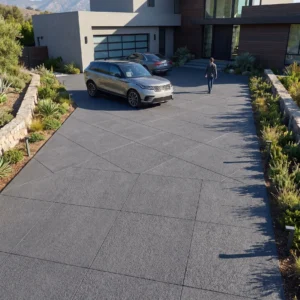
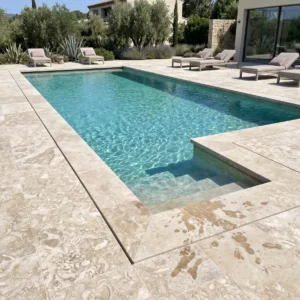

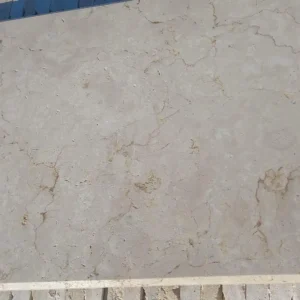
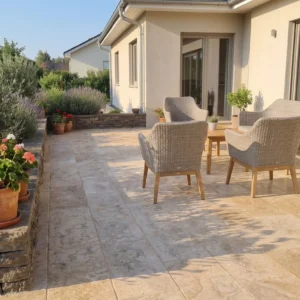

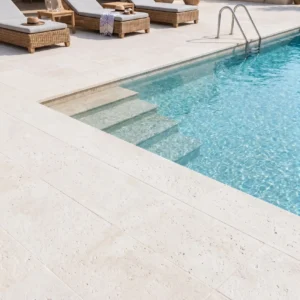
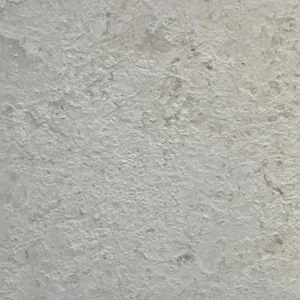
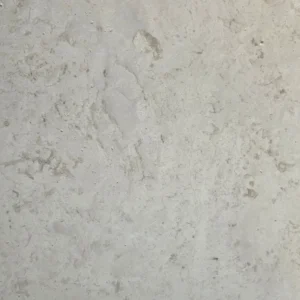
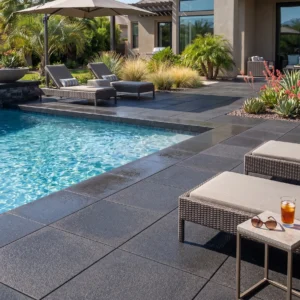







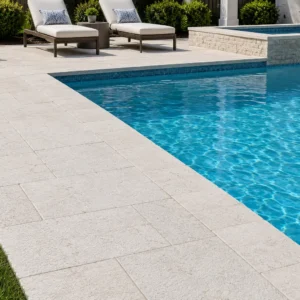
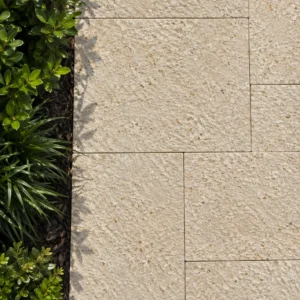
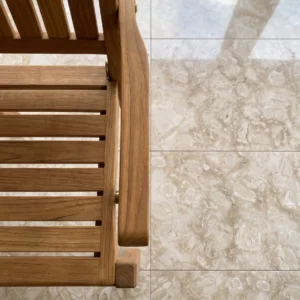
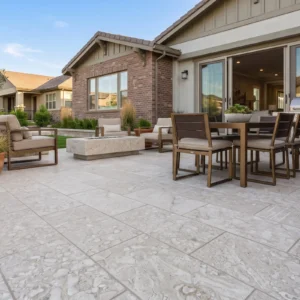
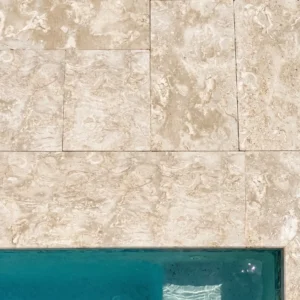
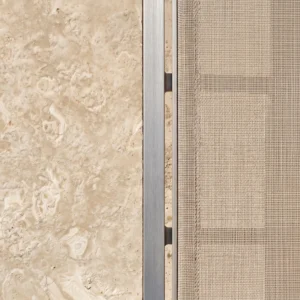
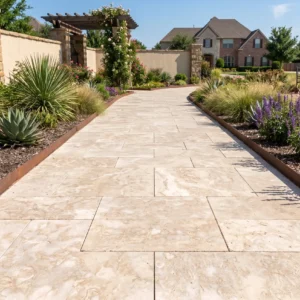
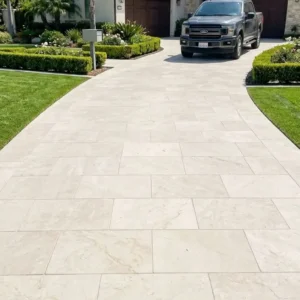
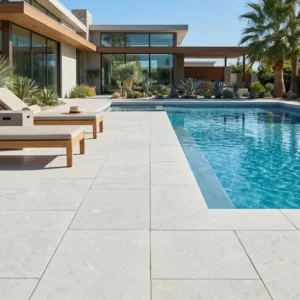
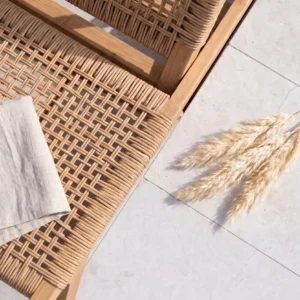
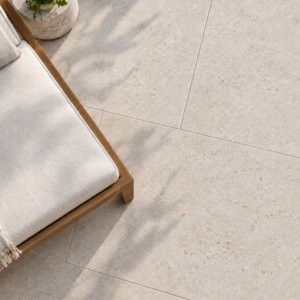


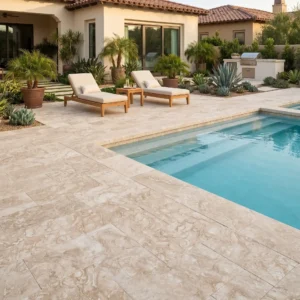

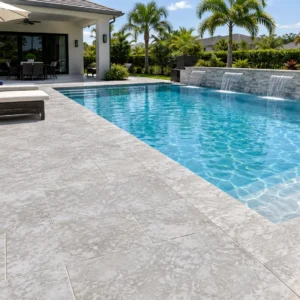



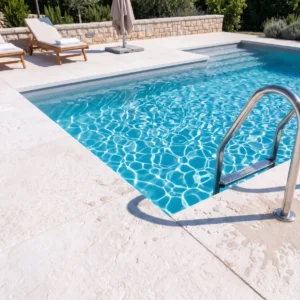
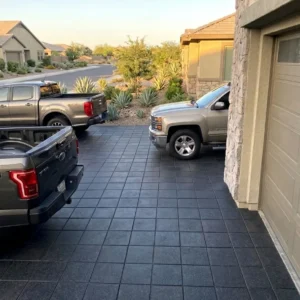
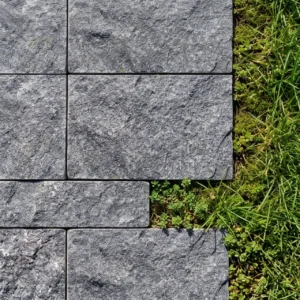

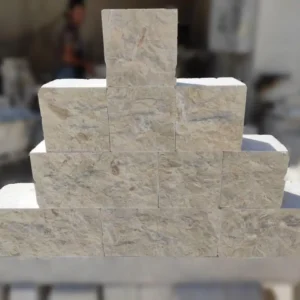
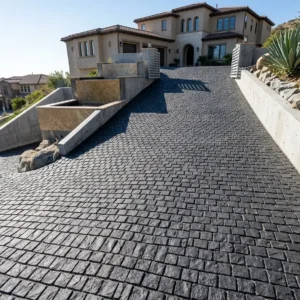
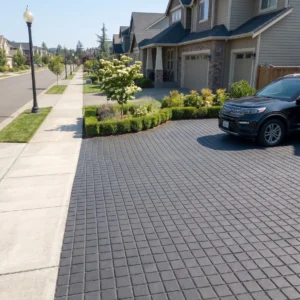
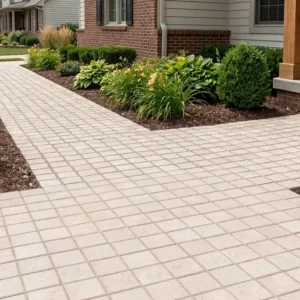

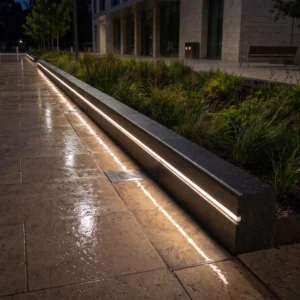
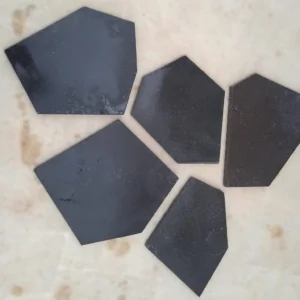
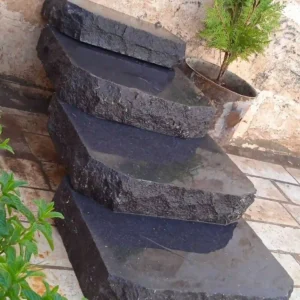


When you’re specifying Stone Coping & Pool Coping in Arizona, you’ll quickly discover that material selection goes far beyond aesthetics. The state’s extreme thermal cycles, intense UV exposure, and unique water chemistry demands create performance challenges that eliminate many conventional options. Citadel Stone’s coping products deliver the structural integrity and thermal stability your Arizona projects require, whether you’re designing a resort-grade pool in Scottsdale or a residential backyard oasis in Tucson.
You need coping that won’t spall under 115°F surface temperatures, won’t leach excessive calcium into pool water, and won’t become a liability when wet. Here’s what really matters when specifying Citadel Stone coping materials for Arizona installations.
Thermal Performance Requirements
Arizona’s summer surface temperatures regularly exceed 130°F on exposed stone, which means your coping material faces thermal expansion challenges that don’t exist in moderate climates. Citadel Stone’s premium limestone and travertine coping options exhibit thermal coefficients around 0.0000044 inches per inch per degree Fahrenheit, allowing them to expand and contract without cracking under extreme conditions.
You’ll want to account for this movement in your joint spacing. For Citadel Stone coping sections exceeding 8 feet in length, specify expansion joints every 12-15 feet minimum. The alternative is hairline fractures within the first summer season, particularly on south and west exposures where thermal loading peaks in late afternoon.
- Citadel’s travertine coping reflects approximately 50-60% of solar radiation, reducing surface temperatures by 15-20°F compared to darker materials
- Thermal cycling between 130°F daytime highs and 65°F nighttime lows occurs over 200 days annually in Phoenix metro
- Joint sealants must accommodate ±25% movement capability to handle expansion without failure
- Darker coping colors can reach 150°F+, creating user safety concerns and accelerating material degradation
Citadel Stone can supply compressive-strength test data for the coping you specify, providing structural resilience even when thermal stress induces micro-movement. Don’t overlook the substrate preparation requirements—your concrete bond beam needs proper curing time and a minimum 3,500 PSI rating to support the coping without differential movement.
Slip Resistance Standards
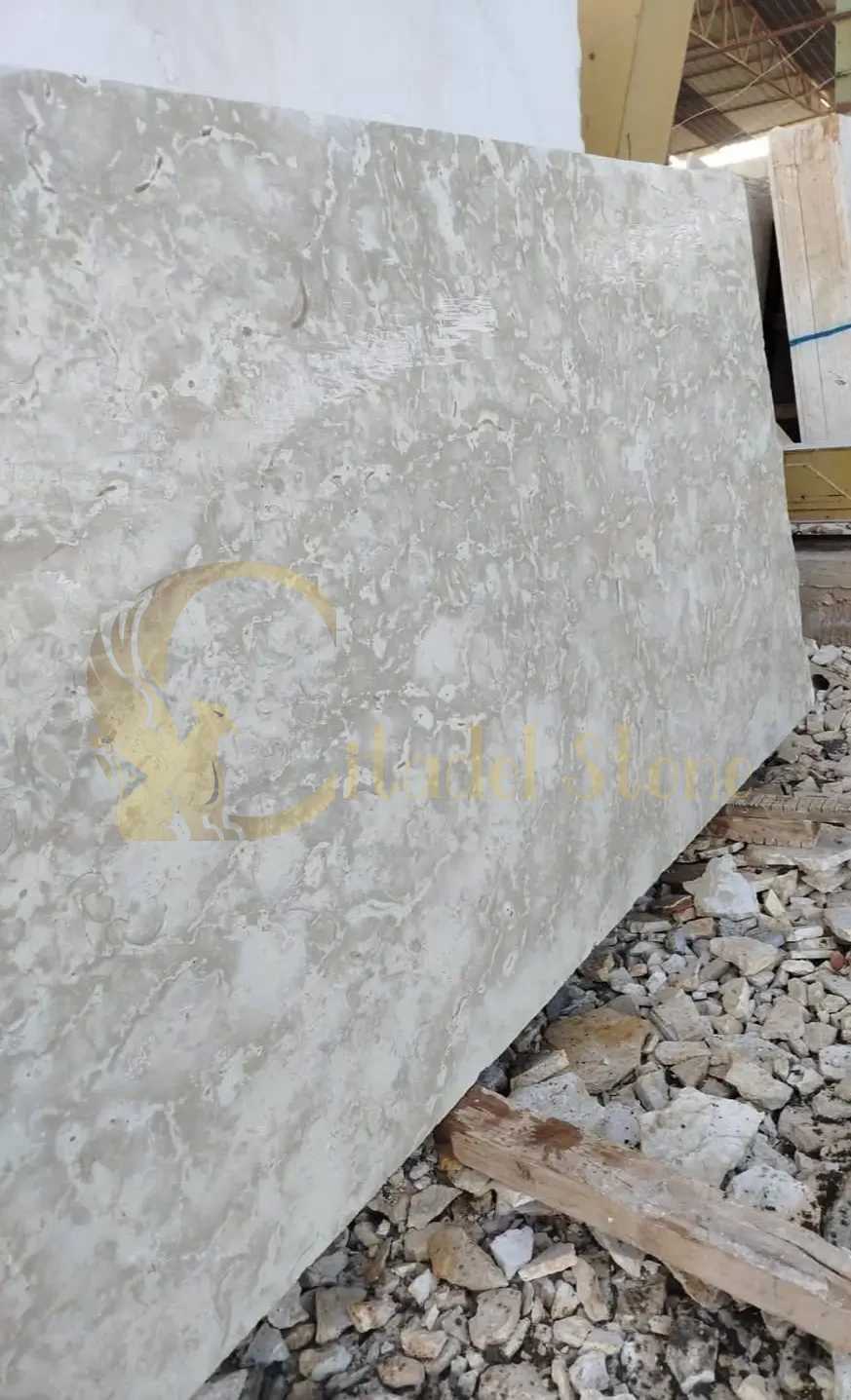
Wet coping creates liability exposure that you can’t afford to underestimate. Citadel Stone offers multiple finish options, and your selection directly impacts safety performance. The flamed or thermal finish on Citadel’s bluestone coping is specified against the ANSI A326.3 minimum wet DCOF (Dynamic Coefficient of Friction) of 0.42, the current standard for slip resistance in aquatic environments.
Polished or honed finishes drop that rating to 0.35-0.42, which won’t meet code in most commercial applications and creates unnecessary risk in residential settings. You’ll find that pool contractors sometimes push for smoother finishes because they’re easier to clean, but the trade-off isn’t worth the liability exposure.
- Arizona building codes reference ANSI A326.3 standards requiring wet DCOF of 0.42 minimum for pool decks
- Citadel Stone’s tumbled travertine finishes provide 0.55-0.65 DCOF while maintaining aesthetic appeal
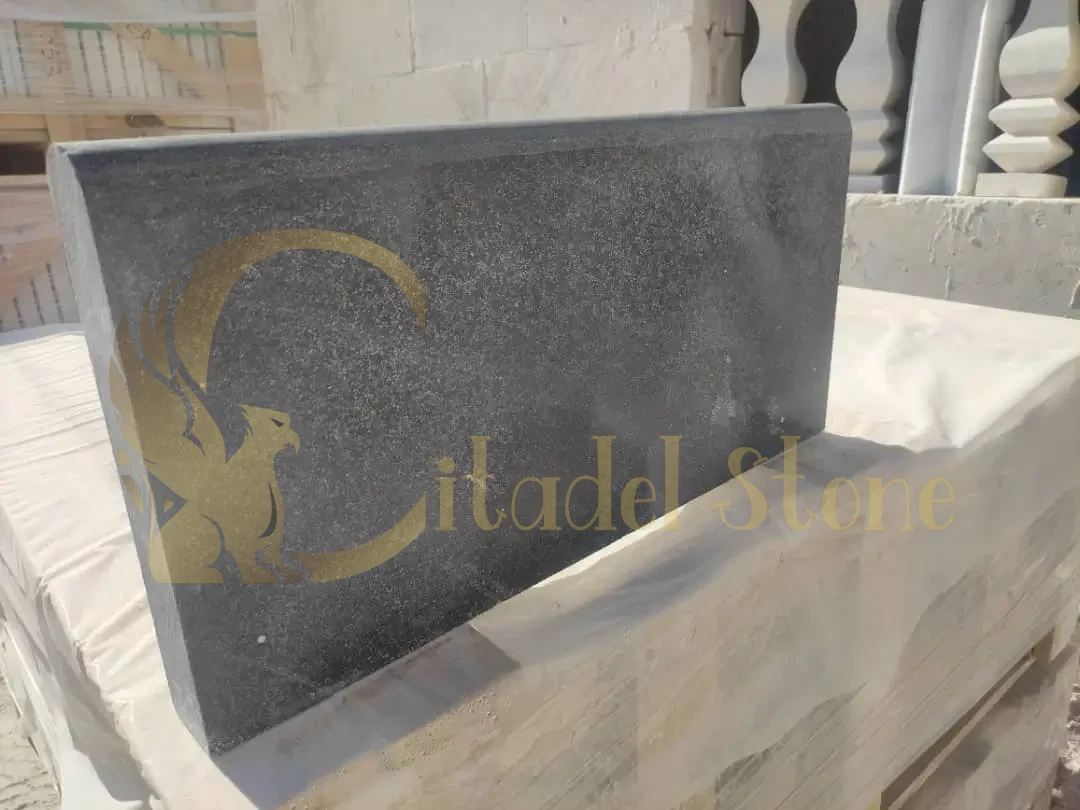
- Bullnose profiles on coping edges round off the arris, removing the sharp edge a square profile leaves
- Chemical treatments to enhance slip resistance typically degrade within 18-24 months under Arizona UV exposure
The reality is that proper finish selection eliminates the need for post-installation treatments. When specifying Citadel Stone coping, request samples with the actual finish you’re planning to install, then conduct wet testing before committing to large quantities. Most specifiers overlook this step and discover slip issues only after installation.
Water Chemistry Compatibility
Arizona pool water chemistry presents unique challenges due to high mineral content in municipal water supplies and well water sources. Citadel Stone’s limestone and travertine coping materials contain inherent calcium carbonate, which interacts with pool water chemistry in ways you need to understand before specification.
When you’re working with hard water sources—common throughout Arizona—the calcium saturation index becomes critical. Water that’s undersaturated will leach calcium from Citadel Stone coping, creating surface etching and gradual material loss. Oversaturated water deposits scale on coping surfaces, requiring aggressive cleaning that can damage the stone finish.
Here’s what you need to specify for long-term performance:
- Target Langelier Saturation Index between -0.3 and +0.3 for Citadel Stone coping installations
- Initial water chemistry testing to establish baseline calcium hardness and pH levels
- Penetrating sealers specifically formulated for calcium-based stone in aquatic applications
- Regular monitoring during first 90 days to identify leaching or scaling trends early
Citadel’s warehouse stocks sealers that have proven effective in Arizona pool applications, but you’ll want to confirm compatibility with your specific stone selection. The sealer needs to allow vapor transmission while blocking liquid water penetration—a balance that cheap products don’t achieve. For comprehensive guidance on related paving options, see our pool coping materials for specification details. Budget approximately $3-5 per linear foot for quality sealer application as part of your installation cost estimates.
Edge Profile Selection
The bullnose profile remains the standard for pool coping, but Citadel Stone offers variations that affect both aesthetics and function. You’re choosing between full bullnose (180-degree radius), half bullnose (90-degree radius), and square edge with chamfer. Each option carries trade-offs in comfort, water management, and cost.
Full bullnose coping provides the most comfortable edge for swimmers pulling themselves from the pool, but it directs water runoff back toward the pool rather than away from it. Half bullnose strikes a better balance for most applications—comfortable enough for hand contact while maintaining a slight pitch that encourages drainage away from the pool.
- Citadel Stone’s bullnose coping is available in 12-inch and 14-inch depths, with 14-inch providing better cantilever support
- Radius consistency matters for professional appearance; Citadel maintains ±1/16 inch tolerance on radius profiles
- Square-edge coping with 1/8-inch chamfer costs 20-25% less but sacrifices user comfort
- Custom radius profiles are available for specialty applications but require 6-8 week lead times from Citadel’s warehouse
Don’t make the mistake of prioritizing cost savings on edge profile. The coping represents a small percentage of total pool construction costs, but it’s the element users interact with most frequently. Citadel Stone’s premium bullnose profiles justify the modest cost increase through improved user experience and professional appearance.
Color Stability Considerations
Arizona’s UV index reaches extreme levels during summer months, and this exposure affects stone color over time. Citadel Stone’s natural limestone and travertine coping materials demonstrate superior color stability compared to manufactured alternatives, but you still need to set realistic expectations with clients about natural variation and aging.
Travertine typically lightens by one shade over the first 12-18 months of UV exposure, then stabilizes. This is natural behavior, not a defect, but it surprises clients who weren’t properly informed. Citadel’s gray and beige limestone options show minimal color shift, making them preferable when color consistency is critical.
The thing is, sealed stone maintains color better than unsealed stone, but no sealer prevents UV-induced changes entirely. You’ll want to specify UV-stable sealers that contain absorbers specifically designed for Arizona sun exposure. These products cost more but deliver measurably better color retention.
- Citadel Stone samples should be reviewed under direct sunlight, not indoor lighting, to assess true color
- Batch variation in natural stone means ordering 10-15% overage to ensure color consistency
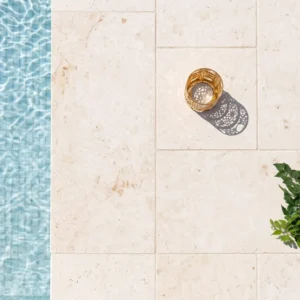
- White and cream travertine shows the least visible aging and remains the most popular choice for Arizona pools
- Sealer reapplication every 18-24 months maintains color protection and water repellency
Professional specifiers know to photograph installed Citadel Stone coping at completion and provide those images to clients as the baseline for future reference. Color variation complaints often arise from faulty memory rather than actual stone changes. Documentation protects everyone involved.
Installation Substrate Requirements
Your Citadel Stone coping performs only as well as the substrate supporting it. The concrete bond beam must meet minimum specifications that many contractors try to shortcut, particularly in residential construction where oversight is limited.
You need a minimum 8-inch wide bond beam with 3,500 PSI concrete and proper steel reinforcement. Citadel Stone coping sections weighing 40-60 pounds per linear foot create significant cantilever loads that undersized beams can’t support long-term. The result is differential settlement, cracked coping, and callback costs that far exceed the initial savings from inadequate substrate preparation.
- Reinforcement should include #4 rebar at 12-inch centers, positioned 2 inches from top surface
- Concrete must cure minimum 14 days before Citadel Stone coping installation to achieve design strength
- Bond beam surface must be level within 1/8 inch per 10 feet to prevent coping rock or gaps
- Mortar bed thickness should be 3/4 to 1 inch, using modified thin-set rated for exterior wet applications
The mortar selection matters more than most installers realize. You’ll want modified polymer thin-set with minimum 400 PSI bond strength when tested per ASTM C482. Citadel Stone recommends specific products that have demonstrated field performance in Arizona’s thermal environment—ask before specifying generic mortar options.
Watch for installers who want to set coping directly on the beam without a mortar bed. This method works temporarily but fails within 2-3 years as thermal movement and minor substrate imperfections create voids under the stone. Proper mortar bedding distributes loads and accommodates minor irregularities that rigid dry-setting can’t handle.
Common Specification Mistakes
After years of working with Citadel Stone materials in Arizona pool applications, certain specification errors appear repeatedly. You can avoid these pitfalls by understanding where inexperienced specifiers go wrong and why.
The most common mistake is under-specifying overhang dimensions. Citadel Stone coping should extend 1.5 to 2 inches beyond the pool face to create a proper drip edge and shadow line. Contractors sometimes reduce this to 1 inch or less to save material, but the result looks cheap and doesn’t shed water effectively. Hold firm on the 1.5-inch minimum.
- Failing to specify expansion joints results in cracked coping within the first summer—joints needed every 12-15 feet minimum
- Omitting sealer specifications leaves installers to choose inappropriate products or skip sealing entirely
- Under-ordering material without accounting for cuts, breakage, and future repairs creates matching problems
- Specifying polished finishes for pool coping creates slip hazards that violate safety standards
- Neglecting to specify mortar type allows installers to use standard mason’s mix that fails in wet environments
Another frequent error is failing to coordinate coping thickness with deck paving thickness. Citadel Stone coping is typically available in 2-inch and 3-inch thicknesses. Your deck pavers need to match this thickness or you’ll create a trip hazard at the transition. Most experienced specifiers choose 2-inch coping and 2-inch deck pavers to maintain a flush transition, but this requires early coordination between pool contractor and paver installer.
Don’t overlook the need for detailed shop drawings showing coping layout, joint locations, and radius sections for curved pool perimeters. Citadel Stone can provide technical support for complex layouts, but the specifier needs to request this service and build it into the project timeline. Last-minute layout issues cause delays and force compromises that affect final appearance.
Maintenance and Longevity
Citadel Stone coping materials deliver 20+ year service life in Arizona pool applications when properly maintained, but that maintenance requirement needs to be clearly communicated to owners. The expectation of “zero maintenance” natural stone simply isn’t realistic in high-use aquatic environments.
Annual maintenance should include pressure washing at moderate pressure (1,500-2,000 PSI maximum), inspection of joint sealant integrity, and sealer reapplication every 18-24 months. Higher-use commercial pools require more frequent attention—you’re looking at semi-annual maintenance cycles for resort and multi-family applications.
- Citadel Stone’s travertine coping requires filling of natural voids with color-matched filler compound
- Efflorescence may appear during first 6-12 months as residual salts migrate from substrate—this is temporary
- Chemical cleaners containing acids should be avoided as they etch calcium-based stone surfaces
- Organic staining from pool chemicals typically responds to poultice treatments with hydrogen peroxide
The reality is that Citadel Stone pool coping weathers gracefully when maintained but deteriorates visibly when neglected. You’ll want to provide written maintenance guidelines to owners at project completion, including specific product recommendations for cleaning and sealing. This documentation reduces callback complaints and establishes reasonable performance expectations.
One critical factor that often surprises owners: freeze-thaw damage affects northern Arizona installations around Flagstaff and higher elevations. Citadel Stone materials in these locations require winter draining protocols and additional sealing to prevent water intrusion into the stone’s pore structure. Southern Arizona installations don’t face this issue, but the specification needs to address regional climate differences explicitly.
Cost and Value Considerations
Citadel Stone coping materials command premium pricing compared to concrete alternatives, and you need to justify this cost differential to clients focused on initial budget rather than life-cycle value. The conversation starts with realistic cost expectations and extends to performance advantages that generic products can’t match.
Current Citadel Stone coping pricing in Arizona typically ranges from $18-32 per linear foot for material only, depending on stone type, finish, and profile complexity. Installation adds $12-20 per linear foot, bringing total installed cost to $30-52 per linear foot. Concrete coping costs $15-25 per linear foot installed, creating a 50-100% price premium for natural stone.
That premium buys you several measurable advantages:
- Citadel Stone coping maintains appearance for 20+ years while concrete shows wear after 8-12 years
- Natural stone doesn’t require painting or resurfacing, eliminating recurring maintenance costs
- Superior thermal performance means cooler surfaces and better user comfort
- Resale value increases with natural stone features—buyers perceive higher quality
The math works favorably for natural stone when you factor in the cost of concrete resurfacing every 10-12 years at $8-12 per linear foot. Over a 20-year ownership period, the total cost of ownership often favors Citadel Stone despite higher initial investment. For additional installation insights, review Natural stone veneer options for commercial and residential masonry before finalizing project documents.
Commercial projects justify the premium more easily due to longer planning horizons and emphasis on brand image. Resort pools, luxury multi-family properties, and high-end residential projects routinely specify Citadel Stone coping as the baseline rather than an upgrade. The material selection signals quality that aligns with premium positioning.
Supreme Coping Specifications
Citadel Stone’s supreme coping line represents the top tier of material quality and finish precision. When you’re specifying Stone Coping & Pool Coping in Arizona for luxury applications, these products deliver the consistency and performance that demanding projects require.
Supreme coping differs from standard grades in several measurable ways. Thickness tolerance tightens to ±1/16 inch versus ±1/8 inch for standard grades. Surface finish quality improves through additional processing steps that create more uniform texture and color. Edge profiles maintain tighter radius tolerances, resulting in better alignment and more professional appearance.
- Citadel’s supreme coping stones undergo enhanced inspection with rejected pieces not exceeding 3% of production
- Color sorting ensures minimal batch variation within individual project shipments
- Premium pricing adds approximately 30-40% to material costs but reduces installation time through improved consistency
- Warranty coverage extends to 10 years for supreme grades versus 5 years for standard grades
You’ll find that supreme coping makes sense for high-visibility installations where material consistency directly affects perceived quality. The tighter tolerances reduce installer labor and minimize callbacks for appearance issues. Most specifiers reserve supreme grades for primary pool areas while using standard grades for secondary water features or less visible applications.
Citadel Stone Coping Arizona Specification Guide
This section provides hypothetical guidance for specifying Citadel Stone’s Stone Coping & Pool Coping in Arizona across diverse project types and regional conditions. While these represent advisory scenarios rather than completed projects, they reflect Citadel Stone’s deep expertise in Arizona’s unique climate challenges and material performance requirements.
Understanding how Citadel Stone coping products would be specified for different Arizona cities helps you make informed decisions for your own projects. Regional temperature variations, water chemistry differences, and local building practices all influence material selection and installation protocols.
Phoenix Resort Applications
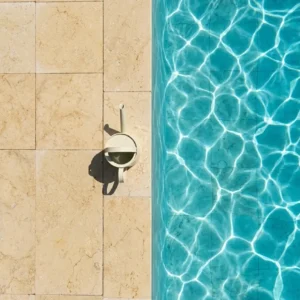
For a hypothetical luxury resort pool in Phoenix, Citadel Stone would likely recommend cream travertine coping with tumbled finish for optimal thermal performance and slip resistance. The intense heat island effect in Phoenix metro creates surface temperatures exceeding 140°F on dark materials, making light-colored Citadel travertine essential for user comfort. You’d want to specify 14-inch depth coping with full bullnose profile to handle the high-traffic resort environment. Expansion joints at 12-foot intervals would accommodate thermal movement during Phoenix’s extreme summer cycles, with joint sealant rated for ±25% movement capability.
Scottsdale Residential Standards
Scottsdale’s luxury residential market would typically call for Citadel Stone’s premium limestone coping with honed finish. The sophisticated aesthetic fits the high-end architectural character prevalent throughout north Scottsdale neighborhoods. For this application, Citadel’s coping stone suppliers in Arizona would recommend 2-inch thick coping to match standard paver deck installations, ensuring flush transitions that meet Scottsdale’s stringent building standards. Sealer specifications would emphasize UV protection given the unobstructed desert sun exposure common in master-planned communities. You’d coordinate closely with Citadel’s warehouse to ensure color consistency across material lots, critical for the discriminating clientele typical of Scottsdale projects.
Tucson Multi-Family Projects
A multi-family pool complex in Tucson would benefit from Citadel Stone’s bullnose pool coping in Arizona with emphasis on durability and maintenance efficiency. The hard water prevalent throughout Tucson’s municipal supply requires careful attention to water chemistry compatibility—Citadel’s limestone coping performs well when sealer specifications include penetrating treatments that resist mineral deposits. For budget-conscious multi-family applications, you might specify standard-grade coping for secondary pools while reserving supreme coping stones in Arizona for primary amenity pools. The moderate usage patterns in multi-family settings allow for sealer reapplication on a 24-month cycle rather than the 18-month interval required for high-use commercial pools.
Flagstaff Freeze Considerations
Northern Arizona’s freeze-thaw cycles require specialized specifications that differ significantly from Phoenix metro applications. For a hypothetical Flagstaff resort pool, Citadel Stone would recommend dense limestone coping with water absorption below 3% by weight, ensuring minimal moisture penetration during winter months. You’d specify enhanced sealing with two coats of penetrating sealer plus breathable surface treatment, allowing vapor transmission while blocking liquid water. Pool coping manufacturers in Arizona like Citadel stock freeze-resistant mortar formulations specifically for higher-elevation installations. The specification would mandate winter draining protocols and spring inspection procedures to identify any emerging freeze damage early.
Sedona Aesthetic Integration
Sedona’s red rock landscape creates unique aesthetic requirements for pool coping selection. Citadel Stone’s natural travertine in warm beige tones complements the surrounding geology without competing visually. For a hypothetical luxury residence in Sedona, you’d likely specify tumbled-edge coping that echoes the weathered character of natural rock formations. The challenging truck access common in Sedona’s canyon locations requires coordination with Citadel’s warehouse for delivery timing—many properties lack space for material staging, necessitating just-in-time delivery coordination. Your specification would address potential iron staining from Sedona’s iron-rich soils, recommending protective barriers during landscape installation that occurs after pool completion.
Yuma Extreme Heat
Yuma’s distinction as one of the hottest cities in the United States demands maximum attention to thermal performance when specifying Stone Coping & Pool Coping in Arizona. Citadel Stone’s white travertine coping would be the recommended choice, reflecting maximum solar radiation and maintaining the coolest possible surface temperatures. For this extreme climate, you’d specify 3-inch thick coping rather than standard 2-inch profiles—the additional thermal mass helps moderate temperature swings between day and night. Pool coping suppliers in Arizona like Citadel would recommend accelerated sealer reapplication schedules for Yuma installations, with inspection at 12-month intervals rather than the 18-24 months typical elsewhere. The agricultural water sources common in Yuma often carry high mineral loads, making water chemistry monitoring particularly critical during the first season.
Final Considerations
Specifying Stone Coping & Pool Coping in Arizona requires balancing thermal performance, slip safety, aesthetic goals, and budget constraints while accounting for regional climate variations. Citadel Stone’s comprehensive product line provides solutions for applications ranging from budget-conscious residential pools to luxury resort installations.
The key to successful specifications lies in understanding that natural stone coping isn’t a commodity purchase—material quality, finish precision, and installer expertise all affect long-term performance. When you choose Citadel Stone products, you’re accessing technical support and material consistency that generic suppliers can’t match. That advantage translates to fewer callbacks, better client satisfaction, and installations that maintain their appearance for decades rather than years. Luxury pool construction trusts Citadel Stone, the most reliable Stone Coping & Pool Coping Arizona resort-quality materials.