

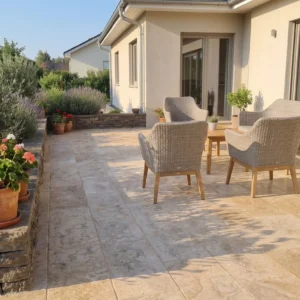

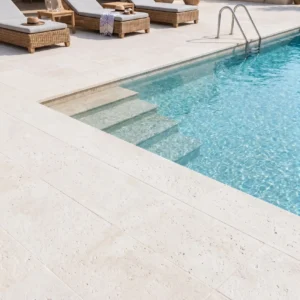

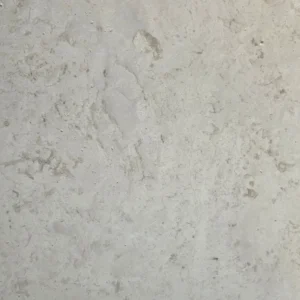
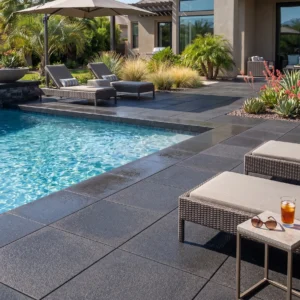




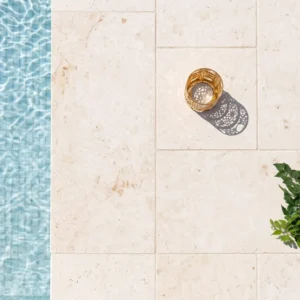
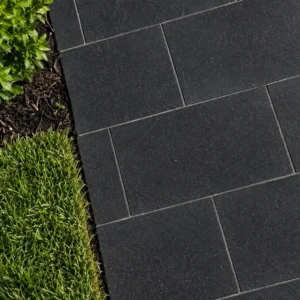
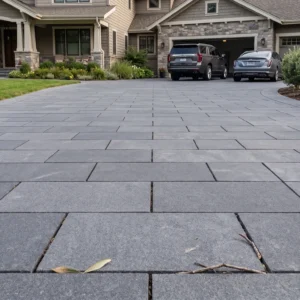
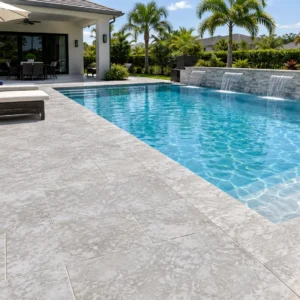

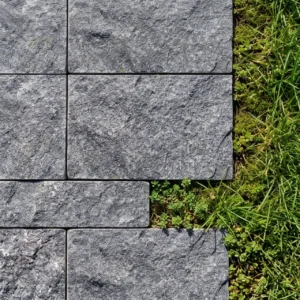
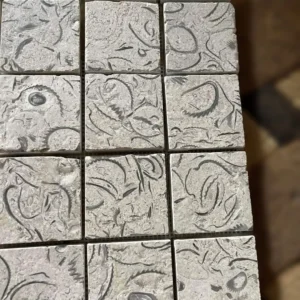
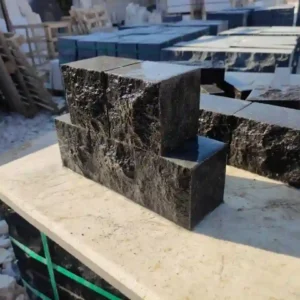
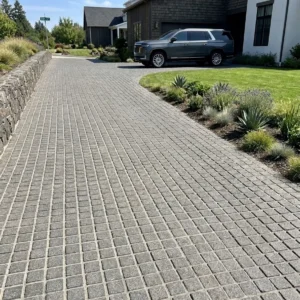
Thermal cycling in Arizona’s desert environment does something to limestone that most project specs fail to account for — UV radiation doesn’t just warm the surface, it actively degrades the mineral binders and silica cements that hold crystalline structures together over time. Specifying 12×24 limestone tile in Arizona means you’re selecting a format that performs exceptionally well under intense solar exposure, but only when the stone’s porosity, finish, and sealing schedule are matched to the UV load your specific site actually receives. Getting that combination right is the difference between tile that deepens naturally over 20 years and tile that chalks, spalls, or fades unevenly within five.
How UV Exposure Affects Limestone Performance in Arizona
The mechanism most specifiers overlook is photooxidation — the process by which sustained UV bombardment breaks down the organic compounds and iron-bearing minerals embedded in natural limestone. In Phoenix, where annual UV index averages remain among the highest in the continental United States, a honed or unfilled limestone surface without a UV-stabilizing penetrating sealer begins showing surface efflorescence within 18 to 24 months. That chalky surface bloom isn’t cosmetic — it signals that the top 2 to 4 millimeters of stone have begun losing cohesive strength.
Your format choice interacts directly with this weathering pattern. The 12×24 limestone tile in Arizona geometry creates a surface-to-joint ratio that limits the exposed face area where UV degradation concentrates. Larger slabs — say 24×24 — present more continuous mineral surface to solar radiation, which accelerates differential fading across a single tile face. The 12×24 dimension gives you something closer to controlled exposure segments, where any shade variation or mineral inconsistency distributes more evenly across the field.
- Iron oxide mineral content in limestone reacts with UV to produce surface yellowing or darkening on cream and buff varieties over 3 to 5 years without sealer maintenance
- Honed finishes expose more mineral surface per square inch than tumbled or brushed finishes, making them more susceptible to UV-driven color shift in outdoor applications
- Travertine-filled limestone exhibits a more complex UV response because filler compounds and natural stone age at different photodegradation rates
- Porosity above 7% allows UV-heated moisture to penetrate and expand subsurface voids, accelerating spalling on south-facing horizontal surfaces
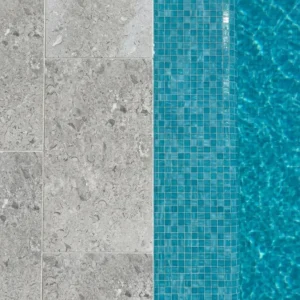
- Silver-grey limestone varieties tend to exhibit more stable color under extended UV exposure than cream or buff tones, which shift toward beige-yellow without consistent maintenance
Citadel Stone sources its limestone through quarry partners whose material is evaluated specifically for iron content and mineral stability — characteristics that determine long-term UV color performance in high-exposure climates like Arizona’s. You can request material test data including absorption rate and mineral composition before committing to a large-format order.

Choosing Between 12×24, 16×16, 18×18, and 24×24 Formats in Arizona
Format selection in Arizona isn’t just a design preference — it’s a structural and thermal decision. The 12×24 limestone tile in Arizona handles differential thermal expansion more predictably than square formats of equivalent or larger size, because the rectangular geometry distributes expansion stress along one dominant axis rather than equally in both directions. That matters when surface temperatures routinely exceed 160°F on south-facing patios in Scottsdale or Tempe during peak summer hours.
Compare that to 24 x 24 limestone tile in Arizona installations, where the larger format requires wider expansion joints — typically 3/16 to 1/4 inch — to handle the greater absolute dimensional change across a 24-inch span. The limestone 24×24 in Arizona performs well in shaded courtyard applications and covered outdoor kitchens where peak surface temperatures stay below 120°F, but it demands more careful joint engineering in full-sun environments. The 16×16 limestone tile in Arizona represents a middle ground that many designers use in residential pool surrounds, where the shorter diagonal dimension reduces the risk of corner lipping under heavy thermal load.
- 12×24 limestone tile in Arizona generates approximately 0.08 to 0.11 inches of linear expansion across its long dimension between winter low and summer high surface temperatures
- 18×18 limestone tile in Arizona carries similar expansion characteristics to 16×16 but requires more precise subbase leveling because the larger face reveals minor settling more visibly
- 4×4 limestone tile in Arizona performs well in pattern-inset borders and decorative field accents but requires significantly more labor for installation over large areas
- Rectangular formats like 12×24 allow running bond and stacked bond patterns that naturally direct the eye across a space and reduce the visual weight of large tile fields
- The limestone tile 24×24 in Arizona achieves a cleaner contemporary aesthetic in covered living areas, particularly in modern desert residential projects where minimal joint lines are a design priority
Citadel Stone stocks limestone 12×24 tile in Arizona in standard thicknesses of 3/8 inch, 1/2 inch, and 3/4 inch, along with complementary formats including 12×12, 16×16, 18×18, and 24×24. You can request samples in multiple finishes to compare UV response side by side before specifying an entire field order.
Base Preparation and Subgrade Considerations for Arizona Limestone Projects
Desert soils across Arizona’s low-elevation regions share a characteristic that significantly affects limestone tile performance — expansive clay and caliche hardpan create subgrade conditions that respond differently to thermal stress than the limestone surface above them. In the Valley, caliche layers often begin at 12 to 20 inches below grade, and when that layer is present and properly prepared, it actually functions as a competent sub-base that reduces subgrade settling. The risk is when contractors cut corners and use the caliche as their finish grade without adding a compacted aggregate layer above it — that’s when tile installations start showing differential cracking at 3 to 5 years.
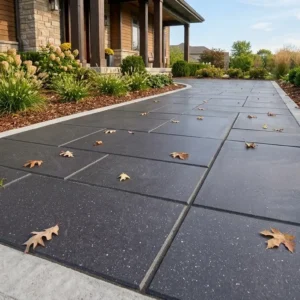
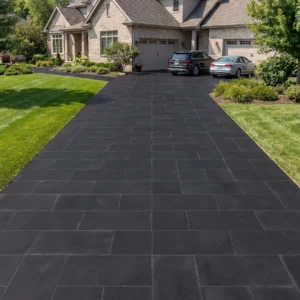
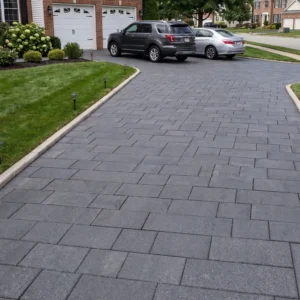
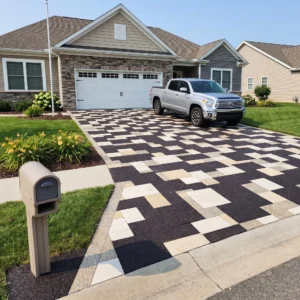
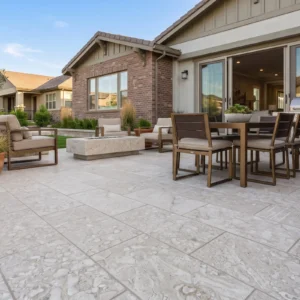
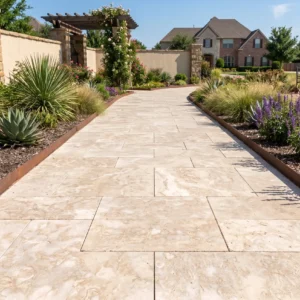
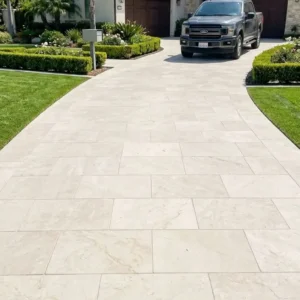
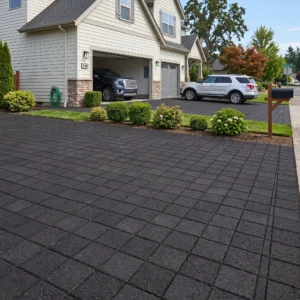
For 12×24 limestone pavers in Arizona used in exterior patio and walkway applications, your compacted aggregate base should be a minimum of 4 inches of 3/4-inch crushed granite with a finished density of at least 95% Proctor. For driveway-grade 12×24 limestone pavers in Arizona carrying vehicle loads, that base depth increases to 6 to 8 inches, and you’ll need a 1-inch sand setting bed above the aggregate to allow minor leveling adjustments without affecting the compacted layer below.
- Avoid decomposed granite as a setting bed material in high-UV, high-heat environments — it disperses under thermal cycling and undermines joint stability
- Geotextile fabric placed between native soil and aggregate base prevents fines migration in sandy or silty desert soils, extending base performance life significantly
- Expansion joints at 10 to 12 foot intervals in both directions are non-negotiable for exterior limestone tile in Arizona — generic guidelines suggesting 15 to 20 foot spacing were not written for desert UV and temperature profiles
- Mortar-set installations on concrete slabs require control joints aligned with the slab’s existing control joint pattern — failing to maintain this alignment creates reflective cracking that telegraphs through the tile surface within two seasons
- Slope your finish grade a minimum of 1/8 inch per linear foot away from structures — standing water on limestone in high-UV environments accelerates surface pitting because heated water becomes mildly acidic during evaporation cycles
For specifications and technical guidance on finish options relevant to your base conditions, the full finish-to-application matrix — including guidance that directly applies to Arizona’s soil and UV conditions — is covered in detail at 12×24 Limestone Tile from Citadel Stone, where you’ll also find absorption rate data and climate-specific sealing recommendations.
Finish Options and Their UV Performance in Arizona’s Sun
Your finish selection is the single most consequential UV performance decision you’ll make for any Arizona limestone installation. Not because it changes the stone’s mineral composition, but because it determines how much raw mineral surface is exposed to direct solar radiation and how effectively a sealer system can bond to that surface to provide ongoing UV protection.
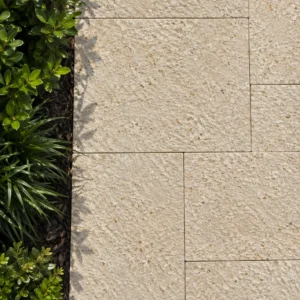
Brushed and bush-hammered finishes create micro-texture that breaks up UV reflection and distributes solar energy across a larger effective surface area, reducing the localized heating that causes differential mineral expansion. Honed finishes, while visually appealing, present a flat, open mineral surface that absorbs UV energy more uniformly — which means more consistent heating, but also more direct photodegradation of surface-exposed mineral compounds. Tumbled finishes fall somewhere between: their worn edges and slightly irregular faces scatter light effectively, and their roughened surface accepts penetrating sealers more deeply than honed alternatives.
- Sandblasted finishes provide the highest UV scatter coefficient of standard factory finishes and are particularly effective for west-facing surfaces that receive low-angle afternoon sun in Arizona summers
- Polished limestone tile is not recommended for Arizona exterior horizontal surfaces — UV exposure degrades the polished surface gloss within two seasons and creates an uneven patchwork appearance that cannot be corrected without mechanical re-polishing
- Thermal or flamed finishes open the stone’s surface pores, which improves sealer penetration depth but also requires more frequent resealing cycles — typically annual rather than biennial in Arizona UV conditions
- The limestone 12×24 in Arizona used in shaded covered outdoor spaces can sustain honed finishes successfully, particularly under pergolas and ramadas where direct UV exposure is interrupted for most of the day
The finish choice also affects your 24×24 limestone in Arizona installations and your 12×24 tile’s slip resistance ratings. ASTM C1028 wet dynamic coefficient of friction should be 0.6 or higher for any horizontal walking surface — brushed and tumbled finishes typically meet this threshold without additional treatment, while honed finishes may require topical anti-slip treatments that can alter UV response and resealing compatibility.
Sealing Schedules for Limestone in High-UV Desert Conditions
Standard industry sealing recommendations were developed for temperate climates receiving 2,000 to 3,000 annual hours of sunlight. Arizona’s high desert regions receive 3,300 to 3,500 hours annually in cities like Yuma and the Phoenix metro, which means standard resealing intervals significantly underperform against actual UV degradation rates. Applying a penetrating silane-siloxane sealer on an 18-month schedule instead of the commonly cited 3-year cycle is not over-maintenance — it’s the correct response to actual UV load.
For your 12 x 24 limestone tile in Arizona exterior installation, the sealing sequence matters as much as the sealing frequency. Your initial seal should be applied to clean, dry stone at a surface temperature between 50°F and 90°F — not in full midday Arizona sun where the stone surface temperature can exceed 130°F, which causes the sealer to flash-cure at the surface before fully penetrating. Two coats applied 2 to 4 hours apart on a shaded or morning installation schedule gives you 40 to 60% better penetration depth than a single coat applied in midday heat.
- Penetrating sealers based on silane chemistry outperform silicone-based topical sealers in UV resistance — silicone breaks down faster under sustained UV exposure and can discolor over time
- Solvent-based penetrating sealers penetrate more deeply than water-based alternatives in low-absorption limestones with less than 4% porosity, providing better long-term UV protection
- Test sealer performance with the water bead test: if water fully absorbs within 4 minutes on a sealed surface, resealing is overdue regardless of how many months have passed since the last application
- Alkaline cleaners used prior to resealing must be fully neutralized and rinsed before sealer application — residual alkalinity causes sealer adhesion failure that becomes visible as peeling or blushing within the first summer UV cycle
In Tucson, where summer monsoon season introduces periodic high-humidity cycling on top of sustained UV load, limestone tile benefits from a sealer with added water-repellency ratings — look for products with a hydrostatic head rating of at least 40 meters to handle the combination of UV degradation and seasonal moisture infiltration without compromising the sealer film’s UV blocking capacity.

Color and Shade Selection for Arizona UV Environments
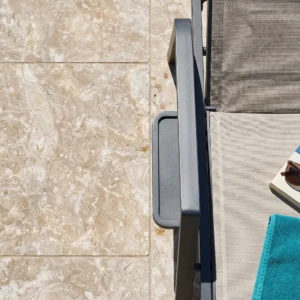
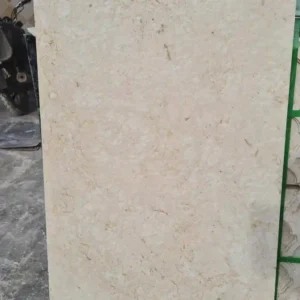
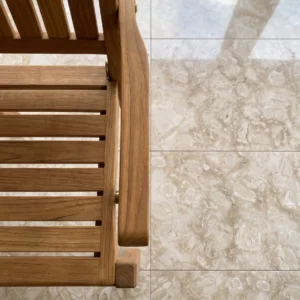
The color stability of your limestone selection under prolonged UV exposure depends on the mineral composition of that specific stone — not just its visual color category at the time of purchase. Cream and ivory limestones derive their pale tones primarily from calcite with low iron content, and while they read beautifully in showroom lighting, their UV stability varies considerably by quarry source. Some cream limestones from certain Mediterranean formations maintain color consistency for 15 to 20 years with proper sealing; others from higher-iron formations begin showing yellow-amber shifts within 3 to 5 years of Arizona sun exposure.
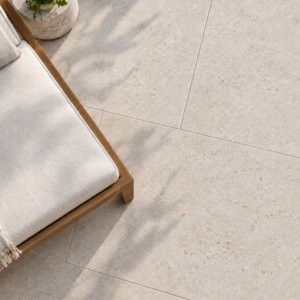
Grey and silver limestone varieties tend to be more UV-stable because their mineral color derives from siliceous or dolomitic compounds that are less photoactive than the iron minerals driving color shift in buff and cream stones. For full-sun south-facing installations in Arizona, a medium grey limestone 12×24 tile often delivers more consistent long-term color performance than an equivalent cream selection, even if the cream tone is initially preferred for its visual warmth. You’re essentially choosing between predictable durability and aesthetic preference — a trade-off that deserves honest conversation with your client before specification is finalized.
- Request UV exposure test results or aged sample photographs from your supplier for any limestone variety being considered for full-sun Arizona exterior use
- Lighter stone colors reflect more solar radiation and maintain lower surface temperatures — white or light grey limestone can run 15 to 25°F cooler than dark charcoal limestone in direct Arizona sun, which affects both sealer longevity and barefoot comfort
- Variegated or multi-tone limestone varieties disguise UV-driven color shift better than uniform single-tone stones — natural variation creates visual camouflage for the gradual darkening or lightening that occurs over years
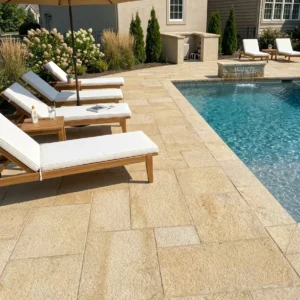
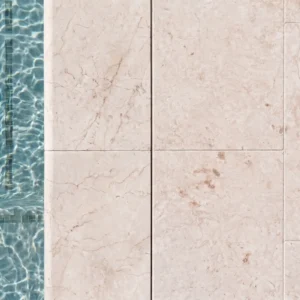
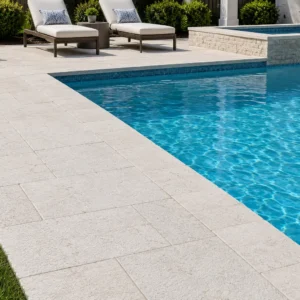
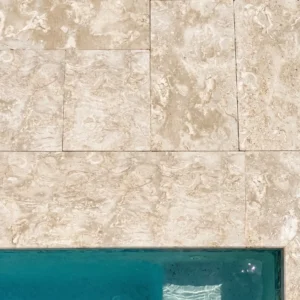
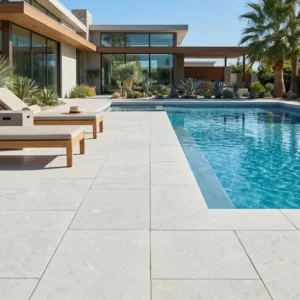
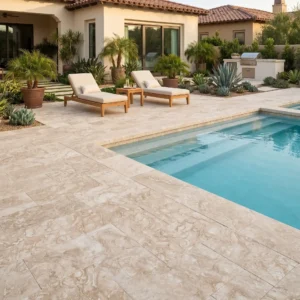
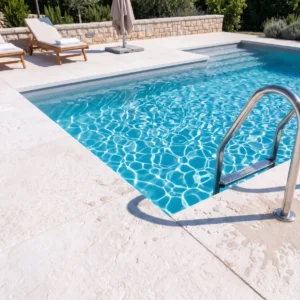
- 12×24 limestone pavers in Arizona used in pool surrounds should trend toward lighter mineral tones — darker stones absorb more UV-converted heat and can become uncomfortably hot for bare foot traffic during summer peak hours
Installation Details: Joint Spacing, Setting Materials, and Thermal Management
The joint spacing decision for 12×24 limestone tile in Arizona should be driven by thermal expansion calculations, not aesthetic preference. Your stone’s coefficient of thermal expansion is approximately 4.4 × 10⁻⁶ per °F for dense limestone — multiply that by the 100°F to 130°F surface temperature differential you’ll see across Arizona seasons and you’re looking at 0.057 to 0.074 inches of expansion per linear foot. For a 12-foot tile run with 1/8-inch joints, that expansion has nowhere to go except into the tile face, which is why you see corner chipping and joint blow-outs in under-jointed installations.
Minimum joint width for exterior 12×24 limestone tile in Arizona should be 3/16 inch, with 1/4 inch preferred for full-sun south and west exposures. Your setting mortar should be a polymer-modified Type S rated for exterior use — standard Type N loses bond strength in Arizona’s thermal cycling environment faster than its rated service life suggests. For installations in Mesa and the broader Phoenix metro, where daytime surface temperatures regularly spike above 150°F in summer, a flexible epoxy joint compound in lieu of sanded grout provides significantly better thermal accommodation at the joint level.
- Back-butter every tile individually for exterior mortar-bed installations — relying solely on trowel ridges in the setting bed leaves unbonded voids that become thermal stress concentration points
- Verify your setting mortar’s open time before beginning installation — high Arizona temperatures and low humidity can reduce open time from the labeled 20 minutes to as little as 8 to 10 minutes, causing thin-set skinning before tile contact
- Pre-dampen absorbent limestone tiles before setting in hot dry conditions — highly porous stone will pull moisture from the setting bed before adhesion develops, creating a dry bond that fails within 1 to 2 seasons
- Confirm delivery scheduling with your warehouse contact well in advance of installation — setting material orders and tile stock should arrive at the site within the same dispatch window to prevent UV-damaged setting material left exposed at the jobsite
- Tile should be stored in shaded conditions or under opaque site covers until installation — extended pre-installation UV exposure to freshly quarried limestone can begin surface oxidation before the sealer is ever applied
Buy 12×24 Limestone Tile for Your Arizona Project
Citadel Stone stocks 12×24 limestone tile in Arizona-ready formats, including brushed, honed, tumbled, and sandblasted finishes across multiple color ranges from cream and buff to silver grey. Standard thickness options include 3/8 inch for wall and light-duty interior use, 1/2 inch for residential exterior patio and pool surround applications, and 3/4 inch for commercial exterior and driveway-grade 12×24 limestone pavers in Arizona. Complementary formats — including 12×12 limestone tile in Arizona, 16×16 limestone tile in Arizona, 18×18 limestone tile in Arizona, and limestone tile 24×24 in Arizona — are available from the same stone families to support consistent material selection across a complete project.
You can request physical samples and full specification sheets, including absorption rate data and UV exposure test results, before committing to your order. Trade and wholesale pricing is available for licensed contractors, landscape architects, and design professionals — contact Citadel Stone directly with your project scope and square footage for a tailored pricing structure. Lead times from warehouse inventory typically run 1 to 2 weeks for stocked items, with custom-cut or non-standard format orders requiring 3 to 5 weeks depending on quarry availability. Delivery coverage extends throughout Arizona, including commercial and residential project sites in the Phoenix metro, Tucson basin, and northern Arizona. For projects where the 12×24 tile format pairs with larger-scale stone elements, your Arizona hardscape specification may also benefit from reviewing complementary Citadel Stone materials — Large Format Limestone Tiles in Arizona covers the extended size range and performance specifications relevant to Arizona UV and thermal conditions. 12×24 Limestone Tile from Citadel Stone reaches project sites across Flagstaff, Sedona, and Yuma and throughout Arizona.


