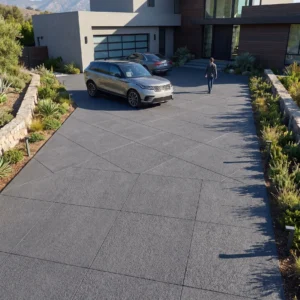
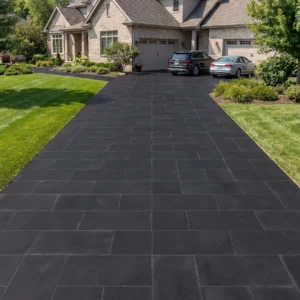
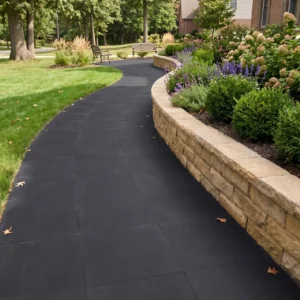
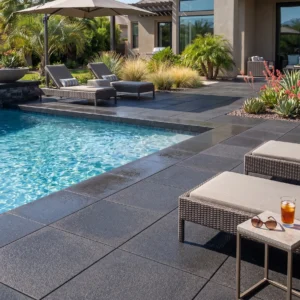
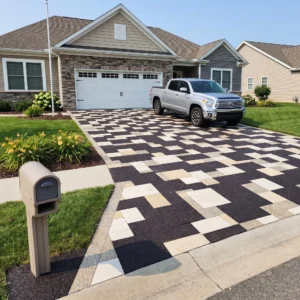
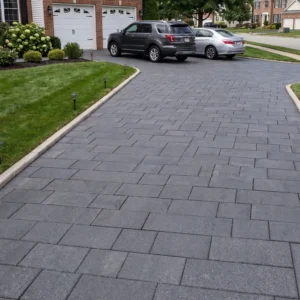
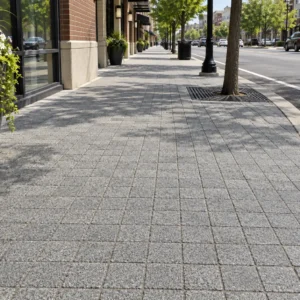
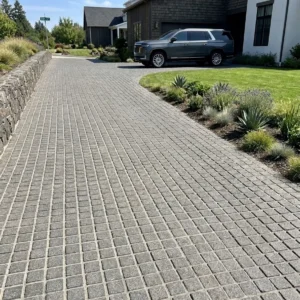
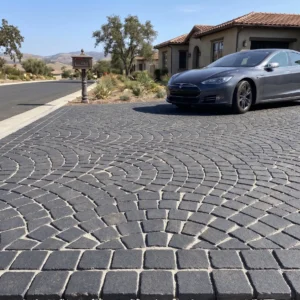
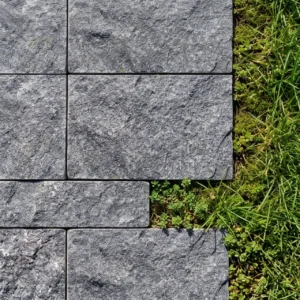
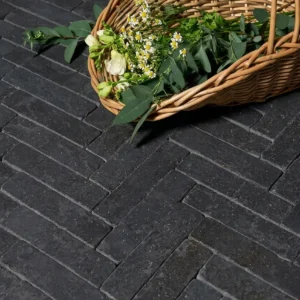
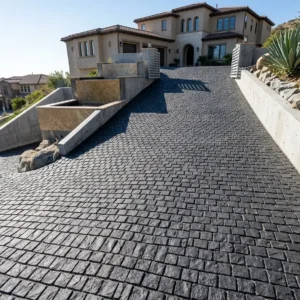
The single variable that separates a 25-year slate installation from a 10-year replacement isn’t the stone itself — it’s how you manage the water beneath and around it. Slate Stone for Sale in the premium grades carries water absorption rates below 0.4%, which means the material barely wicks moisture, but the joints, bedding, and substrate around it do all the work. You’ll get far more mileage from understanding that interaction than from obsessing over surface finish alone. Slate’s near-zero porosity is exactly why drainage detailing becomes the make-or-break factor most specifiers underestimate.
Here’s what most product listings won’t tell you: slate is a metamorphic rock with a pronounced layered structure, and that cleavage plane behaves differently depending on how you orient it during installation. Get the orientation wrong and you invite delamination at the edges within a few freeze-thaw cycles. Get it right and you have a paving and cladding surface that outlasts almost everything around it. The sections below walk through the specification decisions that actually matter in the field.
What Makes Slate Perform the Way It Does
Slate’s metamorphic origin gives it a tight, foliated grain that resists water penetration and abrasion in ways sedimentary stones can’t match. According to the geology of metamorphic slate, the parallel alignment of mineral platelets is what allows the stone to split cleanly into thin, strong sheets — the natural cleft texture you see on quality paving. That same structure gives slate its flexural strength while keeping absorption remarkably low.
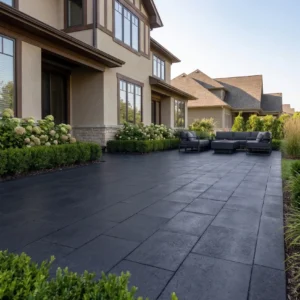
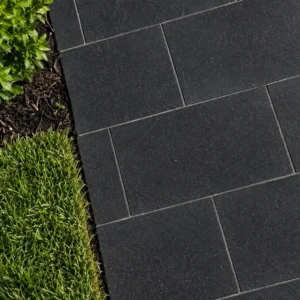
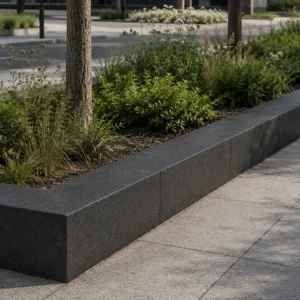
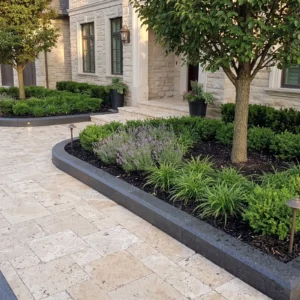
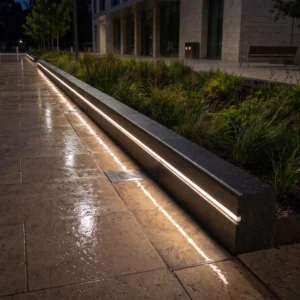
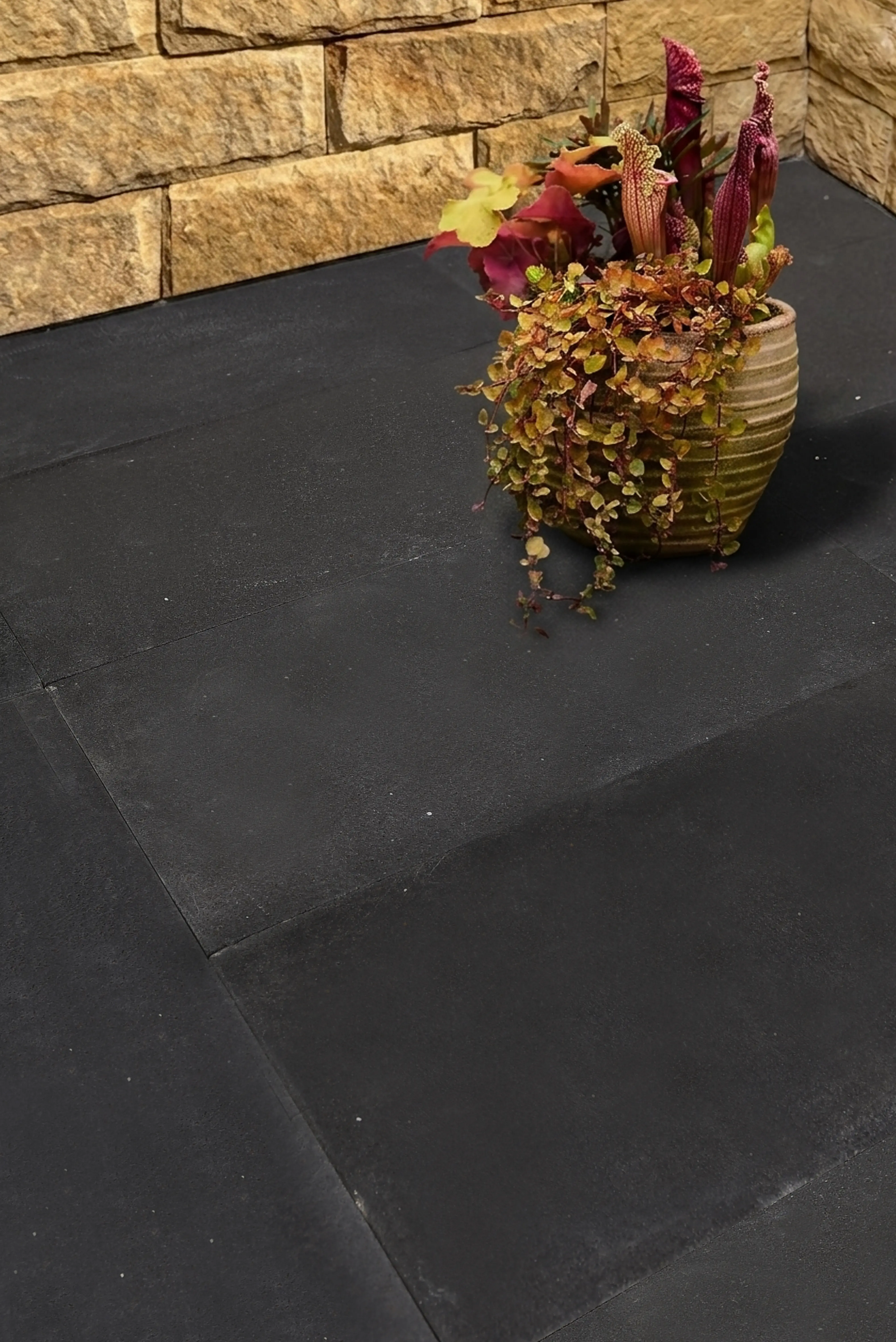
You’ll find slate delivered in a range of tones that suit different design intents. The most common request Citadel Stone fields is for the deeper end of the spectrum — buyers looking for black slate landscape stone that reads almost charcoal in wet conditions, alongside softer silver-grey and rustic multicolor lots. Blue slate suppliers typically source the cooler-toned material that shifts subtly with light and moisture, which is part of its appeal.
- Water absorption typically below 0.4% for premium grades, limiting freeze-thaw vulnerability
- Flexural strength that supports thinner formats than most natural stone
- Riven, cleft surface texture
- Color stability under UV exposure across decades of outdoor service
- Dense grain that resists staining better than porous alternatives
The trade-off you should know about: slate’s layered structure means edge chipping is more likely during handling than with homogeneous stones. Your installers need to treat cut edges with care, and you should order a small overage — typically 8 to 10% — to cover field cuts and the occasional edge loss. At Citadel Stone, we inspect each batch at the warehouse for delamination-prone pieces before they ship, but no natural stone arrives perfect.
Formats, Finishes, and Color Options
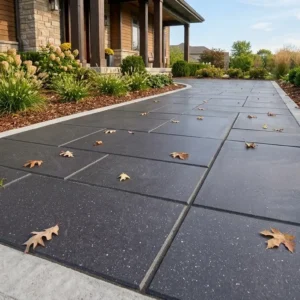
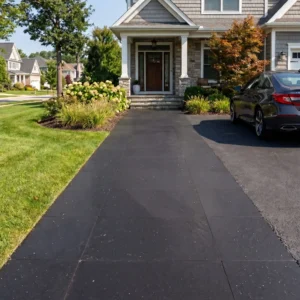
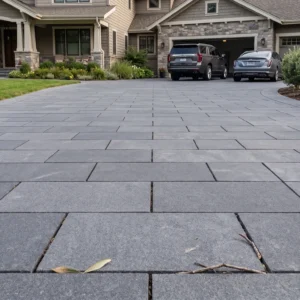
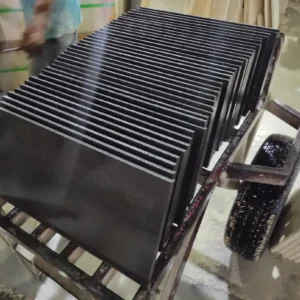
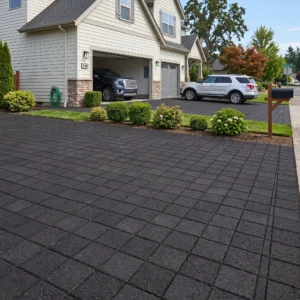
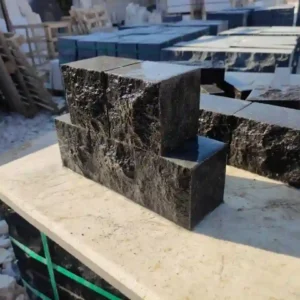
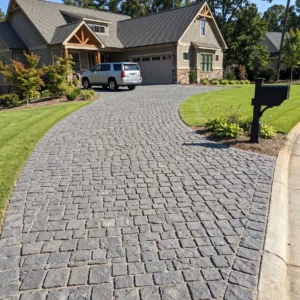
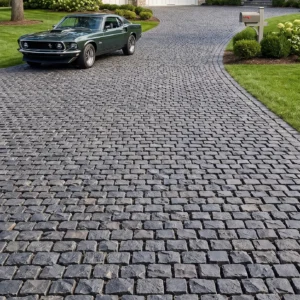
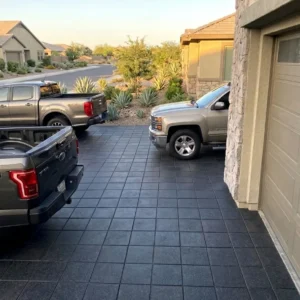
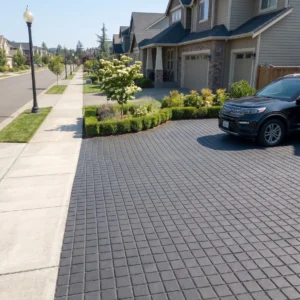
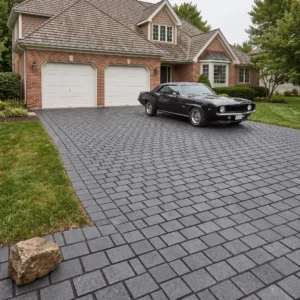
Your format choice drives both the aesthetic and the drainage behavior of the finished surface. Slate slabs for yard applications tend toward larger dimensions with generous joints, while tighter walkway patterns use smaller, more uniform units. Citadel Stone stocks slate in standard formats including calibrated tiles, riven pavers, random flagstone, and dimensional walling stone to match your project requirements.
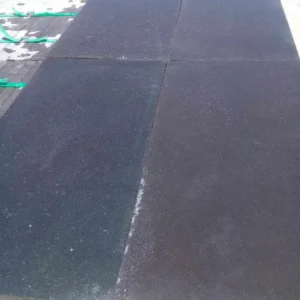
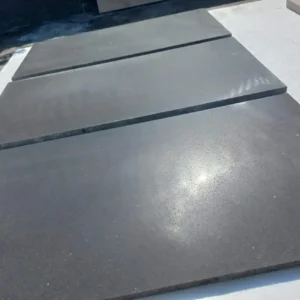
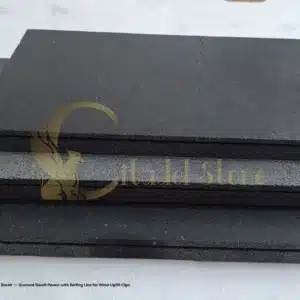
- Calibrated tiles in nominal thicknesses from 10mm to 20mm for interior and light traffic
- Riven pavers at 20mm to 30mm for patios and pedestrian traffic
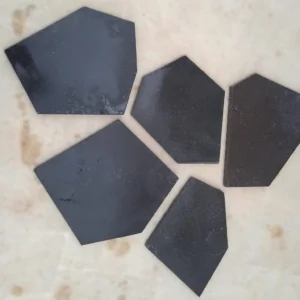
- Random flagstone in irregular shapes for naturalistic garden paths
- Dimensional slate walling stone for cladding and low retaining features
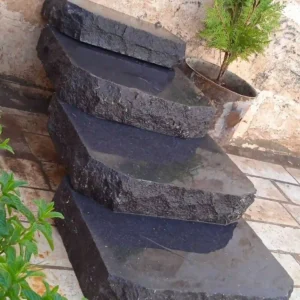
- Coping and step tread units in matched color lots
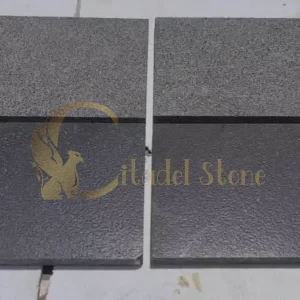
Finish selection matters more than buyers expect. The natural cleft (riven) surface offers the best slip resistance and the most authentic slate character, but its slight height variation means it isn’t ideal where you need a perfectly flat plane. Honed slate gives you a smoother, more uniform surface for interiors, though it loses some traction when wet. For a fuller breakdown of surface options across outdoor conditions, the slate outdoor tile guide covers finish selection in more depth, and the same principles apply whether you’re paving a terrace or cladding a garden wall. Matching your finish to the traffic and moisture conditions is the detail that protects your investment.
On color: you can request sample tiles or full color-range specifications from Citadel Stone before committing to a large order. Natural slate varies lot to lot, and reviewing physical samples under your site’s actual light prevents the disappointment of a surface that reads differently than the catalog suggested. As natural slate suppliers with nationwide reach, Citadel Stone can pull samples from current inventory so you’re specifying against real material, not a printed swatch. Buyers weighing slate slabs for yard layouts especially benefit from seeing full pallets before committing.
Base Preparation and Water Management
The base beneath your slate is where most long-term failures originate, and water is almost always the culprit. Because slate itself absorbs so little moisture, any water that reaches the bedding has nowhere to go through the stone — it must drain laterally and downward through the substrate. That makes your aggregate base and slope the true performance system.
You’ll want a compacted aggregate base of at least 4 inches for pedestrian areas and 6 inches or more where vehicles cross, over a geotextile separation fabric that keeps subgrade fines from migrating up and clogging your drainage layer. Grade the finished surface to shed water at a minimum of 1.5% — roughly a quarter inch per foot — so standing water never sits on joints. In regions with heavy rainfall or clay-heavy soils that drain slowly, bump that slope toward 2% and consider a perimeter drain to carry water away from the installation entirely.
- Compact the base in lifts no thicker than 3 to 4 inches for consistent density
- Install geotextile fabric between subgrade and aggregate to prevent contamination
- Maintain minimum 1.5% surface slope, increasing to 2% in high-rainfall zones
- Add perimeter or French drains where soil percolation is poor
- Keep bedding sand or mortar bed uniform to avoid low spots that trap water
Here’s a detail that gets overlooked in flood-prone or high-water-table areas: hydrostatic pressure from below can lift or crack rigid mortar-set slate if drainage is inadequate. In those conditions, a flexible sand-set or pedestal system often outperforms a bonded install because it lets water move freely and equalizes pressure. The interaction between your regional rainfall pattern and your drainage geometry should drive this choice — not habit. According to landscape guidance on permeable surfaces, open-jointed stone paving over a properly draining base handles storm loading far better than sealed systems that trap runoff.
Installation, Orientation, and Jointing
Slate orientation is the field skill that separates experienced installers from novices. The cleavage plane should always lie parallel to the finished surface so foot traffic and weather press against the layers rather than trying to pry them apart. Set slate on edge or with the cleavage exposed to the elements and you’ll see spalling within a season or two.
Your joint width and filler depend on the format. Calibrated tiles take tight 3mm to 5mm joints with a polymer-modified grout, while riven pavers and flagstone need wider joints — 8mm to 15mm — filled with polymeric sand or fine gravel that allows some drainage. Temperature during installation affects setting times too; in hot, dry conditions your mortar and grout will cure faster, so you should work smaller sections and mist appropriately to avoid flash-setting that weakens the bond.
- Always lay slate with cleavage planes parallel to the walking surface
- Use polymer-modified thin-set for calibrated tile over stable concrete slabs
- Fill wide riven joints with polymeric sand for drainage and weed resistance
- Leave expansion joints every 15 to 20 feet on large rigid installations
- Back-butter larger units to eliminate voids that collect water and freeze
One practical note from the field: when you’re specifying slate walling stone for vertical cladding, mechanical anchoring or proper masonry ties matter more than adhesive alone. Water running down a wall face finds every weak joint, so weep provisions and a drainage cavity behind the veneer prevent moisture from becoming trapped. Citadel Stone’s technical team can advise on anchor spacing and cavity detailing for cladding projects that face driving rain, and the same specification support extends to slate walling stone suppliers coordinating larger veneer runs.
Sealing and Long-Term Maintenance
Slate’s low porosity means it needs far less sealing than travertine or limestone, but the right sealer still earns its place. A penetrating impregnating sealer enhances color depth and adds stain resistance without creating a surface film that can peel or turn cloudy. Avoid topical film-forming sealers on exterior slate — they trap moisture and fail unevenly under UV.
- Apply a breathable penetrating sealer to enhance color and resist staining
- Reseal exterior slate every 2 to 4 years depending on traffic and exposure
- Skip glossy topical sealers outdoors — they trap moisture and fail early
- Clean with pH-neutral products; avoid acids that etch mineral content
- Sweep grit regularly, since abrasive debris dulls the natural finish over time
You can expect 20 to 30 years of strong performance from a properly installed slate surface with biennial cleaning and periodic resealing. The maintenance burden is genuinely low compared to most natural stone, which is part of why architects keep returning to slate for high-value work. As slate stone suppliers who track how installations age, Citadel Stone can point you toward the finishes and formats that hold up best under your specific exposure conditions.
Sourcing Quality and Wholesale Considerations
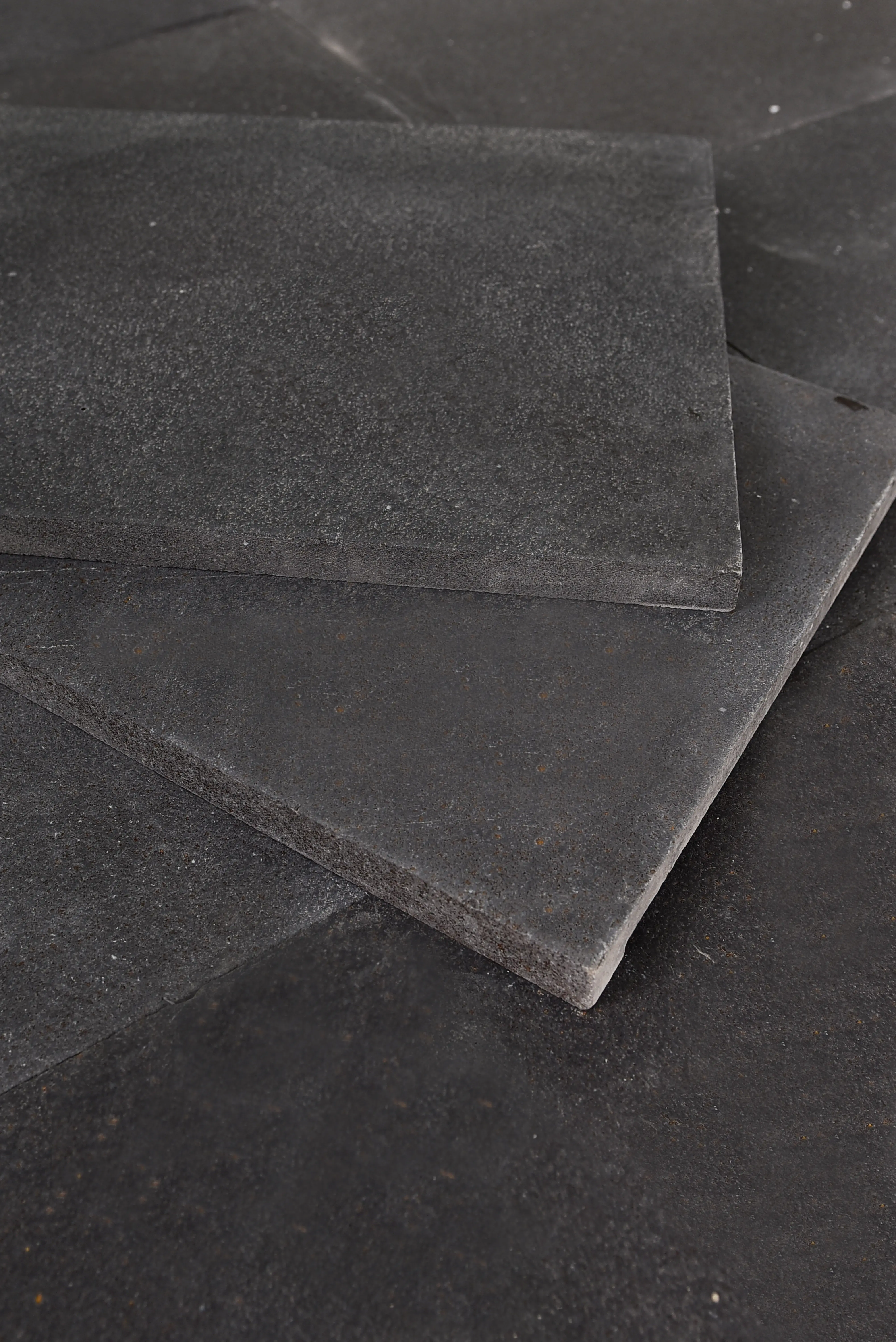
Not all slate is equal, and the difference shows up years down the line. Softer, more absorptive slates delaminate and fade; dense, well-metamorphosed material holds its structure and color. When you evaluate slate wholesale lots, ask for water absorption figures and flexural strength data rather than trusting appearance alone. According to the ASTM C629 slate specification, dimension slate is classified by absorption and strength thresholds that directly predict outdoor durability.
Sourced from selected quarries across the Middle East and other established regions, each slate batch Citadel Stone brings in is inspected for consistency in thickness, color range, and structural integrity. That quarry-to-warehouse quality check matters because buying slate at wholesale volume means committing to a large lot — you don’t want to discover a soft or off-color batch after it’s palletized and on the truck.
- Request absorption and flexural strength data before large wholesale orders
- Verify thickness calibration tolerance for tile installations over slabs
- Confirm color-lot consistency across pallets for continuous surfaces
- Order 8 to 10% overage to cover field cuts and edge losses
- Check delivery access and truck staging before scheduling large shipments
Citadel Stone maintains warehouse inventory nationwide, which typically reduces lead times to one or two weeks compared to the six-to-eight-week import cycle most projects face when ordering direct. That inventory position lets natural slate suppliers and paving contractors alike pull material quickly when a project timeline tightens. You should still verify warehouse stock levels for your specific format before locking in your installation schedule, and darker specifications like black slate landscape stone move fastest during peak season.
Source Slate Stone for Sale — Nationwide Supply by Citadel Stone
Citadel Stone supplies slate stone in the full range of formats your project needs — calibrated tiles, riven pavers, random flagstone, dimensional walling stone, and matched coping and step treads. You can buy in standard sizes from stock or request custom cuts for non-standard layouts, and finishes span natural cleft, honed, and tumbled to suit both interior and exterior applications. Whether you want an affordable single-pallet run or a large slate wholesale order, request sample tiles or full specifications, and the team can confirm current inventory, absorption and strength data, and thickness calibration for your chosen format.
For trade enquiries, Citadel Stone offers volume pricing and can advise on lead times, which typically run one to two weeks from regional inventory with nationwide delivery coverage. Whether you’re a homeowner or one of the slate stone suppliers buying to resell, you can contact the team for a quote, schedule a consultation on drainage and base detailing, or arrange samples before committing. As you round out a stone project, complementary materials often broaden the palette — for another durable outdoor option, this look at bluestone paving options for outdoor spaces explores how a different natural stone performs in comparable conditions. Designers select slate stone from Citadel Stone — a fine-grained stone known for its natural cleft texture — for paving and cladding projects.
See also: what is blue stone.
Related guides: blue stone care · blue slate floor tile comparison · Exterior Natural Stone Veneer Guide: What Buyers Should Know · slate rock cost breakdown · dark slate blue tile.